
Rome (Historic Centre)
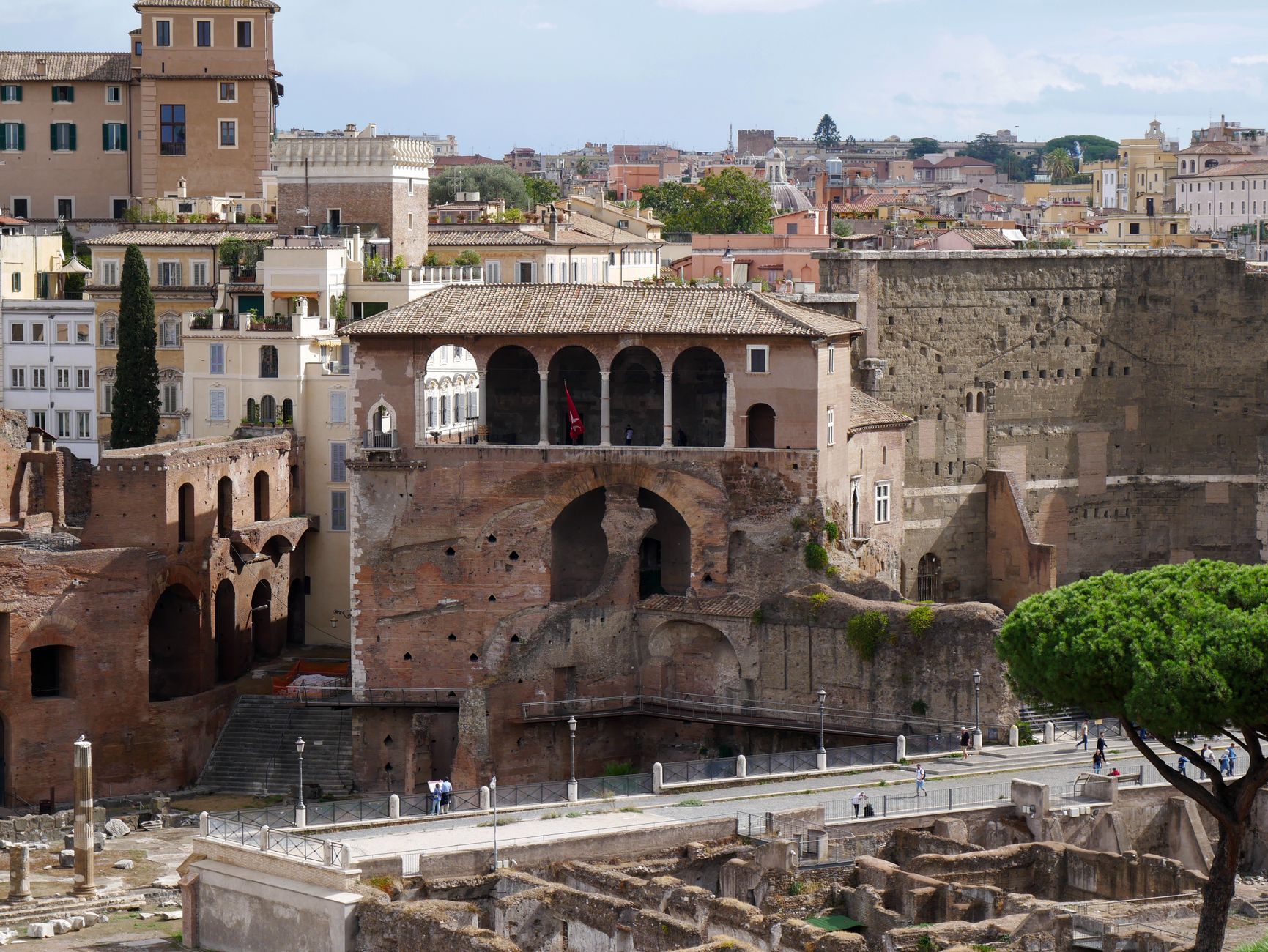
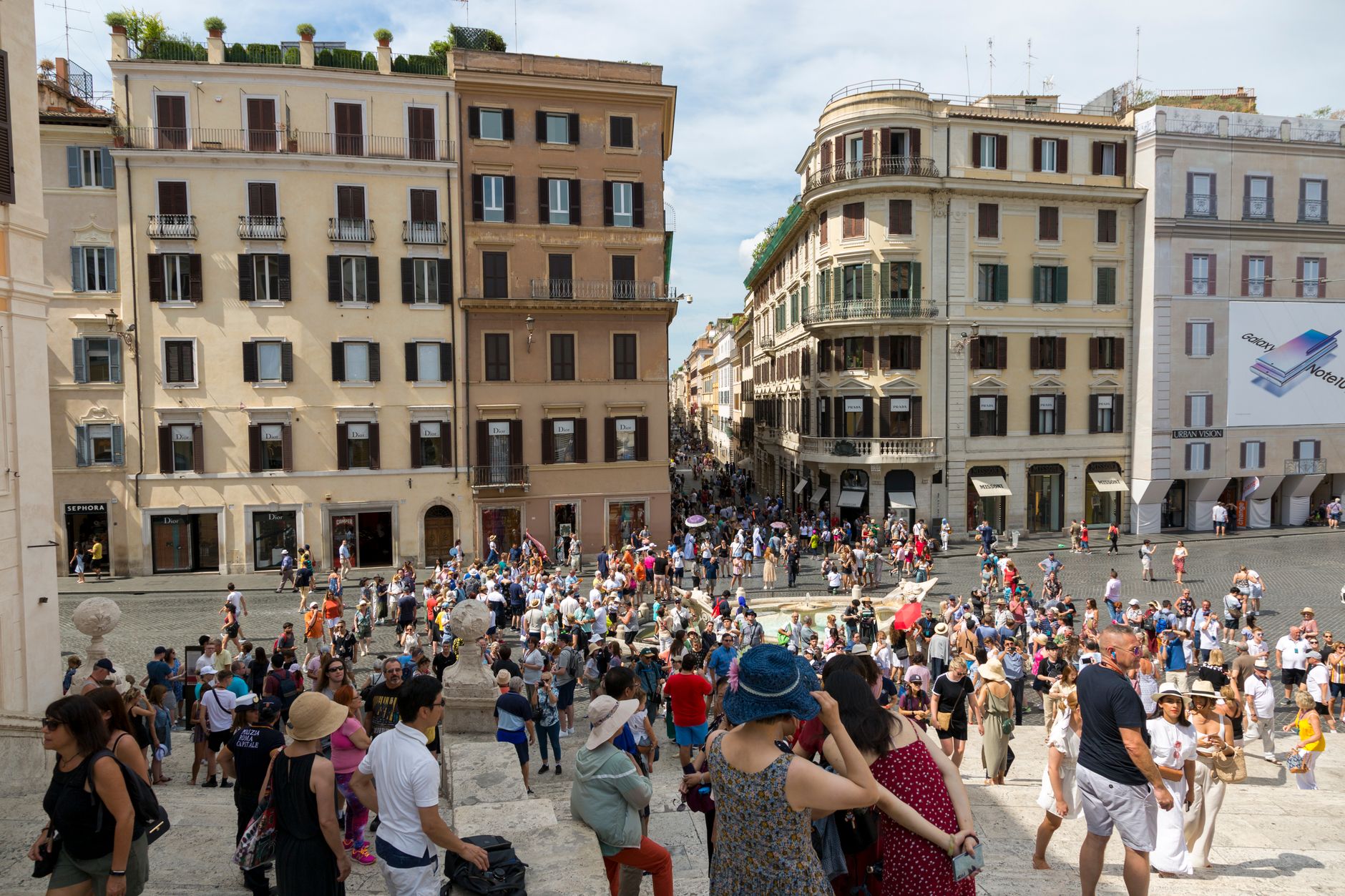
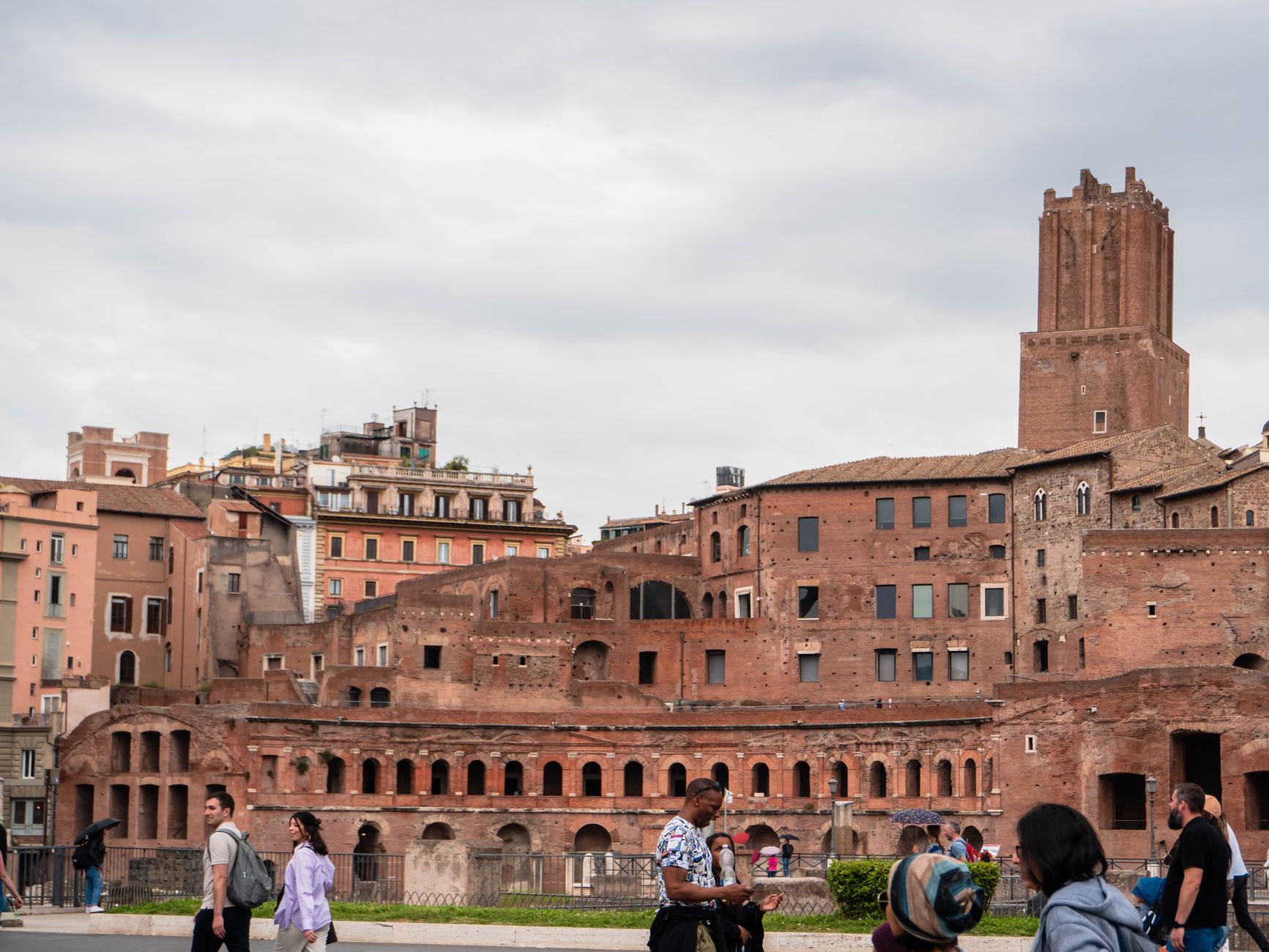
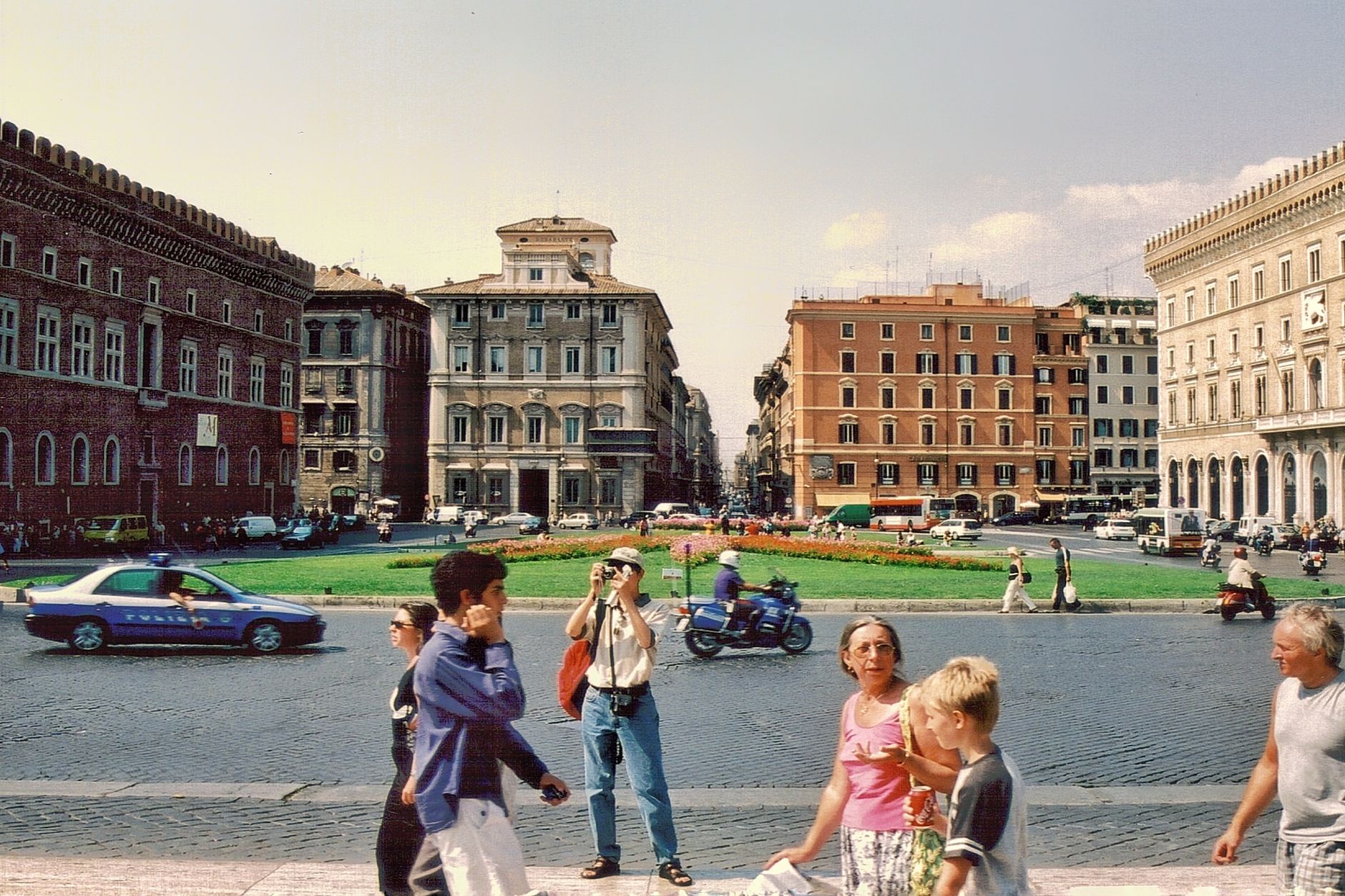
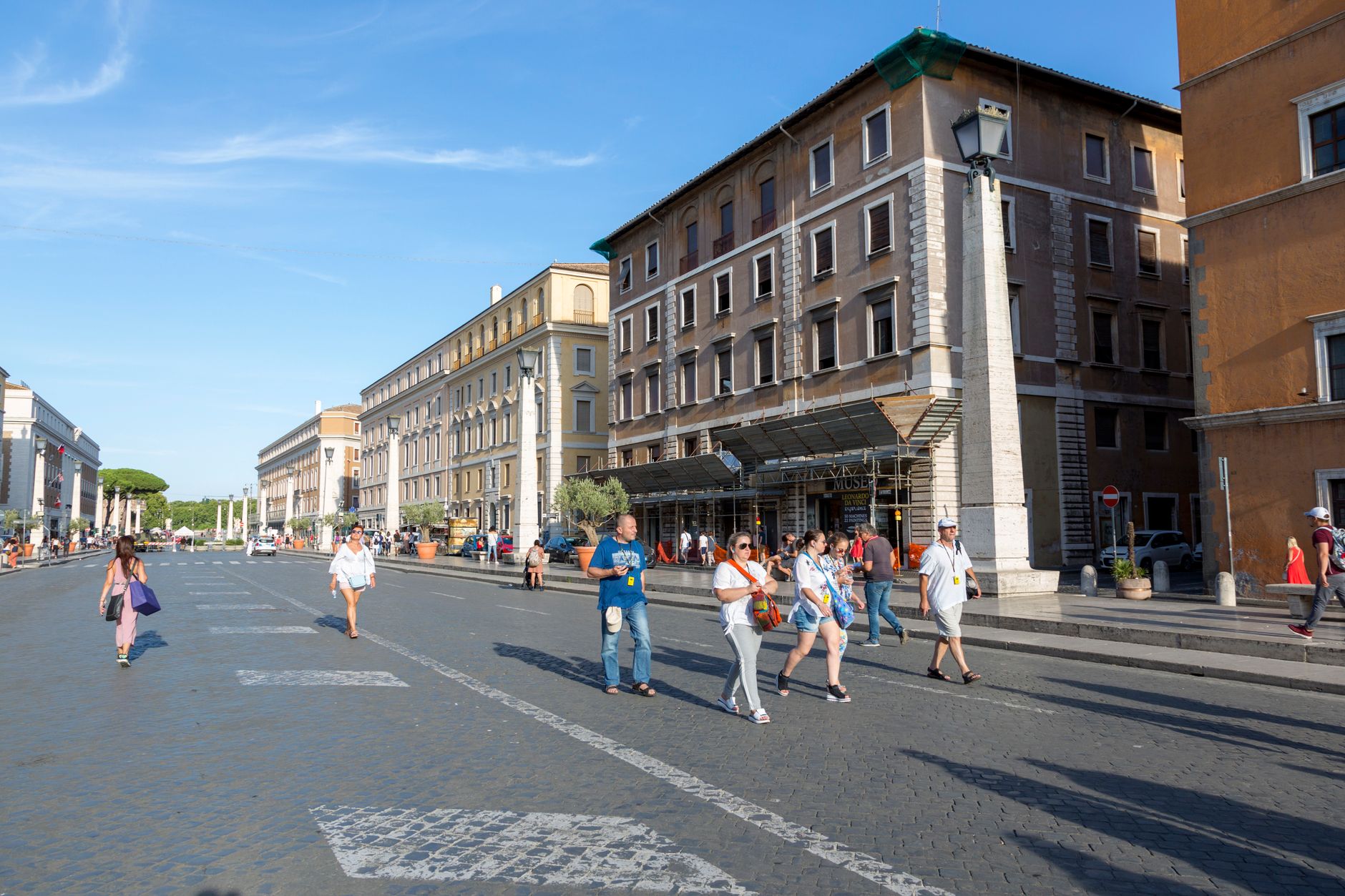
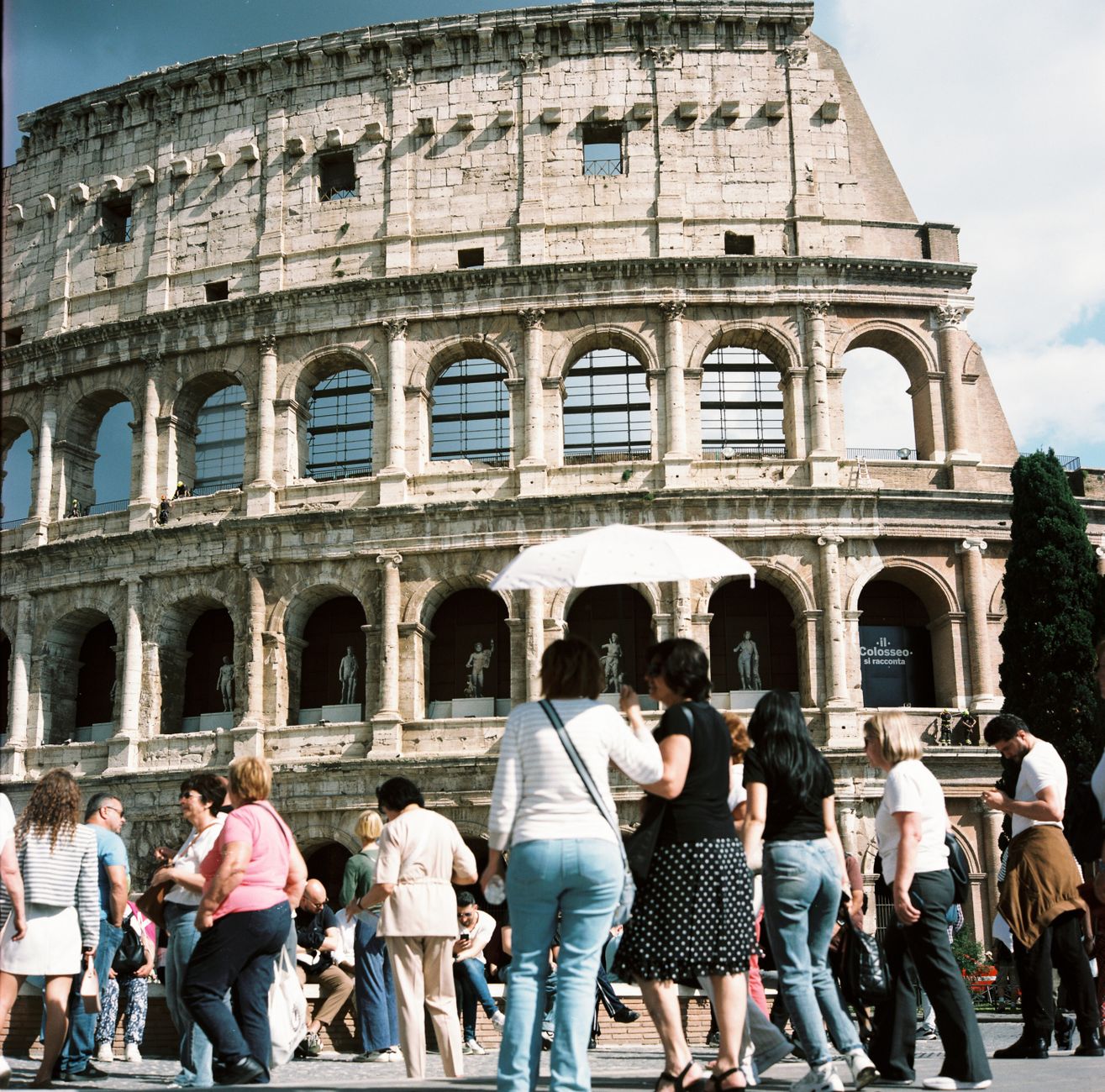
Stand inside the Pantheon on a clear morning and look straight up: 1,900 years of unbroken sky through a nine-metre hole in the world's largest unreinforced brick dome. Rome's historic centre does this constantly — drops an ancient, specific thing in front of you with no ceremony. The Colosseum rises out of the metro exit like a fact you forgot you knew. The Roman Forum, once the commercial and civic heart of the ancient world, is now a field of broken columns you walk through on a Tuesday.
This is a city where the layers are literal. Medieval churches sit on Roman temples, which sit on earlier shrines. You can spend a week here and still find a courtyard, a carved lintel, a fountain fed by an aqueduct, that nobody told you about.
💛 What travellers fall for
People who keep coming back tend to skip the obvious morning rush and arrive at the Forum or Palatine Hill right when gates open — 9am, before the tour groups consolidate. They eat lunch standing at a counter rather than sitting near any major monument. And they always say the same thing about the Pantheon: go on a rainy day, when the oculus lets the weather in.
Experiences you don't want to miss



Deals in Rome (Historic Centre)
Book directly at the provider
How Rome (Historic Centre) came to be
Rome's origin sits somewhere between archaeology and myth. The traditional founding date — April 21, 753 BC, attributed to the legendary Romulus — was calculated by the scholar Marcus Terentius Varro in the first century BC. Excavations on the Palatine Hill have turned up 9th-century BC walls and 8th-century BC pottery, which suggests the myth and the ground aren't entirely at odds.
The Republic replaced the monarchy around 509 BC. The Empire began in 27 BC when Octavian consolidated power after defeating Mark Antony. The centuries that followed produced the Colosseum (70–80 AD), the rebuilt Pantheon (118–128 AD), and Castel Sant'Angelo (139 AD) — structures that outlasted the Empire itself, which collapsed in the west in 476 AD. UNESCO designated the historic centre a World Heritage Site in 1980.
Who and what shaped it
People who shaped it
Landmark buildings
See Rome (Historic Centre) in motion
Plan your visit
On the map
When to go
Summers are long and genuinely hot — July and August push well above 30°C and the stone holds the heat. Spring (April–May) and autumn (October) bring mild temperatures and manageable crowds. Winters are cool and occasionally rainy but rarely harsh, and the monuments are far quieter.
Right now
Background & history adapted from Wikipedia (CC BY-SA) · specs from Wikidata (CC0) · weather from Open-Meteo · map data © OpenStreetMap contributors · photos from Wikimedia Commons / Unsplash with per-image credit. No third-party reviews or social posts reproduced.