
Rocca di Papa
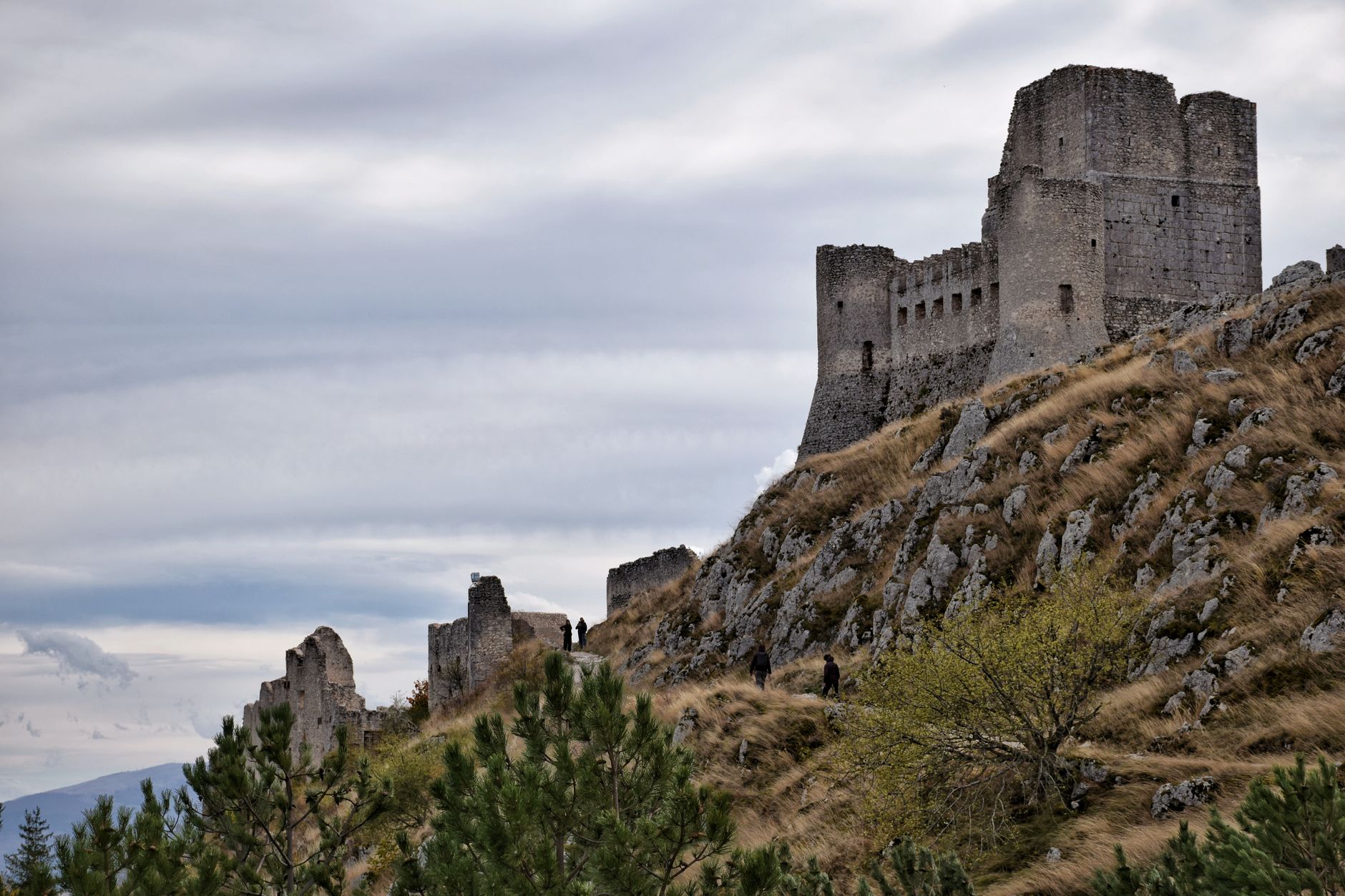
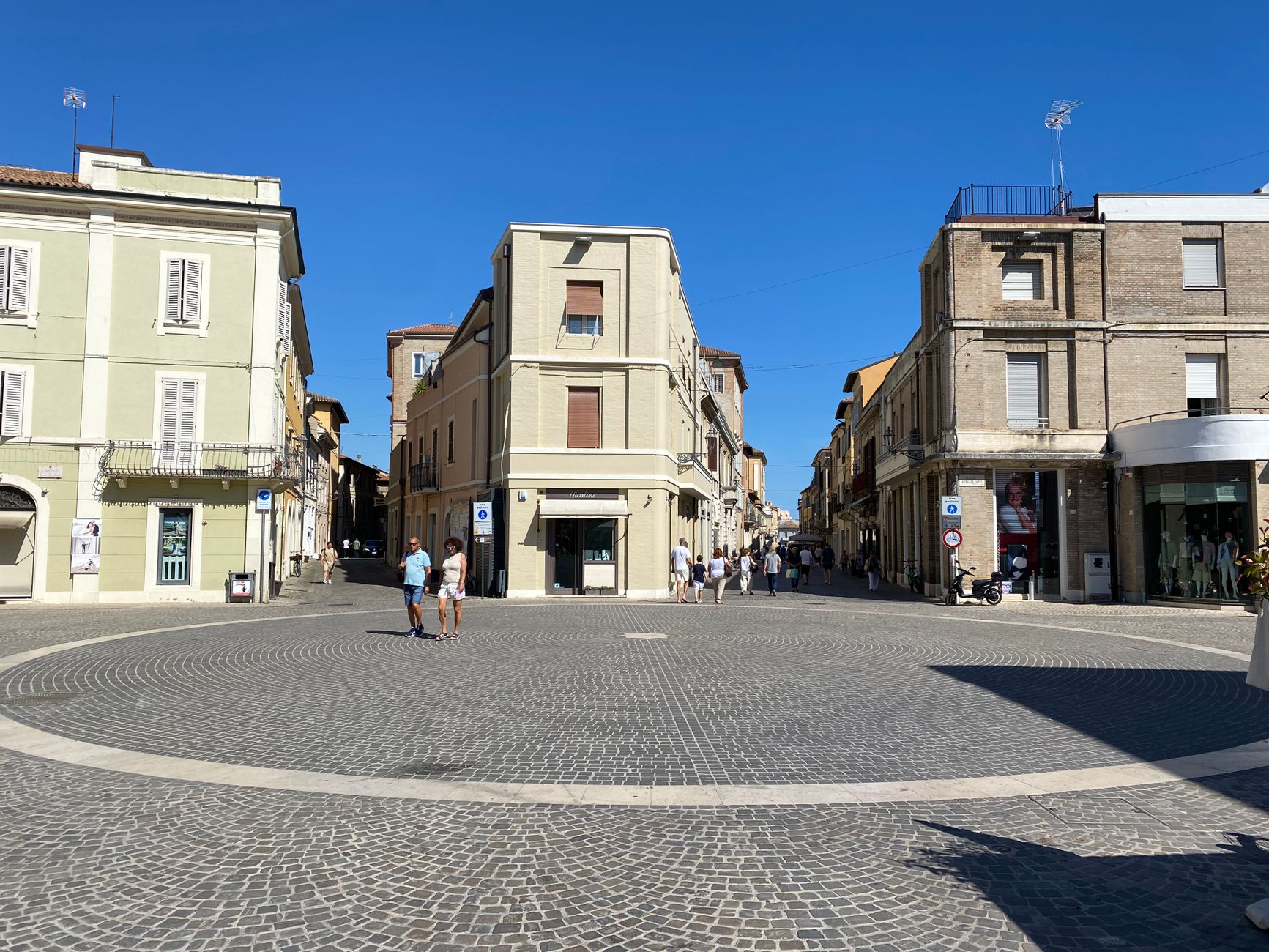
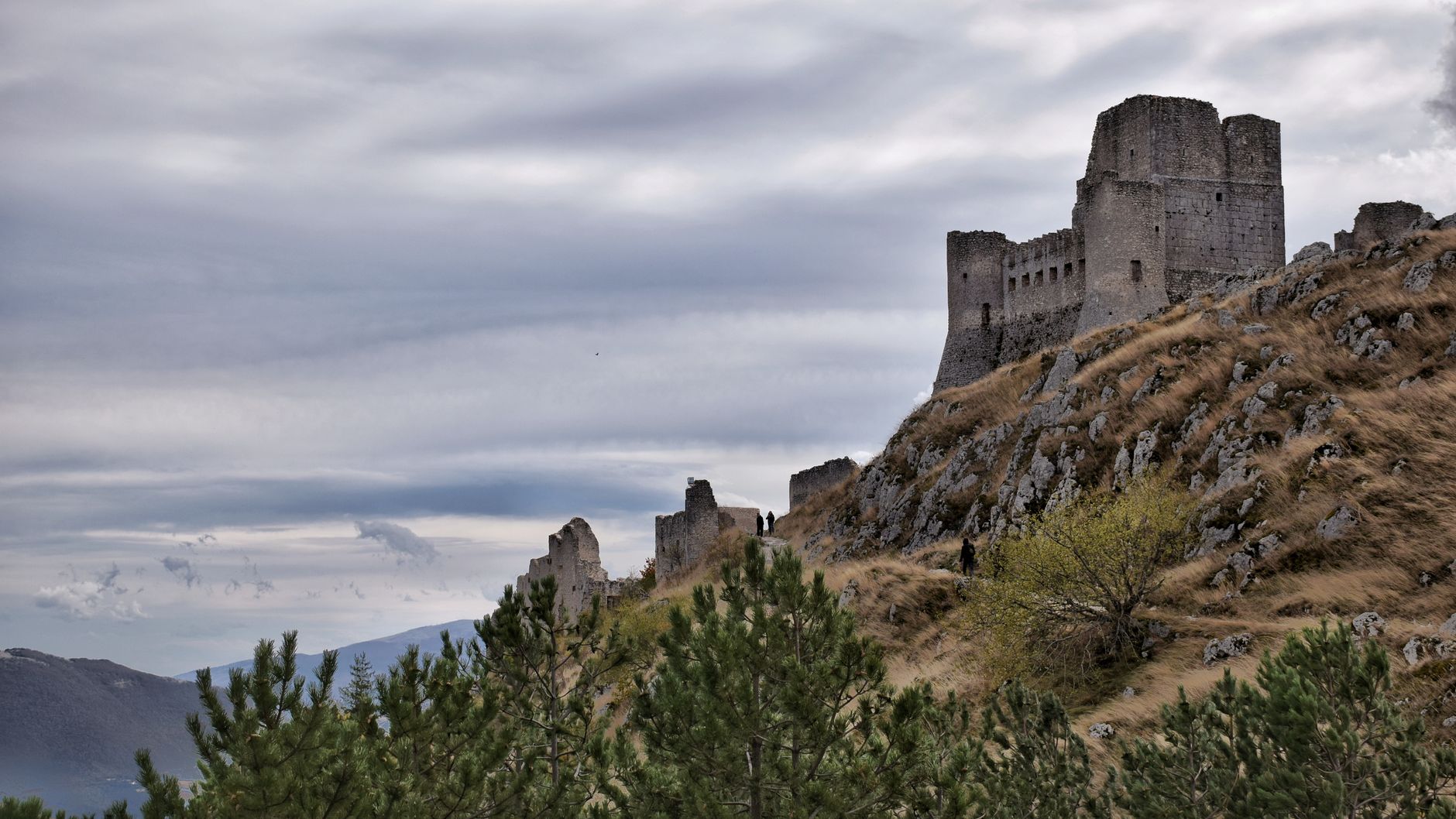
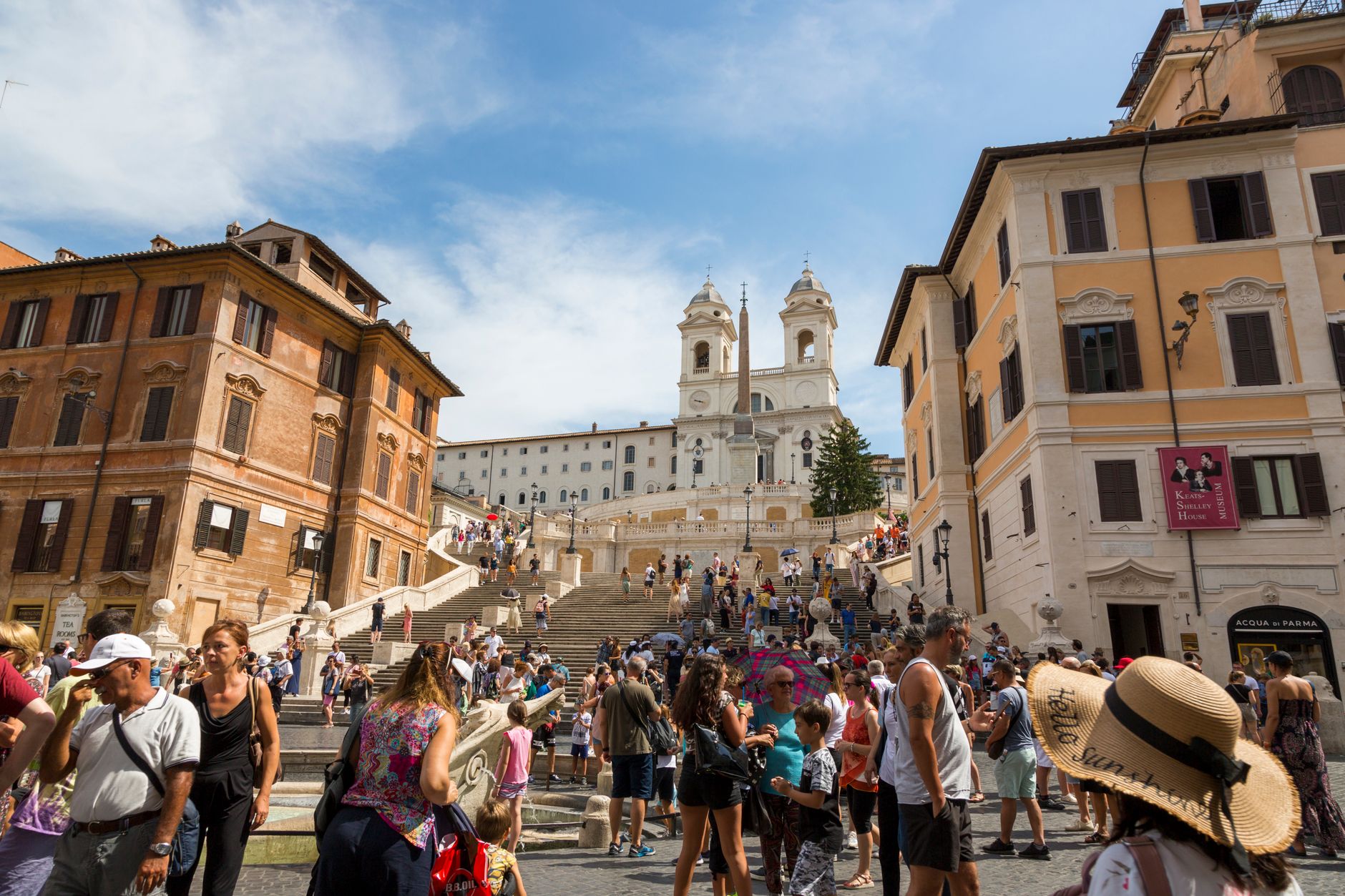
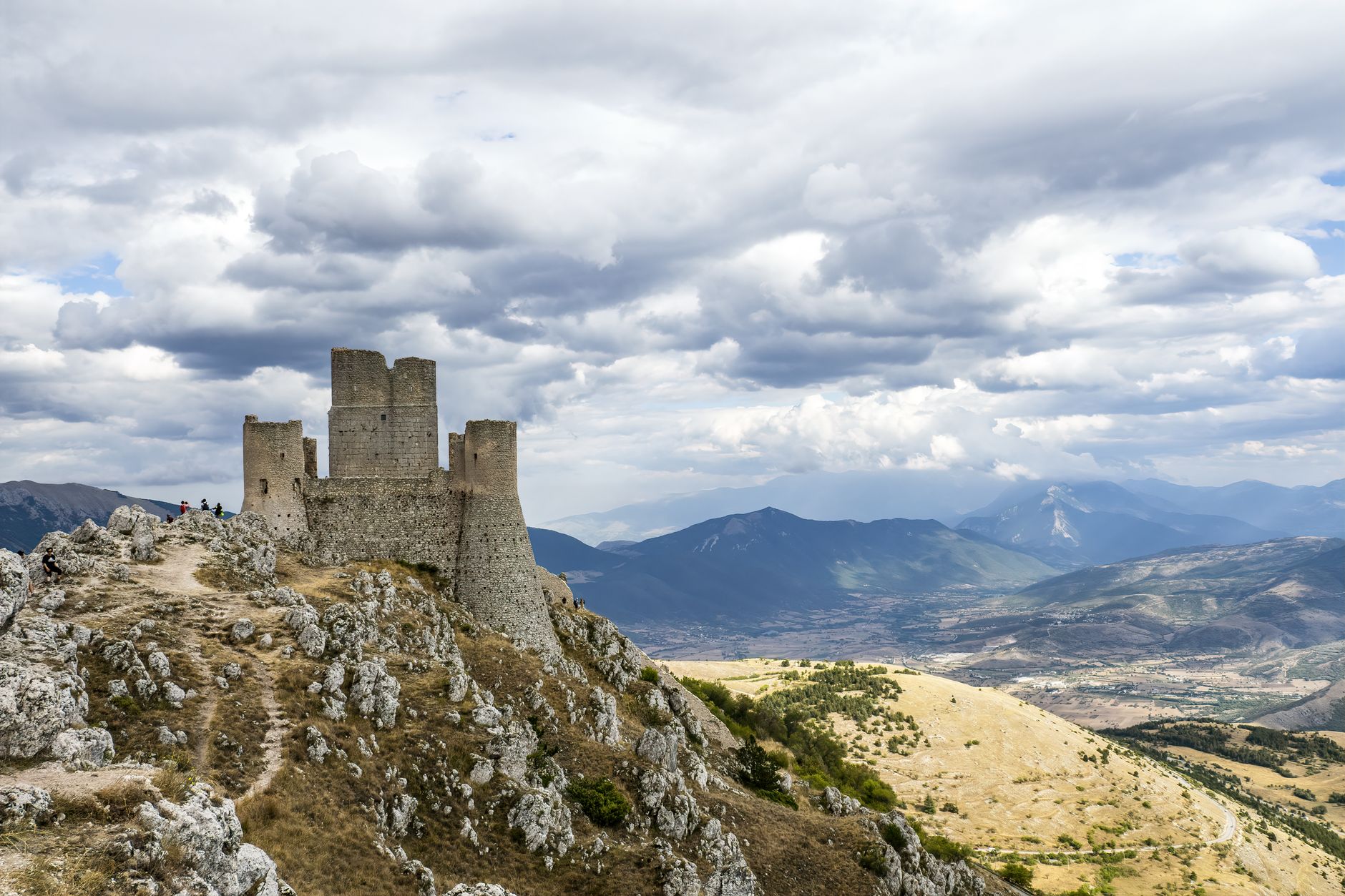
At 680 metres above the Alban Hills, Rocca di Papa sits high enough that Rome — visible on clear days — feels like a rumour from another world. The town grew around a papal fortress first documented in 1181, and the narrow streets still tilt uphill as if the whole place is leaning into the mountain.
Goethe came here. So did Hans Christian Andersen and Stendhal. What drew writers to a hill town 25 kilometres from Rome is still present: the altitude, the quiet, the way the light changes over the crater lake below. Guglielmo Marconi later chose the Royal Geodynamic Observatory at the summit for radio experiments between 1922 and 1935, which tells you something about how far you can hear from up here.
💛 What travellers fall for
People who return tend to arrive in the morning before the valley haze burns off, when Monte Cavo is sharp against the sky. The Via Sacra — the old Roman processional road with its Bronze Age cave tombs — rewards an early walk. The Astronomic Observatory in Vivaro is worth booking ahead for an evening session.
Experiences you don't want to miss


Deals in Rocca di Papa
Book directly at the provider

How Rocca di Papa came to be
The site predates its papal name — it stands over the ancient Latin city of Cabum. By 1181, Pope Lucius III was corresponding from a fortress here, and the town took its name from Pope Eugene III, who had lived on the rock before him. The Colonna family acquired the town in the 15th century and held it for four centuries, until 1855, when residents declared the short-lived 'Rocca di Papa Republic' against both the Colonnas and the Papal States.
The 20th century brought a different kind of history. In 1944 two Allied airstrikes killed 69 people and destroyed the town centre; the 85th Infantry Division of the US Army liberated the town on 4 June 1944. Chiara Lubich, founder of the Focolare ecumenical movement, lived and died here — she was born in Trento in 1920 and died in Rocca di Papa in 2008.
Who and what shaped it
People who shaped it
Landmark buildings
See Rocca di Papa in motion
Plan your visit
On the map
When to go
Spring and early autumn are the most comfortable seasons — mild temperatures and clear views across the Castelli Romani. Summer brings warmth and occasional afternoon thunderstorms that roll in fast from the hills; the elevation keeps it cooler than Rome, but not cool. Winter can be genuinely cold and sometimes foggy, though the town empties of day-trippers entirely.
Right now
Background & history adapted from Wikipedia (CC BY-SA) · specs from Wikidata (CC0) · weather from Open-Meteo · map data © OpenStreetMap contributors · photos from Wikimedia Commons / Unsplash with per-image credit. No third-party reviews or social posts reproduced.