
Vatican City (within Rome)
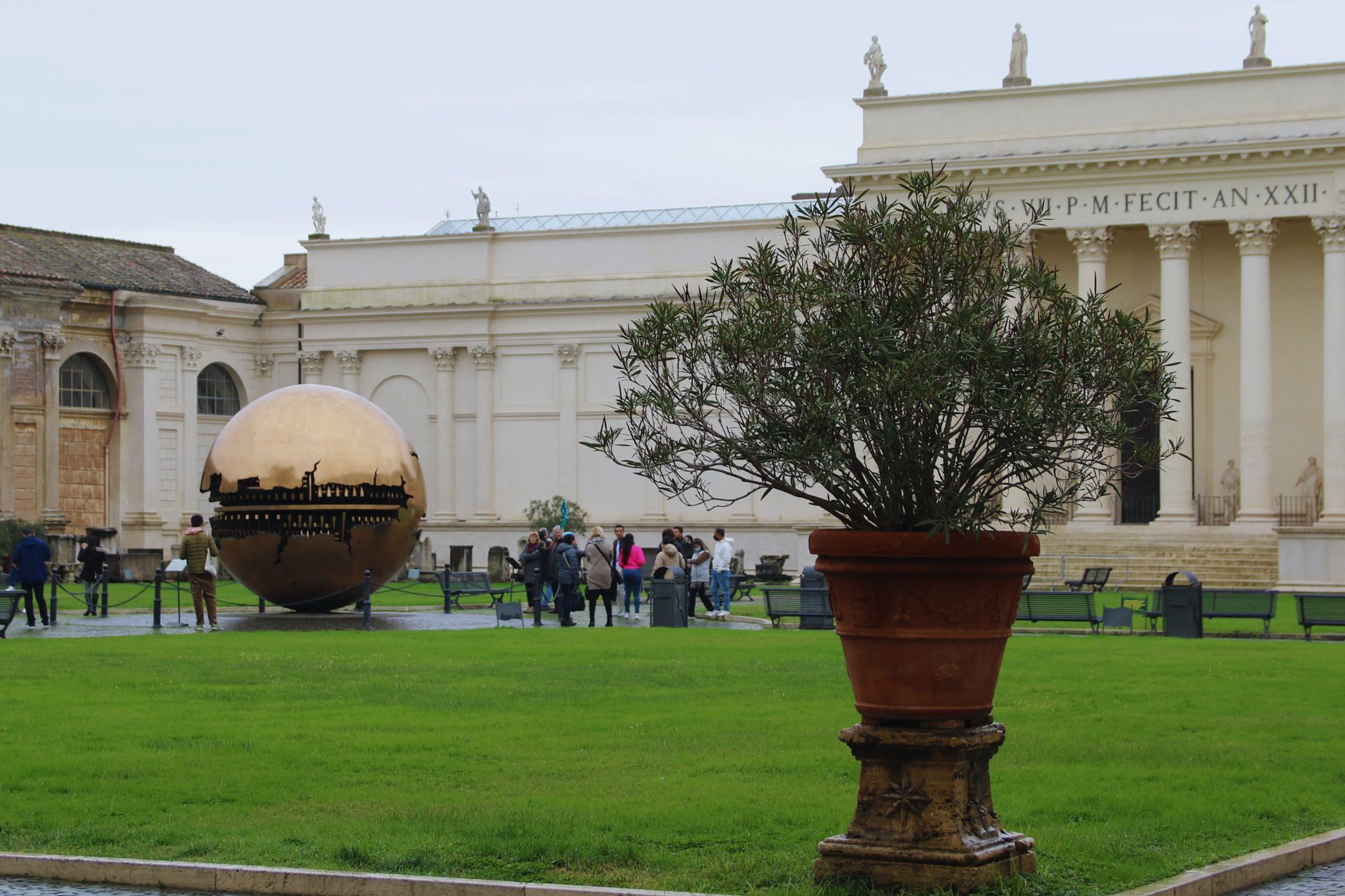
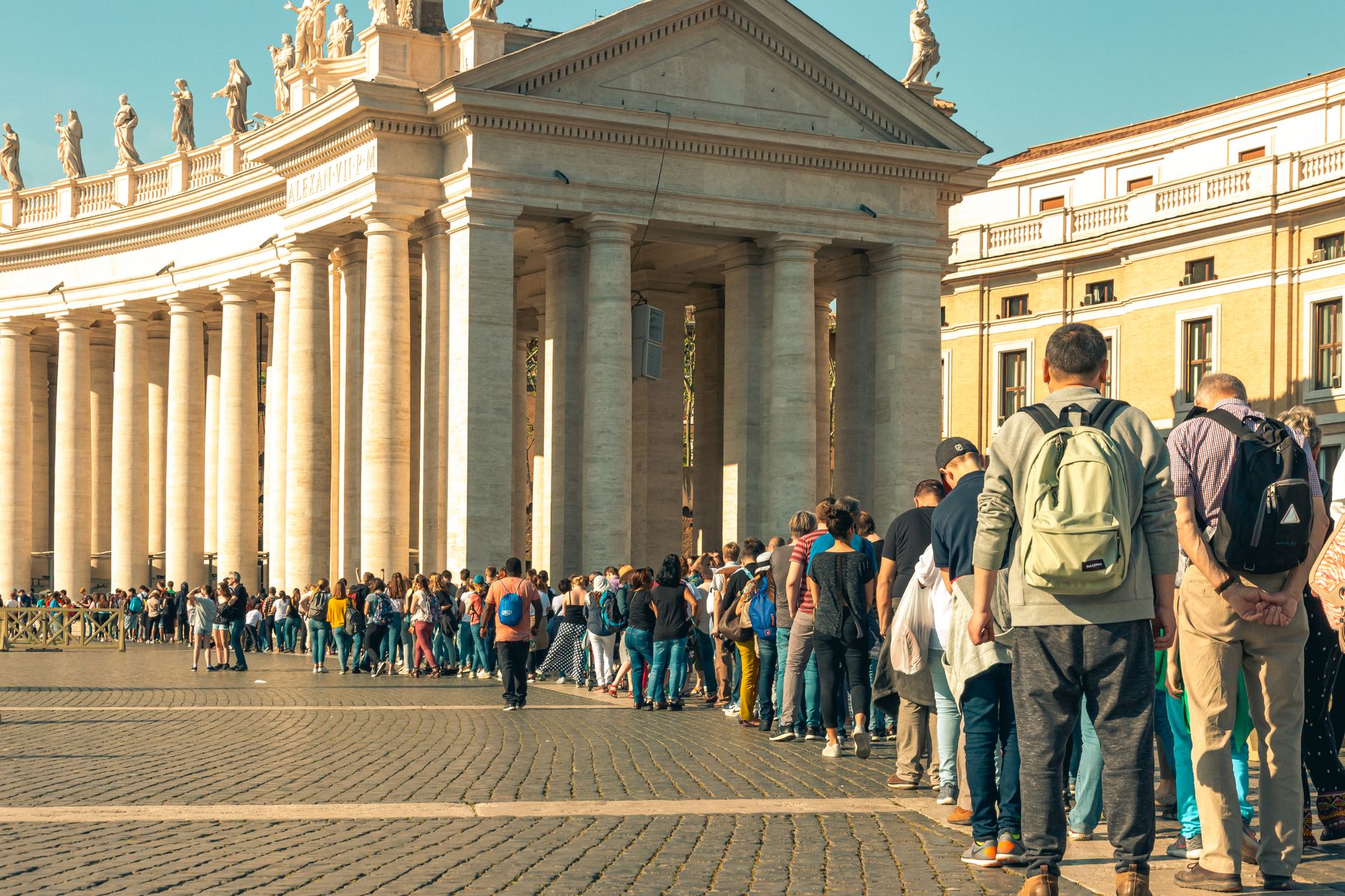
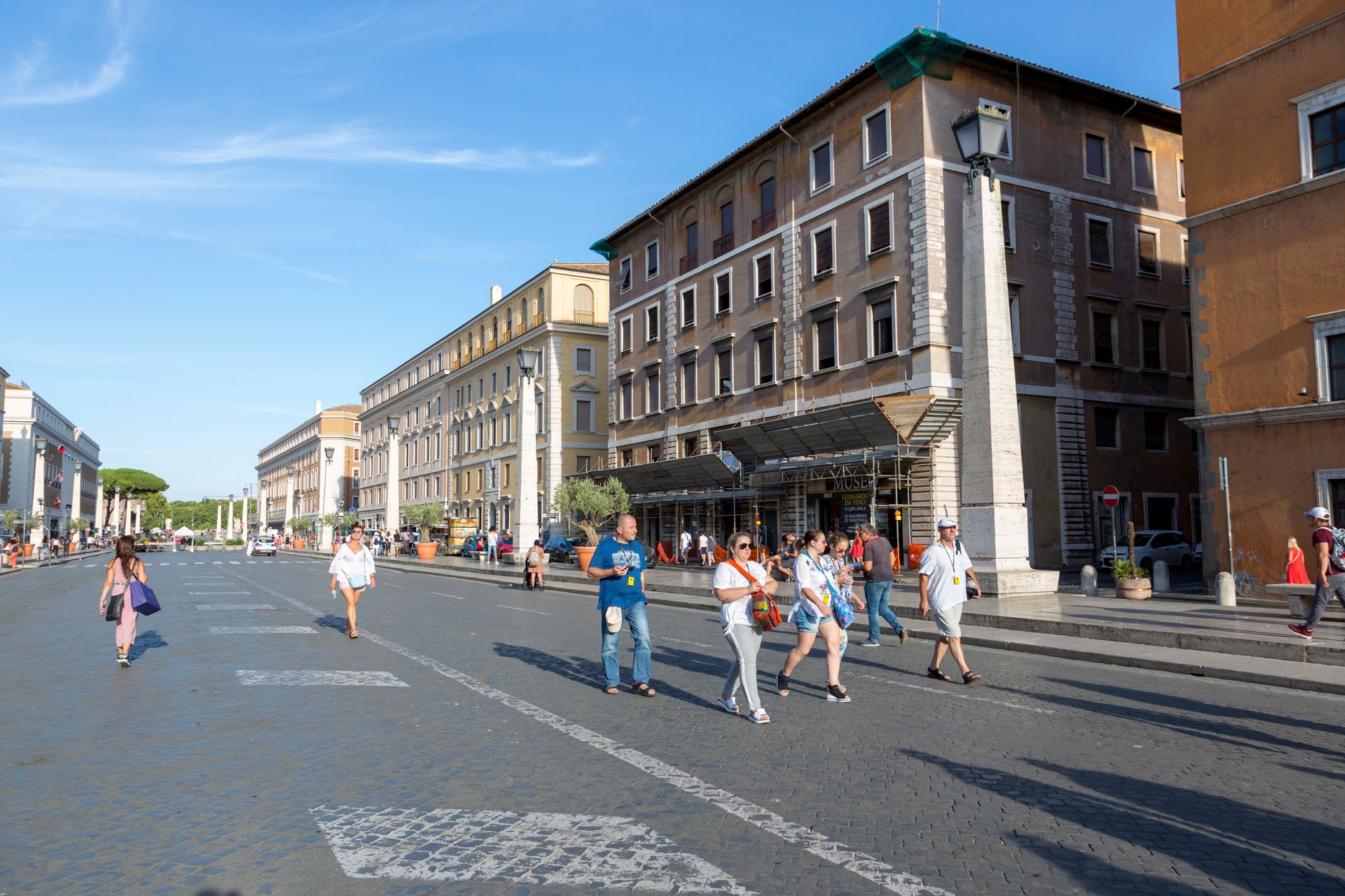
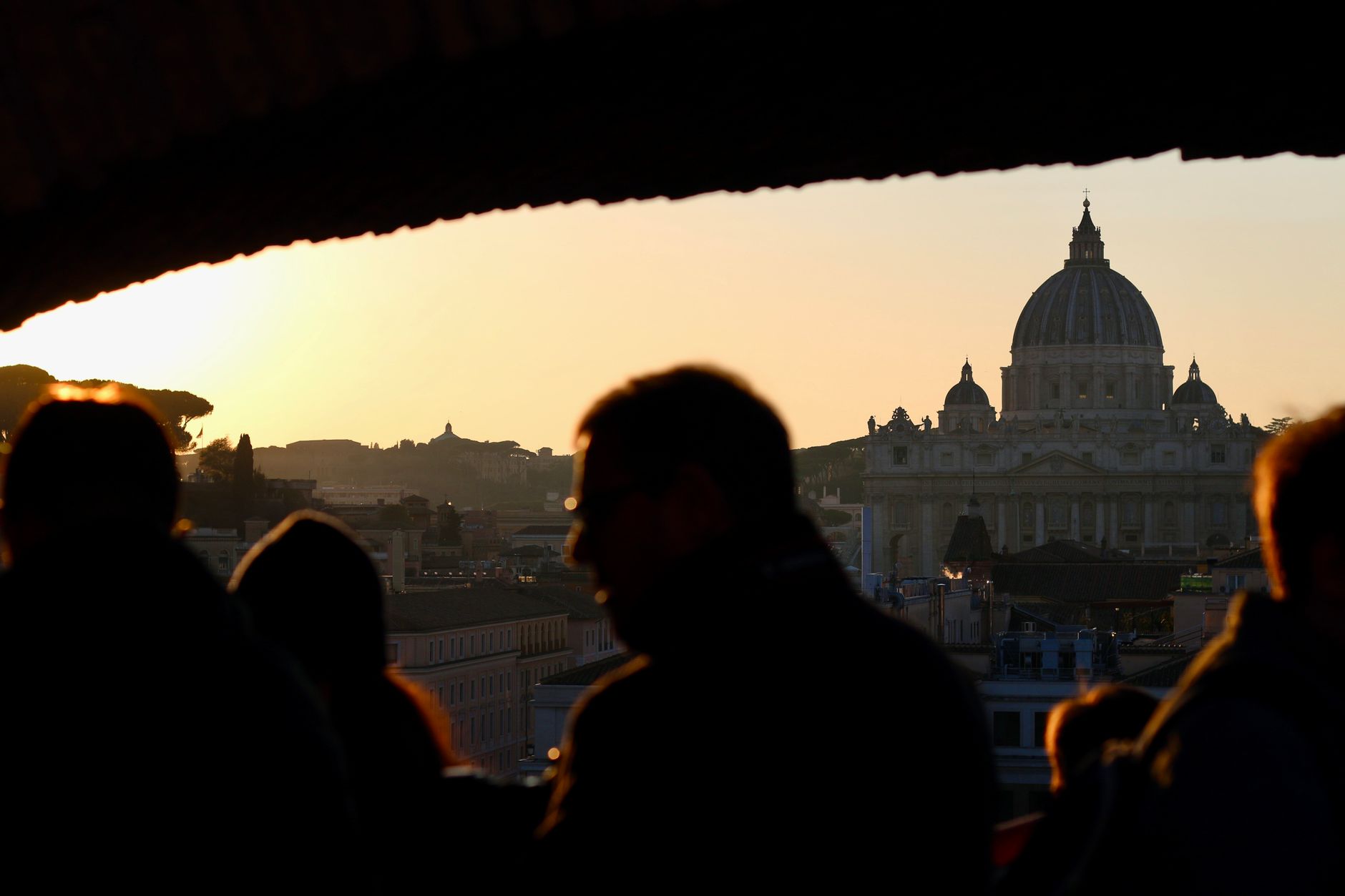
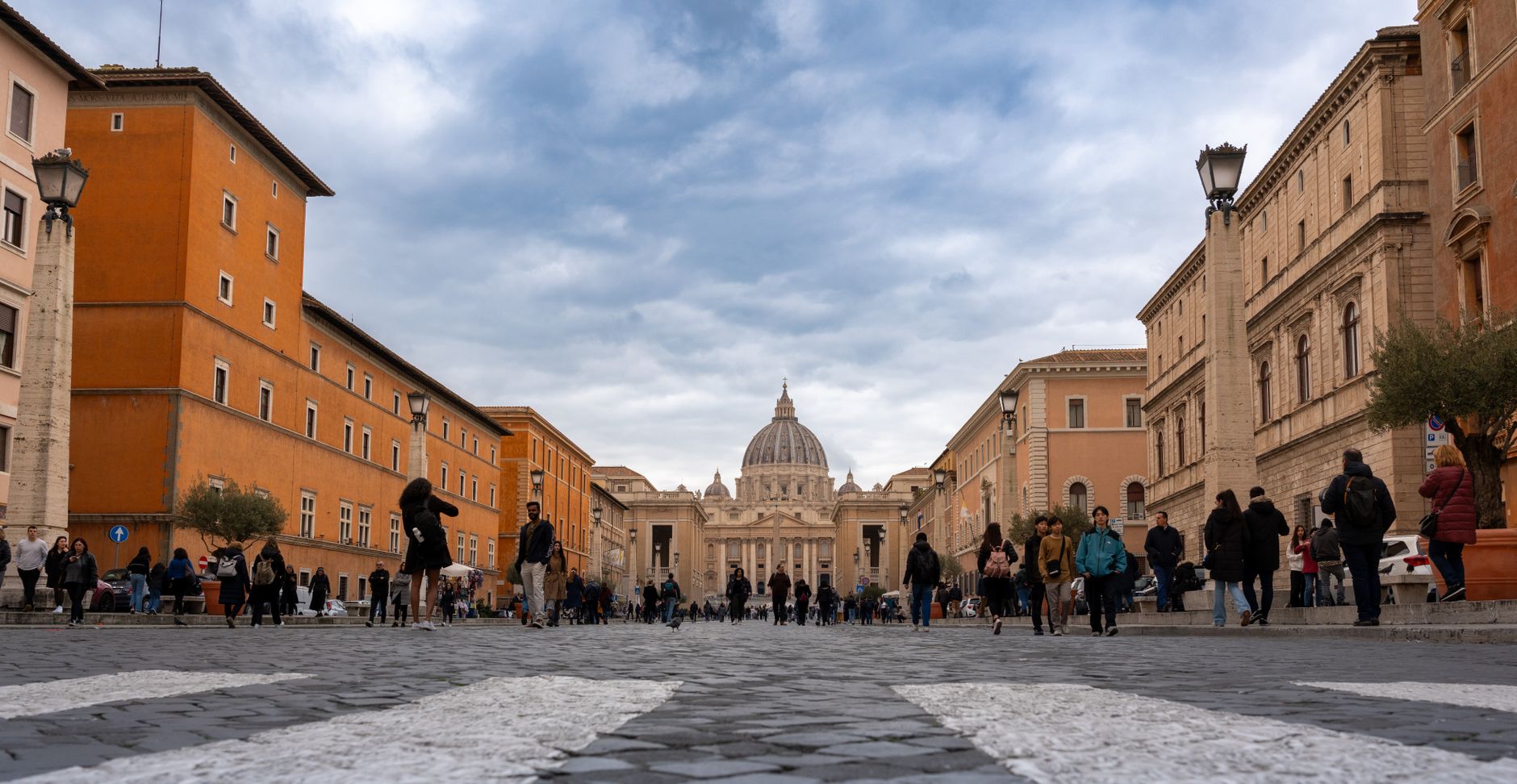
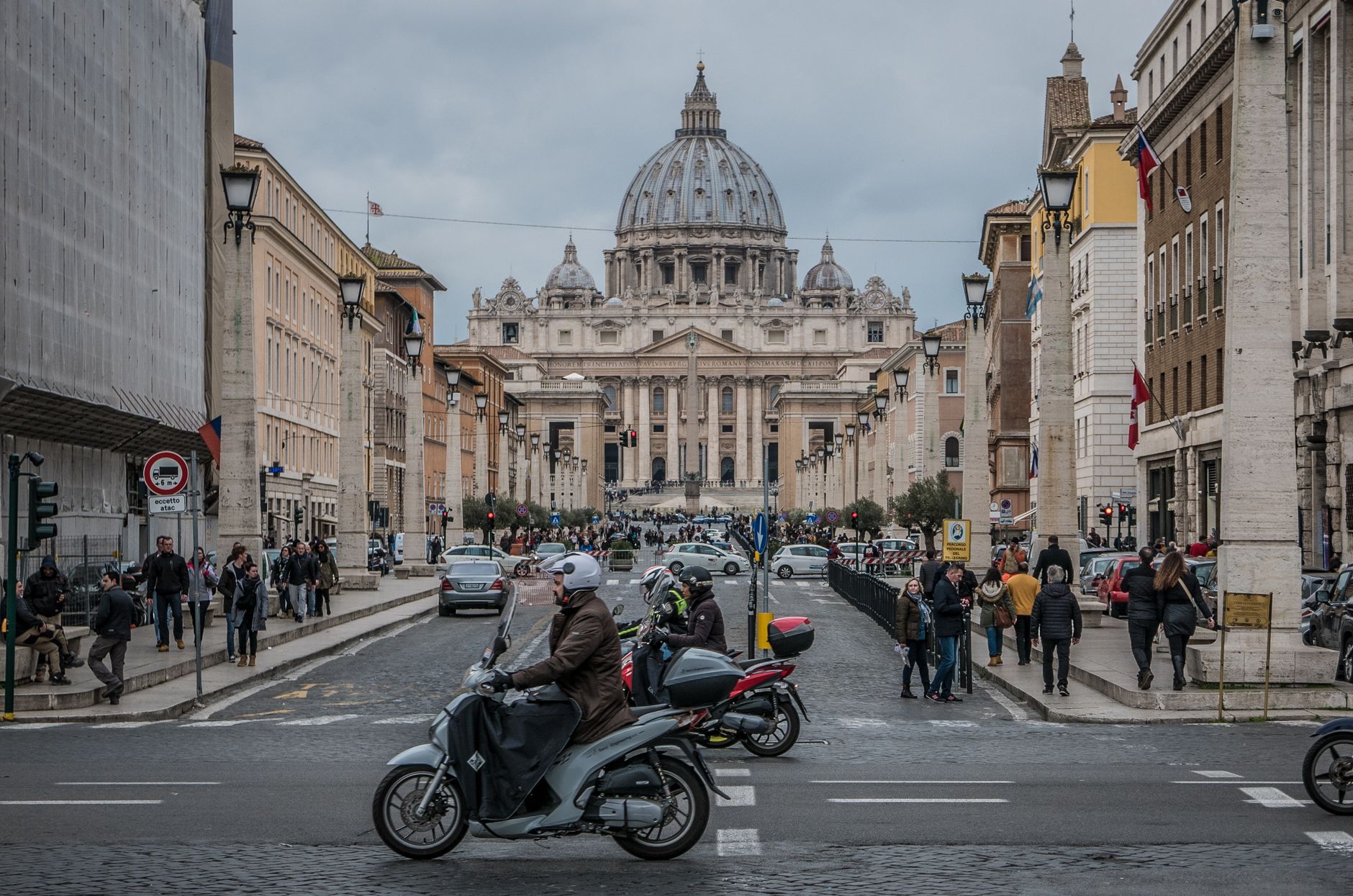
Vatican City occupies just 44 hectares on the west bank of the Tiber — the smallest internationally recognised state in the world, yet home to the largest Christian church ever built. St. Peter's Basilica alone took 120 years to complete, from 1506 to 1626, its dome rising 136.6 metres above a tomb that has drawn pilgrims since the 4th century.
What surprises most first-time visitors is the sheer density of it. The Museums alone demand four honest hours, and that's before you step inside the Basilica or consider climbing the dome. Give this place a full day and it will still leave things unfinished.
💛 What travellers fall for
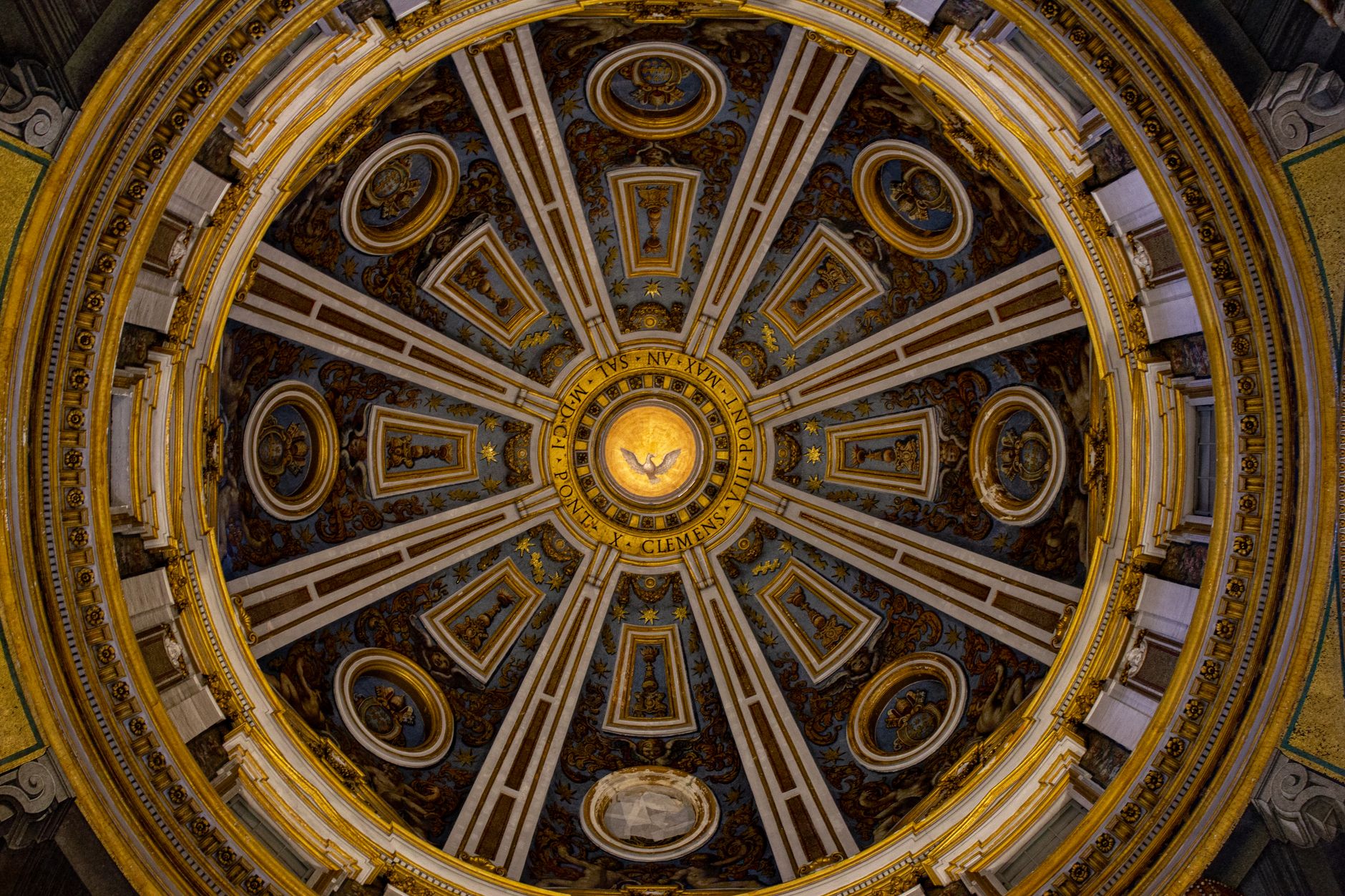
People who come back tend to do one thing differently: they book the dome for a weekday morning, before the crowds find their rhythm. The climb is partly by stairs, partly by lift, and the curved inner walkway above the nave — looking straight down into the Basilica — is the detail that stays with you long after the Sistine Chapel has blurred into memory.
Experiences you don't want to miss


Deals in Vatican City (within Rome)
Book directly at the provider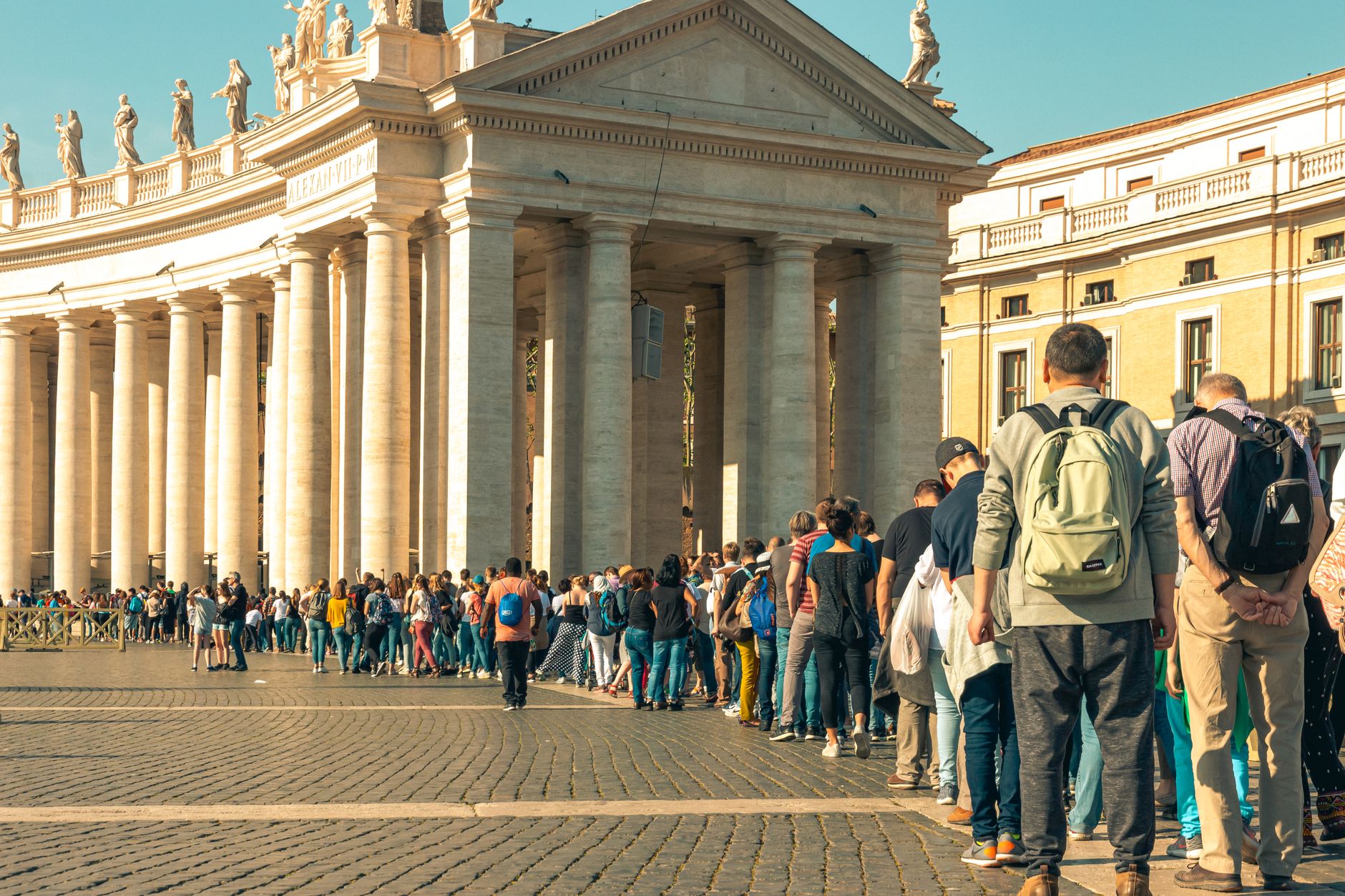

How Vatican City (within Rome) came to be
The story begins in 324, when Emperor Constantine I ordered a basilica built over the burial site of St. Peter. That structure stood for more than a millennium, drawing pilgrims and trade, until the papal court decamped to France in 1309 and the whole district fell into neglect. When the papacy returned to Rome in 1377, rebuilding began in earnest. Pope Nicholas V laid the groundwork for the Apostolic Palace around 1450, and his book collection seeded what became the Vatican Library.
Pope Julius II, who became pope in 1503, transformed the scale of ambition entirely — commissioning Bramante to redesign the Belvedere Courtyard and, in 1508, instructing Michelangelo to paint the Sistine Chapel ceiling. The present St. Peter's Basilica, shaped by Bramante, Michelangelo, Carlo Maderno and Bernini across successive generations, was consecrated in 1626. Vatican City itself only became a sovereign state on 11 February 1929, when the Lateran Treaty — signed by Cardinal Gasparri for Pope Pius XI and by Mussolini for King Victor Emmanuel III — ended a 60-year standoff between the Church and the Italian state.
Who and what shaped it
People who shaped it
Landmark buildings
See Vatican City (within Rome) in motion
Plan your visit
On the map
When to go
Spring (April–May) and autumn (September–October) offer mild temperatures and manageable crowds. Summer brings real heat and the longest queues of the year; if you visit in July or August, arrive at opening time and book everything in advance. Winter is quieter and cool, occasionally wet.
Right now
Background & history adapted from Wikipedia (CC BY-SA) · specs from Wikidata (CC0) · weather from Open-Meteo · map data © OpenStreetMap contributors · photos from Wikimedia Commons / Unsplash with per-image credit. No third-party reviews or social posts reproduced.