
Nemi


The name comes first: Nemi derives from the Latin nemus, meaning holy wood. That etymology still holds. Perched at 521 metres on the rim of an ancient volcanic crater, the town looks down over a lake so perfectly circular it seems placed rather than formed — 36,000 years old, 33 metres deep, ringed by strawberry fields that have been famous since at least the 19th century.
For most of its life, Nemi was not a town at all but a sanctuary. The Temple of Diana Nemorensis drew pilgrims to this crater long before anyone thought to build a village above it. The stones are mostly gone now, quarried into other walls, but the logic of the place — water, wood, altitude — remains unchanged.
💛 What travellers fall for
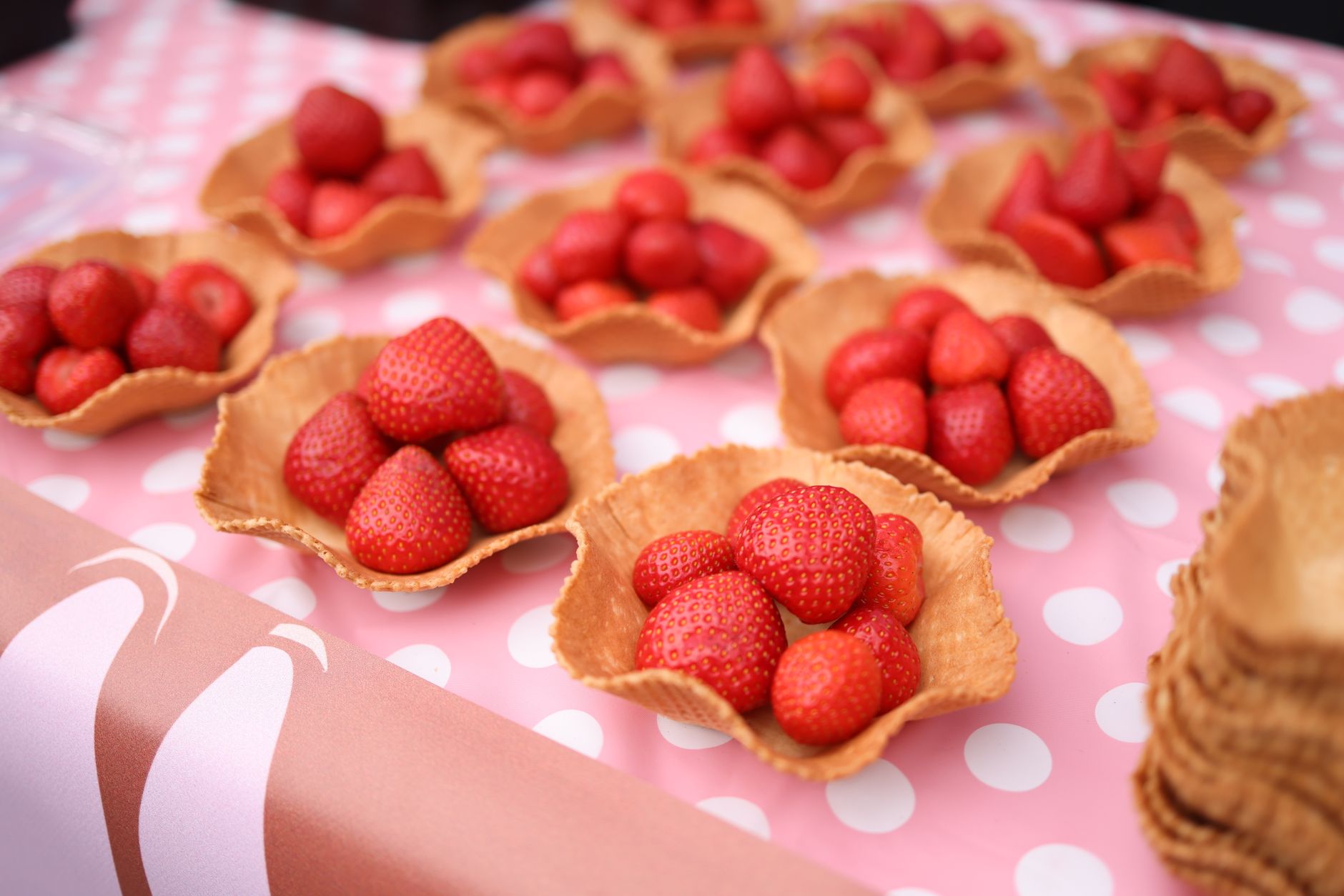
People who return tend to time it around the Sagra delle Fragole, held on the first Sunday or two of June since 1922 — tiny local strawberries, eaten from paper cones while standing at the crater's edge. The lake perimeter walk, roughly six kilometres along Via del Tempio di Diana, is the other thing regulars mention first.
Experiences you don't want to miss


Deals in Nemi
Book directly at the provider


How Nemi came to be
Before Nemi existed, the grove did. Worship of Diana at the lakeside sanctuary stretches back to at least the 6th century BC; the monumental Temple of Diana Nemorensis was formalised around 300 BC. The complex covered some 45,000 square metres — terraces, Doric porticoes, pilgrims' lodges, baths, a theatre — and remained active possibly into the 4th century AD, then was gradually dismantled for its stone.
A fortified settlement, Castrum Nemorensis, appeared around the 9th century. Control passed through the Counts of Tusculum, then the Frangipane family from around 1090. In 1514, Marcantonio I Colonna granted the town its founding statutes. The Ruspoli family acquired the castle in 1901, gave it a Renaissance façade, and undertook public works that shaped the town's current form. Mussolini ordered the draining of the lake between 1929 and 1931 to recover Caligula's two enormous pleasure ships — mosaic floors, plumbing, onboard baths — only for them to be destroyed by fire on 31 May 1944, the cause still disputed.
Who and what shaped it
People who shaped it
Landmark buildings
See Nemi in motion
Plan your visit
On the map
When to go
At 521 metres, Nemi runs noticeably cooler than Rome in every season — summers are fresh rather than punishing, and spring and autumn bring sharp, clear air that suits walking the crater rim. Winter is quiet and occasionally cold; the lake-side paths can be muddy after rain.
Right now
Background & history adapted from Wikipedia (CC BY-SA) · specs from Wikidata (CC0) · weather from Open-Meteo · map data © OpenStreetMap contributors · photos from Wikimedia Commons / Unsplash with per-image credit. No third-party reviews or social posts reproduced.