
Frascati
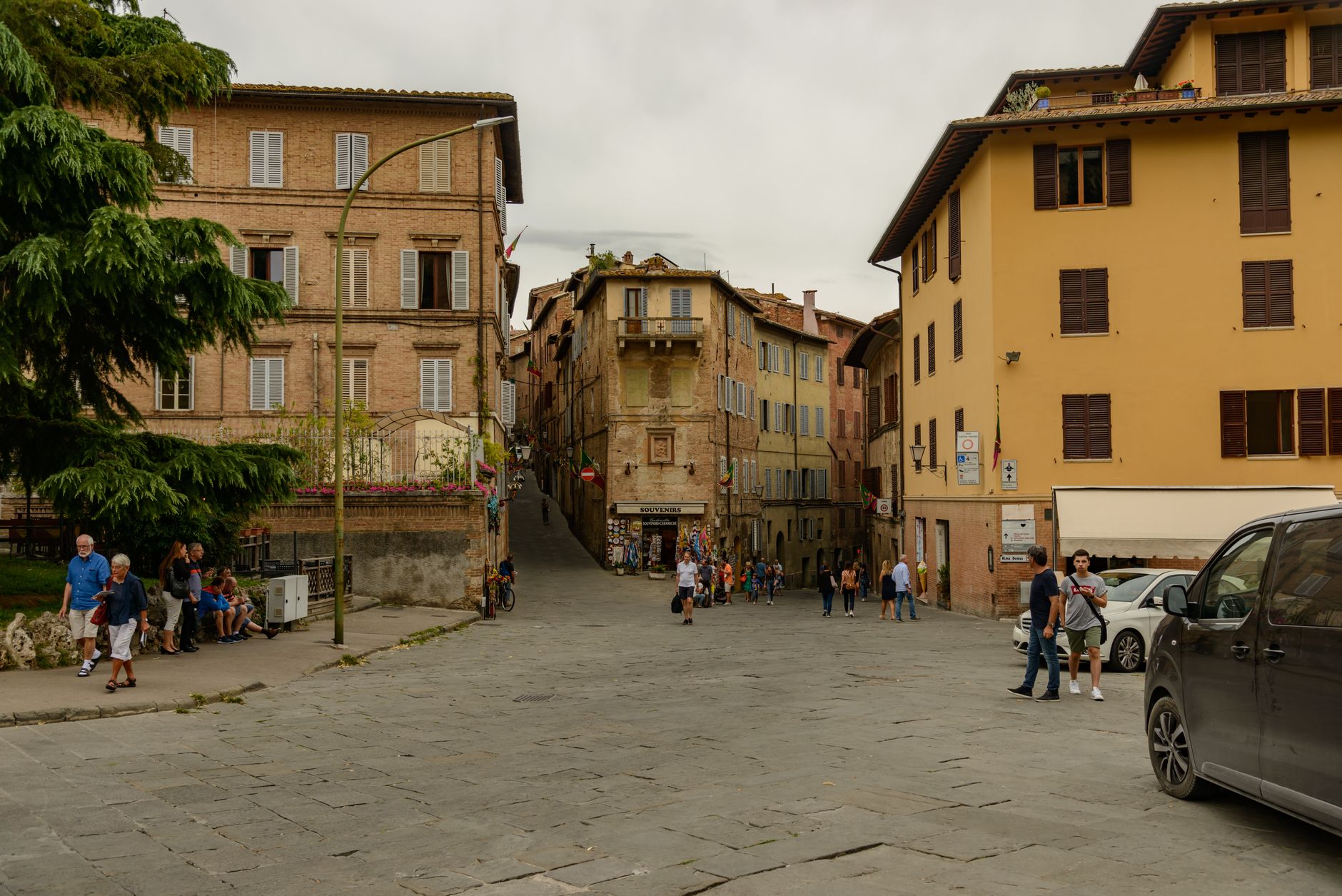
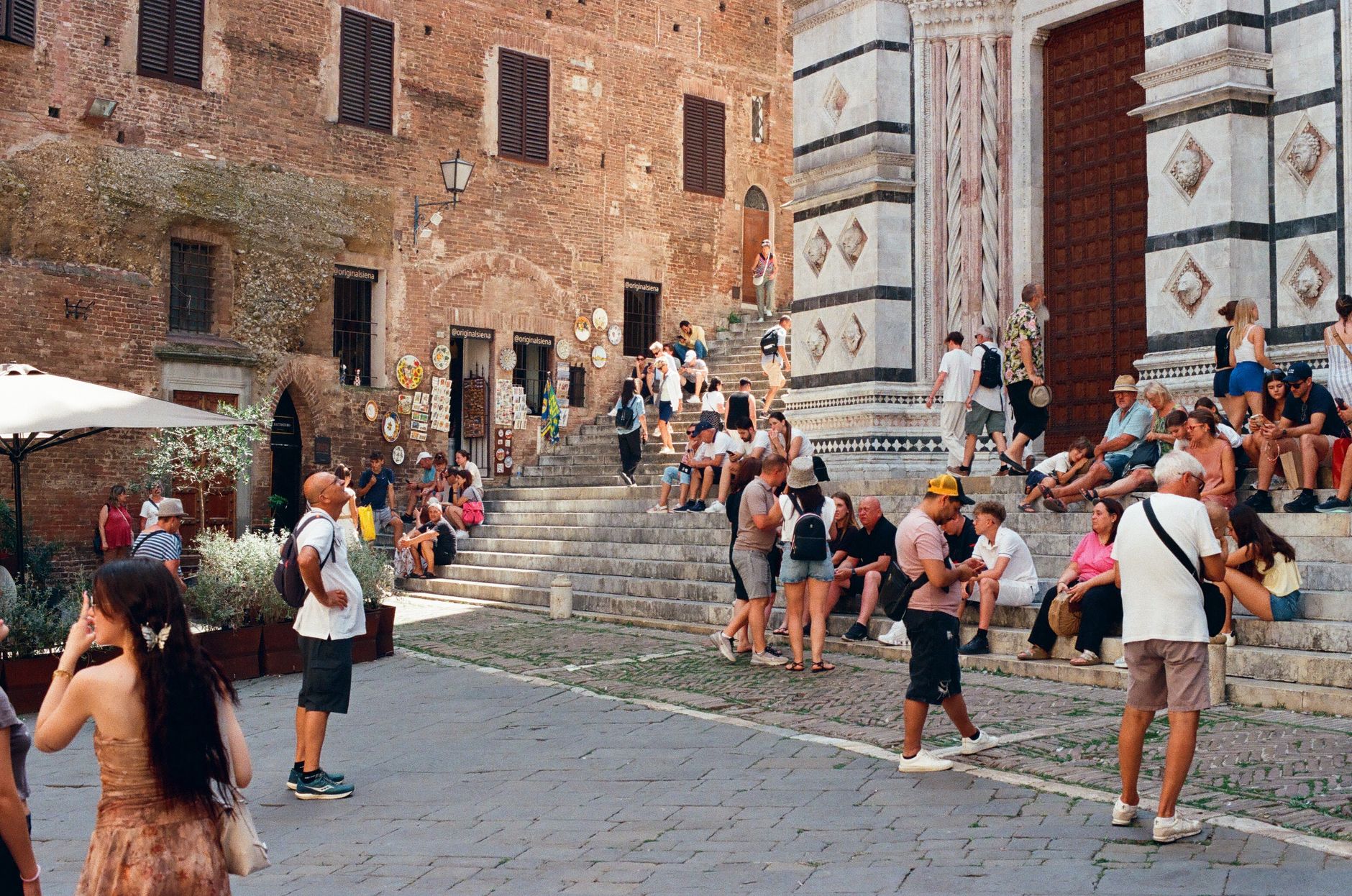
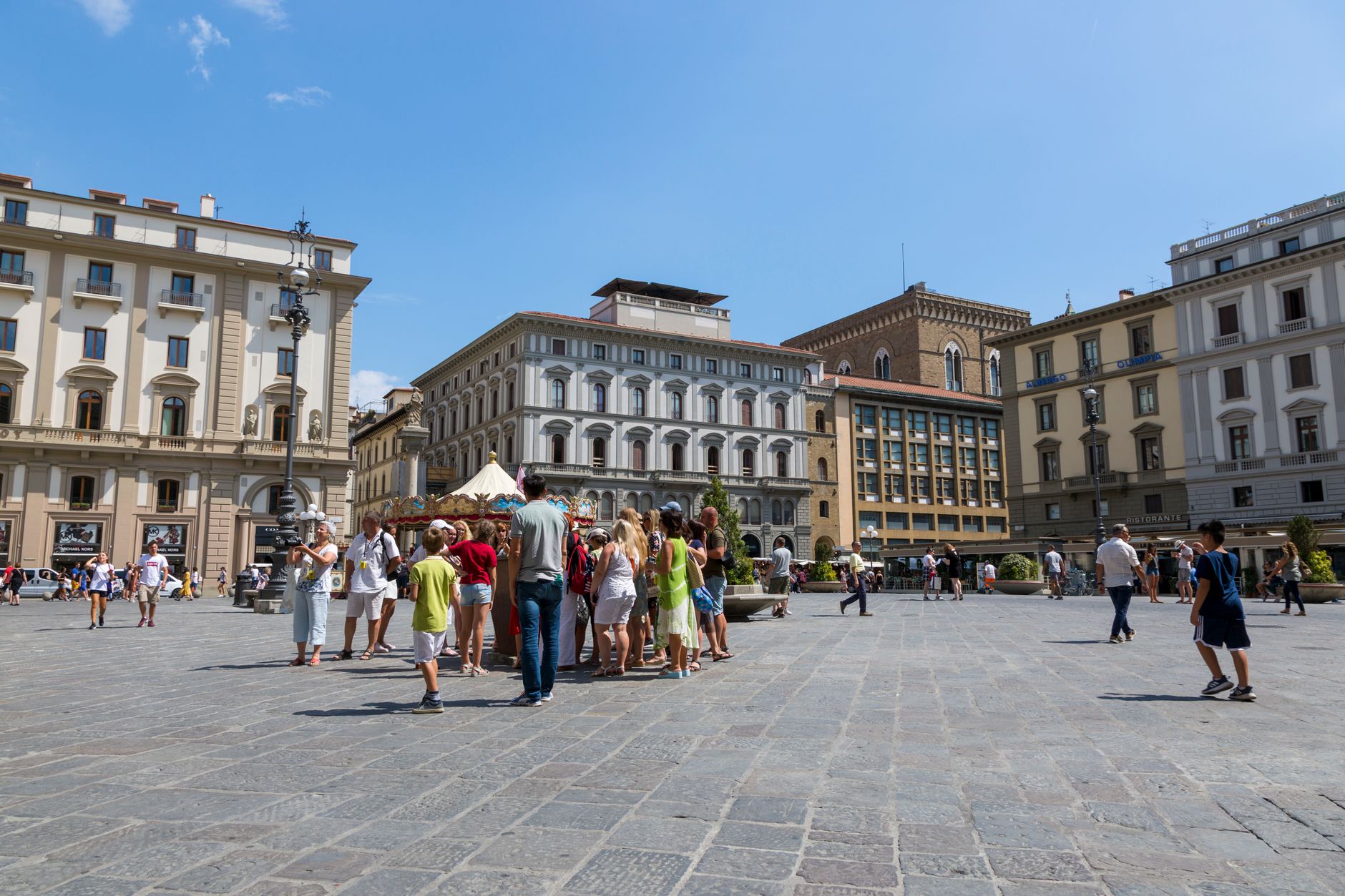
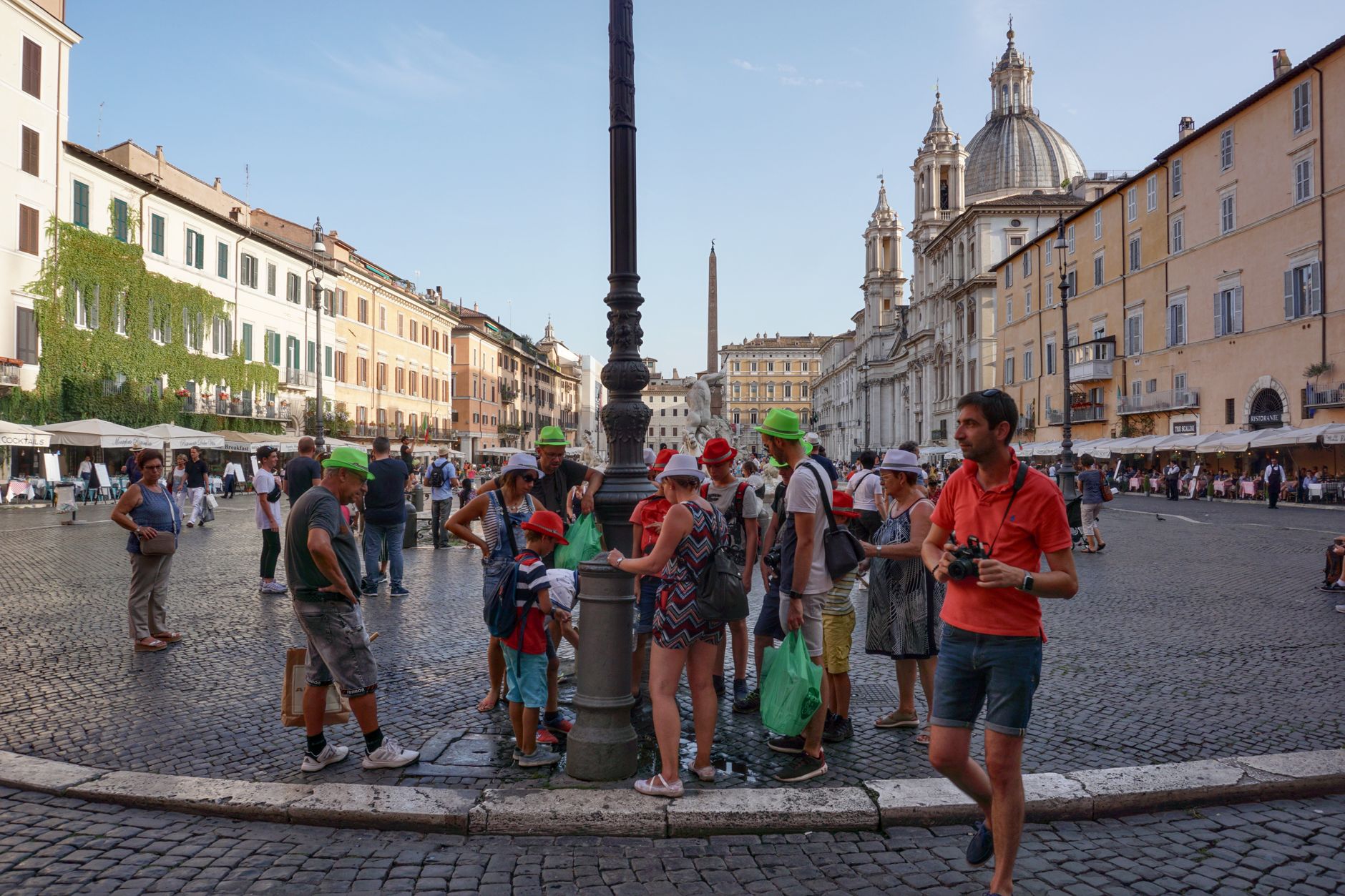
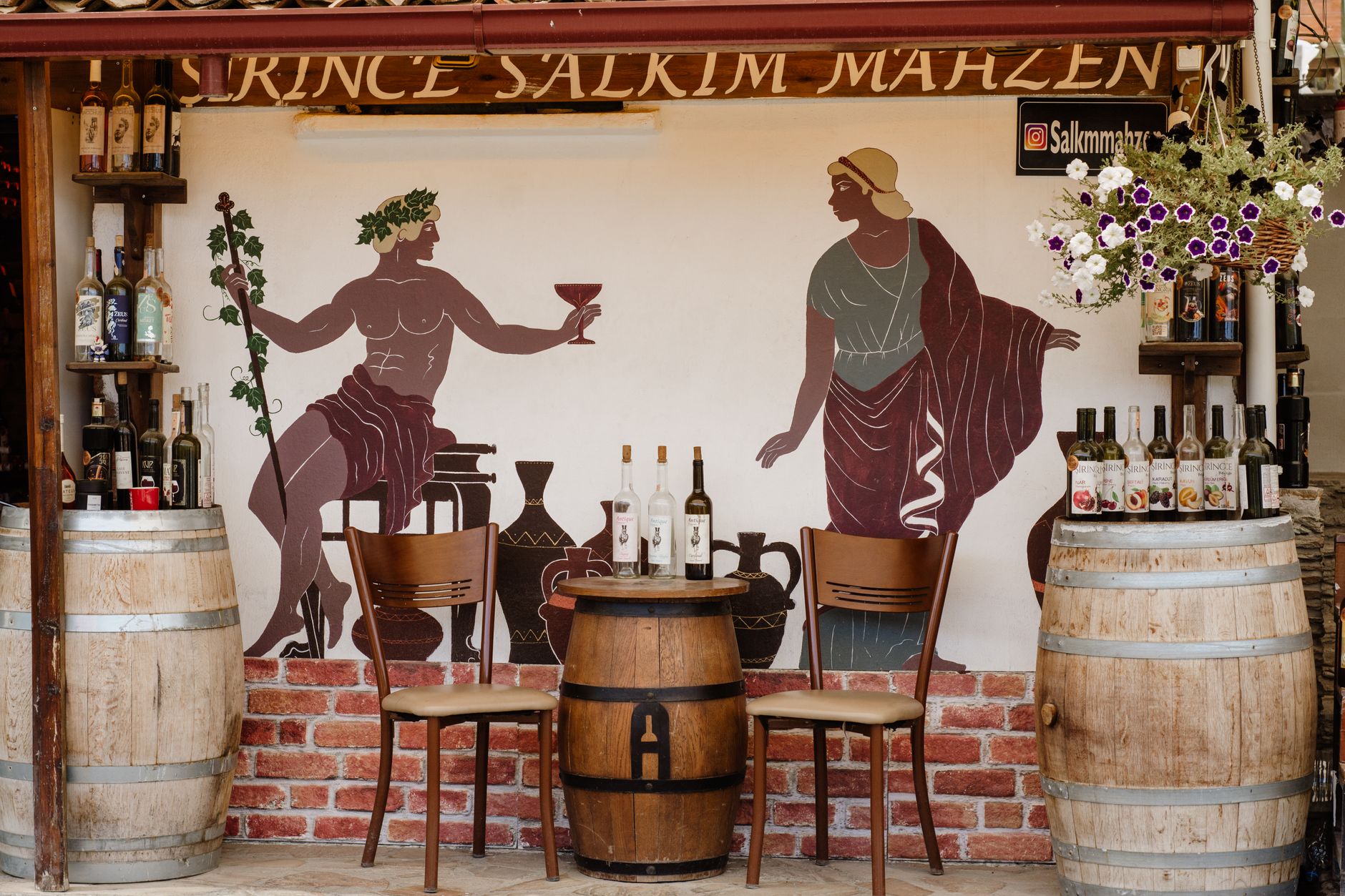
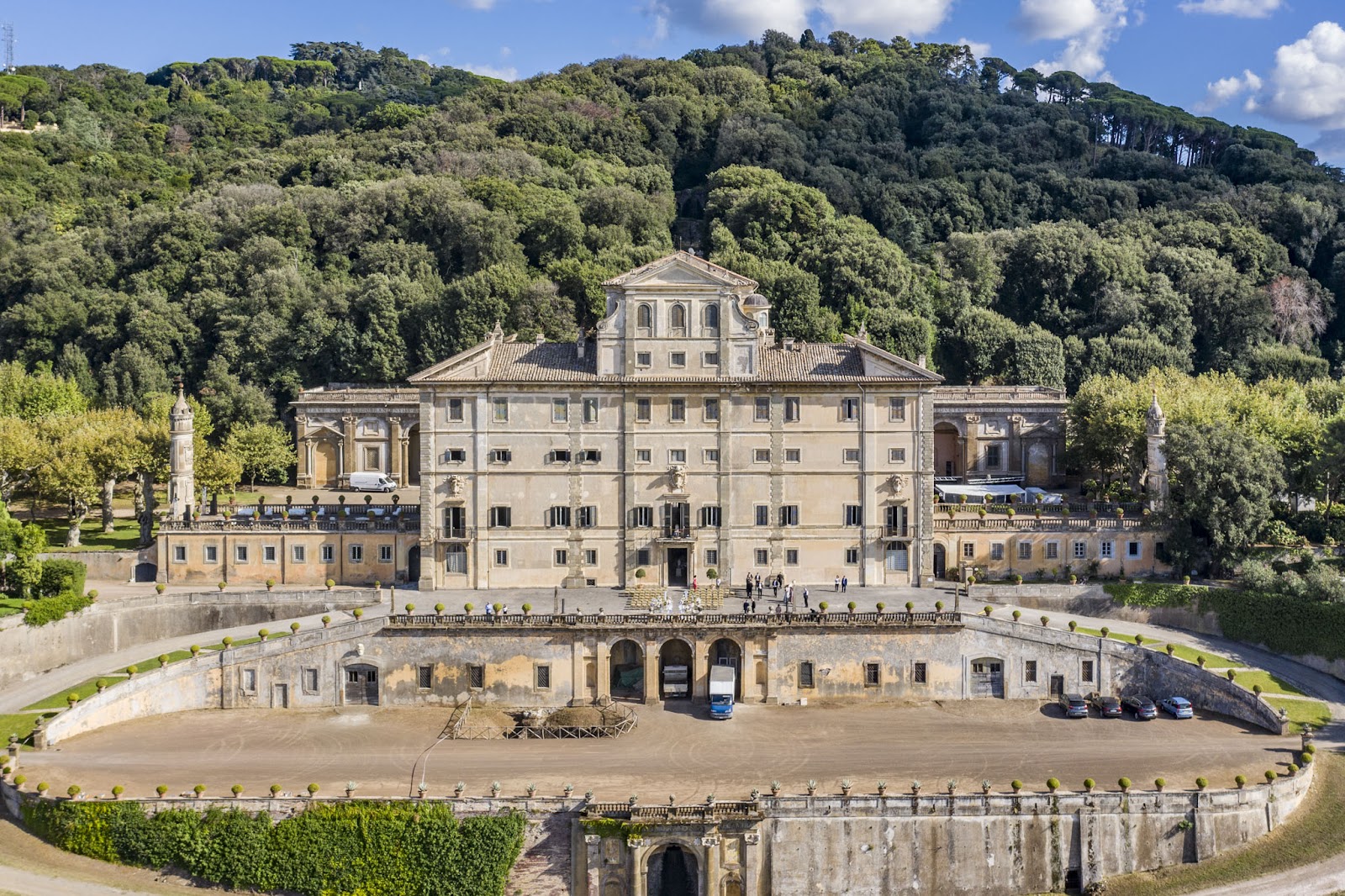
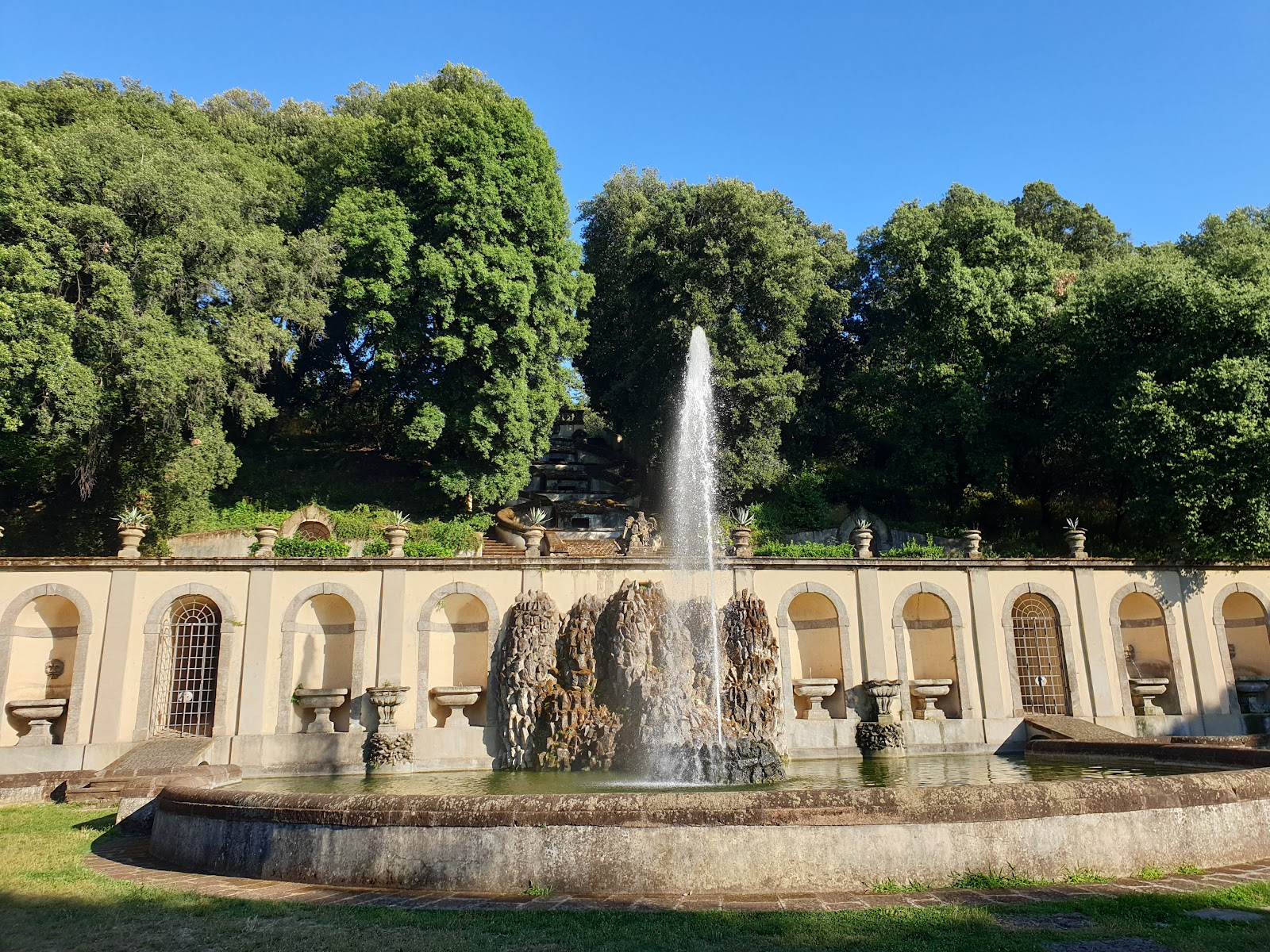
The name Frascati comes from the branches — frasche — that locals once hung over their wine-cellar doors to signal that the new vintage was ready. That detail tells you something useful: this is a town that takes its wine seriously, and has done so since the survivors of destroyed Tusculum came down the hill in 1191 and started over. Sit in Piazza Roma on a weekday morning and you're looking up at the gardens of Villa Aldobrandini, a Baroque commission that Giacomo della Porta began in 1598 for a cardinal who happened to be the pope's nephew. The power geometry of the Castelli Romani, compressed into one view.
Frascati sits in the Colli Albani, about 20 kilometres southeast of Rome, and its particular role in history has been as the city's pressure valve — the place where popes, cardinals, and eventually ordinary Romans came to breathe cooler air and drink wine from a carafe rather than a ceremony.
💛 What travellers fall for
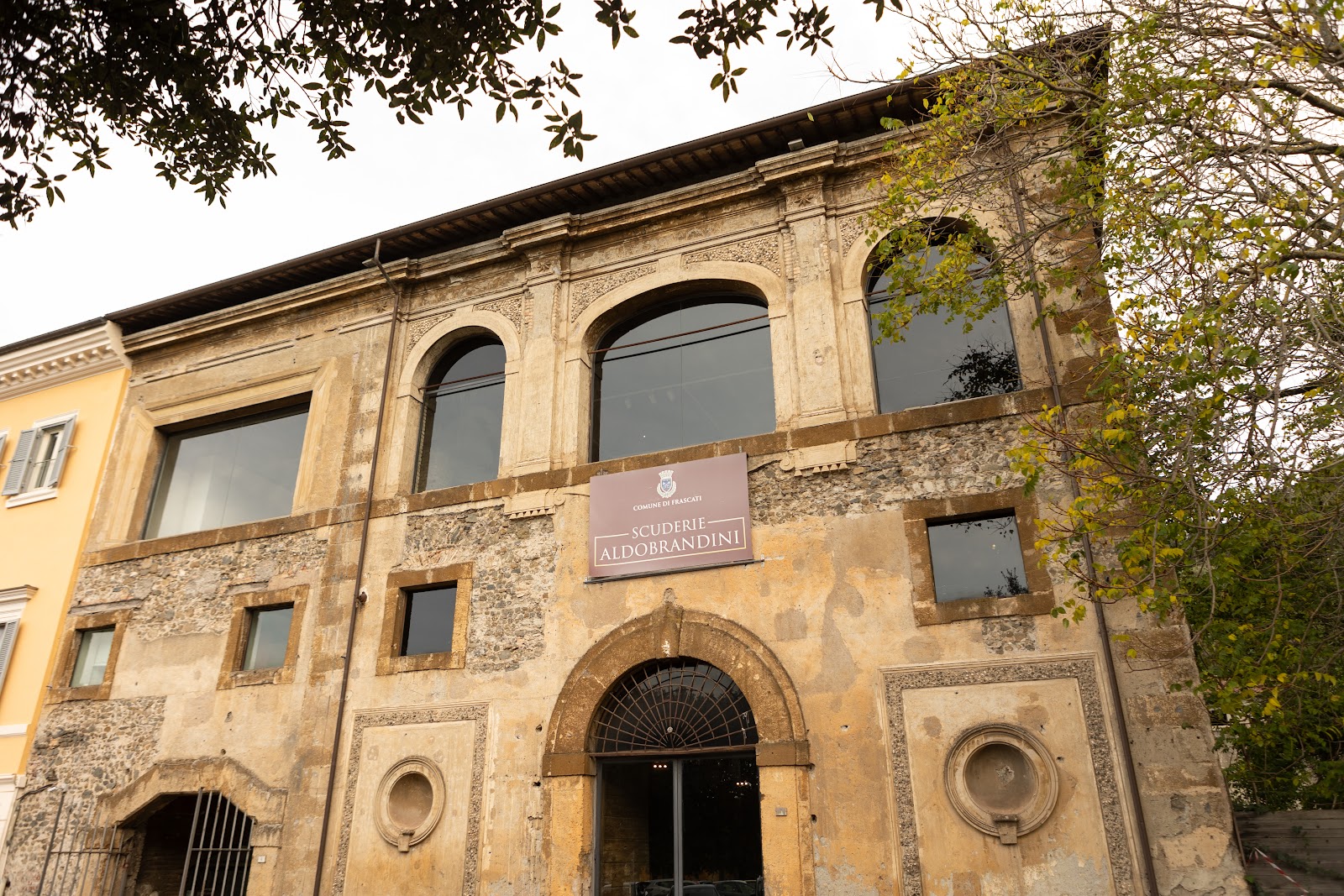
People who come back tend to time their visit for a weekday: the Villa Aldobrandini gardens require a free pass from the IAT office on Piazza Roma, and it's worth the small bureaucratic detour. The Museo Tuscolano in the old Aldobrandini stables closes Mondays. The white wine, local and poured cold, is better at a trattoria than anywhere trying to be a wine bar.
Experiences you don't want to miss



Deals in Frascati
Book directly at the provider

How Frascati came to be
Frascati appears in church records as early as 850 AD, but its real founding moment came in 1191 when the Roman commune destroyed the nearby hilltop city of Tusculum. Refugees resettled lower down, and the name that stuck — from the branches marking wine cellars and rough shelters — was Frascata. In 1538, Pope Paul III gave the settlement full city status, renaming it Tusculum Novum and enclosing it within a protective wall.
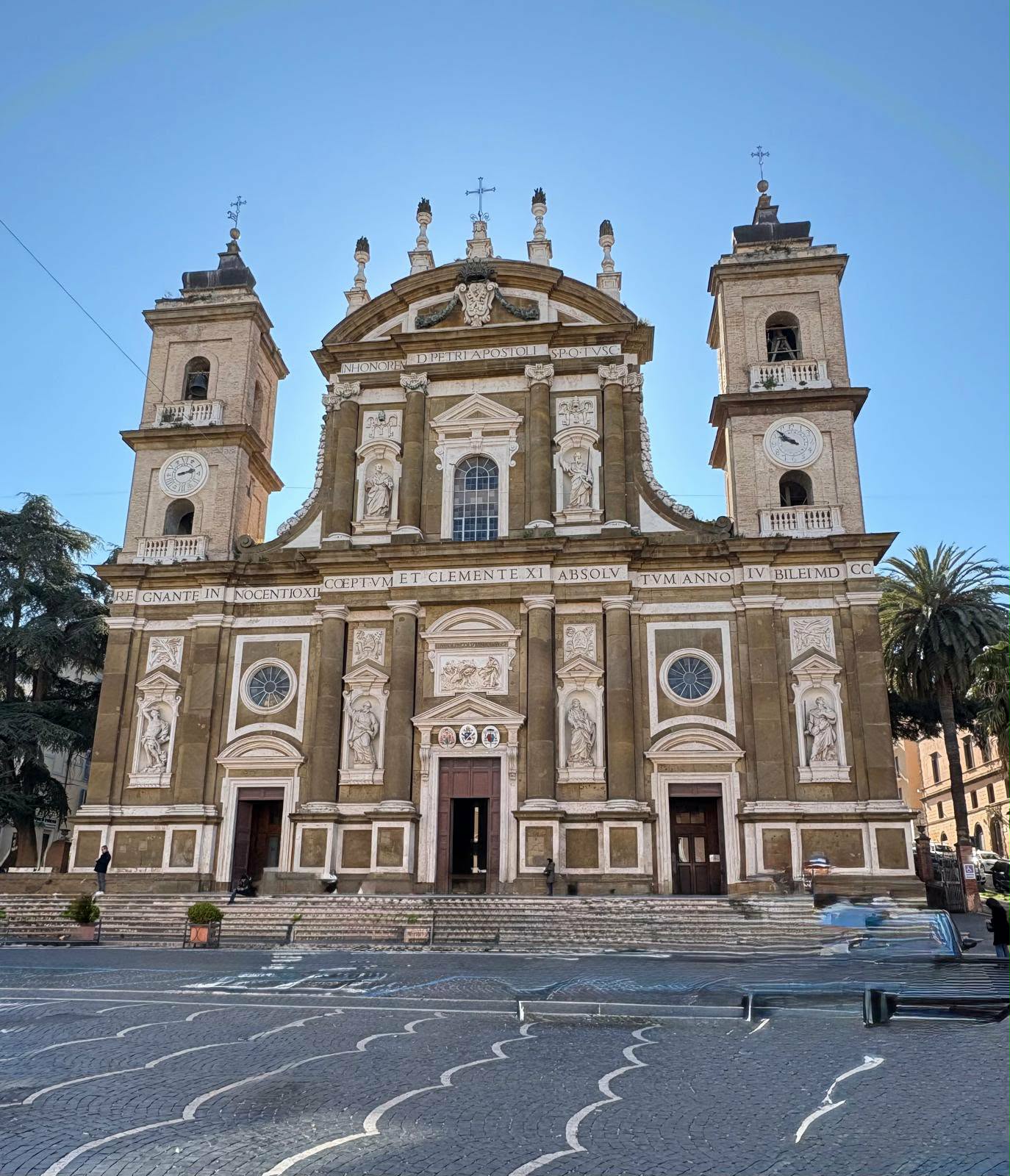
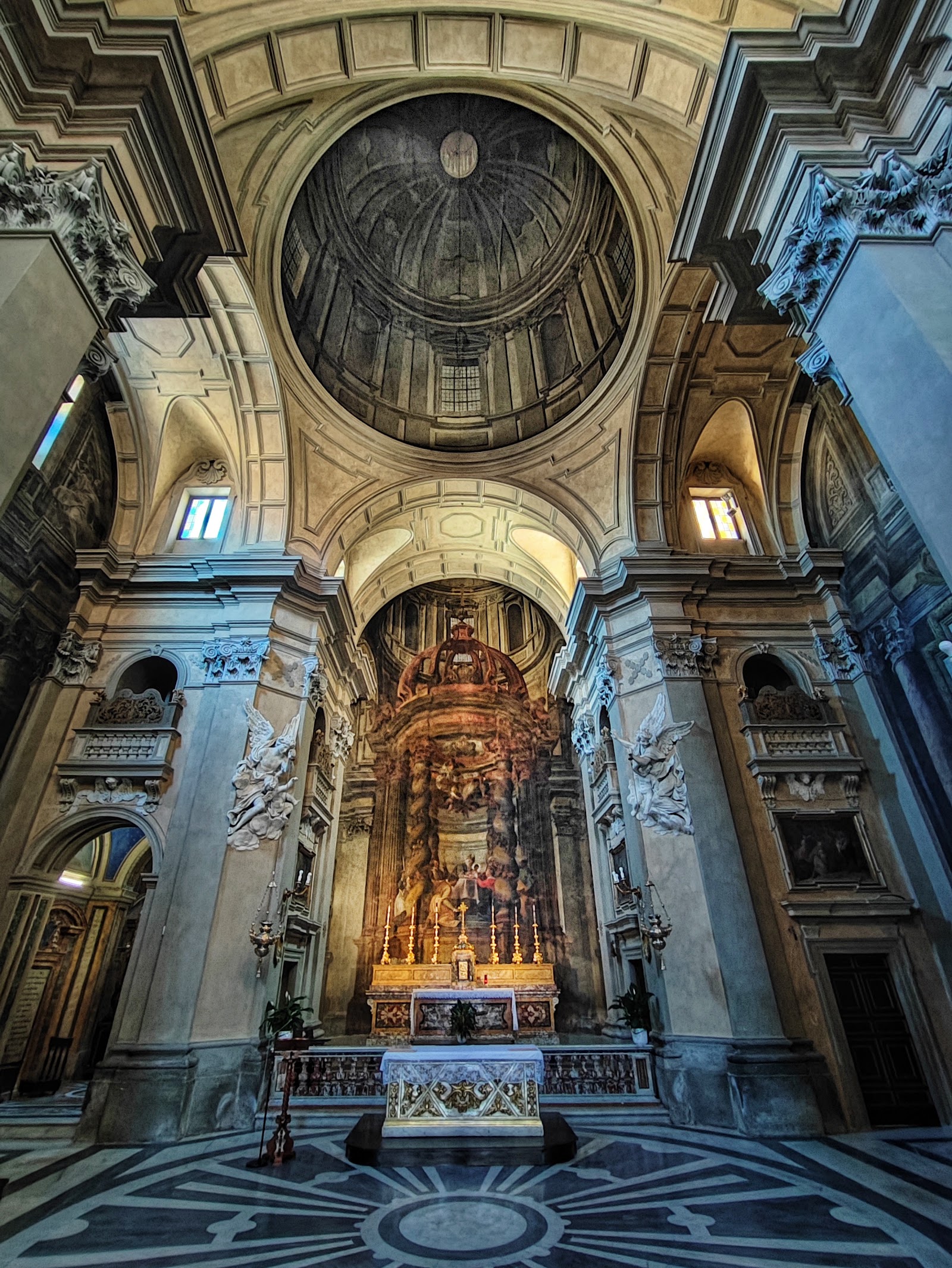
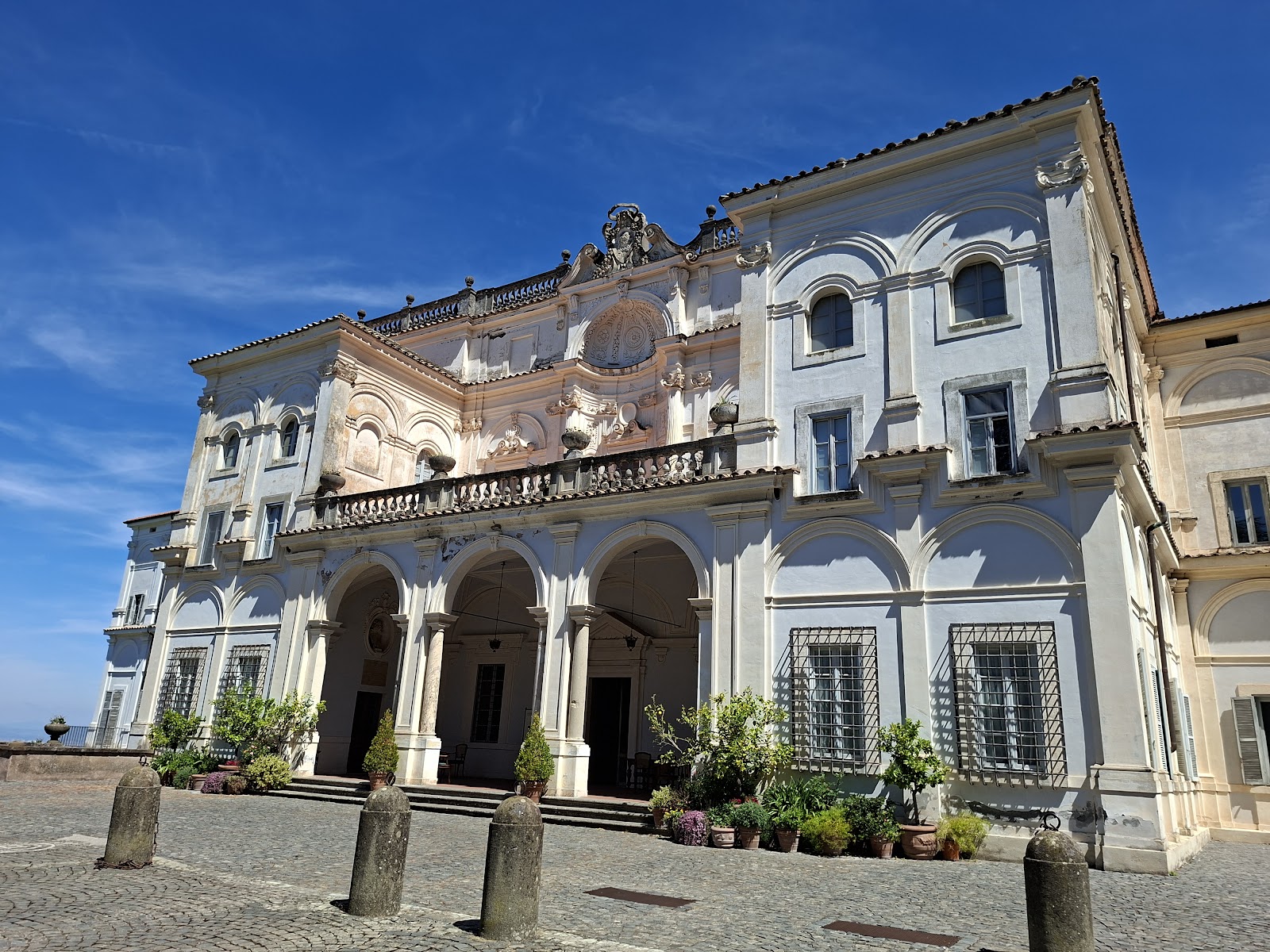
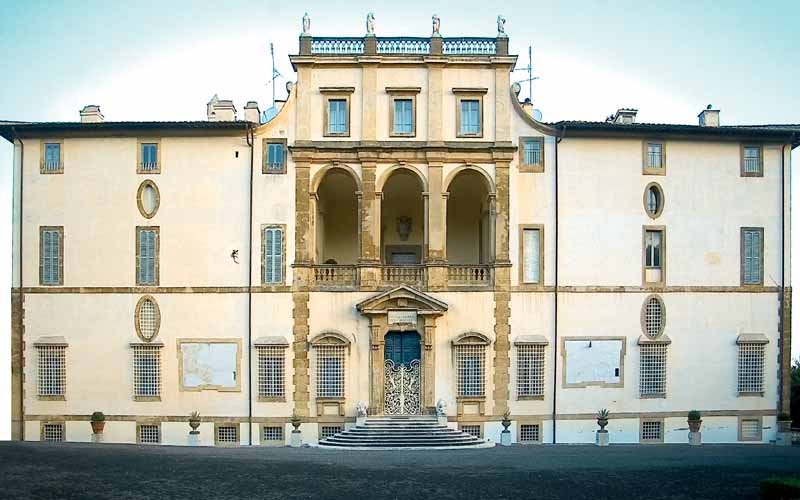
The 16th century brought the villas: Cardinal Altemps built Mondragone in 1578, Giacomo della Porta began Aldobrandini in 1598, and Frascati became a place where proximity to Rome translated directly into architectural ambition. That fabric survived until September 8, 1943, when Allied bombing targeting the German Mediterranean headquarters destroyed roughly half the town and killed around 1,000 civilians. Reconstruction was largely complete by the mid-1950s; the cathedral's interior had to be rebuilt almost entirely, though its 1700 façade came through intact.
Who and what shaped it
People who shaped it
Landmark buildings
See Frascati in motion
Plan your visit
On the map
When to go
Spring and autumn are the most comfortable seasons — warm enough to walk the villa gardens without effort, cool enough to actually want to. Summer afternoons get hot, though the elevation keeps Frascati a few degrees below Rome; winter is mild but grey, and the wine tastes fine in any season.
Right now
↡ Attractions
Background & history adapted from Wikipedia (CC BY-SA) · specs from Wikidata (CC0) · weather from Open-Meteo · map data © OpenStreetMap contributors · photos from Wikimedia Commons / Unsplash with per-image credit. No third-party reviews or social posts reproduced.