Region

Pompeii (Campania)

Pompeii (Campania)
Photo by Alberto Capparelli on Pexels
Pompeii (Campania)
Photo by Alejandro Aznar on Pexels
Pompeii (Campania)
Photo by Margo Evardson on Pexels
Pompeii (Campania)
Photo by Balázs Gábor on Pexels
Pompeii (Campania)
Photo by Nam Le on Pexels
Pompeii (Campania)
Photo by Elijah Cobb on Pexels
City break Culture & history

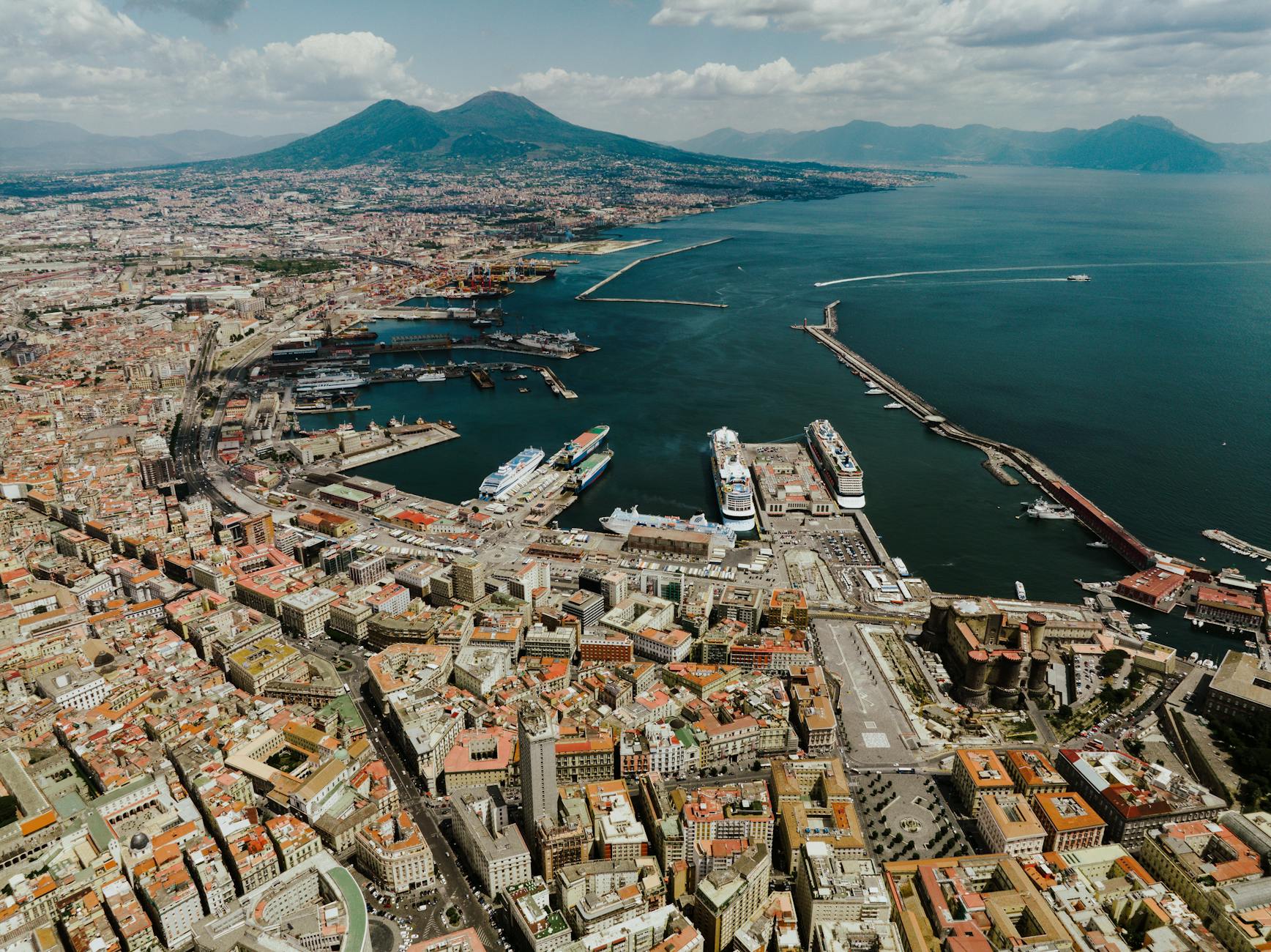
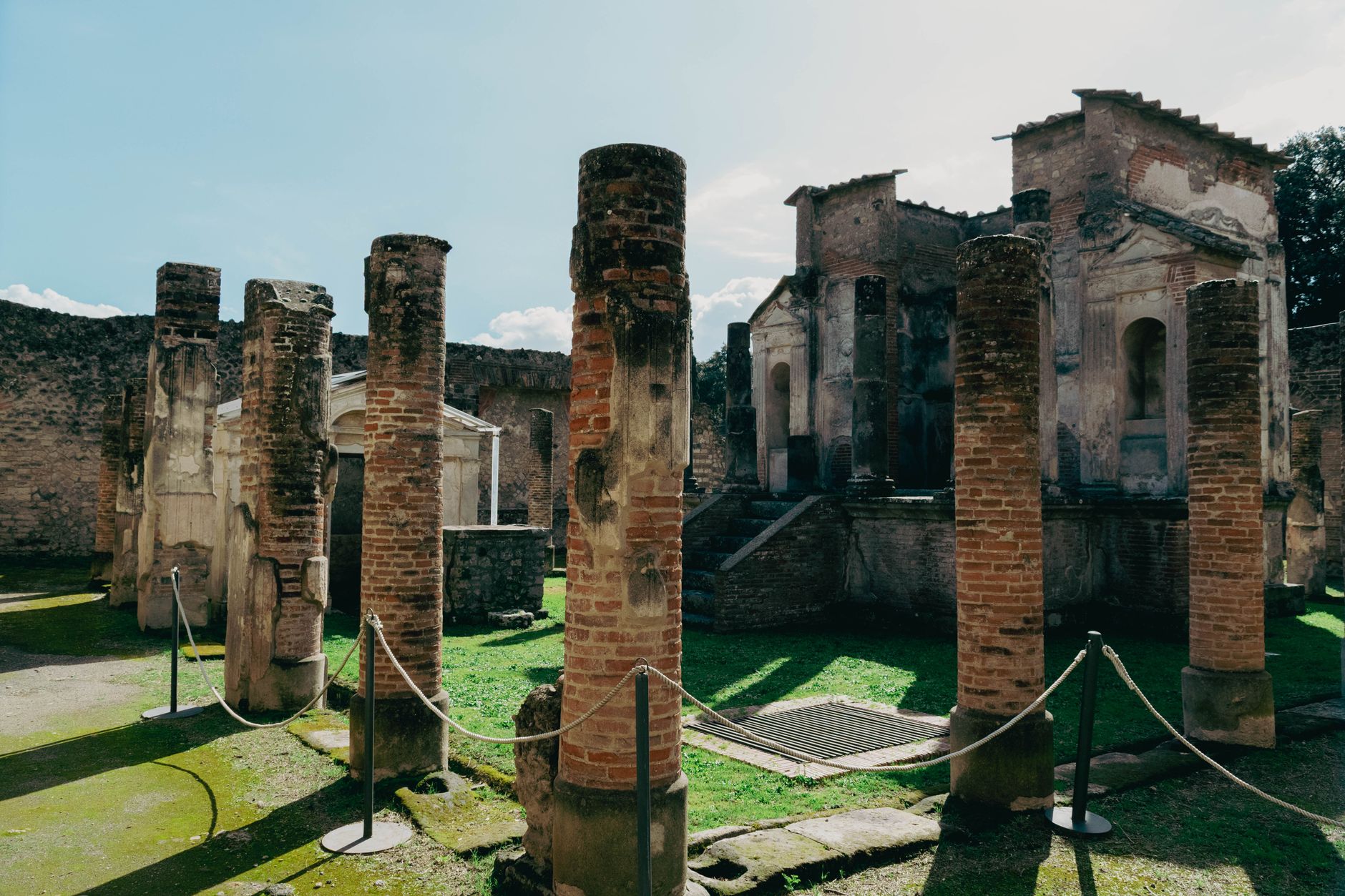
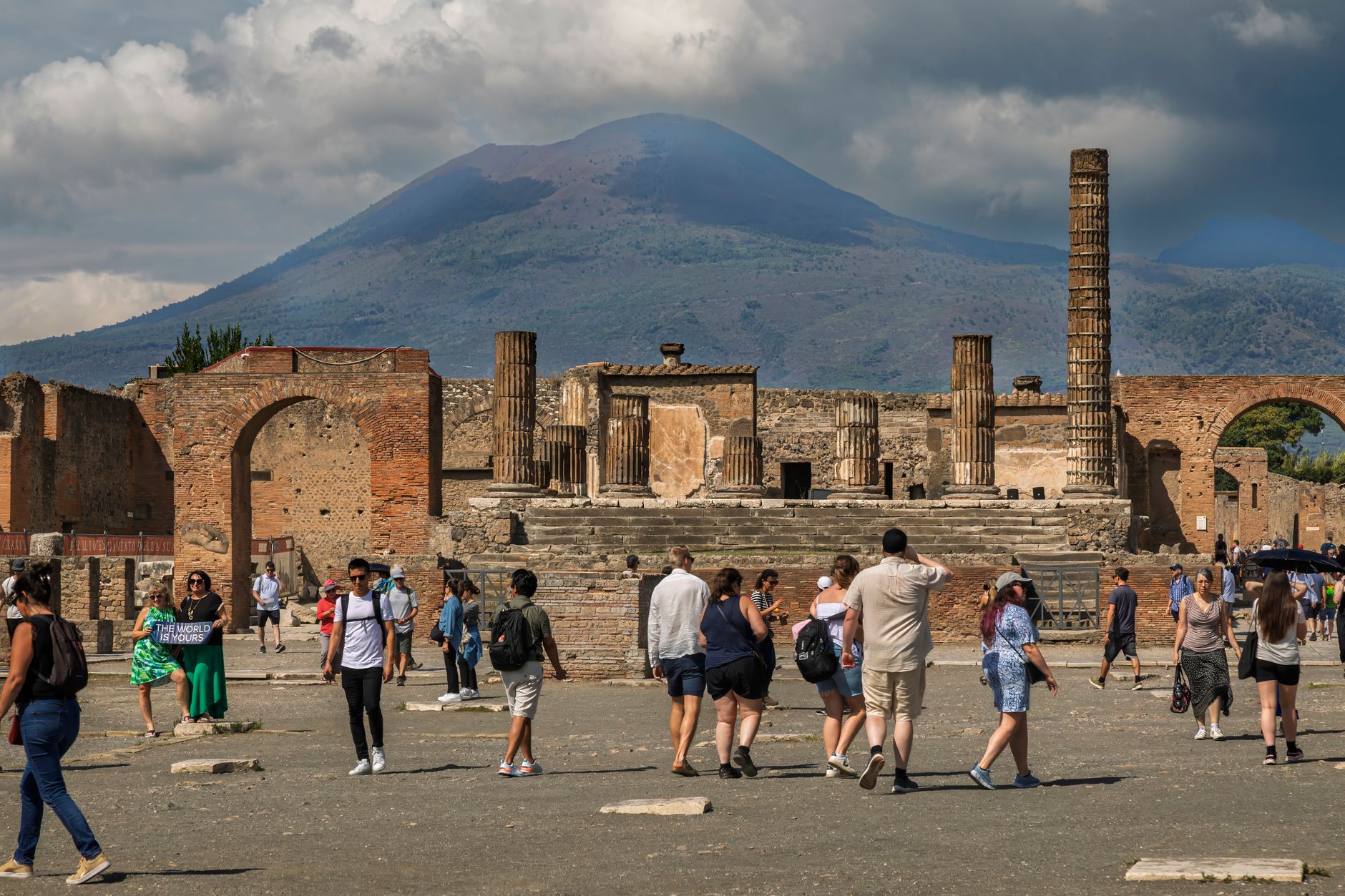
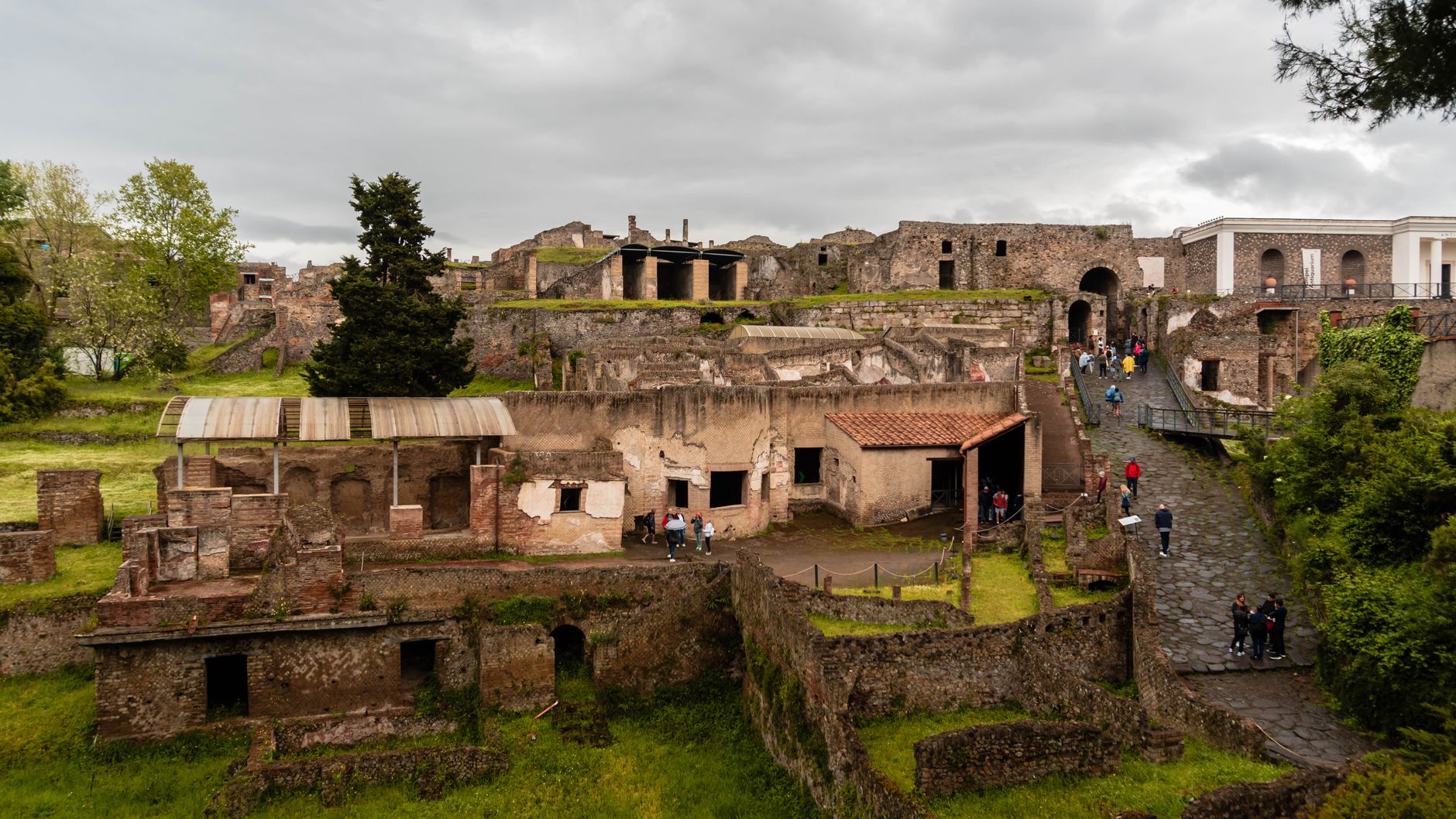
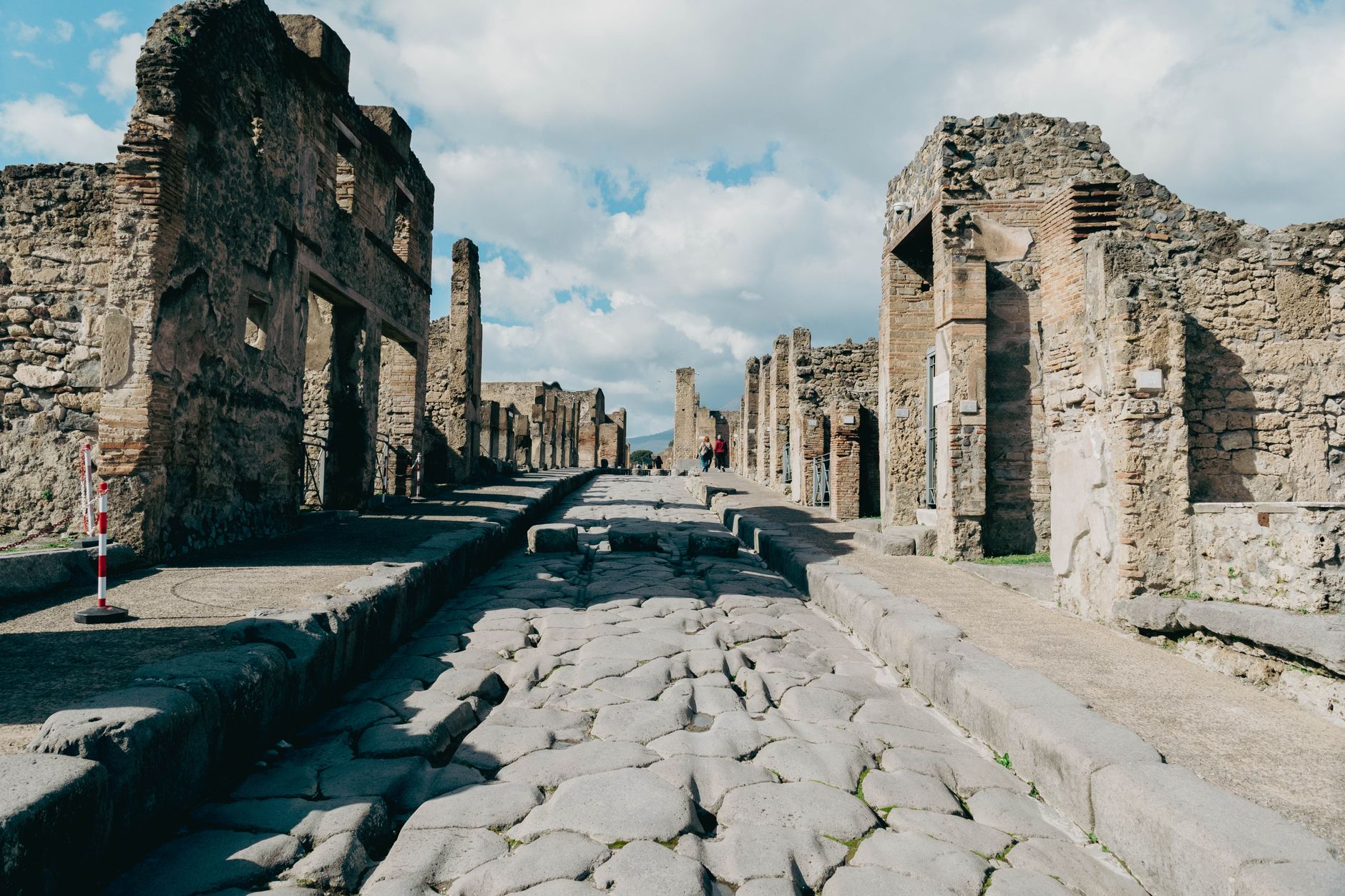
Somewhere under 4 to 6 metres of volcanic ash and pumice, an entire Roman city kept its shape for nearly seventeen centuries. When you walk into Pompeii today, you are walking on streets that still carry the grooves of cart wheels, past bakeries with stone mills still in place, past walls where election slogans were painted and never washed off.

This is not a ruin in the usual sense. It is a city interrupted — one that was already rebuilding from a serious earthquake in 62 AD when Vesuvius erupted on August 24th, 79 AD and stopped everything mid-sentence. The scale of what survived, and what it tells you about ordinary Roman life, is unlike anything else in Europe.

Good to know
Take the Circumvesuviana from Naples to Pompei Scavi – Villa dei Misteri station (about 35 minutes). Book tickets in advance at vivaticket.it — EUR 18 for adults, free under 18, and free for everyone on the first Sunday of each month. Allow at least four to six hours. Bags larger than 30×30×15 cm are not permitted inside.
The story

How Pompeii (Campania) came to be

Pompeii's origins go back to the Osci people, who settled the site around the 7th or 6th century BC. The Samnites took control by the 5th century BC, and the city passed into Roman hands after the Social War — Roman general Lucius Cornelius Sulla besieged it in 89 BC, and by 80 BC it had become the Roman colony of Colonia Cornelia Veneria Pompei.

The eruption of 79 AD buried it, and it stayed buried until systematic excavations began in 1748. The archaeologist Giuseppe Fiorelli, who took over as director in 1860, introduced the plaster-casting technique that turned voids left by decomposed bodies into three-dimensional figures — a method still in use today.

People & landmarks

Who and what shaped it

People who shaped it

Poppaea Sabina
Wife of Emperor Nero and Pompeii native; supported reconstruction after the 62 AD earthquake.
Pliny the Elder
Roman fleet commander who sailed toward Vesuvius during the 79 AD eruption to investigate and rescue friends; died from toxic gas inhalation.
Pliny the Younger
Witnessed the 79 AD eruption from Misenum; his letters to Tacitus are the only surviving eyewitness account and gave volcanologists the term 'Plinian eruption.'
Giuseppe Fiorelli
Italian archaeologist who became excavation director in 1860 and introduced systematic methods and the plaster casting technique.

Landmark buildings

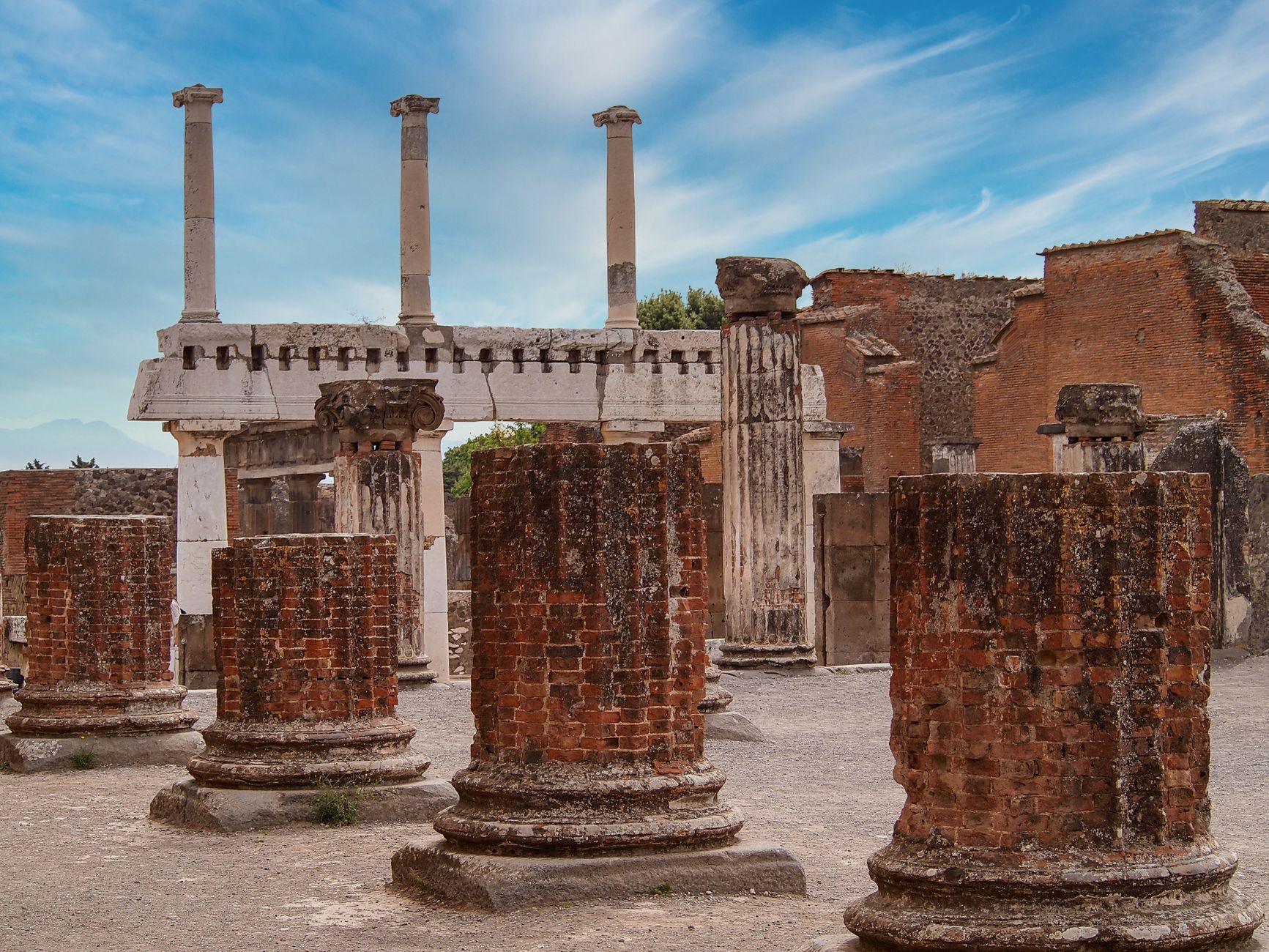
Forum
Political, religious, and commercial heart of the city, surrounded by temples, government buildings, and markets.
Temple of Apollo
One of the earliest temples in Pompeii.
Temple of Venus Pompeiana
Patron deity temple of Pompeii.
Doric Temple
Oldest temple in Pompeii, located in the Triangular Forum.
Basilica
Large building with four-sided corridor layout; architecturally significant for studying the origin of the Christian basilica and served as covered exchange and justice administration center.
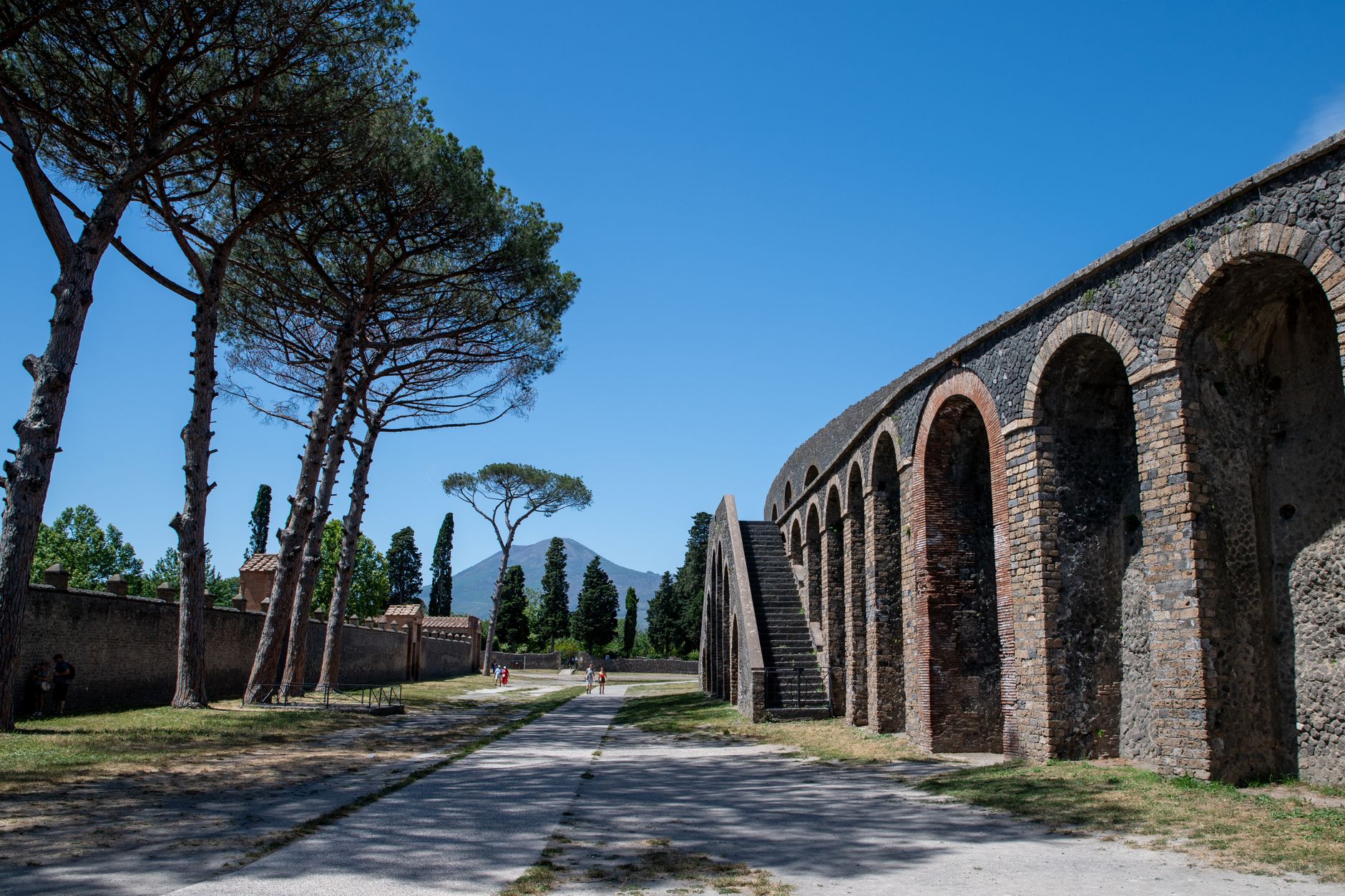
Amphitheatre
Built around 70 BC, the oldest known permanent stone amphitheatre in the Roman world with 20,000-seat capacity; predates the Colosseum.
Stabian Baths
Oldest preserved public baths from anywhere in the Roman Empire.
Forum Baths
Smallest public baths in Pompeii, most elaborately decorated.
House of the Faun
Largest and most lavish private residence in Pompeii; features the bronze dancing faun sculpture and the Alexander Mosaic depicting the Battle of Issus.
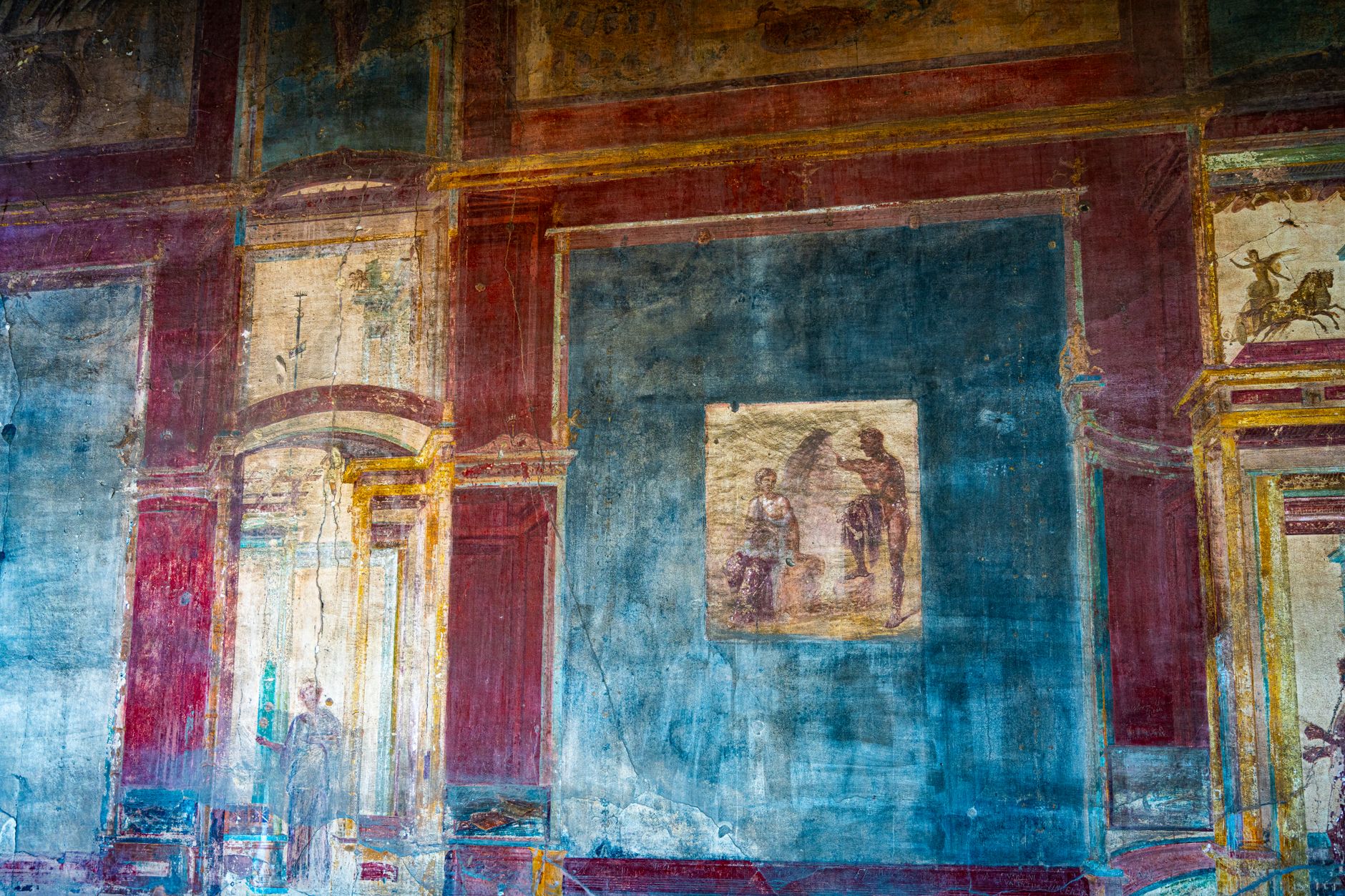
Villa of the Mysteries
Located just outside city walls; contains one of the most remarkable and best-preserved fresco cycles of the ancient world depicting a Dionysiac mystery rite.
House of the Tragic Poet
Known for the mosaic reading 'Cave Canem' (Beware of the Dog).
Practical

Plan your visit

On the map

When to go

Spring (April–May) and autumn (September–October) offer mild temperatures and are the most comfortable seasons for covering the site on foot. Summer is genuinely punishing — the ruins offer almost no shade, and midday in July or August is not the time to be here without a hat and significant water. Winter is quiet and cool, with shorter opening hours from November through March.

Right now

☀️
26°C
Clear
Sat
☀️
33°
23°
Sun
33°
23°
Mon
34°
23°
Tue
34°
24°
Weather data: Open-Meteo

Background & history adapted from Wikipedia (CC BY-SA) · specs from Wikidata (CC0) · weather from Open-Meteo · map data © OpenStreetMap contributors · photos from Wikimedia Commons / Unsplash with per-image credit. No third-party reviews or social posts reproduced.

Top