
Sardinia
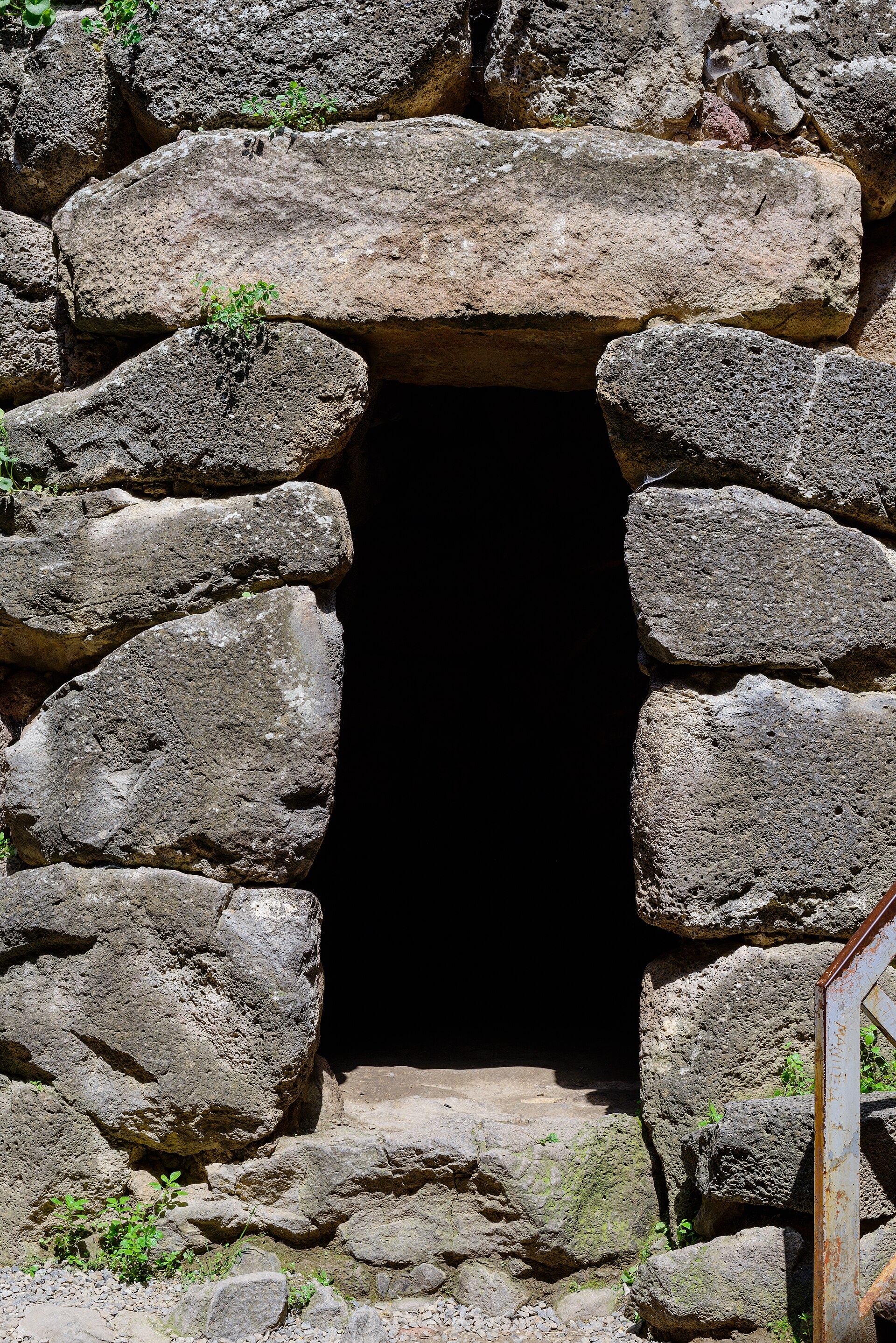
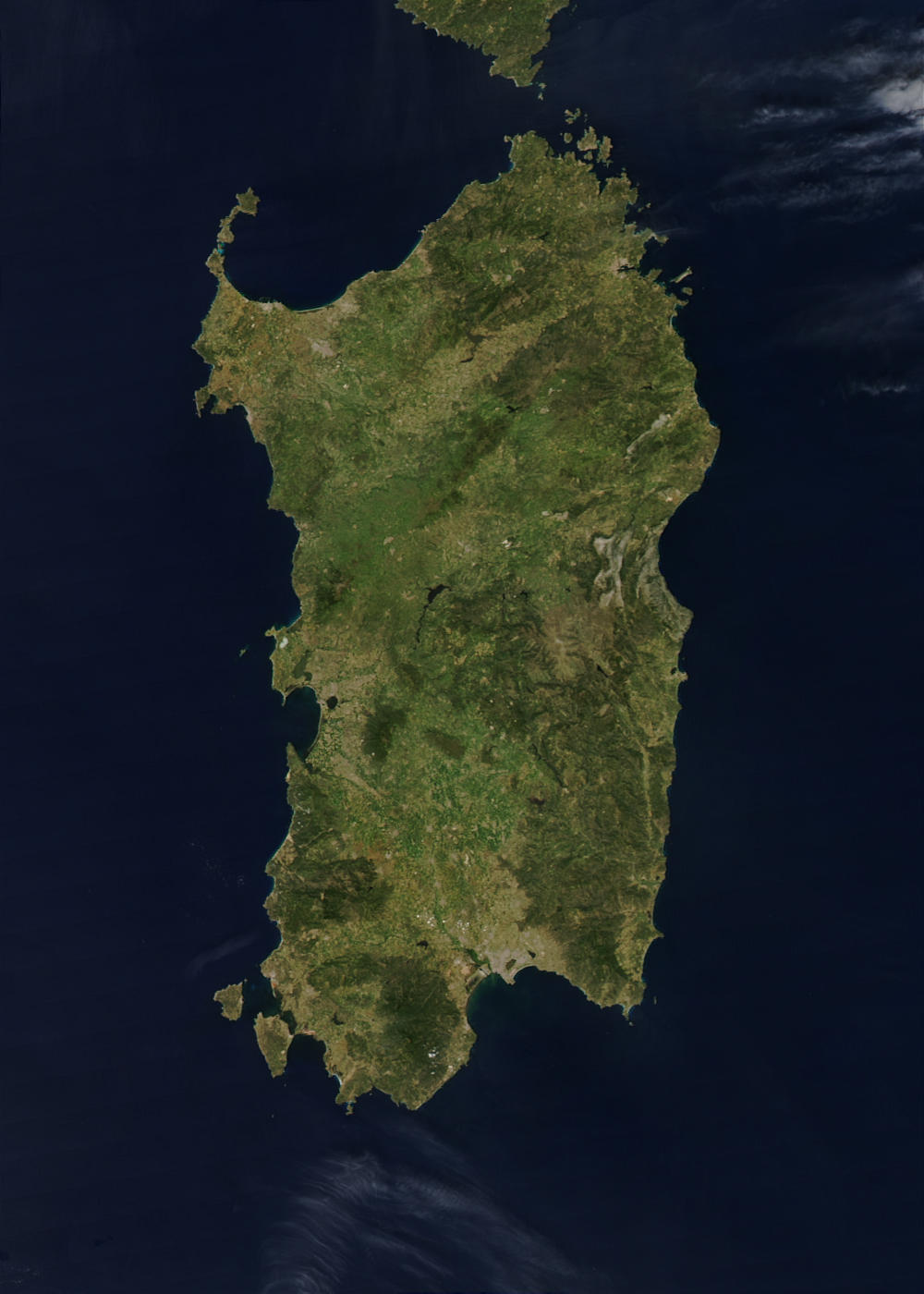
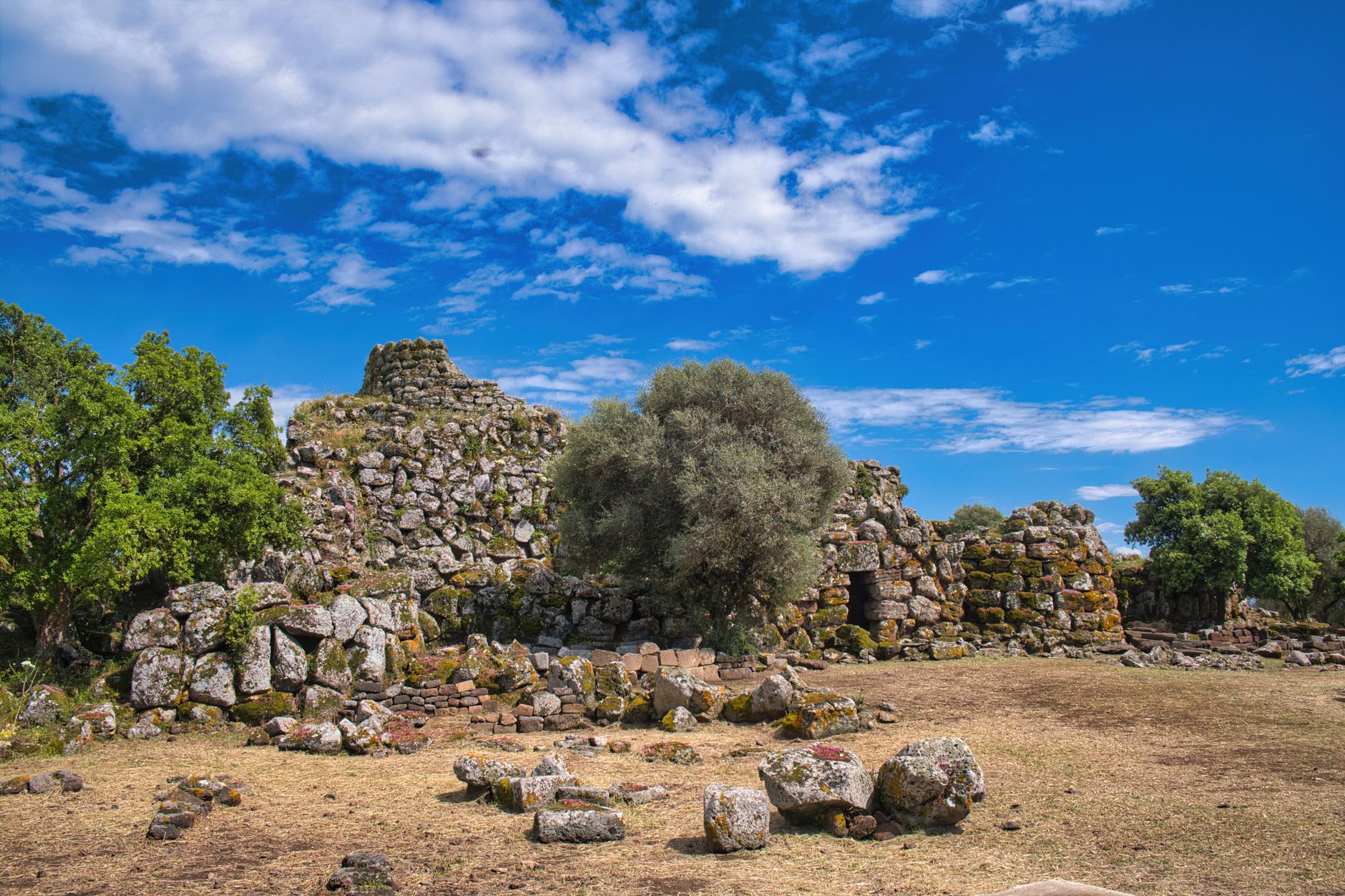
Sardinia sits in the middle of the western Mediterranean and has been doing its own thing for a very long time. The evidence is literal: roughly 7,000 stone towers called nuraghi rise from the scrubland and wheat fields, built by a civilization that left no written language and whose purpose still divides archaeologists. That strangeness — old, unresolved, quietly authoritative — runs through the whole island.
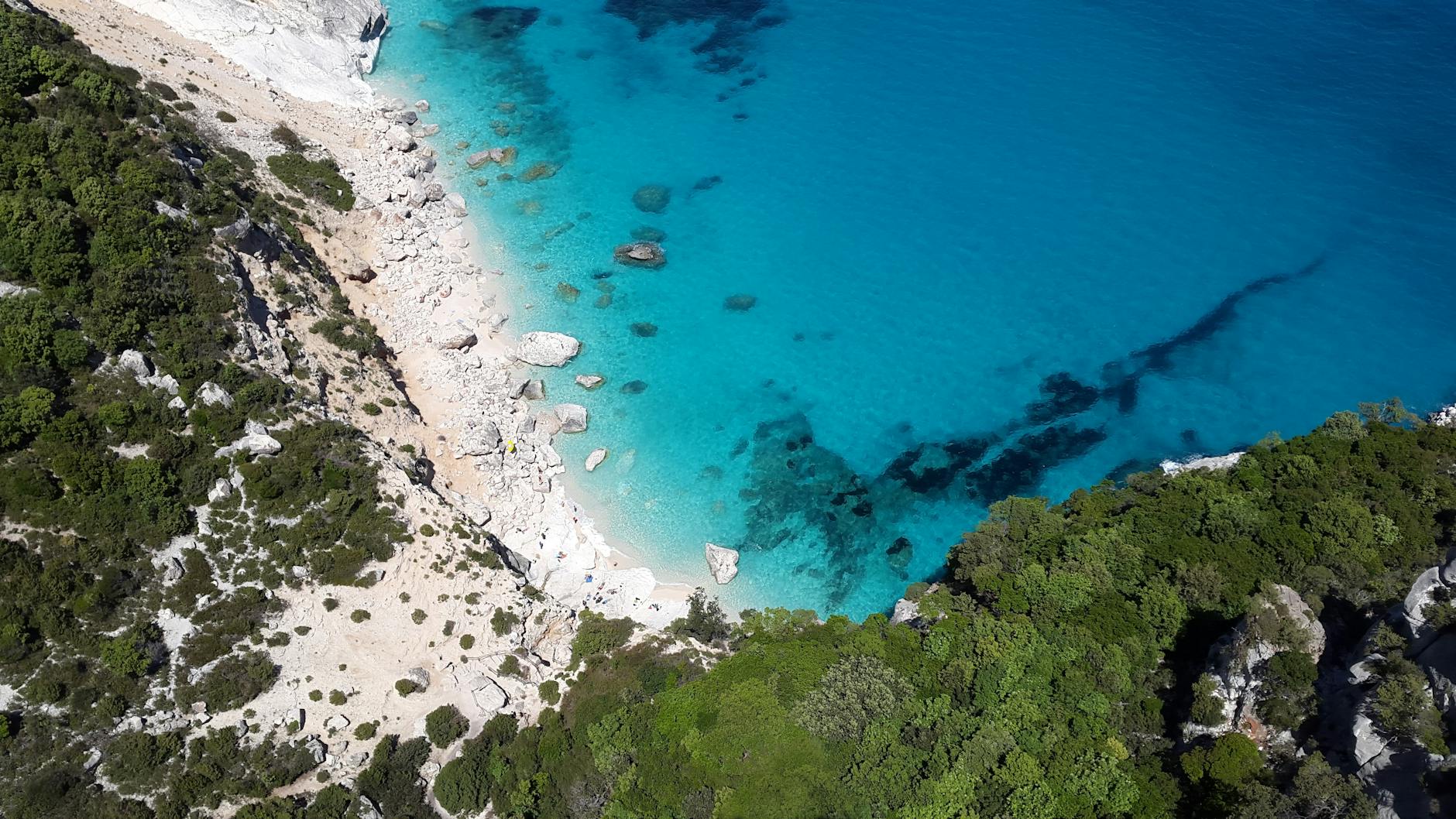
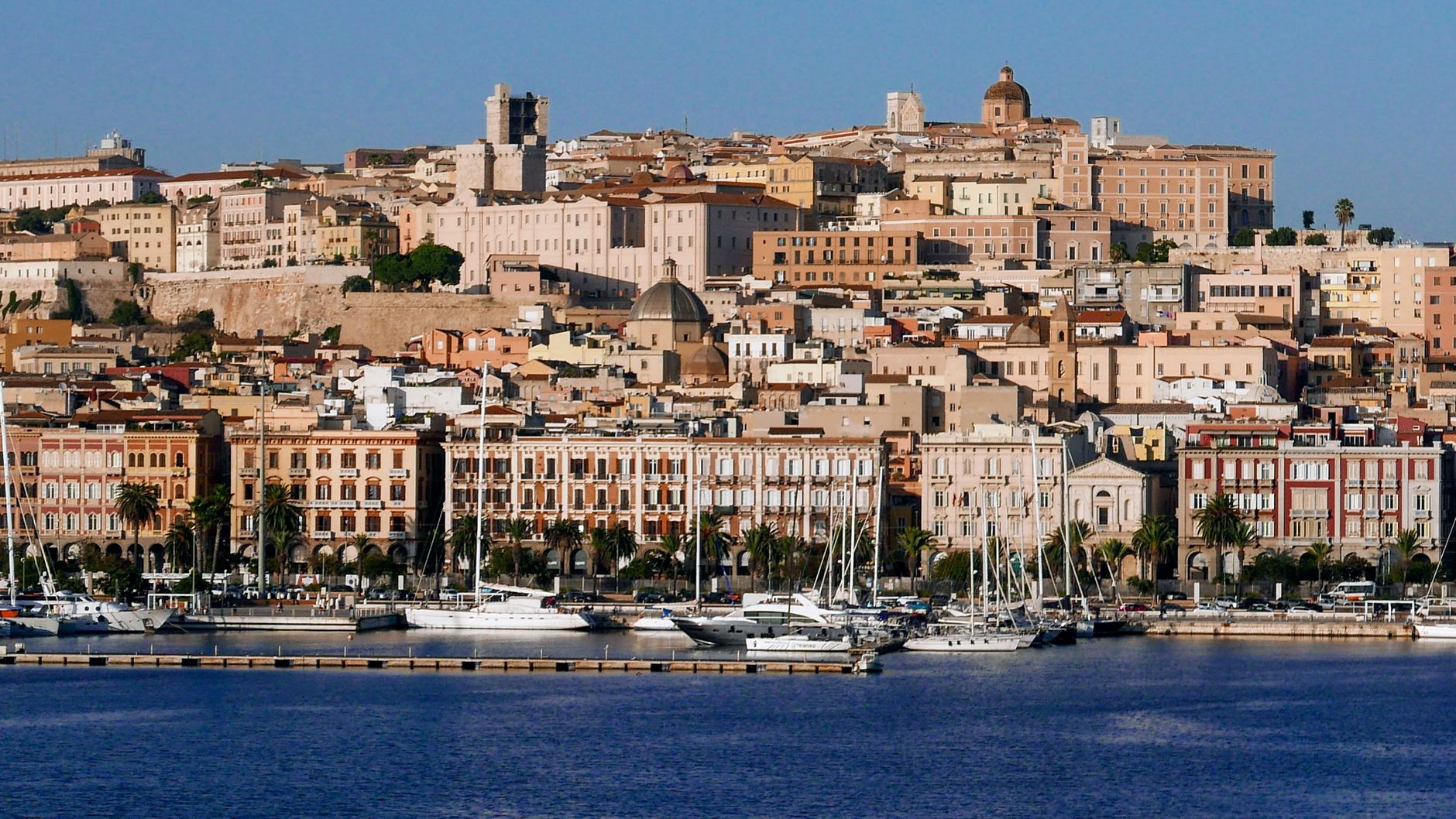
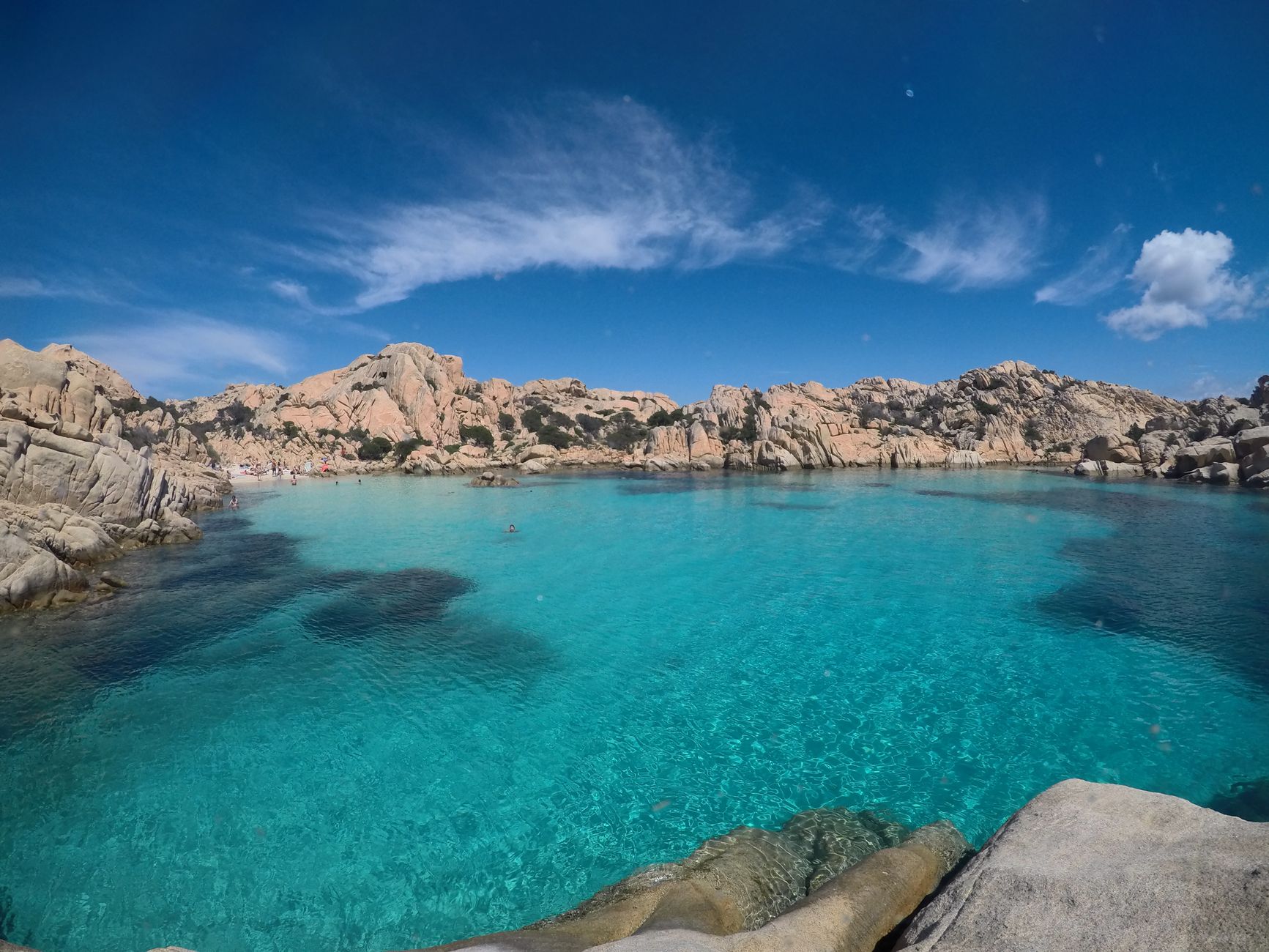
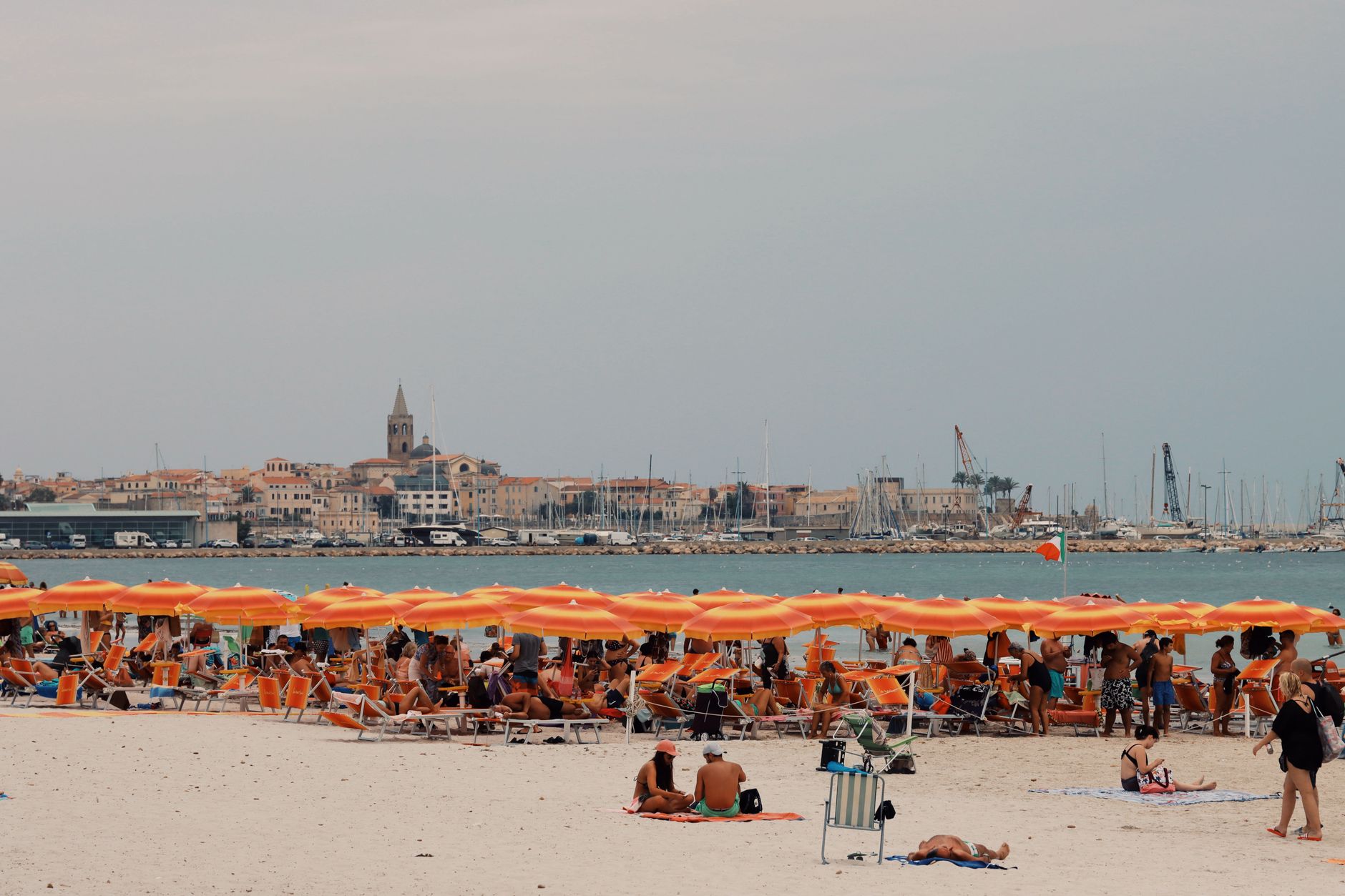
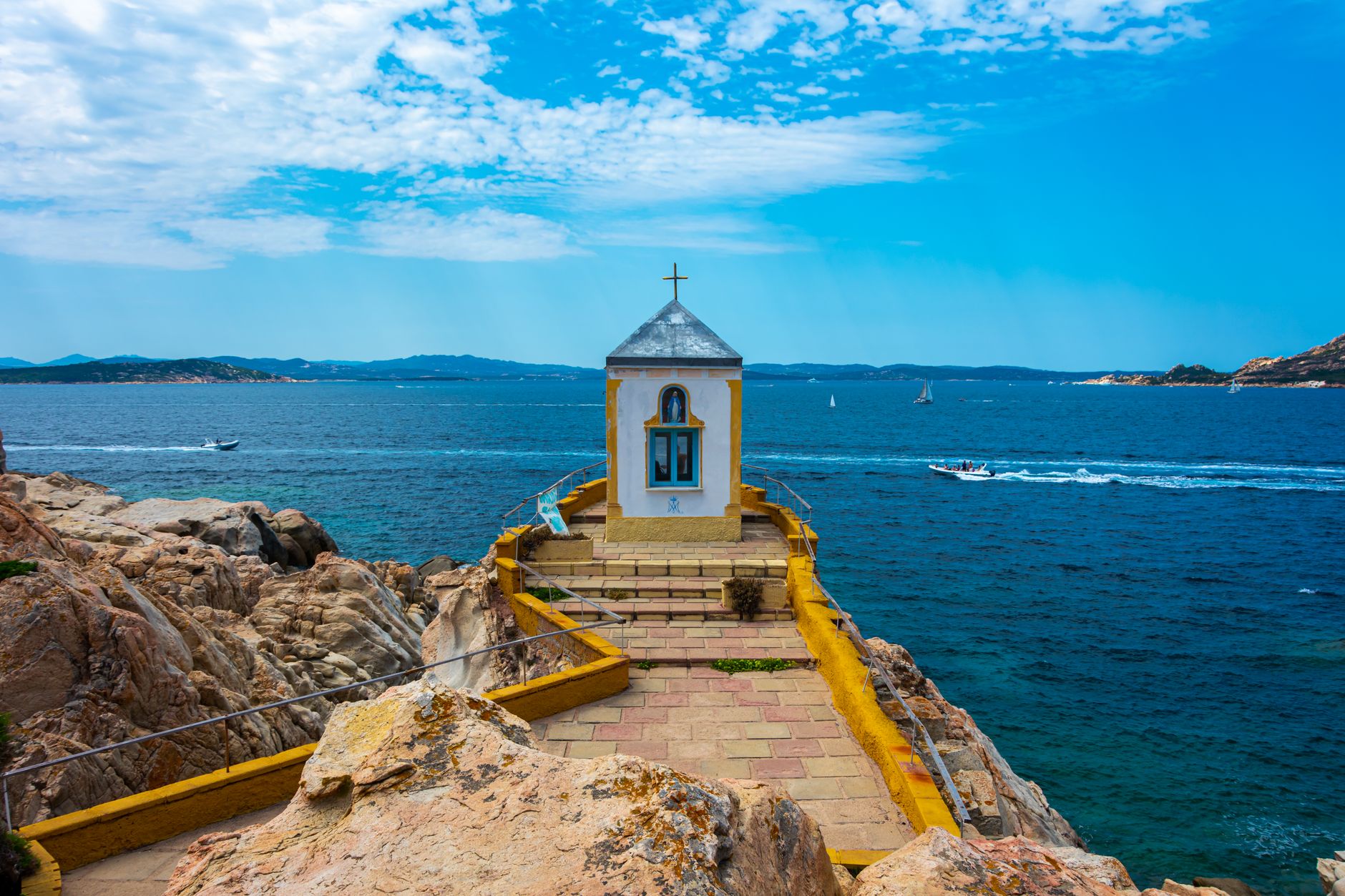
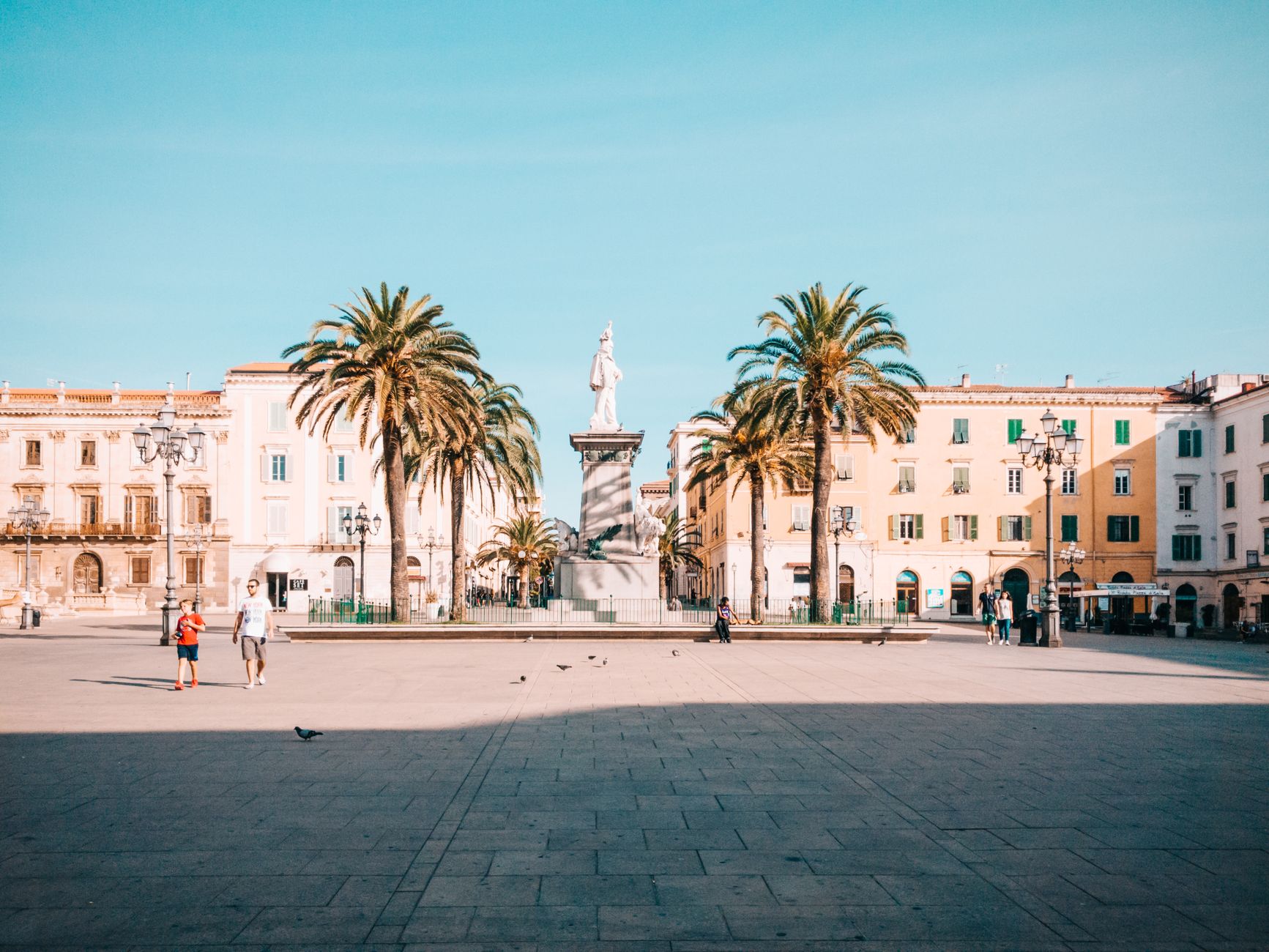
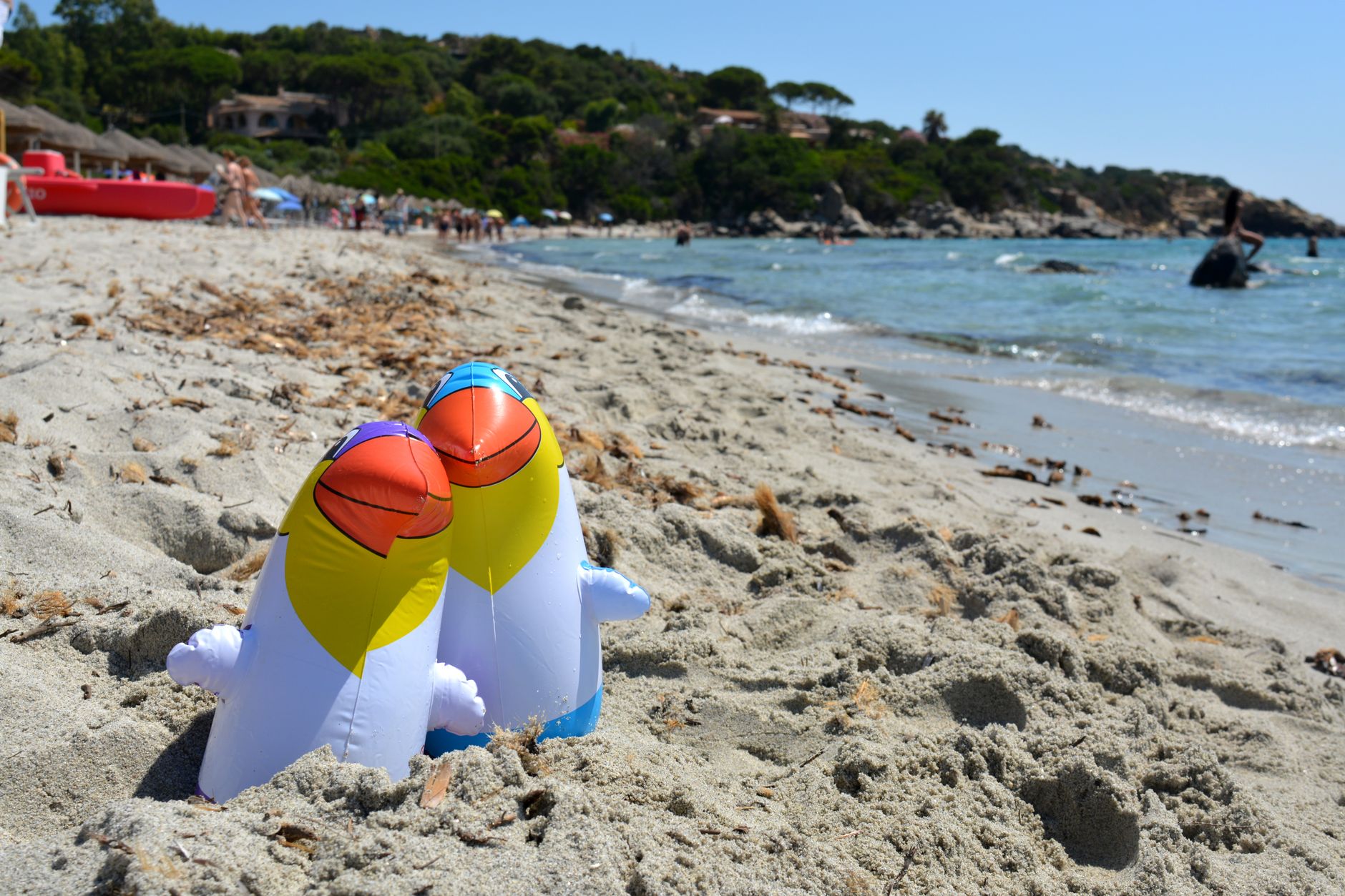
The coast is what most people come for, and it earns its reputation: water that shifts from turquoise to deep cobalt within a few strokes. But the interior rewards the detour. Barbagia's granite villages, the cork-oak forests of Gallura, the salt lagoons outside Cagliari where flamingos feed in winter — the island has a lot more going on than its beaches suggest.
Popular cities in Sardinia
💛 What travellers fall for
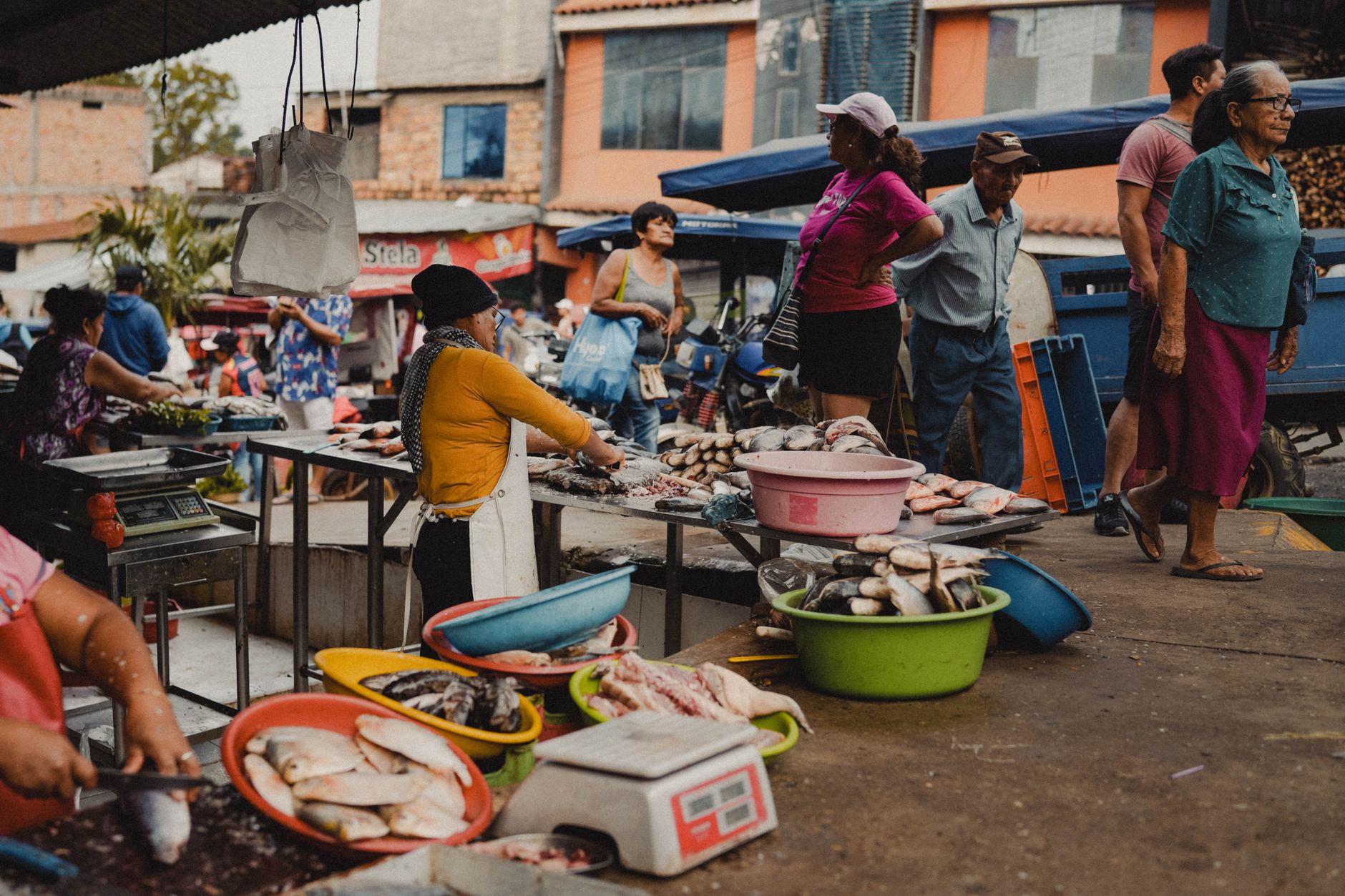
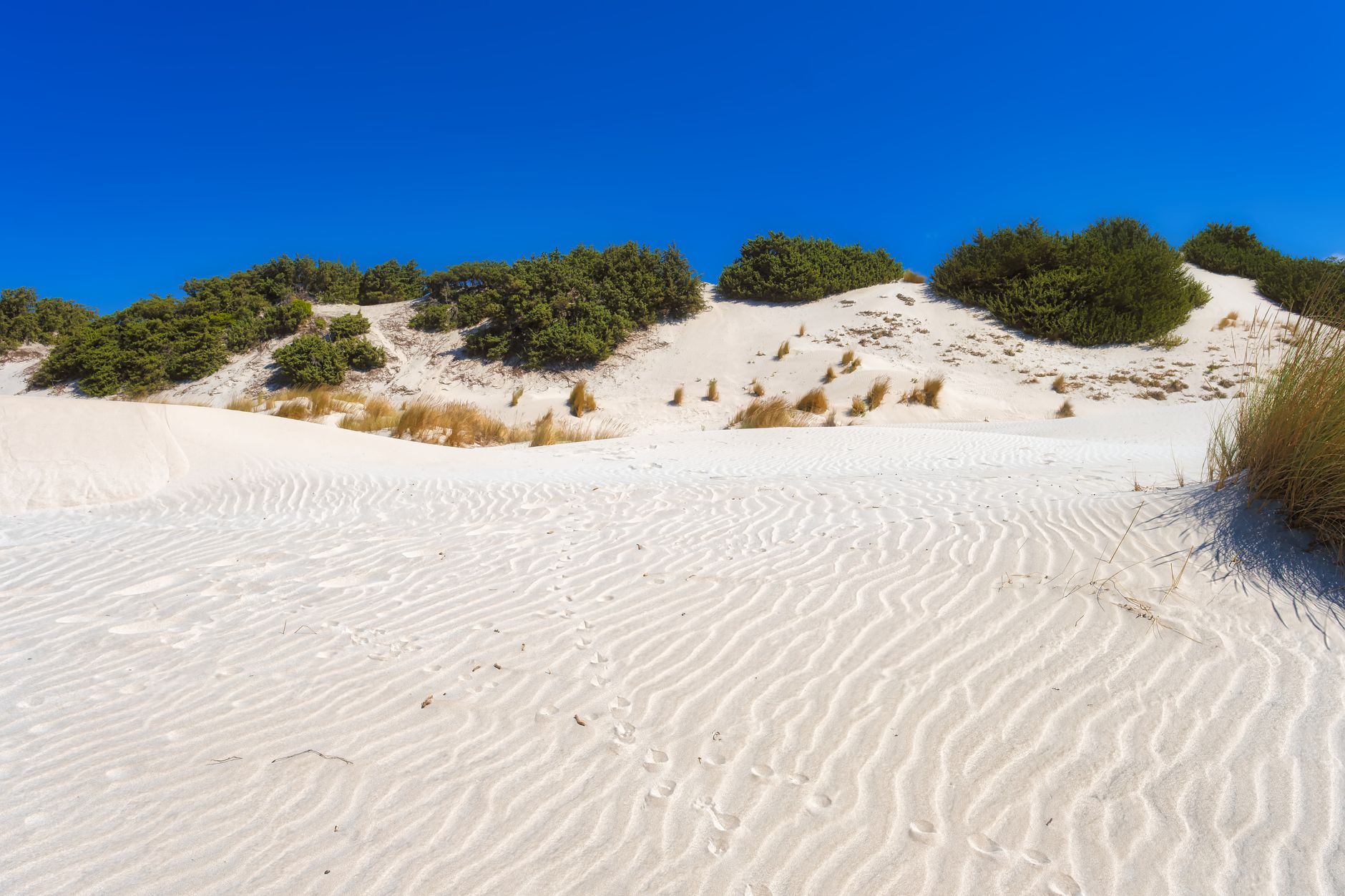
People who keep coming back tend to rent a car and leave the coast by day three. The Sinis Peninsula — Tharros, the white sand of Is Arutas — is a fraction of the crowds of the Emerald Coast. Oliena for Cannonau wine poured without ceremony. And the Cagliari fish market on a weekday morning, before the heat arrives.
Experiences you don't want to miss


How Sardinia came to be
People have been on this island for a long time — a hominid finger bone found in the Logudoro region dates to around 250,000 BC. The Nuragic civilization raised its towers from about 1500 BCE onward; Phoenicians followed, founding Caralis (modern Cagliari), Tharros, and Nora from the 8th century BC. Carthage, then Rome, then Byzantium each left their mark before Sardinia reorganized itself into four independent Giudicati — democratic states with their own parliament, the Corona de Logu.
In the late 14th century, Eleanor of Arborea codified the Carta de Logu, a legal framework that remained in force until 1827. Aragonese rule arrived in 1323, Spanish influence shaped the architecture and language of the following centuries, and in 1720 the island passed to the House of Savoy — whose kings took the title 'Kings of Sardinia' until Italian unification in 1861. Autonomous regional status followed in 1948.
Who and what shaped it
People who shaped it
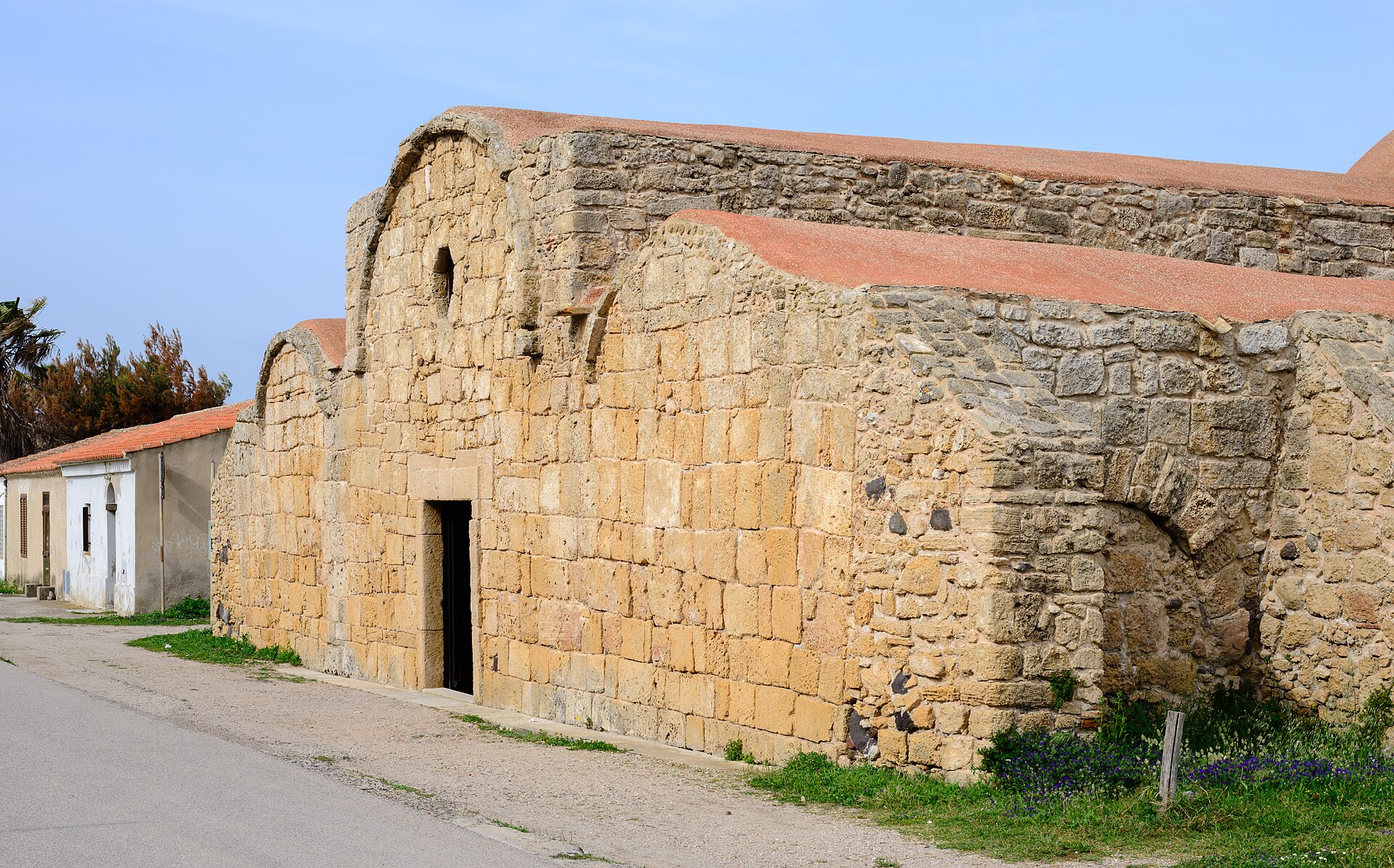
Landmark buildings
See Sardinia in motion
Plan your visit
On the map
When to go
Summers are hot and dry, with July and August pushing reliably past 30°C on the coast and hotter inland. Spring and autumn are mild and often beautiful, with October still warm enough to swim. Winters are cool and occasionally wet, but rarely harsh — the interior mountains being the exception.
Right now
↡ Cities
No places match these filters.
Background & history adapted from Wikipedia (CC BY-SA) · specs from Wikidata (CC0) · weather from Open-Meteo · map data © OpenStreetMap contributors · photos from Wikimedia Commons / Unsplash with per-image credit. No third-party reviews or social posts reproduced.