
La Maddalena
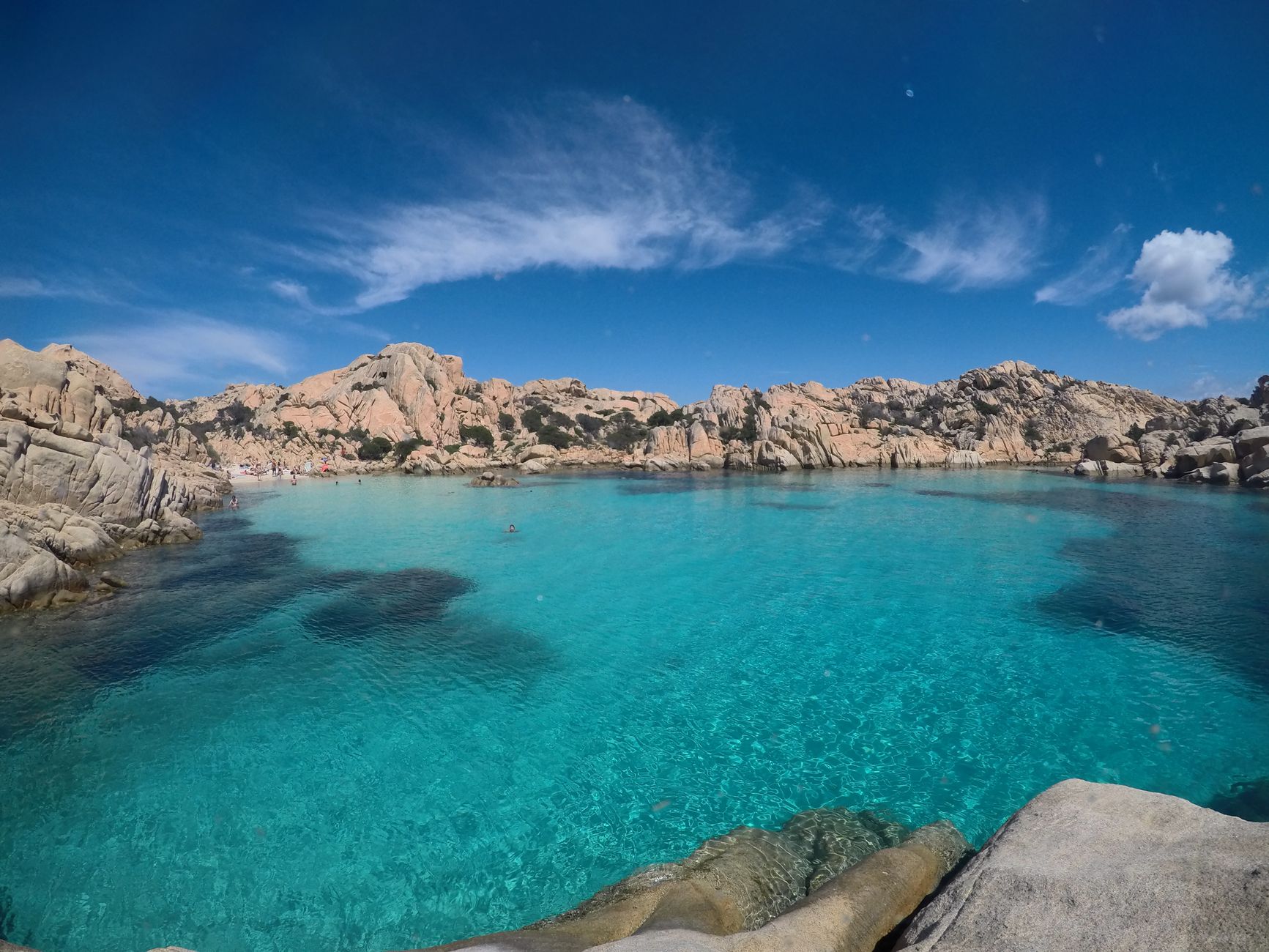
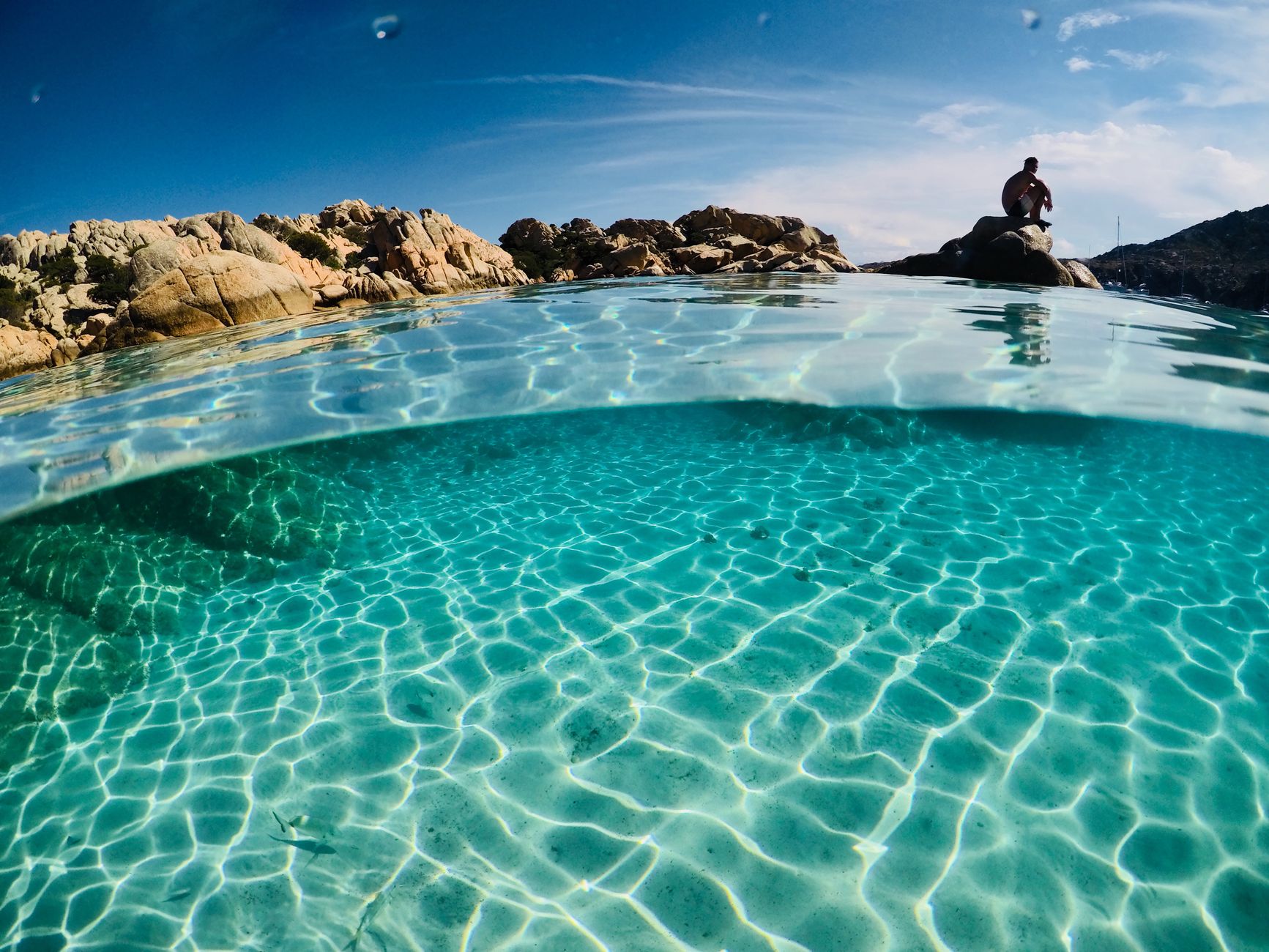
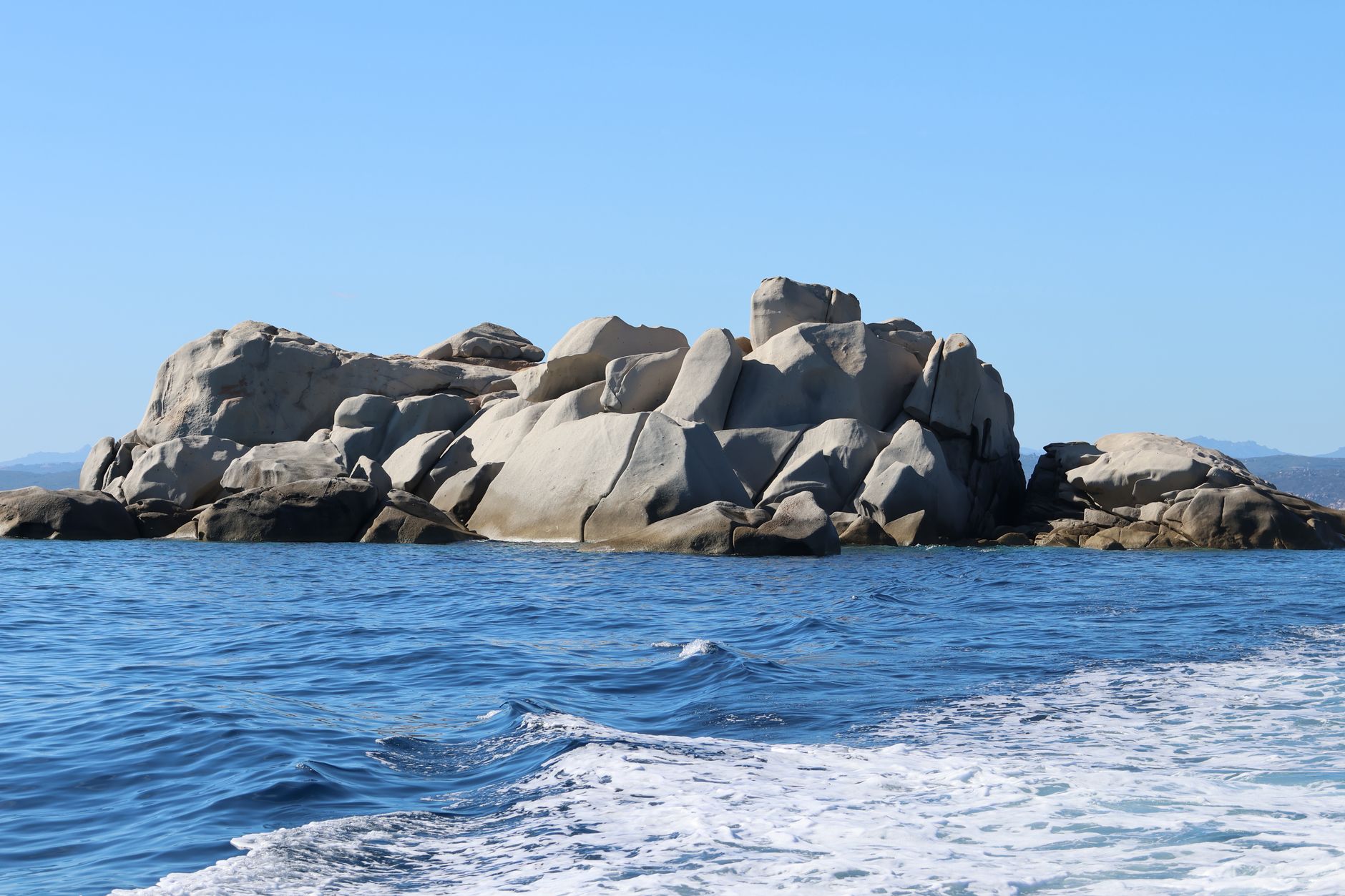
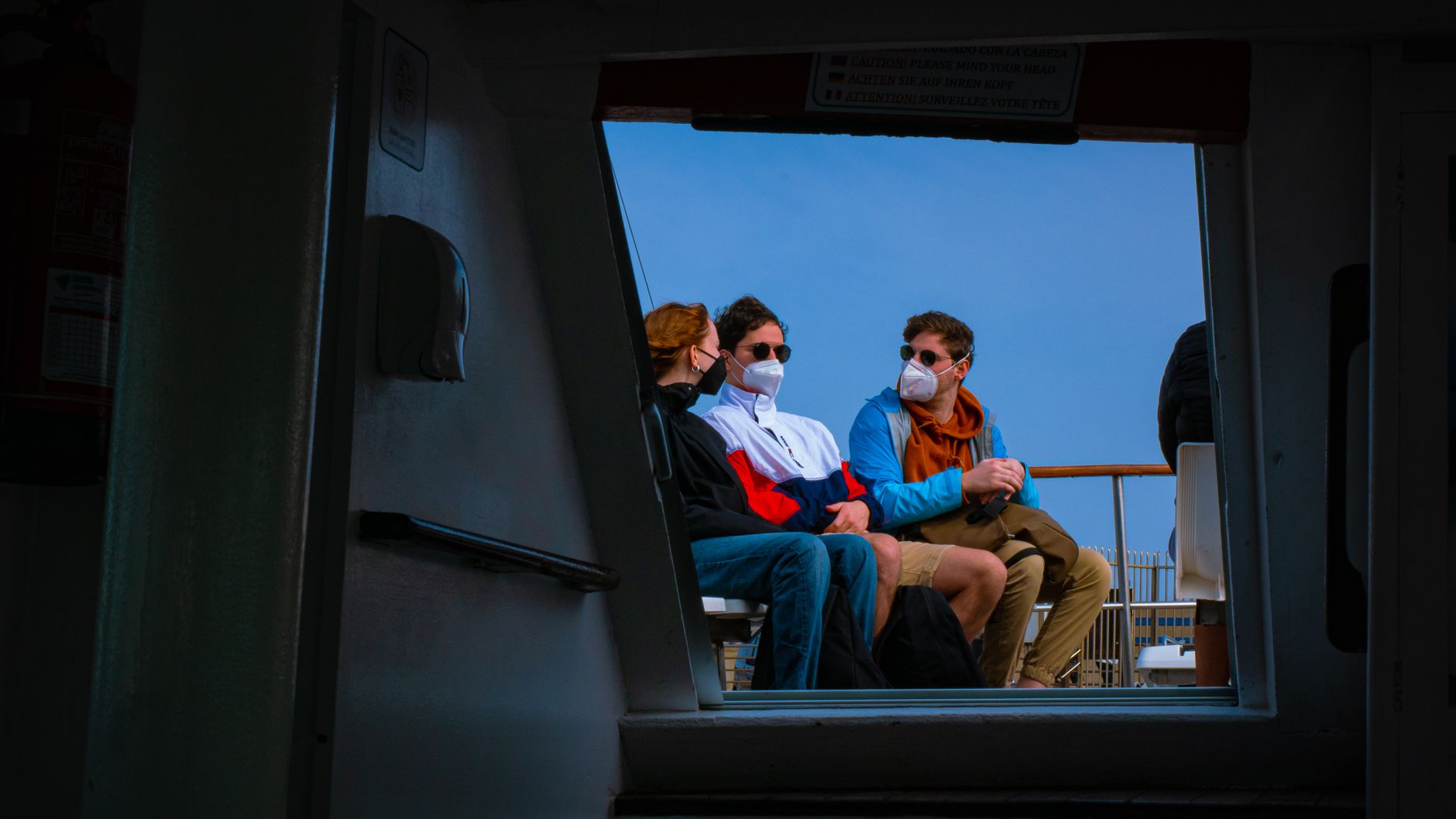
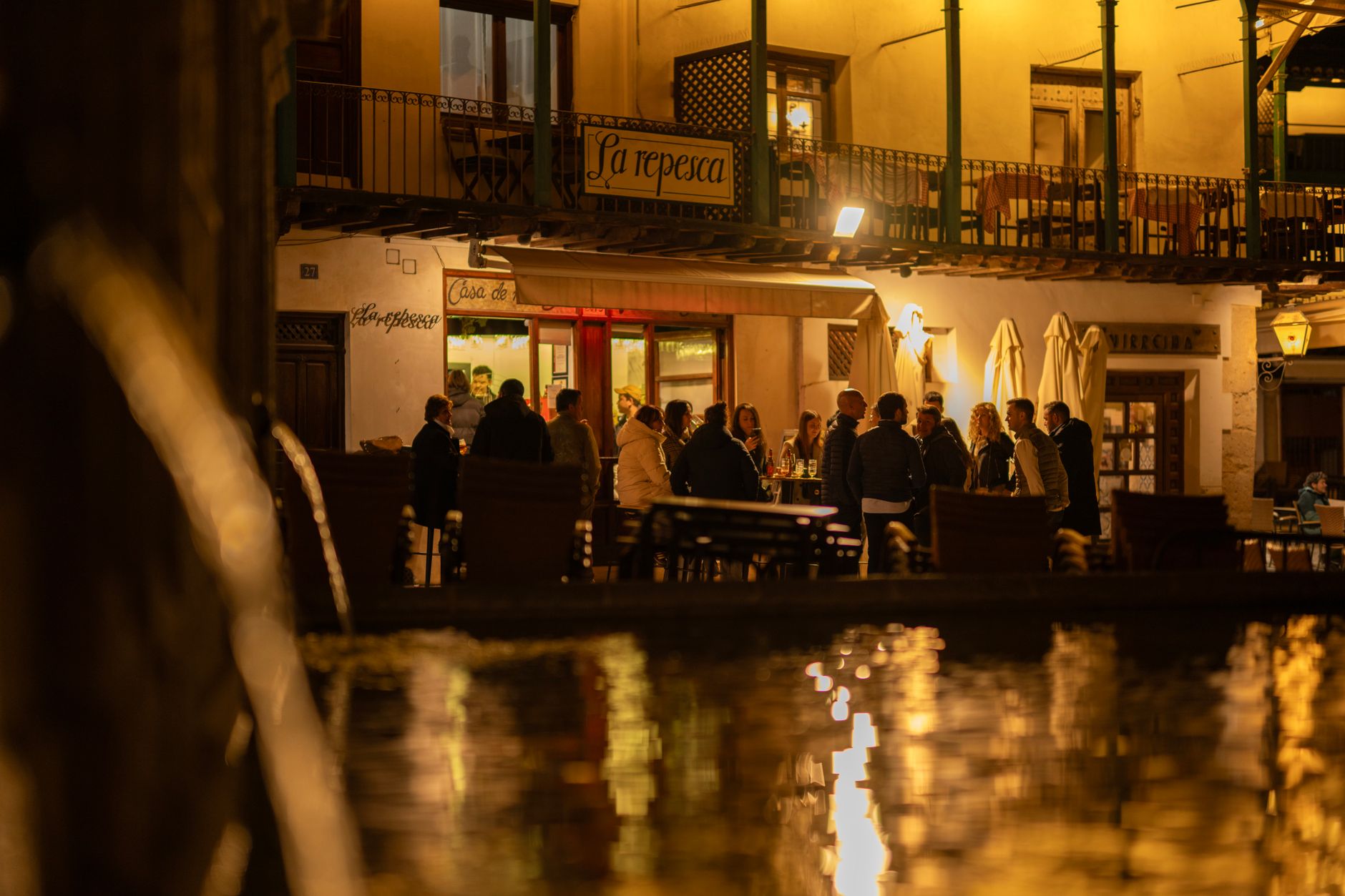
La Maddalena sits fifteen minutes by ferry off the Sardinian coast, close enough to Palau that you can watch the granite coastline recede as you cross, far enough to feel like a different world. The town itself is compact and stone-paved, its centre opening onto 18th-century facades and a parish church that holds, among its objects, a crucifix and two candelabra left behind by Horatio Nelson.
The island is the gateway to an archipelago that became a national park in 1994 — a scatter of islands where a Roman cargo ship wrecked around 120 BC, where Garibaldi spent the last decades of his life on Caprera, and where, for thirty-five years, US nuclear submarines were quietly berthed on Santo Stefano.
💛 What travellers fall for
People who come back tend to time the first ferry from Palau early, before the tour groups form. They walk Via Garibaldi down to Cala Gavetta, check the ruins of the Balbiano Battery — built between 1790 and 1792, a few hundred metres from the water — and then take a boat out to Caprera to visit the Compendio Garibaldino before the afternoon crowds arrive.
Experiences you don't want to miss



Deals in La Maddalena
Book directly at the providerHow La Maddalena came to be
Corsican shepherds from Alta Rocca founded the settlement in 1770, though the islands had been known far longer — the Romans called the place Ilva, Fussa and Bucina, and Benedictine monks established small communities here in the 12th century after centuries of abandonment. In 1767, the islanders consented to Sardinian rule. A year that proved decisive came in 1793, when a French expedition that included a young Napoleon Bonaparte attempted to take the island and was repelled by a fleet commanded by the Maddalena-born Domenico Millelire.
The 19th century brought Nelson, who used the harbour as a base against the French in 1803 and called it the most beautiful port in the world. Garibaldi arrived on neighbouring Caprera in 1856 and stayed for 25 years. In August 1943, Mussolini was held under house arrest at Villa Webber for three weeks. The NATO naval base on Santo Stefano, operational from 1973, closed only in 2008.
Who and what shaped it
People who shaped it
Landmark buildings
See La Maddalena in motion
Plan your visit
On the map
When to go
July and August bring reliable sun and warm water, but also the densest crowds on the boats and beaches. May and October offer settled weather with far more room to move — the sea is still swimmable in October, and the light is softer.
Right now
Background & history adapted from Wikipedia (CC BY-SA) · specs from Wikidata (CC0) · weather from Open-Meteo · map data © OpenStreetMap contributors · photos from Wikimedia Commons / Unsplash with per-image credit. No third-party reviews or social posts reproduced.