


Amalfi Coast -a place that stays in your heart forever.There are places you visit, take a few photos, and eventually leave behind. And then there are places that become a part of you.The Amalfi Coast is definitely one of them.The breathtaking cliffs, the endless blue of the Mediterranean, colorful villages rising above the sea, winding roads, fragrant lemon trees, little streets full of life, and sunsets that seem almost unreal -everything here feels like a beautiful dream. Positano, Amalfi, Ravello and every little corner along the coast have their own magic. There is something incredibly romantic and timeless about this place. You don't simply see its beauty - you feel it.I arrived as a traveler, but I am leaving with memories that will stay with me for a lifetime.A part of my soul will remain here, somewhere between the mountains, the sea, the lemons and those unforgettable Italian sunsets. Thank you, Amalfi Coast, for reminding me how beautiful life can be. 🇮🇹❤️
Amalfi Coast
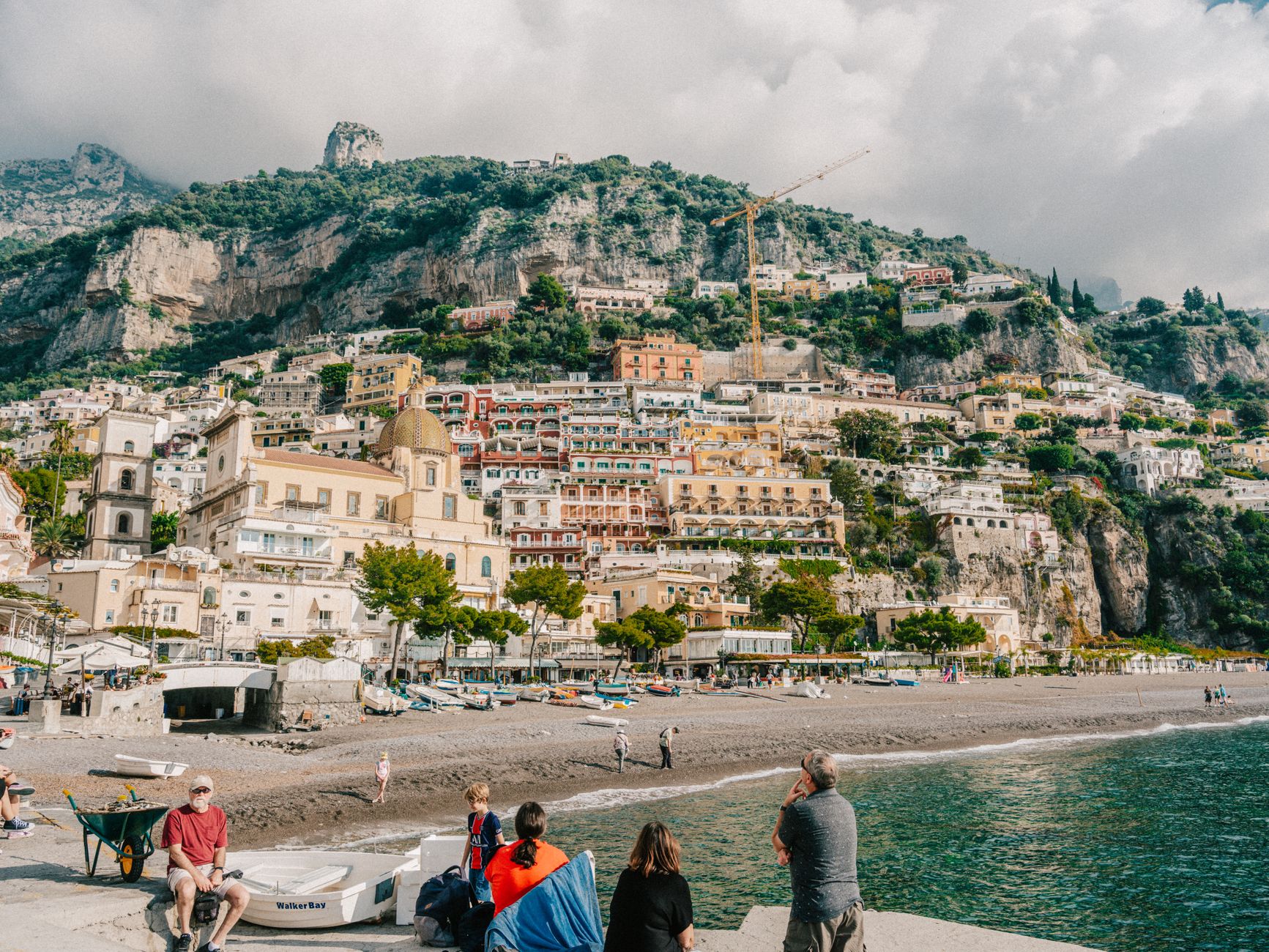
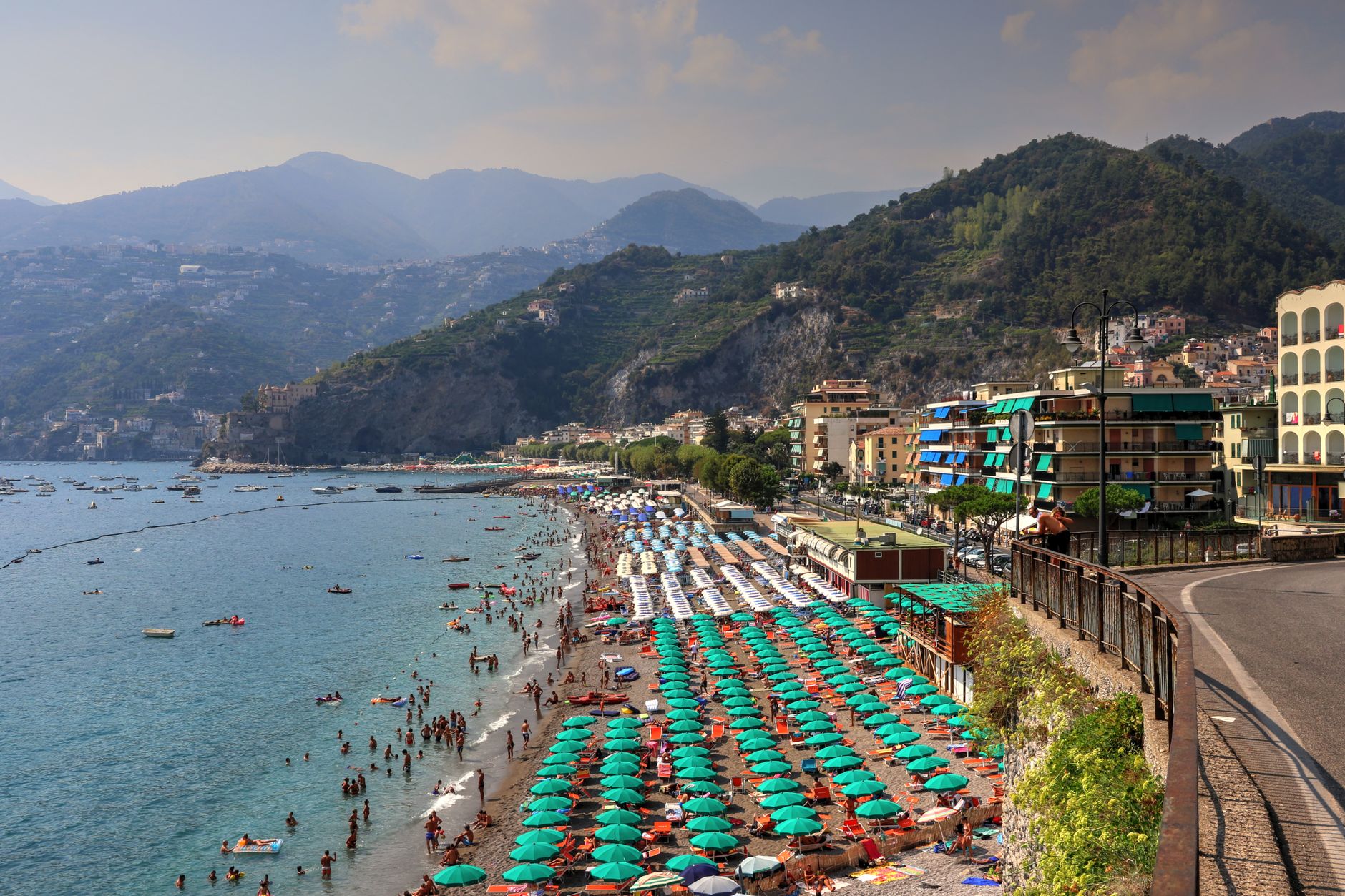
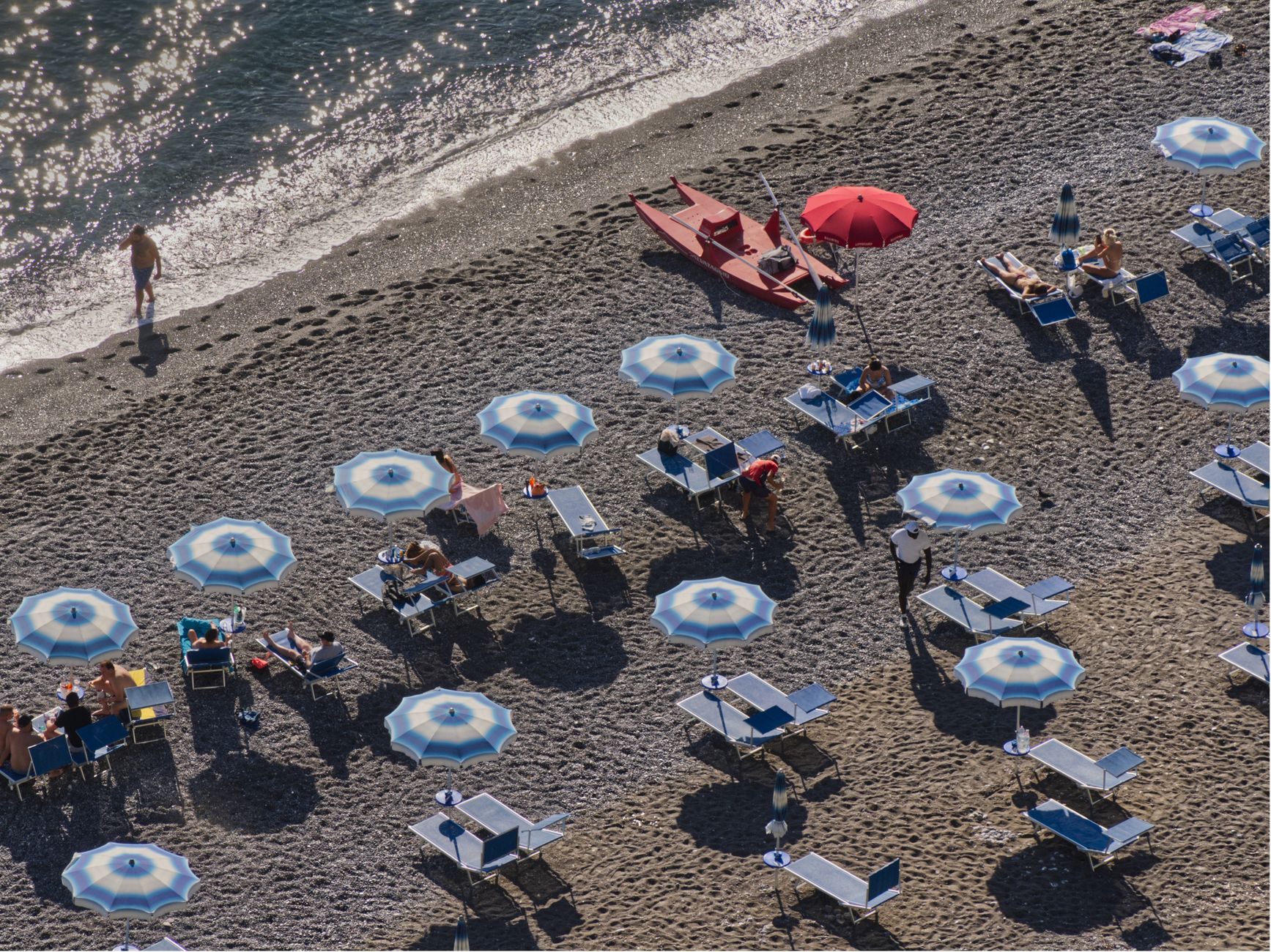
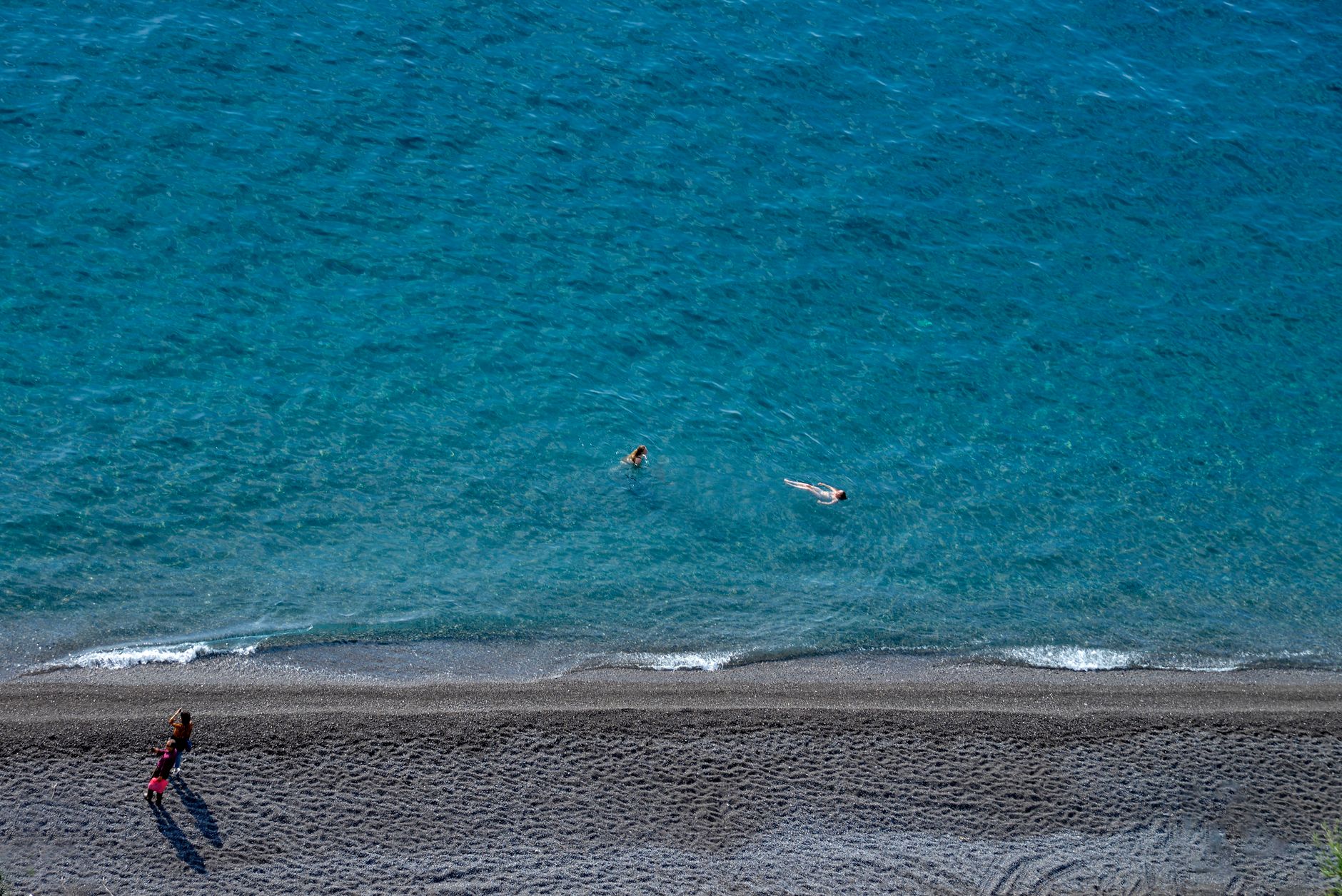
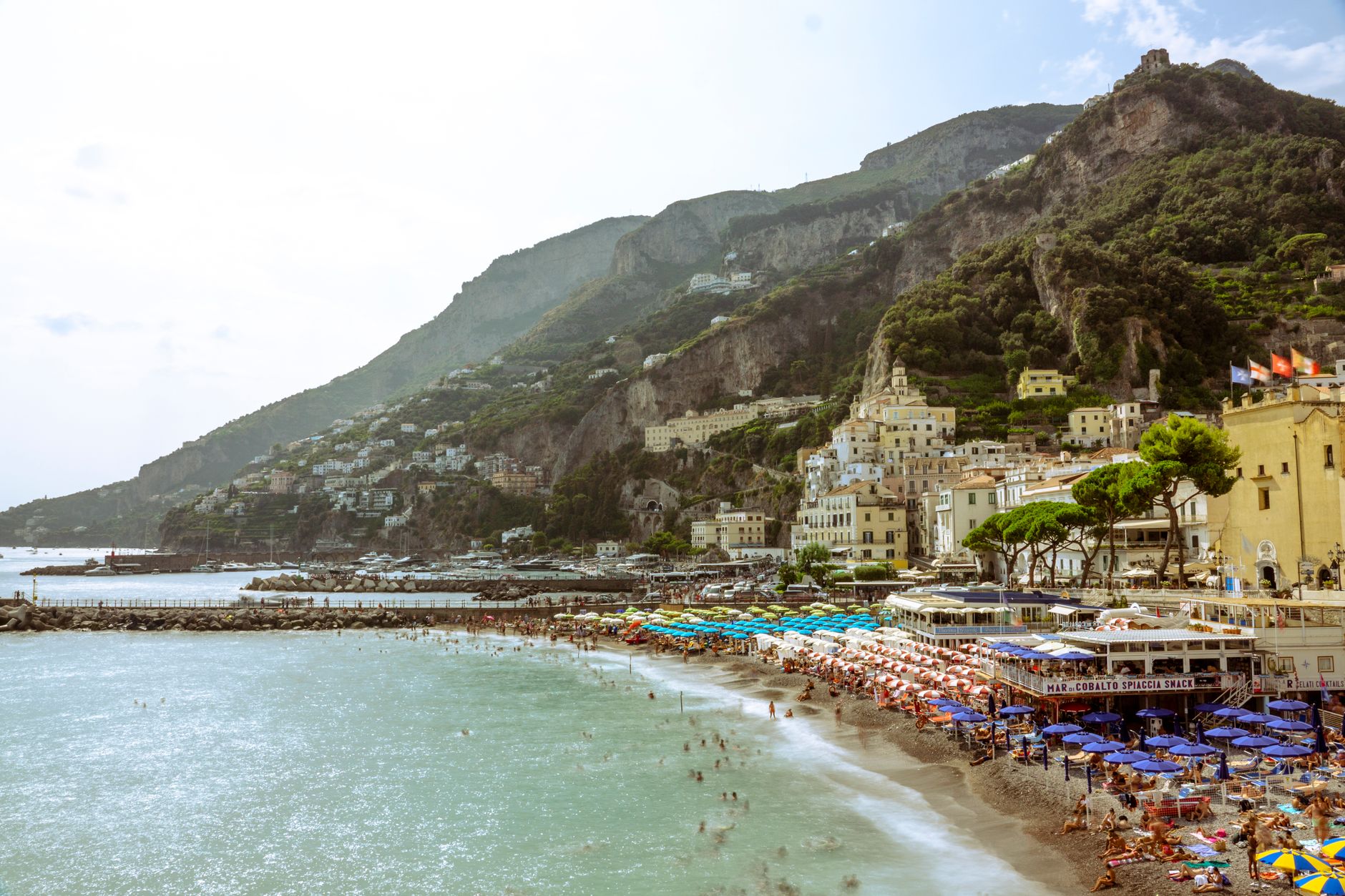
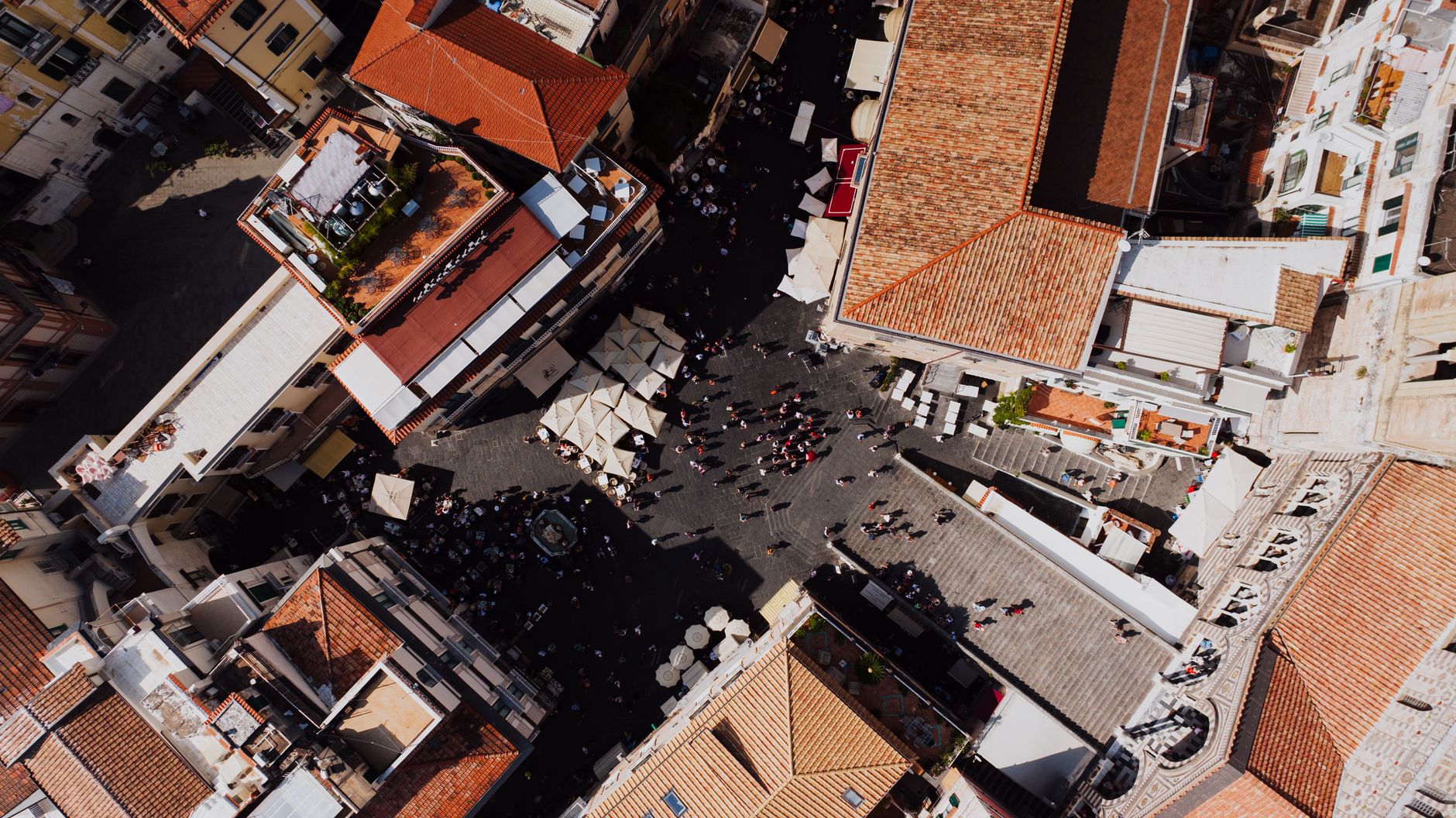
The road that Ferdinand II finished in 1854 still clings to the cliff face like a ledge someone dared into existence, and driving it for the first time — or riding the SITA bus while another bus squeezes past going the other way — is the quickest introduction to what the Amalfi Coast actually is: vertiginous, a little absurd, and completely serious about its own beauty. Lemon groves terrace the slopes above Minori. Fishing boats dry at Atrani. The sea is a particular shade of blue that seems lit from underneath.
The coast runs roughly from Positano in the west to Vietri sul Mare in the east, taking in a string of towns that each have their own character — Ravello up on its ridge, Praiano quiet where Positano is not, Furore with its sea-cut gorge and its tiny beach at the bottom.
💛 What travellers fall for
People who come back tend to base themselves somewhere small — Praiano or Atrani rather than Positano — and take the ferry rather than the bus when the summer traffic locks up the road. Ravello on a weekday morning, before the tour groups arrive at Villa Rufolo, is a different place entirely from Ravello at noon.
Experiences you don't want to miss
Deals in Amalfi Coast
Book directly at the providerHow Amalfi Coast came to be
Amalfi's origins are Roman, though the town as a force came later. After Germanic and Lombard pressure pushed coastal inhabitants into the Lattari mountains, the settlement regrouped and by 839 had broken free from the Duchy of Naples entirely, becoming an independent maritime republic controlling territory from Positano to Cetara and the islands of Capri and Li Galli. At its height, Amalfi traded across the Mediterranean with an ambition that left bronze doors in Constantinople — commissioned by the merchant Pantaleone de Comite — and spread the use of the compass through the sea lanes of the known world.
That republic ended when Pisa sacked the city in 1137. Plague in 1643 took a third of the population. Then in June 1807 Giuseppe Bonaparte rode through and ordered a proper coastal road; it took Ferdinand II until 1854 to finish it. Henrik Ibsen walked those streets in 1879, and the encounter helped him complete A Doll's House. The coast became a UNESCO World Heritage Site in 1997.
Who and what shaped it
People who shaped it
Landmark buildings
See Amalfi Coast in motion
Plan your visit
On the map
When to go
Summers are hot and dry, with the clifftop towns catching whatever breeze comes off the Tyrrhenian. Spring and autumn are mild and clear — the better seasons for walking the paths between towns. Winters are quiet and occasionally wet, but the light on the water stays extraordinary.
Right now
What travellers say about Amalfi Coast
Very busy with tourists, makes it a little unknowable if you find crowds and small spaces overwhelming. However the scenery is breathtaking. Quite expensive, but to be expected in high tourist season. We visited on a boat trip. Perhaps if we were staying local it would have been better to get a proper feel for the place
A stunning coastline, beautiful towns and villages. Best seen at leisure or from the sea. It's popularity can spoil the enjoyment so avoid the busiest times, or months. Better still, stay awhile!
Although the centre, where shops and resturants are, is swarmed by people, the small beach infront is quiet and has a fantastic view at sunset and after. The top of the hills (if you dare to climb through stairways or hire a scooter and ride your way through) is fascinating.
An absolutely breathtaking destination with dramatic cliffs, colorful villages, and stunning views of the sea. Every turn along the coast feels like a postcard. Whether you’re driving, walking, or just stopping at viewpoints, the scenery is unforgettable. It was a bit busy, but the beauty of the place makes it completely worth it.
Background & history adapted from Wikipedia (CC BY-SA) · specs from Wikidata (CC0) · weather from Open-Meteo · map data © OpenStreetMap contributors · photos from Wikimedia Commons / Unsplash with per-image credit. No third-party reviews or social posts reproduced.