
Bologna
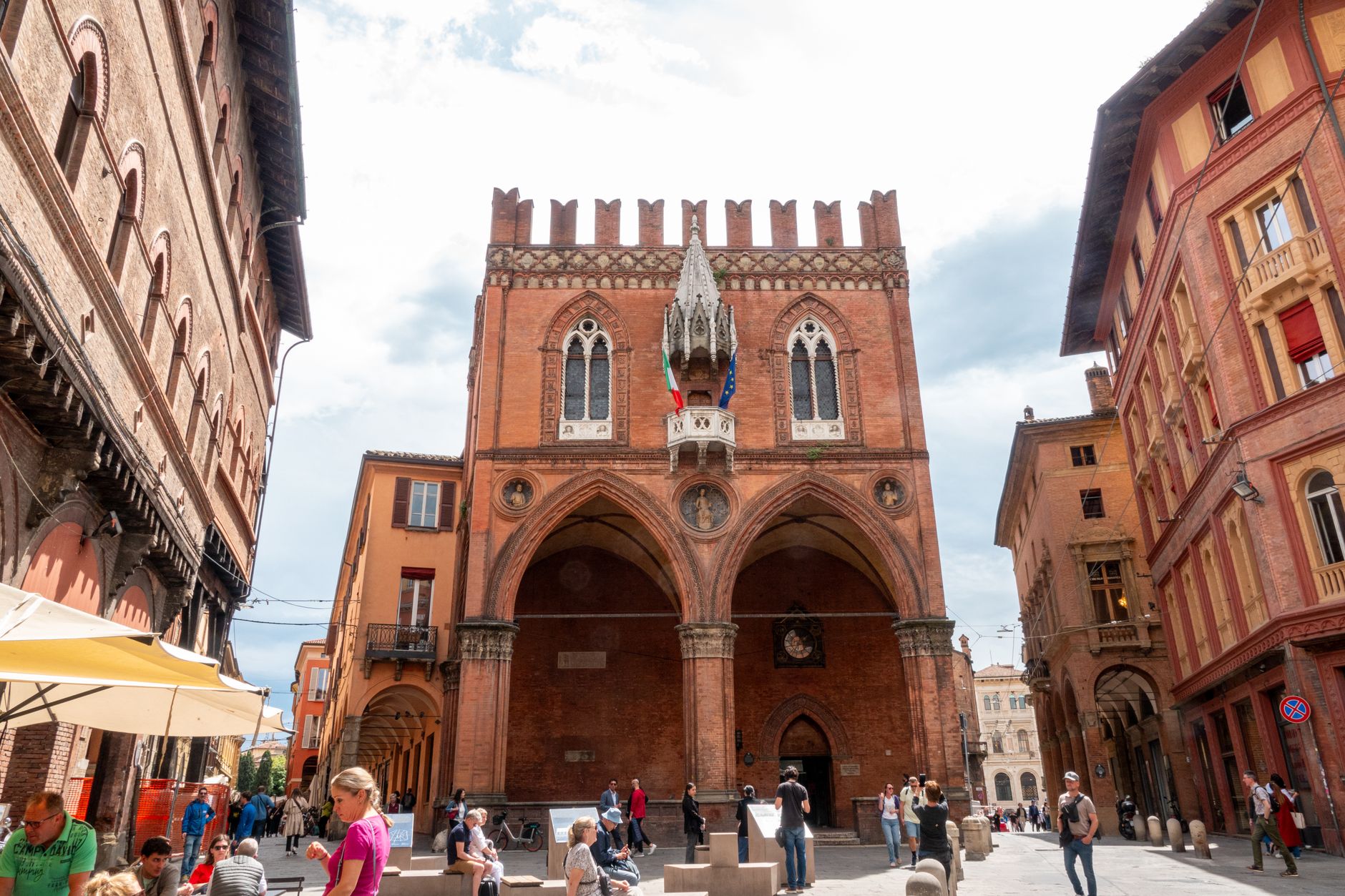
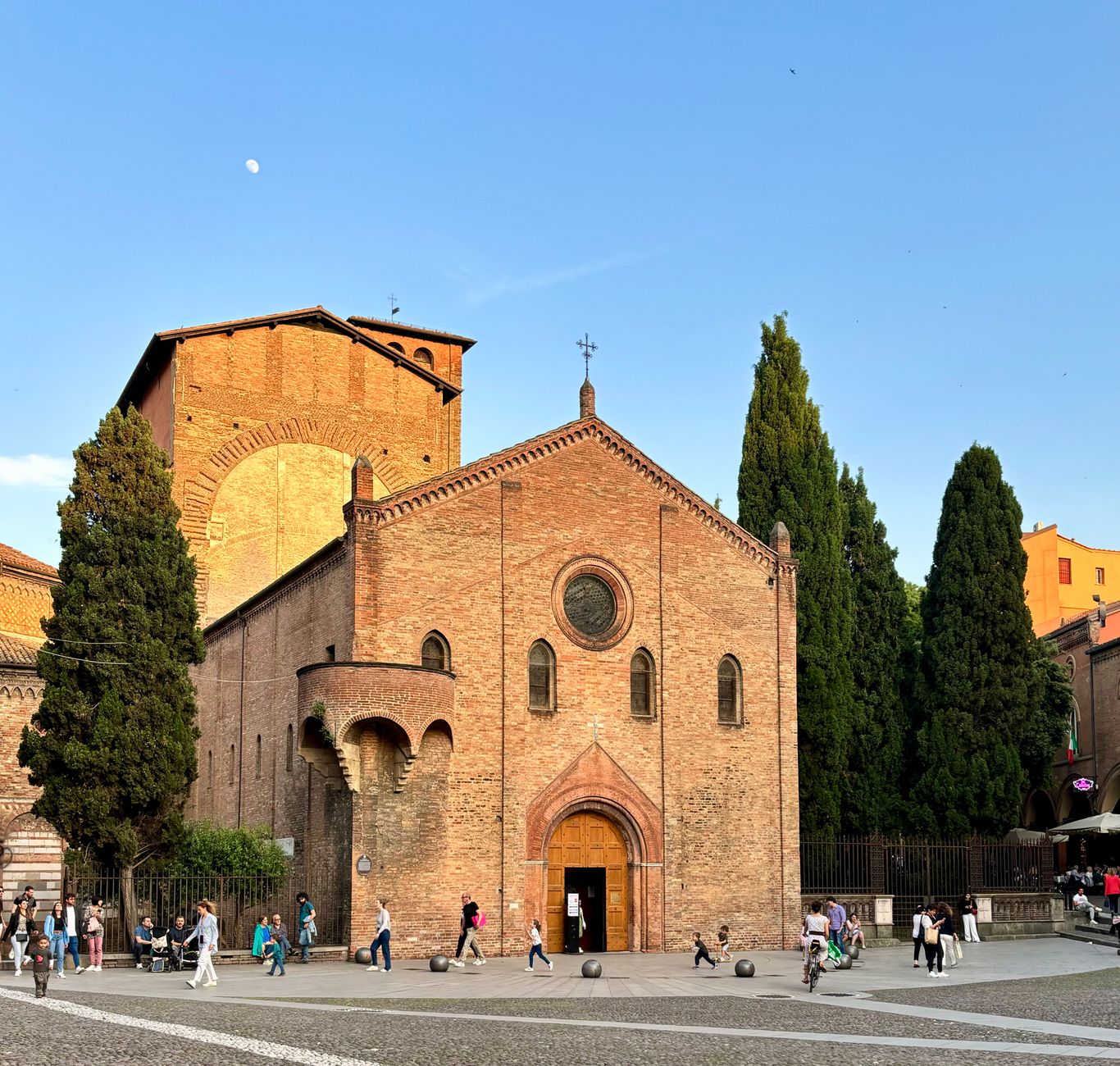
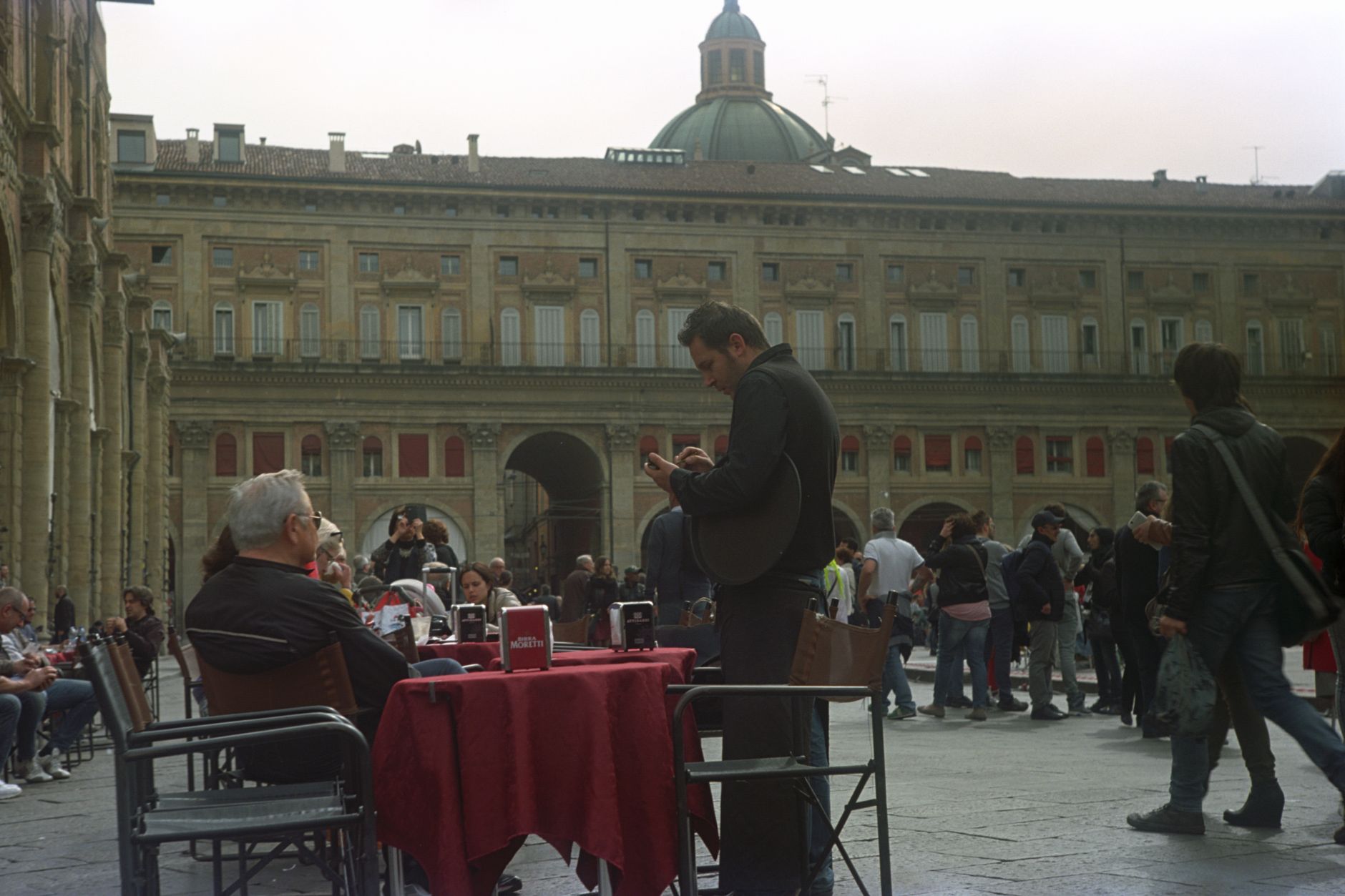
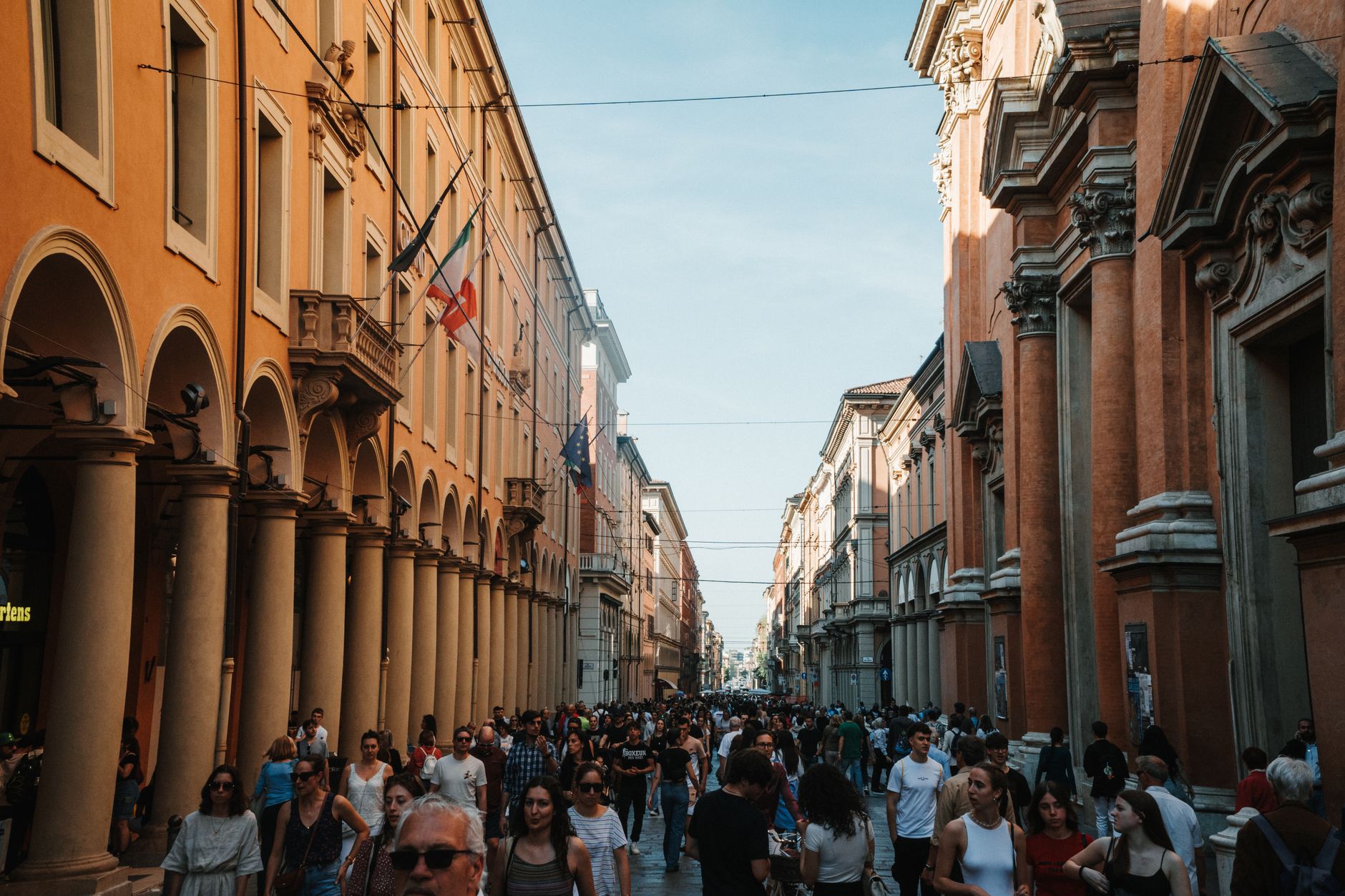
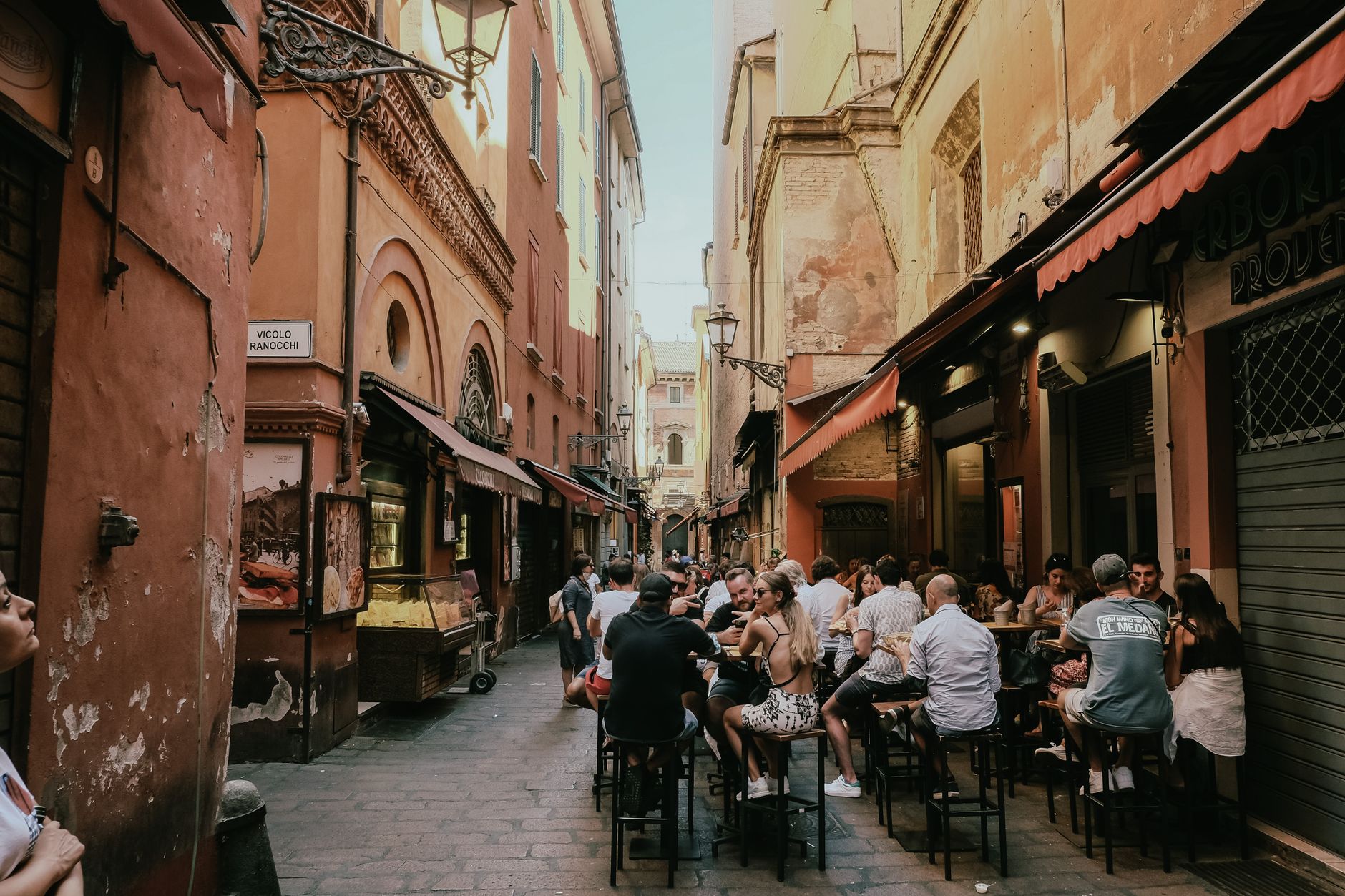
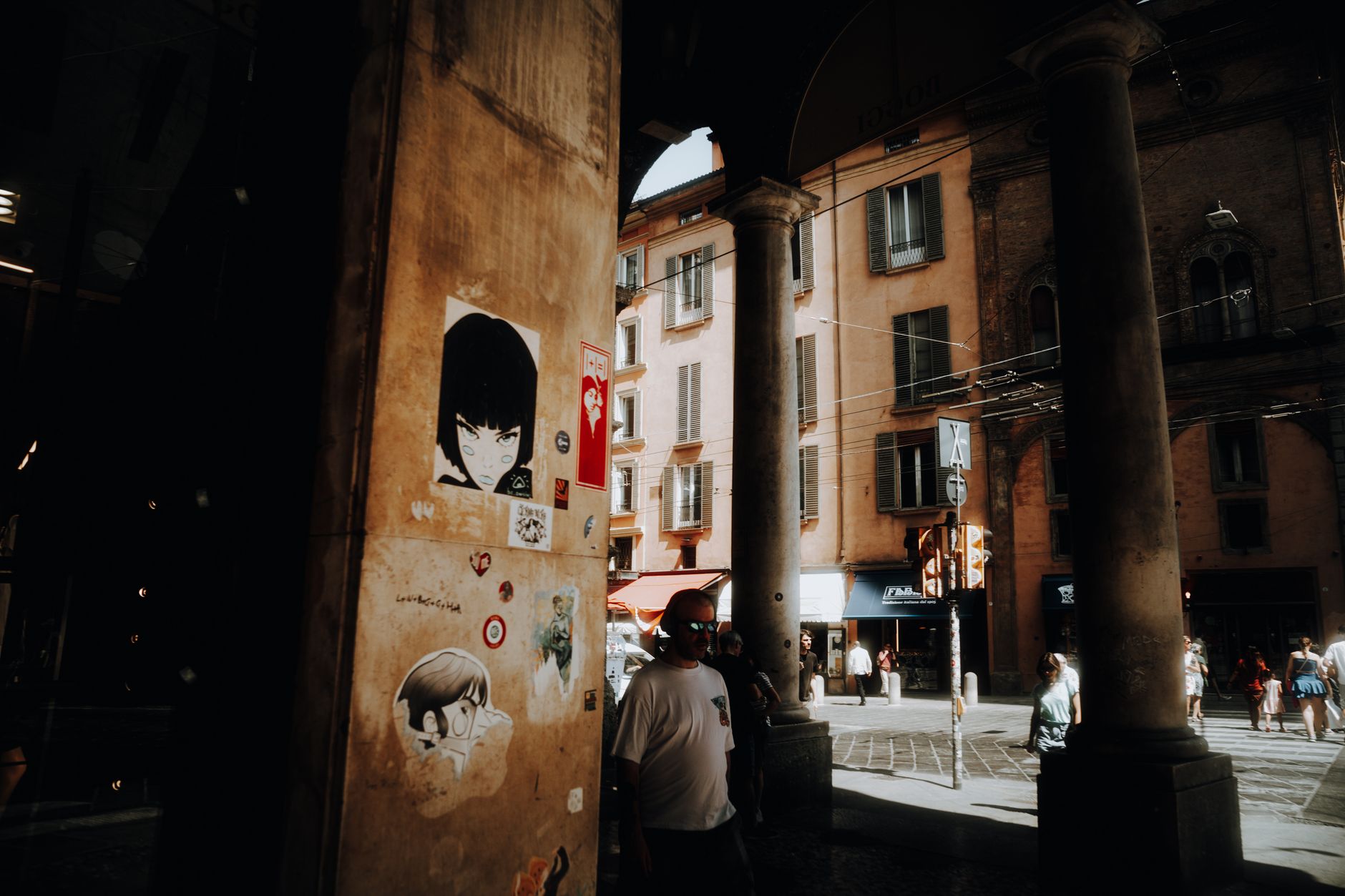
Walk under Bologna's porticoes on a January evening and you'll understand why the city mapped 62 kilometres of arcades into law as early as 1288 — rain or sun, the street belongs to the pedestrian. The covered walkways connect everything: the Gothic bulk of San Petronio, the tilting 12th-century towers on Via Rizzoli, the Neptune fountain that a Flemish sculptor named Giambologna left in Piazza Maggiore in the late 16th century.
Bologna rewards the unhurried. The university, founded in 1088, is the oldest in continuous operation anywhere, and the city has had a student population ever since — which partly explains why the food culture is so serious and the late-night streets stay lively long after dinner.
💛 What travellers fall for
People who come back tend to mention two things: the Finestrella del Piella, a small shutter-framed window on a canal path where the city's old waterways briefly surface from underground, and the Portico di San Luca — 666 arches climbing nearly four kilometres to the hilltop sanctuary, best walked on a weekday morning before the coaches arrive.
Experiences you don't want to miss




Deals in Bologna
Book directly at the provider

How Bologna came to be
The ground beneath Bologna has been occupied for a long time. A Villanovian settlement existed here from the 9th century BC; by the 6th century BC it was an Etruscan city called Felsina. The Boii Gauls swept in during the 4th century BC, and in 189 BC Rome planted a colony here and renamed it Bononia. After centuries of shifting authority — Frankish troops, papal control, a brief period as a free commune in the 12th century — Pope Julius II's forces seized the city in 1506 and it remained under papal administration until Napoleon arrived in 1797.
The university, founded by the glossators Irnerius and Pepo in 1088, gave the city an intellectual gravity that outlasted every political change. Luigi Galvani worked here, as did Guglielmo Marconi. A teenage Mozart came to study. King Enzio of Sardinia, captured in battle, was held in the Palazzo Re Enzo from 1249 until he died there in 1272 — a prisoner the city refused to ransom for over two decades.
Who and what shaped it
People who shaped it
Landmark buildings
See Bologna in motion
Plan your visit
On the map
When to go
Winters are cold and often damp, with January averages around 3.5°C; summers are hot and muggy, regularly reaching 25–26°C in July and August. April, May, September and October offer the most comfortable conditions, with moderate rainfall spread fairly evenly across spring and autumn.
Right now
Background & history adapted from Wikipedia (CC BY-SA) · specs from Wikidata (CC0) · weather from Open-Meteo · map data © OpenStreetMap contributors · photos from Wikimedia Commons / Unsplash with per-image credit. No third-party reviews or social posts reproduced.