
Sicily
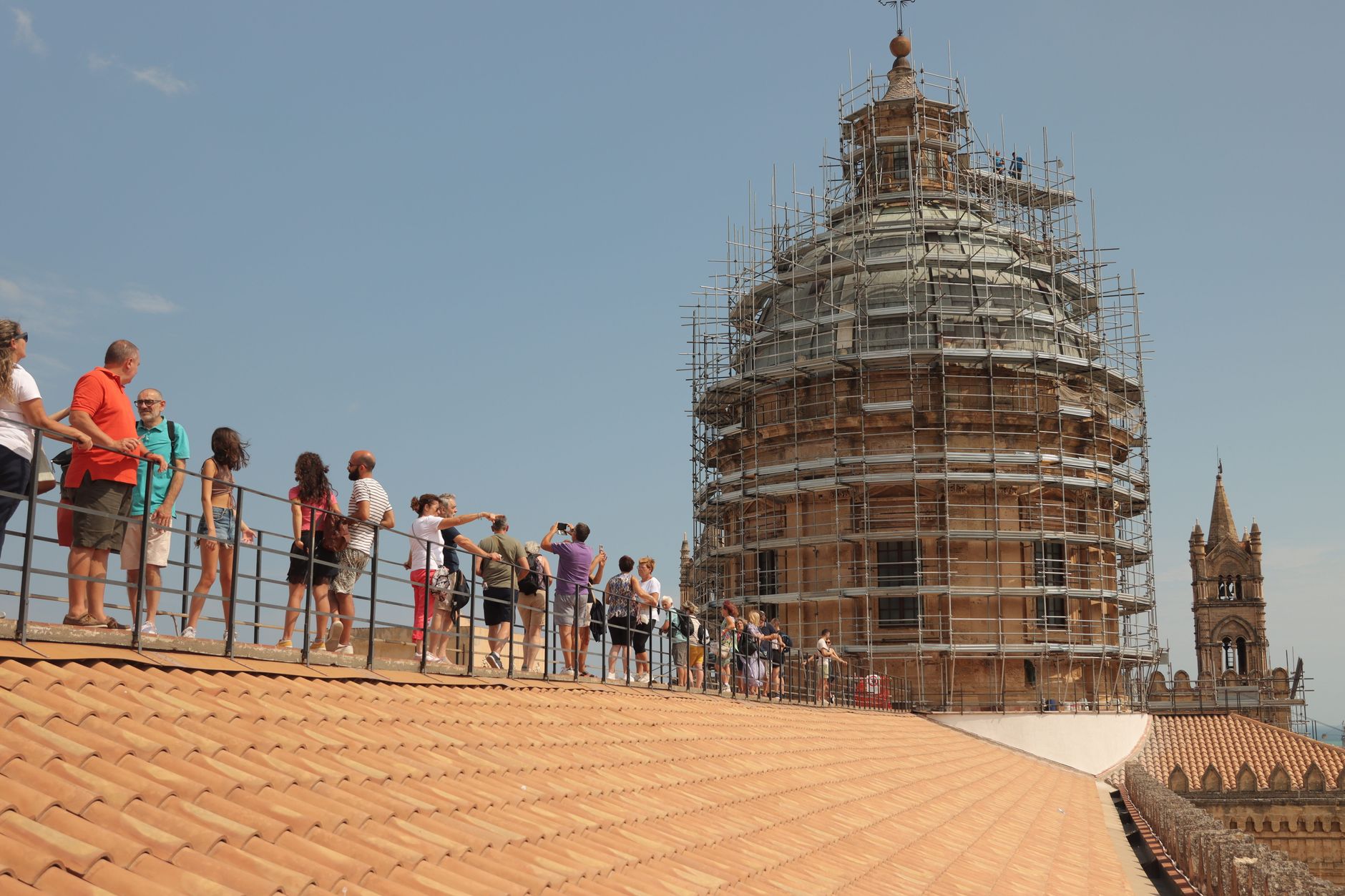
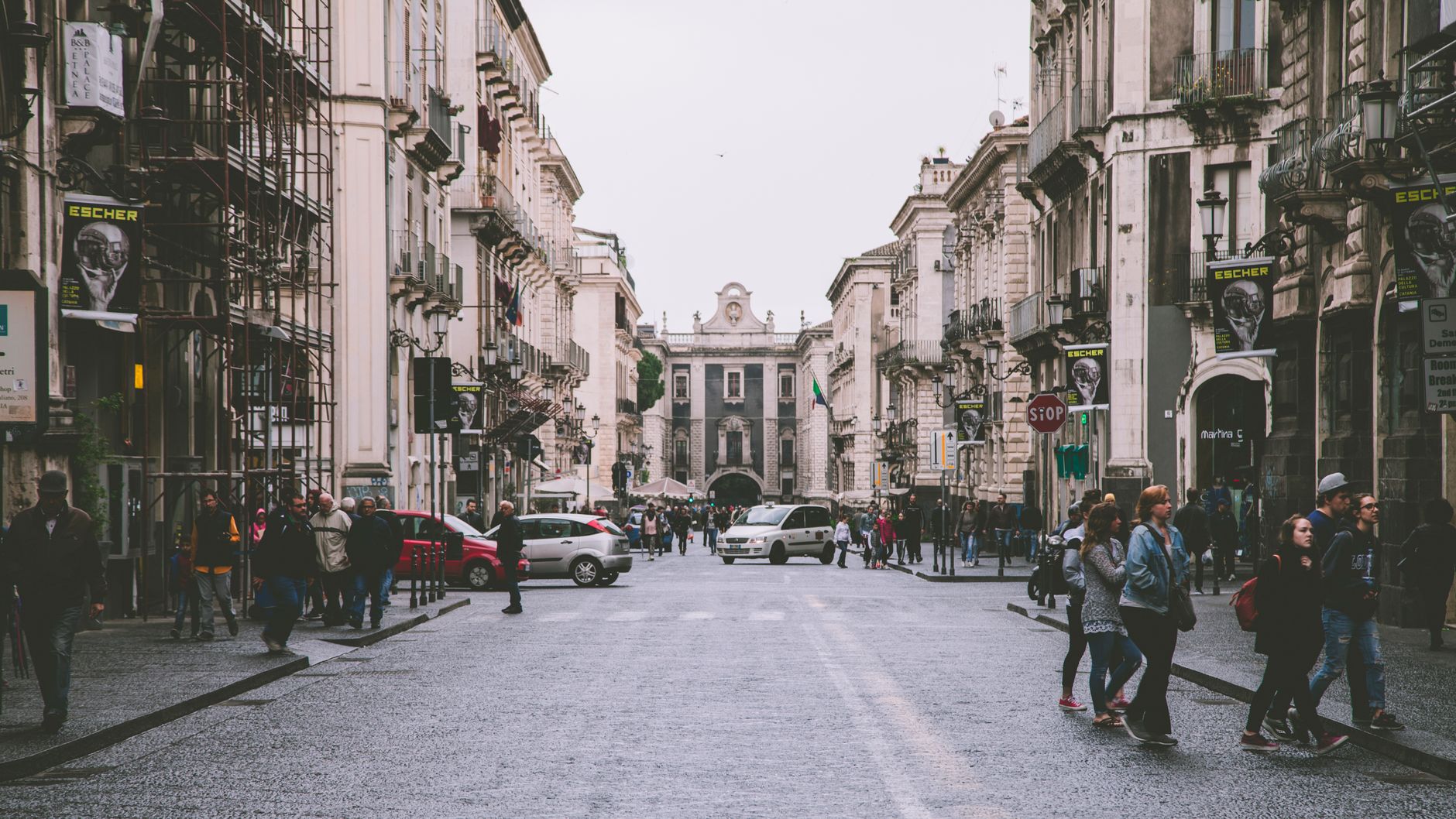
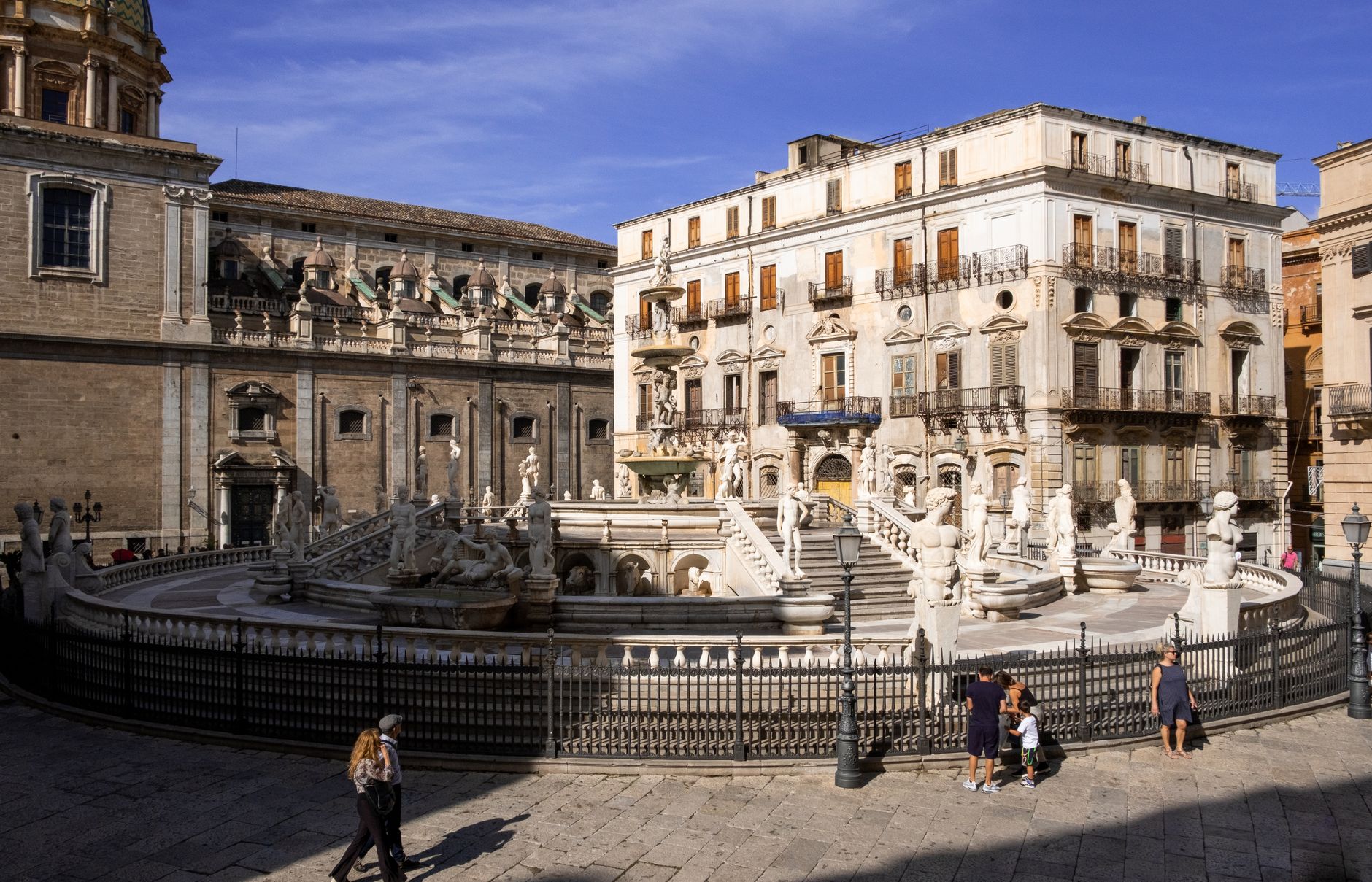
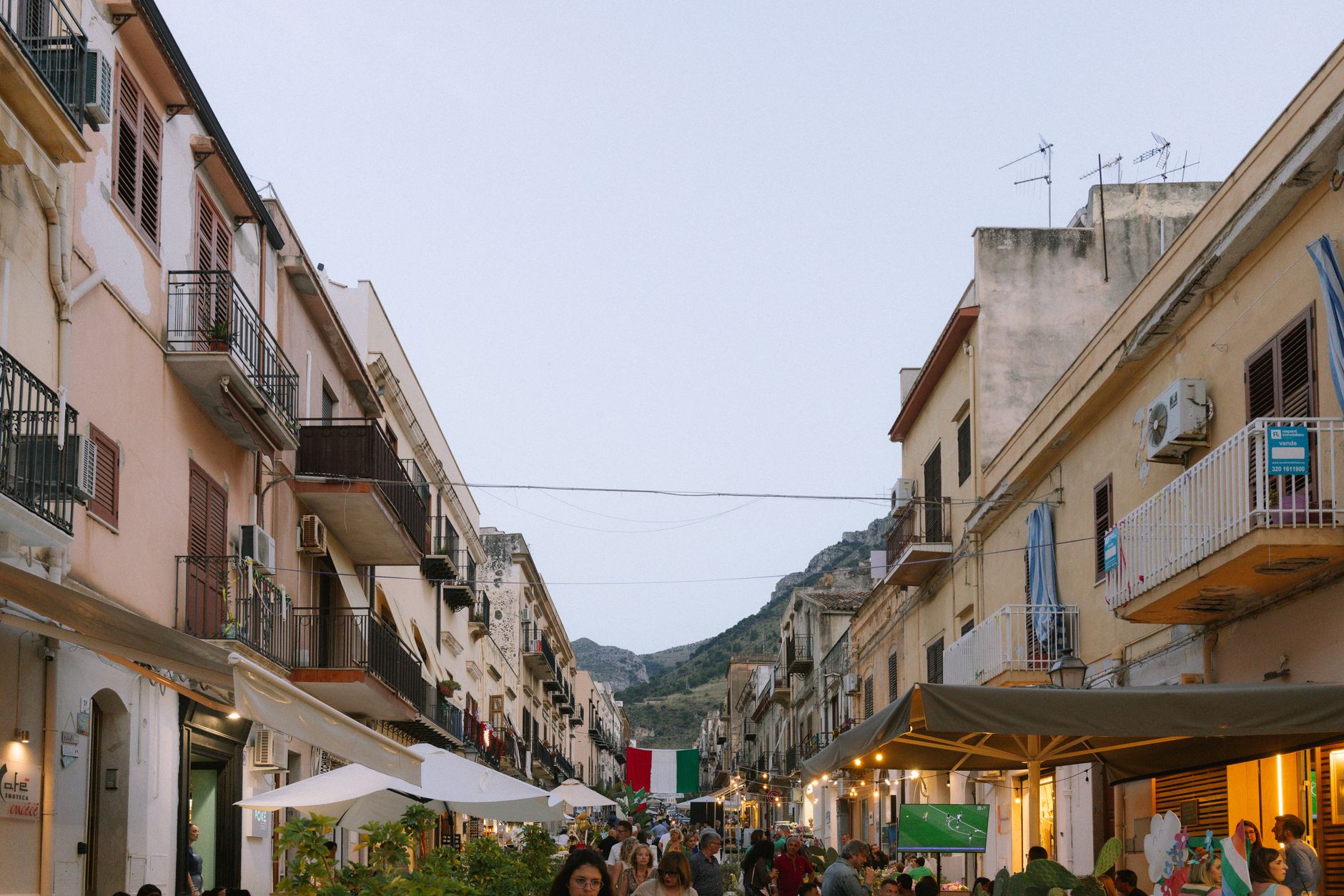
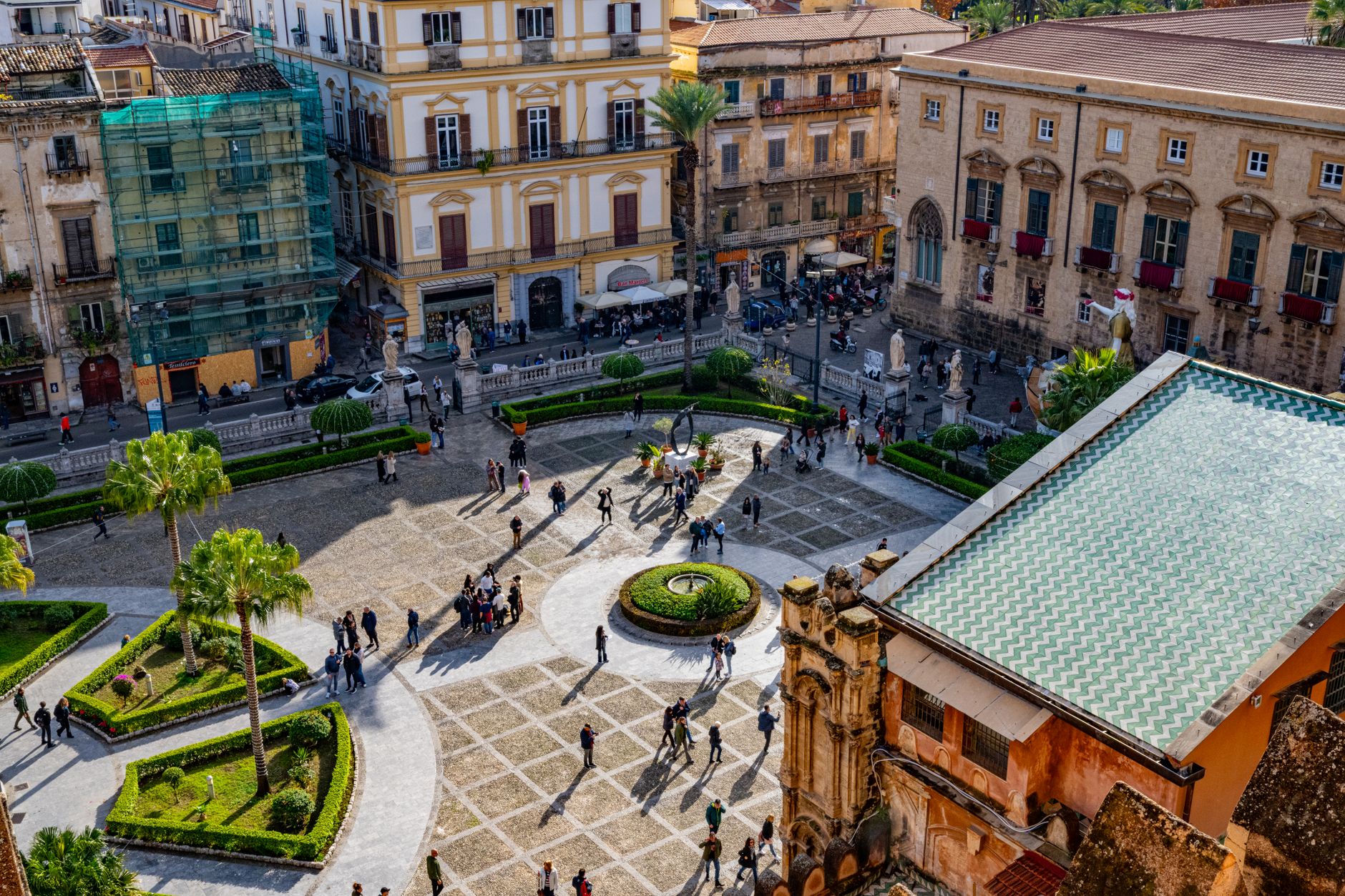
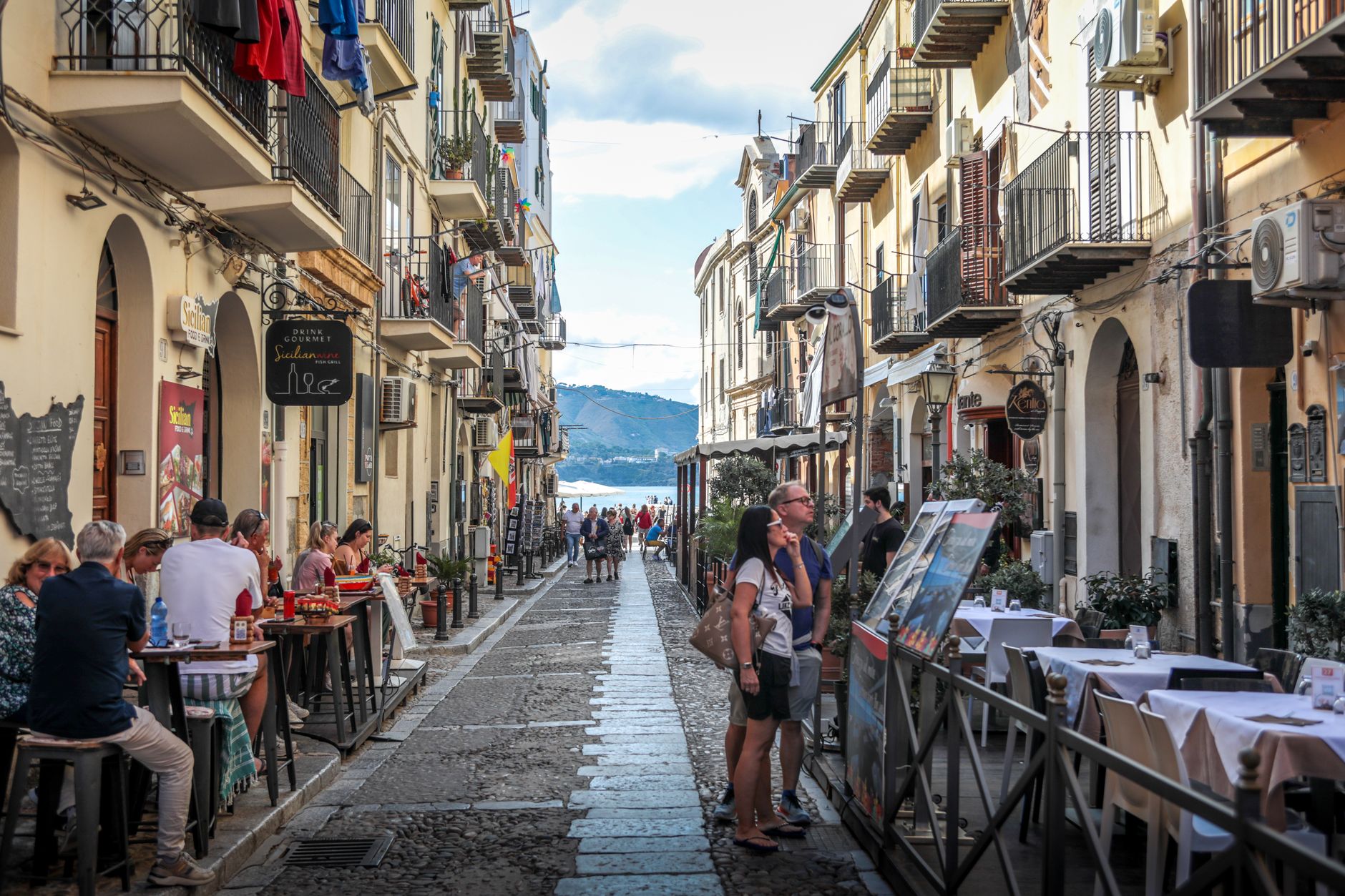
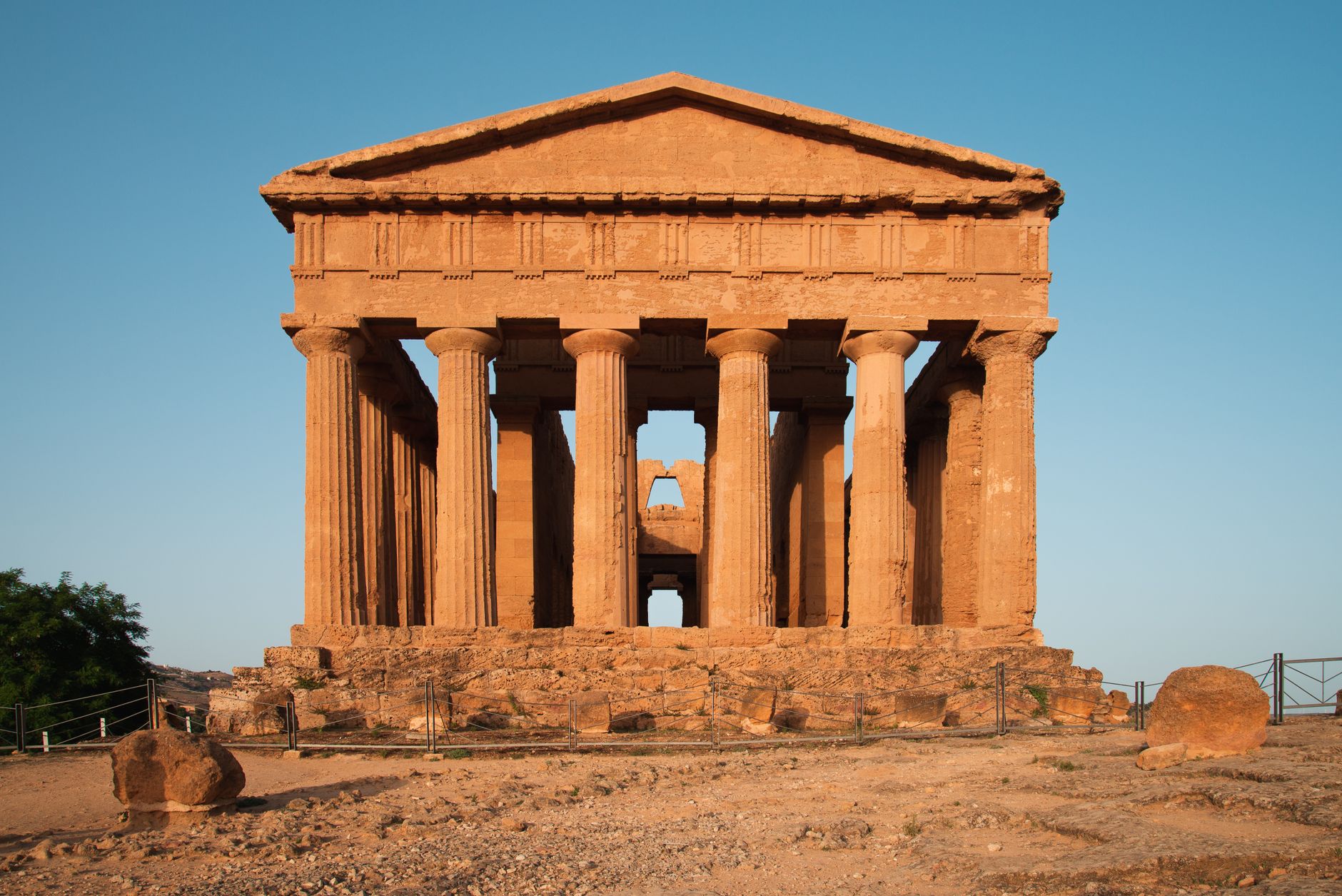
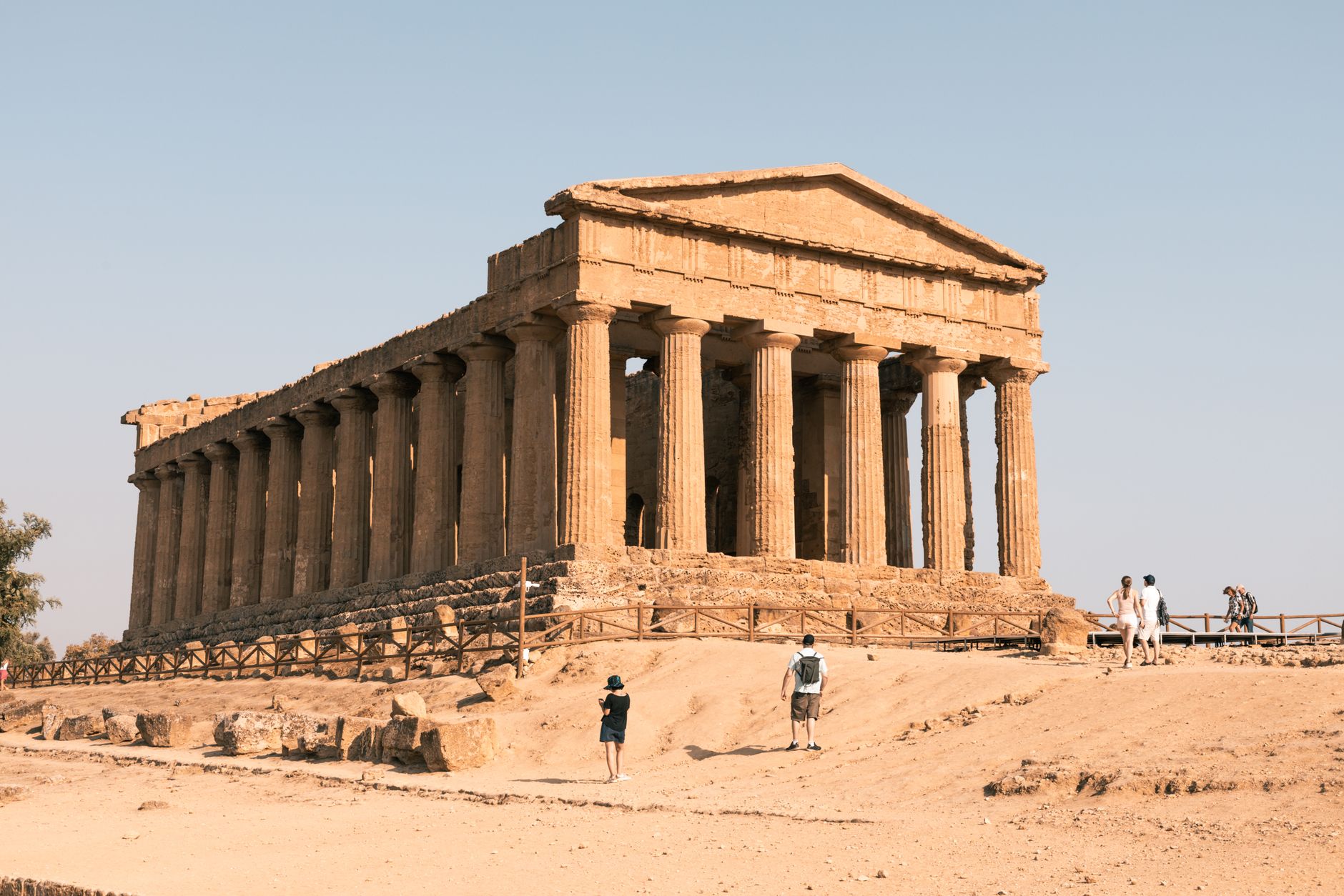
Sicily sits closer to Tunisia than to Milan, and the island keeps reminding you of that. The temples at Agrigento were raised between 510 and 430 BC by Greek colonists who never saw Athens; the mosaics at Villa Romana del Casale show Roman hunting parties frozen mid-stride across floors that have survived seventeen centuries underground. Every civilisation that wanted the centre of the Mediterranean eventually came here — Greeks, Carthaginians, Romans, Arabs, Normans, Spanish — and each one left something structural behind.
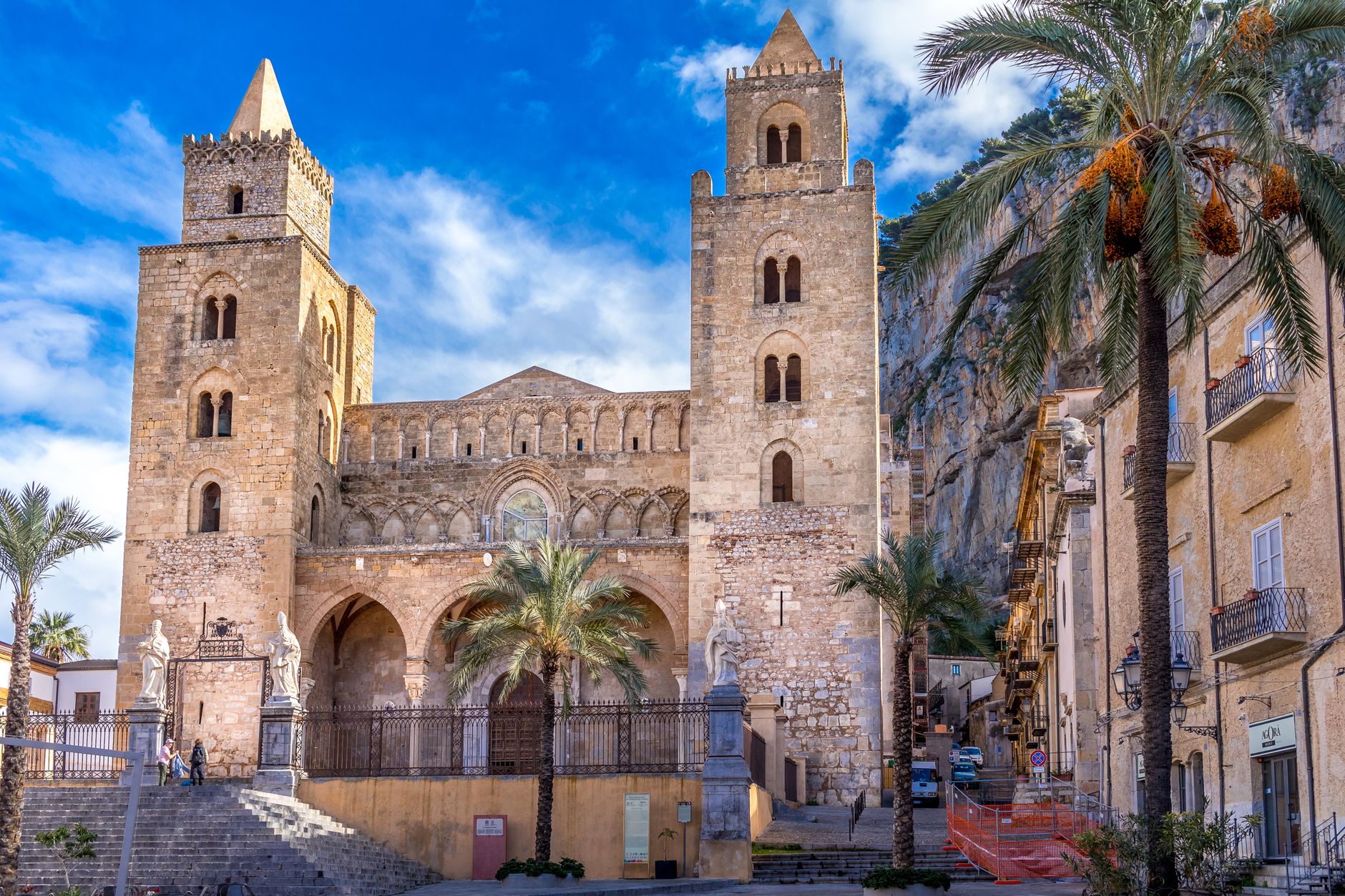
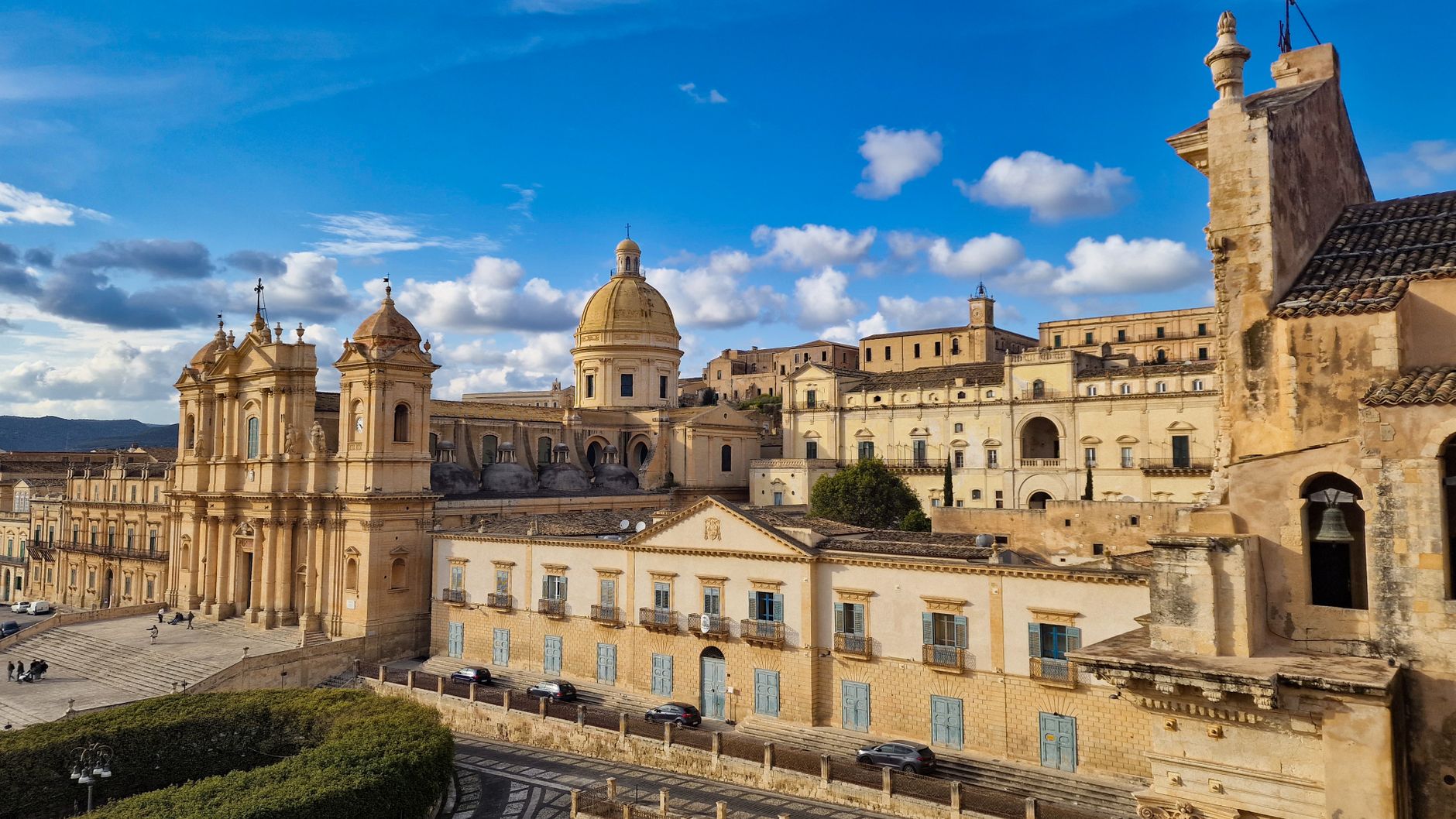
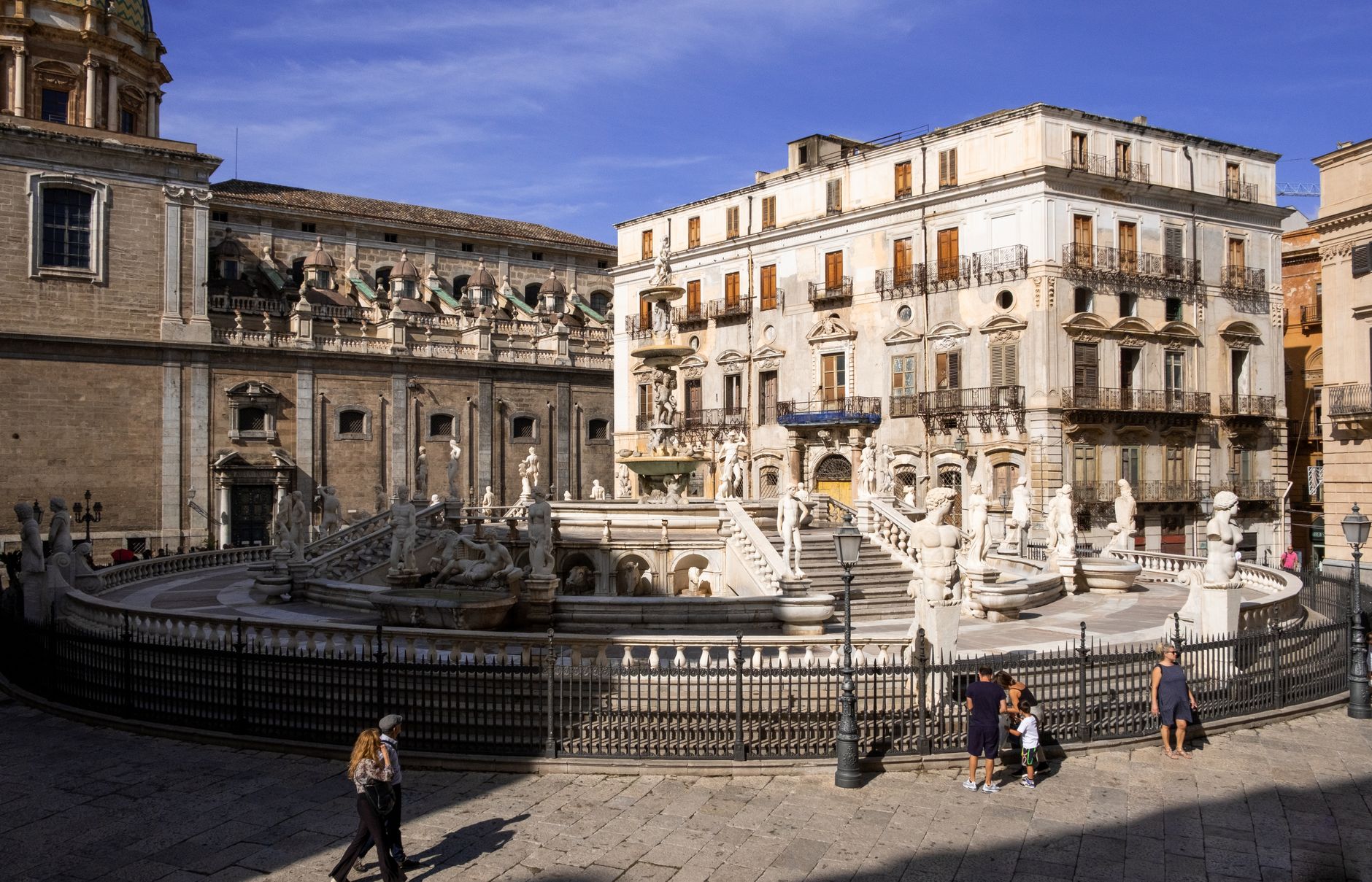
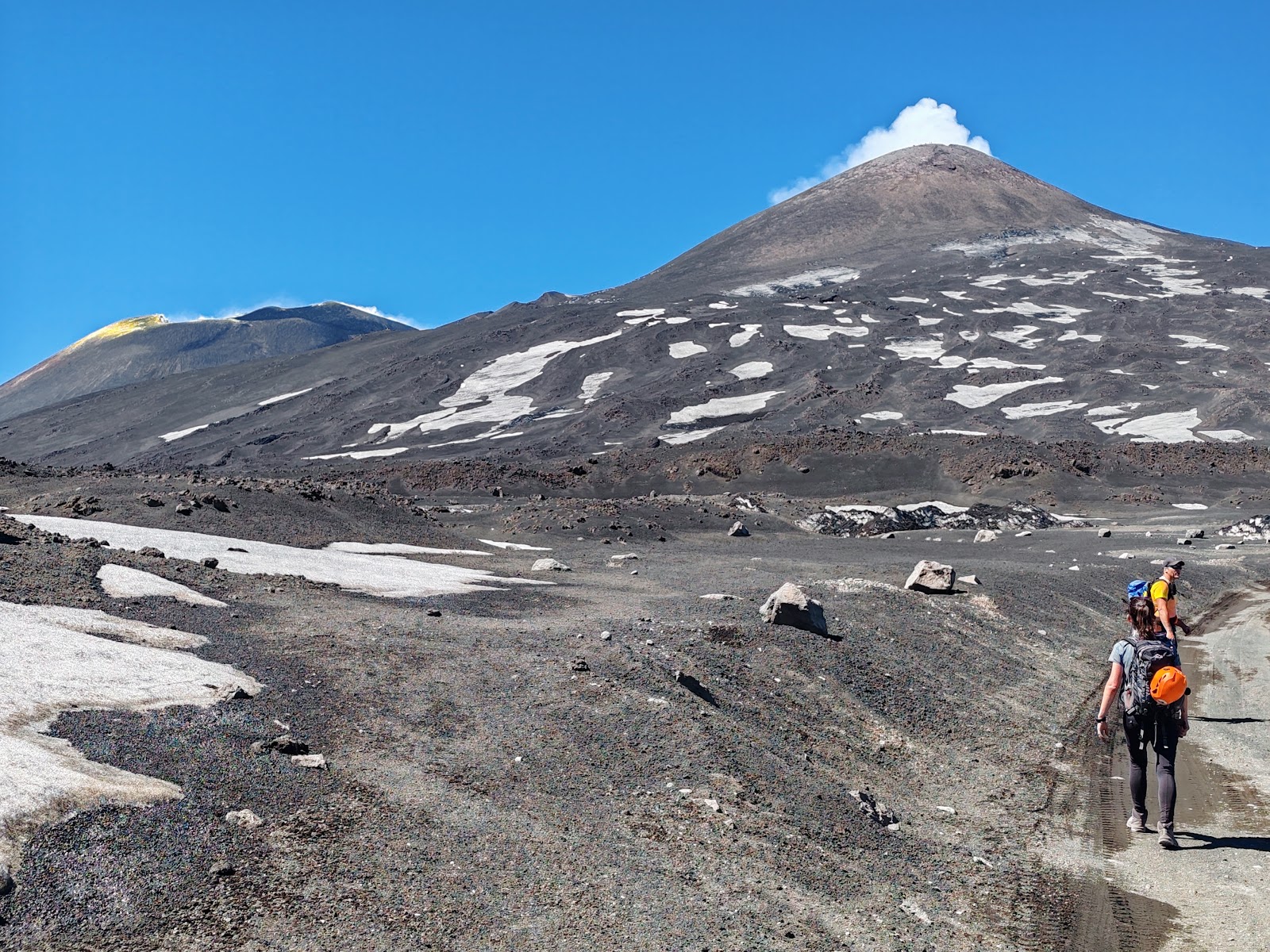
What results is an island where a 12th-century cathedral in Monreale carries Byzantine mosaics and Arab honeycomb ceilings under a Norman shell, where the baroque towns of the south-east were rebuilt in one unbroken campaign after the 1693 earthquake, and where Mount Etna, at 3,330 metres, quietly rewrites the landscape every few years.
Popular cities in Sicily
💛 What travellers fall for
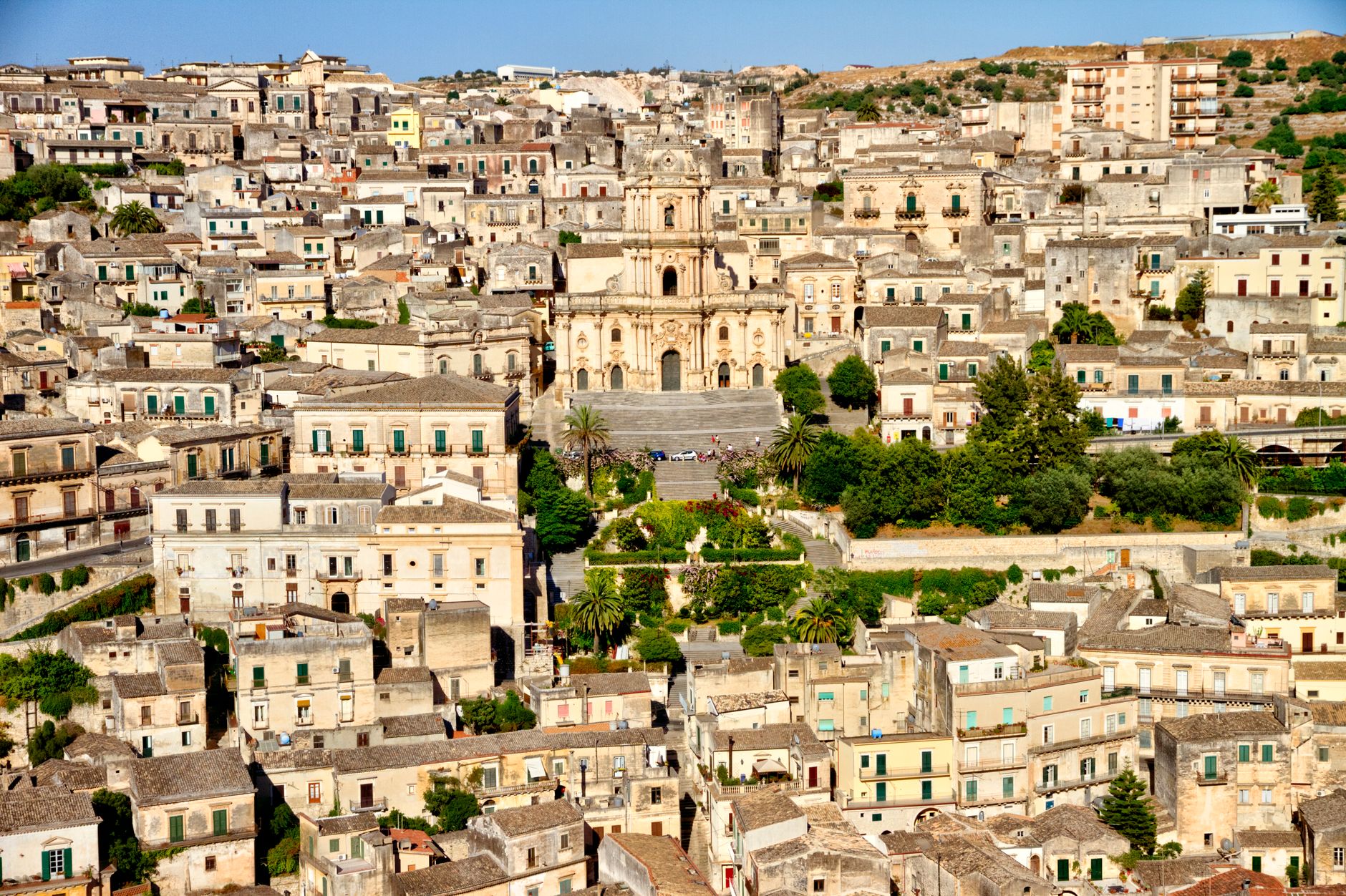
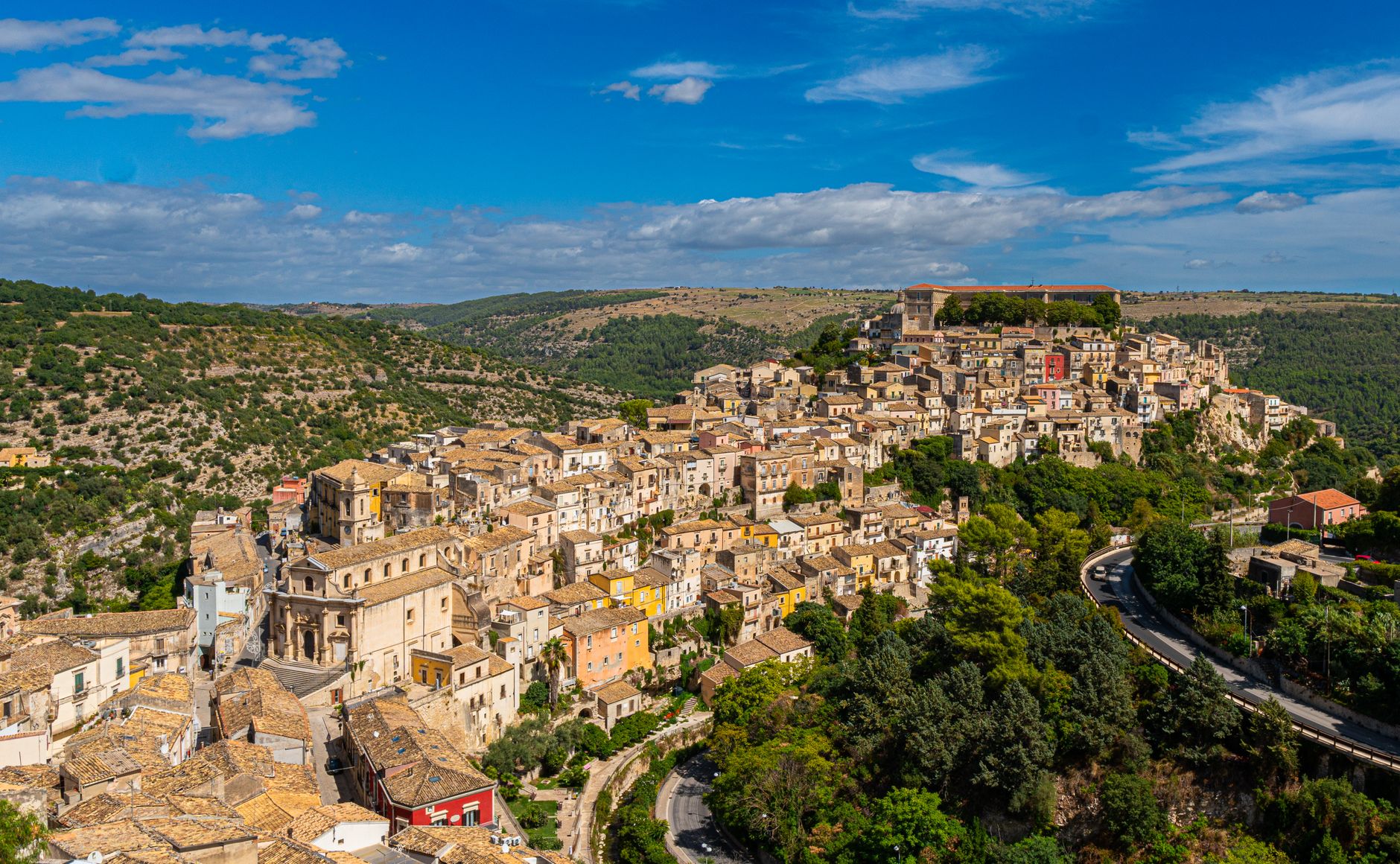
Return visitors tend to split their time differently on the second trip: less Palermo, more time on the south coast. Agrigento early in the morning before the tour groups arrive, then a few days around Ragusa and Modica. The Val di Noto rewards slow driving — the light on the baroque stone in late afternoon is unlike anything in the north.
Experiences you don't want to miss


Roundtrips through Sicily

How Sicily came to be
People have lived on Sicily since at least 8000 BC — the Sicani left cave drawings, and three indigenous groups, the Elymians, Sicanians and Sicels, gave the island its name. Greeks arrived in the 8th century BC, founding Syracuse in 734 BC and scattering colonies across the coast. The Phoenicians had already established a trading post at what is now Palermo around 800 BC. After the First Punic War, Rome took the island from Carthage in 241 BC and held it for centuries.
The Arab invasion of 827 transformed Palermo into one of the most populous cities in the medieval world. The Normans followed: Roger II founded the Kingdom of Sicily in 1130, and for a period it was among the wealthiest states in Europe. Spanish rule, via the union of Castile and Aragon, lasted until Garibaldi's campaign of 1860, after which Sicily joined unified Italy the following year.
Who and what shaped it
People who shaped it
Landmark buildings
See Sicily in motion
Plan your visit
On the map
When to go
Summers are long, dry and genuinely hot — coastal temperatures regularly exceed 35°C from July through August, and the interior can be hotter still. Spring (April to June) and autumn (September to October) are the most comfortable seasons for moving around; winters are mild on the coasts but can be cold and wet in the mountains.
Right now
↡ Cities
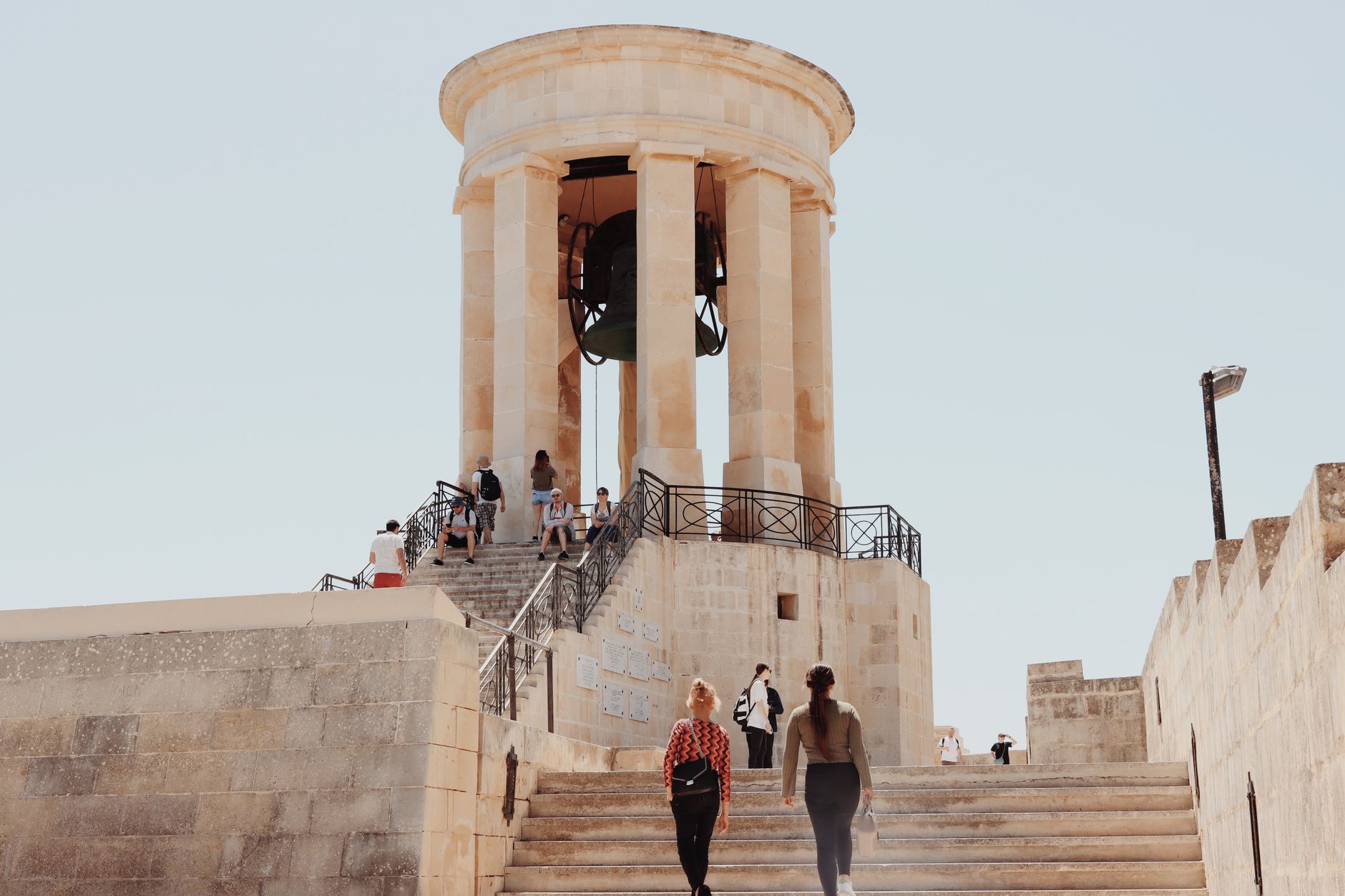
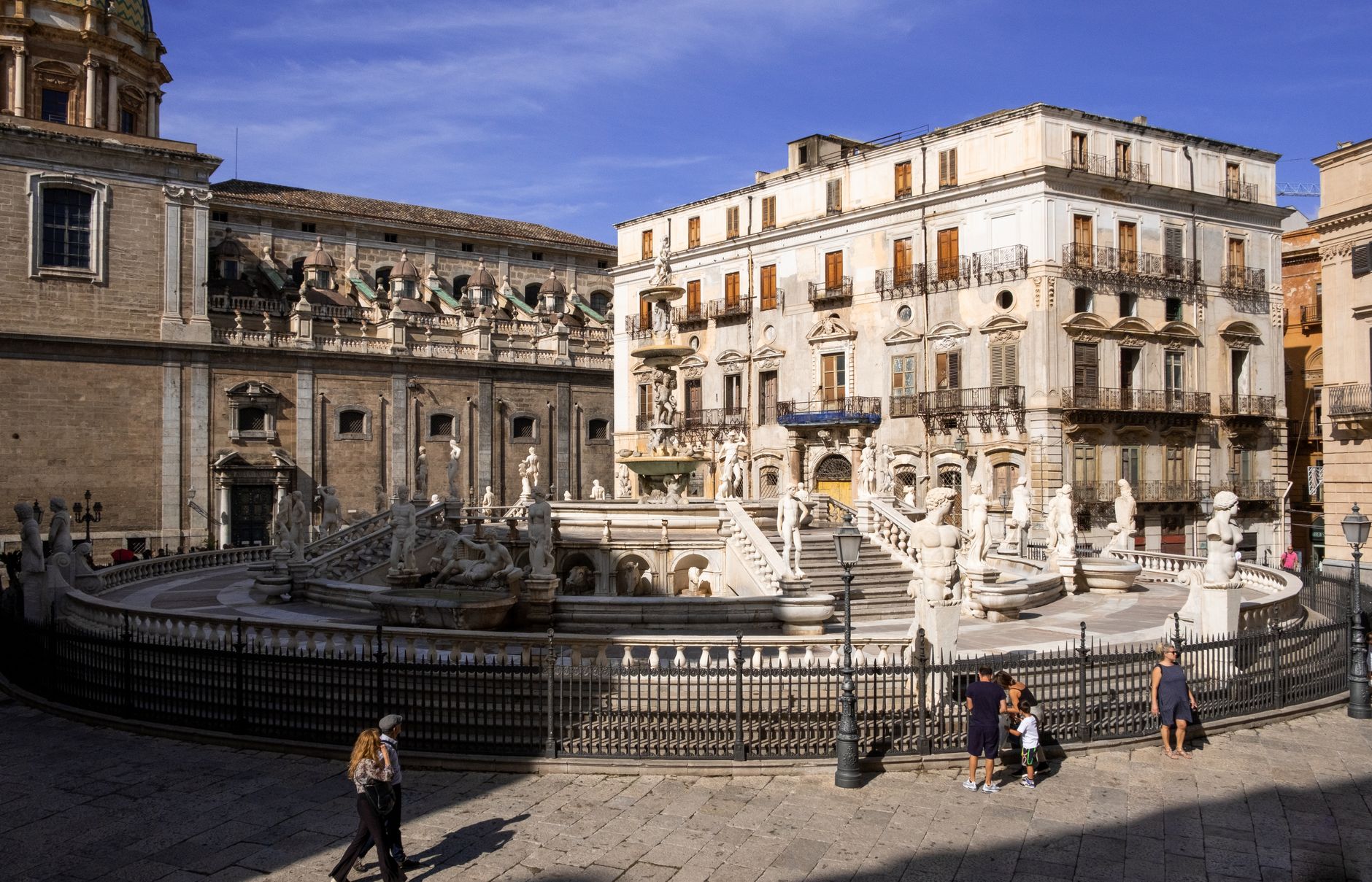
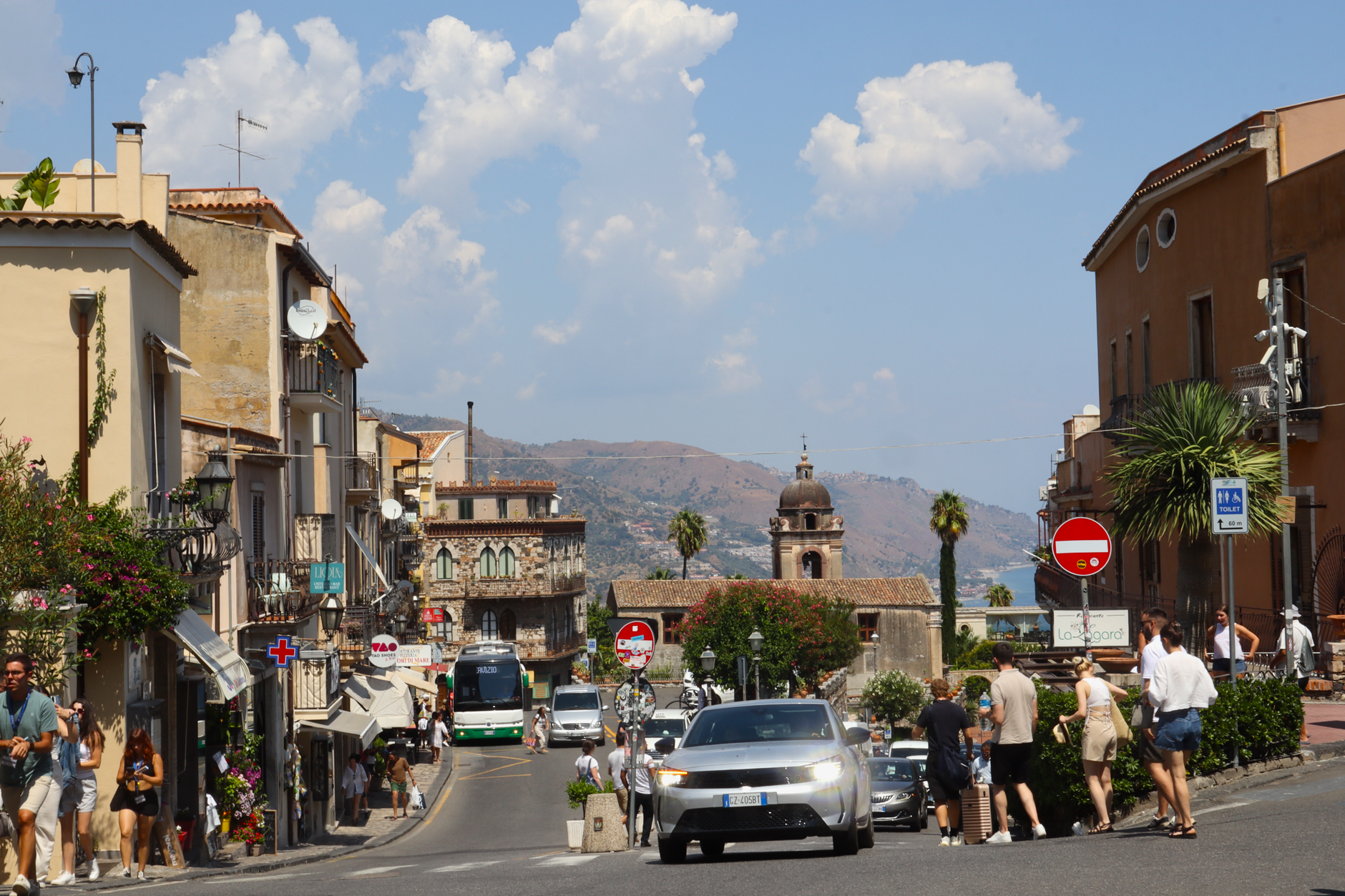
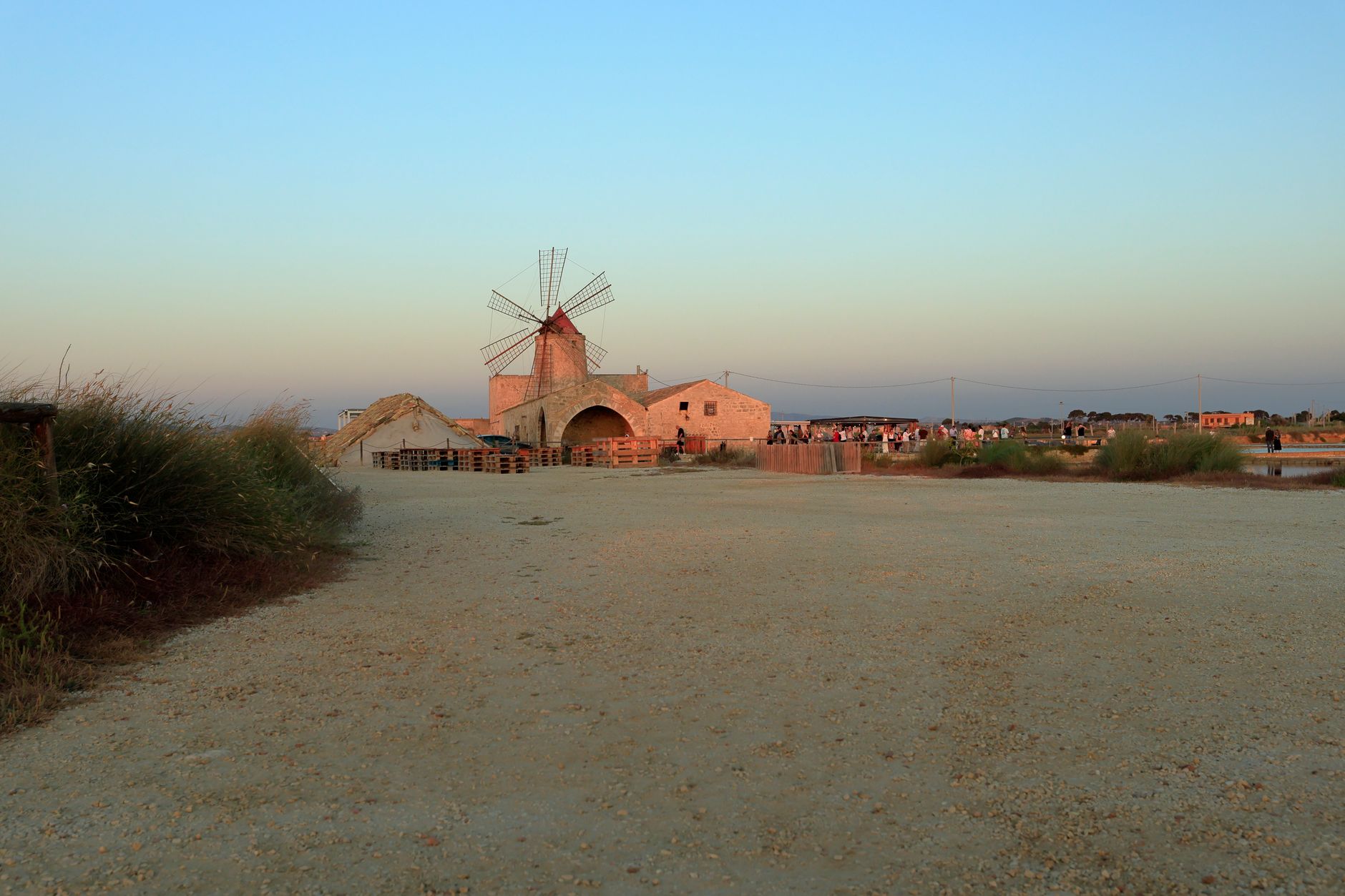
↡ Attractions

No places match these filters.
Background & history adapted from Wikipedia (CC BY-SA) · specs from Wikidata (CC0) · weather from Open-Meteo · map data © OpenStreetMap contributors · photos from Wikimedia Commons / Unsplash with per-image credit. No third-party reviews or social posts reproduced.