
Siracusa
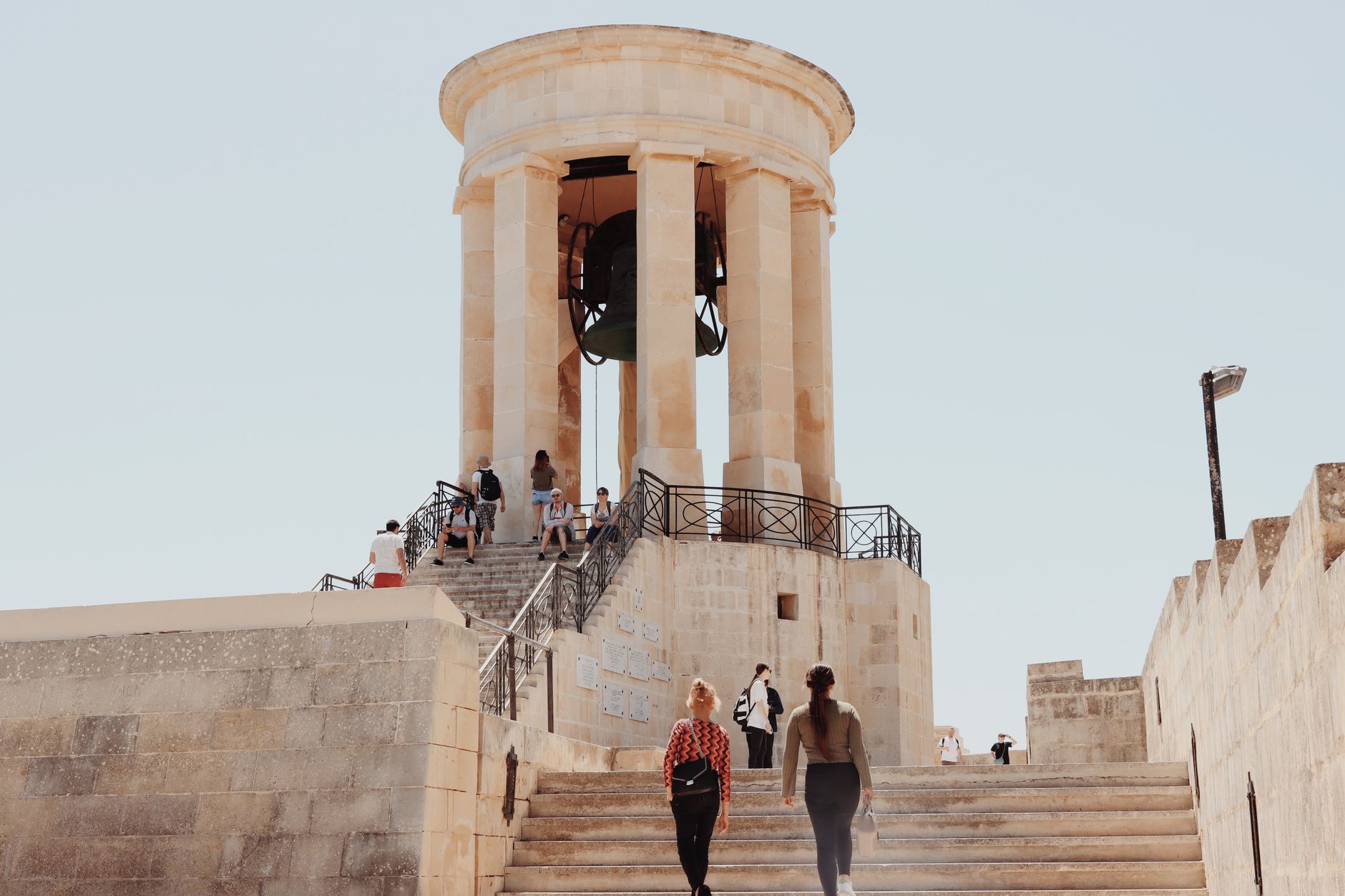
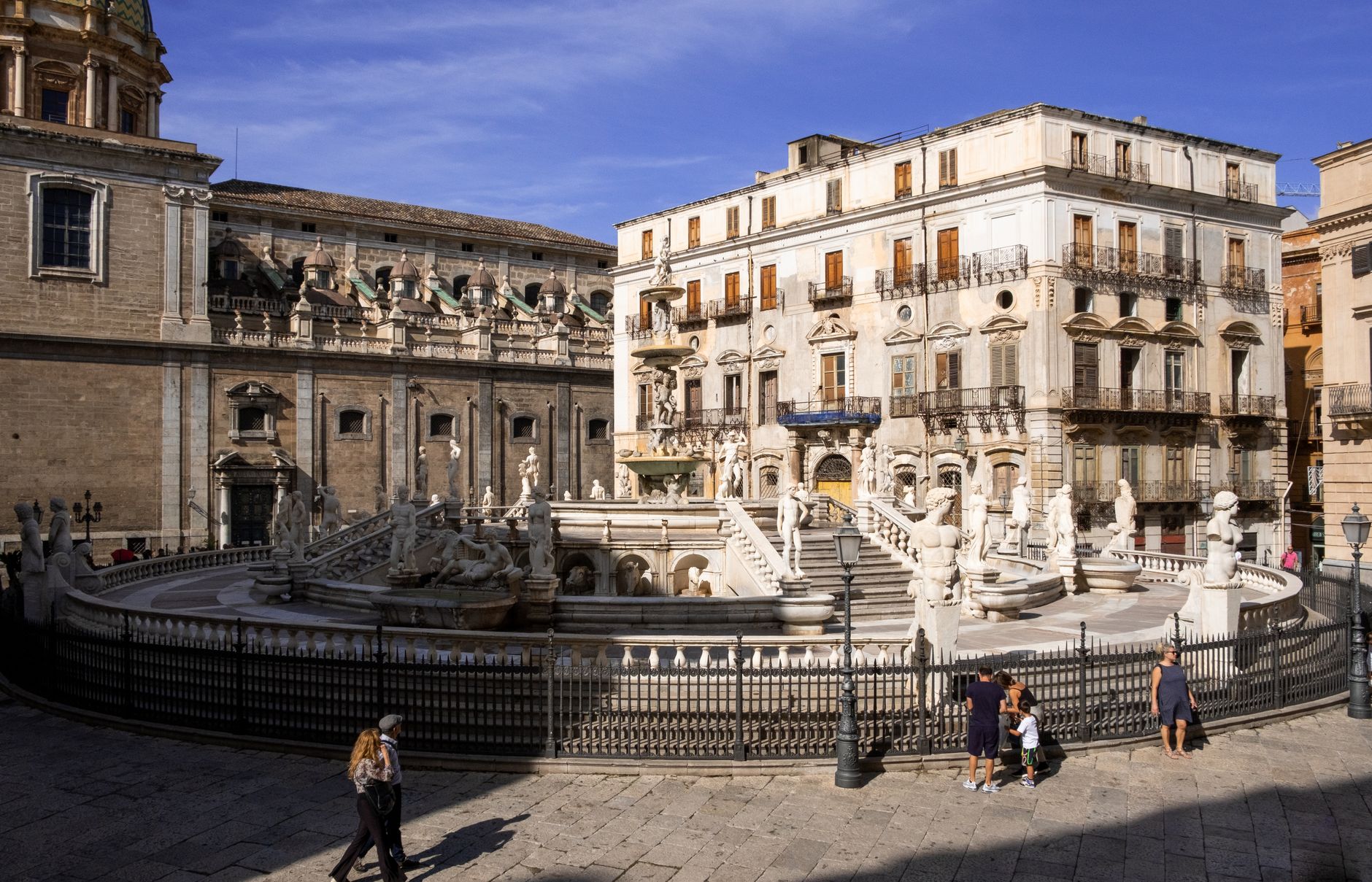
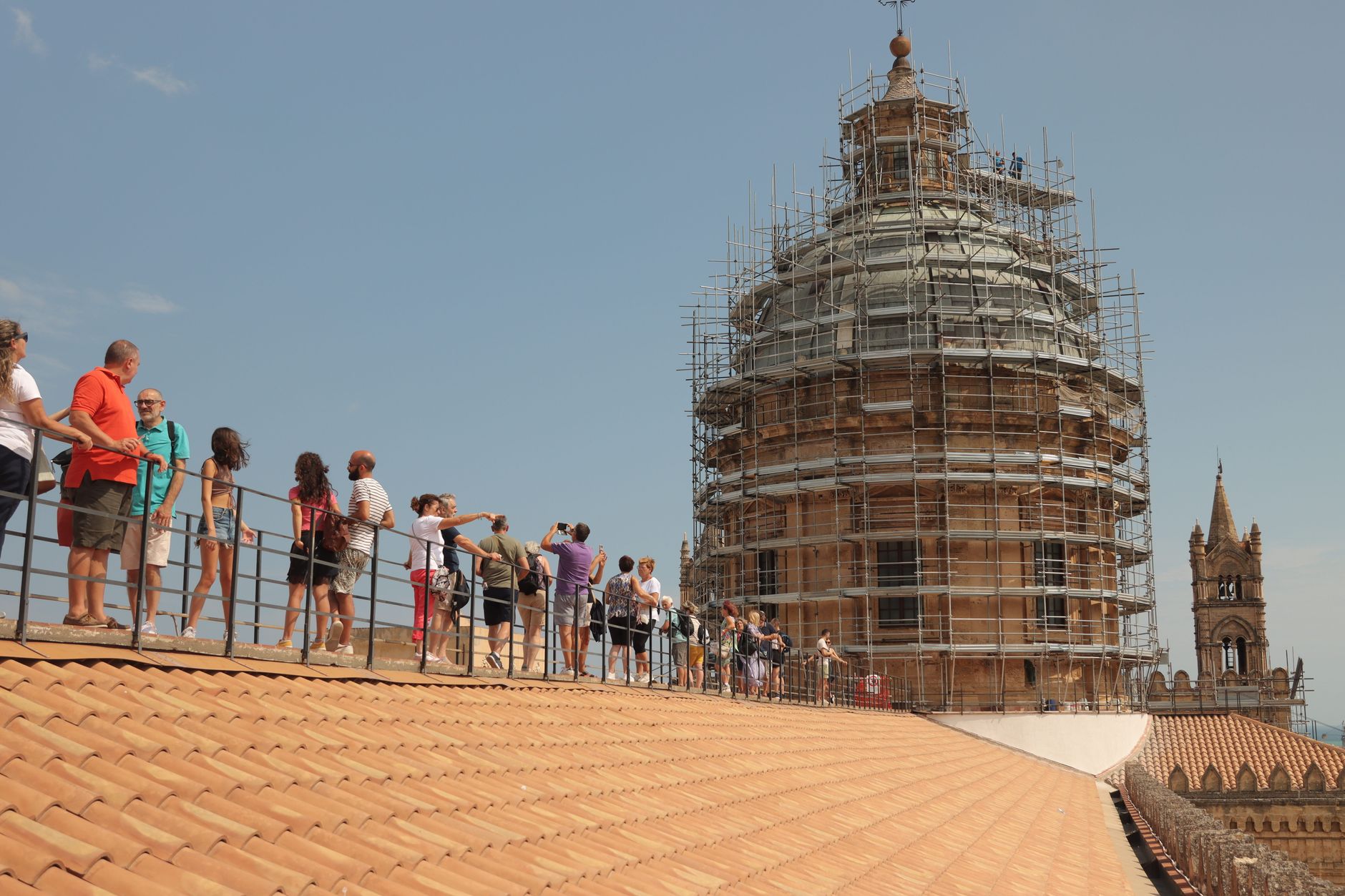
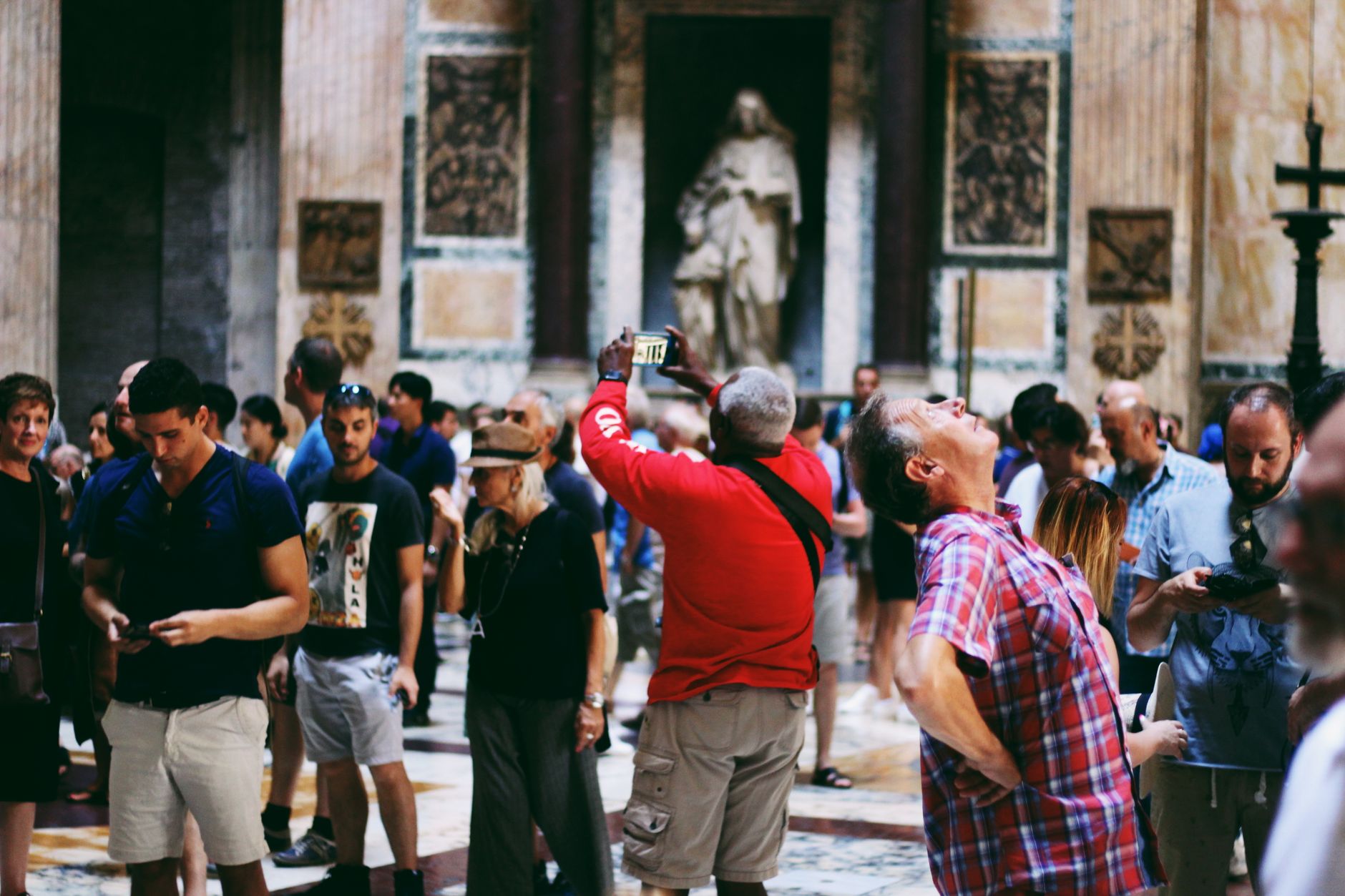
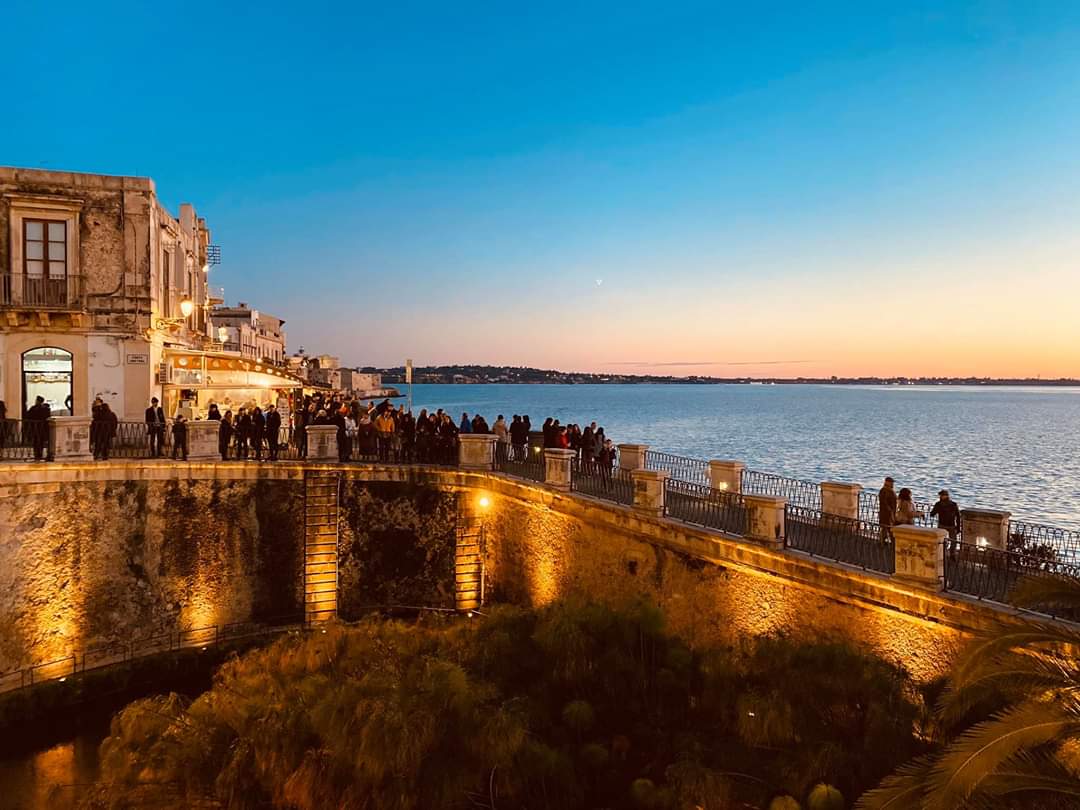
Stand on Ortygia at dusk and you are standing on an island that has been continuously inhabited for nearly three thousand years. The stones underfoot have been Corinthian, Roman, Byzantine, Arab, Norman, and Baroque in turn, and the Duomo on the main piazza wears all of those lives at once — its walls still contain the columns of a fifth-century BC temple to Athena.
Siracusa was once the largest city in the ancient Greek world, a rival to Athens, a place where Aeschylus staged plays and Plato argued philosophy. What survives is not a ruin field but a living city built directly on top of its own past.
💛 What travellers fall for
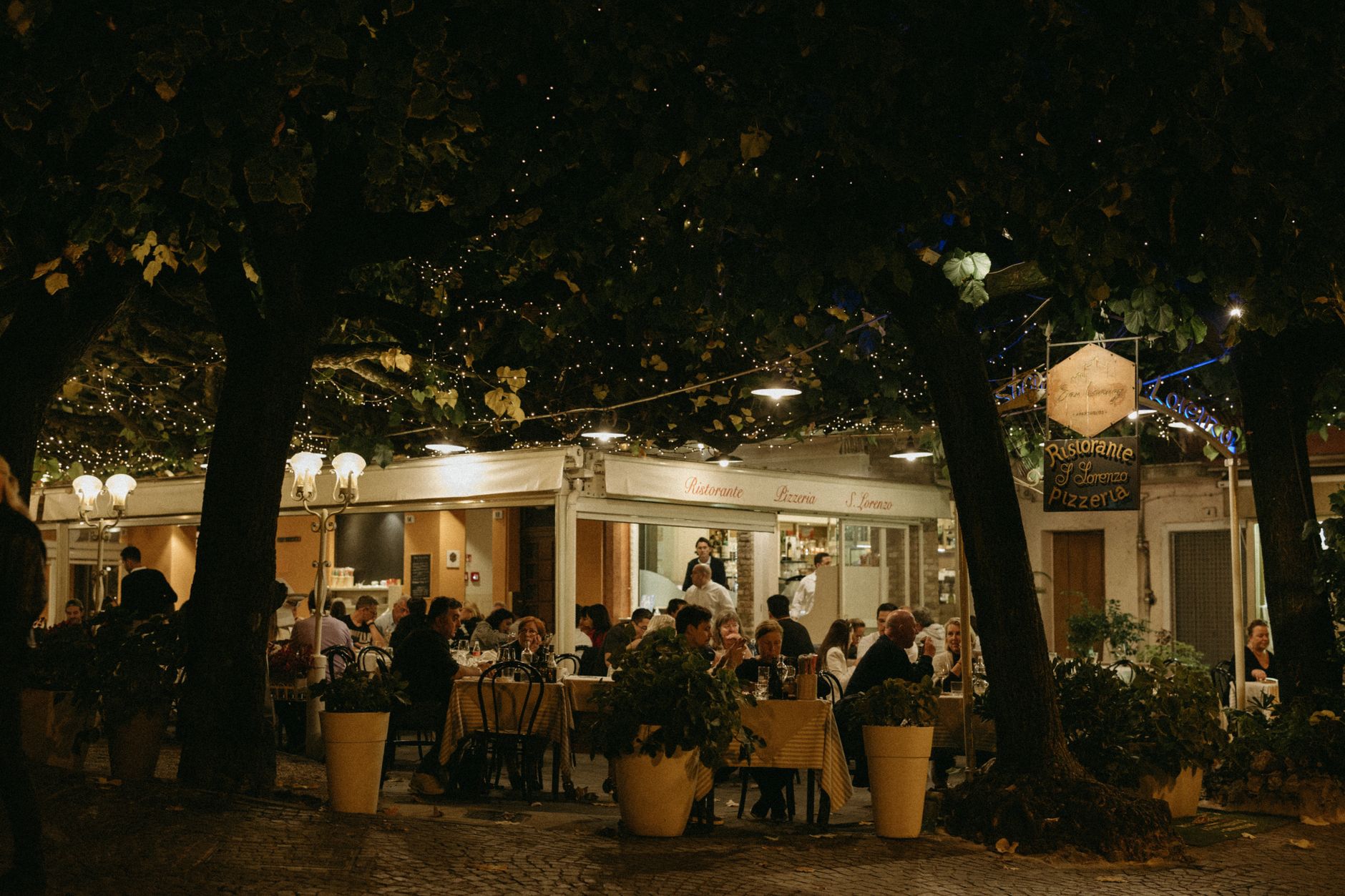
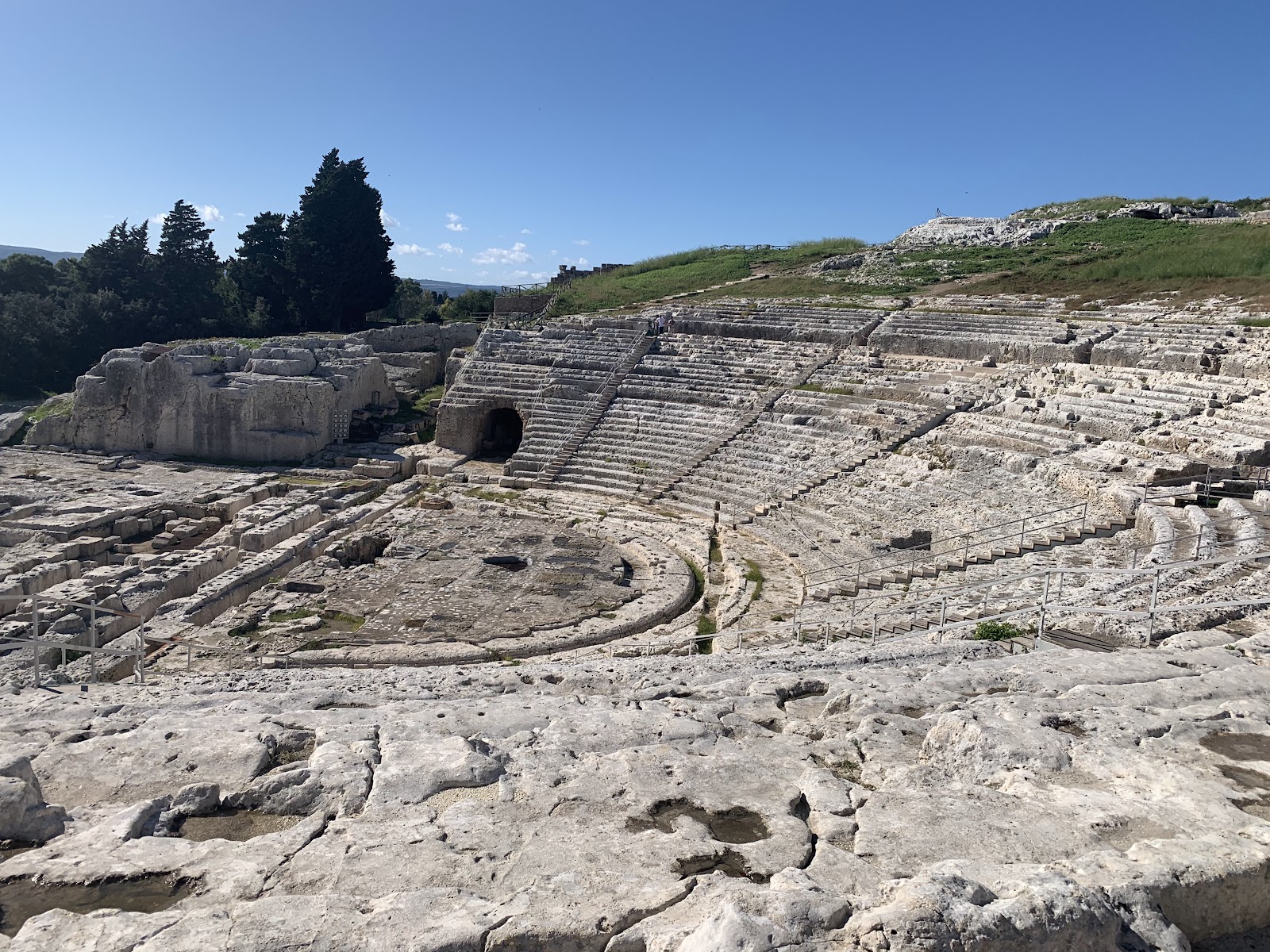
People who come back tend to time their visits around the Greek Theatre's summer performance season, when ancient drama is staged in the original stone bowl of the Temenite Hill. They also learn quickly that the Catacombs of San Giovanni reward a morning visit before the heat and the groups arrive — the scale of the tunnels only becomes clear in the quiet.
Experiences you don't want to miss




Deals in Siracusa
Book directly at the provider

How Siracusa came to be
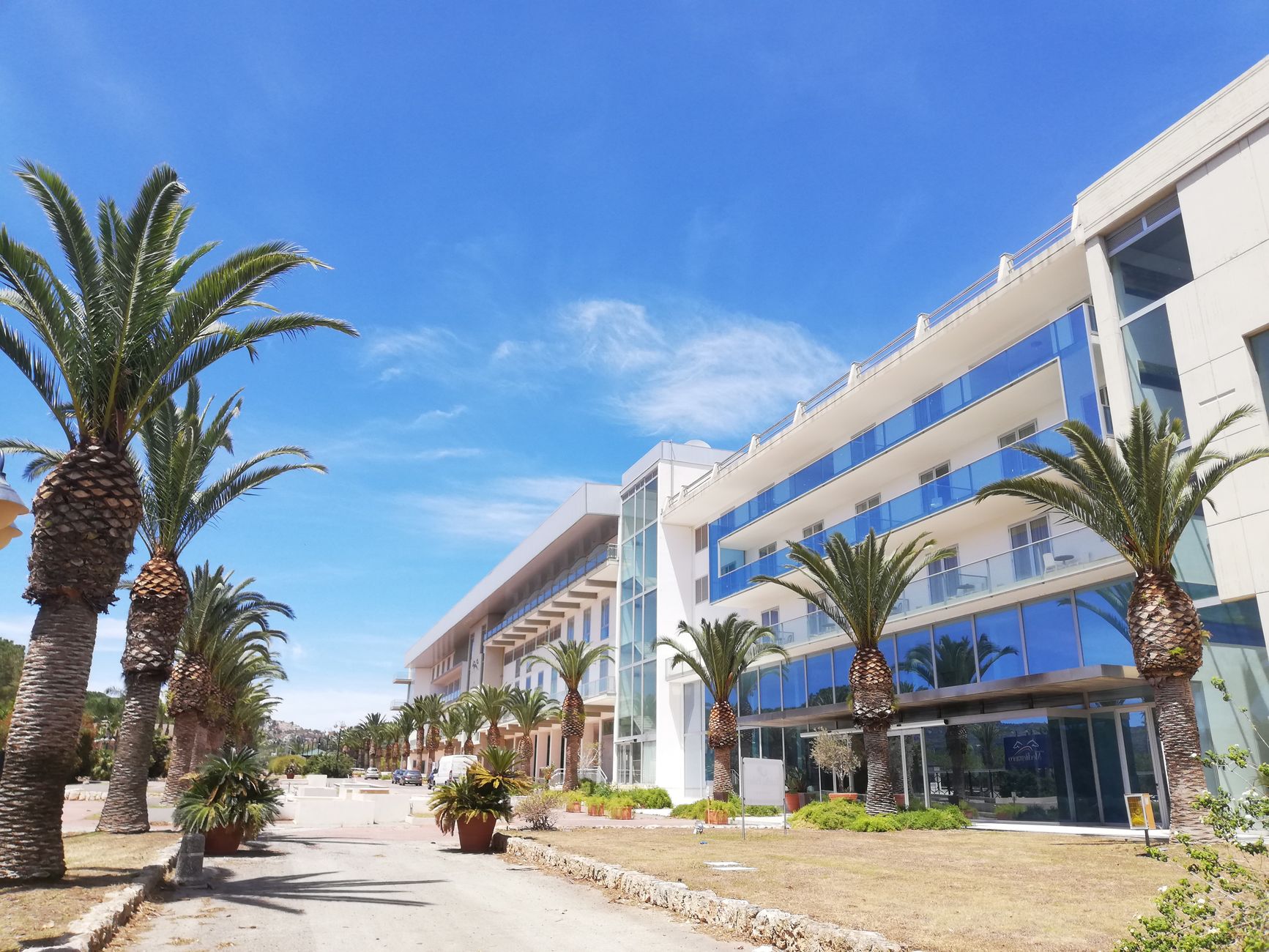
Corinthians under the aristocrat Archias founded the city around 734 BCE on the small island now called Ortygia, and it grew fast — by the fifth century BCE it was powerful enough to destroy an entire Athenian fleet. The mathematician Archimedes was born here and designed the city's defenses during the Roman siege of 212 BCE, which Rome eventually won. Syracuse then became the capital of Roman Sicily.
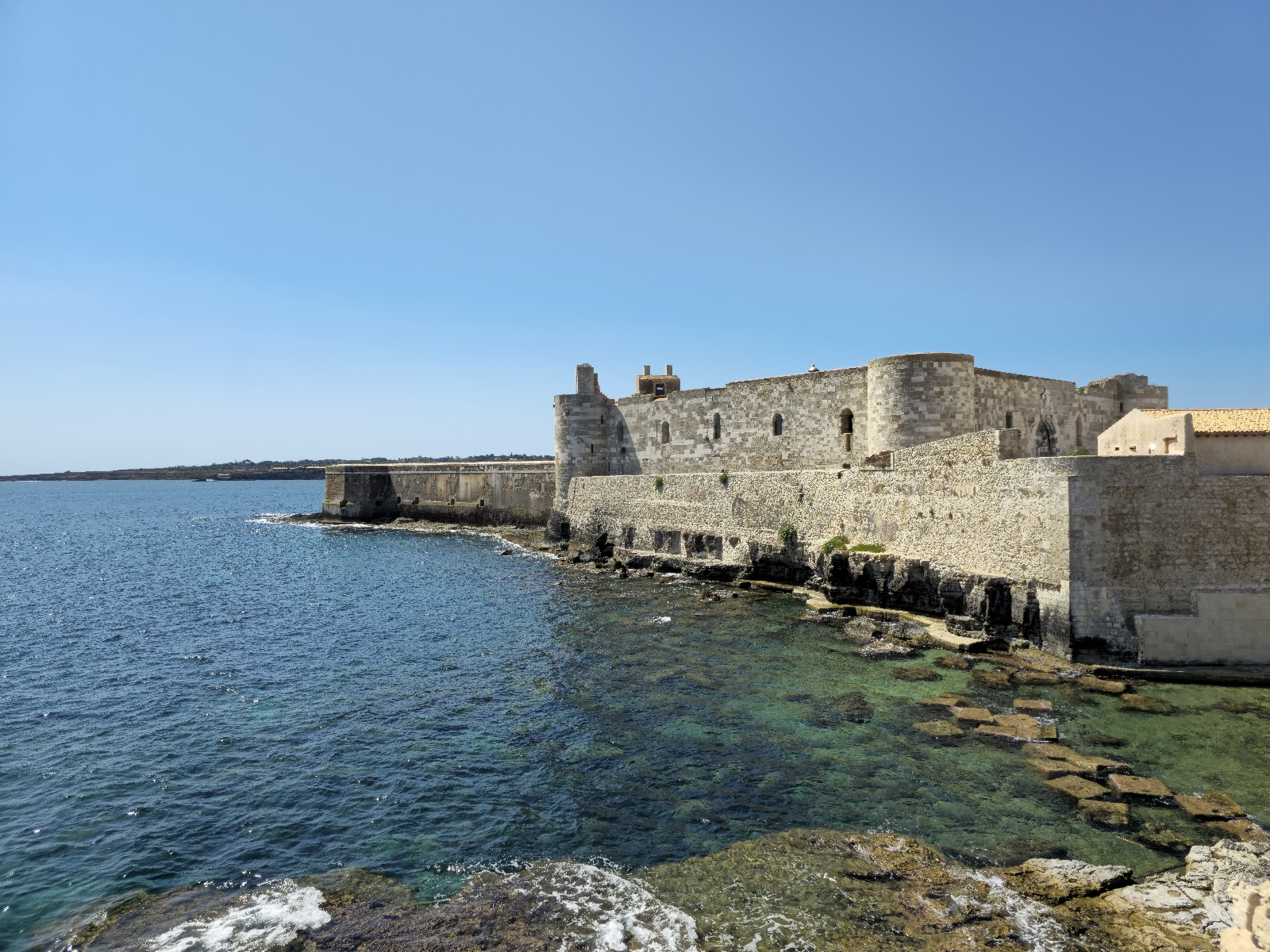
The city's later centuries were restless. It served briefly as the capital of the Byzantine Empire in 663–669 CE, until Emperor Constans II was assassinated here. Arab conquest in 878 ended its long primacy in Sicily; Normans followed in the eleventh century. The Val di Noto earthquake of 1693 leveled much of what remained of the medieval city, producing the Baroque facades — including the rebuilt Church of Santa Lucia alla Badia — that now define Ortygia's skyline. UNESCO recognized the city and the Rocky Necropolis of Pantalica as a World Heritage Site in 2005.
Who and what shaped it
People who shaped it
Landmark buildings
See Siracusa in motion
Plan your visit
On the map
When to go
Siracusa has a classic Mediterranean climate: dry, hot summers where temperatures regularly climb above 30°C, and mild, wetter winters. Spring and autumn are the most comfortable seasons for walking the archaeological sites and the streets of Ortygia without the full weight of July sun.
Right now
↡ Attractions





Background & history adapted from Wikipedia (CC BY-SA) · specs from Wikidata (CC0) · weather from Open-Meteo · map data © OpenStreetMap contributors · photos from Wikimedia Commons / Unsplash with per-image credit. No third-party reviews or social posts reproduced.