
Modica
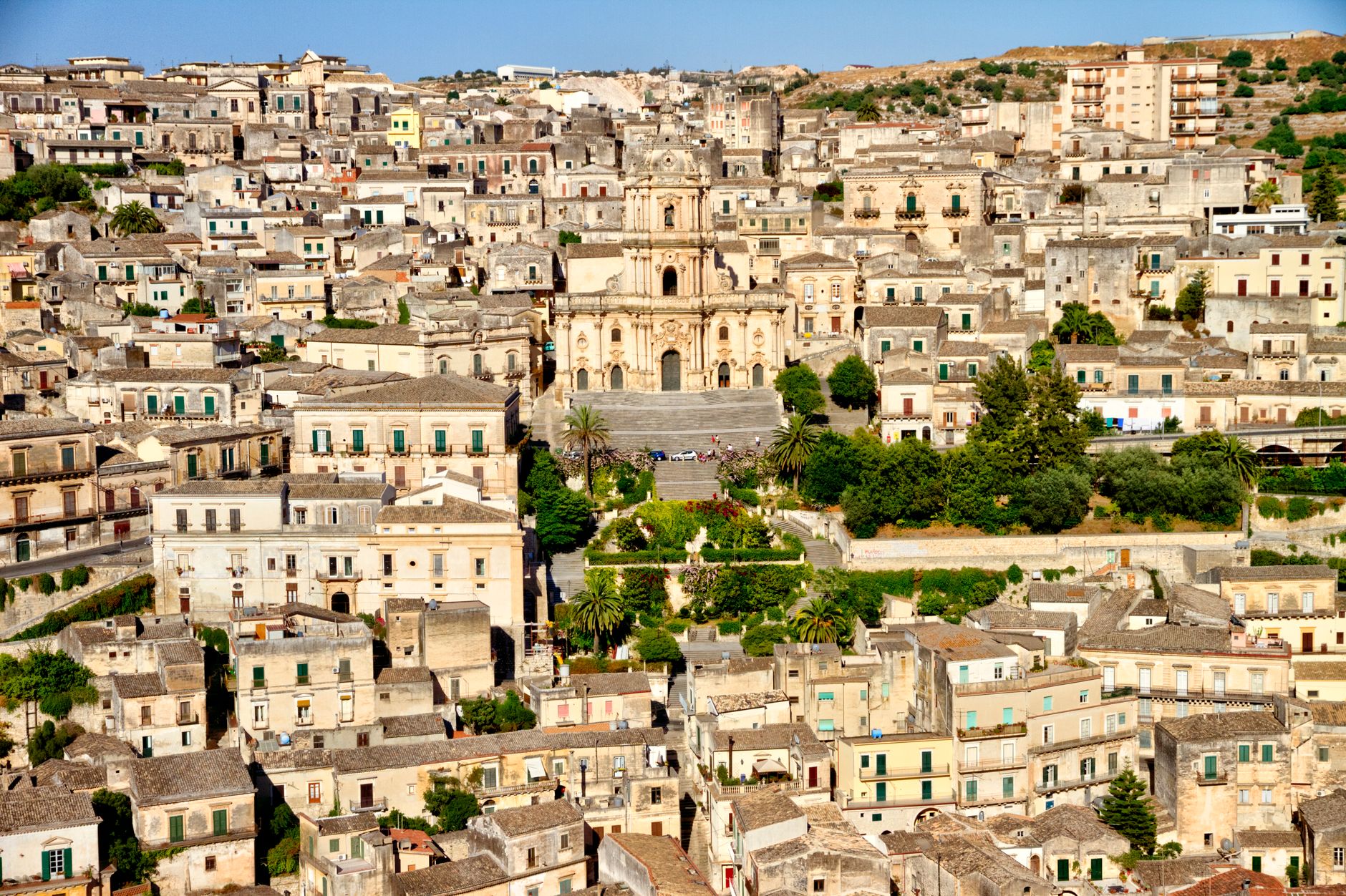
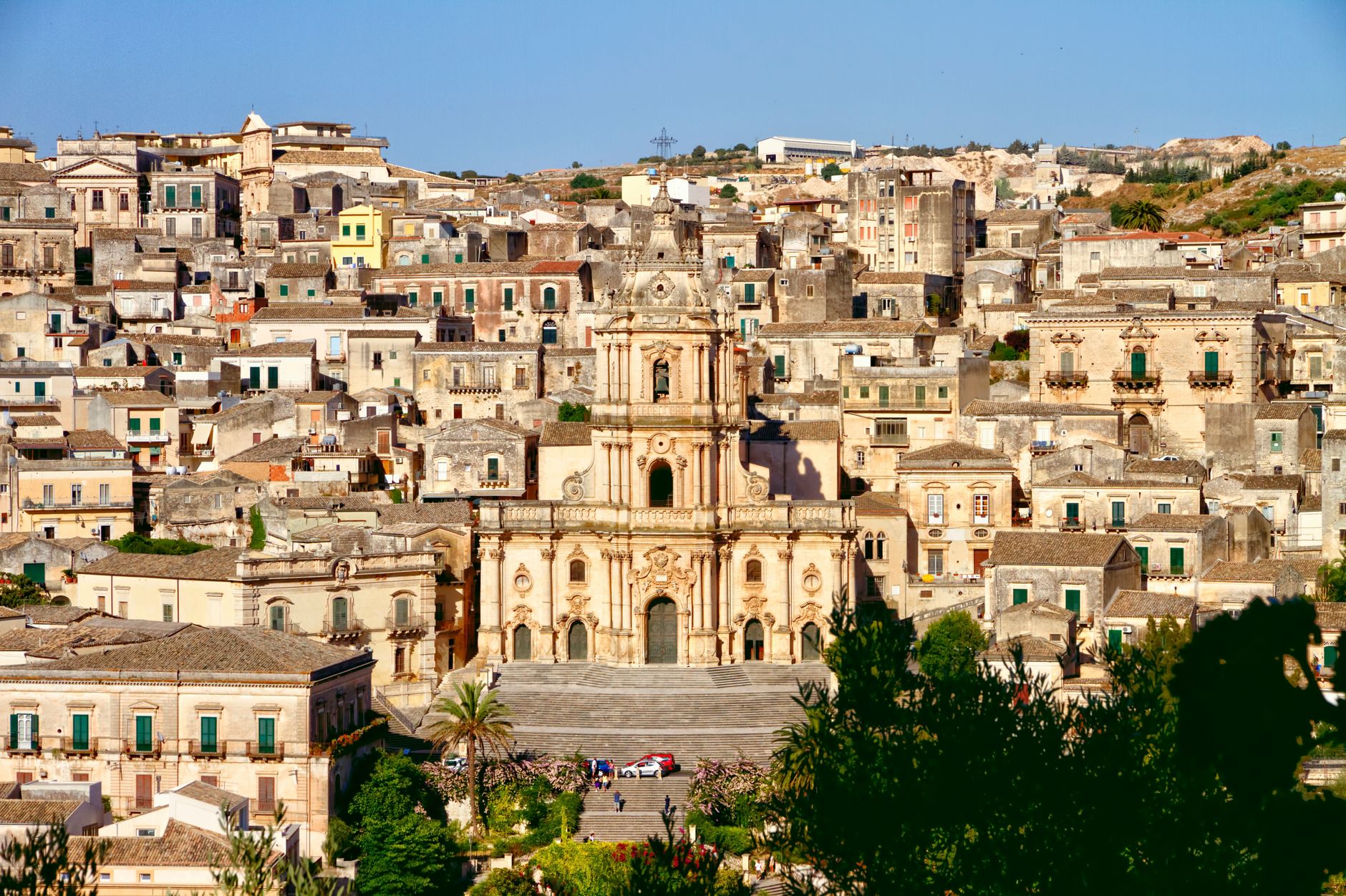
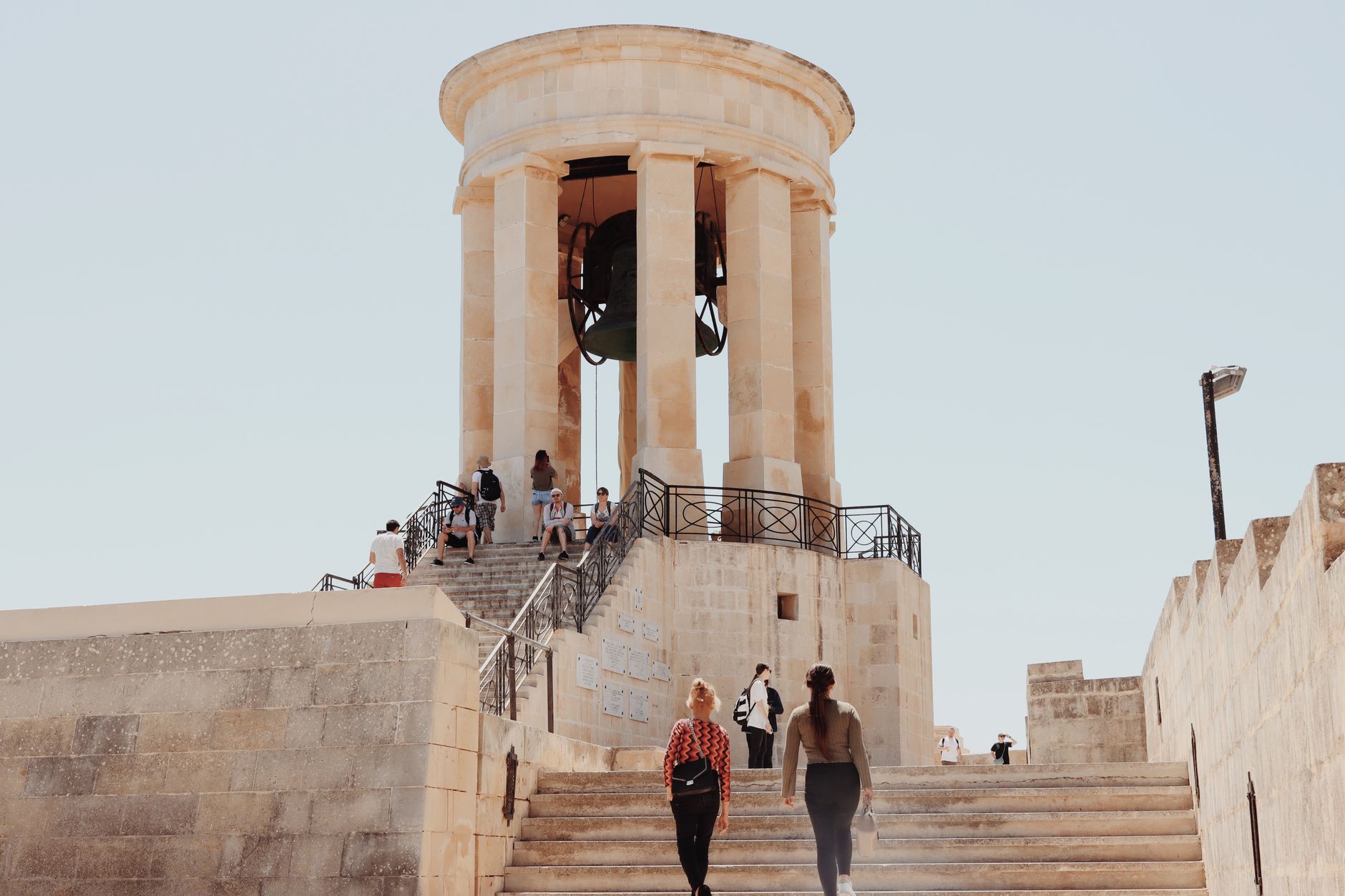
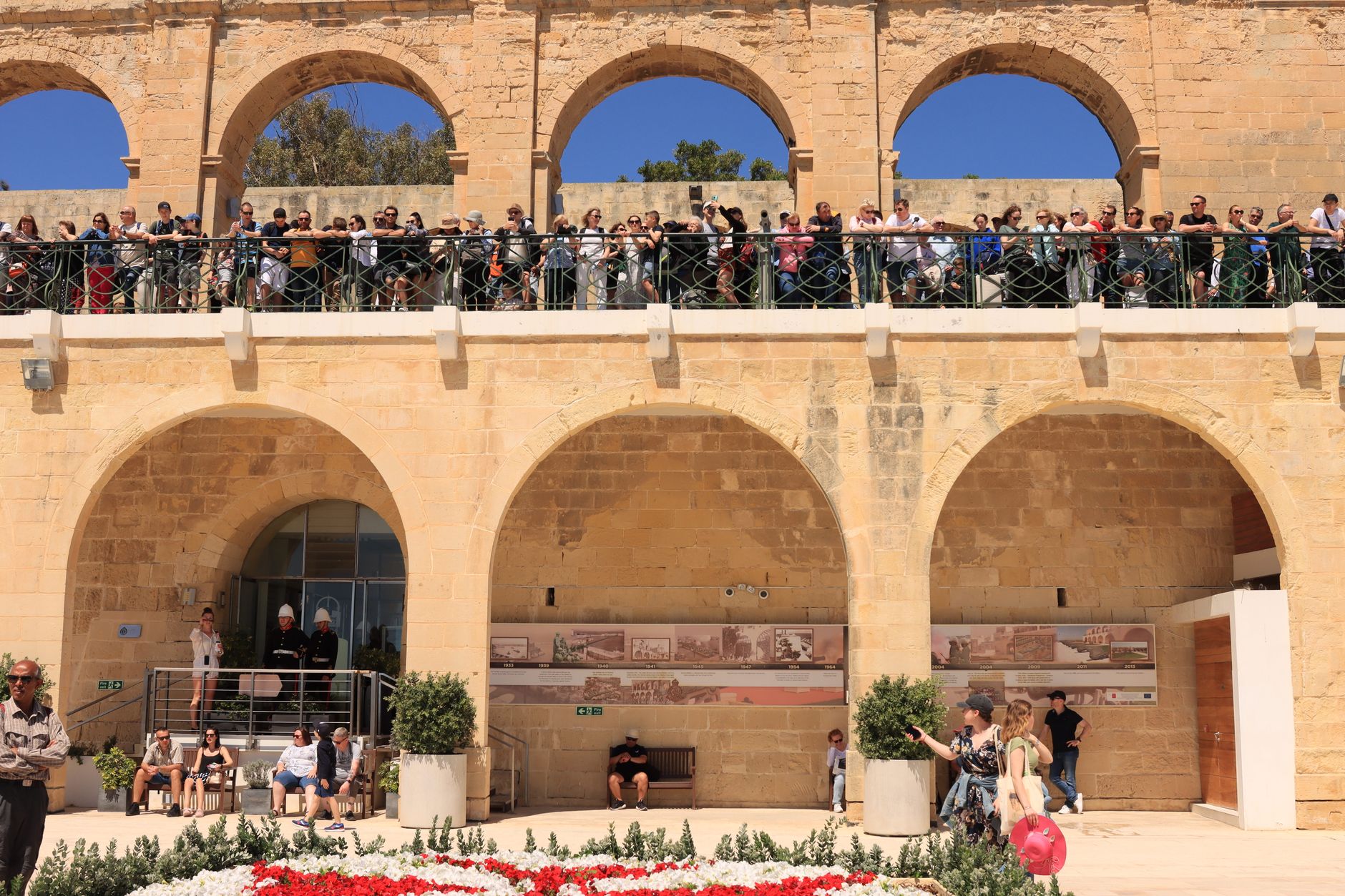
Modica is a city built in two layers — Alta above, Bassa below — connected by a staircase of 250 steps and several centuries of ambition. The rivers that once ran through its valleys were buried after a catastrophic flood in 1902, so now you walk above them without knowing it, on streets that feel solid and ancient but conceal something moving underneath. That detail says something about the place: Modica has a habit of rebuilding over its own disasters and carrying on.
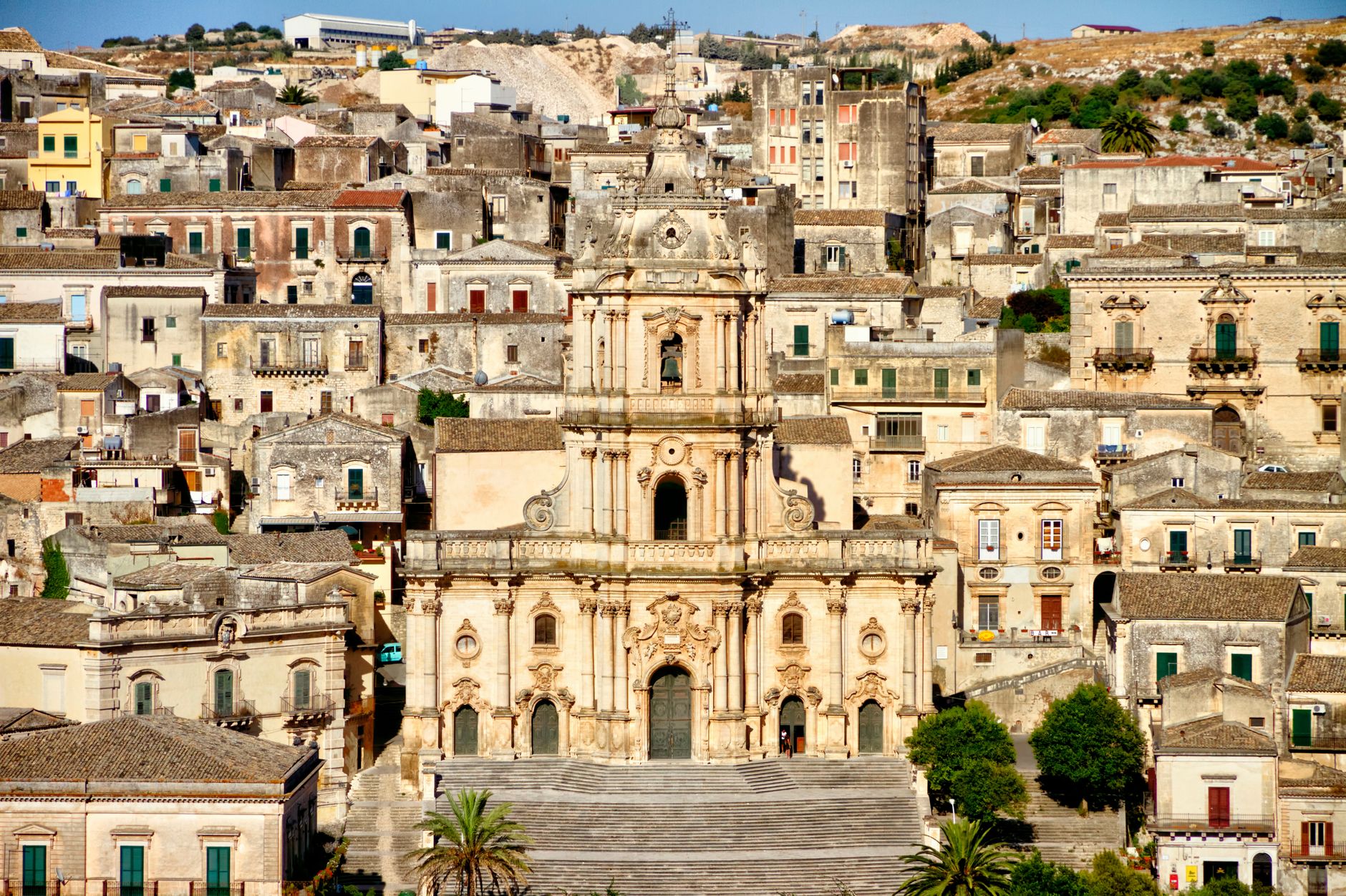
The 1693 earthquake that levelled southeastern Sicily killed around 3,000 people here. What rose from the rubble was baroque on a scale that still stops you mid-sentence — facades climbing hillsides, staircases wide enough for processions, stone the colour of warm bread.
💛 What travellers fall for
People who come back tend to go straight up to San Giovanni Evangelista before doing anything else — the viewing platform at the top of Modica Alta earns the climb. They also mention the Palazzo della Cultura's tiny Ercole di Cafeo, a 22-centimetre bronze Hercules from the 3rd century BCE that somehow holds the room.
Experiences you don't want to miss




Deals in Modica
Book directly at the provider
How Modica came to be
Thucydides placed Modica's origins as far back as the second millennium BC, and the city passed through Sicel, Roman, Arab and Norman hands before the Aragonese crown gave it to Manfredi I Chiaramonte in 1296, establishing the County of Modica — a feudal territory that lasted until 1812. Each occupation left something: the Arabs their agricultural knowledge, the Normans their ecclesiastical ambitions, the Aragonese their appetite for stone monuments.
The earthquake of January 1693, measuring between 7.2 and 7.4, erased most of what had stood before. The rebuilding that followed — overseen by architects including Rosario Gagliardi — produced the baroque ensemble now recognised as a UNESCO World Heritage Site, one of the most coherent examples of the style anywhere in Europe.
Who and what shaped it
People who shaped it
Landmark buildings
See Modica in motion
Plan your visit
On the map
When to go
Summers in Modica are reliably hot and dry, with temperatures regularly above 30°C — the exposed hillside staircases amplify the heat. Spring (April to June) and autumn (September to October) bring mild days and clearer light, which suits both walking and photography.
Right now
Background & history adapted from Wikipedia (CC BY-SA) · specs from Wikidata (CC0) · weather from Open-Meteo · map data © OpenStreetMap contributors · photos from Wikimedia Commons / Unsplash with per-image credit. No third-party reviews or social posts reproduced.