
Erice
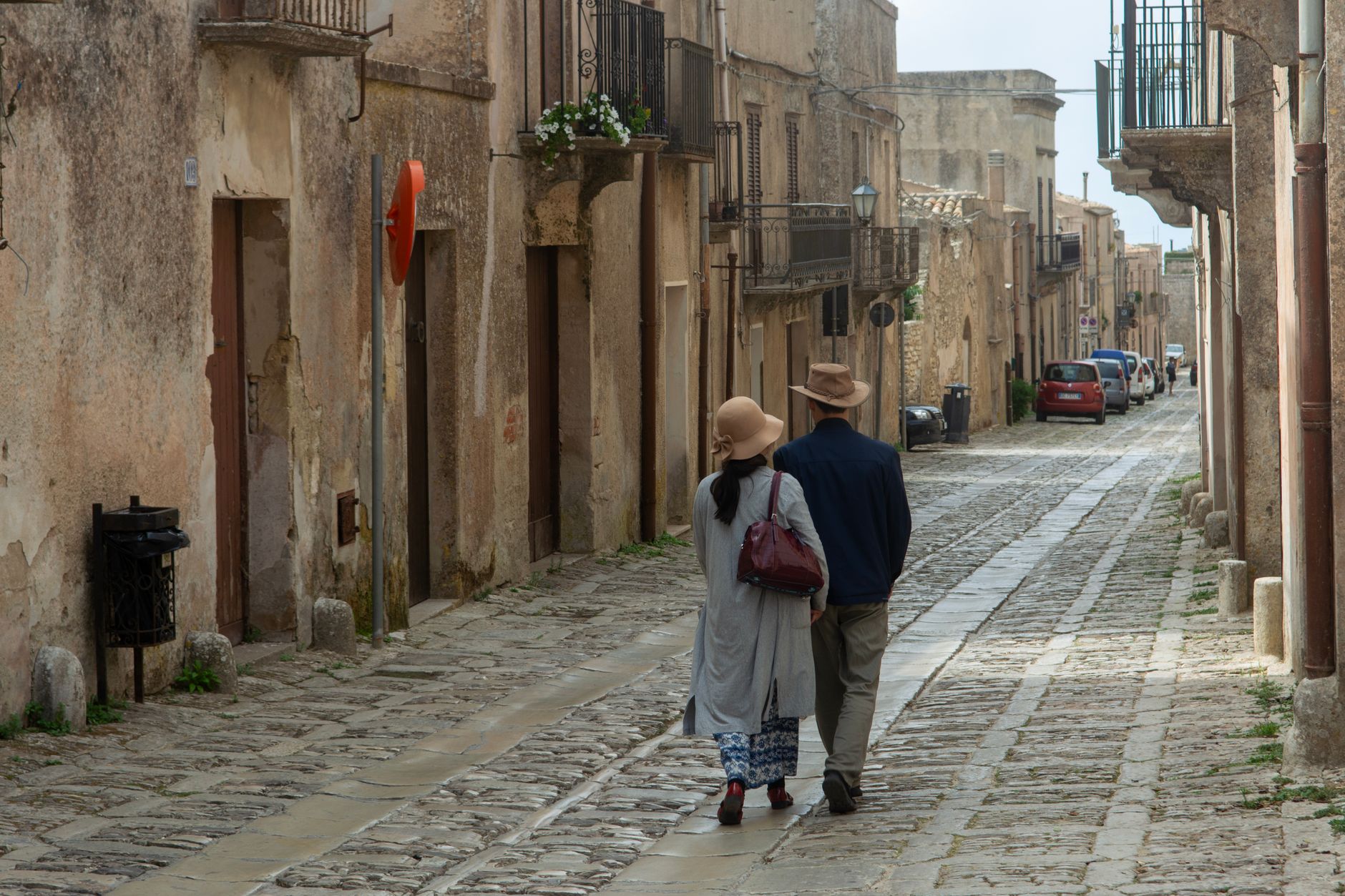
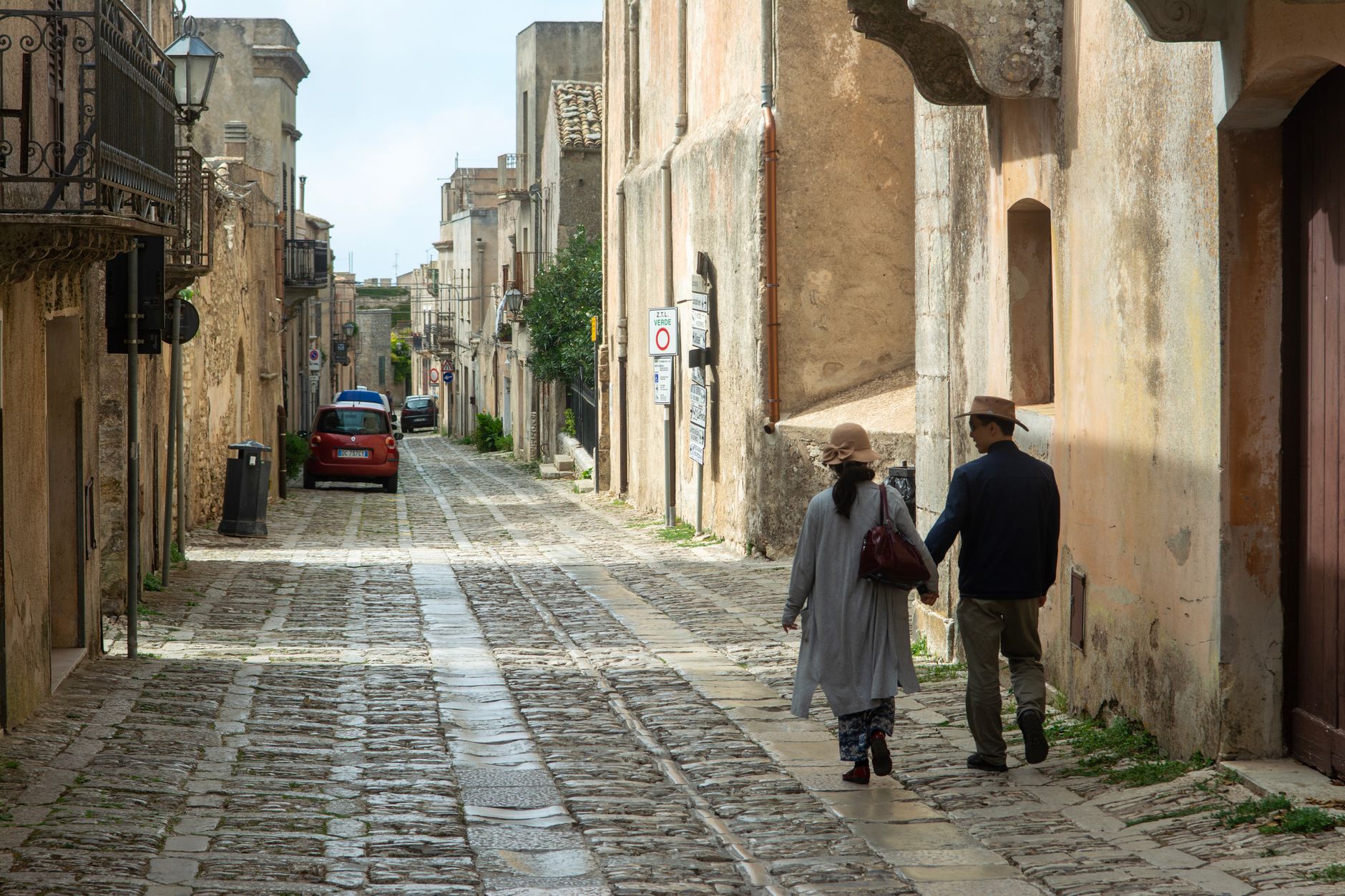
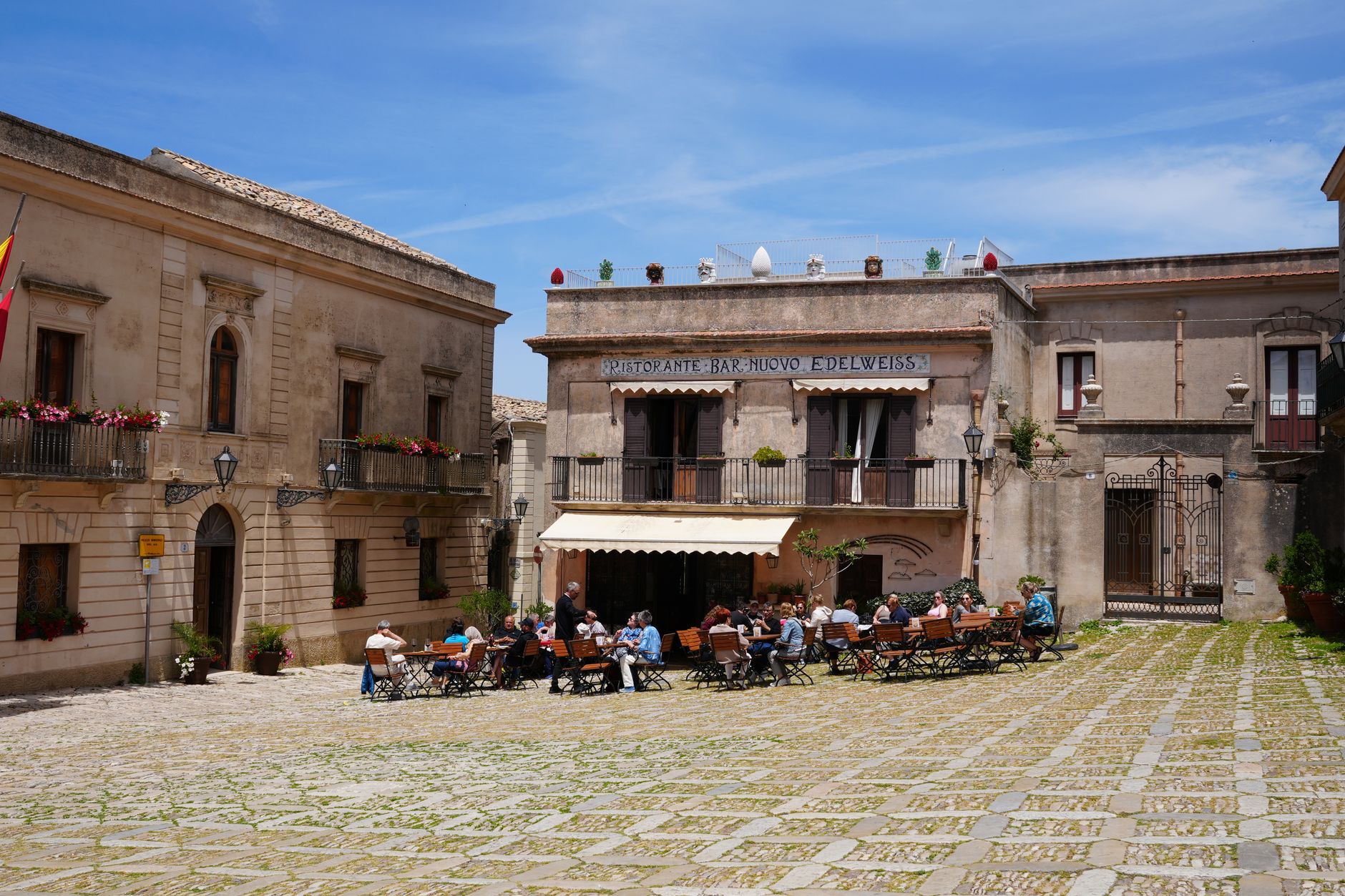
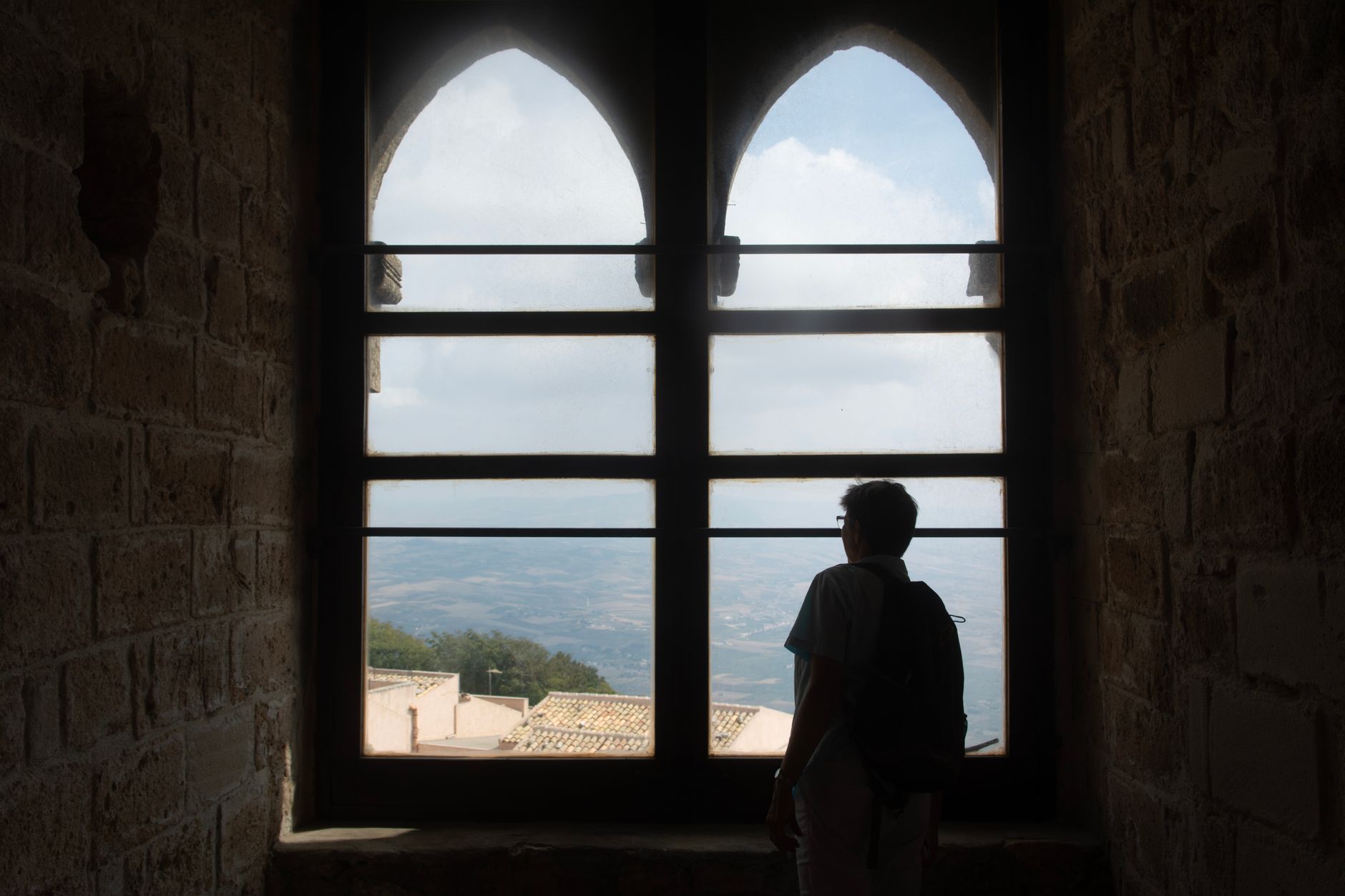
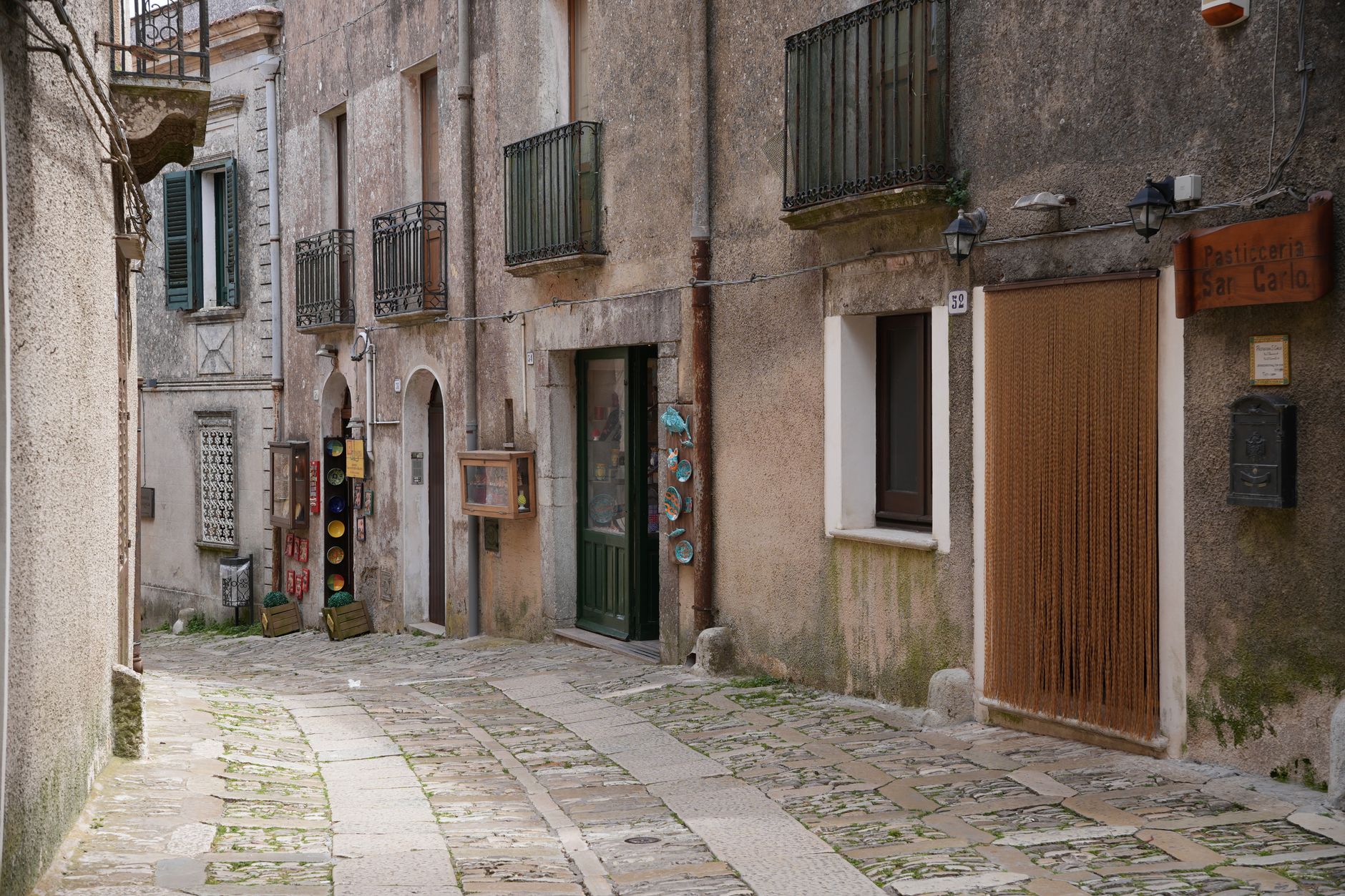
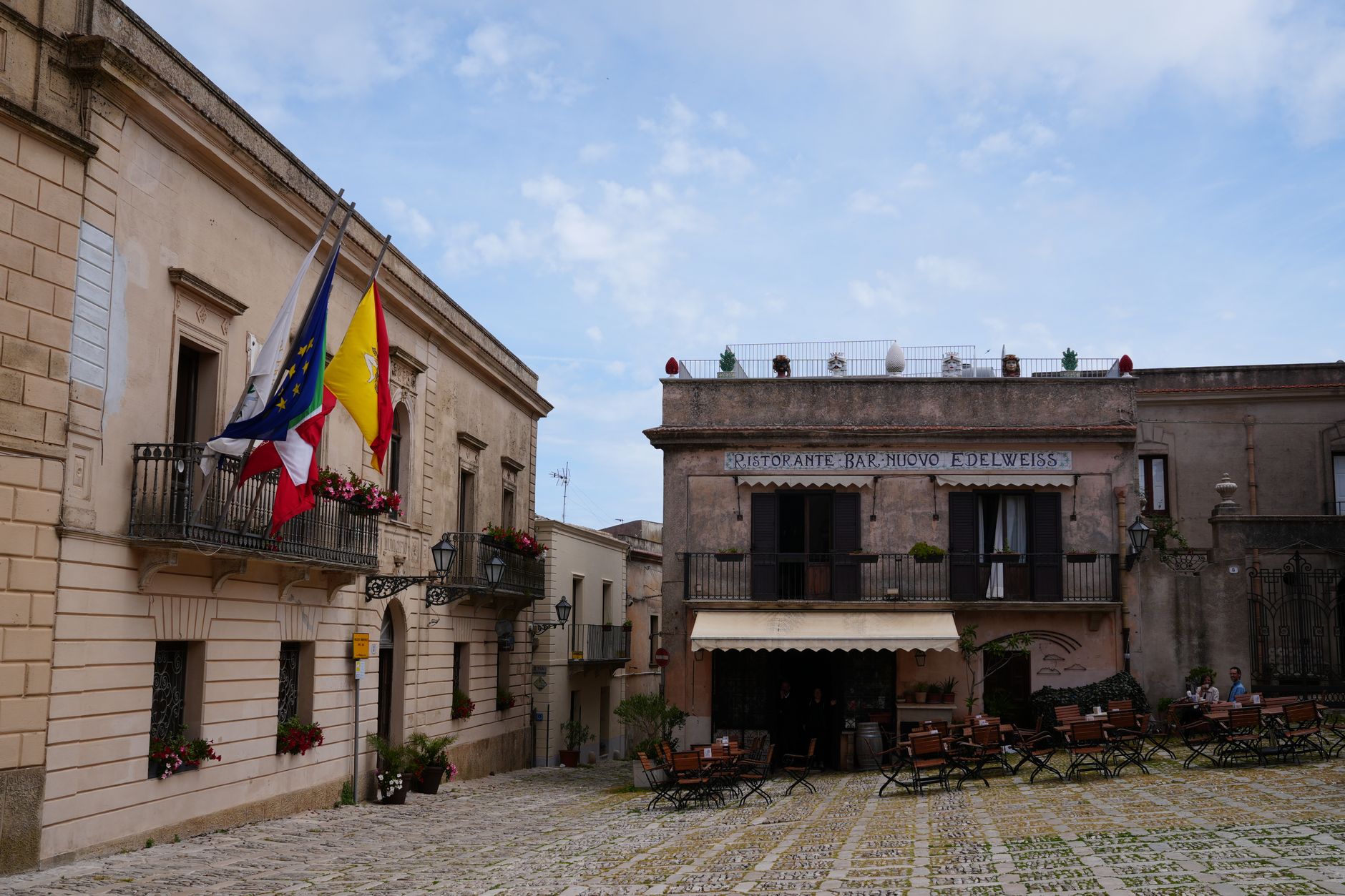
At 751 metres above sea level, Erice sits on a limestone peak above Trapani with the kind of stillness that comes from being very old and very high up. The streets are paved in stone, the churches number more than sixty, and on summer mornings the town is often wrapped in mist that burns off slowly, leaving the rooftops wet and the air cooler than you'd expect in Sicily.
The Elymians built here first, calling it Eryx. Romans came, then Arabs, then Normans, each leaving something behind — a castle wall, a church, a name. For centuries it was known as Monte San Giuliano; it only reclaimed Erice in 1934.
💛 What travellers fall for
People who come back tend to arrive on the cable car from Trapani just as it opens, walk straight to the Castello di Venere before the tour groups, and end at Pasticceria Grammatico for almond pastries. Maria Grammatico's shop is the real reason some of them return — the story behind it, told in *Bitter Almonds*, is worth reading before you go.
Experiences you don't want to miss


Deals in Erice
Book directly at the provider


How Erice came to be
The Elymians settled this peak in antiquity and built a temple to their goddess Astarte, later identified with Venus — Venus Erycina, whose cult attracted worshippers from across the ancient Mediterranean. Siracusa and Carthage both contested the site before Rome took it in the third century BC. Virgil wrote Erice into the *Aeneid*; Thucydides documented the Elymian founding.
The Normans raised the Castello di Venere over the ruins of that temple in the twelfth and thirteenth centuries, and the Chiesa Matrice followed in the fourteenth, built partly from the same temple stones. Arab and Norman rule left traces in the street plan and the architecture. In 1241, Frederick II reorganised the territory into feudal estates. The town spent centuries as Monte San Giuliano before formally returning to its ancient name in 1934.
Who and what shaped it
People who shaped it
Landmark buildings
See Erice in motion
Plan your visit
On the map
When to go
Summer days reach around 31°C down in the valley, but Erice itself runs noticeably cooler — mist is common in the mornings even in July and August, and a light layer is worth carrying. Spring and autumn bring clearer views and fewer visitors.
Right now
Background & history adapted from Wikipedia (CC BY-SA) · specs from Wikidata (CC0) · weather from Open-Meteo · map data © OpenStreetMap contributors · photos from Wikimedia Commons / Unsplash with per-image credit. No third-party reviews or social posts reproduced.