
Milan
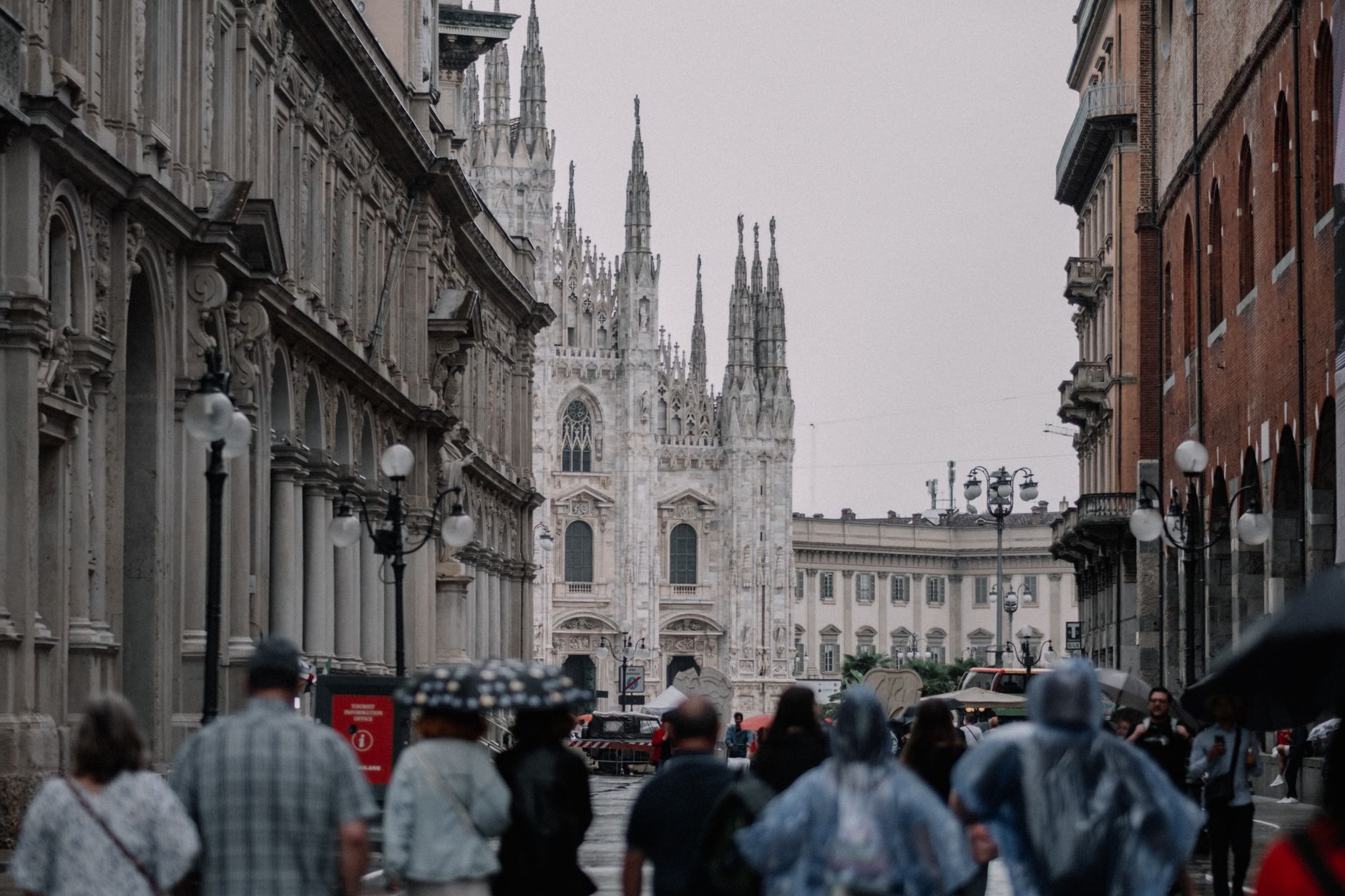
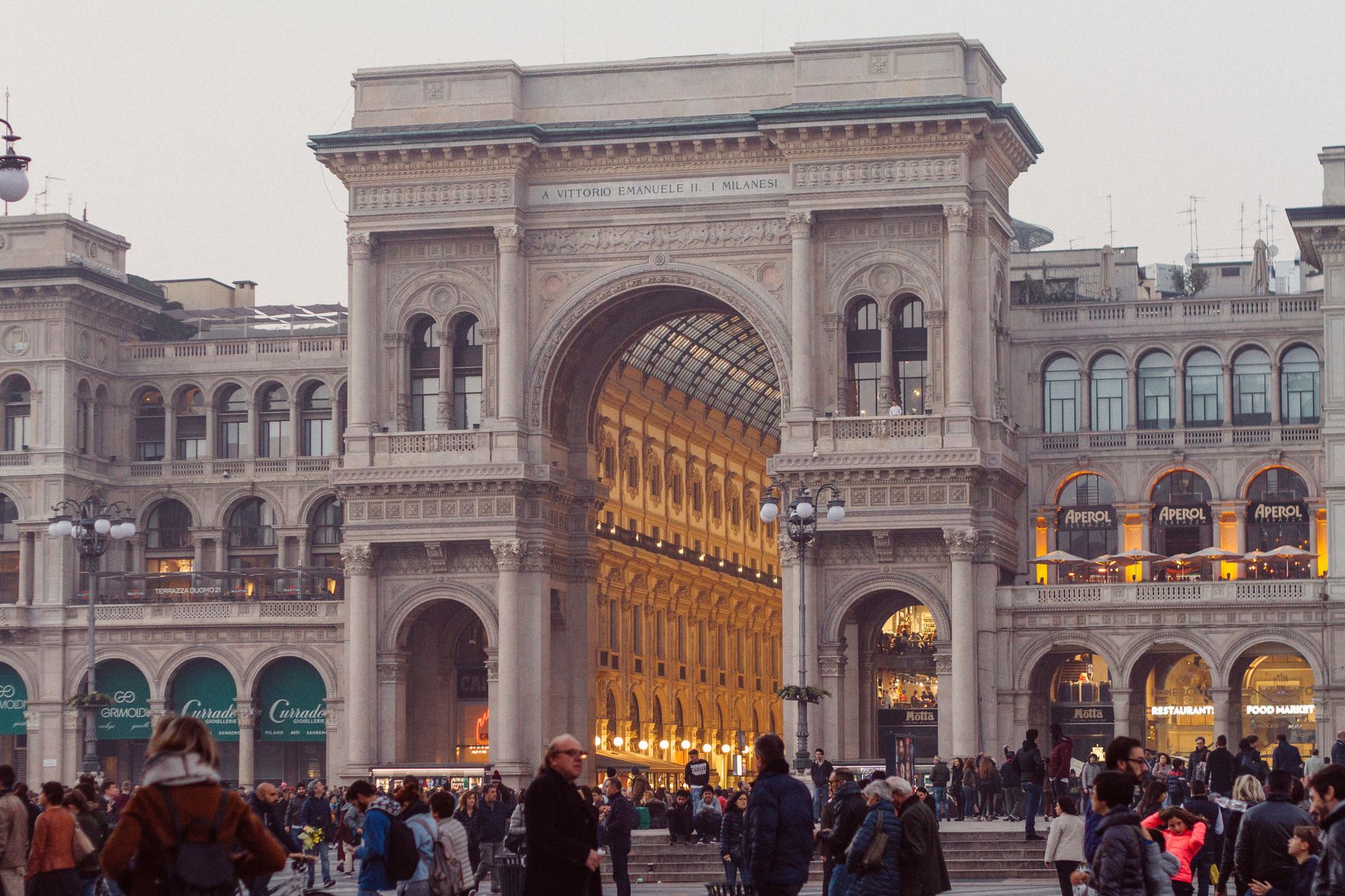
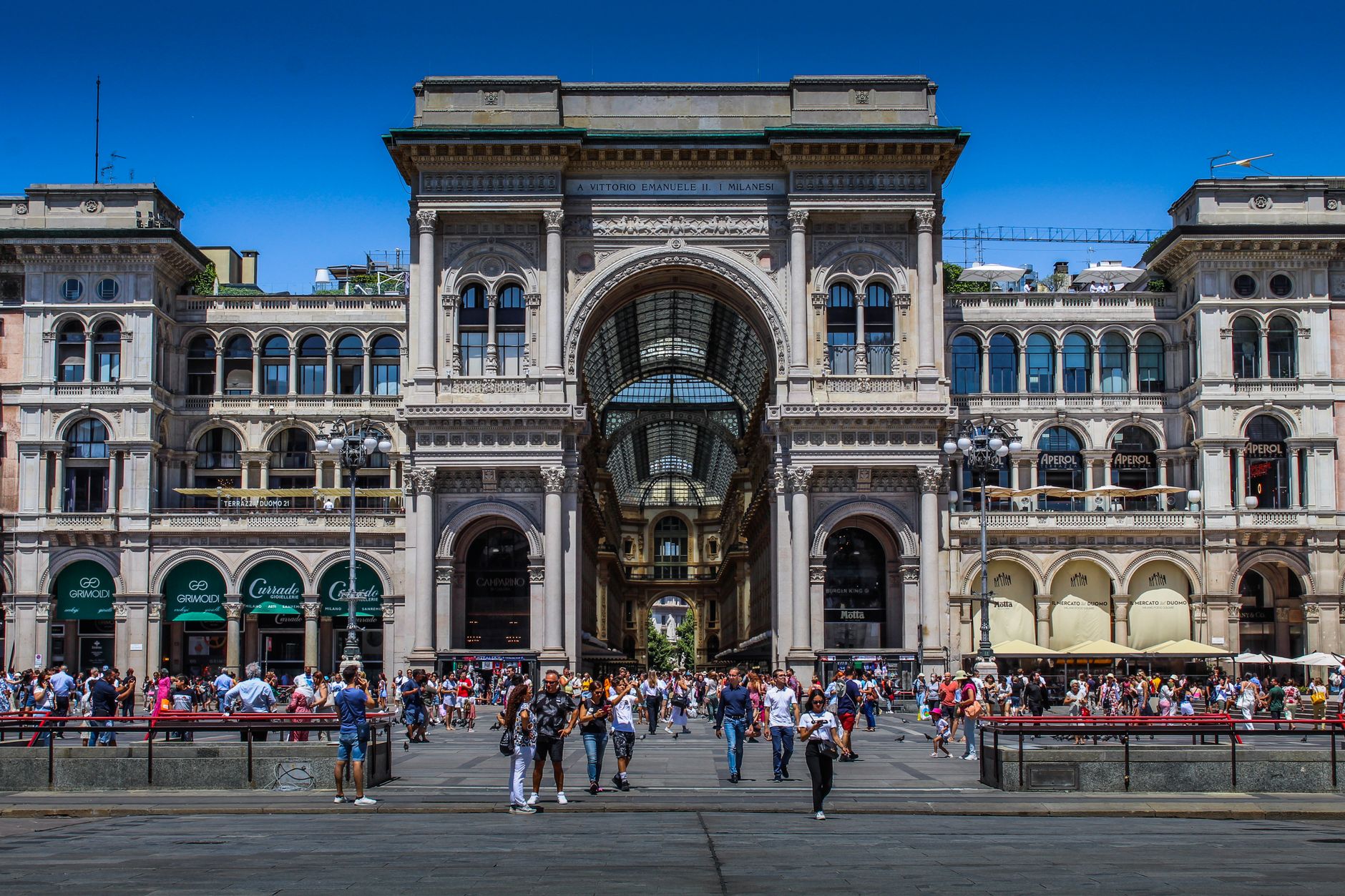
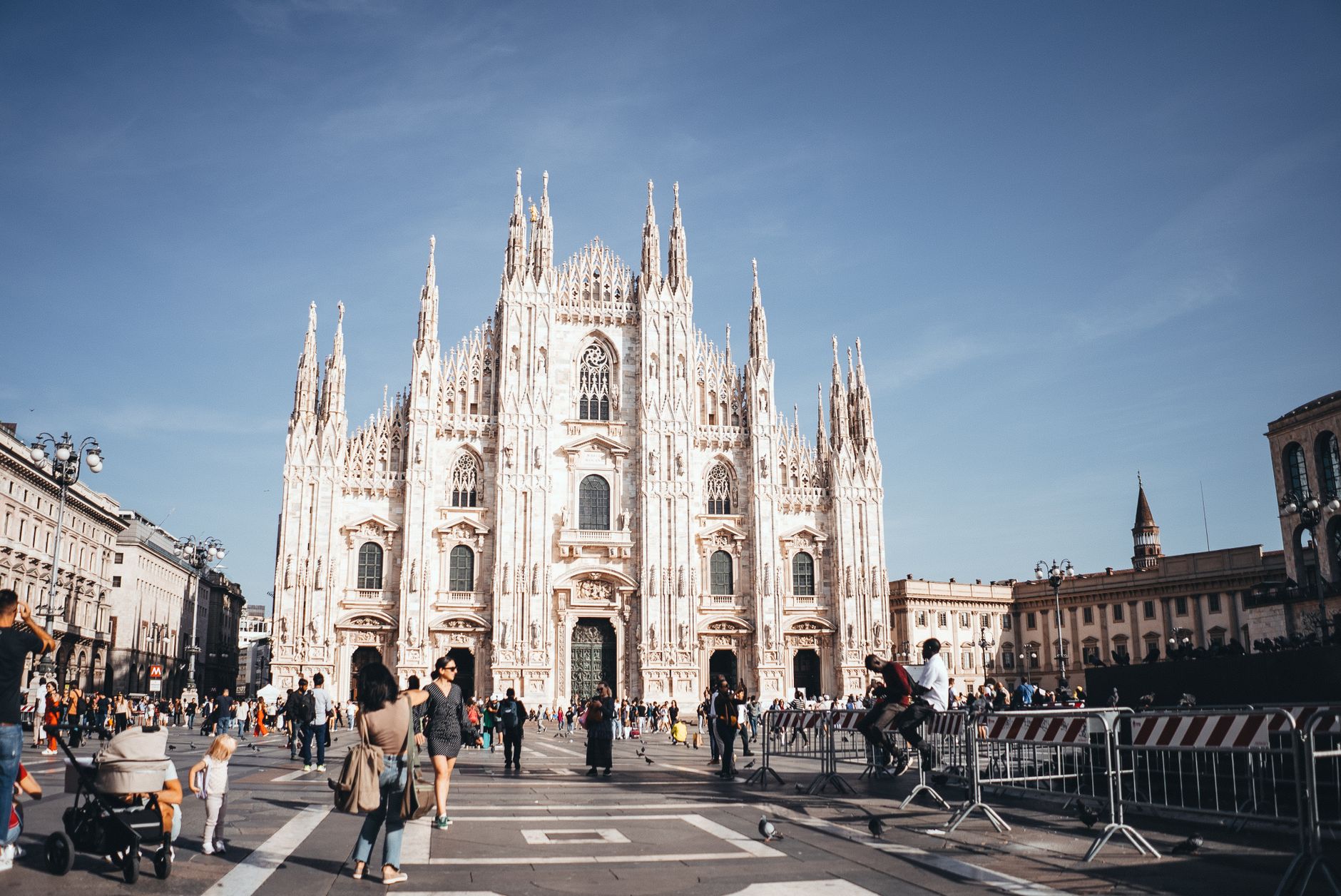
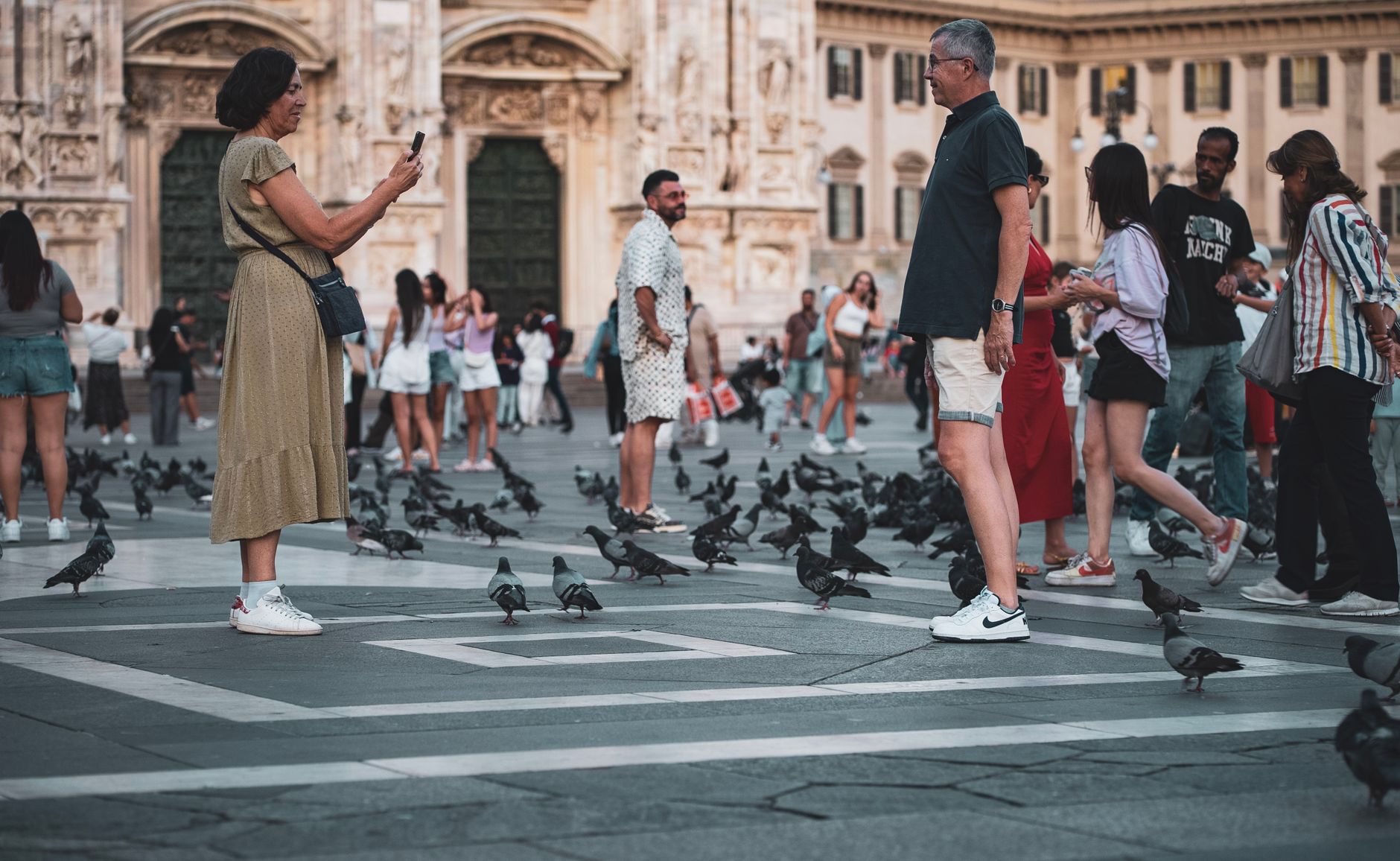
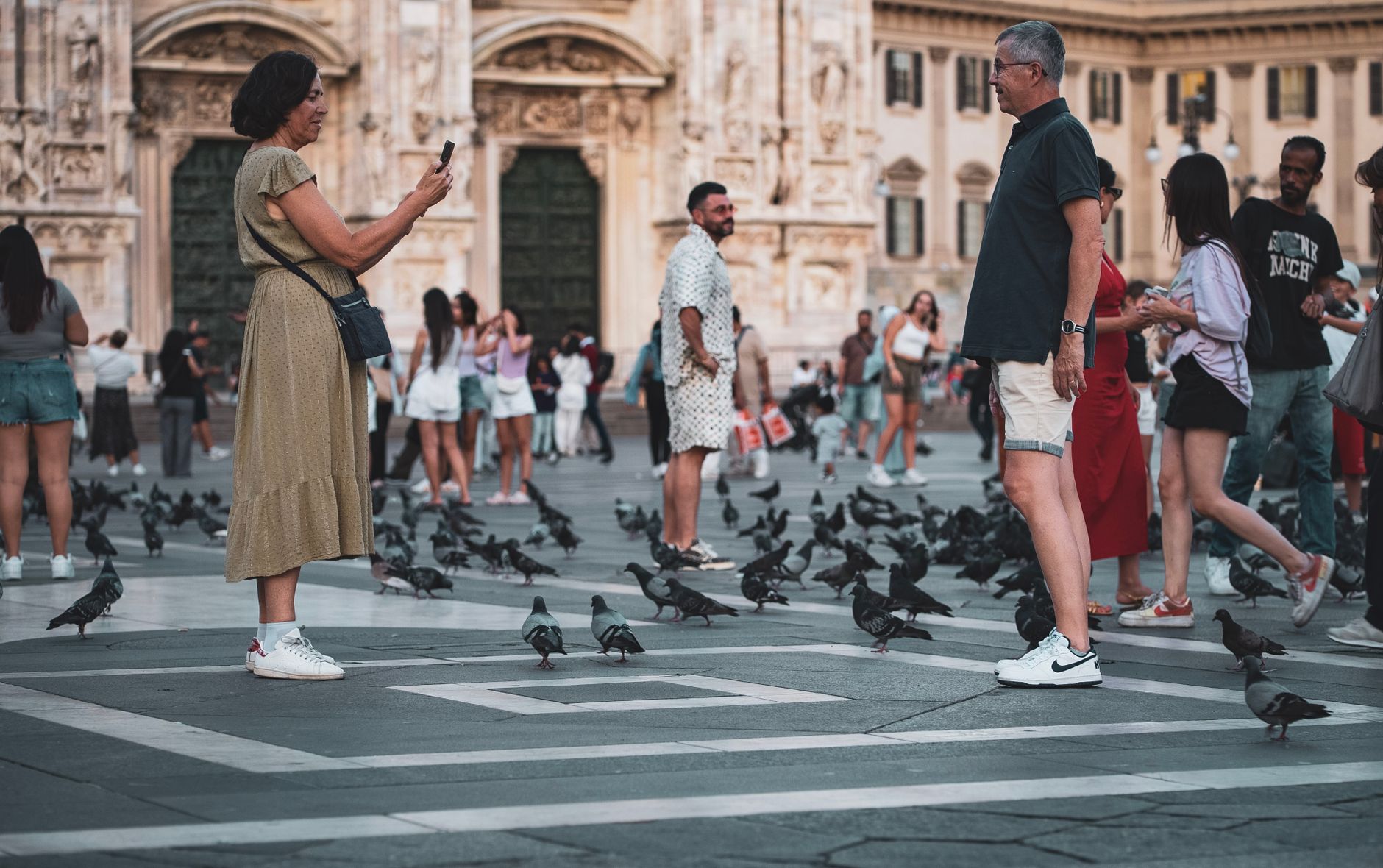
Milan rewards attention in a way that takes a visit or two to understand. The city that gave the world the Edict of Christianity, the Sforza court, and Toscanini's first post-war concert at La Scala is easy to read as a place that runs on fashion weeks and aperitivo hours — and it does — but beneath that surface is a city of genuine historical weight, where a 15th-century canal system still cuts through the southern neighbourhoods and Michelangelo's last, unfinished sculpture sits in a room inside a ducal castle.
The pace here is northern Italian: purposeful, a little clipped compared to Rome or Naples, but not unfriendly. People eat late, dress carefully, and take their lunch seriously. Give the city more than a day and it starts to open up.
💛 What travellers fall for
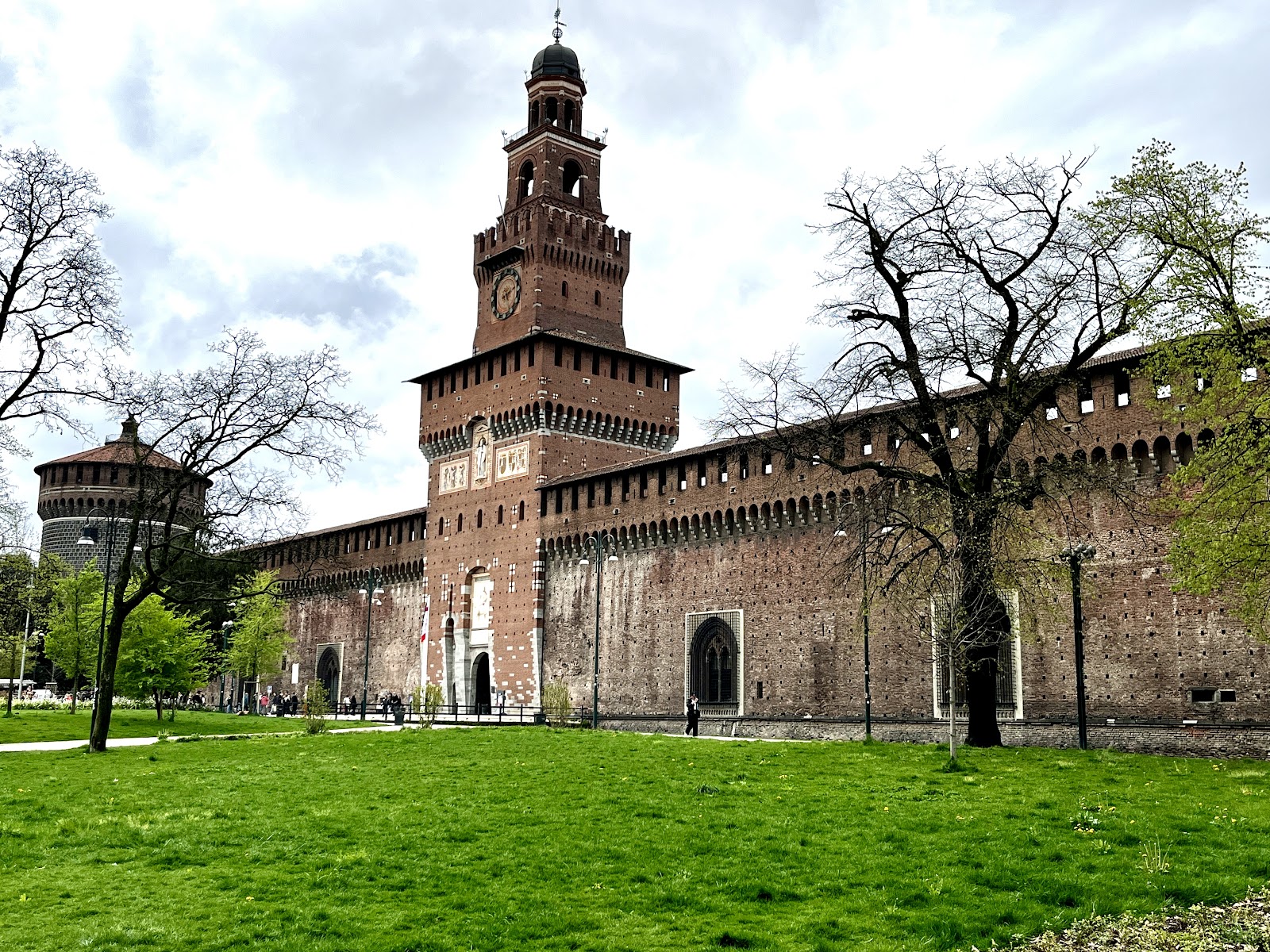
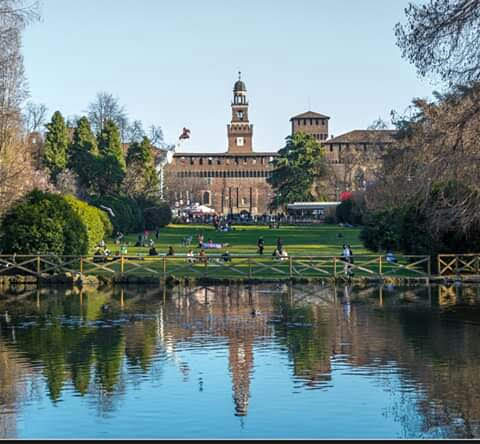
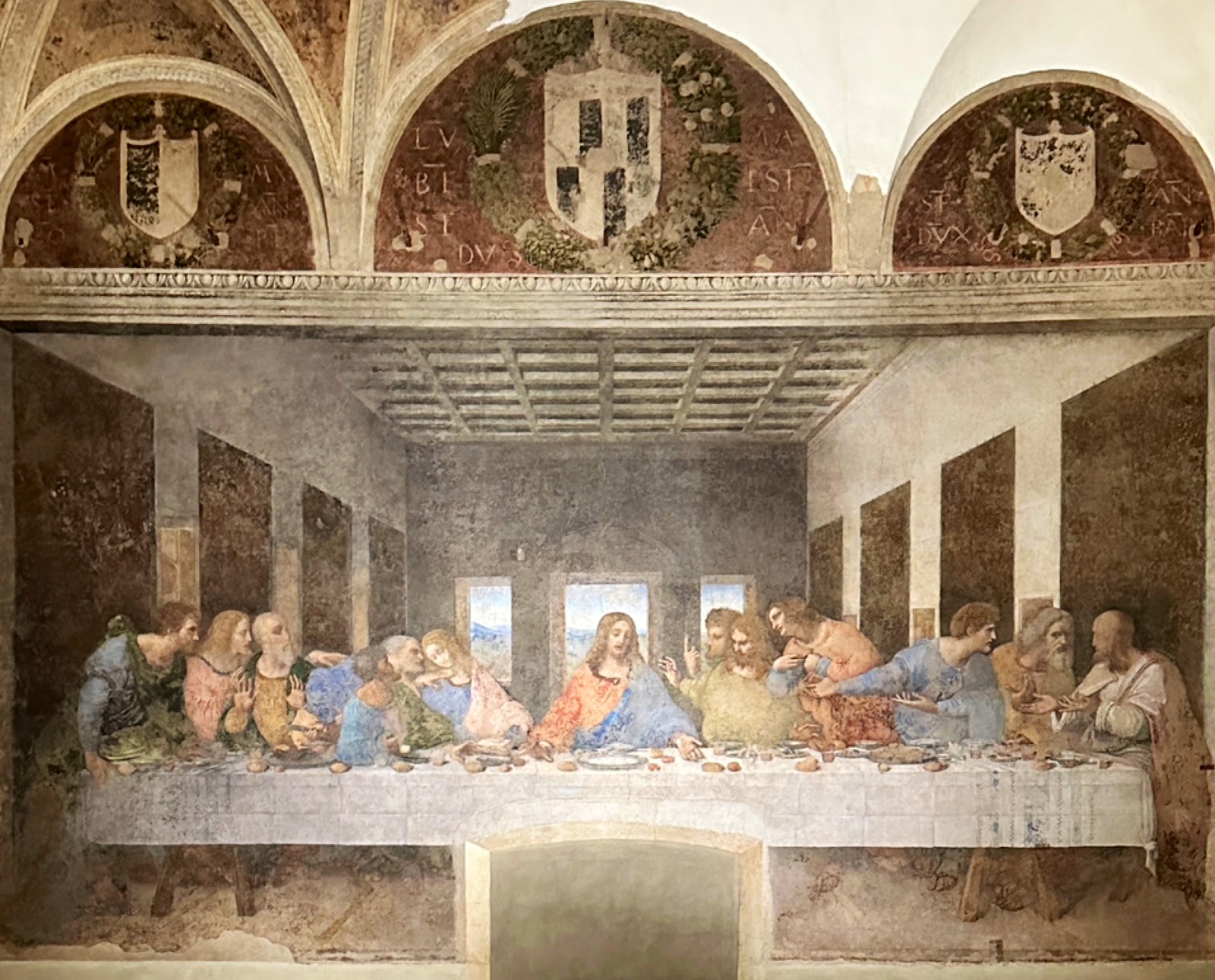
People who come back tend to say the same things: book Santa Maria delle Grazie well in advance if you want to see The Last Supper, take the M4 from Linate rather than a taxi, and don't ignore the Castello Sforzesco — most visitors walk the courtyard and leave without finding the Rondanini Pietà, which is a genuine mistake.
Experiences you don't want to miss


Deals in Milan
Book directly at the provider

How Milan came to be
The Insubres, a Gaulish people, founded a settlement here around 400 BC. Rome took it in 196 BC, renamed it Mediolanum, and eventually made it capital of northern Italy — a position of such strategic value that Emperor Constantine signed the Edict of Milan here in 313 AD, legalising Christianity across the empire. The bishop Sant'Ambrogio, working in the 4th century, left four basilicas standing in the city; one still bears his name.
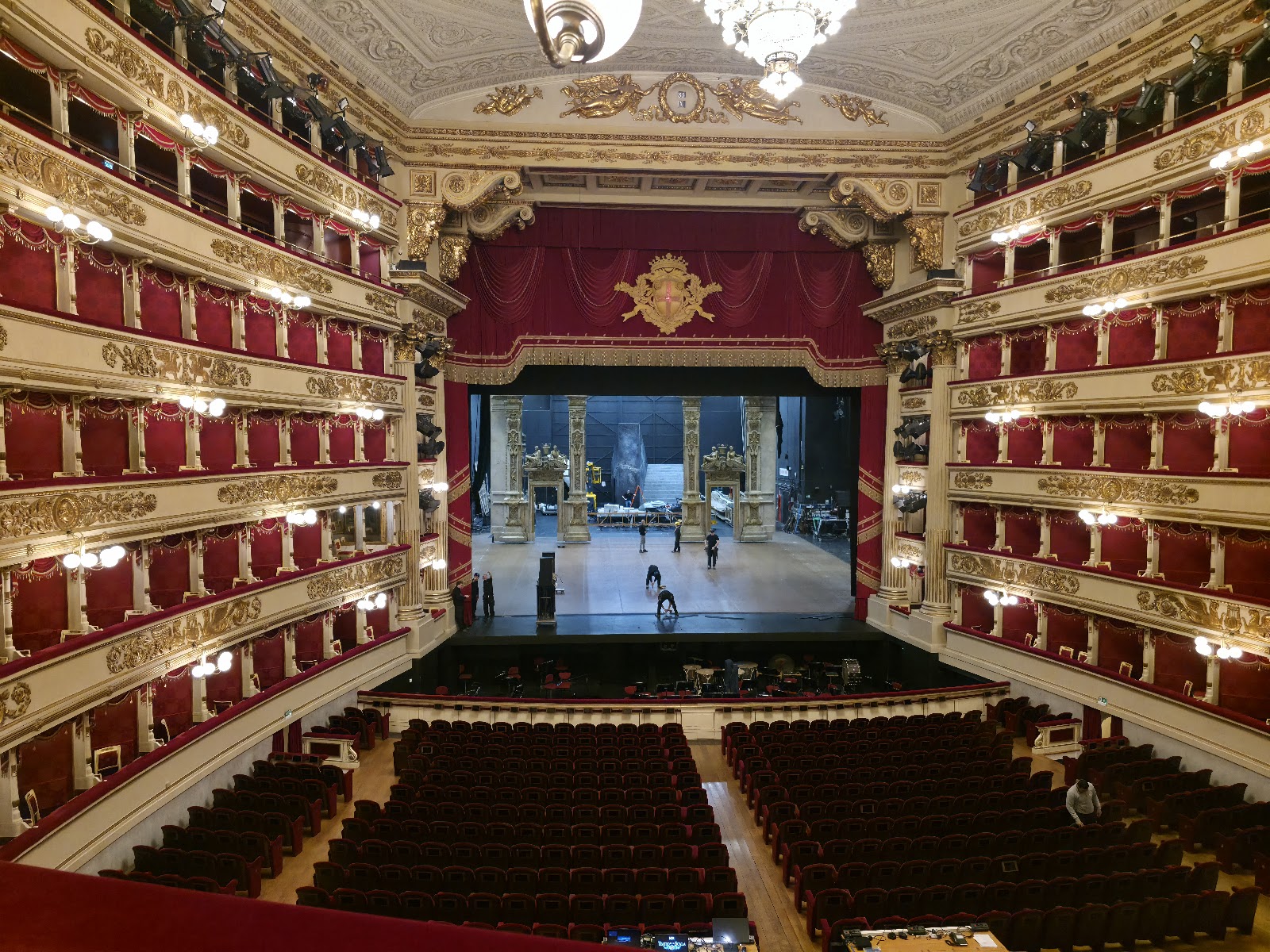
Power passed through the Visconti and then to Francesco Sforza, who took the city in 1450 and ran a court that drew Leonardo da Vinci and Bramante to decorate its castle walls. The 20th century brought harder turns: Mussolini founded the Fascist movement here in 1919, and Allied bombing in the Second World War destroyed entire neighbourhoods. On 11 May 1946, La Scala reopened — rebuilt in a single year — with Arturo Toscanini conducting, a moment that fixed itself in the Italian national imagination as a line between ruin and recovery.
Who and what shaped it
People who shaped it
Landmark buildings
See Milan in motion
Plan your visit
On the map
When to go
Milan's winters are cold and often foggy, with temperatures regularly near freezing from December through February. Summers are hot and humid; April through June and September through October give you the most comfortable conditions for walking the city on foot.
Right now
↡ Attractions

Background & history adapted from Wikipedia (CC BY-SA) · specs from Wikidata (CC0) · weather from Open-Meteo · map data © OpenStreetMap contributors · photos from Wikimedia Commons / Unsplash with per-image credit. No third-party reviews or social posts reproduced.