
Lake Como (Lombardy)
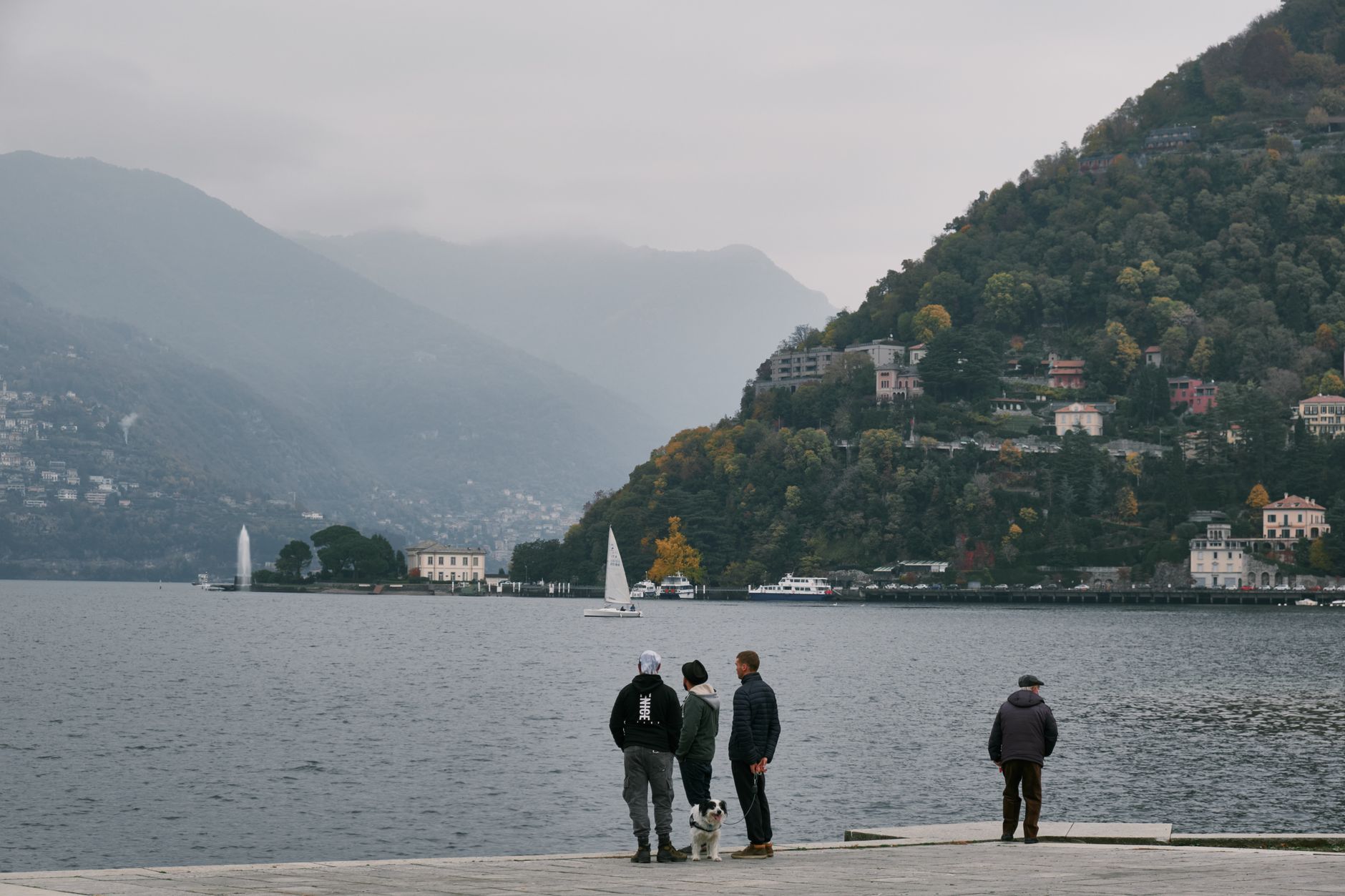
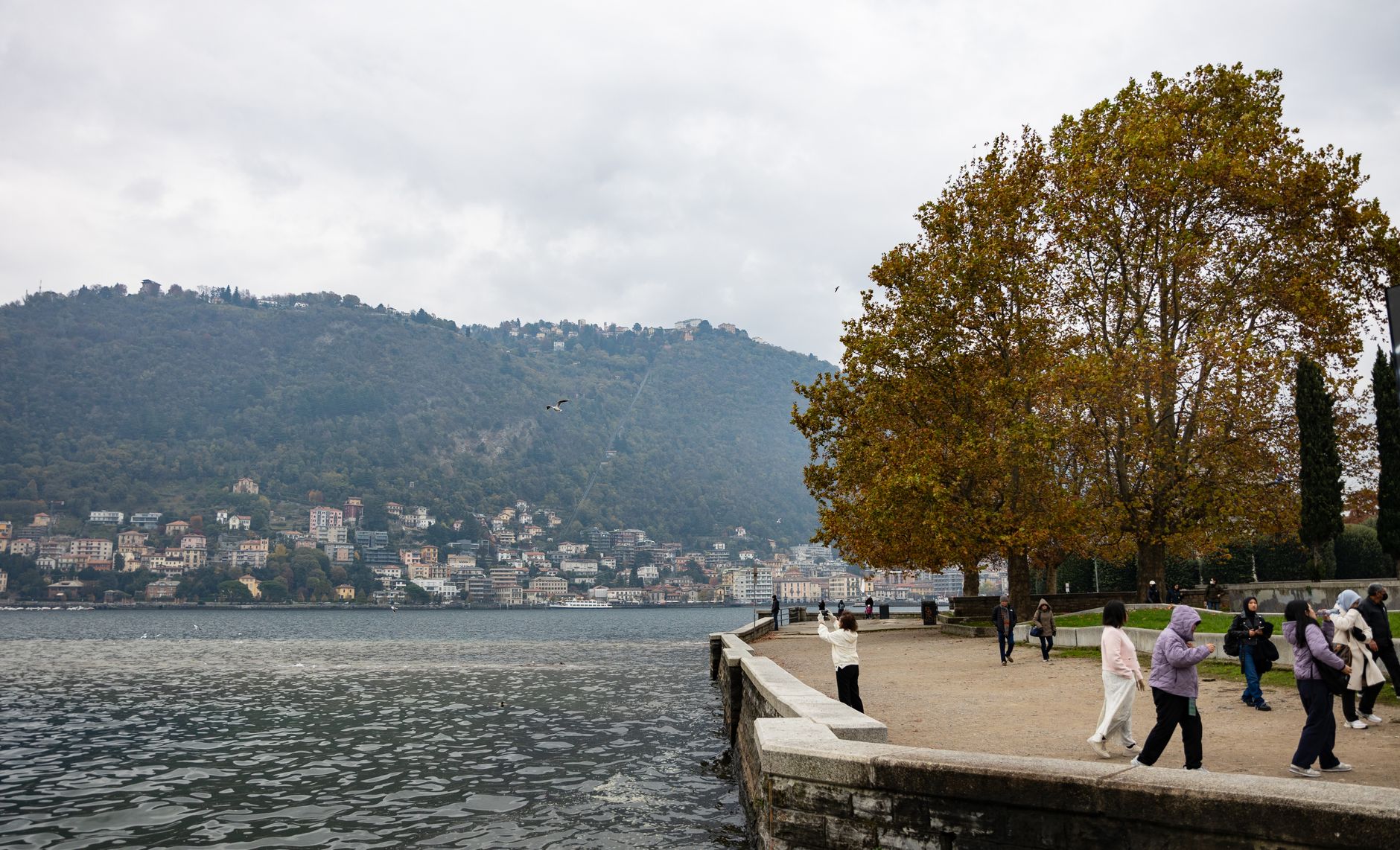
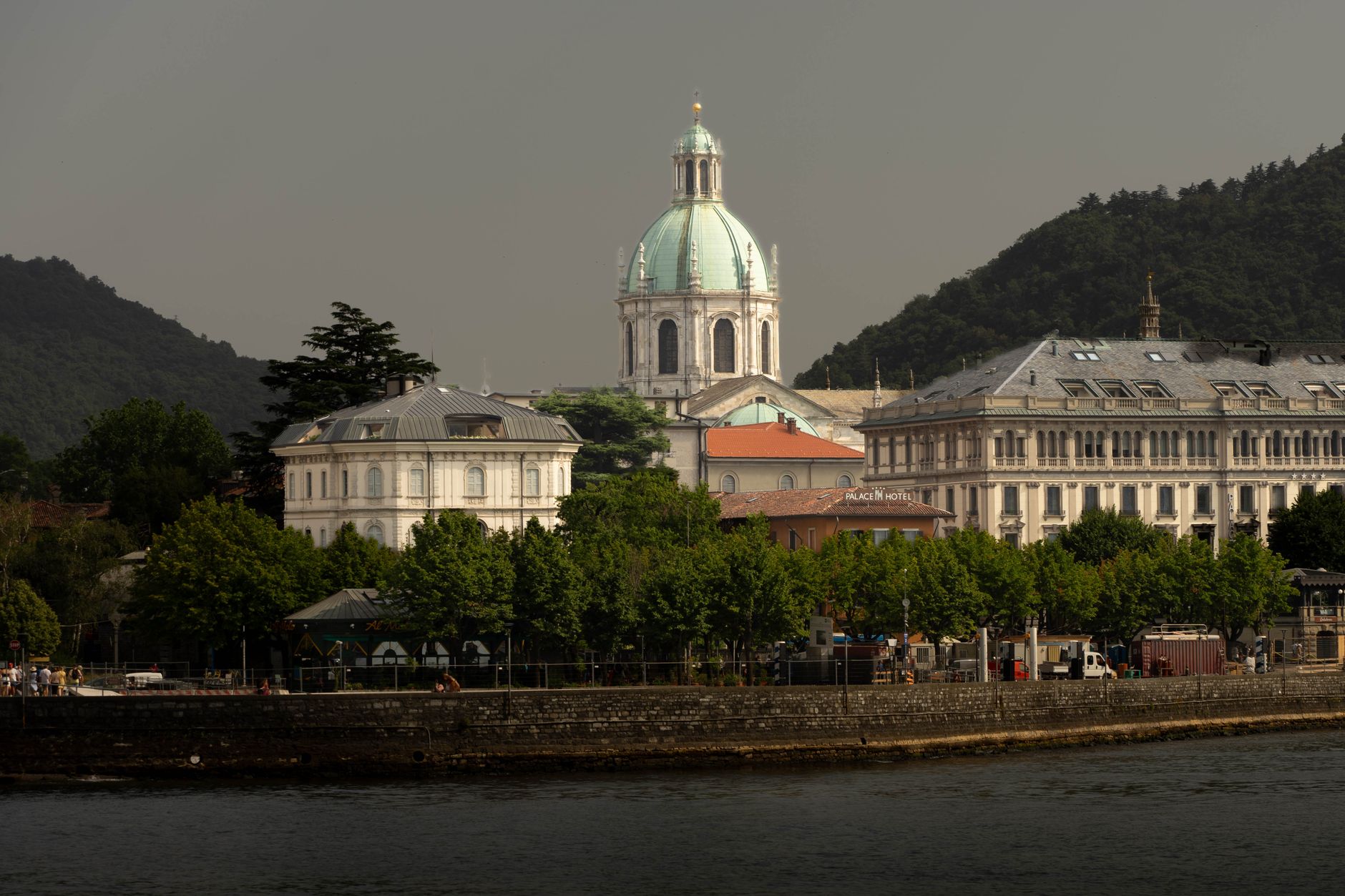
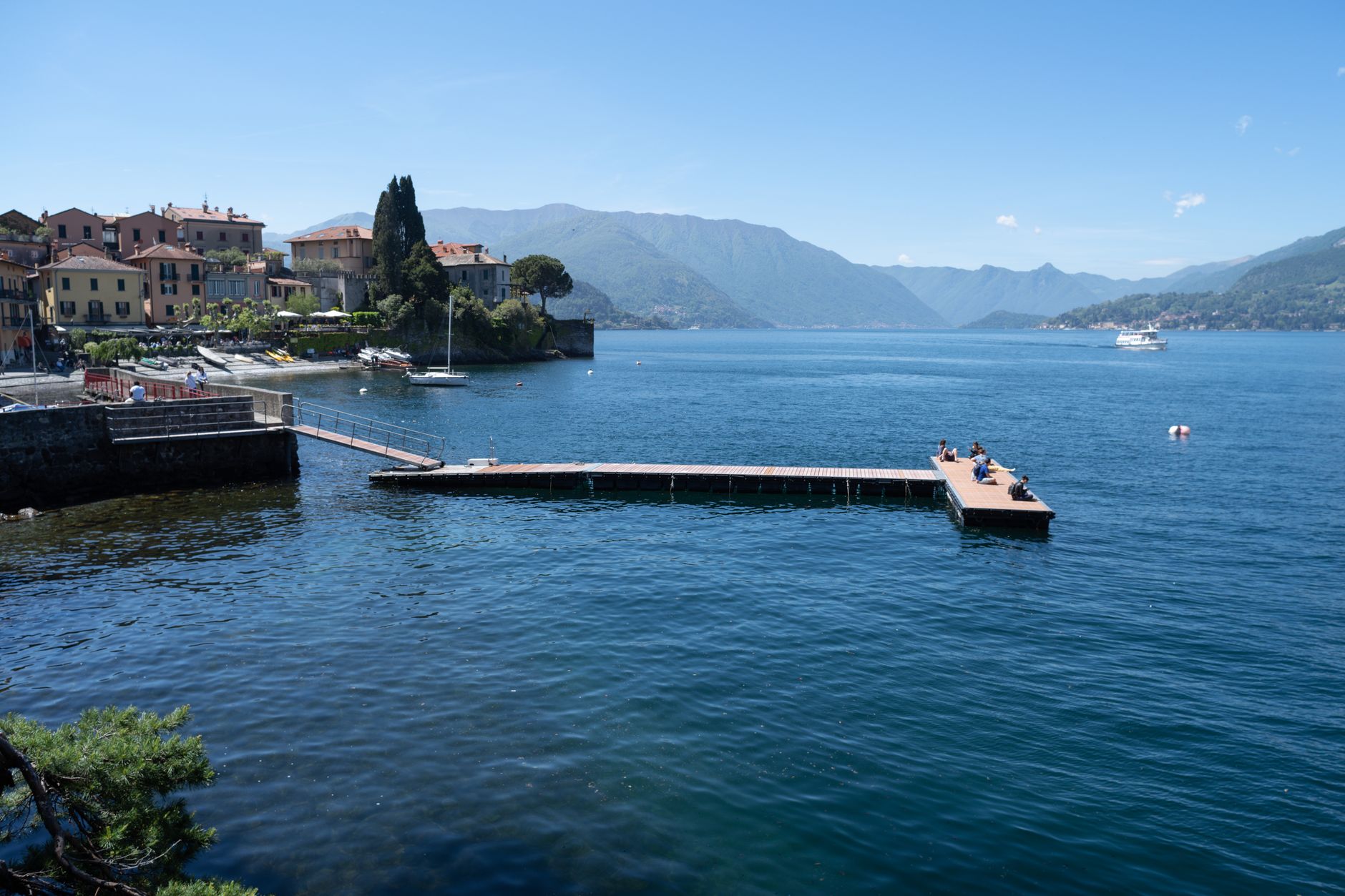
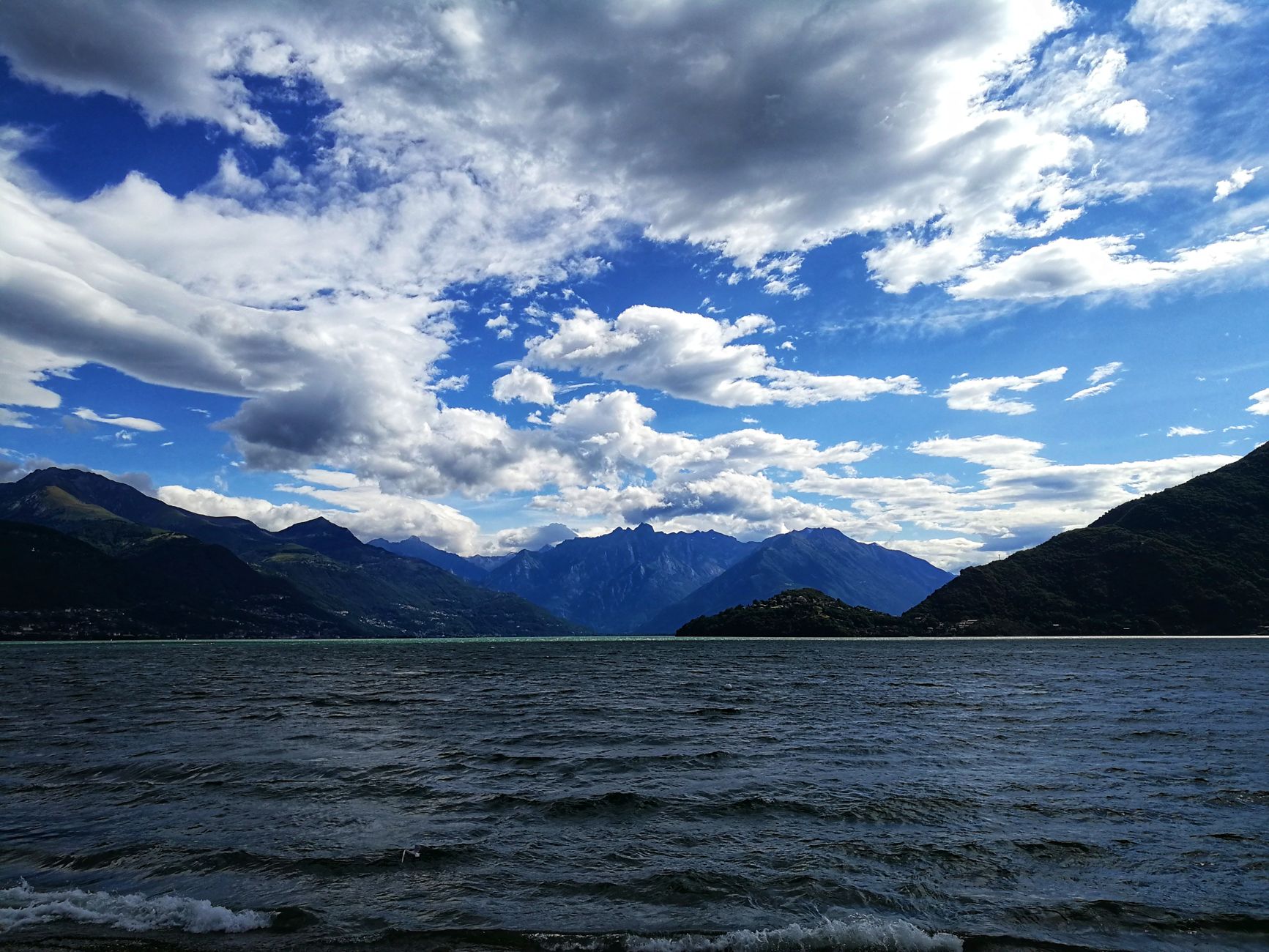
The lake's Y-shape is its first surprise — you keep expecting it to end and it doesn't, a new arm of water opening each time you round a headland. Carved by the Adda glacier across millions of years, Como sits at the foot of the Alps, its surface roughly 200 metres above sea level, its depths plunging to over 400 metres below it.
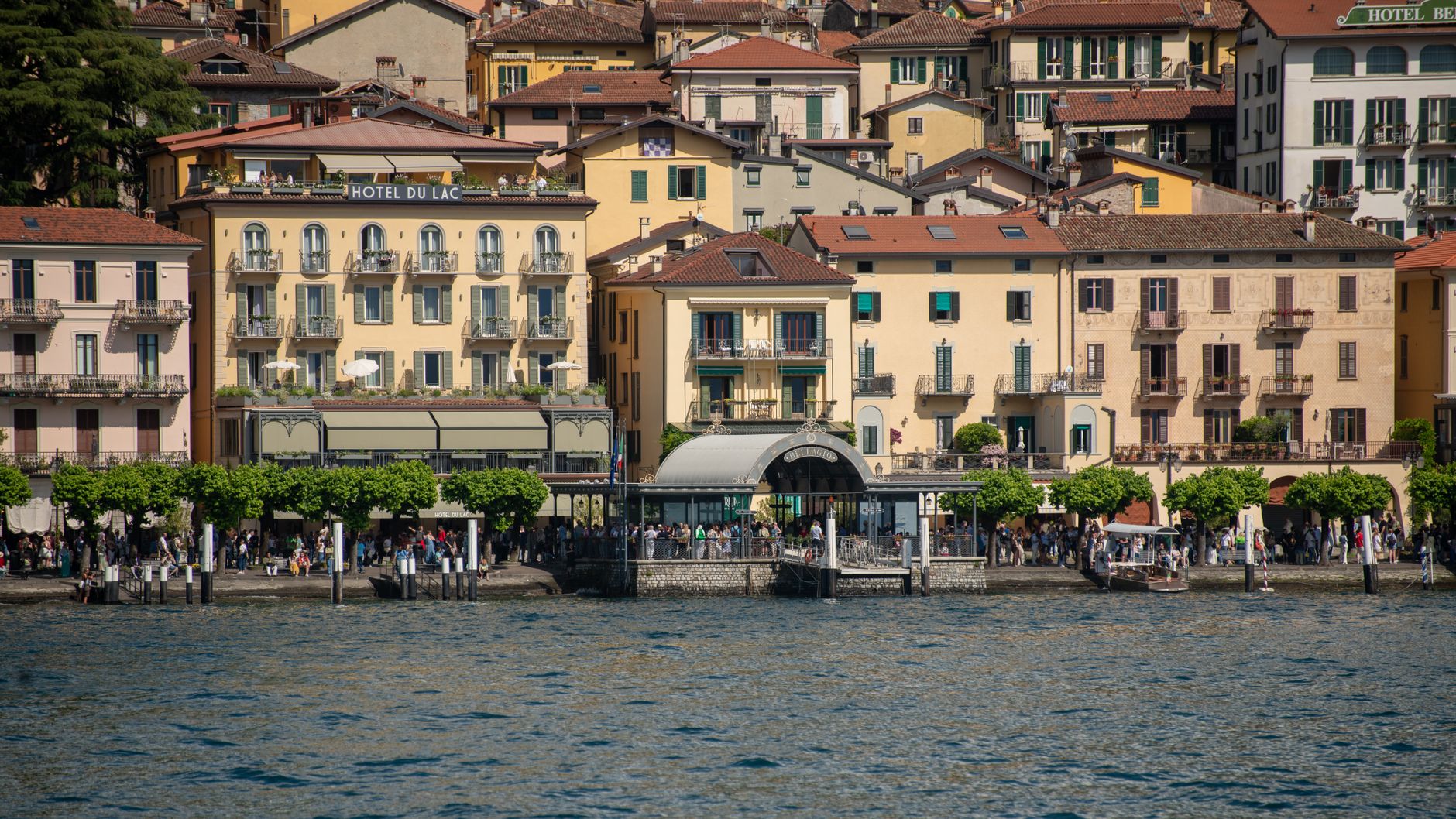
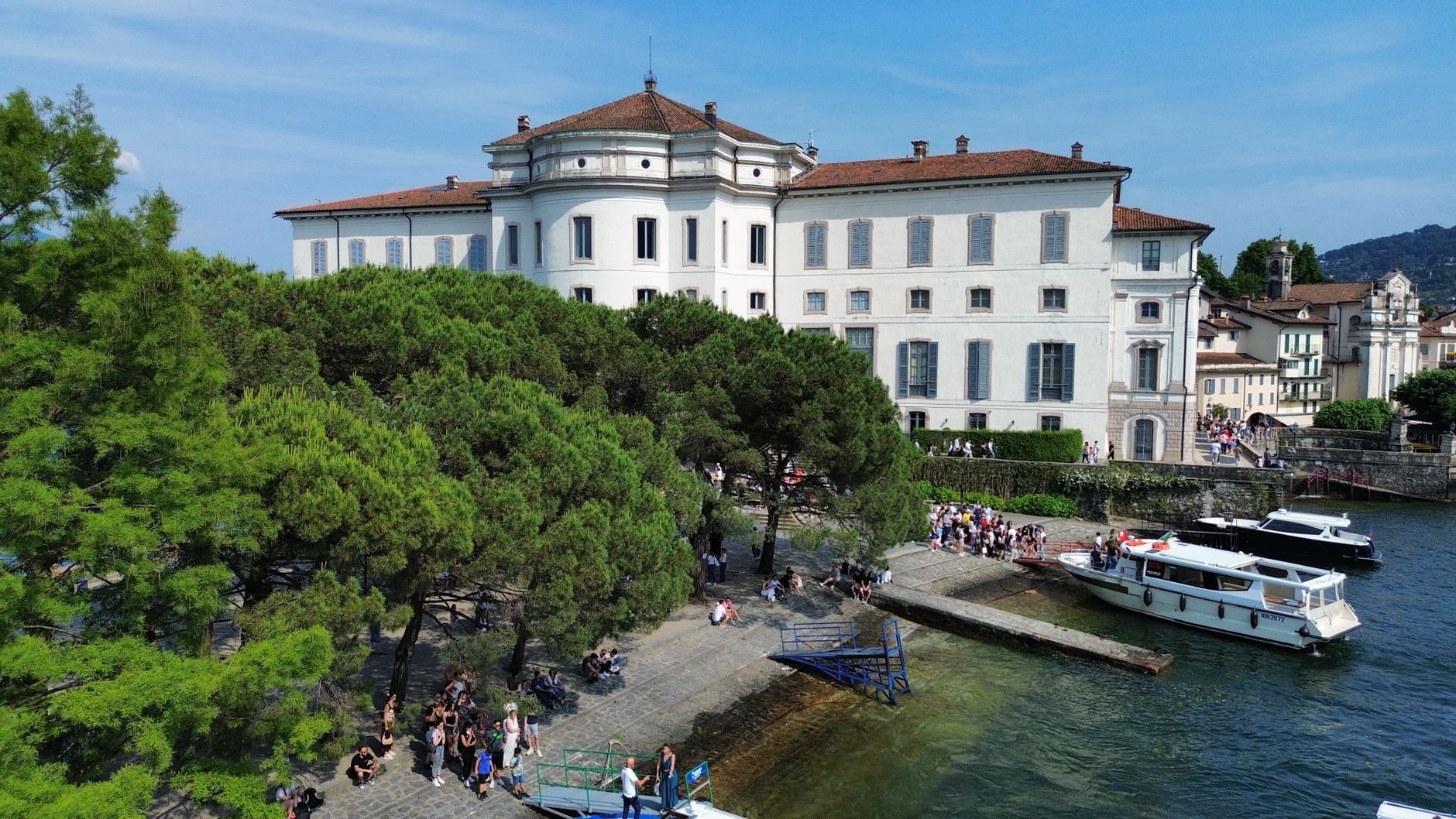
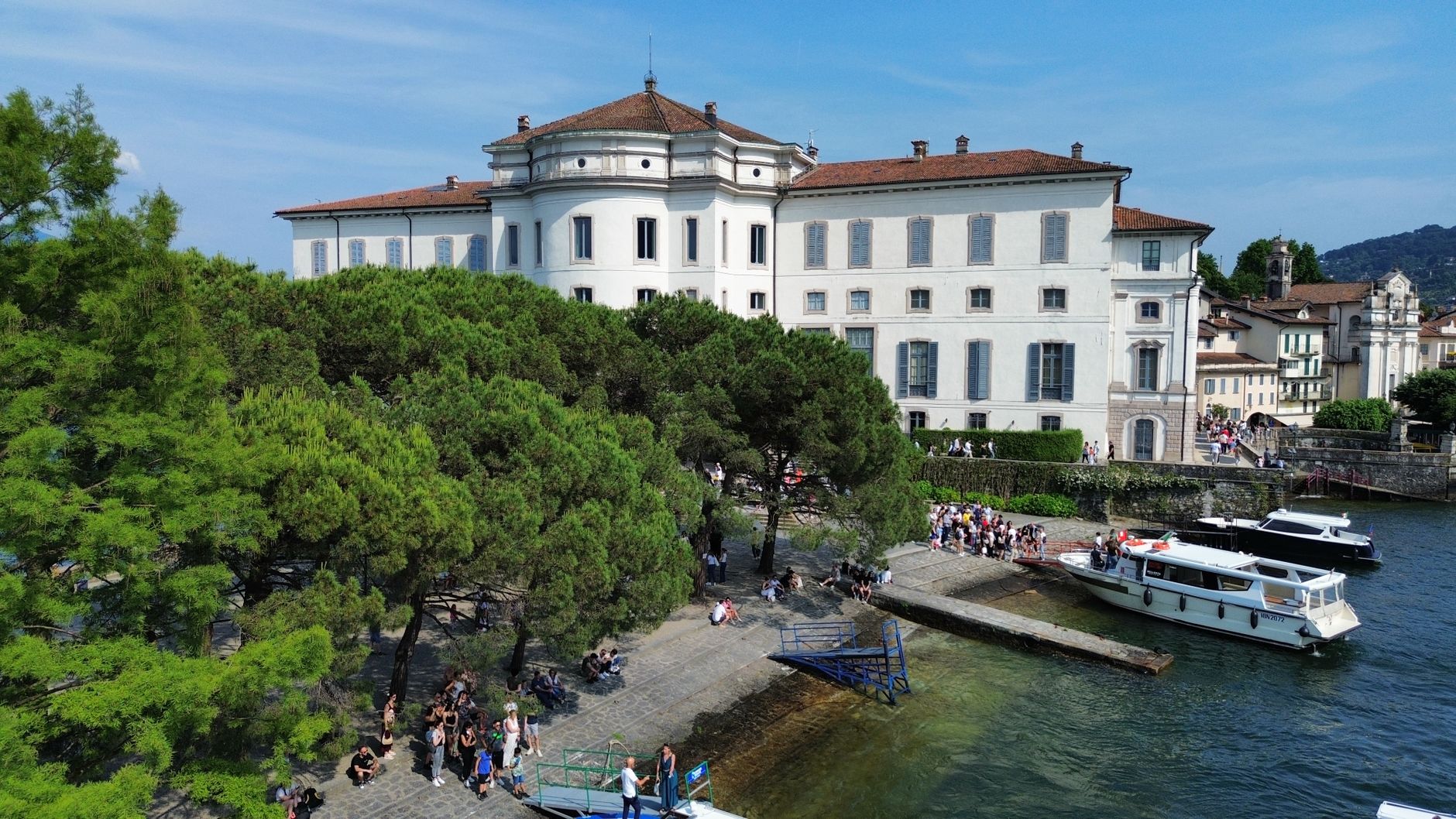
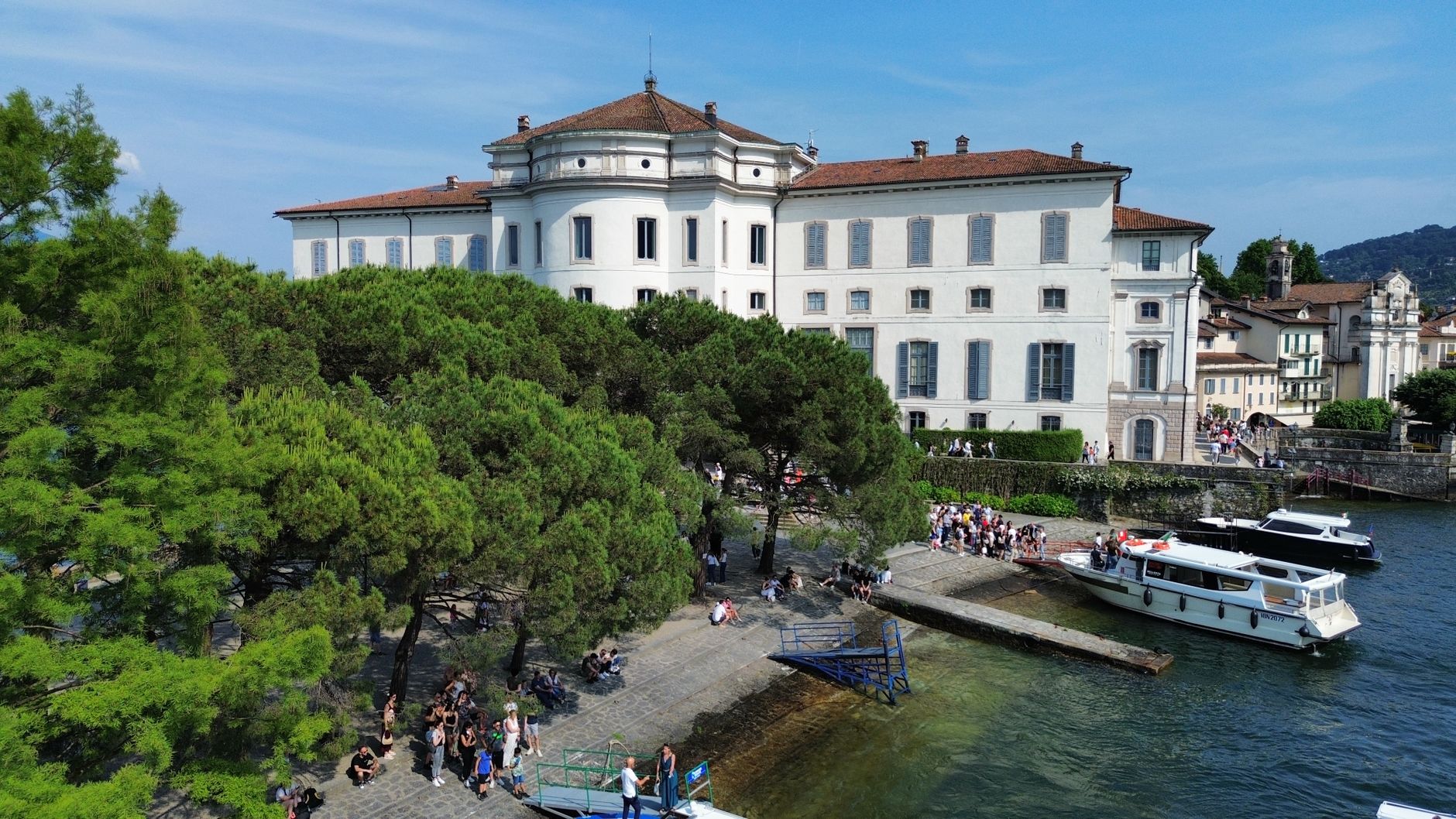
What has drawn people here across two millennia is harder to name precisely — the compression of mountain and water, the way the light changes every hour, the villas embedded in the hillsides like something planted rather than built. The silk industry made the lakeside towns wealthy; the wealthy made the gardens; the gardens outlasted almost everything else.
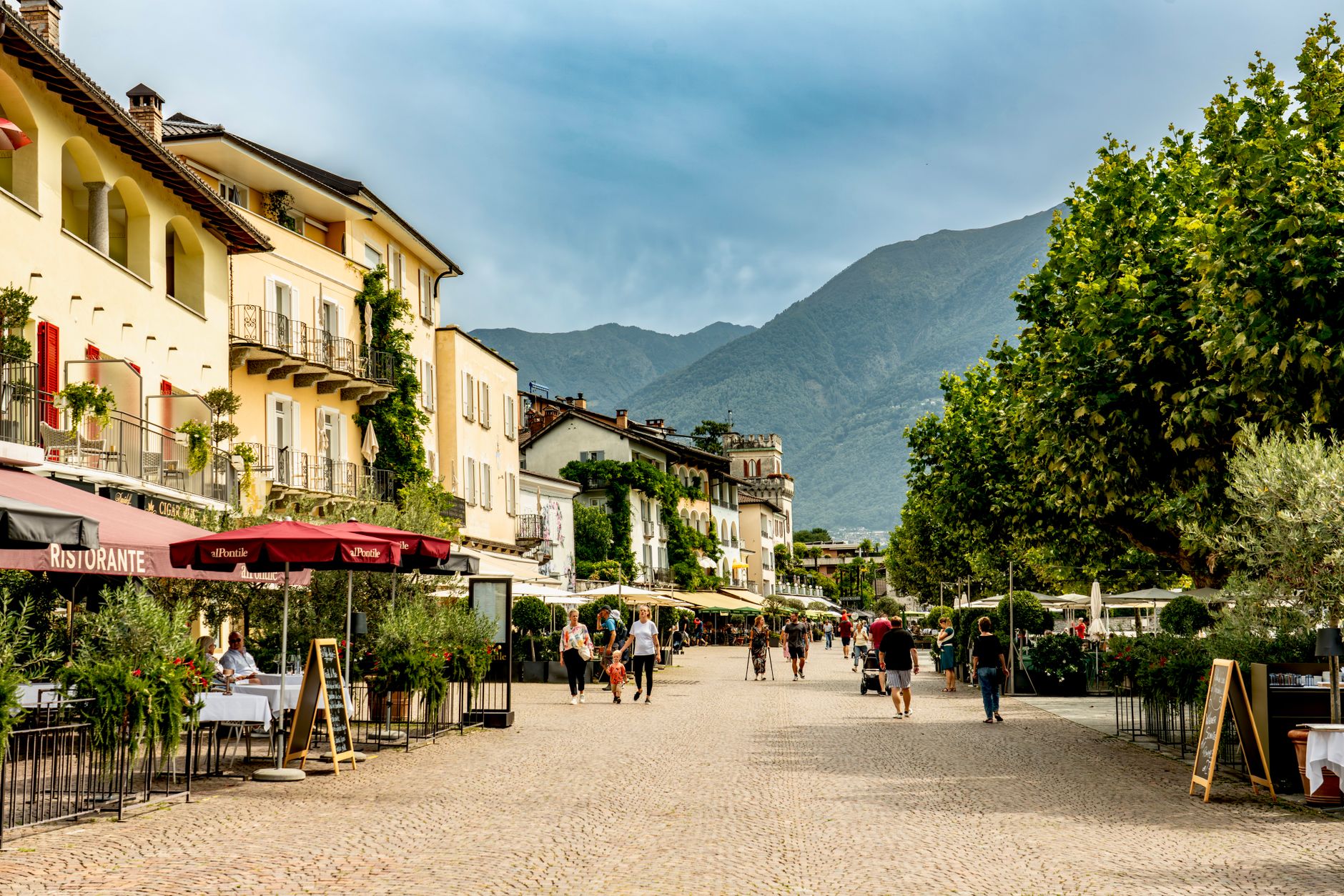
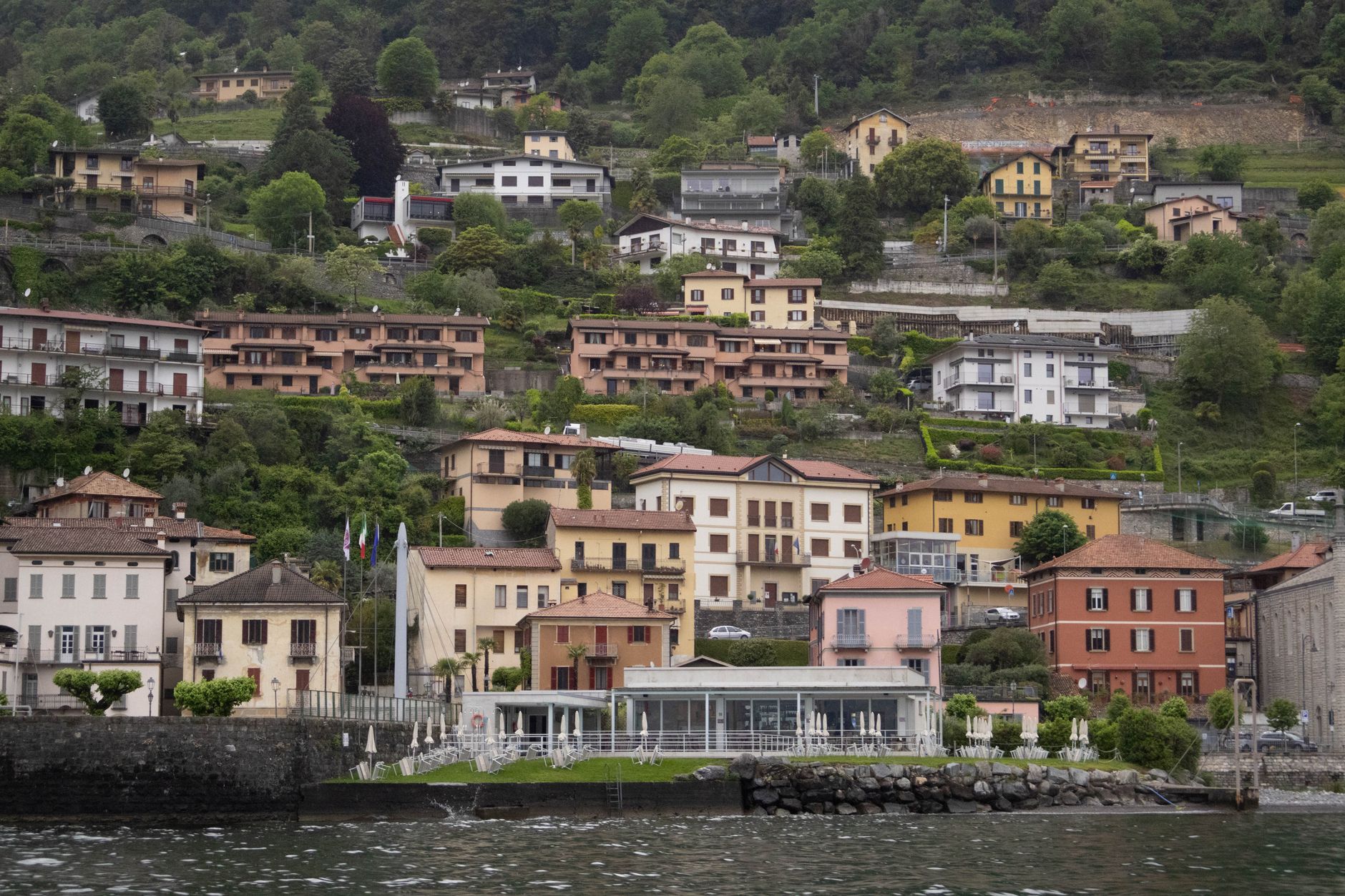
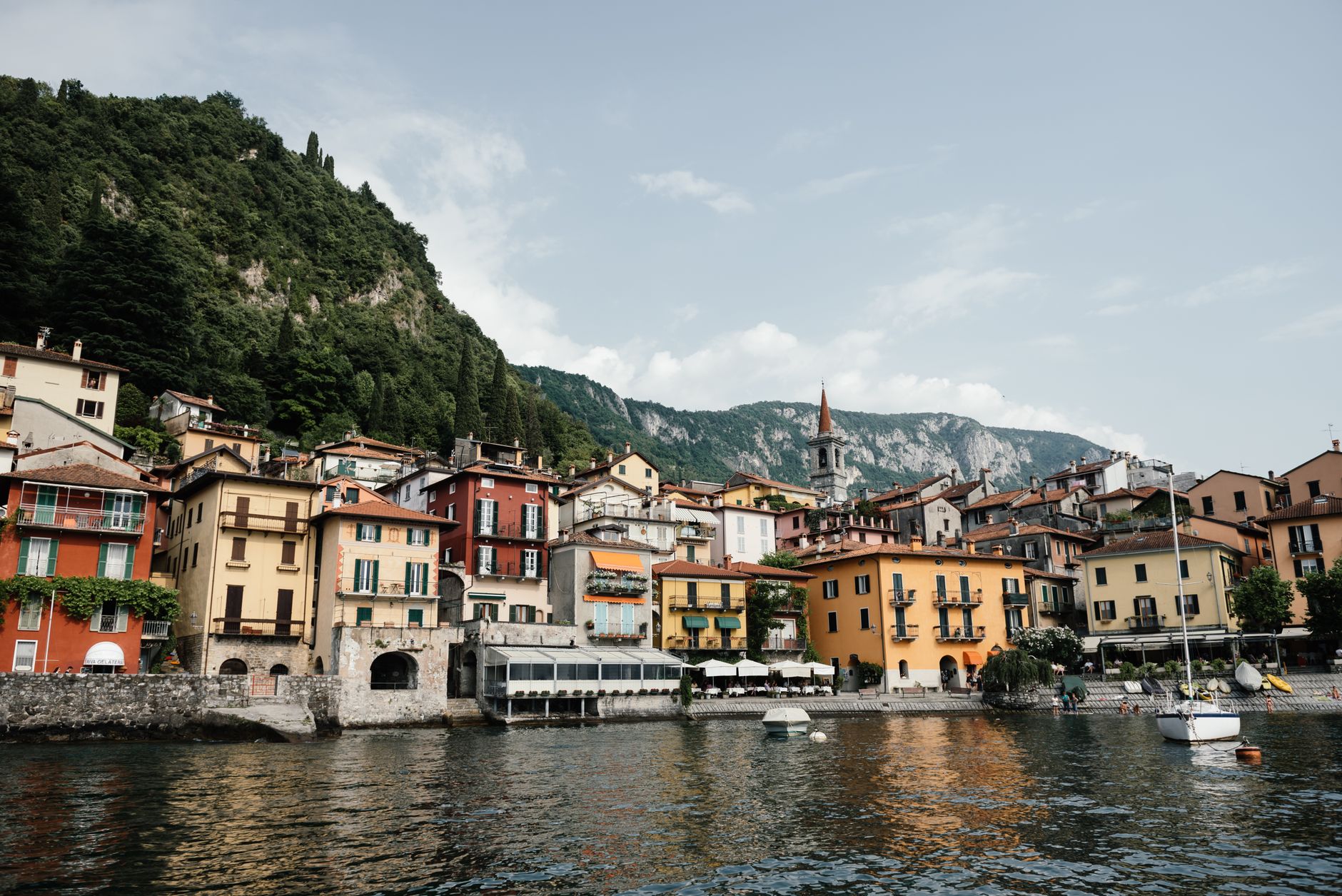
Popular cities in Lake Como (Lombardy)
💛 What travellers fall for
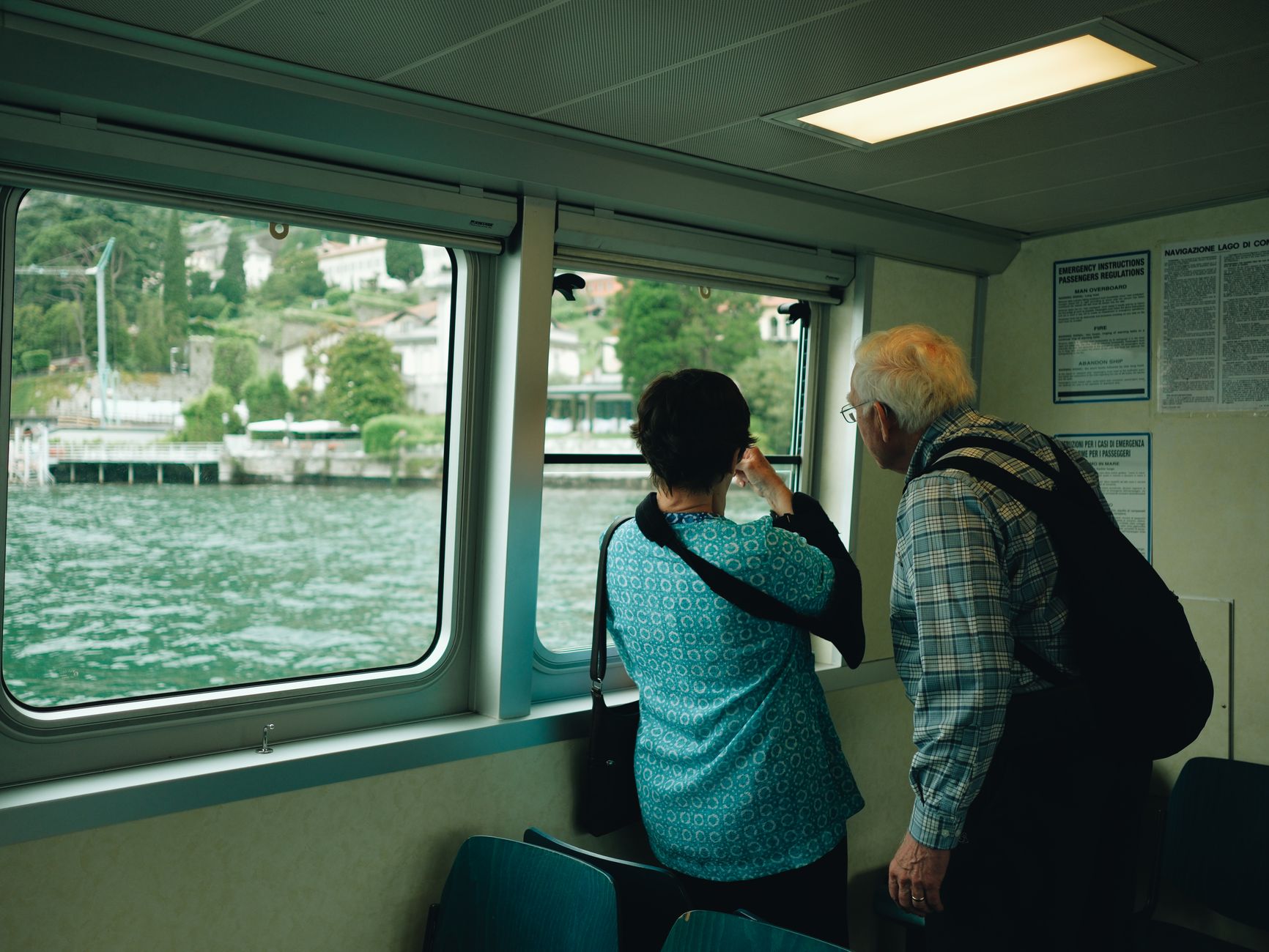
Return visitors tend to stop moving. They pick a single village — Varenna, Lenno, Argegno — and stay put, taking the ferry rather than driving. The ferry timetable becomes a kind of clock. Most will tell you the western shore in the late afternoon, with the light coming off the water from behind you, is worth planning an entire day around.
Experiences you don't want to miss




How Lake Como (Lombardy) came to be
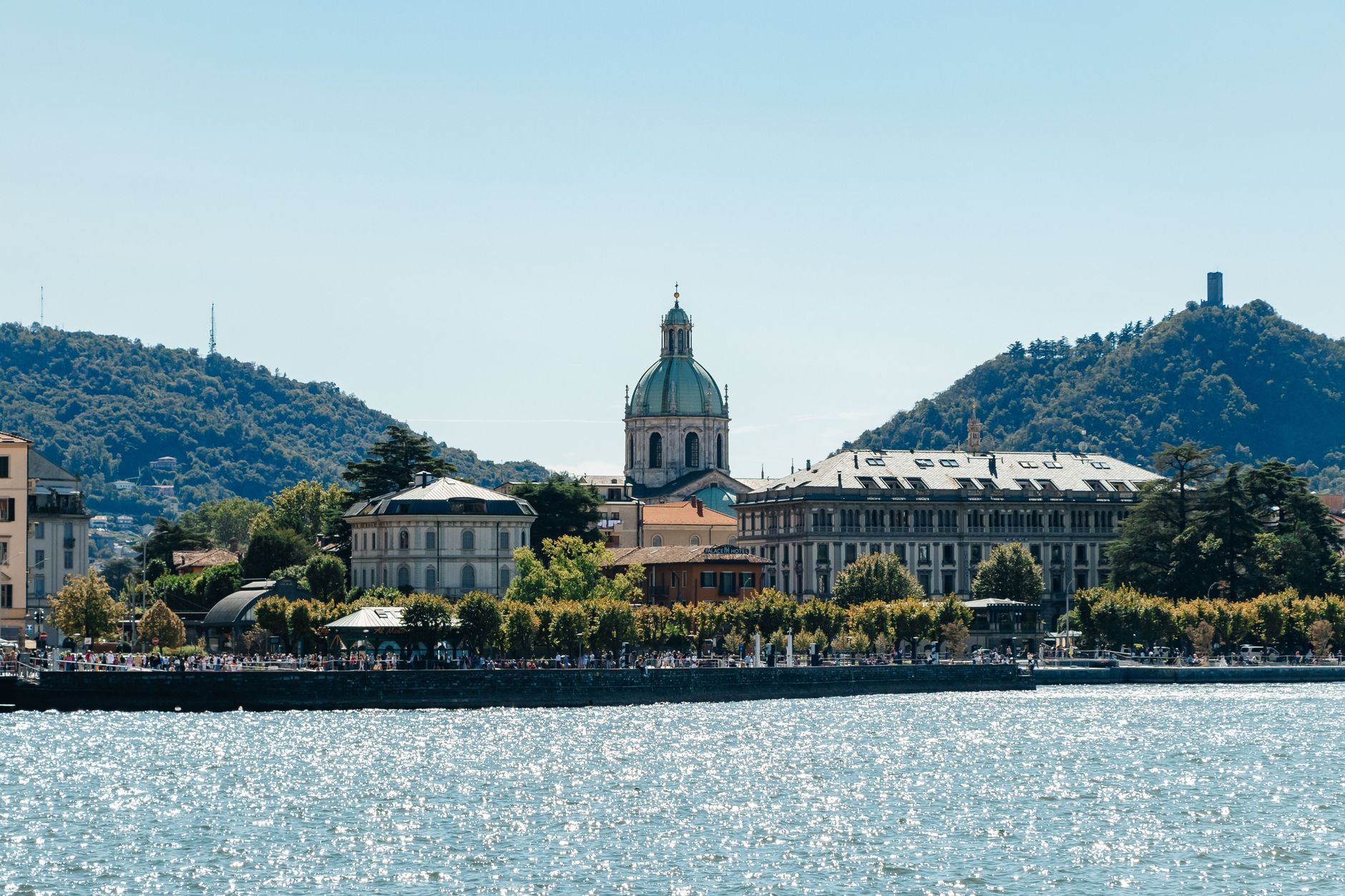
The Romans occupied the territory around 196 BCE, and Julius Caesar formally refounded the city as Novum Comum in 59 BC, sending 5,000 settlers to consolidate Rome's hold on the region. Two of the ancient world's most observant writers — Pliny the Elder, born here, and his nephew Pliny the Younger — both left records of the lake, the younger building two villas on its shores he called La Commedia and La Tragedia.
The medieval city was largely destroyed during a decade-long war with Milan between 1118 and 1127. Recovery came slowly, but by the late 18th century the silk industry had brought real prosperity, and Milanese families began building the lakeside villas that still define the shoreline. In 1859, after Garibaldi's victory at the Battle of San Fermo, the region passed into the forming Kingdom of Italy. A quieter revolution followed in the 1920s and 1930s, when architects including Giuseppe Terragni made Como an unlikely centre of Italian Rationalism — his Palazzo Terragni, completed in 1936, still draws architects from around the world.
Who and what shaped it
People who shaped it
Landmark buildings
See Lake Como (Lombardy) in motion
Plan your visit
On the map
When to go
Summers are warm and humid, with temperatures regularly reaching the low 30s Celsius; the surrounding mountains can bring sudden afternoon storms. Spring and autumn are mild and often clear, with the terraced gardens at their most photogenic; winters are cool and quiet, with snow on the peaks above the lake from around November.
Right now
↡ Cities
No places match these filters.
Background & history adapted from Wikipedia (CC BY-SA) · specs from Wikidata (CC0) · weather from Open-Meteo · map data © OpenStreetMap contributors · photos from Wikimedia Commons / Unsplash with per-image credit. No third-party reviews or social posts reproduced.