
Menaggio
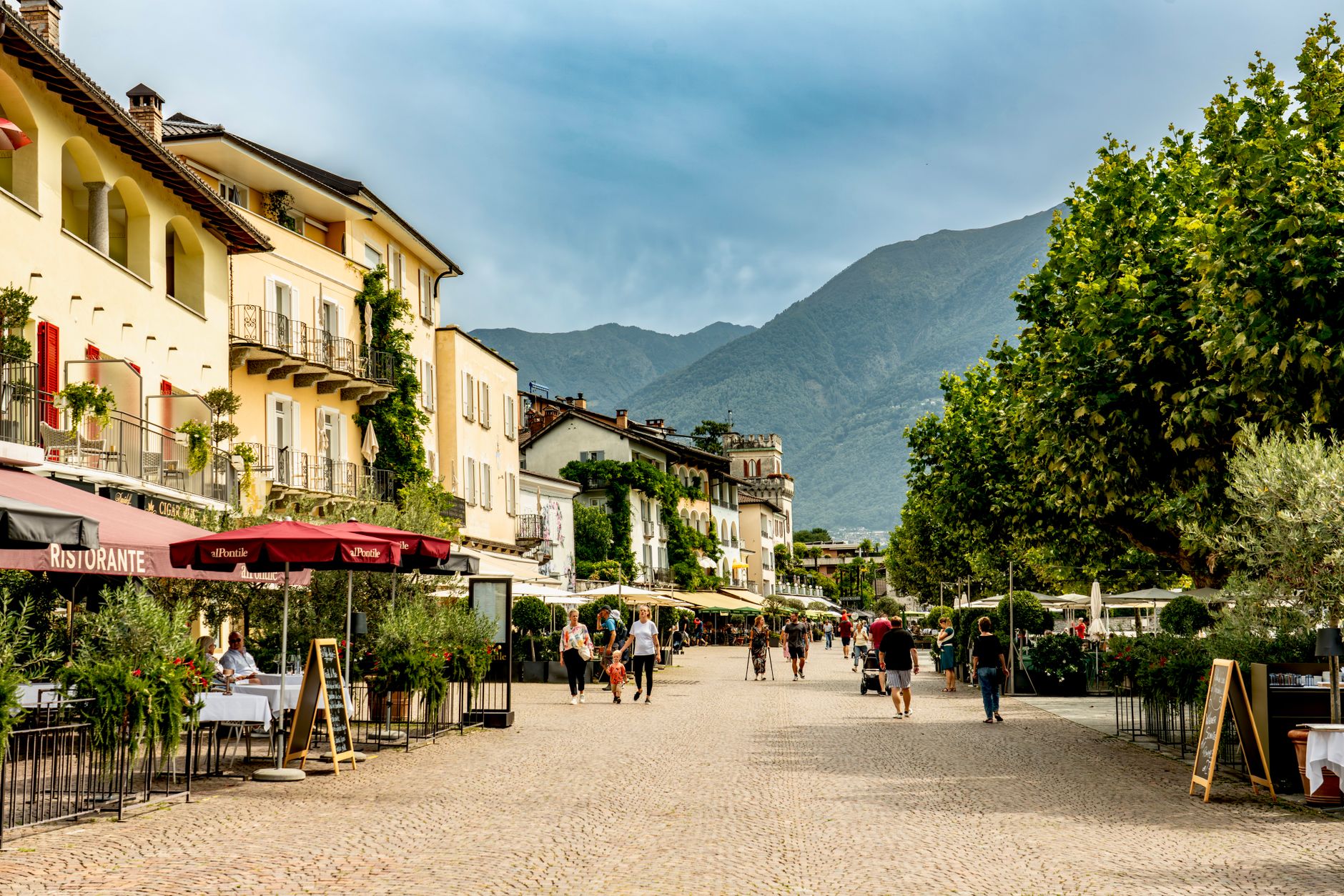
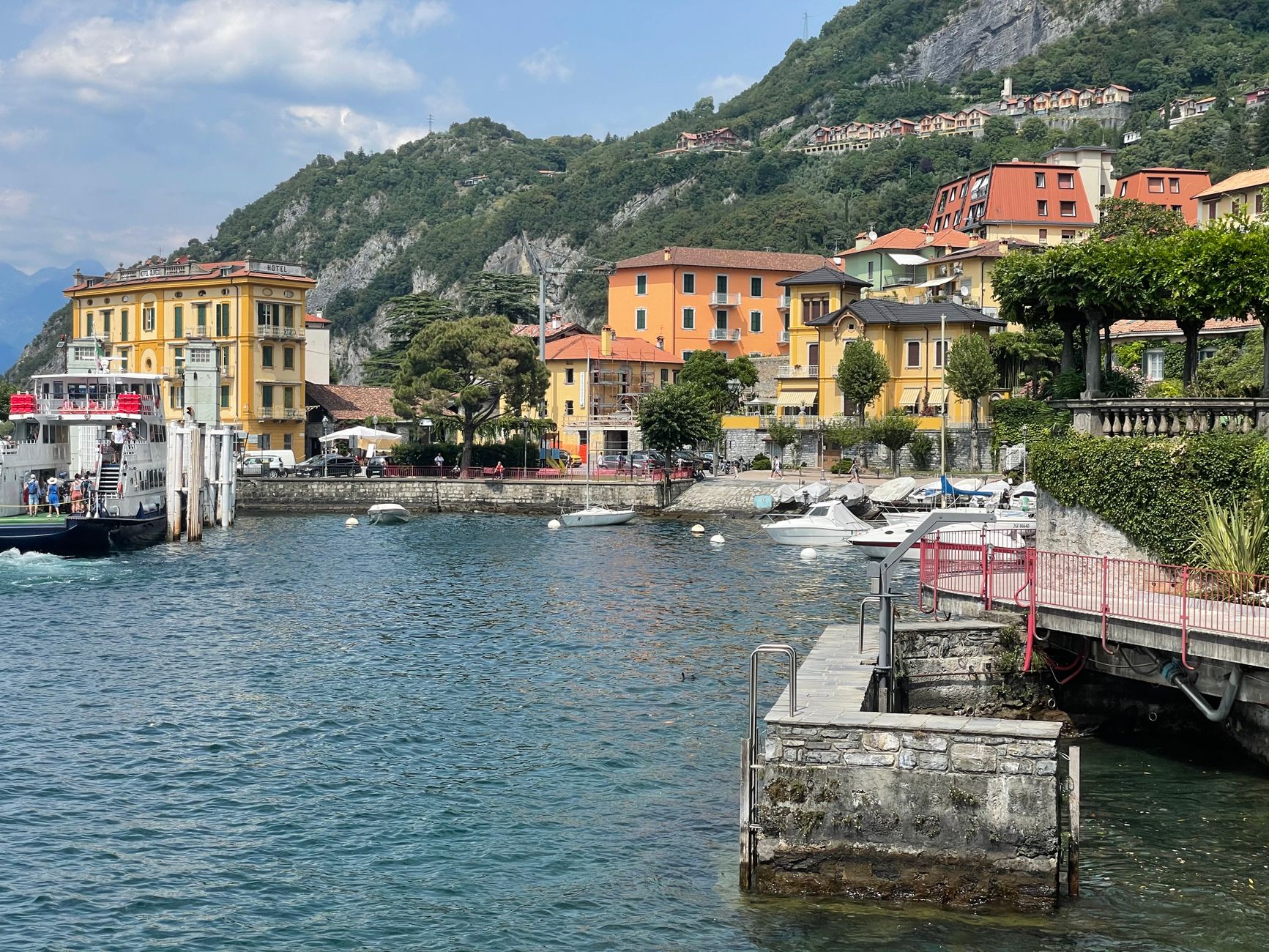
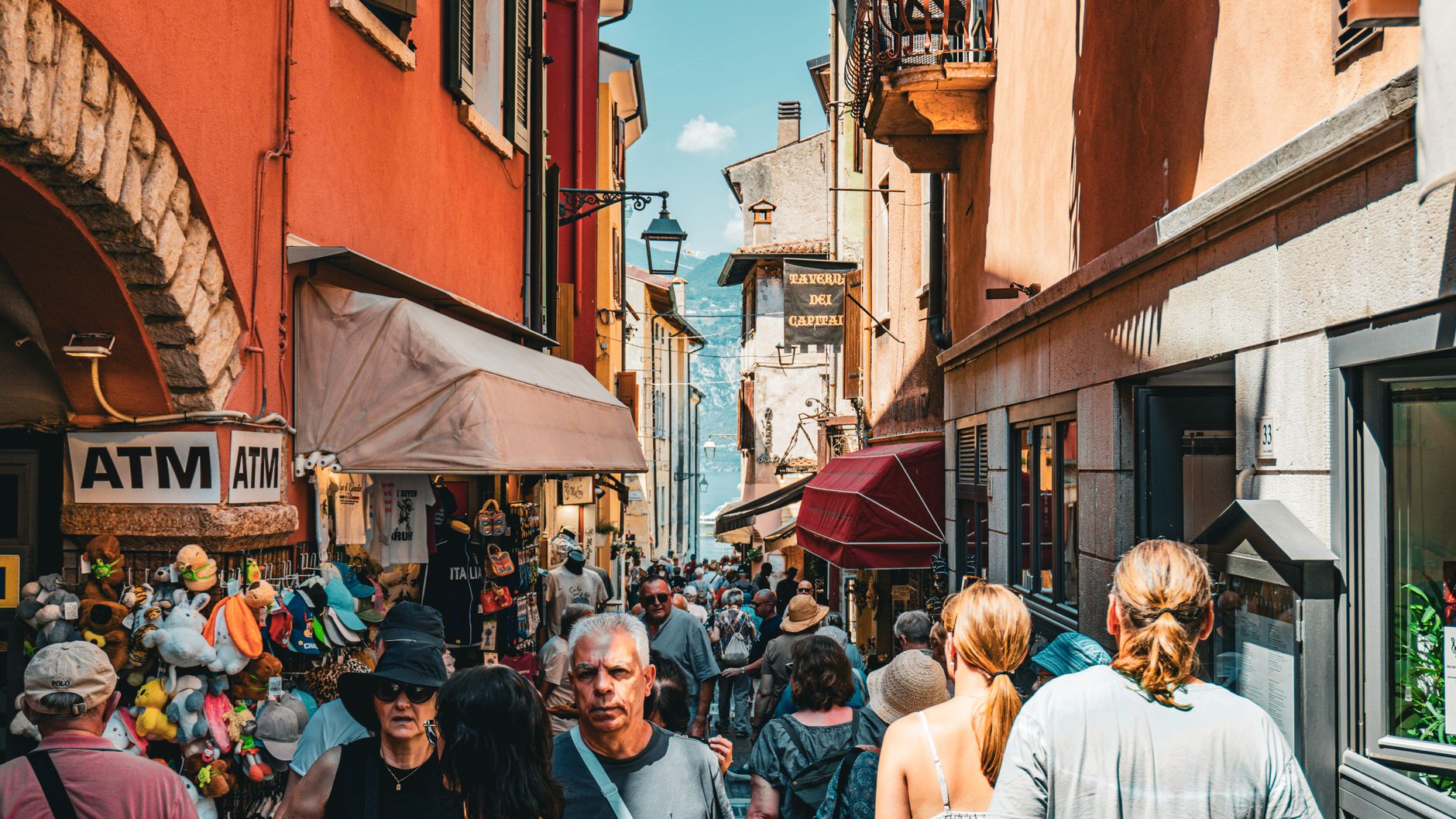
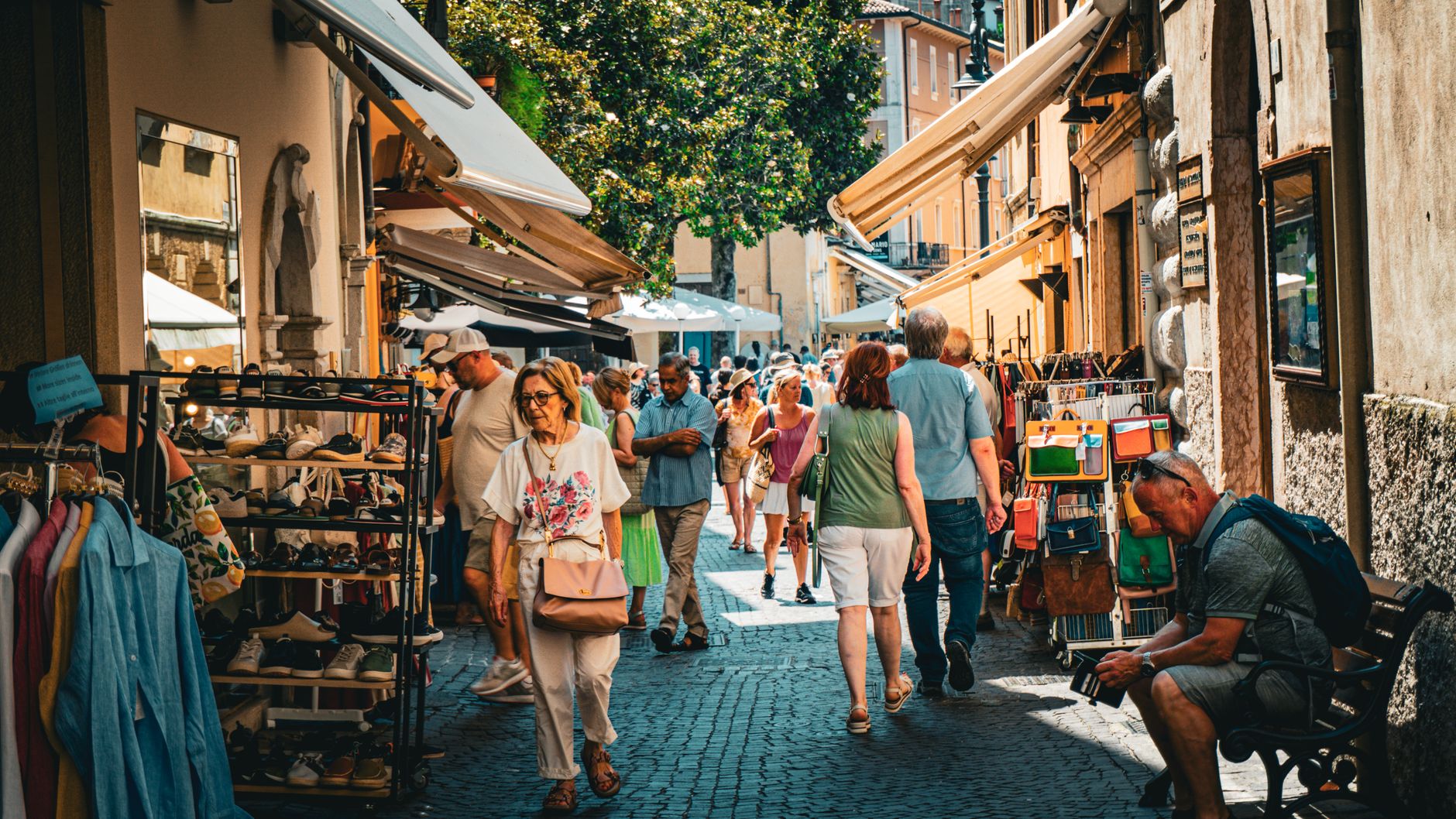
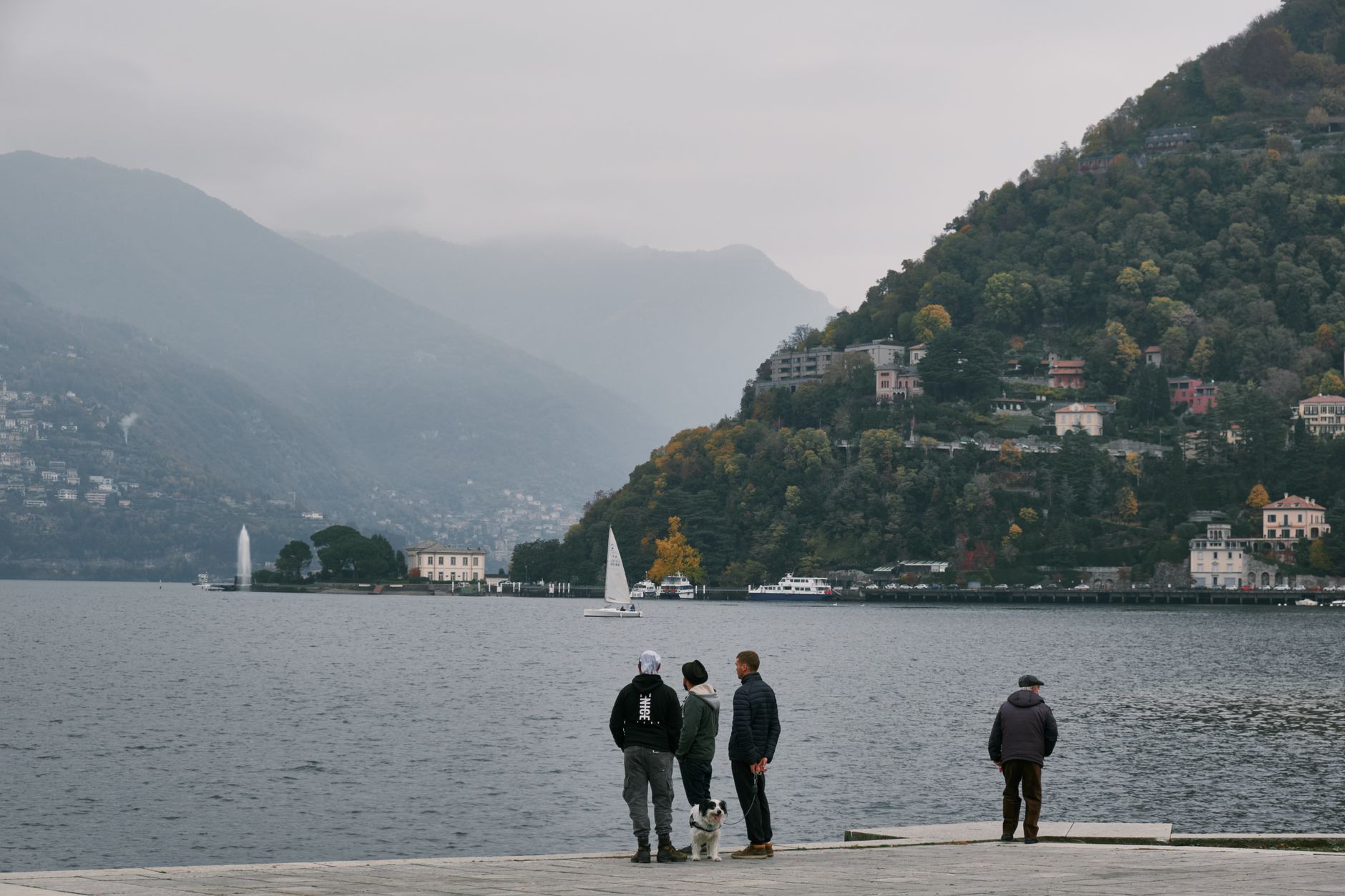
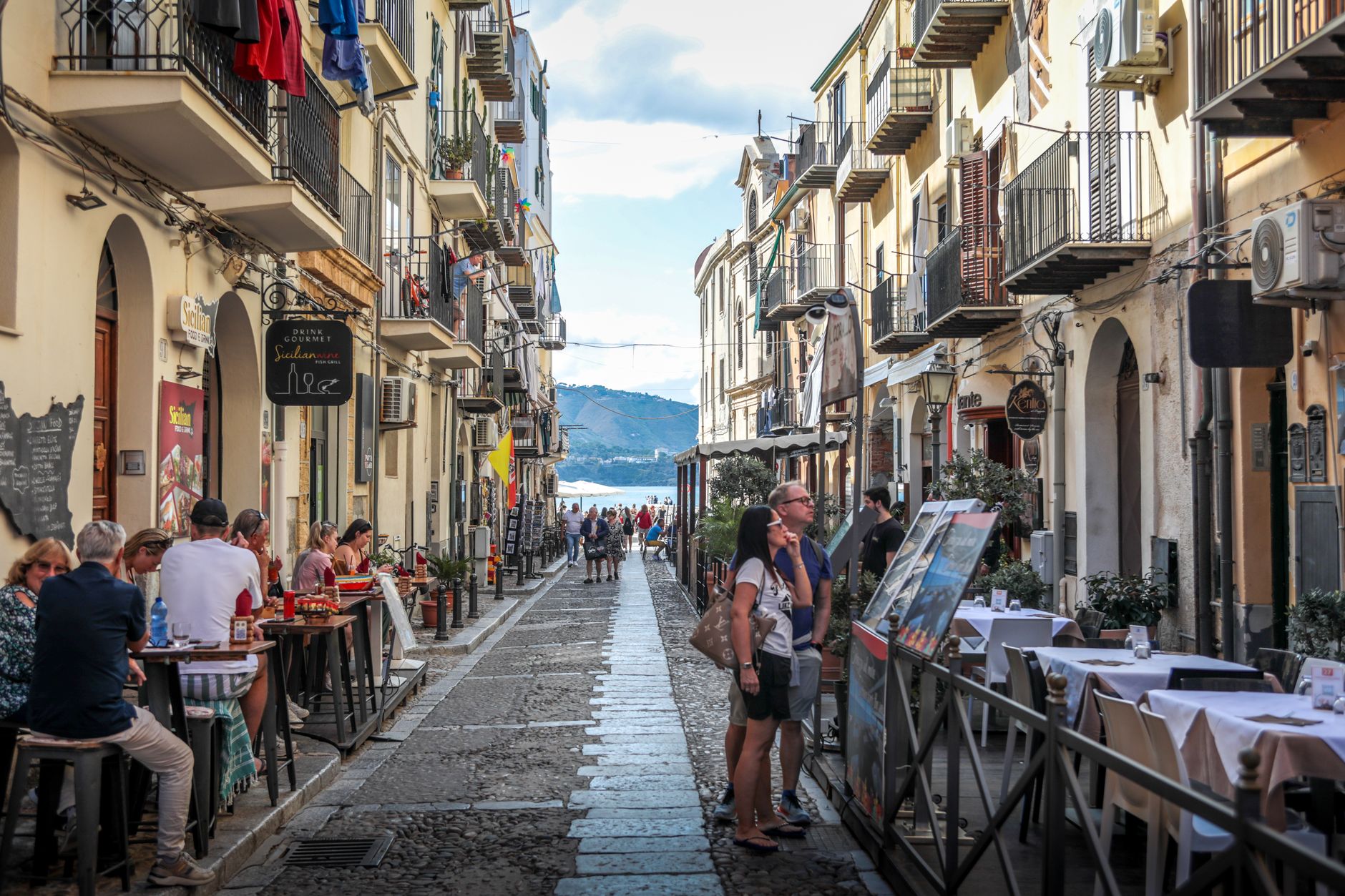
Menaggio sits at the widest point of Lake Como's western shore, where the lake bends and you can see across to Varenna and the mountains beyond in a single glance. The ferry dock is a few minutes' walk below the promenade, and the car ferries that run the Varenna–Bellagio–Menaggio triangle load and leave from the same modest pier — which tells you something about how unhurried the place is.
This is a town with actual streets behind its waterfront, a 1934 Lido that still draws summer swimmers to its pool and beach, and a bronze monument to a silk weaver commissioned by one of the oldest silk factories on the Sanagra river. History here is specific and a little unexpected.
💛 What travellers fall for
People who return tend to mention the same things: arriving by ferry from Varenna rather than by road, buying bus tickets in advance at the newsagent on Via Calvi, and making the short climb to the hamlet of Castello to find the Church of San Carlo — built between 1612 and 1614 as a private tomb — almost entirely to themselves.
Experiences you don't want to miss


Deals in Menaggio
Book directly at the providerHow Menaggio came to be
The Romans took this stretch of shore in 196 BC and built the Via Regina through it. A castle followed in the 10th century, its perimeter walls and tower ruins still visible above the town. In 1523 the Grigioni, having already pushed south through Valtellina, burned Menaggio and destroyed the castle. What replaced it was, in part, a church: the Church of San Carlo, raised between 1612 and 1614 by Cinzio Calvi on the castle's ruins, intended as his own tomb.
For 66 years — 1873 to 1939 — a narrow-gauge steam railway connected Menaggio to Porlezza on Lake Lugano, part of a cross-country route linking the two lakes. In April 1945, Benito Mussolini passed through Menaggio attempting to reach the Swiss border, 27 kilometres away. He was captured by partisans at Dongo, a few kilometres up the shore.
Who and what shaped it
People who shaped it
Landmark buildings
See Menaggio in motion
Plan your visit
On the map
When to go
Summers are warm and reliably wet, with afternoon thunderstorms common from June through August. Winters are cold and often grey; the shoulder months of April, May, and September offer the clearest light and the most manageable crowds.
Right now
Background & history adapted from Wikipedia (CC BY-SA) · specs from Wikidata (CC0) · weather from Open-Meteo · map data © OpenStreetMap contributors · photos from Wikimedia Commons / Unsplash with per-image credit. No third-party reviews or social posts reproduced.