
Varenna
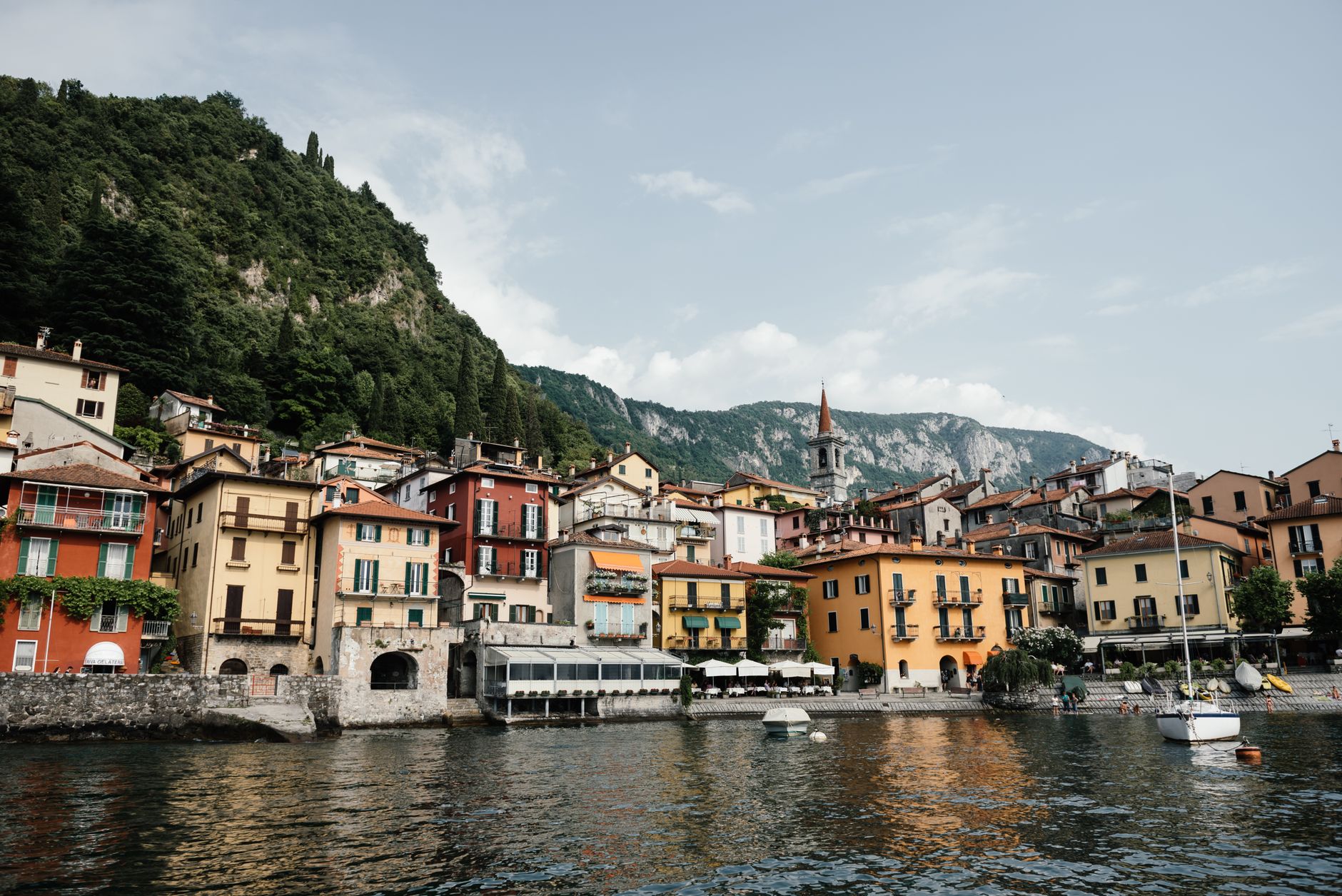
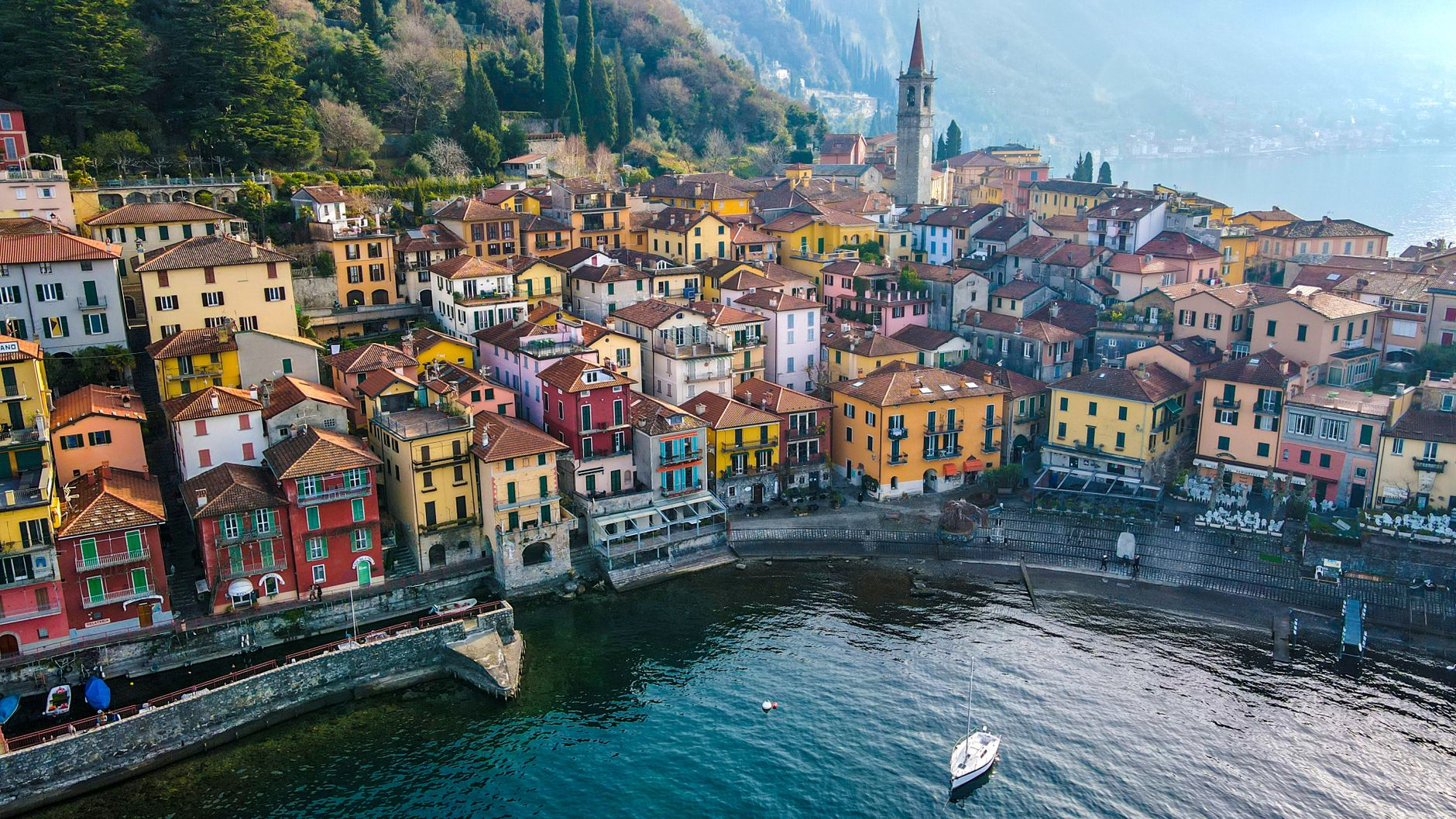
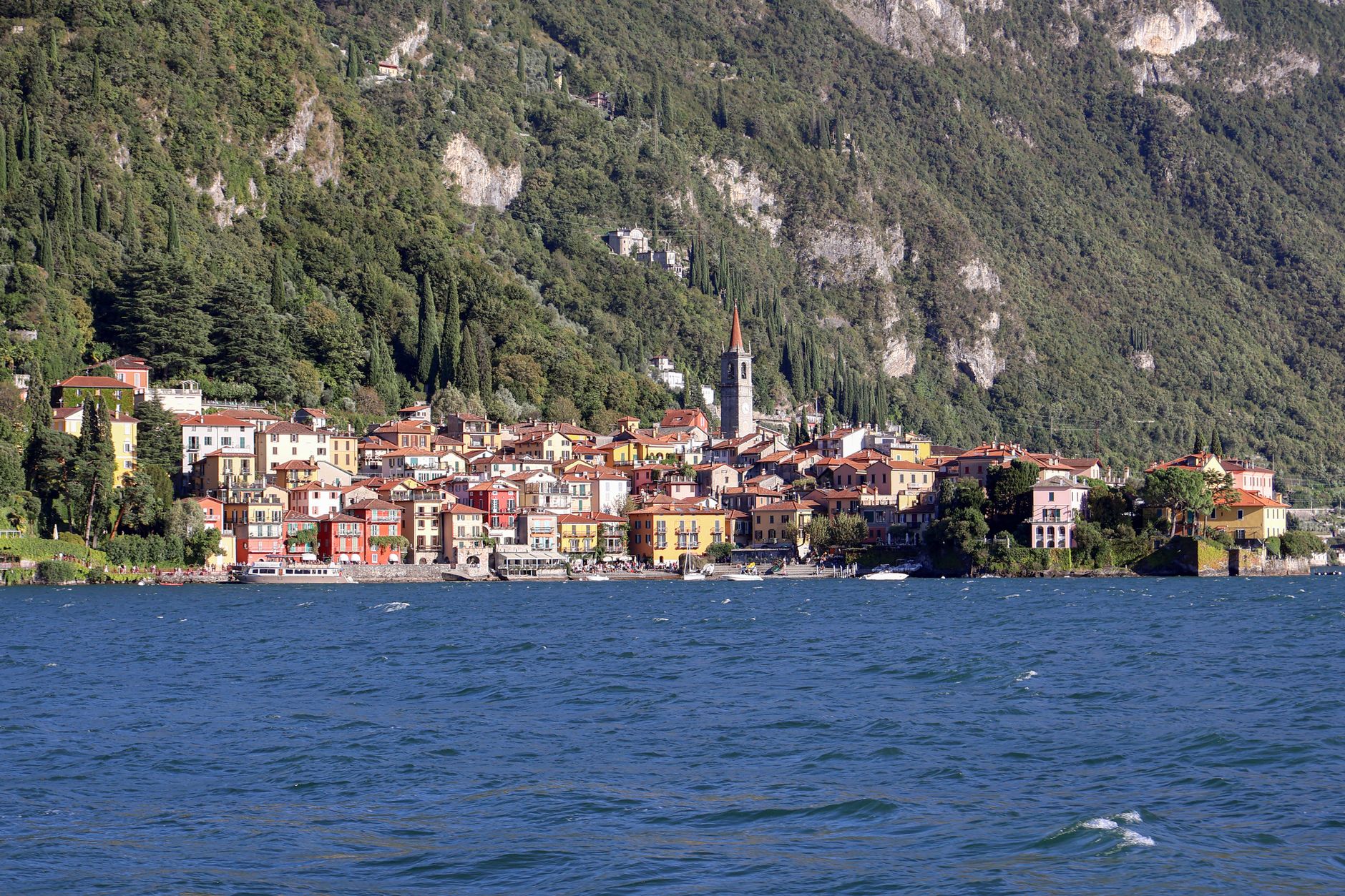
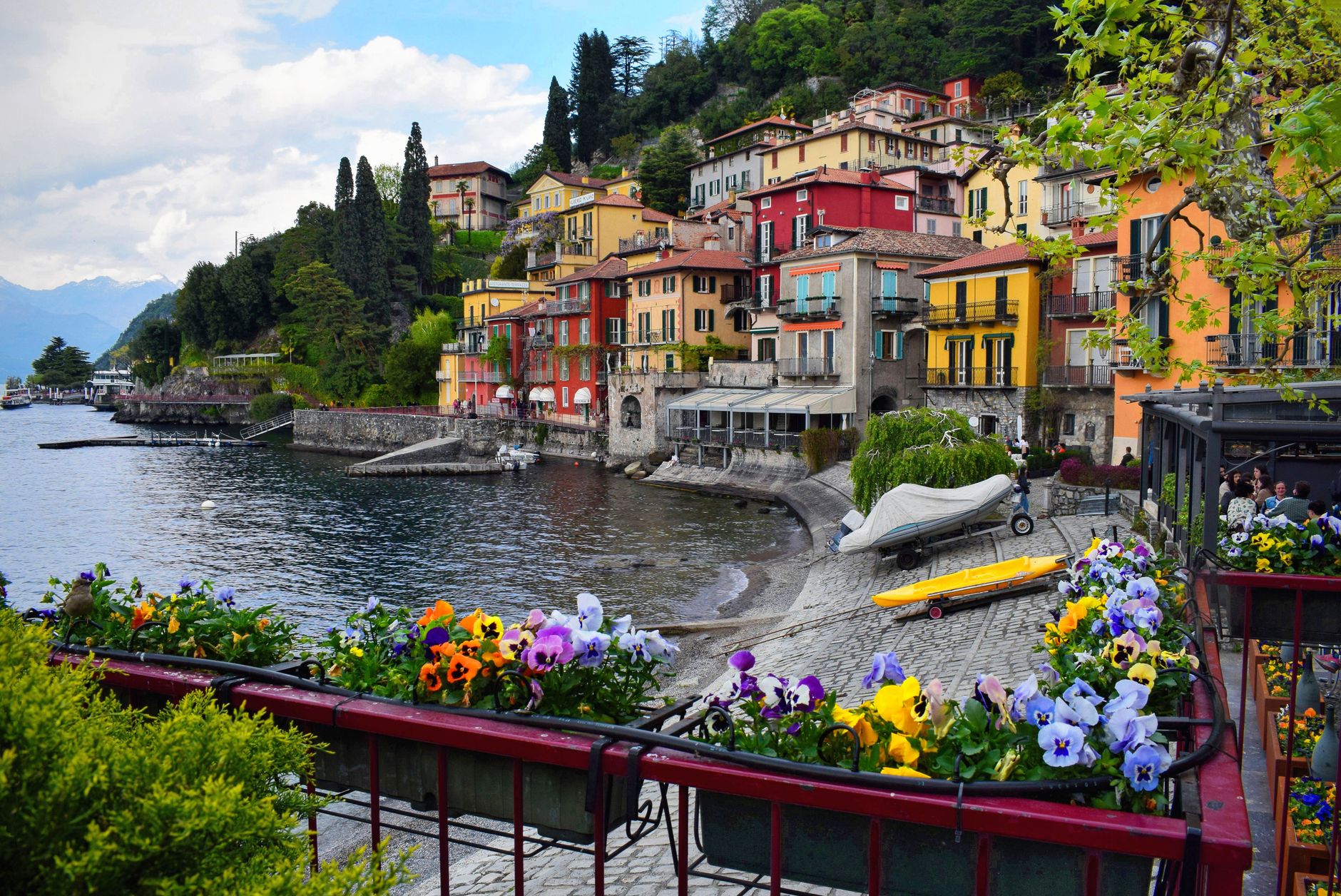
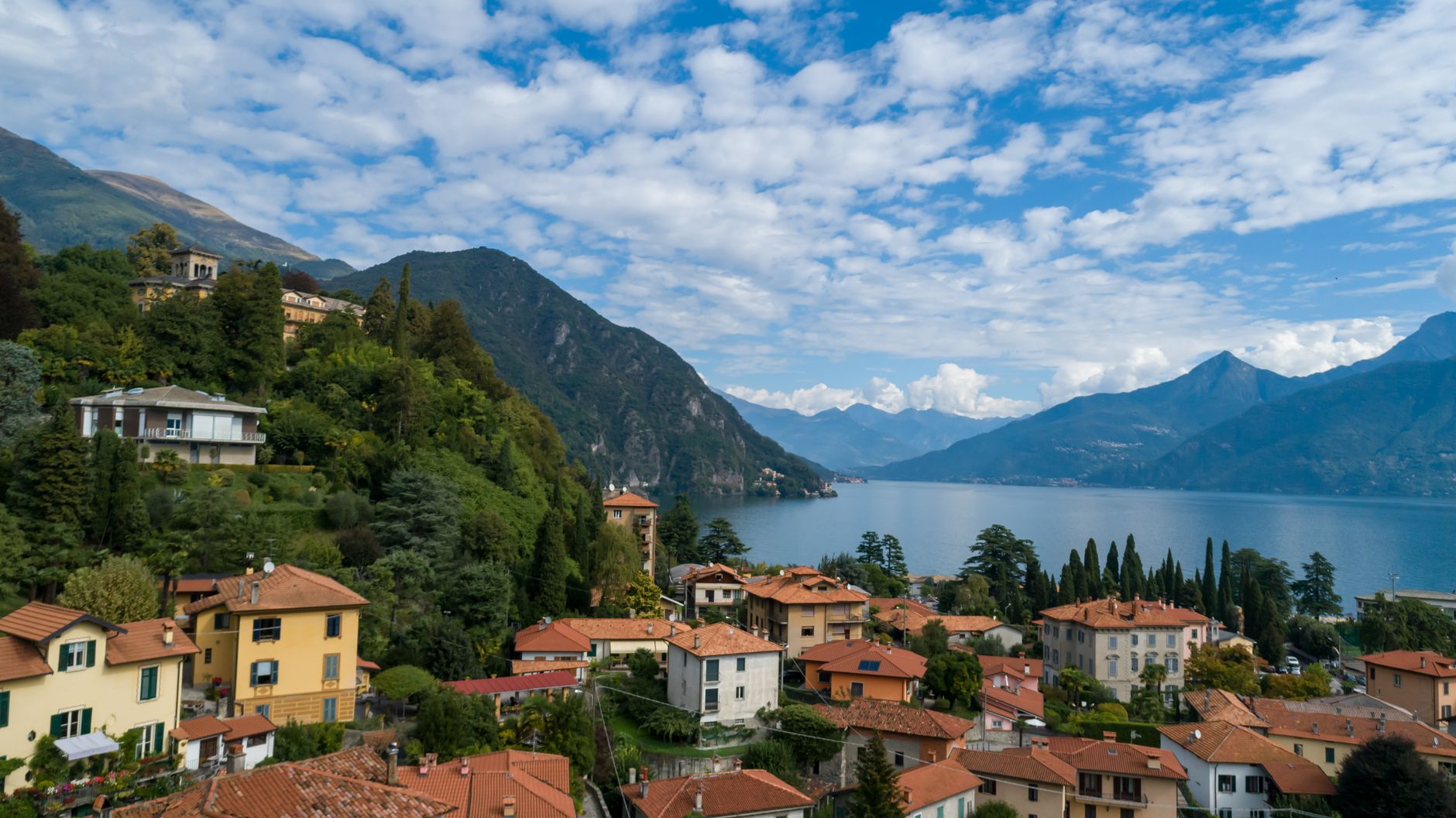
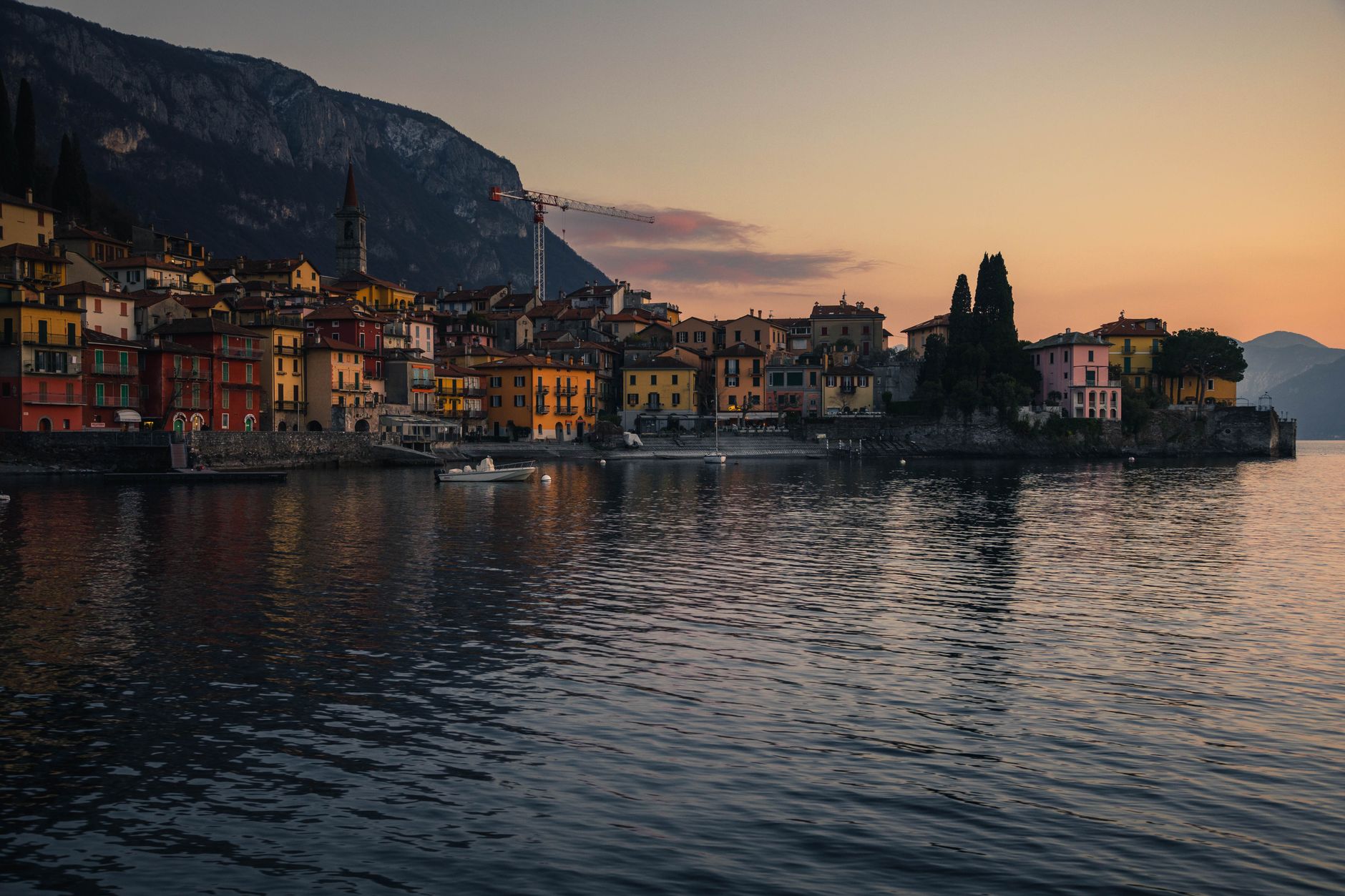
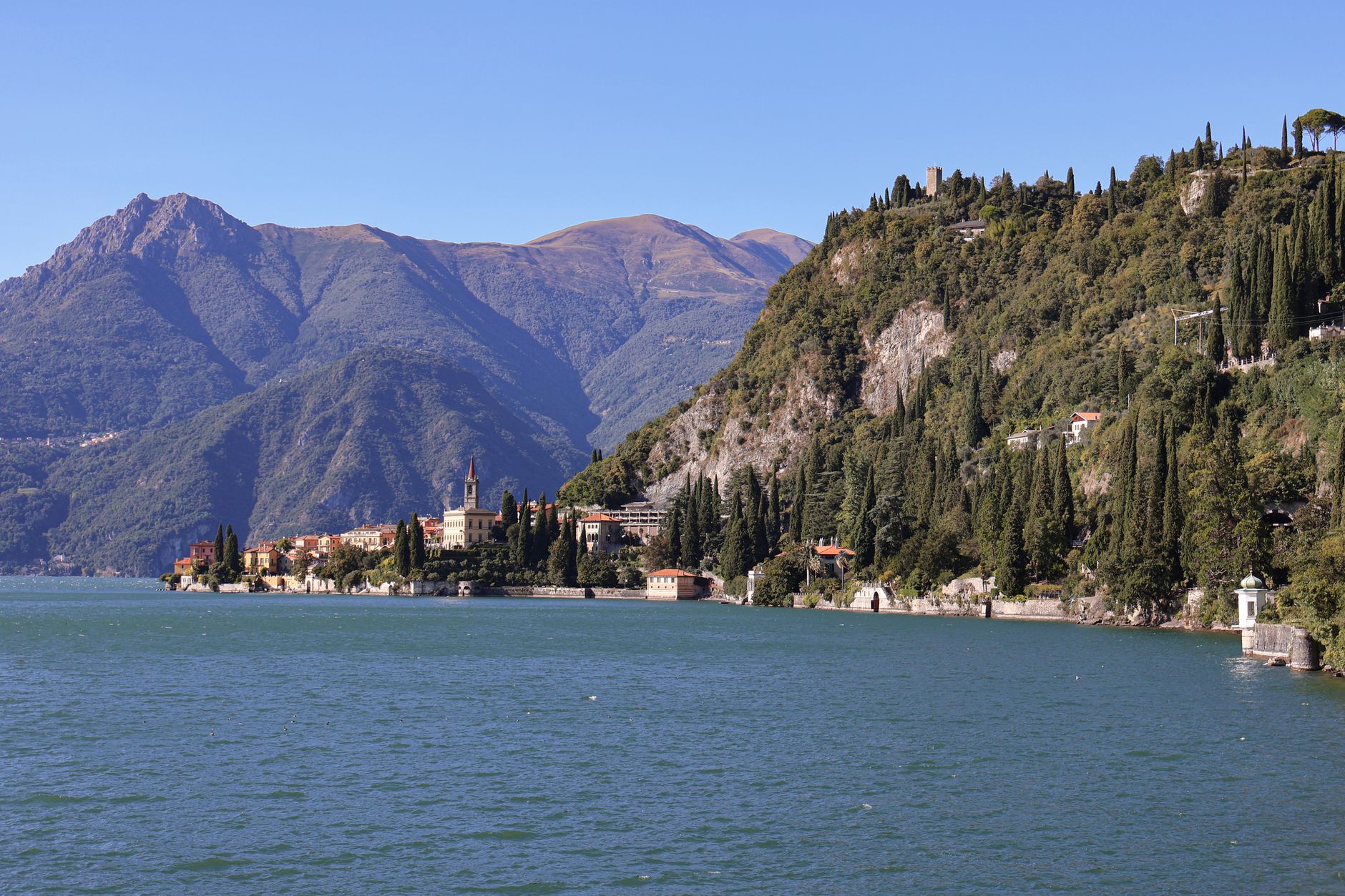
Varenna sits on the eastern shore of Lake Como where the mountains press close enough to leave almost no flat ground between the water and the rock. The result is a village that climbs — steep stone alleys, painted houses stacked above one another, laundry strung between windows that look straight out over the lake. You arrive by ferry or by train, and either way the transition from Milan is abrupt: an hour of commuter rail or fifteen minutes across the water from Bellagio, and suddenly the pace is completely different.
The village is small enough to walk end to end in twenty minutes, but it rewards slower movement. The lakeside path known as the Passeggiata degli Innamorati runs suspended just above the water, and the path up to Castello di Vezio above the village changes the scale entirely — from here the whole central lake opens out below you.
💛 What travellers fall for
People who come back tend to take the morning train from Milan before the day-trippers arrive, walk up to Castello di Vezio early while it's still quiet, then descend for lunch near Piazza San Giorgio. The Fiumelatte — Italy's shortest river, just 250 metres of milky-white water — is easy to miss if you don't seek it out before September, when it runs dry.
Experiences you don't want to miss




Deals in Varenna
Book directly at the provider
How Varenna came to be
Varenna's founding is recorded to AD 769, when fishermen settled the shore. The town allied itself with Milan, and Como — its rival across the water — destroyed it in 1126. After the destruction of nearby Isola Comacina in 1169, its refugees came here and established a quarter called Insula Nova, leaving a visible layer of that history in the village's layout.
By the late thirteenth century the Visconti of Milan had taken control. In 1480 it passed as a fief to Pietro II Dal Verme, and after his death in 1485 to Chiara Sforza. The Sforza held it until 1530; their heirs sold to the Sfondrati family in 1533, who kept the Riviera as part of their fief until 1788. Above the village, Castello di Vezio is said to have been home in its final years to Theodolinda, the seventh-century Queen of Lombardy.
Who and what shaped it
People who shaped it
Landmark buildings
See Varenna in motion
Plan your visit
On the map
When to go
May through September offers the most reliable weather, with July averaging around 24°C and nearly ten hours of daily sun. Spring and early autumn are mild and noticeably quieter. Winter is grey and slow, with January averaging under two hours of sunshine a day and many gardens and attractions closed or on reduced hours.
Right now
Background & history adapted from Wikipedia (CC BY-SA) · specs from Wikidata (CC0) · weather from Open-Meteo · map data © OpenStreetMap contributors · photos from Wikimedia Commons / Unsplash with per-image credit. No third-party reviews or social posts reproduced.