
Dongo
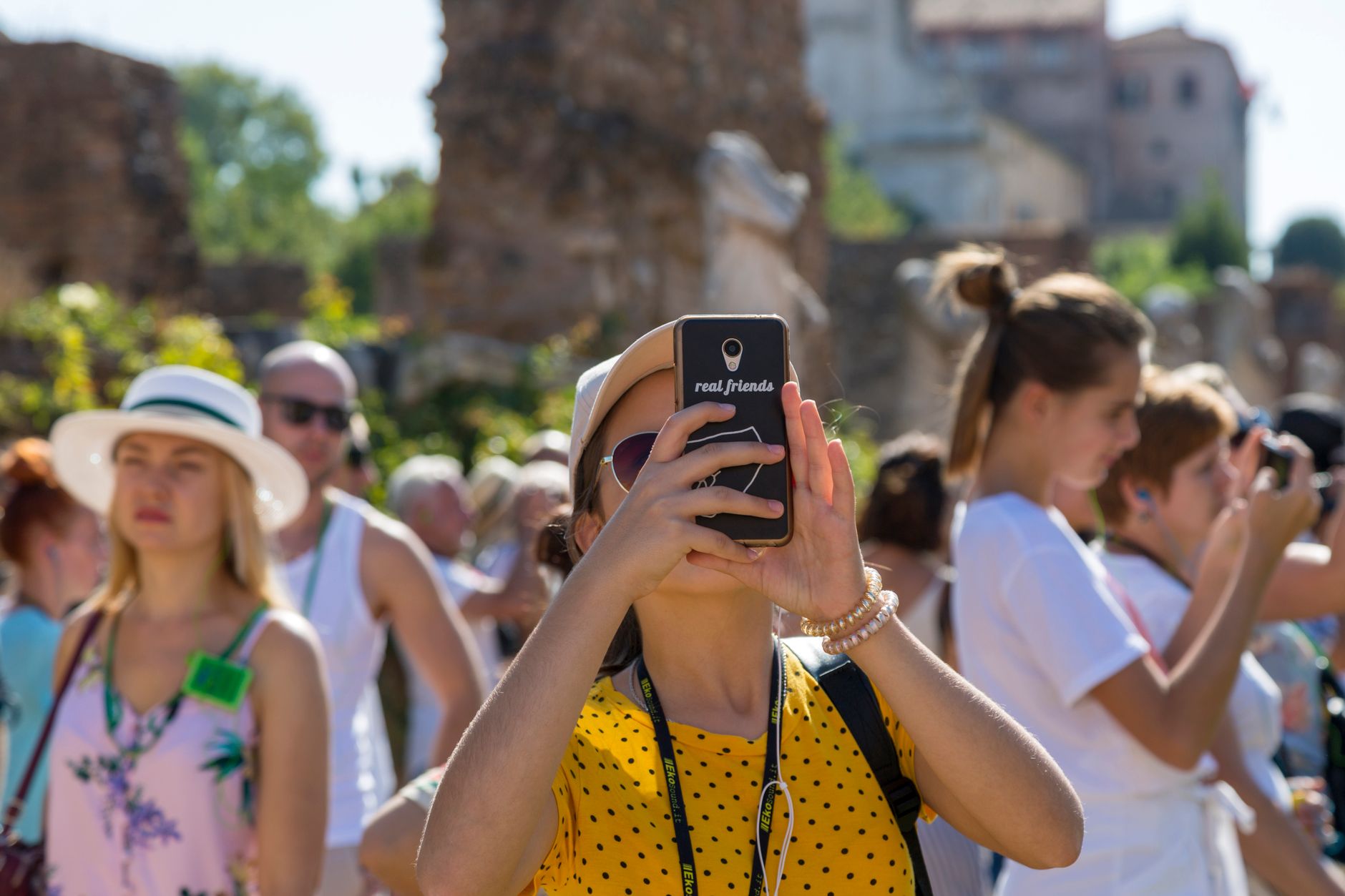
Piazza Paracchini opens flat onto the northern lake, the water close enough that you can hear it against the stone. Dongo is a working town on the upper western shore, quieter than the resort villages to the south, with a shoreline promenade, a marina, and a history that runs from Roman iron-working to one of the defining moments of the Second World War — the capture of Benito Mussolini by partisans here on 27 April 1945.
That event gives Dongo an unusual gravity for a town this size. The buildings hold it: Palazzo Manzi, now the Town Hall, houses a museum dedicated entirely to the end of the war. A 12th-century Romanesque church stands in the oldest quarter. A sanctuary was built because a statue wept. There is more here than a lakeside stroll, if you look for it.
💛 What travellers fall for
People who come back tend to walk Via dell'Erbolo into the ancient nucleus of Barbignano, then follow the lake path toward Gravedona — about 50 minutes, mostly flat. The ferry to Como is a slow, unhurried crossing worth taking at least one way rather than the bus.
Experiences you don't want to miss



Deals in Dongo
Book directly at the provider


How Dongo came to be
Dongo's position near Passo San Jorio — a crossing between Lake Como and the Swiss Valle Mesolcina used since Roman times — gave it early strategic weight. In 1534 it joined Gravedona and Sorico to form one of the lake's most significant civil and religious districts. From the 15th century onward, iron deposits in the valley above the town drove its economy: furnaces were built, ore was worked, and in 1791 Pietro Rubini founded a steelworks. The mines were exhausted by the end of the 19th century, but the Falck family revived industrial production in the 20th.
The event that fixed Dongo in Italian memory came on 27 April 1945, when partisan Urbano Lazzaro and his comrades stopped a convoy on the lakeside road and found Mussolini among the passengers. The Museo della Fine della Guerra, housed inside the 1824 Palazzo Manzi — designed by Pietro Gilardoni, a pupil of the architect Pollack — traces that moment and the broader partisan movement from September 1943 through the final days of the war.
Who and what shaped it
People who shaped it
Landmark buildings
See Dongo in motion
Plan your visit
On the map
When to go
Dongo sits at around 200 metres above sea level, and the pre-Alpine slopes behind it bring slightly cooler temperatures and more rain than the southern lake towns. Summer is warm and humid; spring and September offer milder days and fewer visitors.
Right now
Background & history adapted from Wikipedia (CC BY-SA) · specs from Wikidata (CC0) · weather from Open-Meteo · map data © OpenStreetMap contributors · photos from Wikimedia Commons / Unsplash with per-image credit. No third-party reviews or social posts reproduced.