
Cernobbio
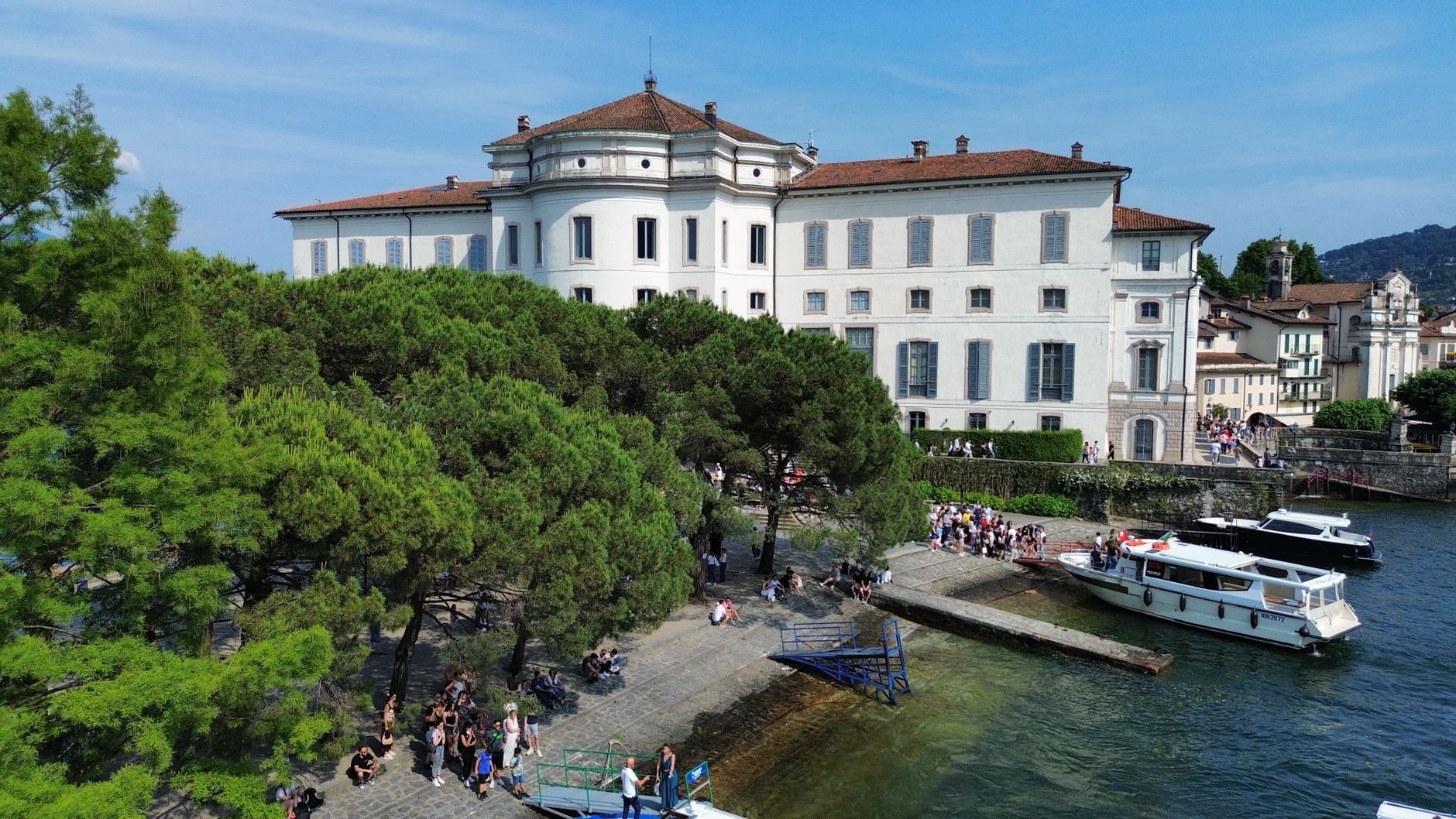
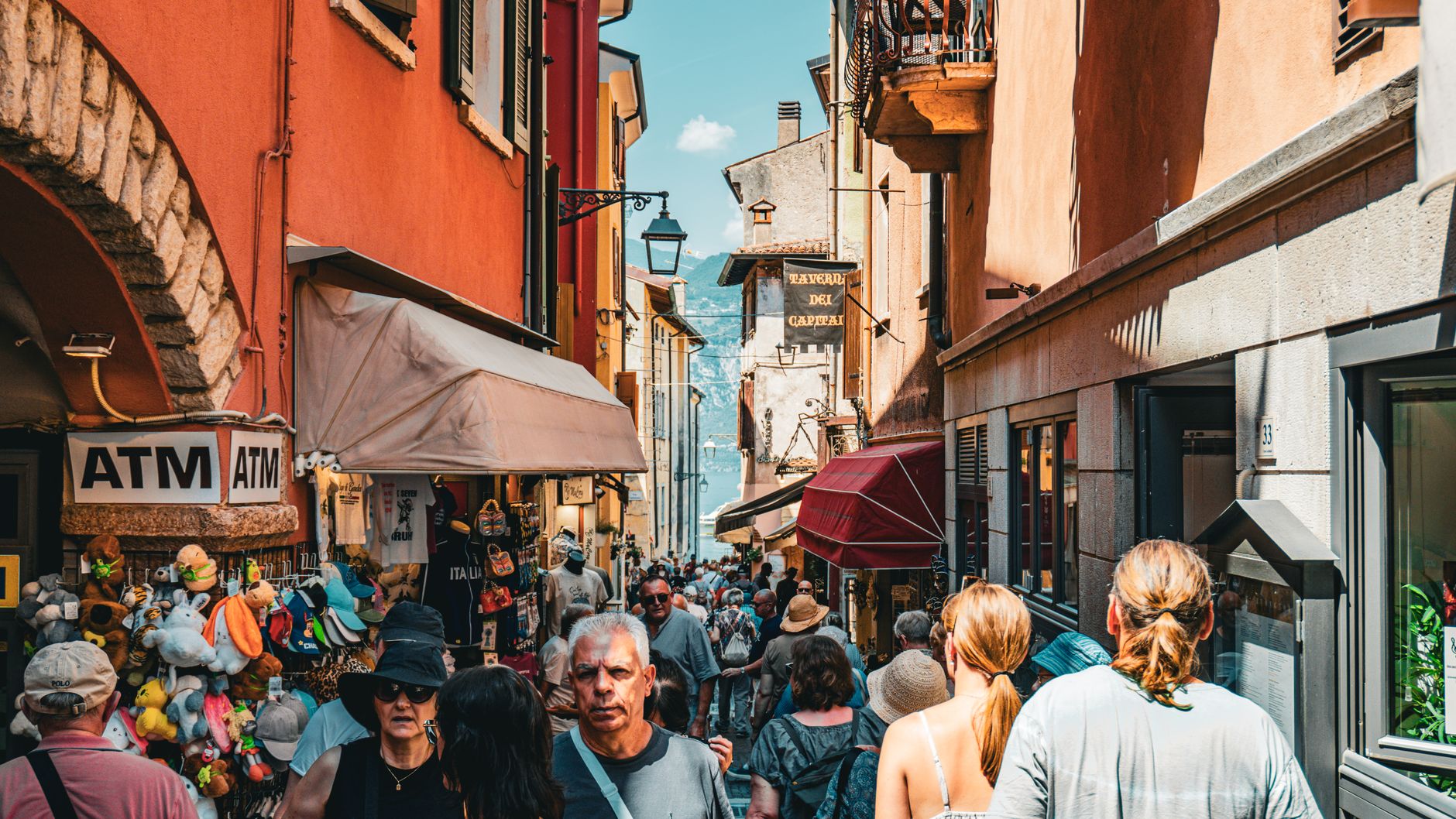
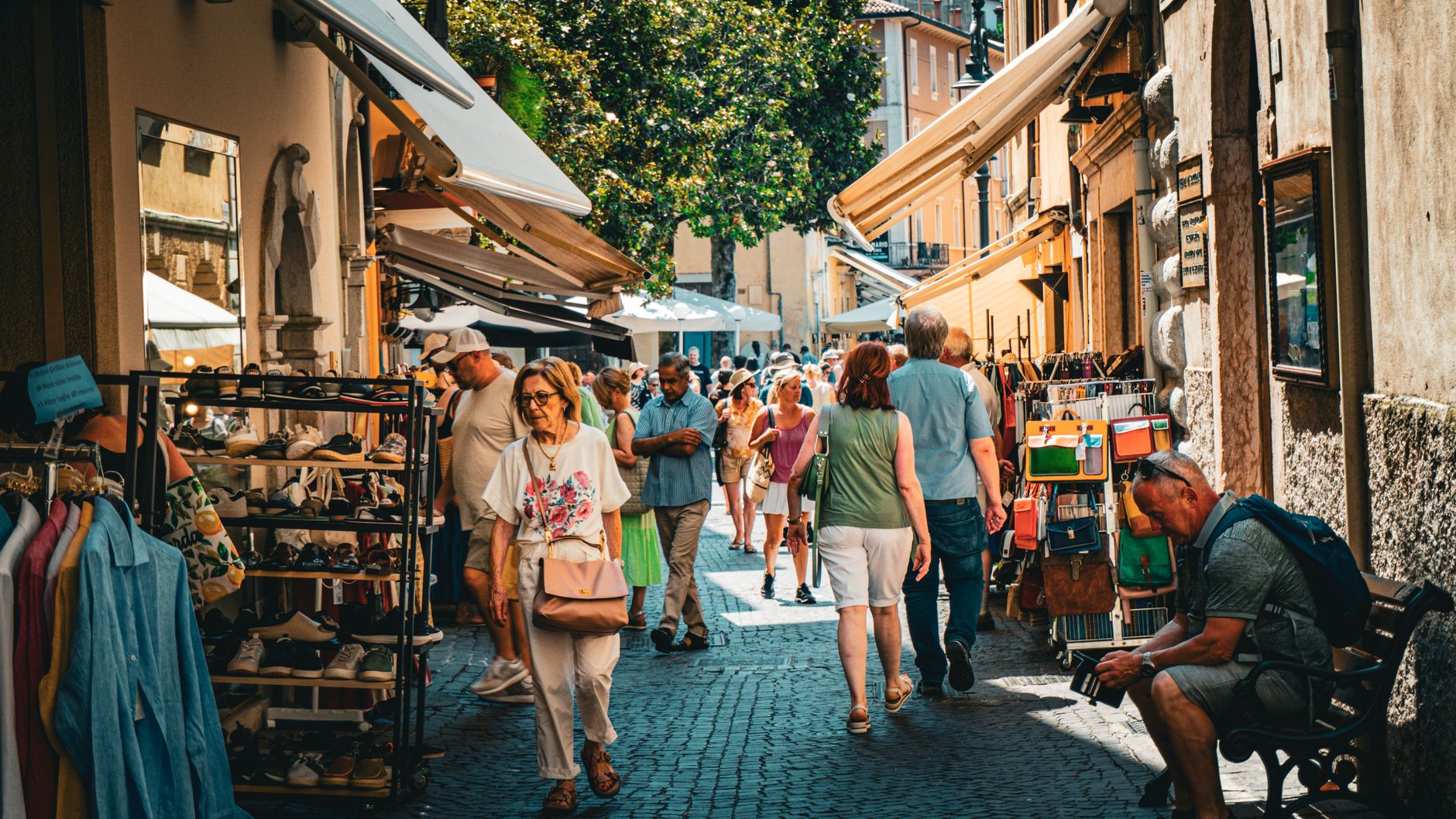
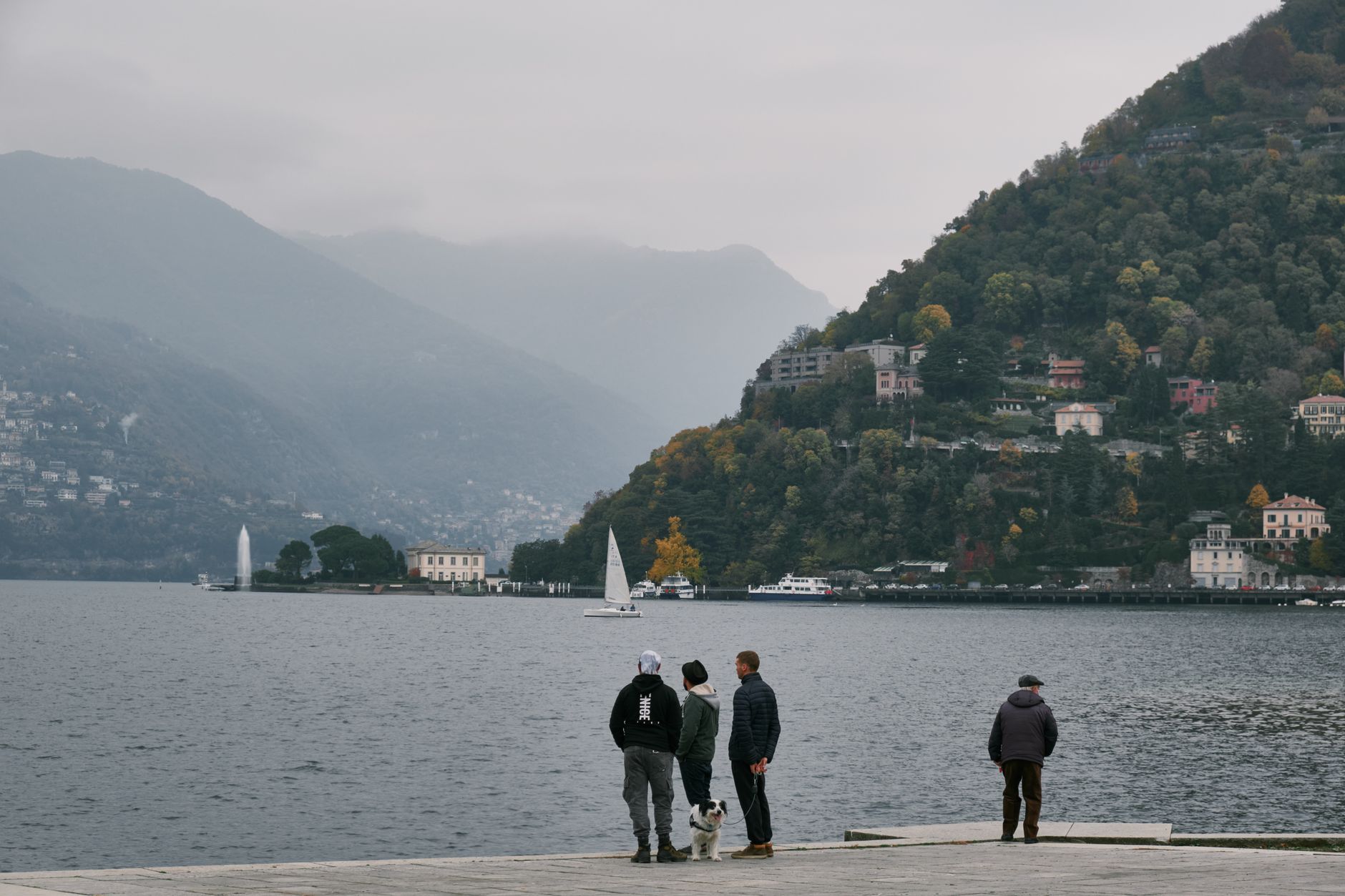
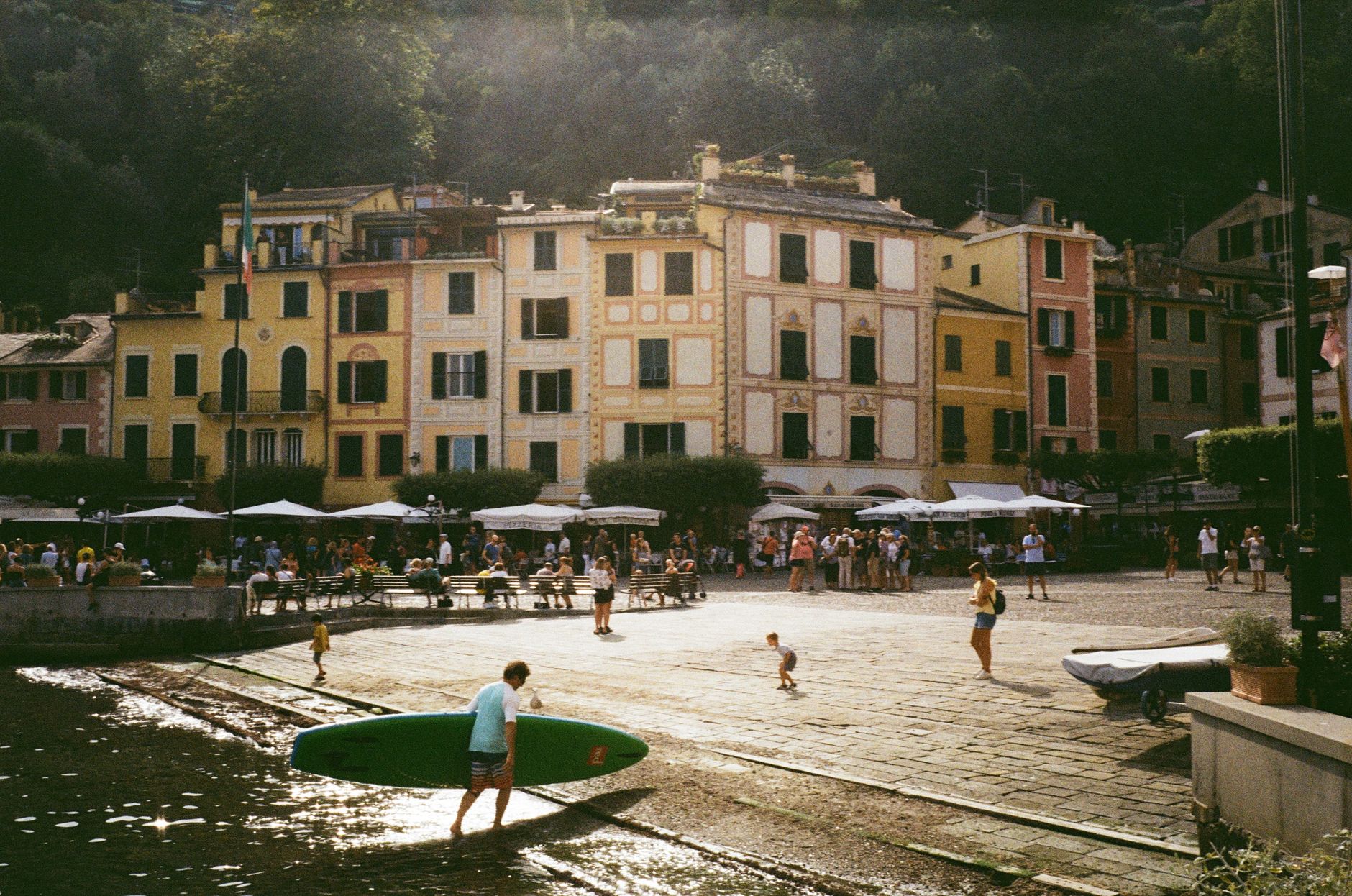
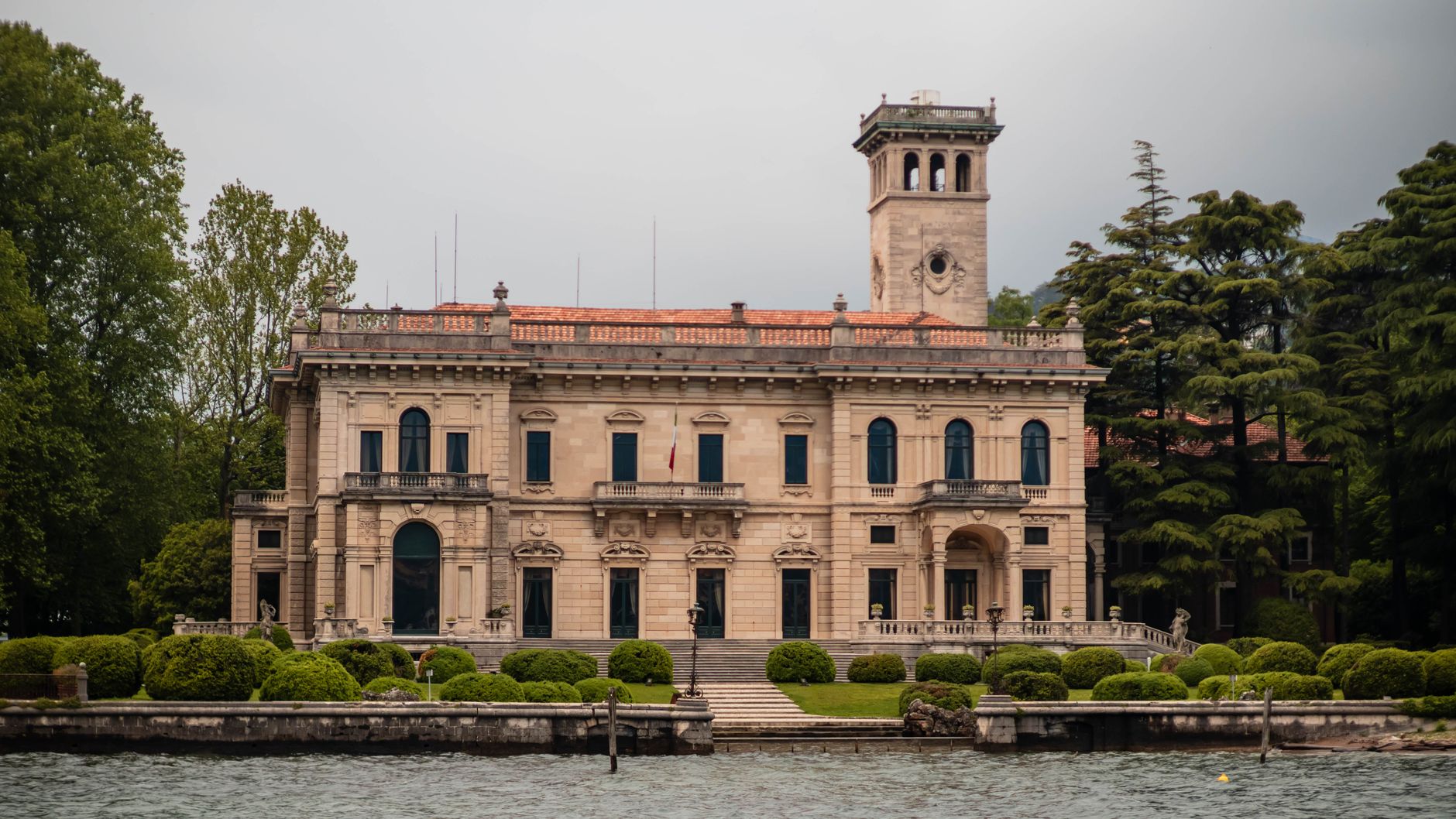
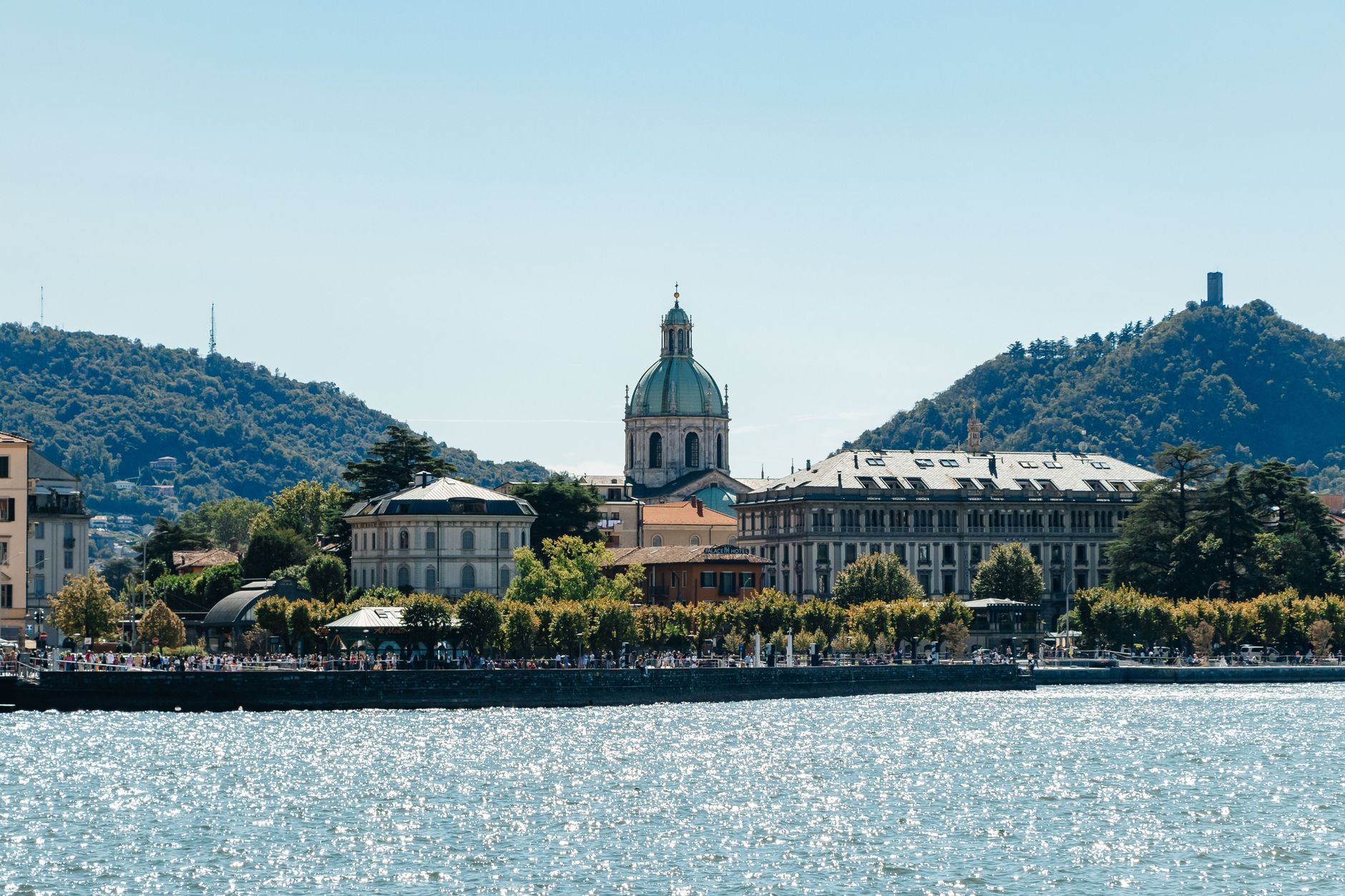
The name gives it away: Cernobbio grew up around a convent — coenobium in Latin — and that origin shapes the town's character still. It sits just two kilometres northwest of Como, close enough to feel the city's pulse but far enough to have its own waterfront square, its own Wednesday market, its own logic. The lake here is wide and the light comes in low and flat in the late afternoon, catching the stone of the pier at Piazza Risorgimento and the Art Nouveau ironwork of the old ferry landing.
Most visitors arrive chasing Villa d'Este, and the villa is worth every bit of its reputation. But Cernobbio holds other layers — a rationalist house from 1939, an Art Nouveau villa turned public museum, a garden rescued from an illegal dump by a single determined resident. Stay long enough to find them.
💛 What travellers fall for
People who come back tend to time a visit around the Wednesday market at Piazza Risorgimento — local cheese, produce, the occasional handmade object — and then walk up to Villa Bernasconi before the afternoon crowds arrive. The €10 entry is one of the better-value hours on the lake. Giardino della Valle, tucked away and easy to miss, rewards the unhurried.
Experiences you don't want to miss



Deals in Cernobbio
Book directly at the providerHow Cernobbio came to be
Cernobbio's medieval identity was built on fish and a degree of self-governance unusual for a small lakeside settlement — the town was run by its own Podestà, and traces of the old castrum survive in the street pattern around Piazza Castello, though the fortress tower itself came down in the 17th century. The name derives from coenobium, the Latin for convent, marking the religious community that gave the settlement its early shape.
The 19th century rewrote the skyline. Villa d'Este, commissioned in 1589 by Cardinal Tolomeo Gallio and designed by Pellegrino Tibaldi, changed hands decisively in 1814 when Princess Caroline of Brunswick purchased it; it eventually became the grand hotel it remains today. The pharmaceutical entrepreneur Carlo Erba built his lakeside villa in the same era, while silk merchant Davide Bernasconi commissioned his Art Nouveau residence in 1906. During the Second World War the town housed Nazi command posts and a military hospital. In 2005 it was granted honorary city status by presidential decree.
Who and what shaped it
People who shaped it
Landmark buildings
See Cernobbio in motion
Plan your visit
On the map
When to go
Lake Como's southern arm moderates temperatures year-round: summers are warm but rarely punishing, winters cool and sometimes misty. Spring and early autumn offer the clearest skies and the most manageable crowds, though spring weekends around the Villa d'Este concours fill accommodation quickly.
Right now
Background & history adapted from Wikipedia (CC BY-SA) · specs from Wikidata (CC0) · weather from Open-Meteo · map data © OpenStreetMap contributors · photos from Wikimedia Commons / Unsplash with per-image credit. No third-party reviews or social posts reproduced.