
Cadenabbia
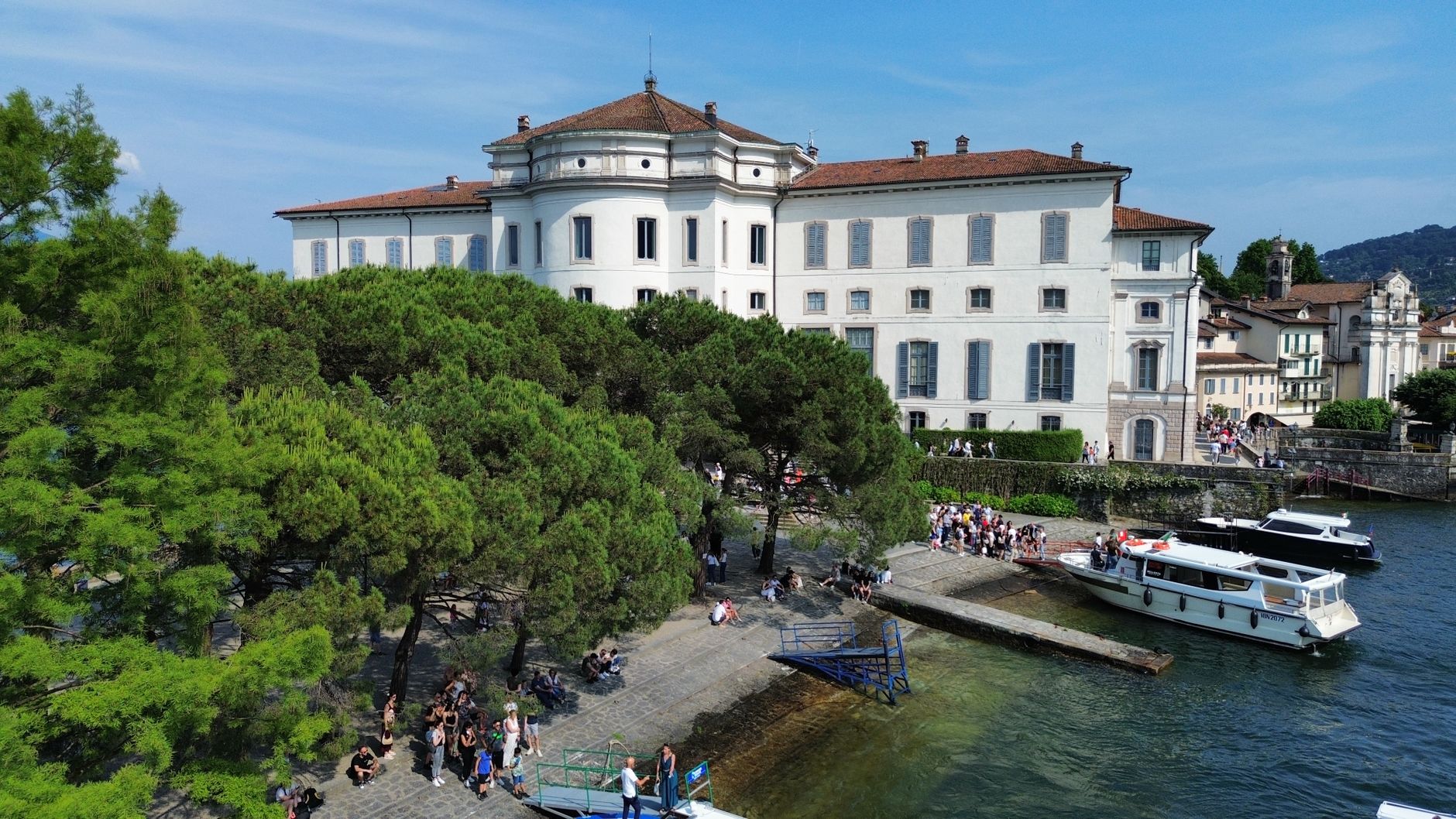
The name Cadenabbia likely comes from 'Ca' dei Nauli' — the house of the boatmen — and that origin still feels right. This is a place people arrive at by water, stepping off a ferry onto a lakefront promenade where the pace drops almost immediately. The western shore of Lake Como here is quiet without being sleepy, the kind of small settlement that accumulated villas rather than monuments.
Verdi composed La Traviata at Villa Margherita. Mary Shelley spent a summer at the Albergo Grande and wrote about it afterward. Konrad Adenauer came back nearly every year for a decade. Cadenabbia has a habit of drawing people who then find it hard to leave.
💛 What travellers fall for
People who return tend to time it for the Anglican Church's summer concerts — the neo-Gothic interior, finished with 1920s mosaics, turns out to be a genuinely good room for music. The ferry to Bellagio takes minutes and costs €5.50, which makes the whole central triangle of the lake feel like one loose itinerary rather than a series of separate decisions.
Experiences you don't want to miss


Deals in Cadenabbia
Book directly at the provider

How Cadenabbia came to be
Celtic settlement here predates the Roman era by centuries, but Cadenabbia's particular character came later. In 383 AD the Bishop of Como entrusted the community of Griante with relics of Saints Nabore and Felice, and the Church of Saints Nabore and Felice rose in the early 7th century. The Church of San Martino followed in the 16th century, acquiring the status of a Marian sanctuary after a 15th-century wooden Madonna was discovered inside.
The modern village took shape through the 18th and 19th centuries, when a boatmen's tavern became the area's first tourist hotel and European visitors began arriving in numbers. Giulio Ricordi had a lakeside mansion built in the early 1850s. The Anglican Church — the first of its kind in Italy — was consecrated in 1891. Villa La Collina, built in 1899 on the ruins of a medieval watchtower, was later purchased by the Konrad Adenauer Foundation and now operates as an international conference center.
Who and what shaped it
People who shaped it
Landmark buildings
See Cadenabbia in motion
Plan your visit
On the map
When to go
Spring and autumn are the traditional seasons here — mild temperatures between roughly 8 and 17°C, lower crowds, and the lake at its most atmospheric. Summers run warm (up to 30°C) and can be wet; winters are cold and the ferry schedule thins out considerably.
Right now
Background & history adapted from Wikipedia (CC BY-SA) · specs from Wikidata (CC0) · weather from Open-Meteo · map data © OpenStreetMap contributors · photos from Wikimedia Commons / Unsplash with per-image credit. No third-party reviews or social posts reproduced.