
Oman
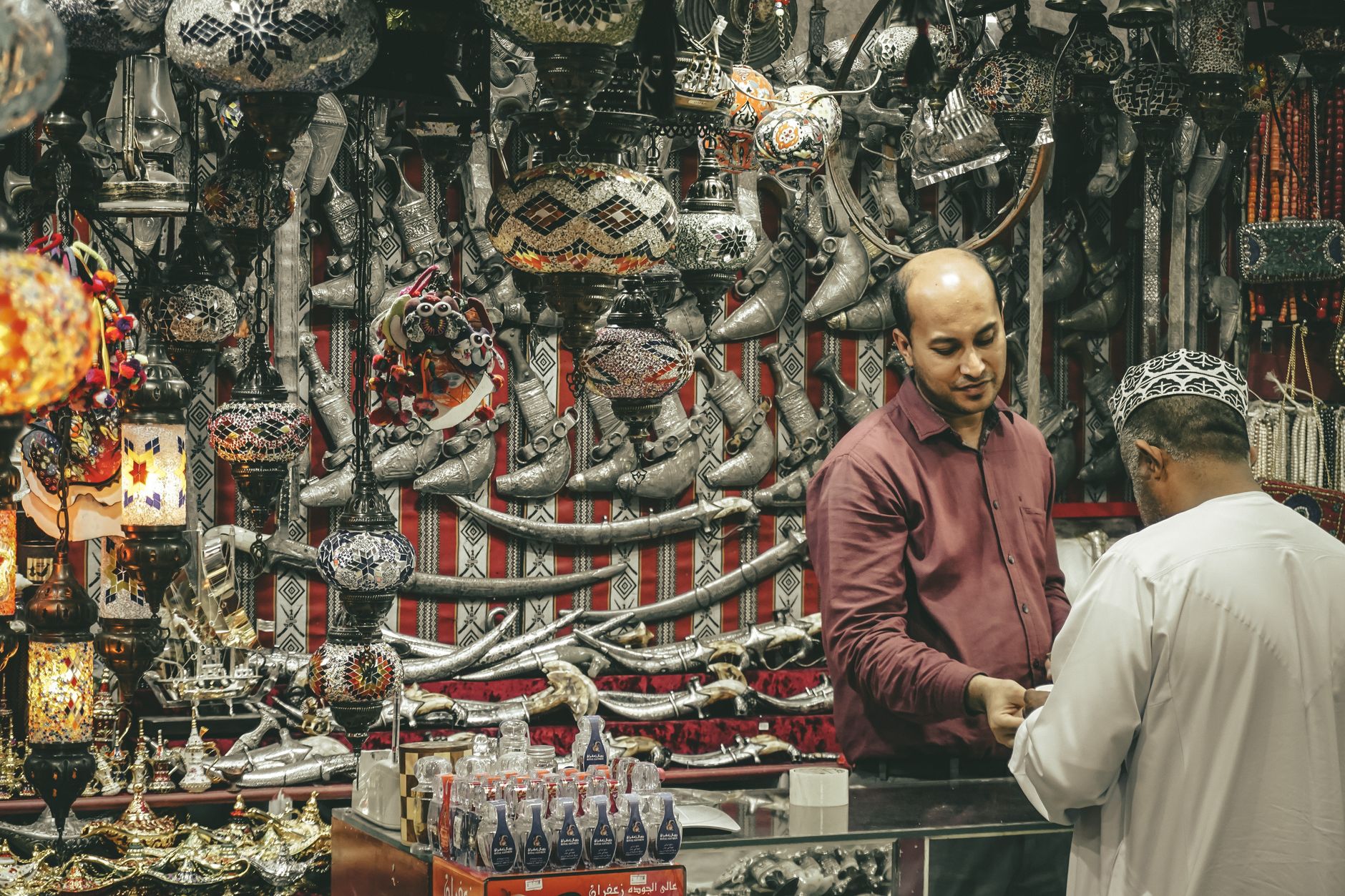

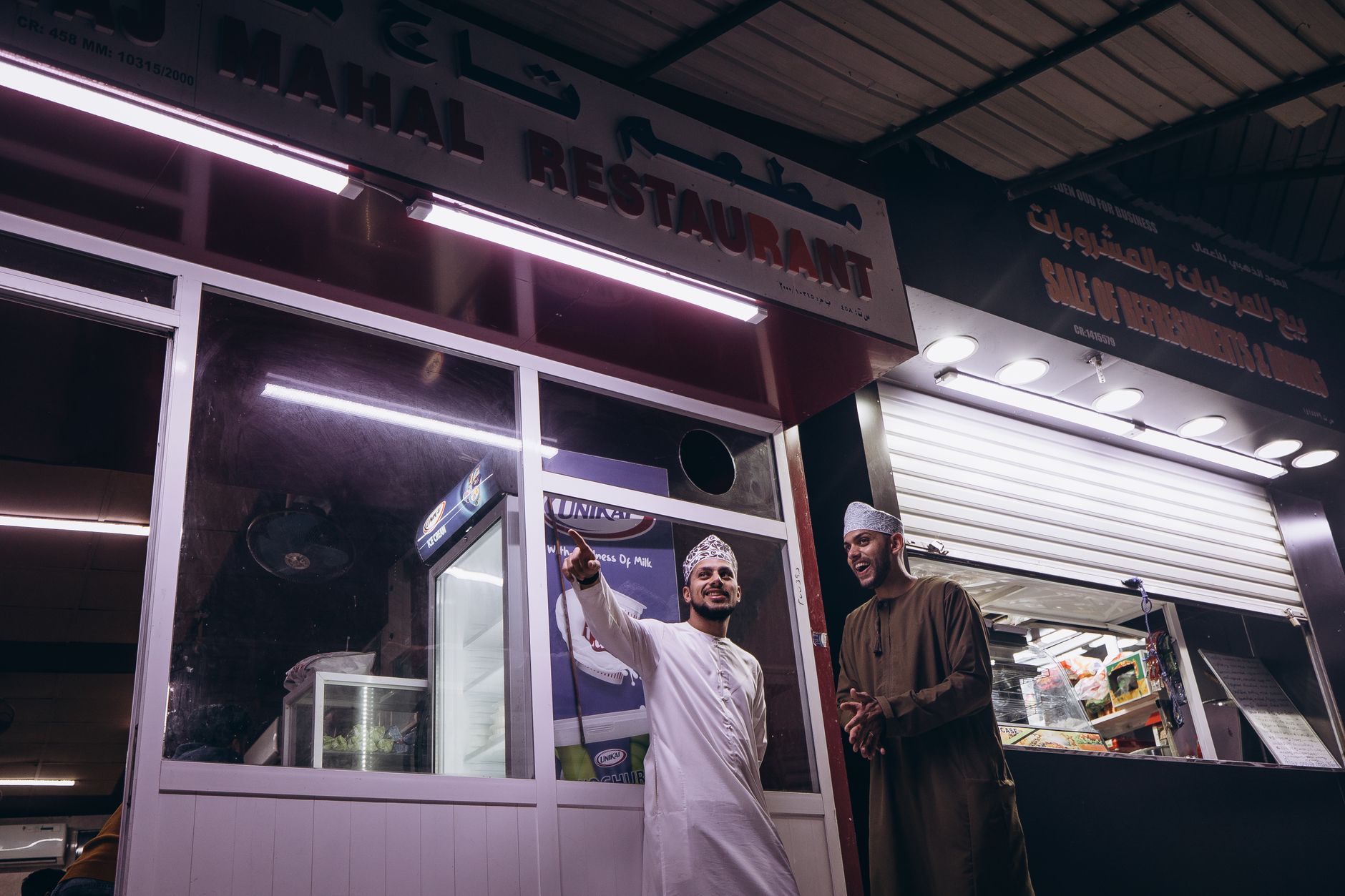
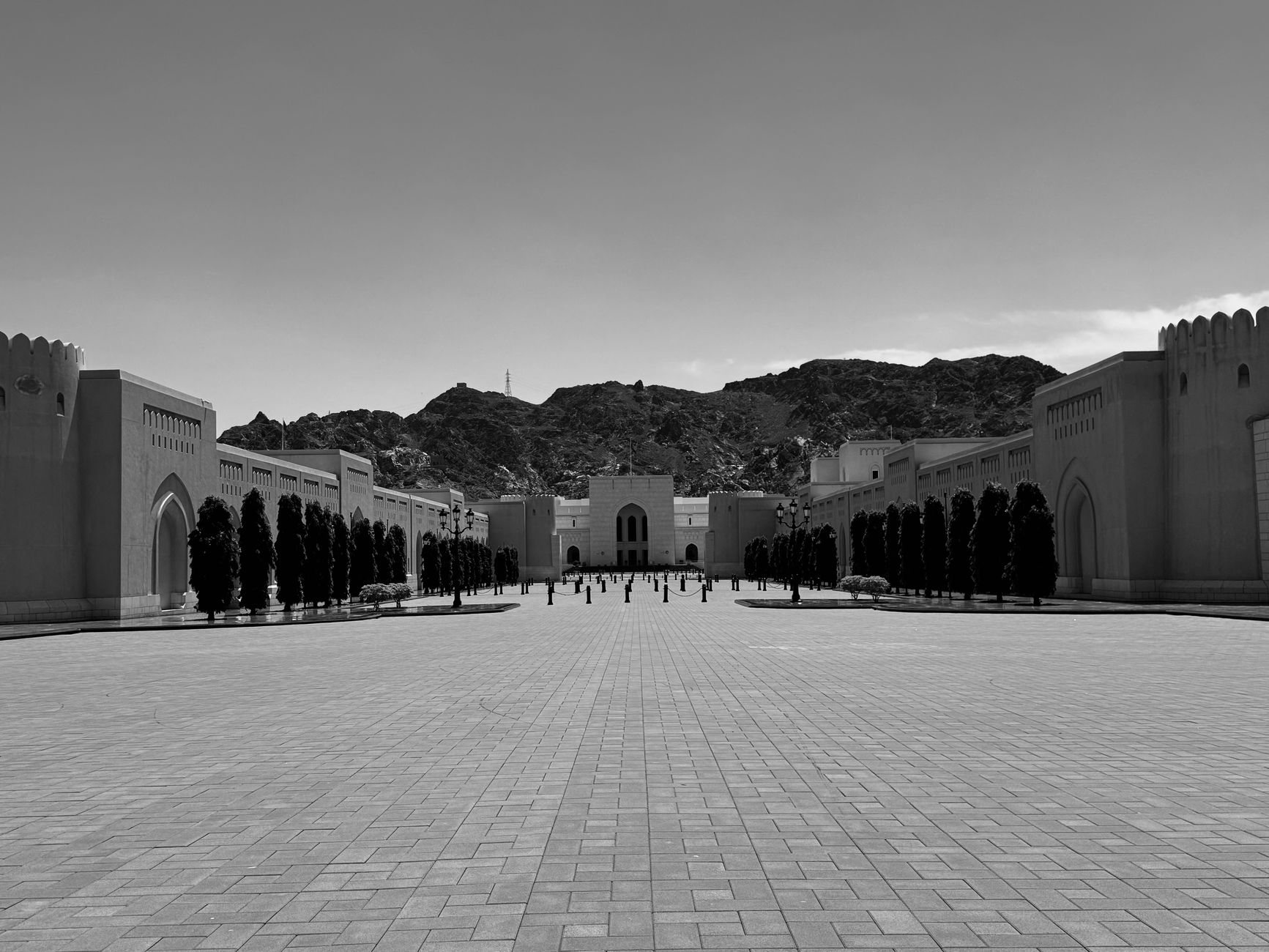
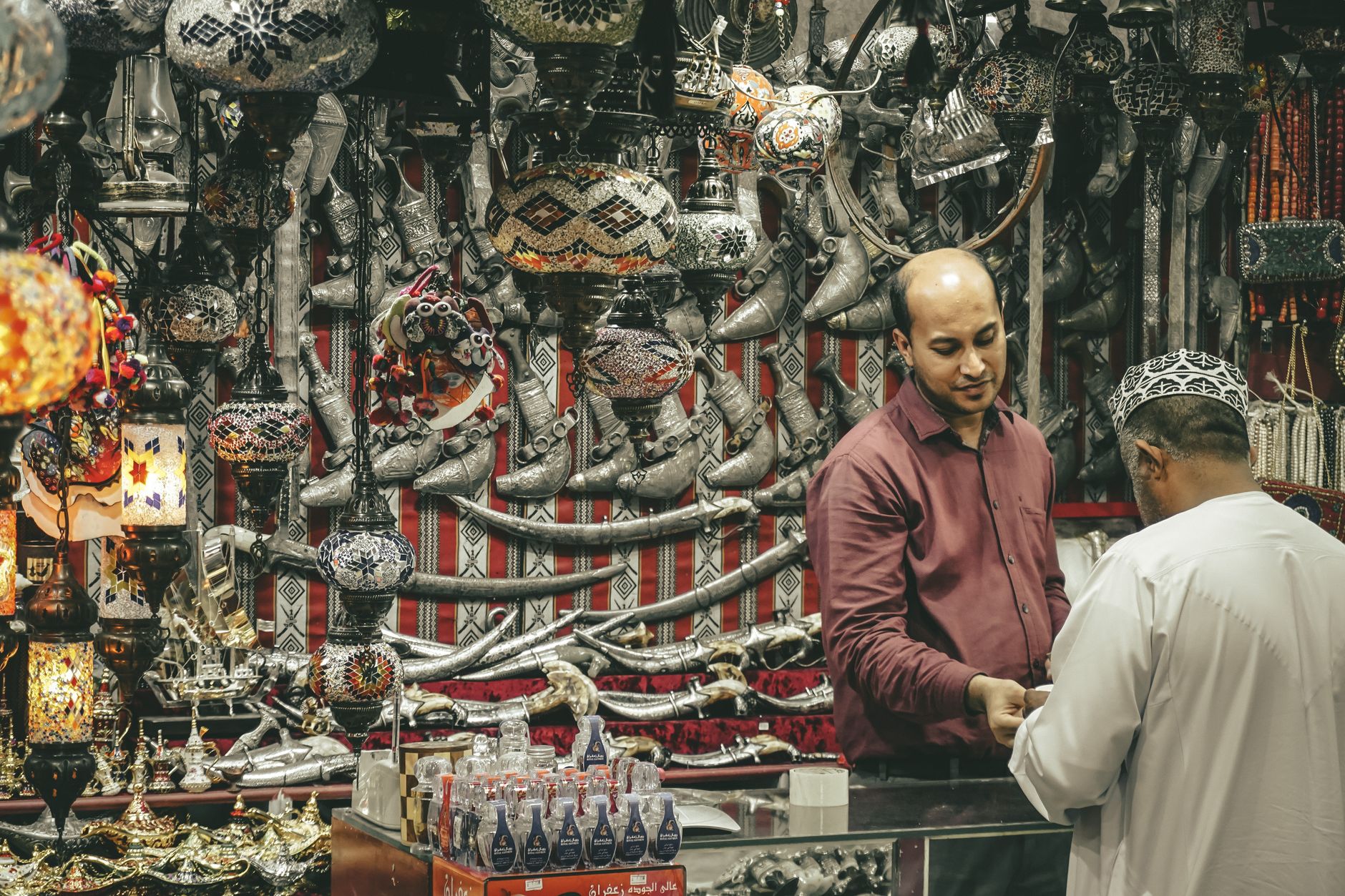
Oman is where the Arabian Peninsula shows you its older, quieter self. The frankincense smoke drifting through Nizwa Souq, the 30-metre circular tower of a 17th-century fort, the blue-and-gold facade of a palace on the Gulf of Oman — the country holds its history without making a performance of it.
It is also a place of serious geographic range: Hajar mountain wadis, the monsoon-green hills of Dhofar, coastline that stretches for nearly 3,000 kilometres. Muscat is the natural entry point, but the country rewards those who rent a car and push further inland or south.
💛 What travellers fall for
People who come back tend to time a second trip around the Khareef — the monsoon season that turns Salalah's hills an unlikely green between June and September. They also learn quickly to use Otaxi or Marhaba rather than hunting for taxis, and to build more time into the Nizwa day than the map suggests.
Deals in Oman
Book directly at the provider
How Oman came to be
Stone tools found in Dhofar date human presence here to roughly 106,000 years ago, and by 3000 BCE the Magan civilisation was trading copper with Mesopotamia. Islam arrived in 630 AD, and the country passed through Persian occupation before Ahmad bin Said al-Busaidi expelled those forces in 1747 and founded the Al Busaid dynasty — the oldest continuous ruling house in the Arab world.
The modern state took its current shape in 1970, when Qaboos bin Said ousted his father in a coup and launched what Omanis call the Renaissance: infrastructure, education, the abolition of slavery, a written constitution. Qaboos ruled for nearly fifty years before his death in January 2020; Sultan Haitham bin Tariq was sworn in the following day.
Who and what shaped it
People who shaped it
Landmark buildings
See Oman in motion
Plan your visit
On the map
When to go
Winter — November through March — brings reliably warm, dry days around 25–30°C and is the most comfortable window for most of the country. Salalah in the south runs counter-seasonal: its Khareef monsoon (June to September) brings cool mist and green hillsides when the rest of Oman is at its hottest.
Right now
↡ Cities
No places match these filters.
Background & history adapted from Wikipedia (CC BY-SA) · specs from Wikidata (CC0) · weather from Open-Meteo · map data © OpenStreetMap contributors · photos from Wikimedia Commons / Unsplash with per-image credit. No third-party reviews or social posts reproduced.