
Salalah
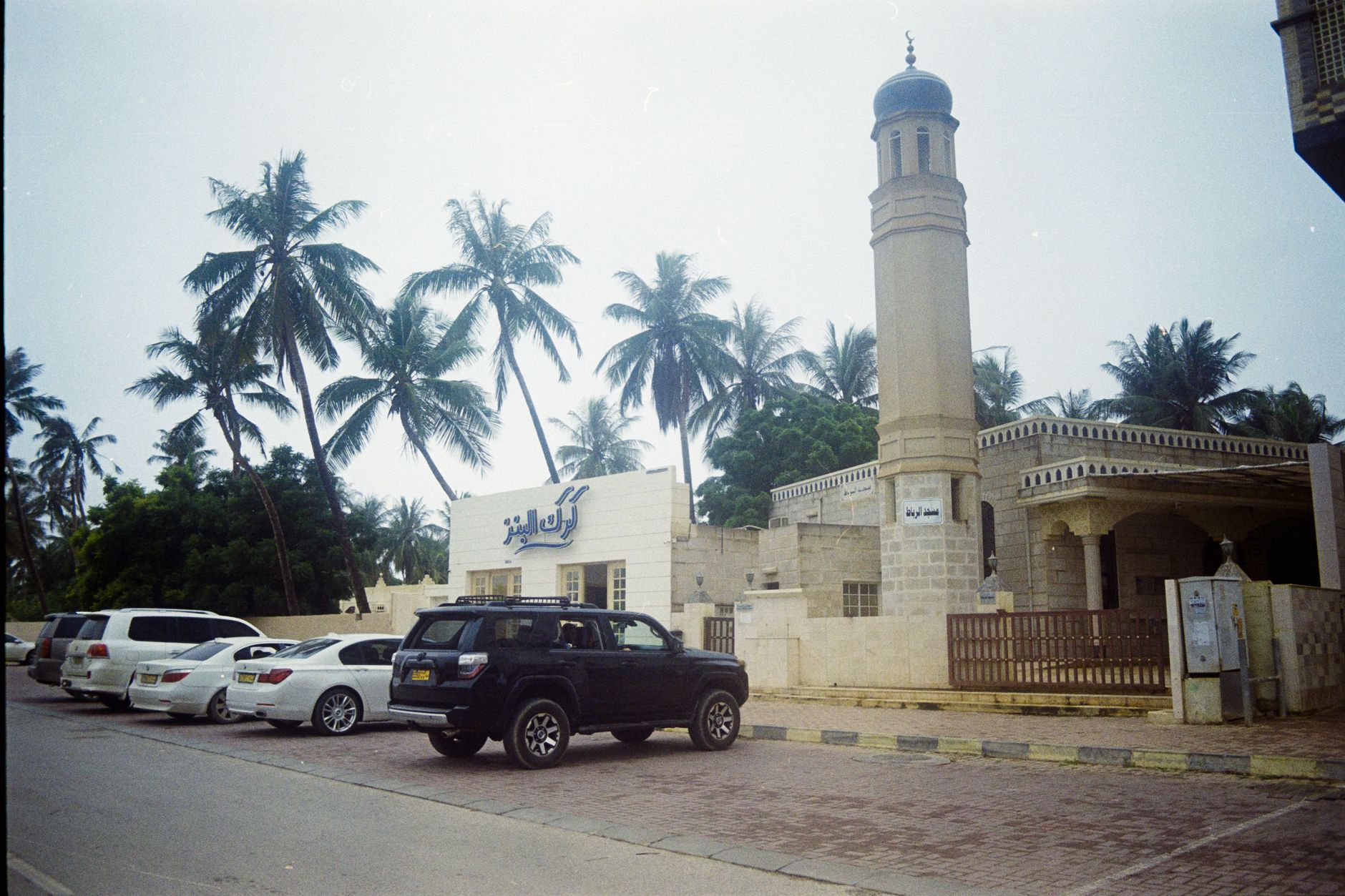
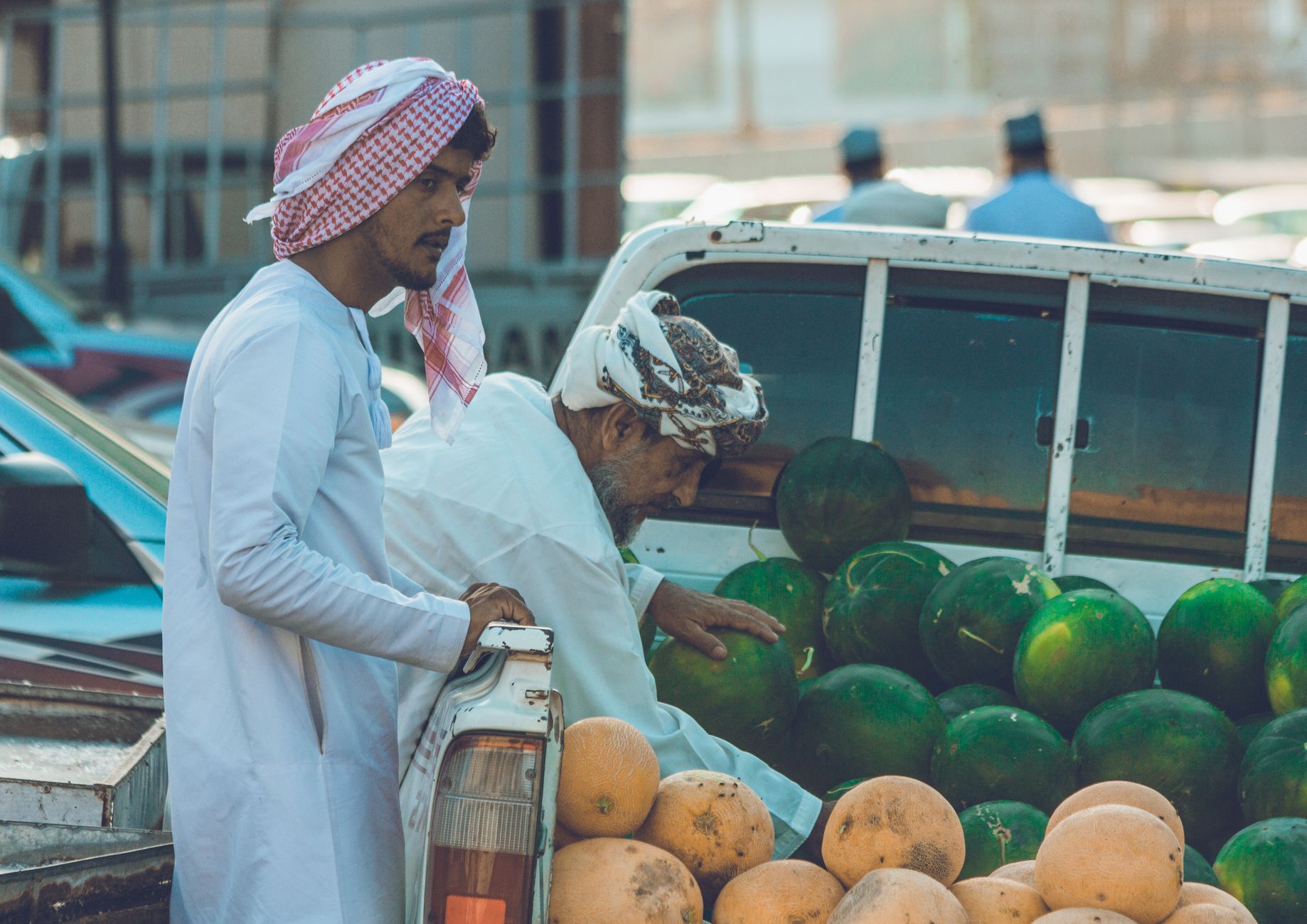
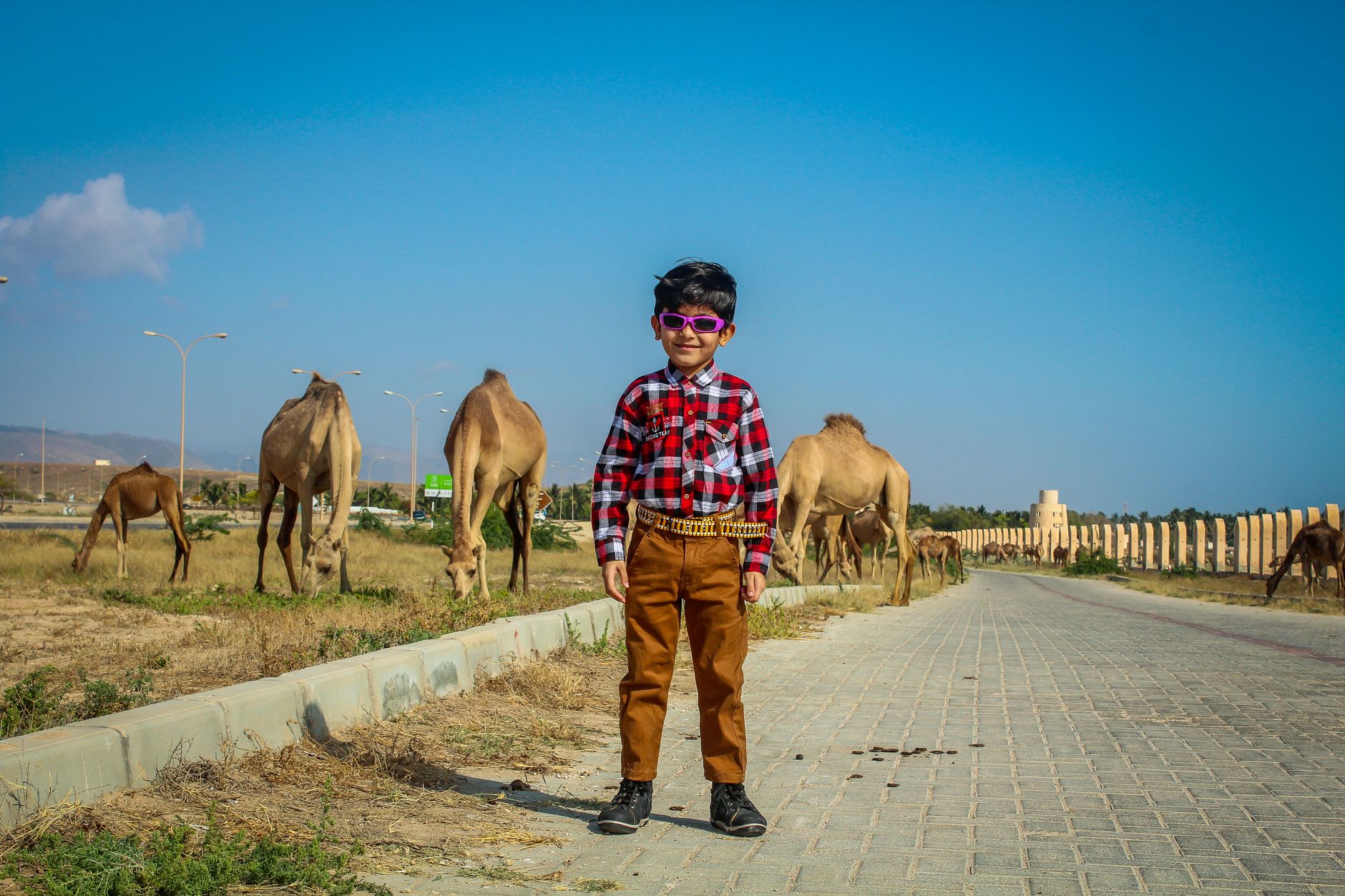
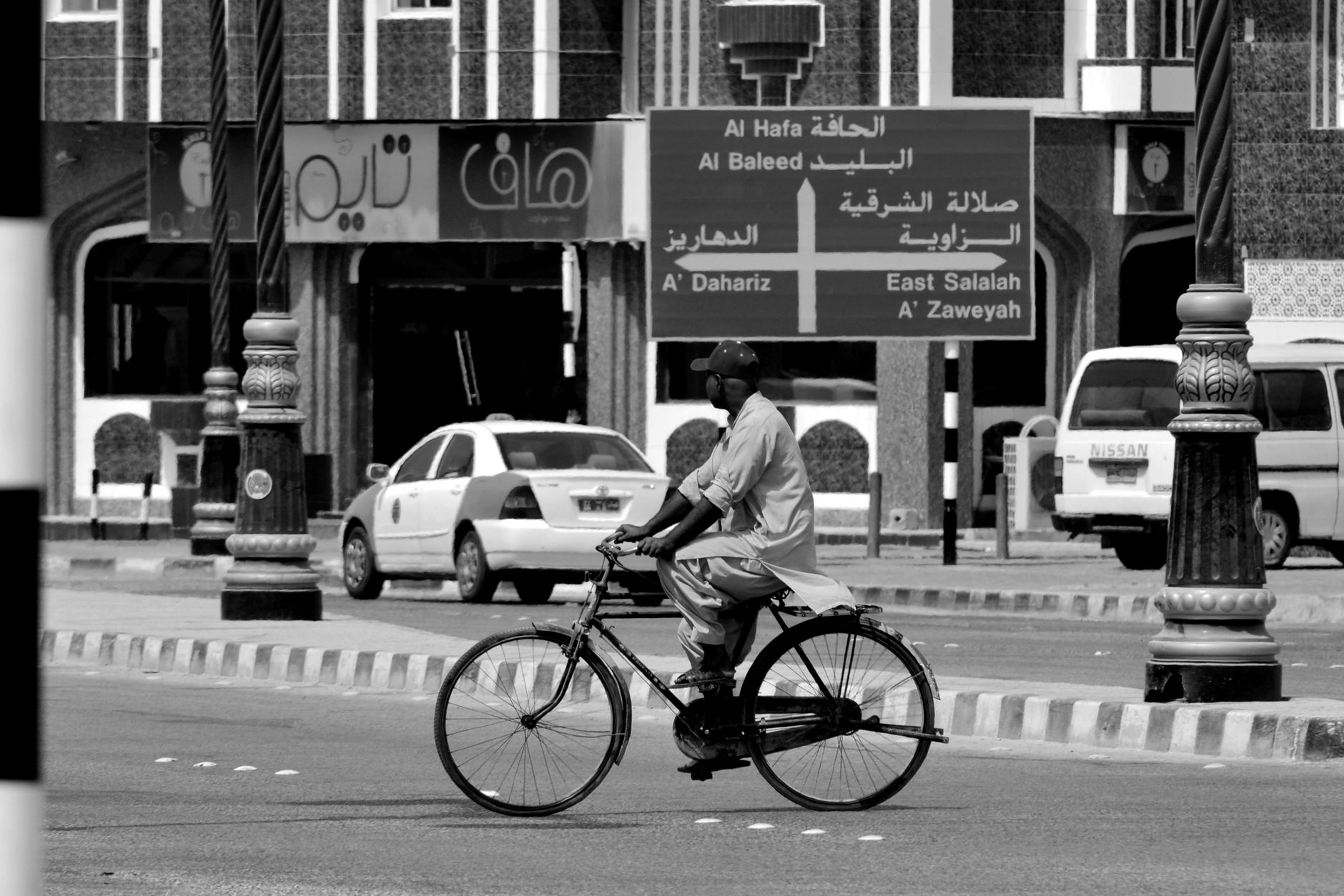
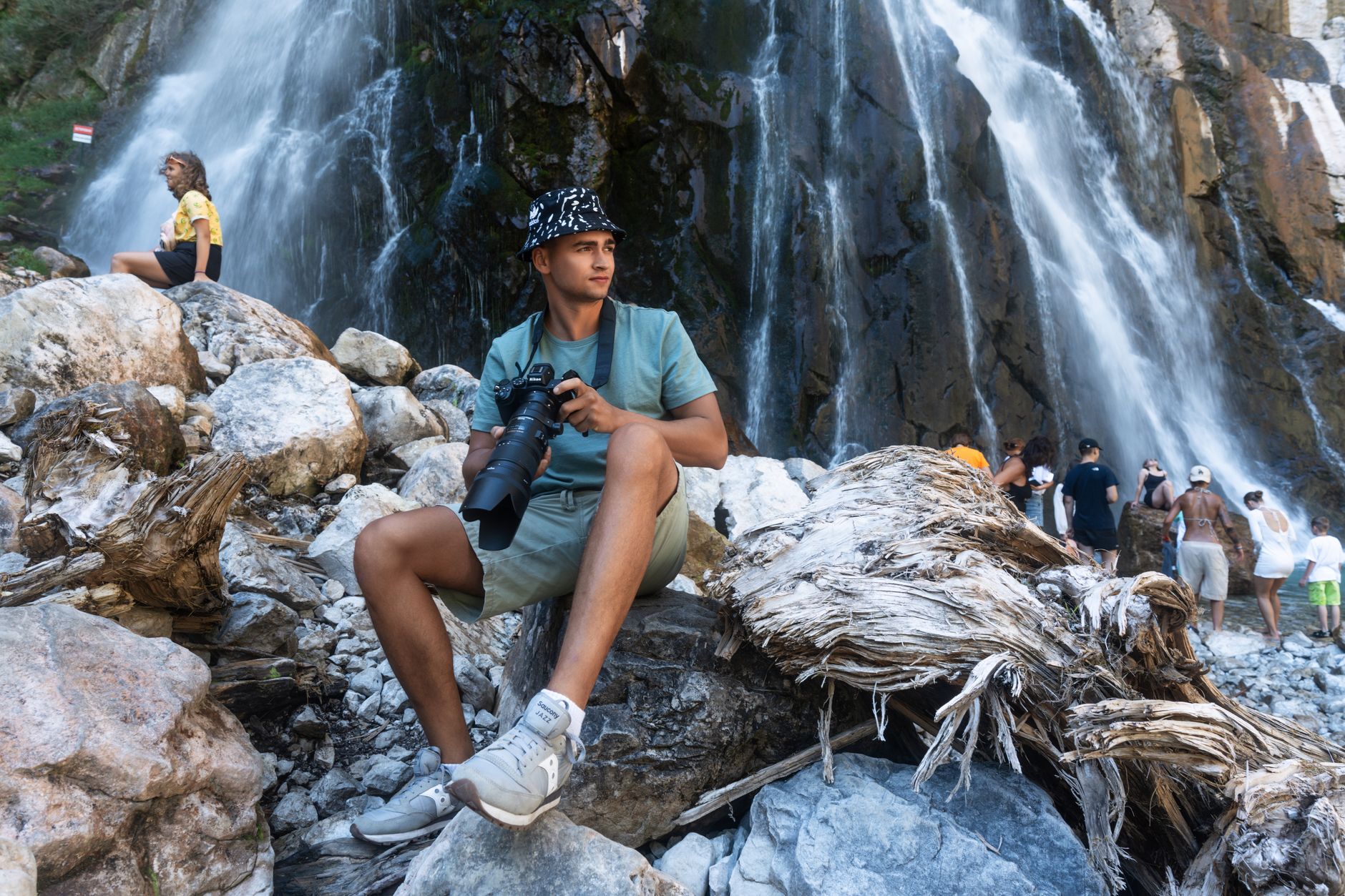
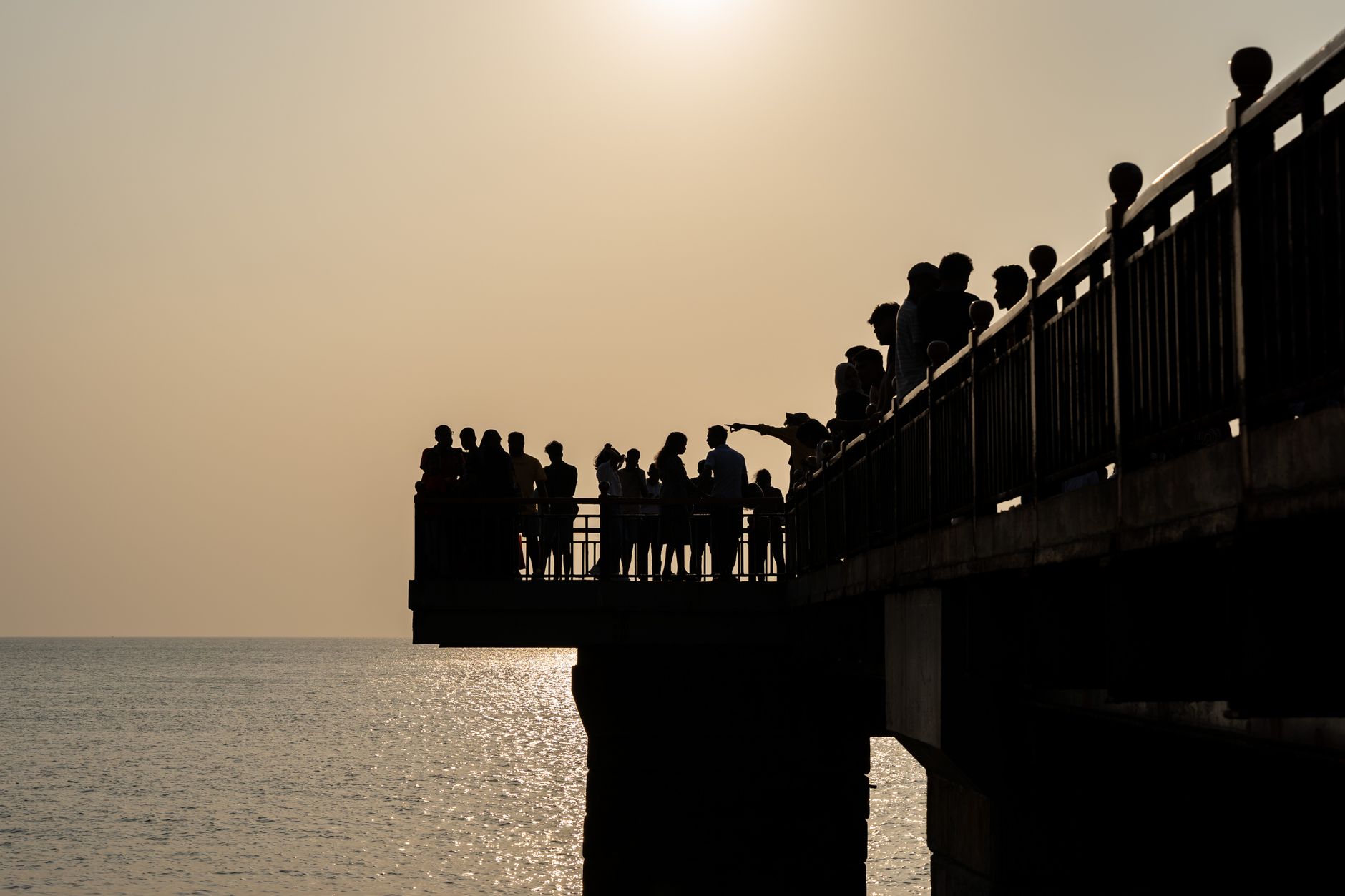
Salalah sits at the southern edge of Oman where the Arabian Peninsula runs out of desert and, for a few weeks each summer, turns unexpectedly green. The monsoon — the Khareef — rolls in from the Indian Ocean between June and September, dragging mist over the Dhofar mountains and coaxing waterfalls out of limestone that is bone-dry the rest of the year. The city itself carries the weight of an older world: frankincense trees still grow in the hills above town, and two UNESCO-listed ruins within an hour's drive mark the ports that once shipped incense and horses to the known world.
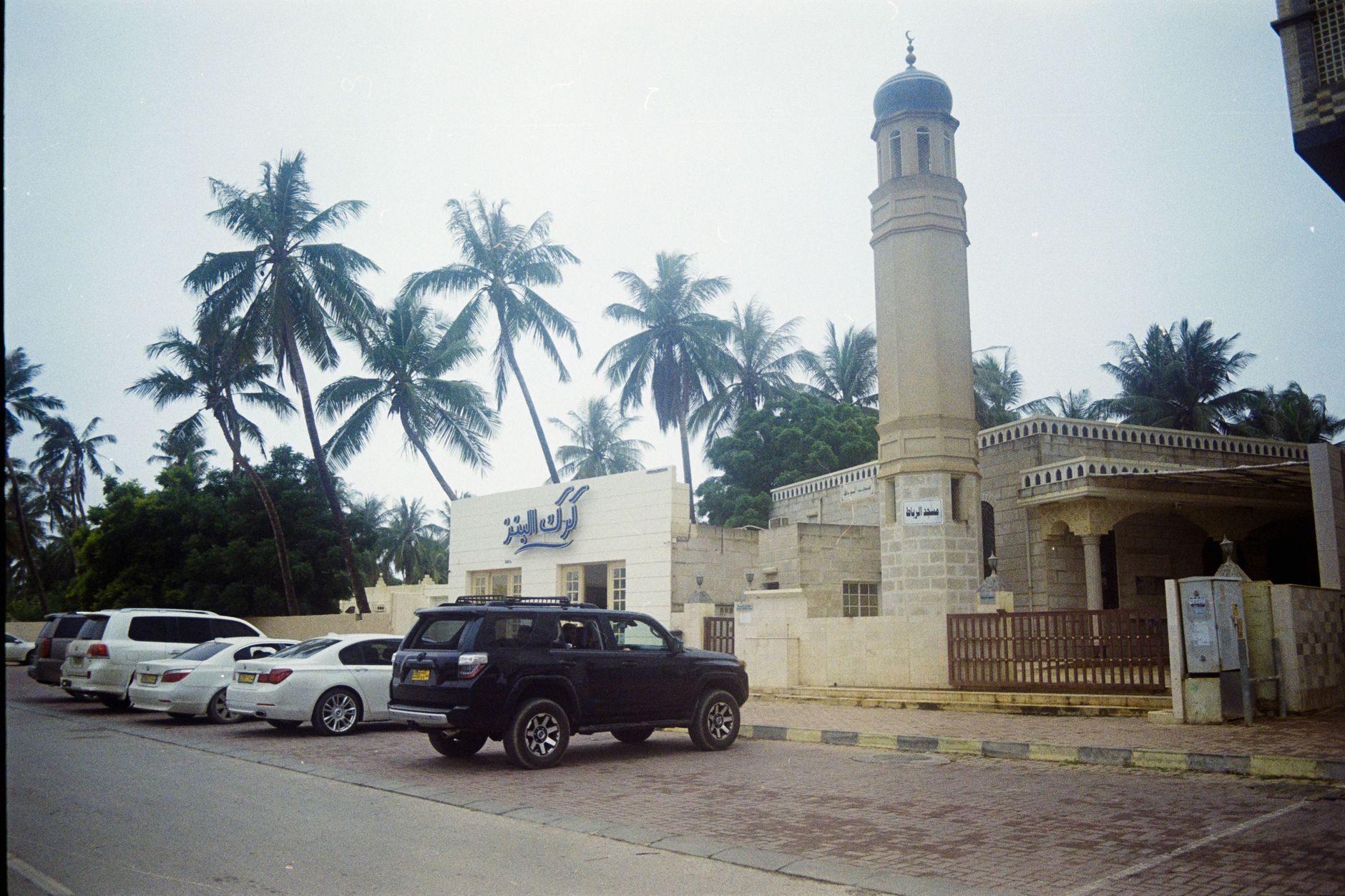
This is not Muscat. The pace is slower, the Arabic spoken here has its own cadence, and the coconut palms lining the Haffa corniche signal that you are closer to East Africa than to the Gulf.
💛 What travellers fall for
People who come back tend to time it the same way: arrive just as the Khareef breaks in late June, when the hills above Wadi Darbat go from ochre to green almost overnight. They also mention the frankincense souq at Haffa — not for souvenirs, but to watch the resin being graded and weighed, a transaction that would have looked much the same in Ibn Battuta's time.
Deals in Salalah
Book directly at the provider
How Salalah came to be
Salalah's wealth was built on smoke. The Dhofar region produced frankincense that ancient trade routes carried north and west for centuries, and by the 13th century the city — then known as Zafar — was prosperous enough to catch the attention of Marco Polo. Ibn Battuta passed through in 1329 and recorded its markets, its betel cultivation, and the brisk commerce of its port. Al Baleed, the medieval trading settlement just east of the modern city, was the physical engine of all that exchange; its ruins, now a World Heritage Site, still show the footprint of mosques, houses and irrigation channels.
Dhofar remained semi-independent for centuries before formal integration into the Sultanate of Muscat and Oman in 1879. Between 1932 and 1970, Sultan Said bin Taimur made Salalah his permanent residence, effectively governing the country from here. His son Qaboos — born in Salalah in 1940 — took power in 1970 and shifted the capital back to Muscat. After a Dhofari insurrection ended in 1975, development accelerated, and a free-trade zone followed in 2006.
Who and what shaped it
People who shaped it
Landmark buildings
See Salalah in motion
Plan your visit
On the map
When to go
From June to September the Khareef monsoon brings cool mist, light rain and temperatures that rarely climb above 30°C — a striking contrast to the rest of Arabia in midsummer. The remaining months are dry and sunny, with winter (November–February) offering the most comfortable heat for exploring the coast and ruins.
Right now
Background & history adapted from Wikipedia (CC BY-SA) · specs from Wikidata (CC0) · weather from Open-Meteo · map data © OpenStreetMap contributors · photos from Wikimedia Commons / Unsplash with per-image credit. No third-party reviews or social posts reproduced.