
Qatar
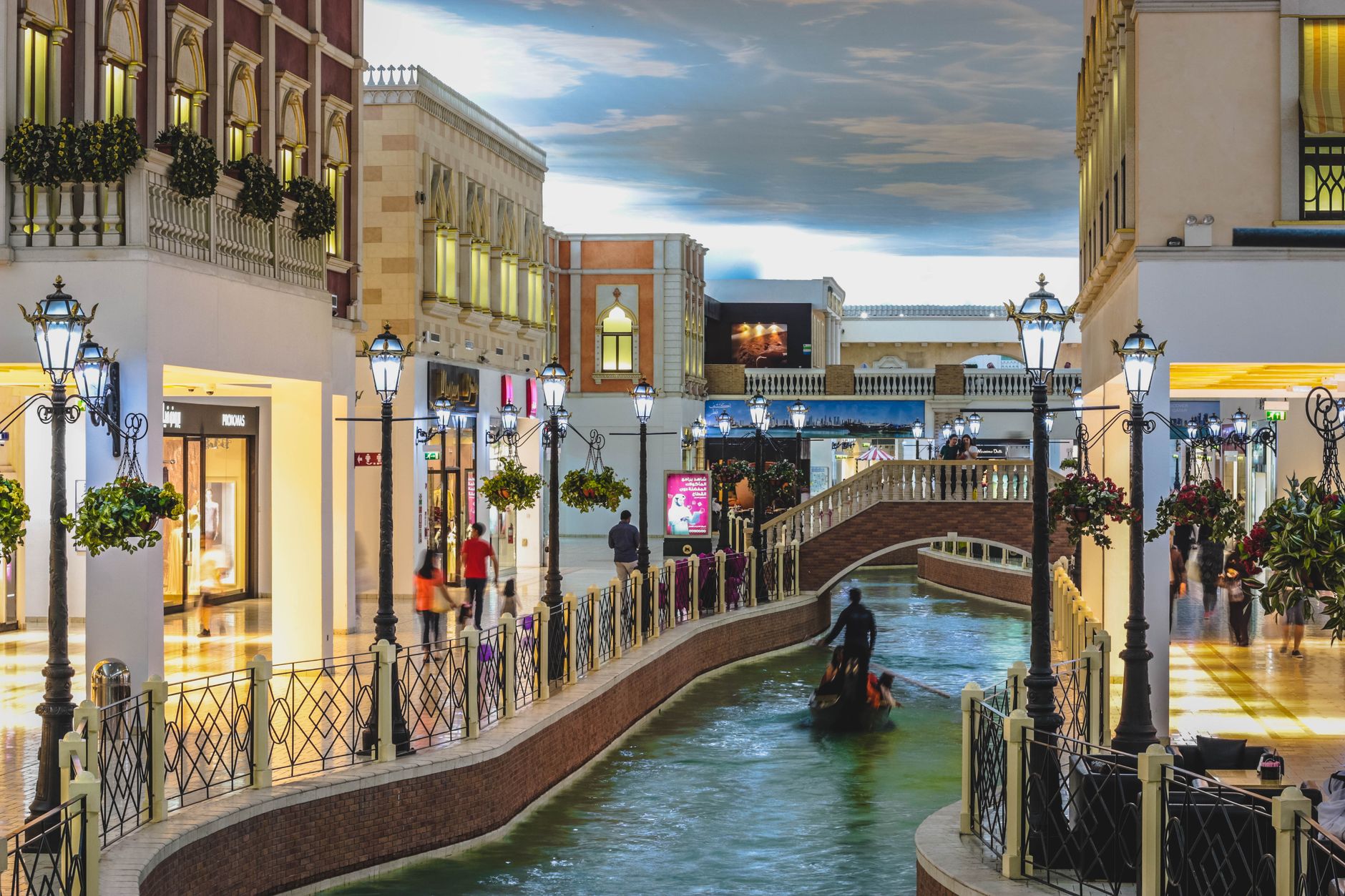
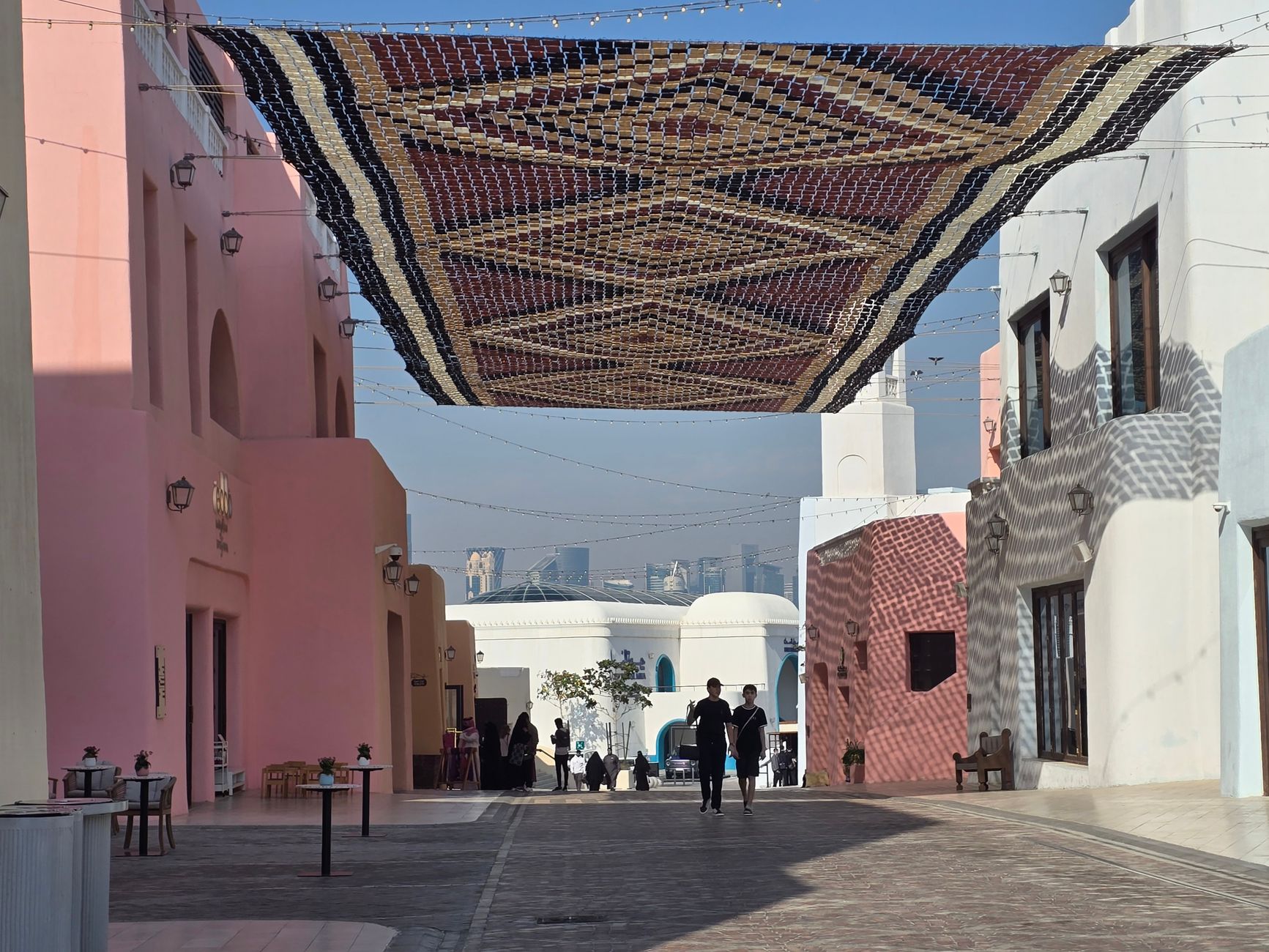
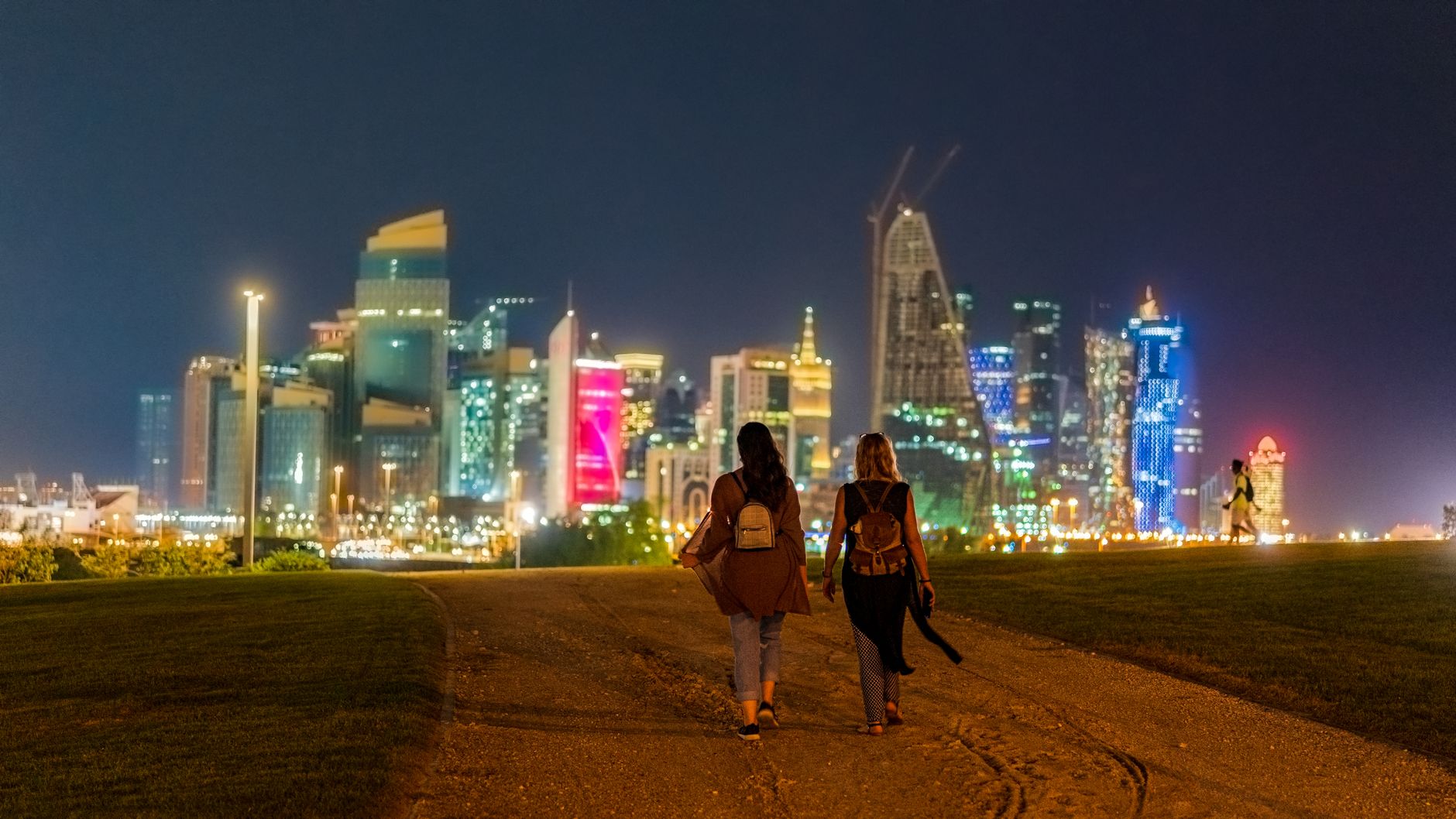
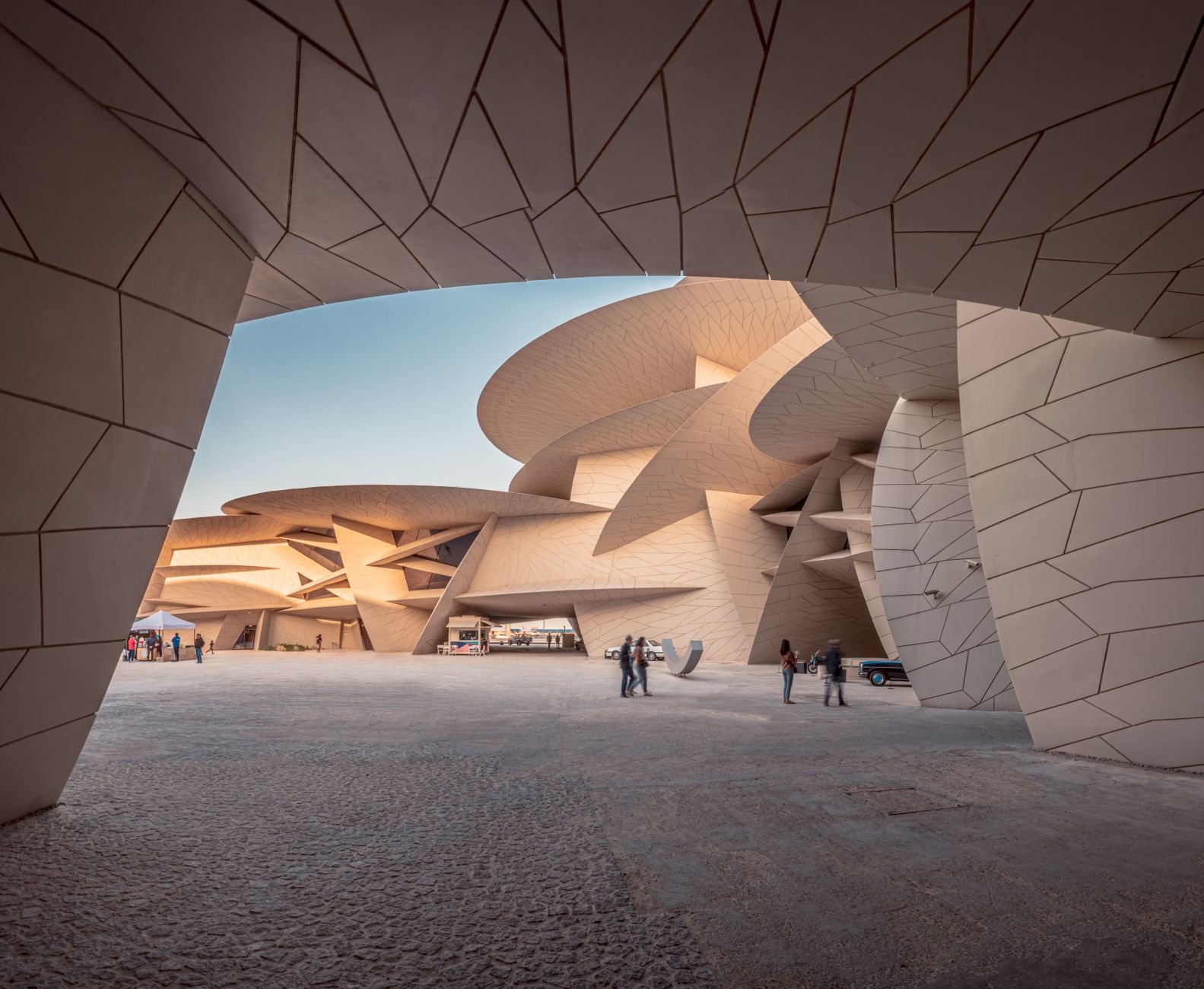
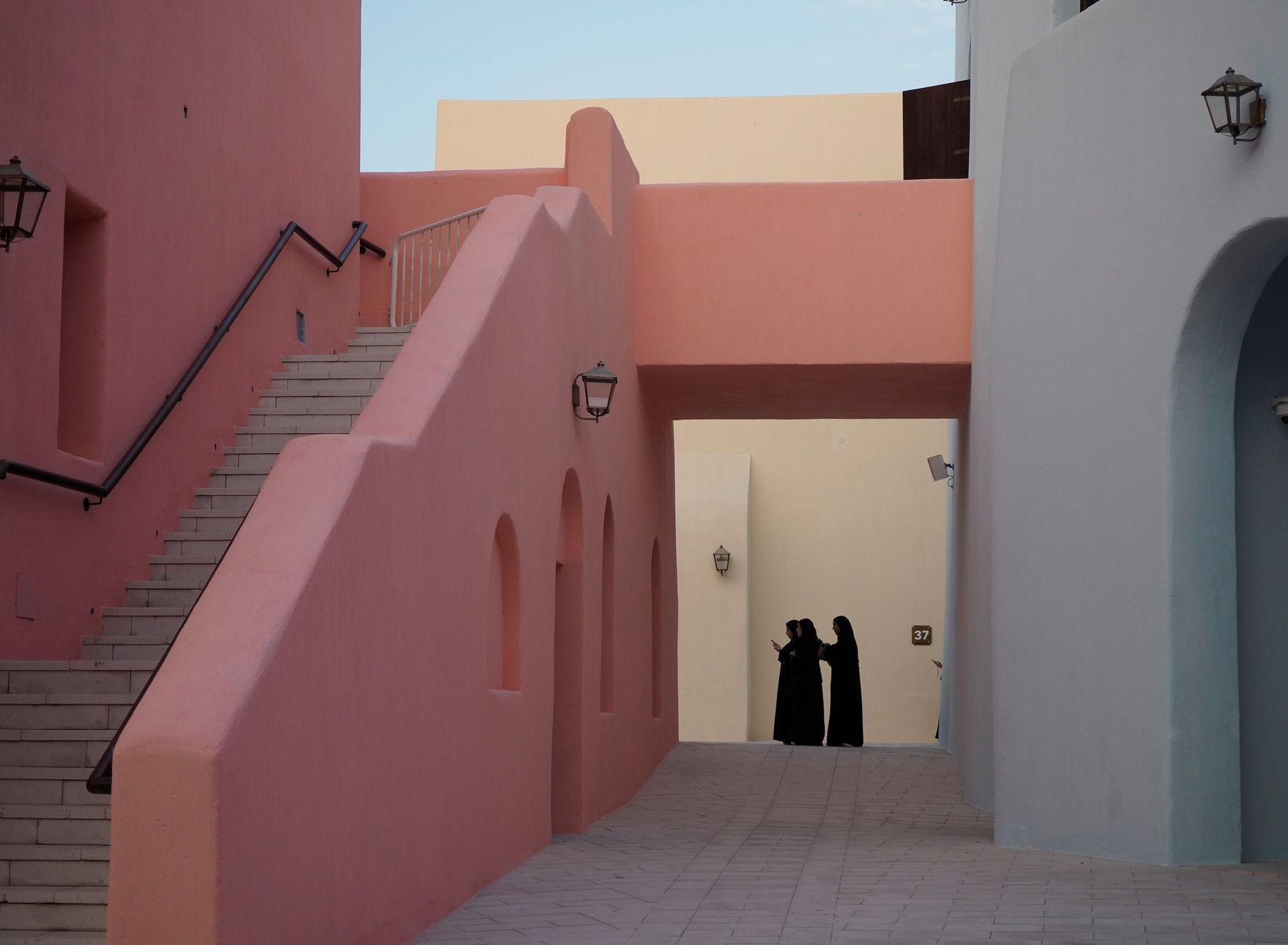
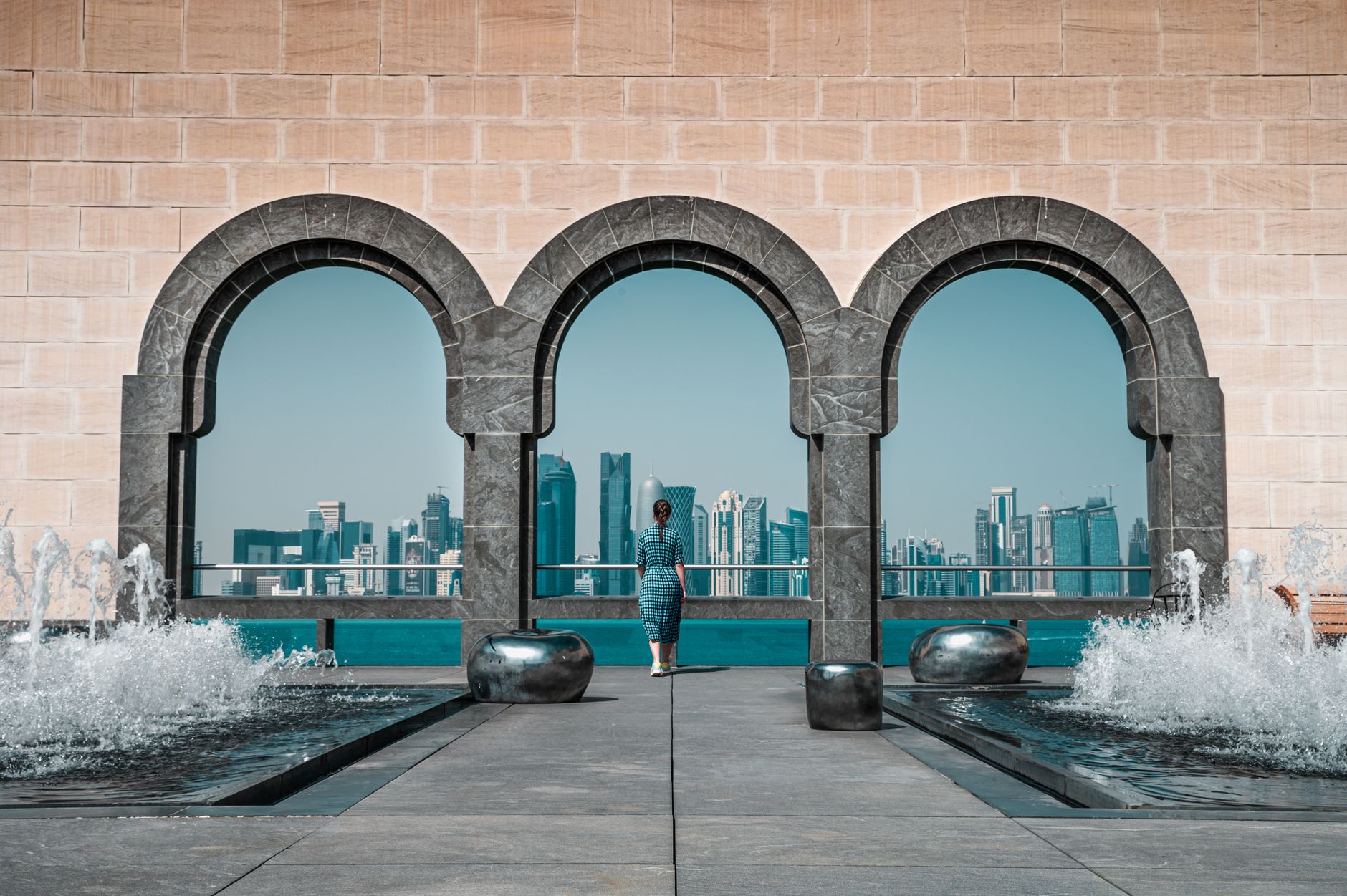
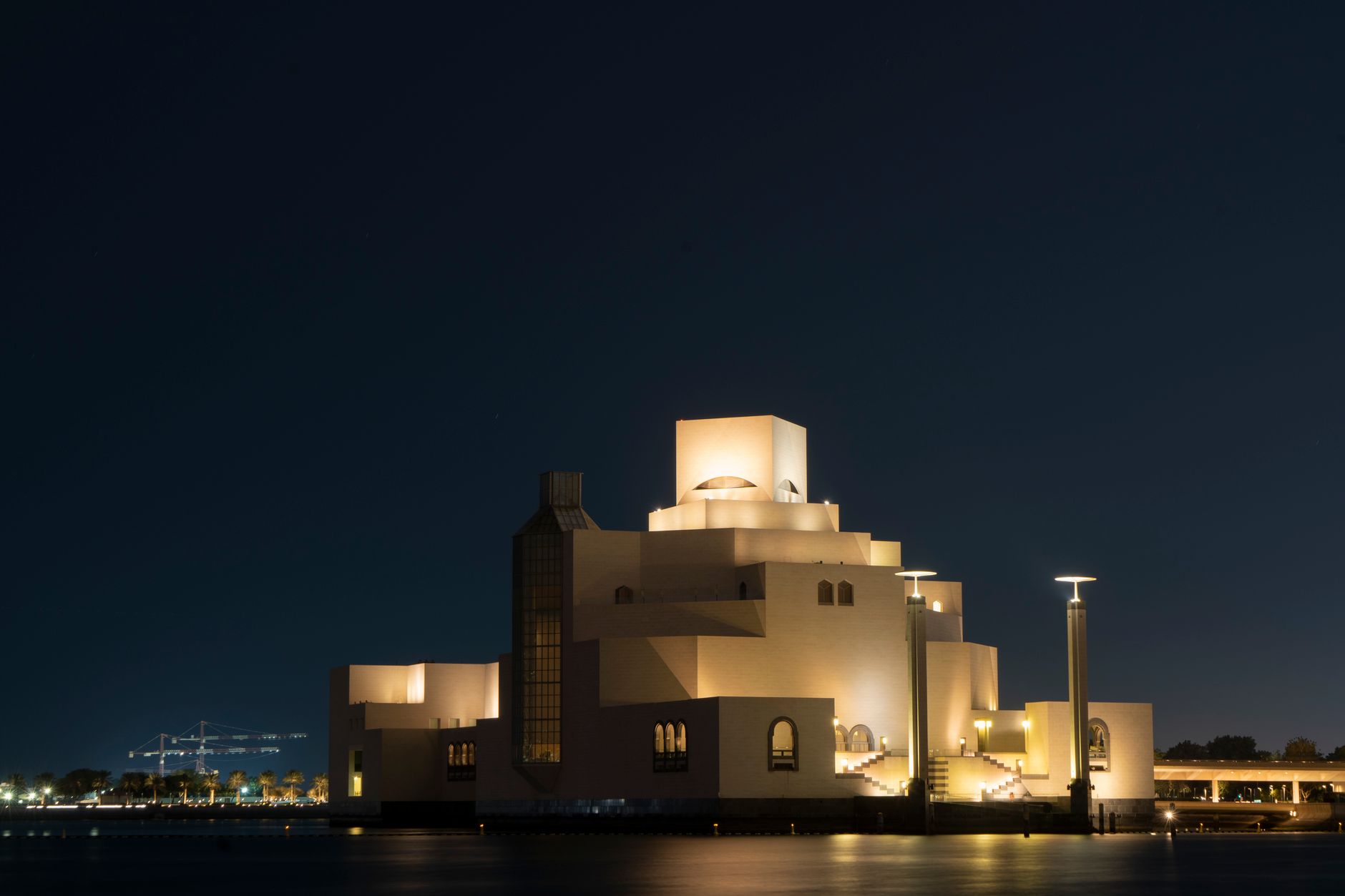
Qatar is a small peninsula jutting into the Persian Gulf, where pearl-diving traditions older than three thousand years sit alongside some of the most architecturally ambitious buildings of the twenty-first century. I.M. Pei's Museum of Islamic Art faces the water in Doha, Zaha Hadid's Al Janoub Stadium curves like an upturned dhow hull, and Rem Koolhaas designed the national library. The country is compact enough to cross in an afternoon, but the range of what you encounter — desert, corniche, old fort, gleaming metro — gives it a density that rewards attention.
Most visitors arrive through Hamad International Airport and rarely leave Doha, which is fair enough: the capital holds the majority of the country's landmarks. But Al Zubarah, a UNESCO-listed pearling and trading settlement 100 kilometres northwest, offers a quieter counterweight — the Qatar that existed long before the oil derricks arrived at Dukhan in 1939.
Deals in Qatar
Book directly at the provider

How Qatar came to be
Qatar's modern political identity traces to 1868, when Mohammed ibn Thani signed a treaty that established Qatar as a distinct entity and set the Al Thani dynasty on course to govern it. His successor Sheikh Jassim bin Mohammed Al Thani, who came to power in 1878, is regarded as the founder of the modern state — he consolidated local governance and defended Qatar's autonomy during a period of competing regional pressures. In 1916, Qatar became a British protectorate, and that arrangement held until September 3, 1971, when Qatar declared independence.
The discovery of oil at Dukhan in 1939 would eventually reshape everything, though the transformation took decades to fully register. A further turning point came in 1995, when Hamad bin Khalifa Al Thani deposed his father in a bloodless coup and began opening Qatar toward a more liberal press environment and municipal elections. The constitution approved by referendum in 2003 and enacted in 2004 formalised that shift.
Who and what shaped it
People who shaped it
Landmark buildings
See Qatar in motion
Plan your visit
On the map
When to go
The window from mid-November to mid-March is when Qatar is genuinely comfortable outdoors — temperatures sit between roughly 14°C and 25°C, and the evenings carry a pleasant coolness. Summer (June through September) brings intense heat well above 40°C and high humidity along the coast; if you travel then, the metro and air-conditioned interiors become essential rather than optional.
Right now
↡ Cities
No places match these filters.
Background & history adapted from Wikipedia (CC BY-SA) · specs from Wikidata (CC0) · weather from Open-Meteo · map data © OpenStreetMap contributors · photos from Wikimedia Commons / Unsplash with per-image credit. No third-party reviews or social posts reproduced.