
Muscat
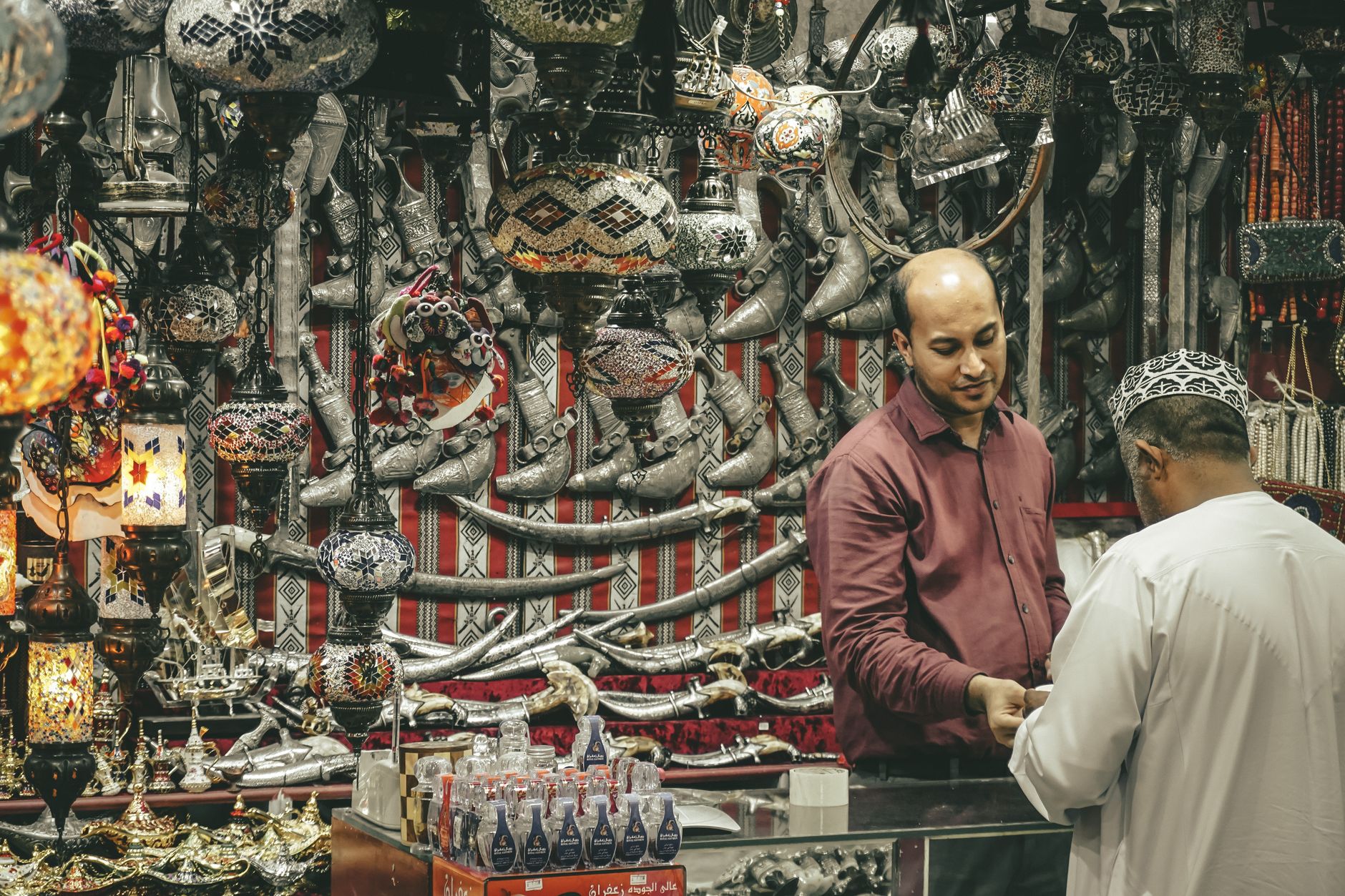
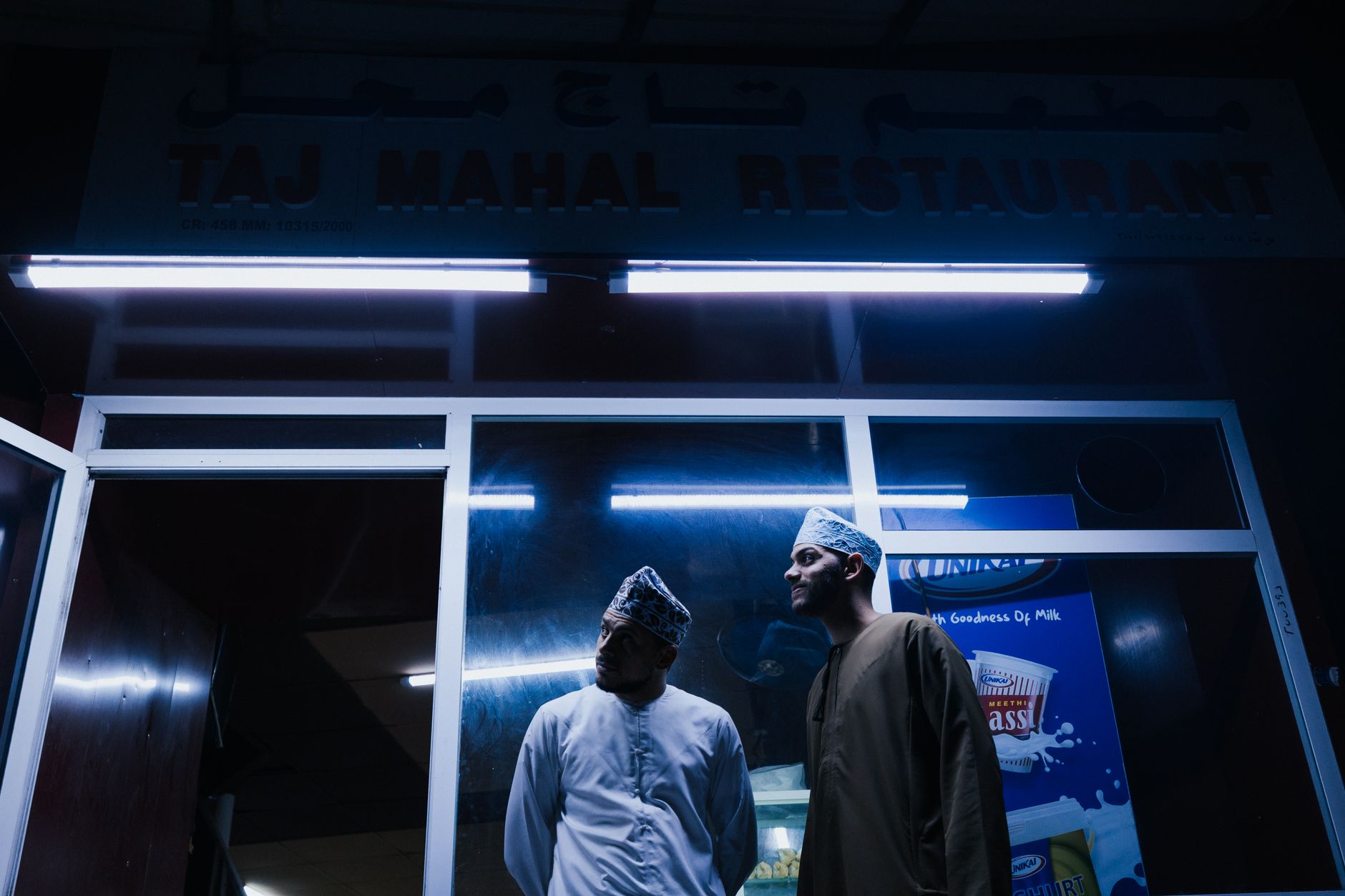
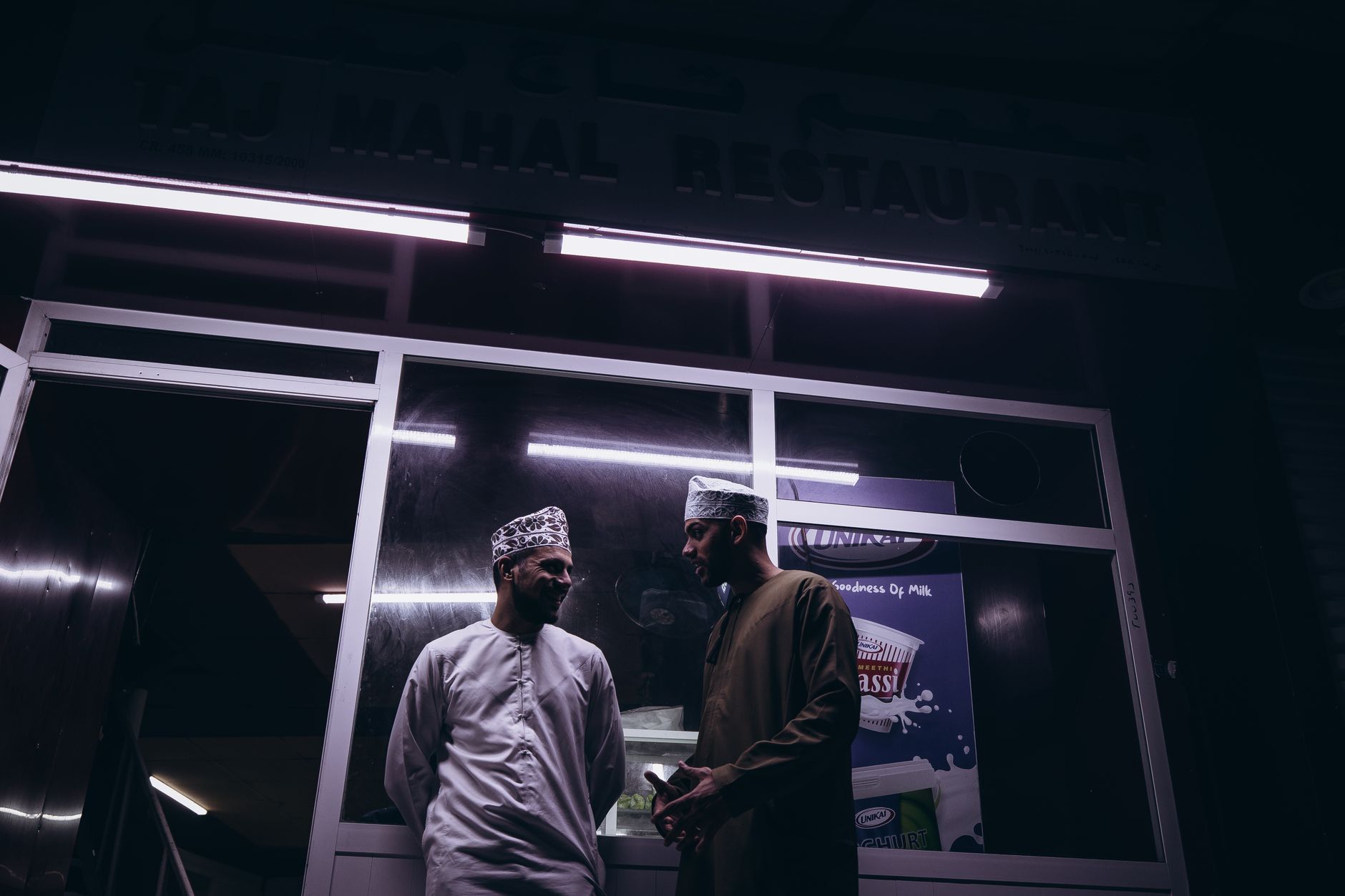
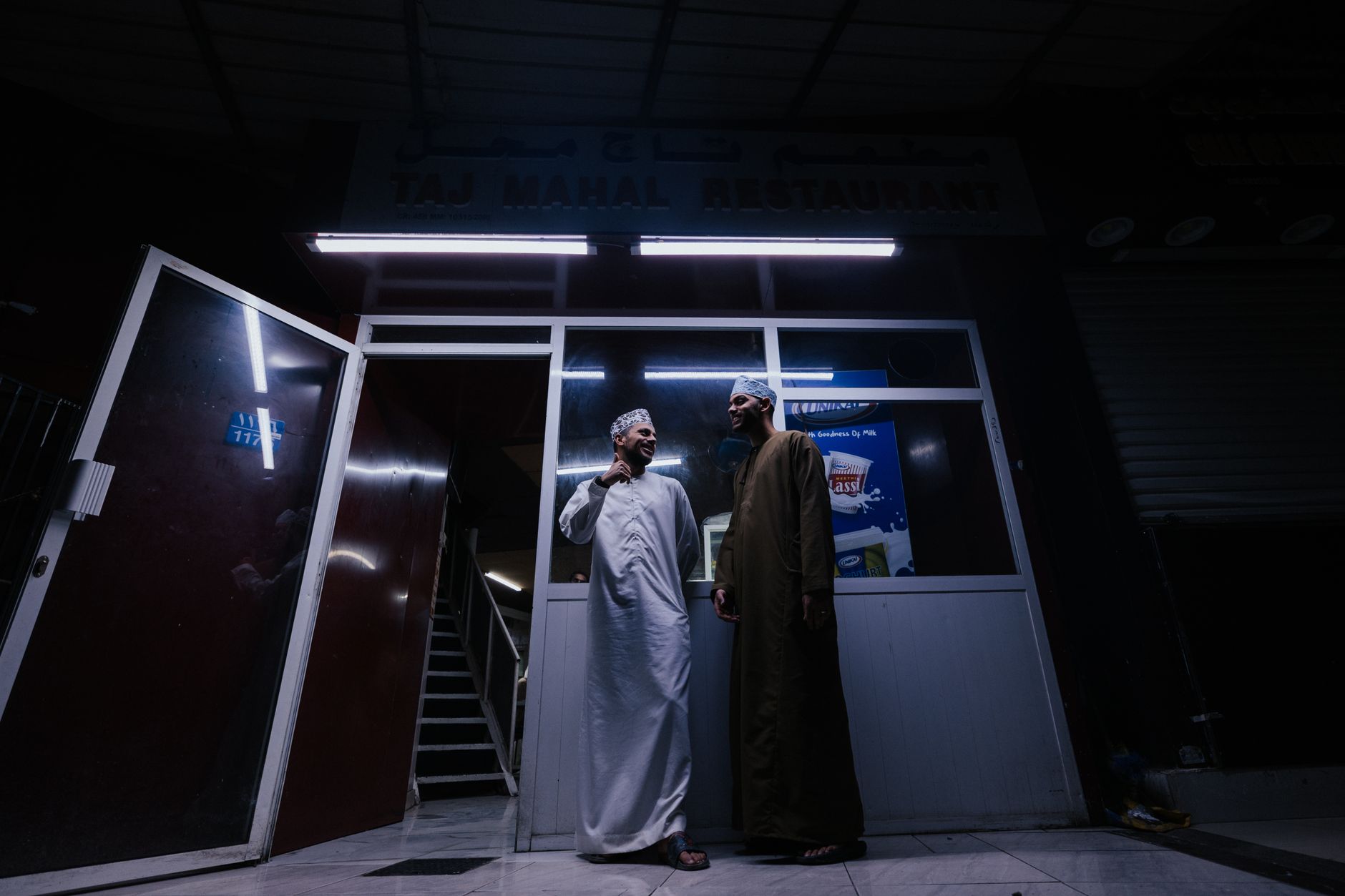


Muscat announces itself through geography before anything else — a city pressed between the Al Hajar mountains and the Gulf of Oman, its low white buildings spread across bays and wadis as if the land insisted on the layout. Ptolemy marked it on his map as the "Hidden Port", and the name still carries a trace of truth: the city rewards the unhurried eye rather than the headline-hunter.
The old waterfront at Mutrah, the Portuguese forts standing watch over the harbour, the sheer scale of the Sultan Qaboos Grand Mosque — Muscat layers six centuries of maritime ambition beneath a skyline that, by law, keeps its human proportions.
💛 What travellers fall for
People who return to Muscat tend to mention the same few things: arriving at Mutrah Souq before the heat peaks, when the frankincense smoke is thickest and the stalls least crowded. They also mention the bus — Route 8 from the airport to Al Khuwair for half an omani rial — as a quiet way to read the city before you're properly in it.
Deals in Muscat
Book directly at the provider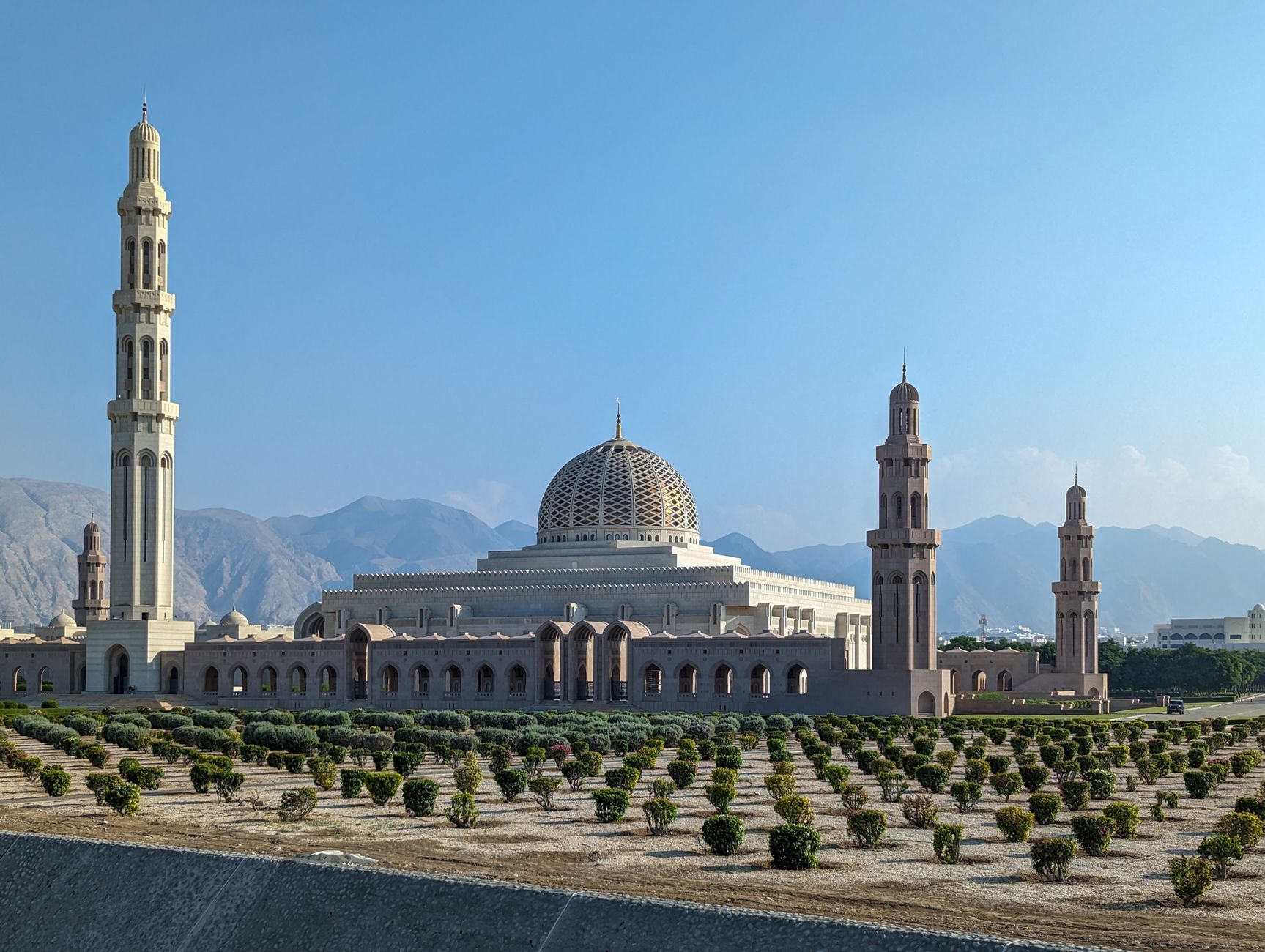


How Muscat came to be
Muscat has been a working port since at least the 1st century CE, positioned where Indian Ocean trade routes converged. By the 9th century it had grown into a serious commercial hub linking Asia, Africa, and Europe. Then came the Portuguese in 1507 — they sacked the city and held the coast for over a century, leaving behind Al Jalali and Al Mirani forts as permanent marks on the harbour skyline. The Yarubid dynasty expelled them in 1650, and Muscat's own imperial chapter followed: by the 18th century, Omani influence reached as far as Zanzibar and the East African coast.
The modern city took shape after 1970, when Sultan Qaboos bin Said came to power and launched what Omanis call the Renaissance — rapid development that, unusually for the region, placed explicit value on architectural continuity with the national style.
Who and what shaped it
People who shaped it
Landmark buildings
See Muscat in motion
Plan your visit
On the map
When to go
November through March is the window: warm, dry days in the low-to-mid twenties Celsius and cool mornings. From May to September the heat becomes a physical presence — temperatures above 40°C are routine, and the record approaches 49°C — so plan accordingly or keep to air-conditioned interiors.
Right now
Background & history adapted from Wikipedia (CC BY-SA) · specs from Wikidata (CC0) · weather from Open-Meteo · map data © OpenStreetMap contributors · photos from Wikimedia Commons / Unsplash with per-image credit. No third-party reviews or social posts reproduced.