
Gravedona
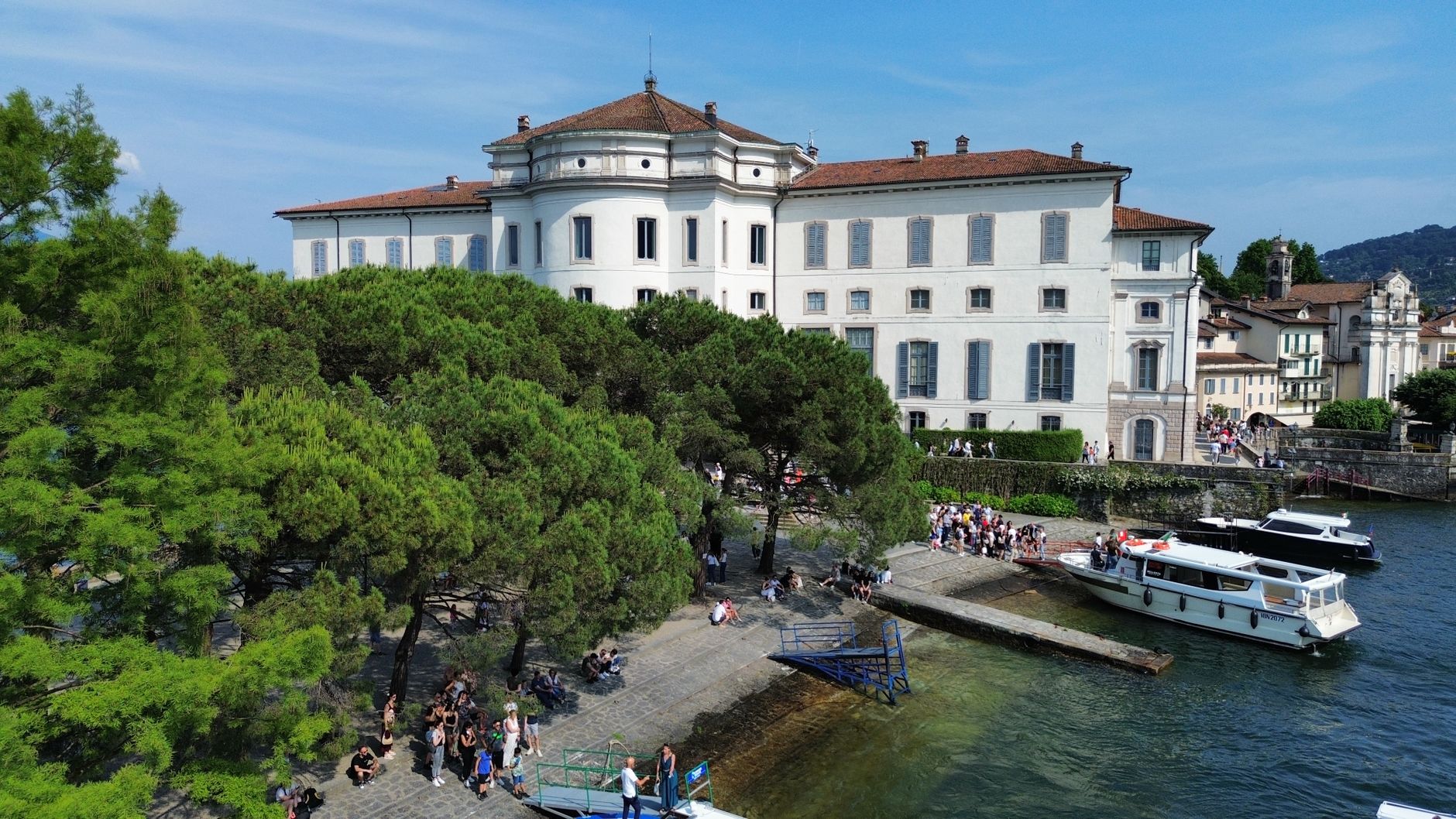
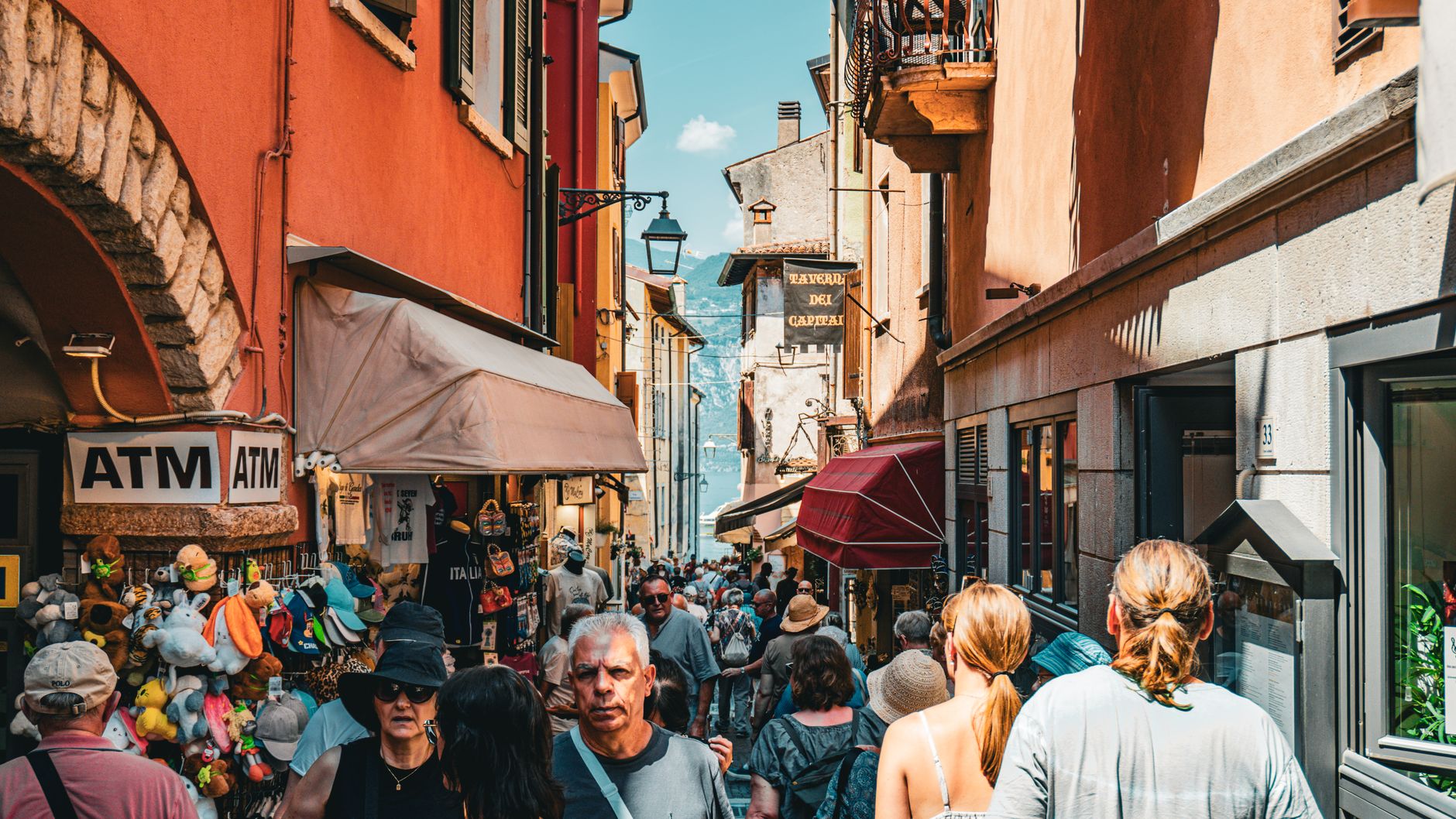
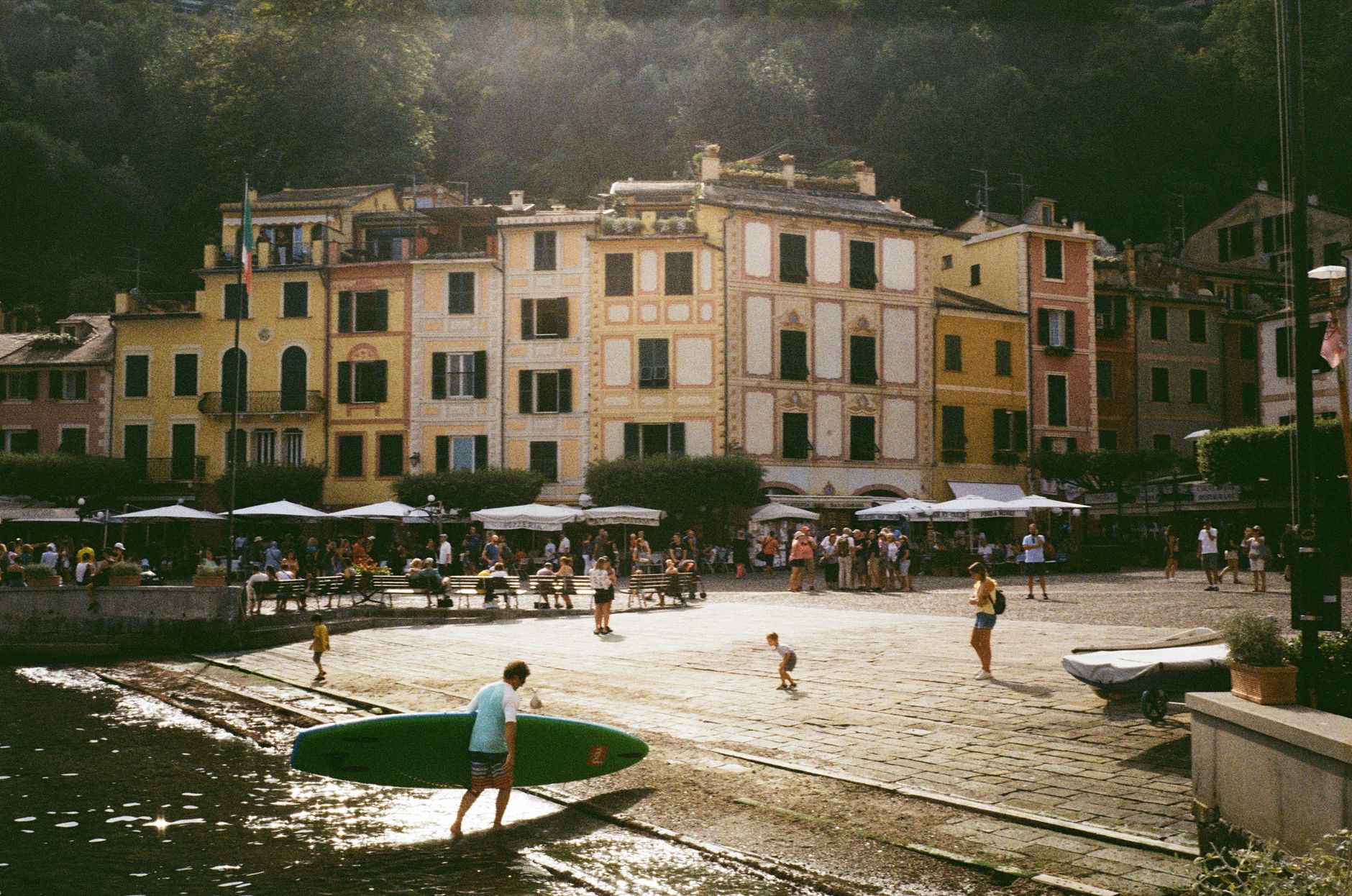
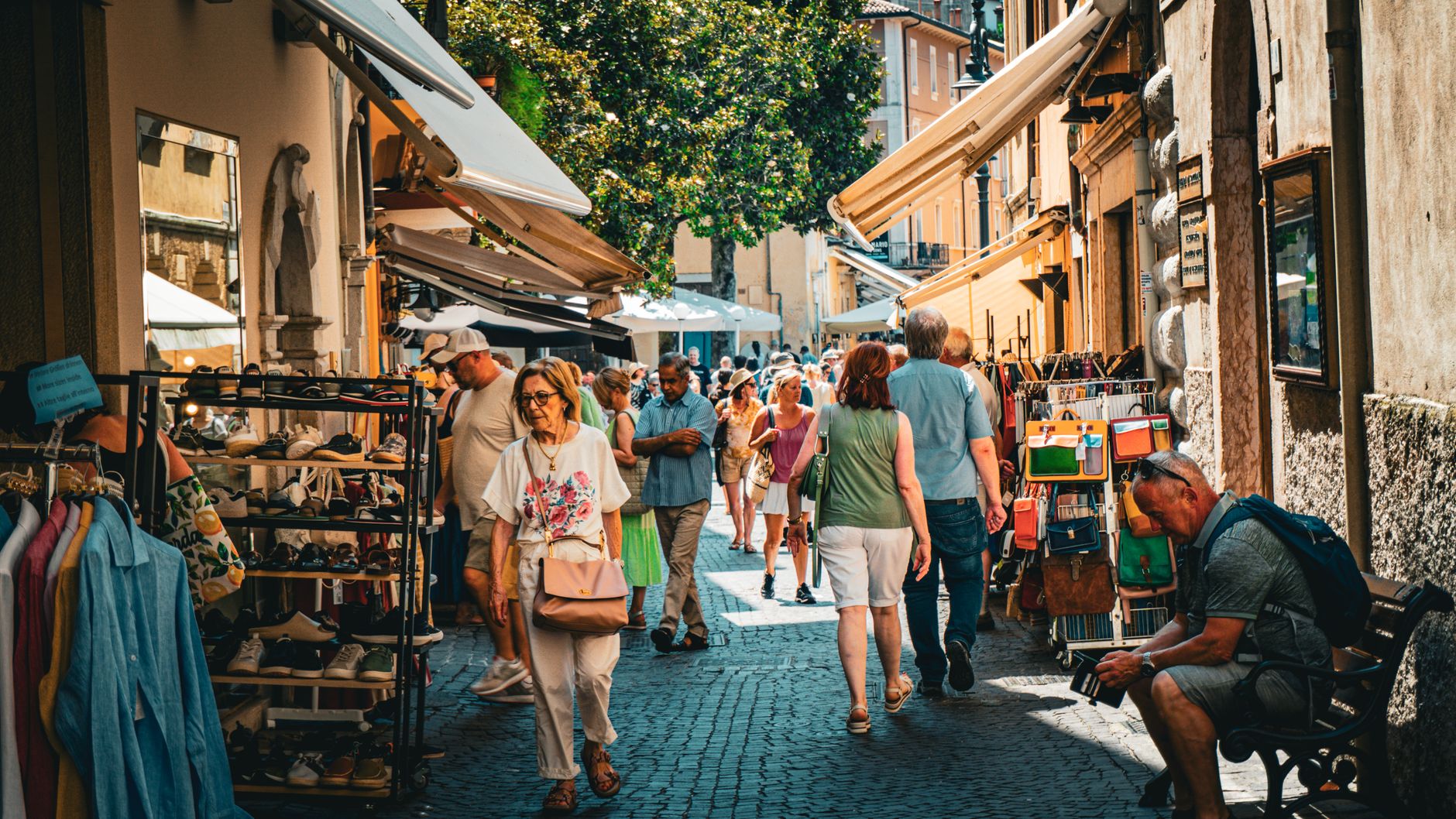
Gravedona sits at the northern arc of Lake Como, where the water narrows and the mountains press closer, and it has the quiet authority of a town that was once genuinely important. The Via Regina, the old road connecting Como to northern Europe, ran through here, and medieval merchants knew the name well. That history left its mark in stone: a 12th-century church built over an early Christian baptistery, a cardinal's palace on a rocky promontory, crypts holding 6th-century inscriptions.
Today Gravedona moves at its own pace, largely unbothered by the crowds that concentrate further south. The ferry pier handles just passenger traffic, the piazza stays local, and the churches — several of them — reward whoever takes the time to push open the door.
💛 What travellers fall for
People who come back tend to time a morning around Santa Maria del Tiglio before the light shifts — the black-and-white marble façade reads completely differently at 9am than at noon. They also mention the ferry to Bellagio as the right way to leave for a day trip: 40 minutes on the water, nothing to organise, and you're back before dinner.
Experiences you don't want to miss



Deals in Gravedona
Book directly at the provider


How Gravedona came to be
Gravedona's roots predate Rome — Ligurian-Celtic settlements were here before Roman colonisation, and a 6th-century inscription in the Church of San Vincenzo records that layered past. Through the Middle Ages the town prospered as a waypoint on the Via Regina, eventually becoming the symbolic capital of the Tre Pievi, the three parishes that governed this stretch of the upper lake.
The 16th century brought a rougher succession of rulers: the Visconti, the Sforza, then the soldier-lord Gian Giacomo de' Medici, known as il Medeghino. Finally, in 1586, Cardinal Tolomeo Gallio commissioned architect Tibaldi to build Palazzo Gallio on the remains of an old fortification — a square plan with four corner towers and lake-facing loggias that still define the town's silhouette. Alessandro Volta, who would later give his name to the unit of electric potential, spent part of his honeymoon in the historic centre.
Who and what shaped it
People who shaped it
Landmark buildings
See Gravedona in motion
Plan your visit
On the map
When to go
Summers are warm and occasionally hot — July highs regularly touch 30°C, with mild nights around 17°C. Winter is cool and quiet, dropping to around 3°C in January; spring and early autumn offer the most comfortable conditions for walking between the churches and along the lakefront.
Right now
Background & history adapted from Wikipedia (CC BY-SA) · specs from Wikidata (CC0) · weather from Open-Meteo · map data © OpenStreetMap contributors · photos from Wikimedia Commons / Unsplash with per-image credit. No third-party reviews or social posts reproduced.