
Mandello del Lario
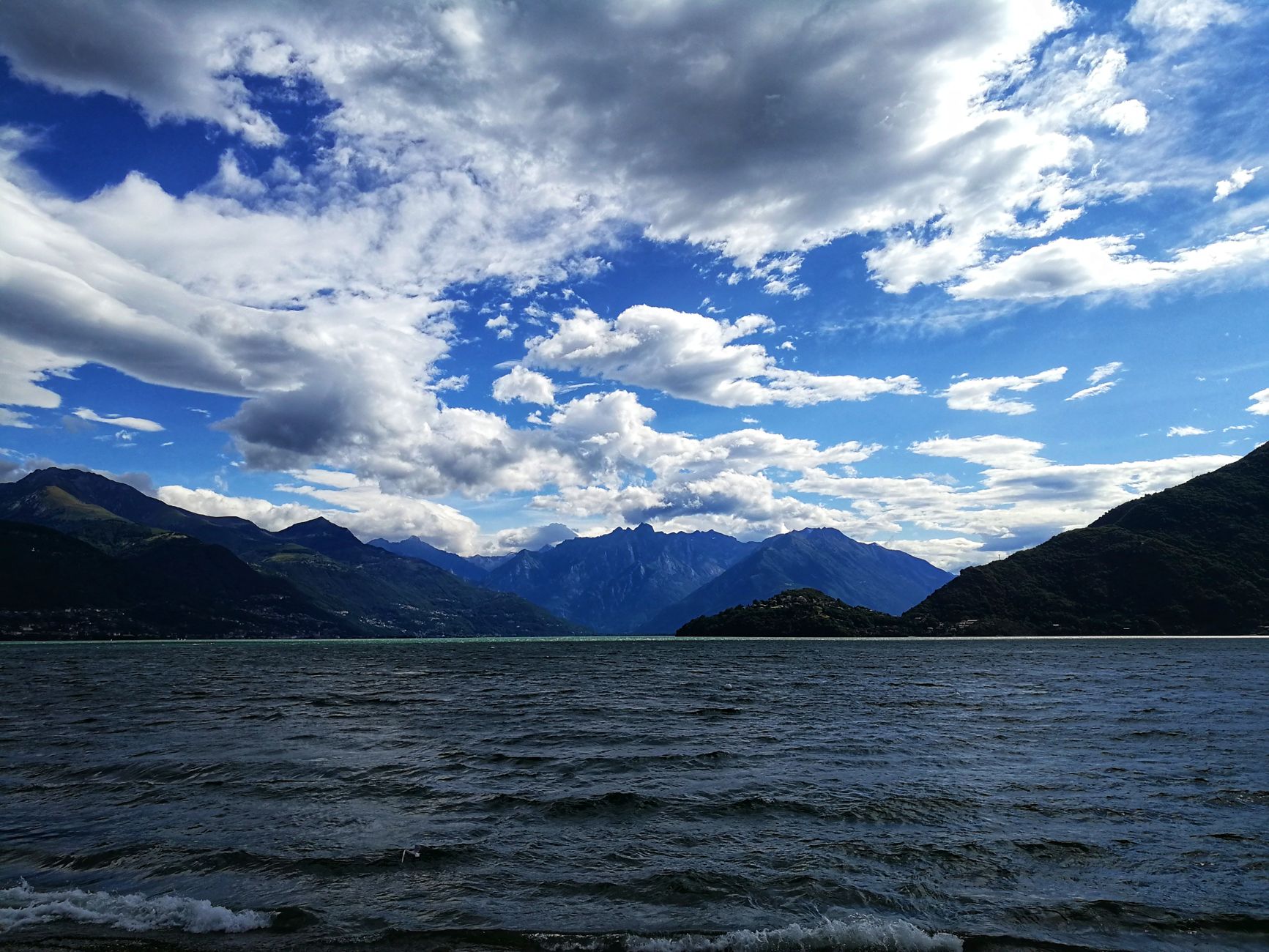
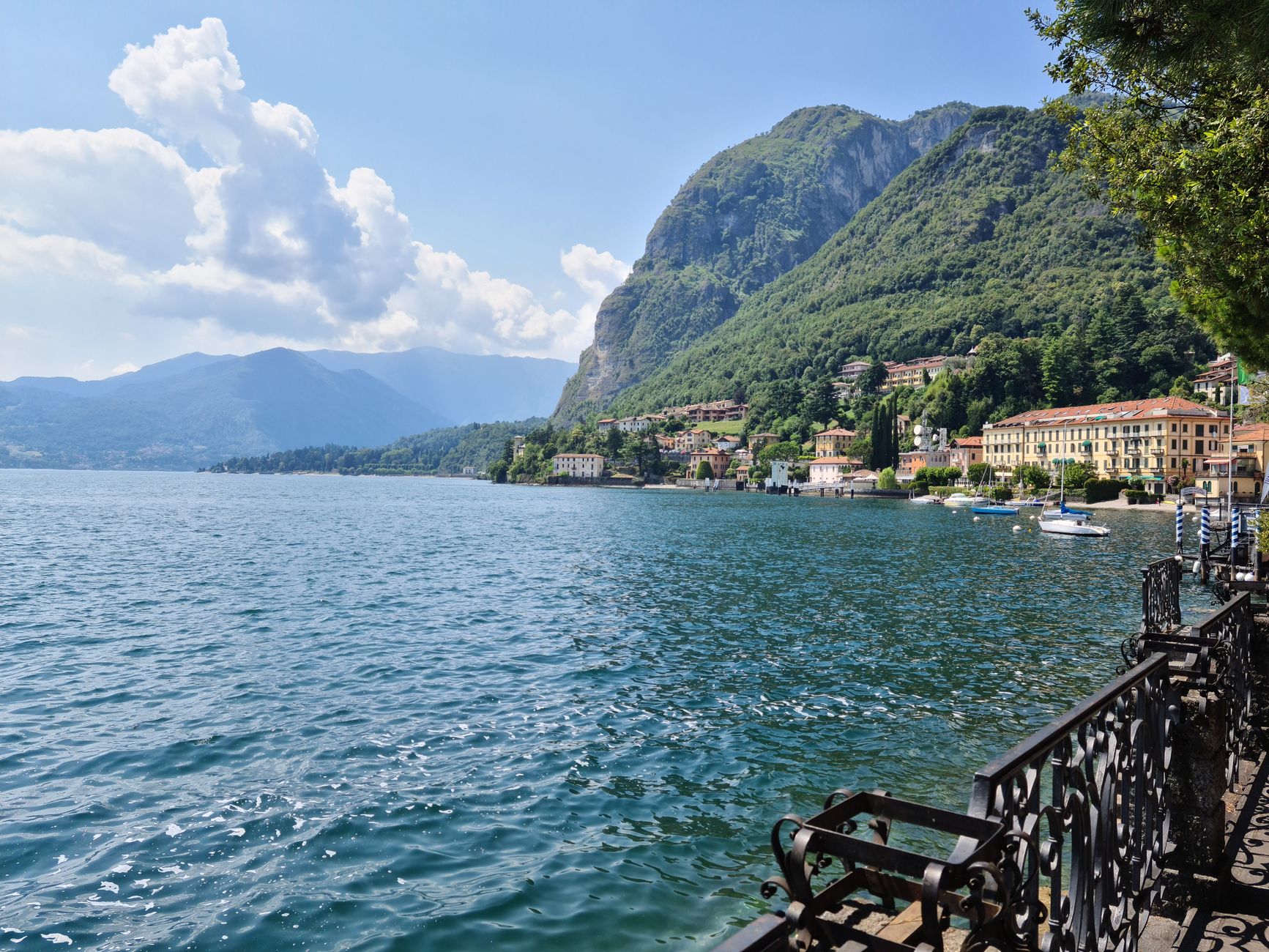
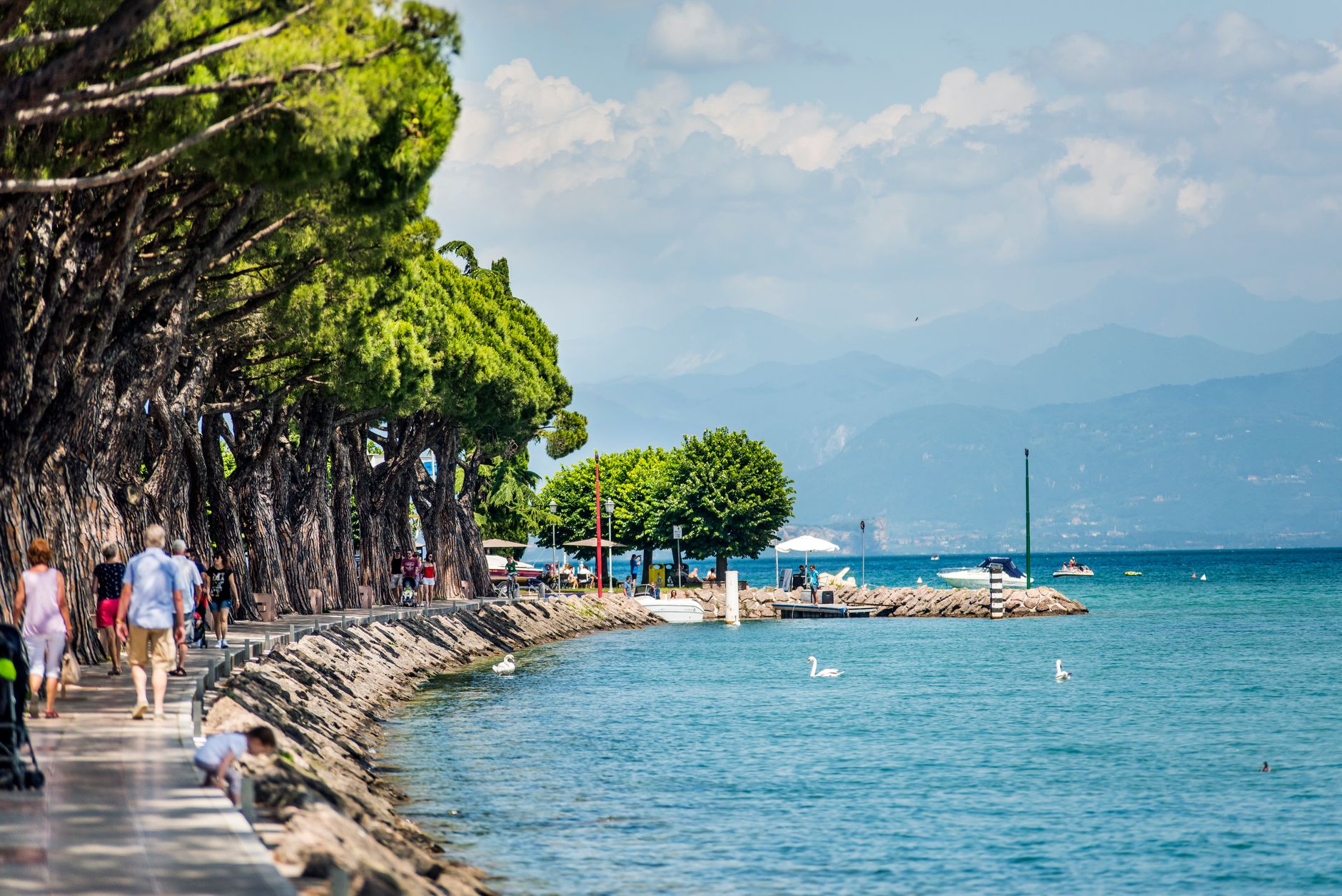
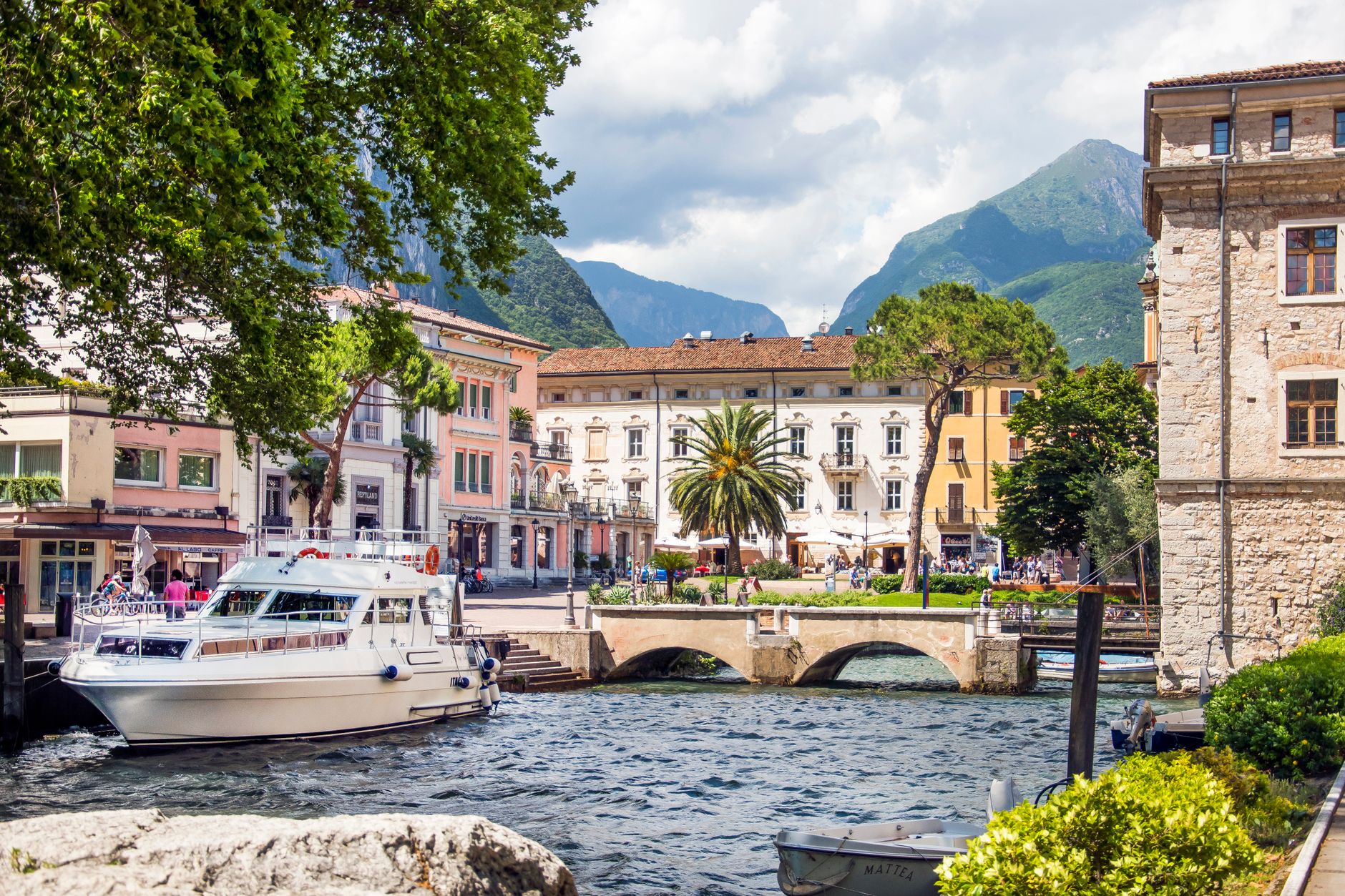
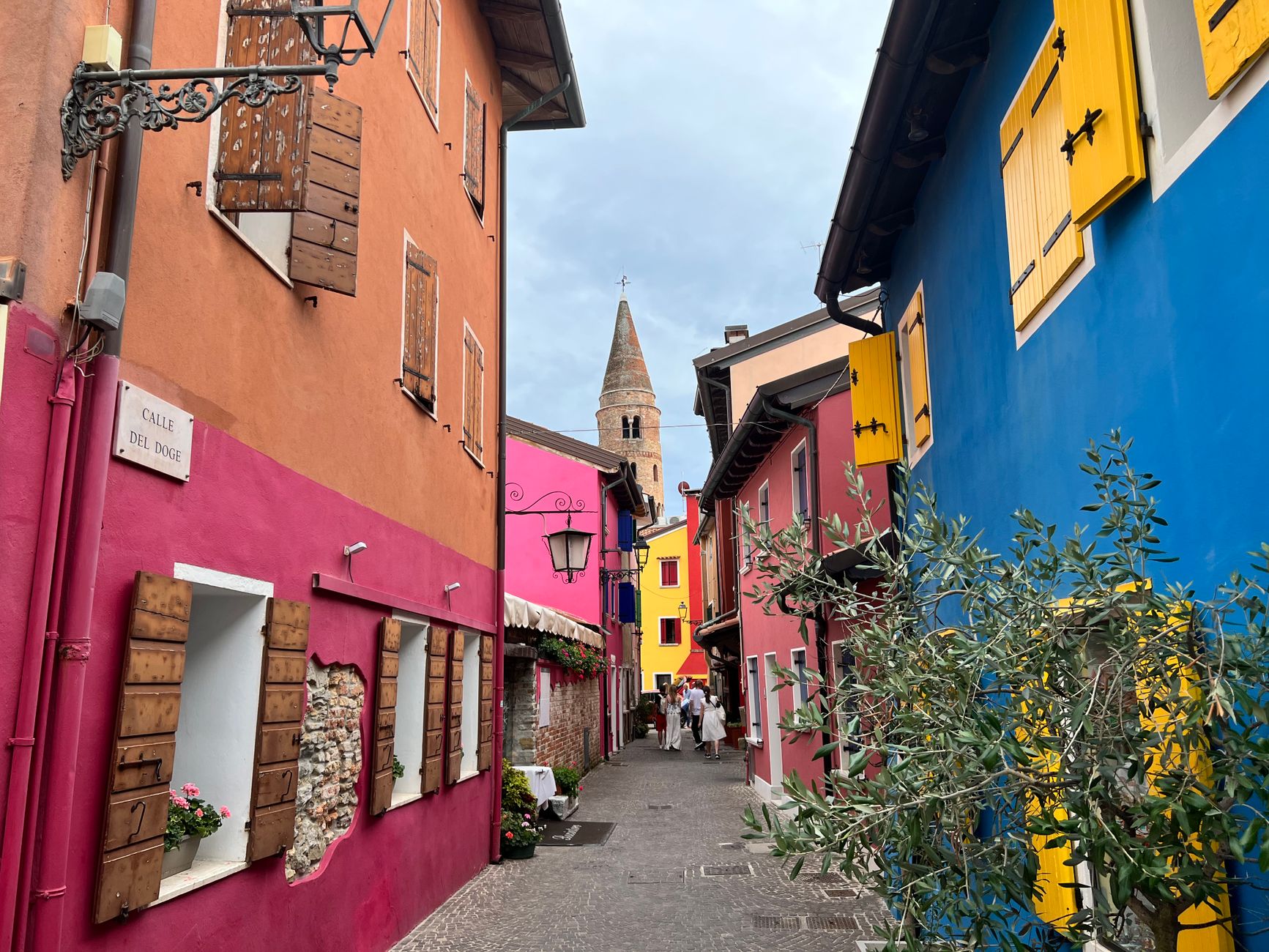
Most people pass Mandello del Lario on the train and don't get off. That's their loss. The town sits on the eastern shore of Lake Como where the Grigna massif rises almost directly from the water, and its old harbour — Porto di Riva Grande — is lined with colourful houses that have been watching the lake since before anyone thought to photograph them. Narrow streets run back from the promenade into a medieval centre of porticoes and stone, and somewhere inside the original factory building, more than 150 Moto Guzzi motorcycles sit in rows, each one a chapter in an industrial story that started here in 1921.
Mandello earns its place not through spectacle but through accumulation — Roman origins, Visconti silk, three medieval towers, a Baroque octagonal basilica built after a reported lakeside miracle, and a sports lineage that sent rowers and canoeists to multiple Olympic Games. It's a working town that happens to have a beautiful waterfront.
💛 What travellers fall for
People who come back tend to mention the same walk: down to the lakefront early, coffee somewhere on the promenade before the tour buses start moving on the main road, then up through the old centre to find Saint George's Church and its 15th-century frescoes before the light shifts. The Moto Guzzi Museum rewards a second visit — the racing section especially.
Experiences you don't want to miss


Deals in Mandello del Lario
Book directly at the provider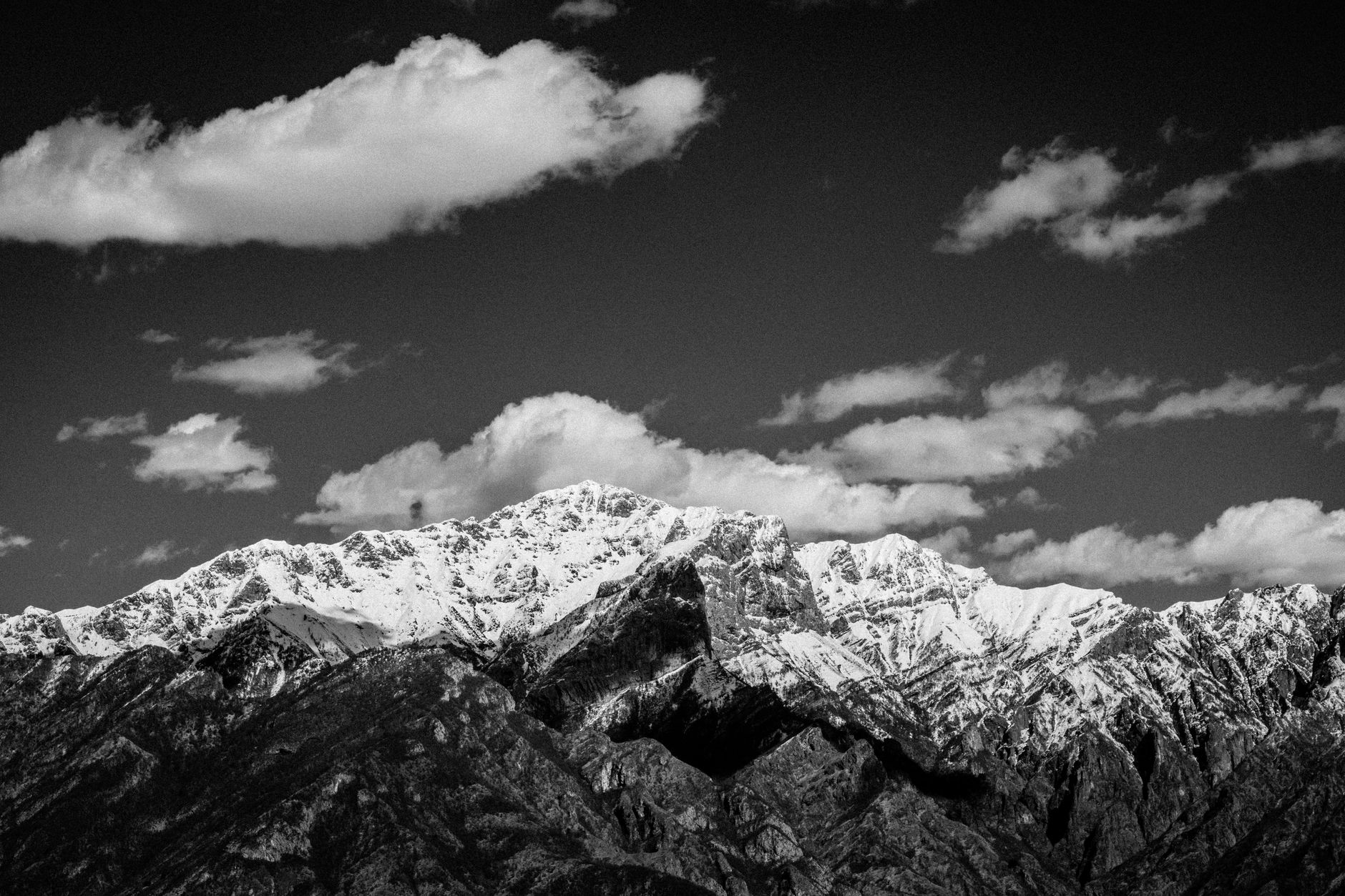
How Mandello del Lario came to be
Mandello's position near the Alpine passes made it strategically useful as far back as the 3rd century BC, when Rome kept a military presence on the lake. Under the Longobards and then the competing claims of Milan and Como, the town formed its own municipality in the 12th century with assemblies and magistrates. The Visconti took control in 1336 and brought the silk trade with them — an industry that persisted here for centuries, with the Torcitura Arcioni mill still operating nearby as late as 1877.
The 1894 completion of the Lecco–Colico railway changed the town's character decisively. Industry followed the tracks, and in 1921 two former WWI aviators, Carlo Guzzi and Giorgio Parodi, opened a motorcycle factory on 15 March with 17 workers and 300 square metres of floor space. That factory is still here, still making engines, still the reason many visitors get off the train.
Who and what shaped it
People who shaped it
Landmark buildings
See Mandello del Lario in motion
Plan your visit
On the map
When to go
Temperatures average around 16°C across the year, with May through September offering the most reliable warmth for walking the promenade and exploring the old centre. Winter is quiet and mild by Alpine standards, but some lakeside services run on reduced schedules.
Right now
Background & history adapted from Wikipedia (CC BY-SA) · specs from Wikidata (CC0) · weather from Open-Meteo · map data © OpenStreetMap contributors · photos from Wikimedia Commons / Unsplash with per-image credit. No third-party reviews or social posts reproduced.