
Florence
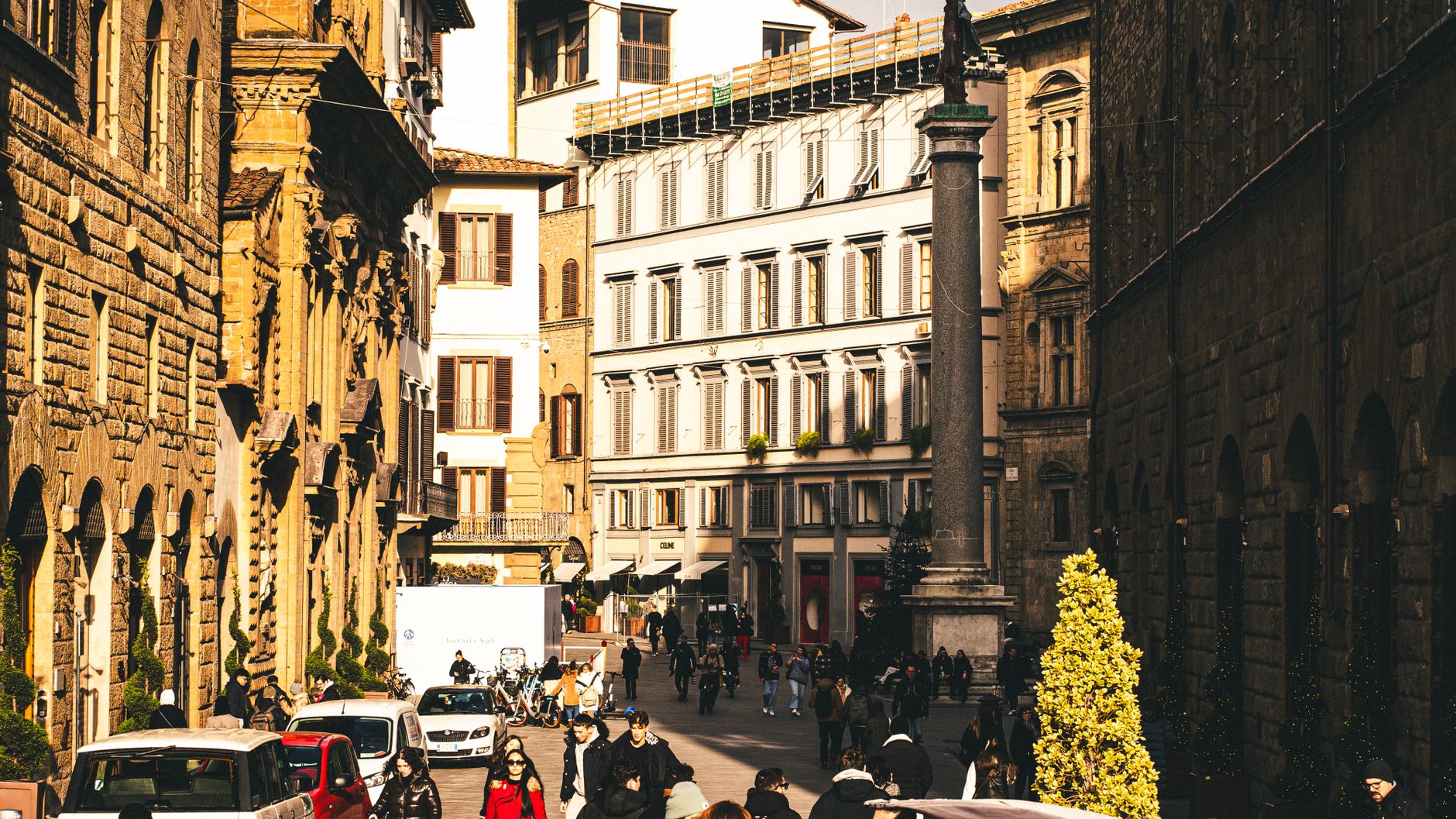
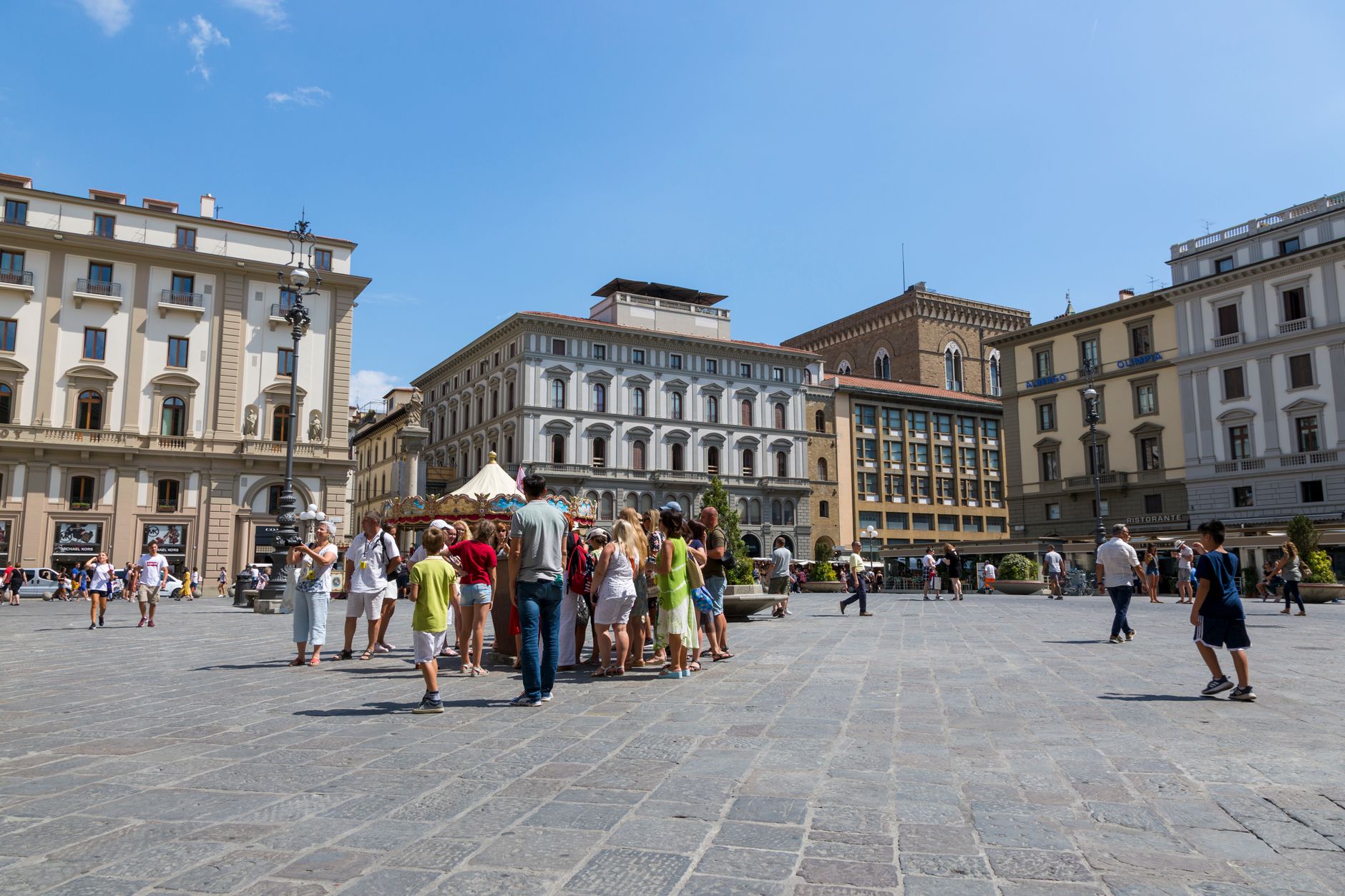
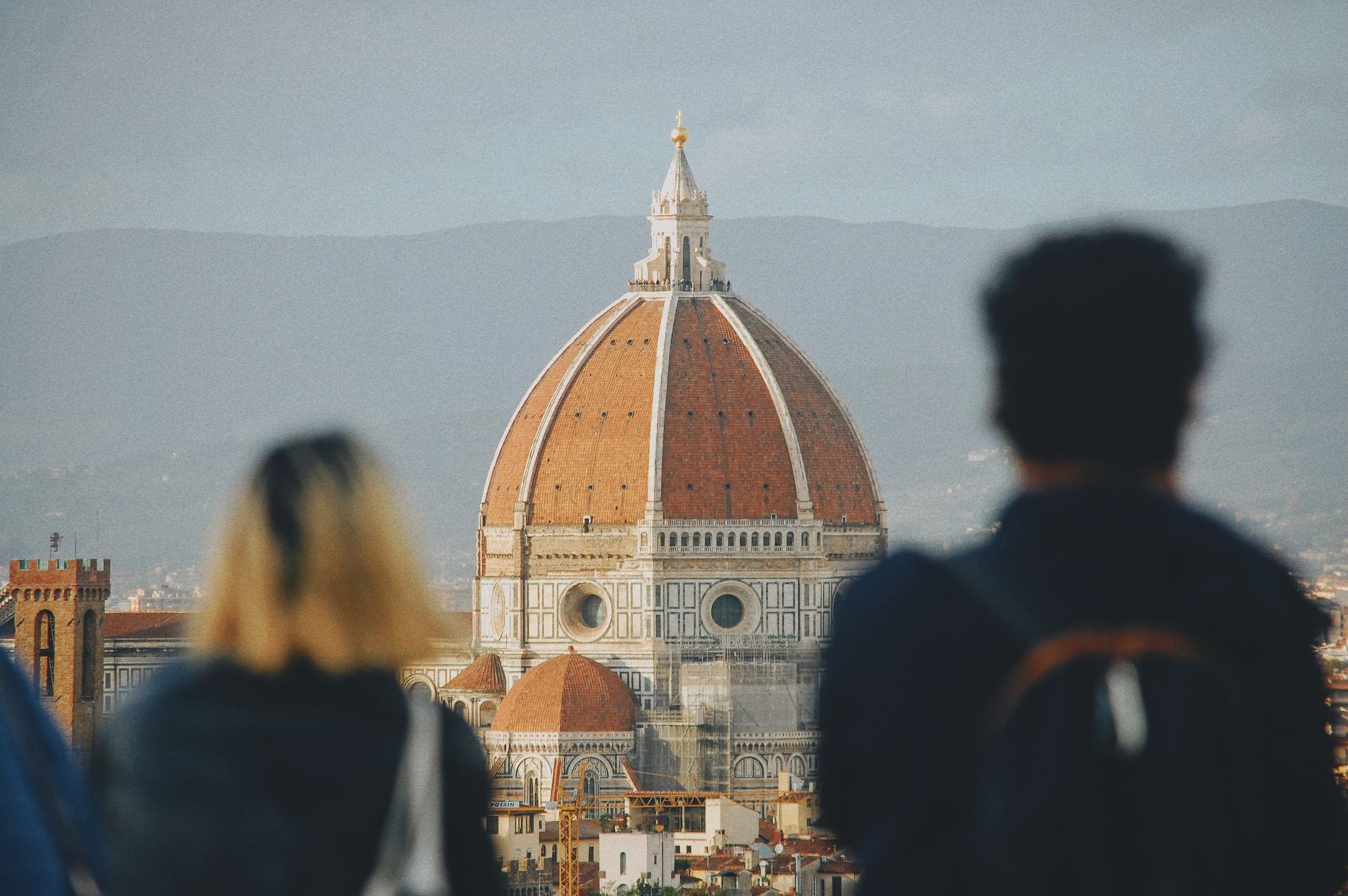
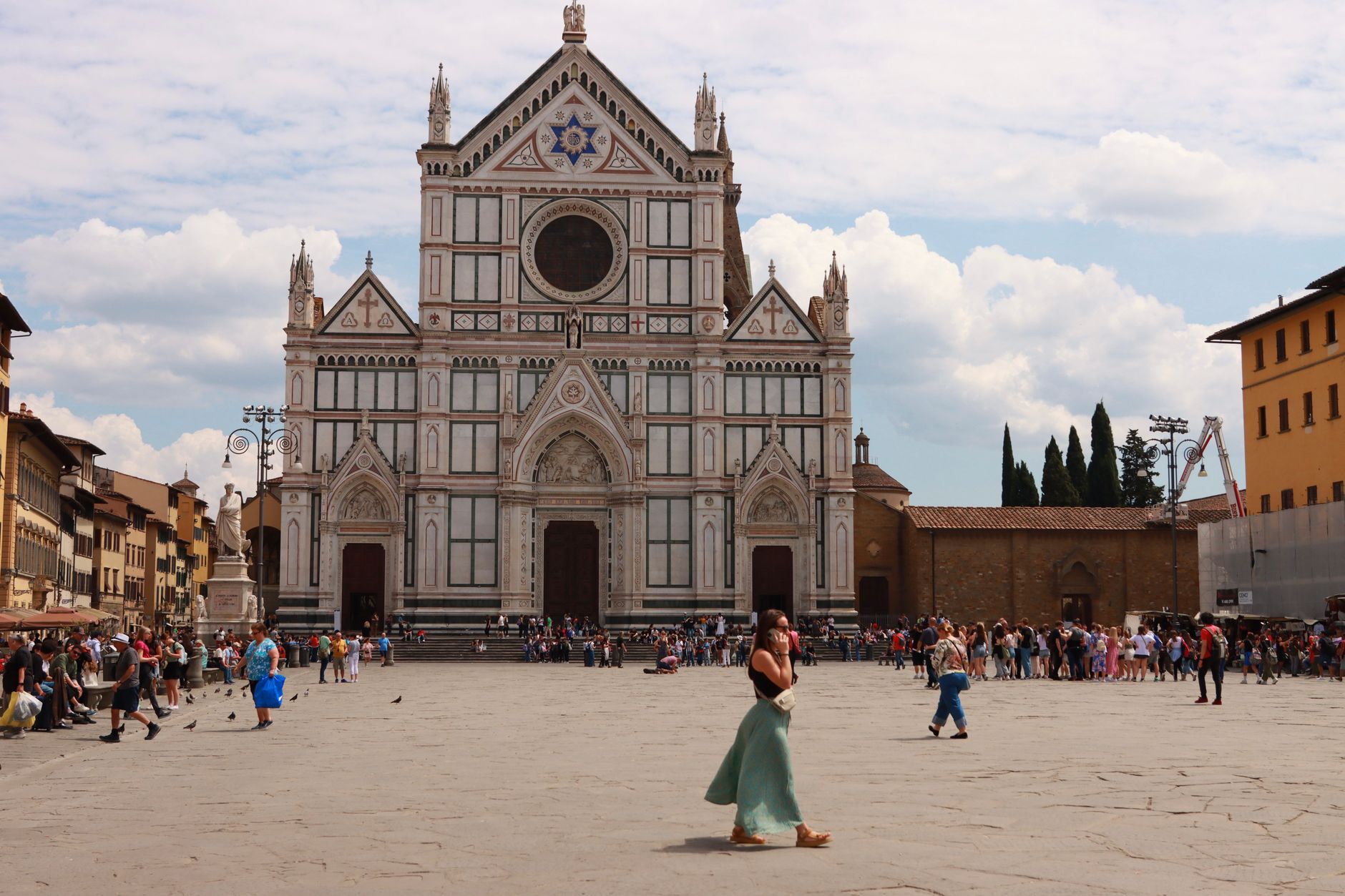
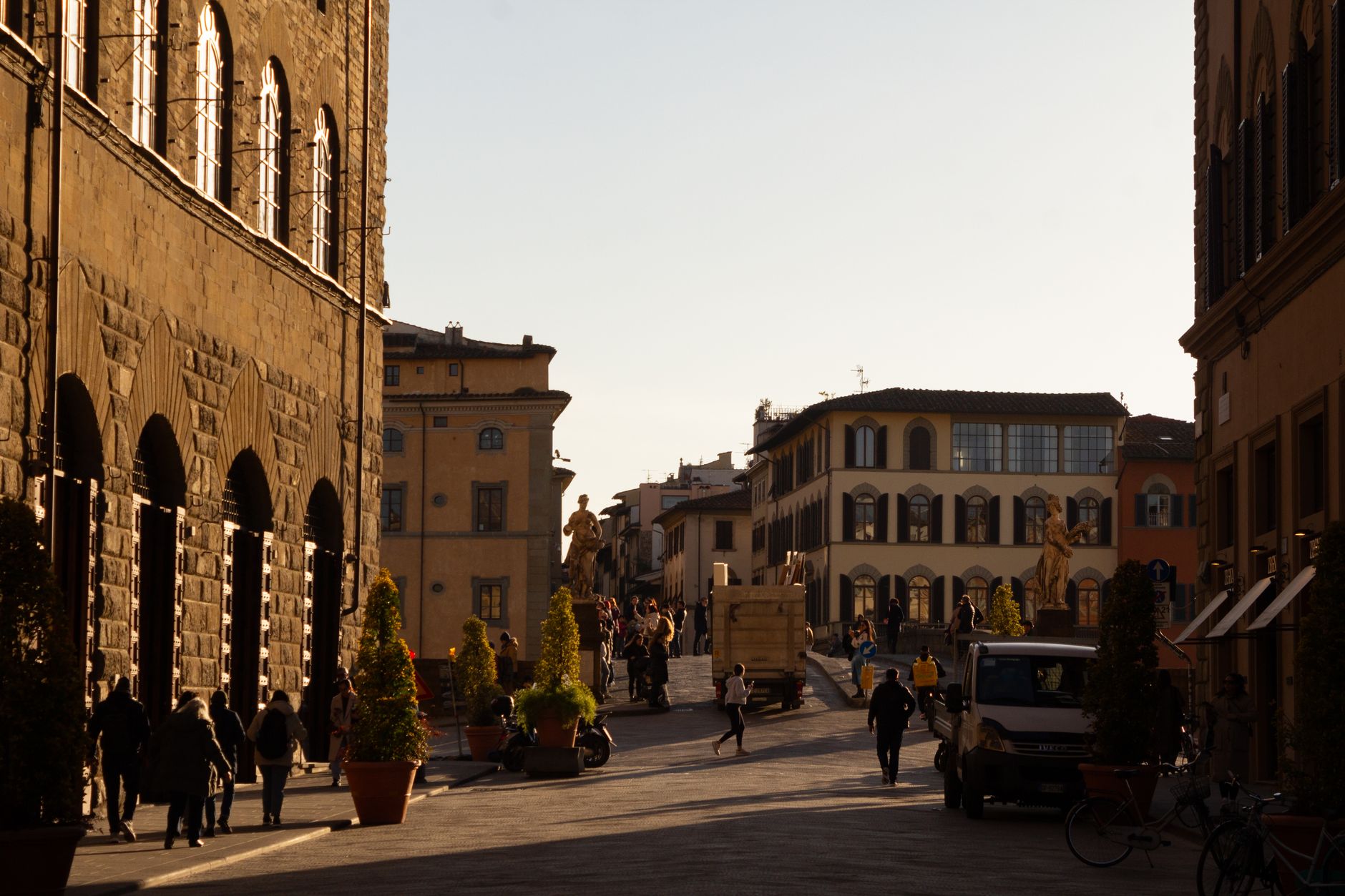
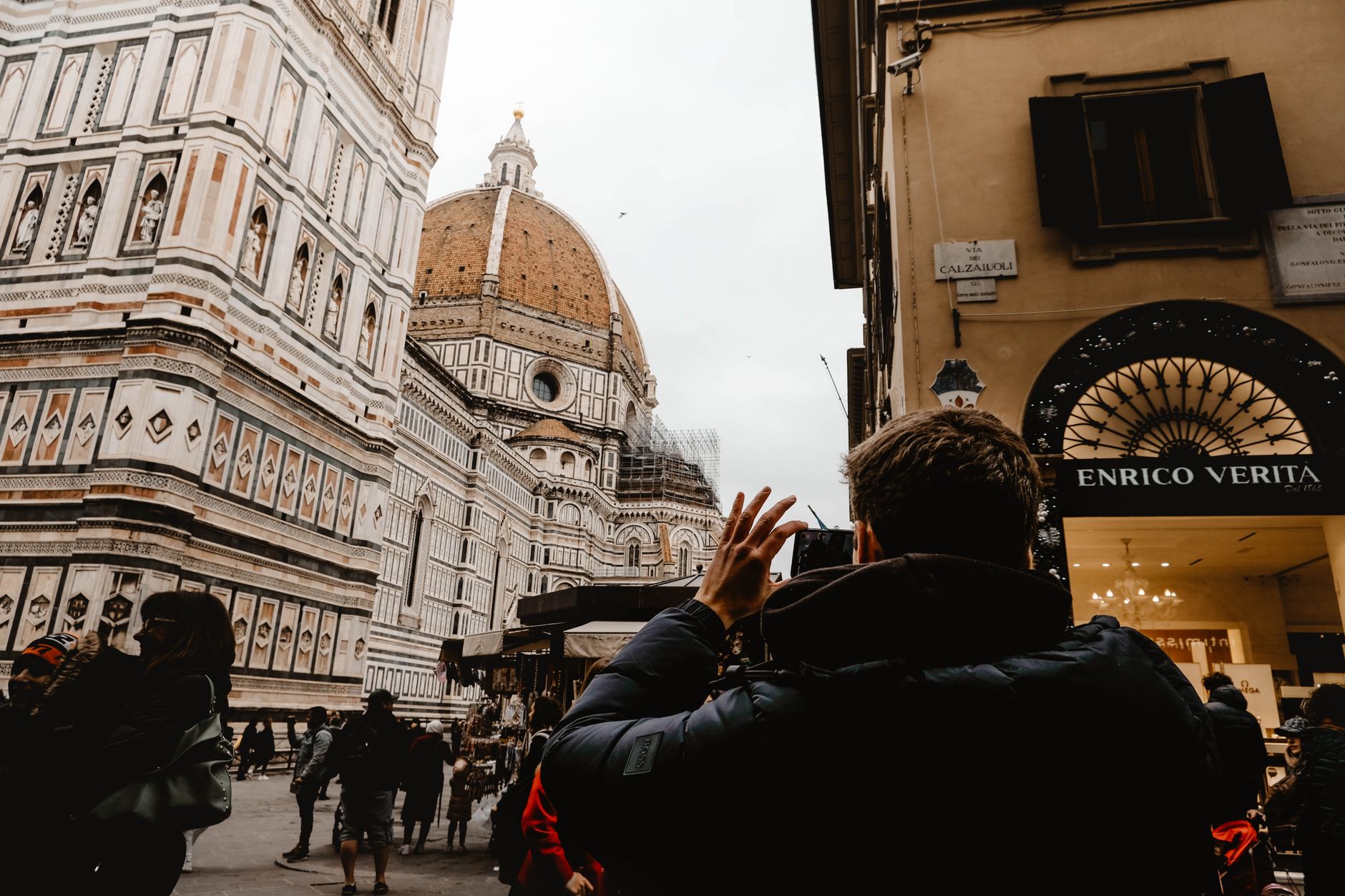
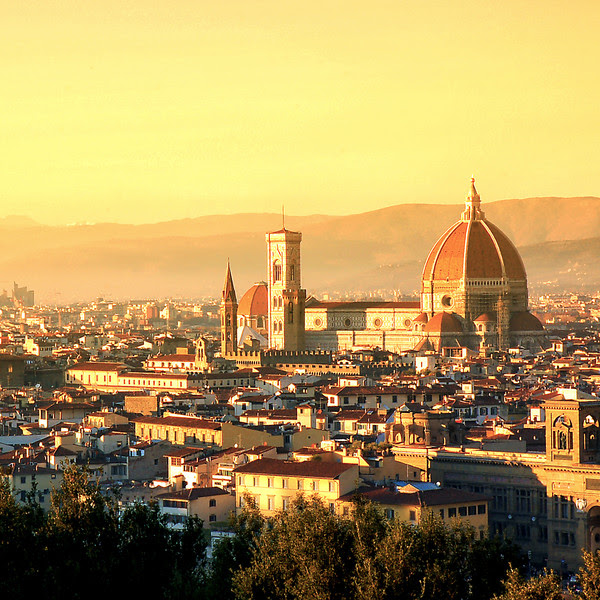
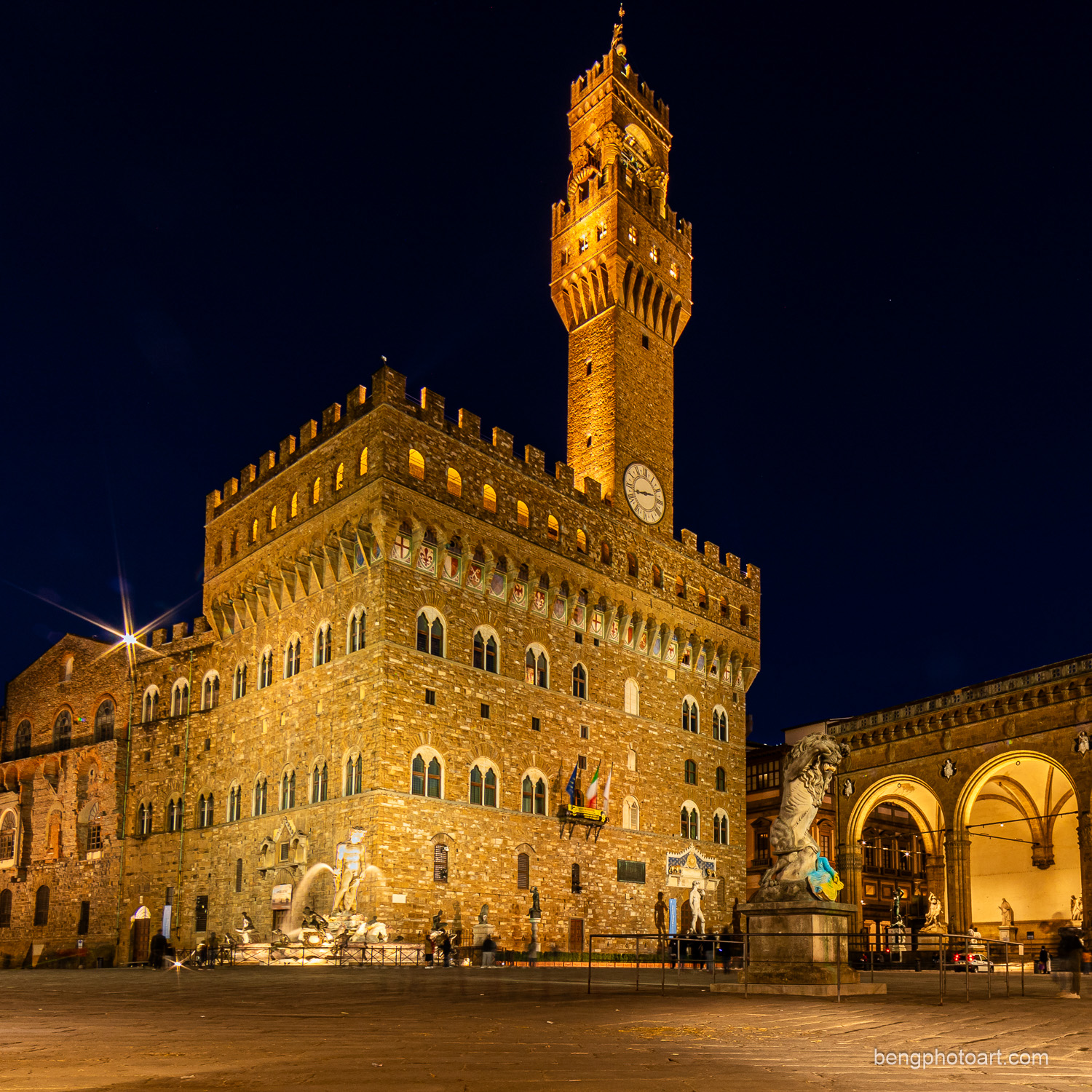
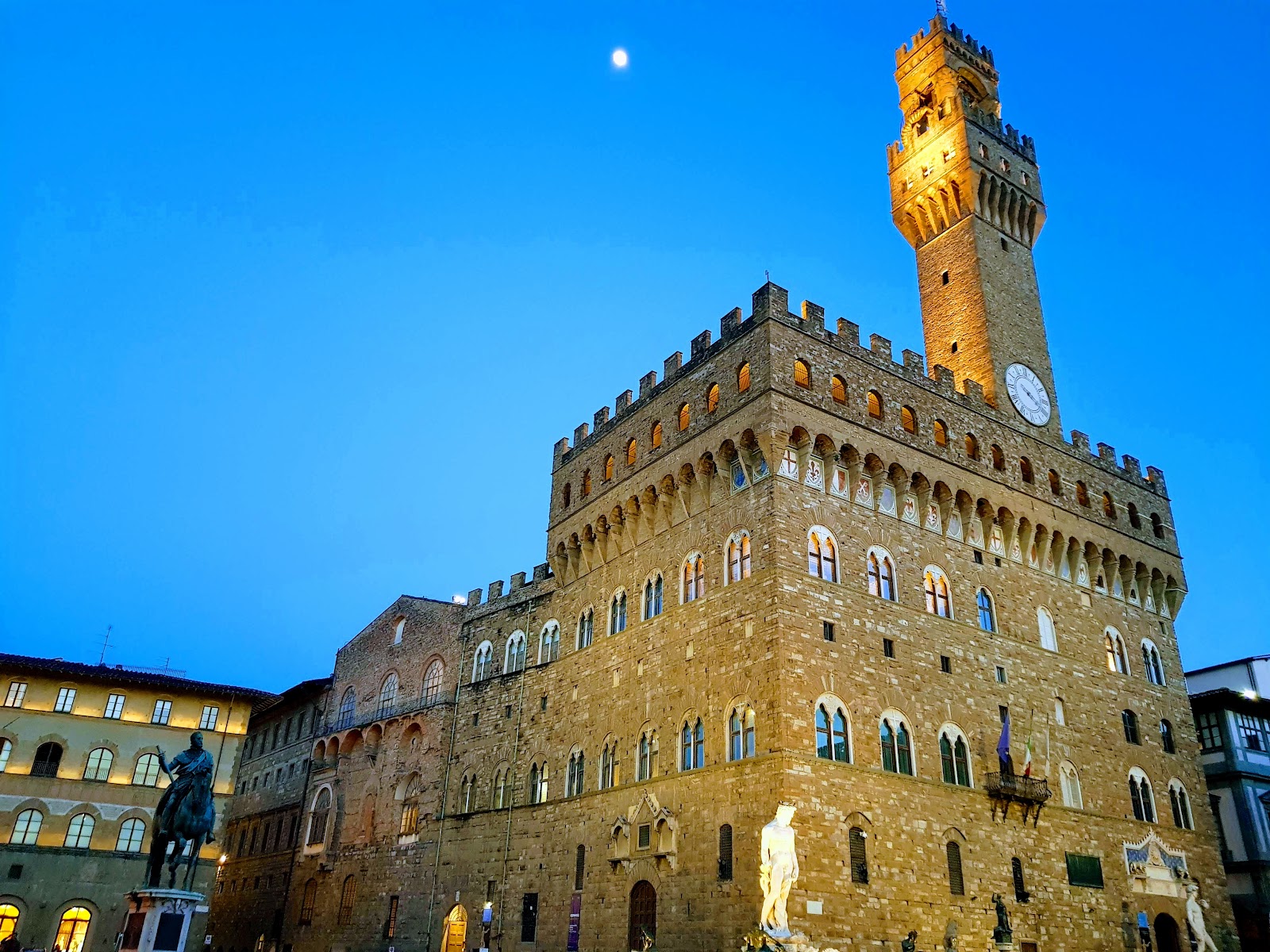
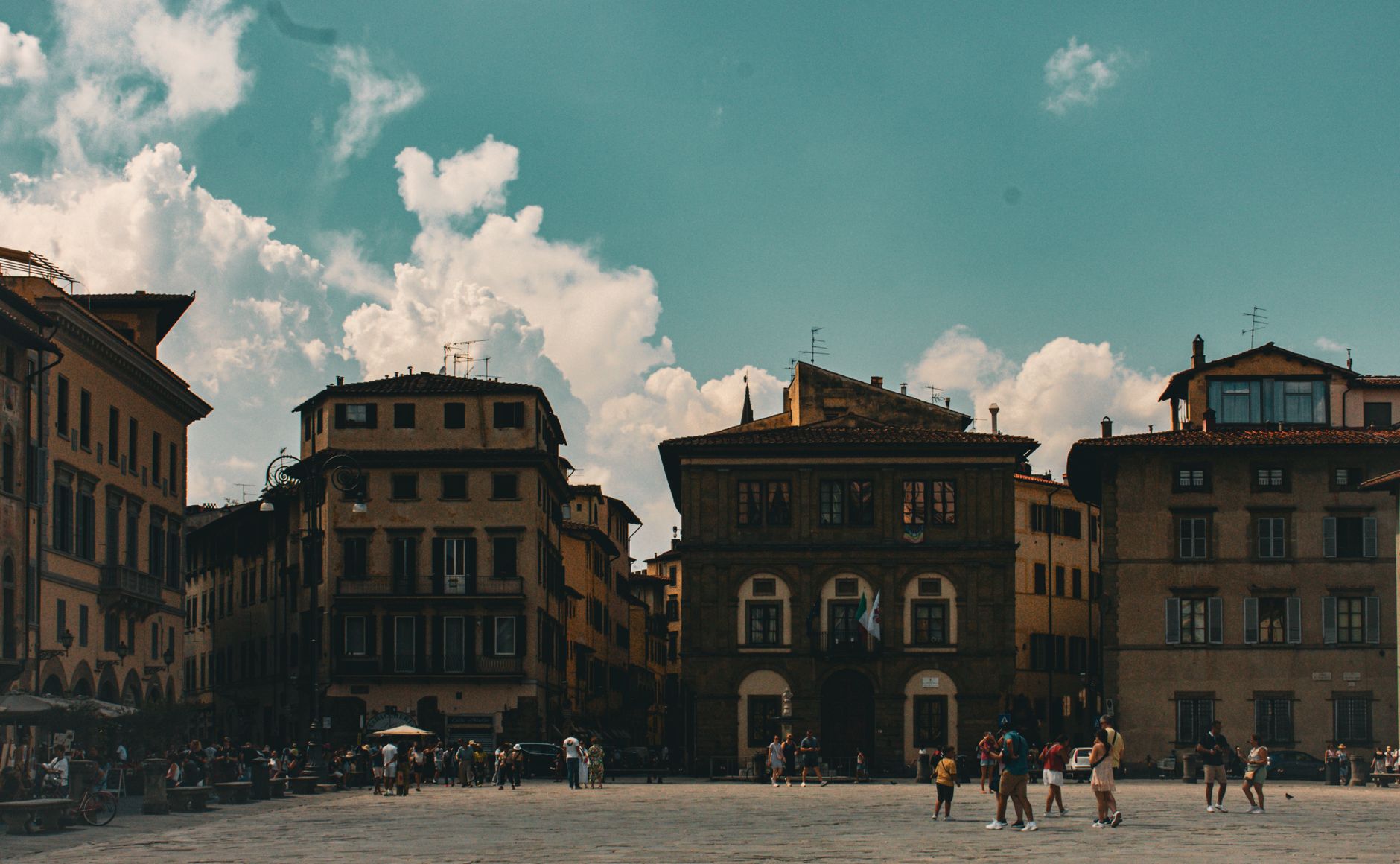
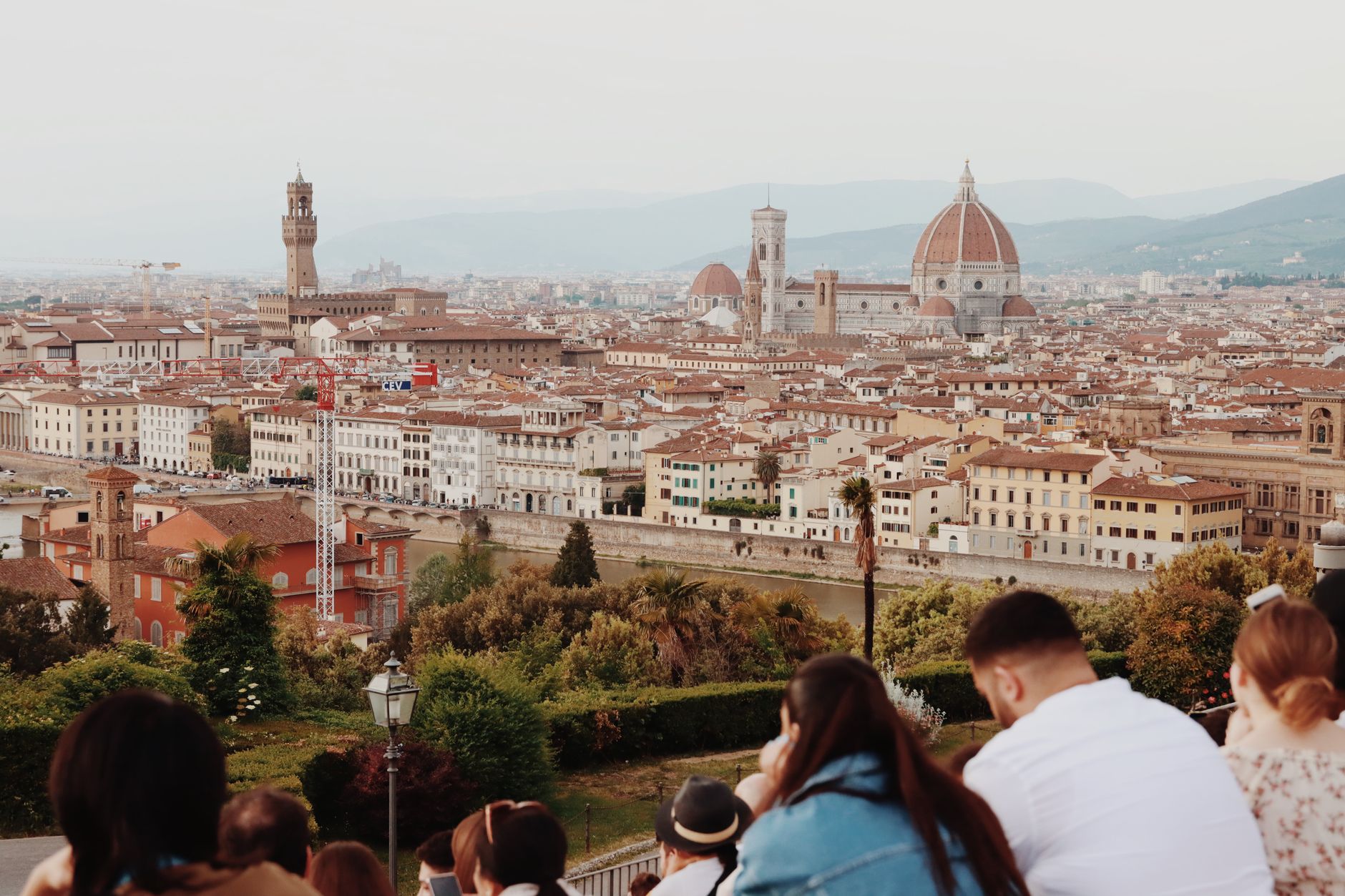
Stand in Piazza della Signoria on a weekday morning, before the tour groups arrive, and you get a sense of what Florence has always been: a city that put everything it had into making things that last. The Palazzo Vecchio has functioned as the town hall since 1299. The dome Brunelleschi raised over the cathedral in 1436 was, at completion, the largest Christian church in the world — and nobody had attempted anything like it since antiquity.
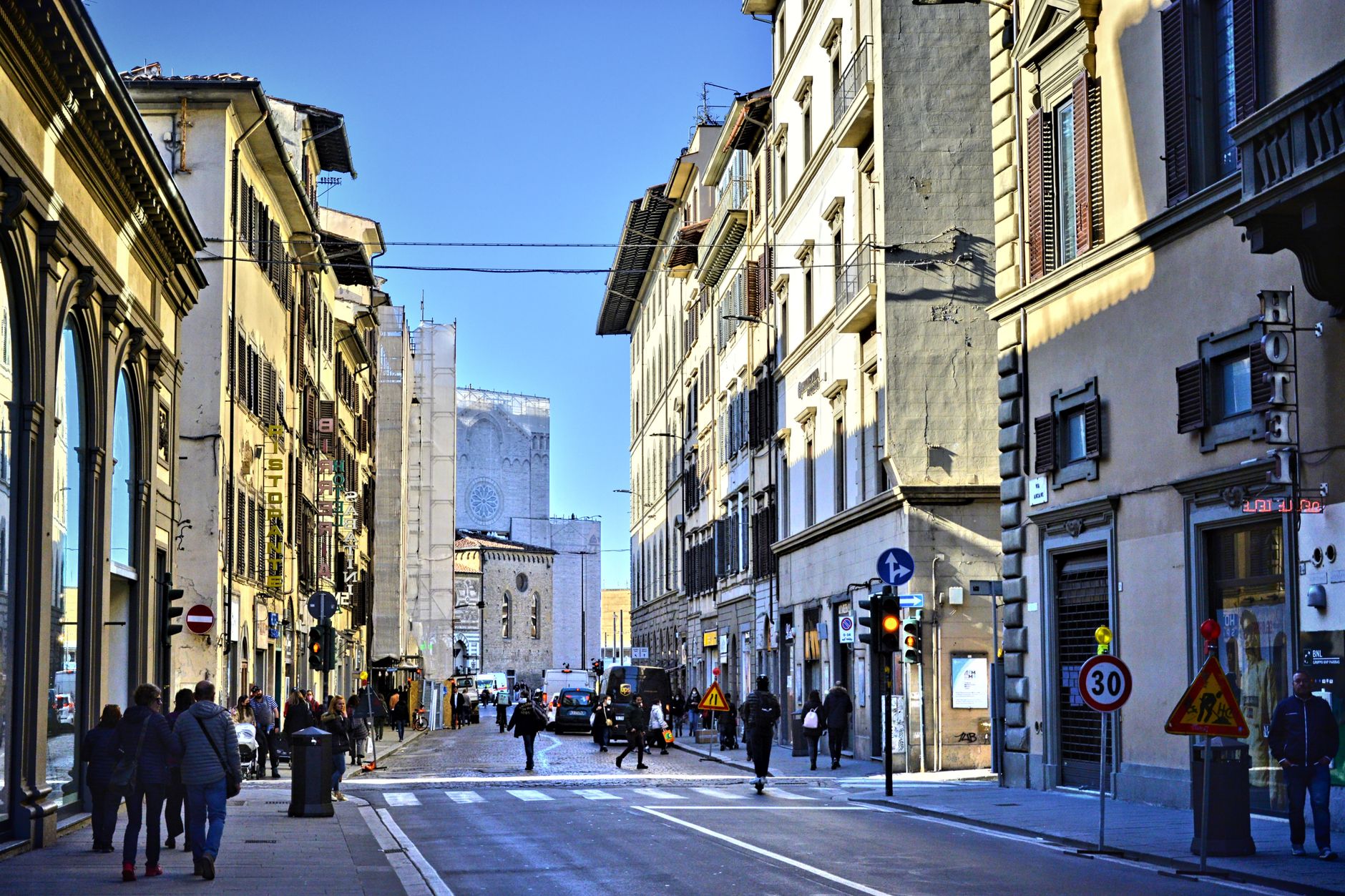
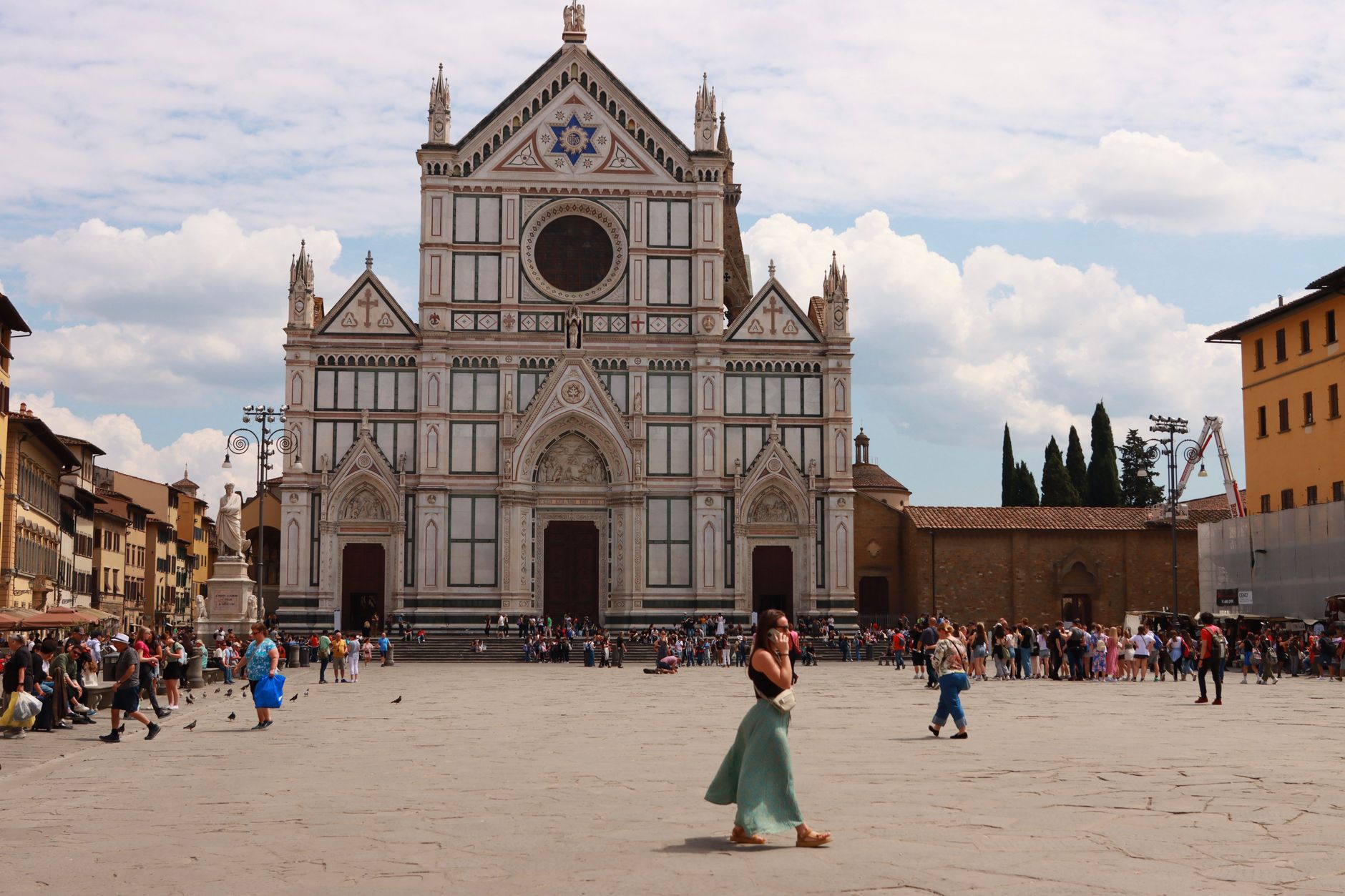
This is a city you walk slowly. The distances between the Duomo, the Uffizi, the Ponte Vecchio and Santa Croce are short, but the density of what's between them rewards stopping, doubling back, sitting down with an espresso and looking up.
💛 What travellers fall for
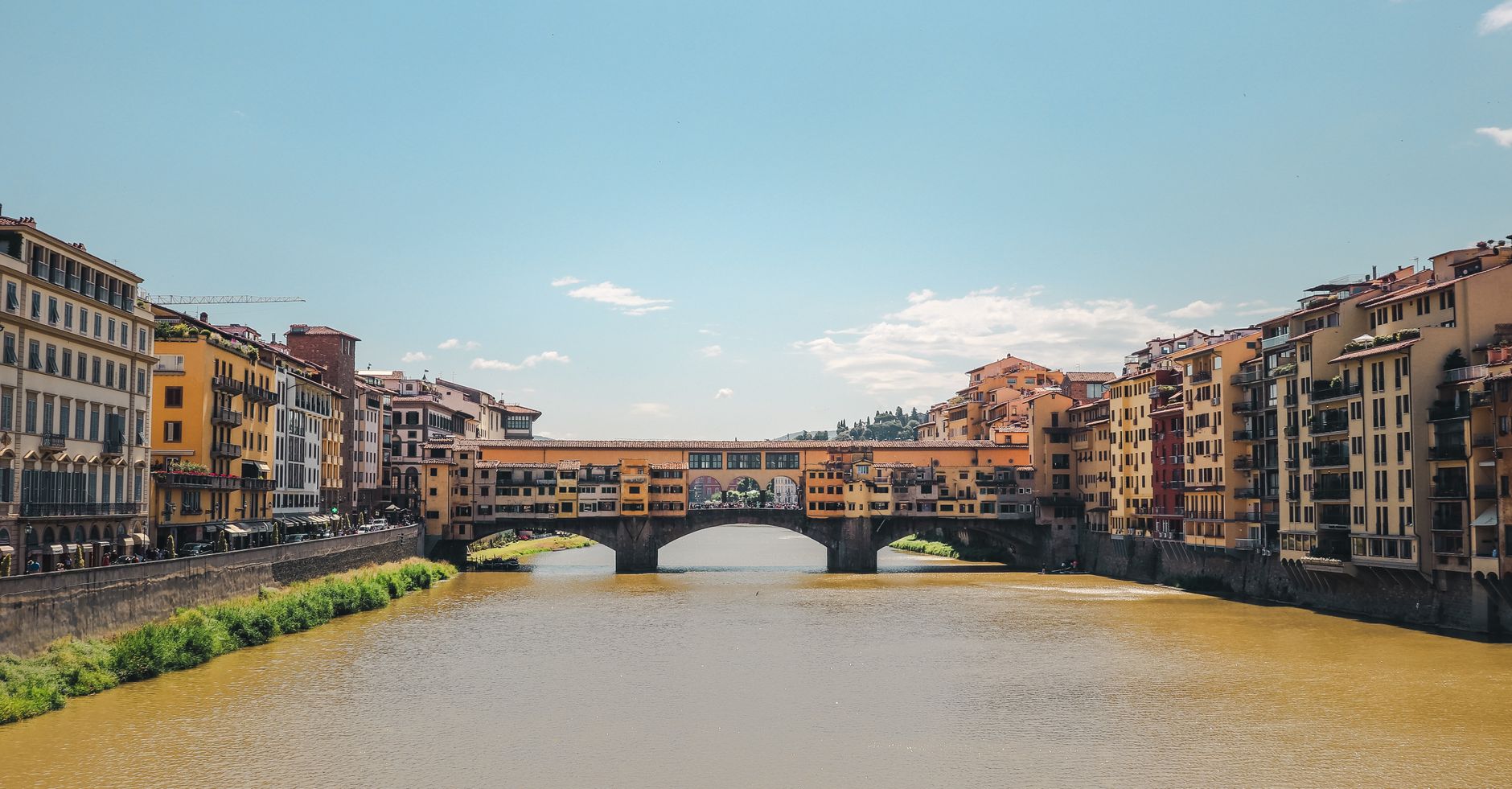
People who return tend to stop trying to cover everything. They pick one museum per day — the Uffizi on one afternoon, the Bargello on another — and spend the rest of the time eating lunch at a counter, crossing the Ponte Vecchio before dusk when the jewellers are still open, and climbing Giotto's campanile for a view of the dome from the same height.
Experiences you don't want to miss



Deals in Florence
Book directly at the provider


How Florence came to be
Julius Caesar founded Florentia in 59 BC as a Roman garrison town, laid out in the standard rectangular grid on the Arno plain below the older Etruscan settlement of Faesulae. It grew steadily through the medieval period, and by the 12th and 13th centuries its wool trade and banking networks had made it one of the wealthiest cities in Europe. The florin — Florence's gold coin, introduced in 1252 — became a standard of international trade.
The Medici family shaped the city's next chapter. Cosimo de' Medici, backed by the largest banking network in Europe, dominated Florentine politics without ever taking formal office, commissioning the Palazzo Medici Riccardi — completed 1450 — as the first great Renaissance residential palace in Italy. His grandson Lorenzo continued the family's role as patrons. Florence briefly served as Italy's capital from 1865 before Rome took over in 1871. UNESCO designated the historic centre a World Heritage Site in 1982.
Who and what shaped it
People who shaped it
Landmark buildings
See Florence in motion
Plan your visit
On the map
When to go
Spring (April–May) and autumn (September–October) bring mild temperatures and manageable crowds — the most reliable windows for walking the city. Summer is genuinely hot, often above 35°C, and the stone streets hold the heat; winter is cool and damp, but the museums are far less crowded.
Right now
↡ Attractions


↡ Cities
No places match these filters.
Background & history adapted from Wikipedia (CC BY-SA) · specs from Wikidata (CC0) · weather from Open-Meteo · map data © OpenStreetMap contributors · photos from Wikimedia Commons / Unsplash with per-image credit. No third-party reviews or social posts reproduced.