
Ponte Vecchio
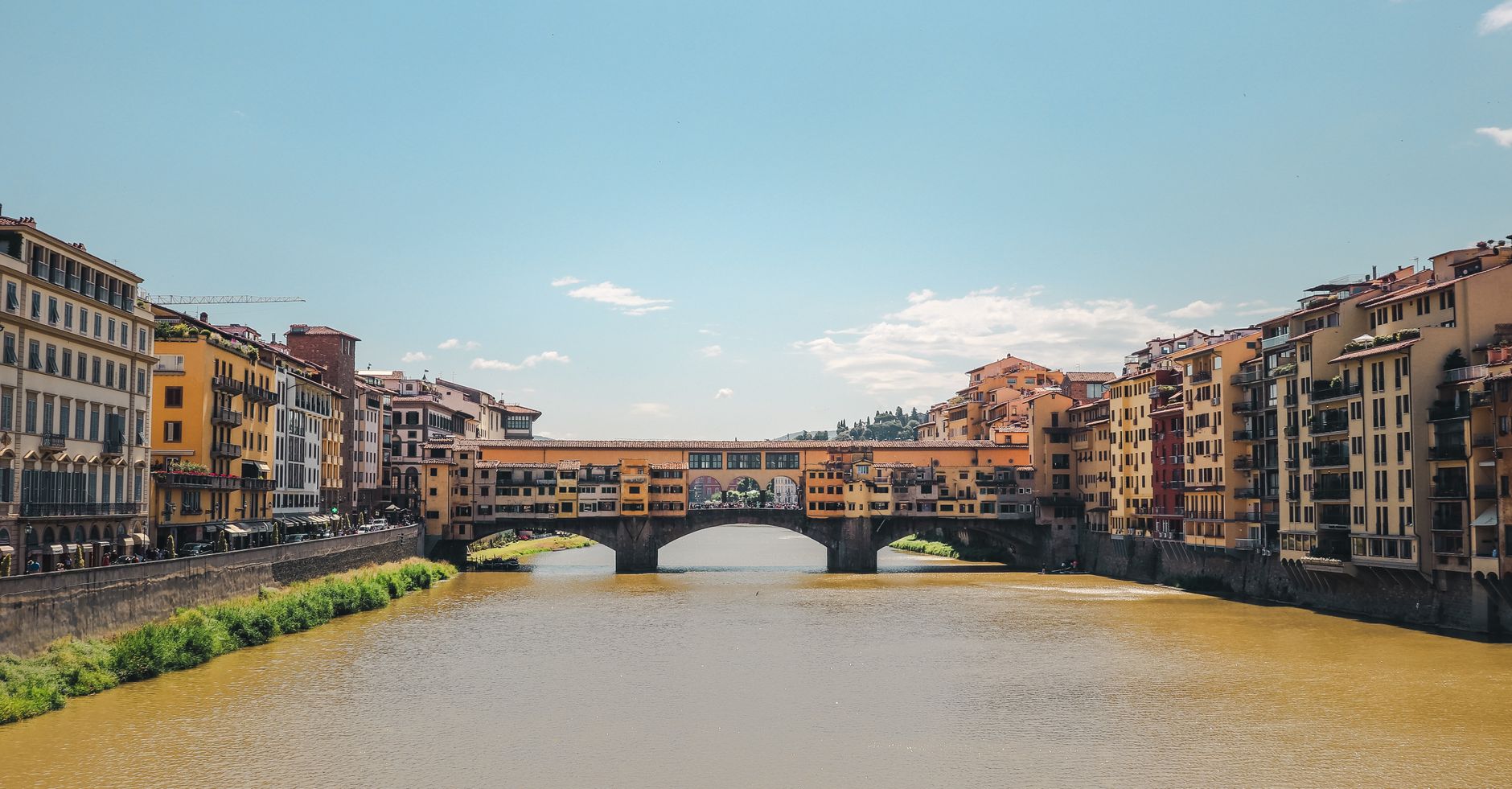
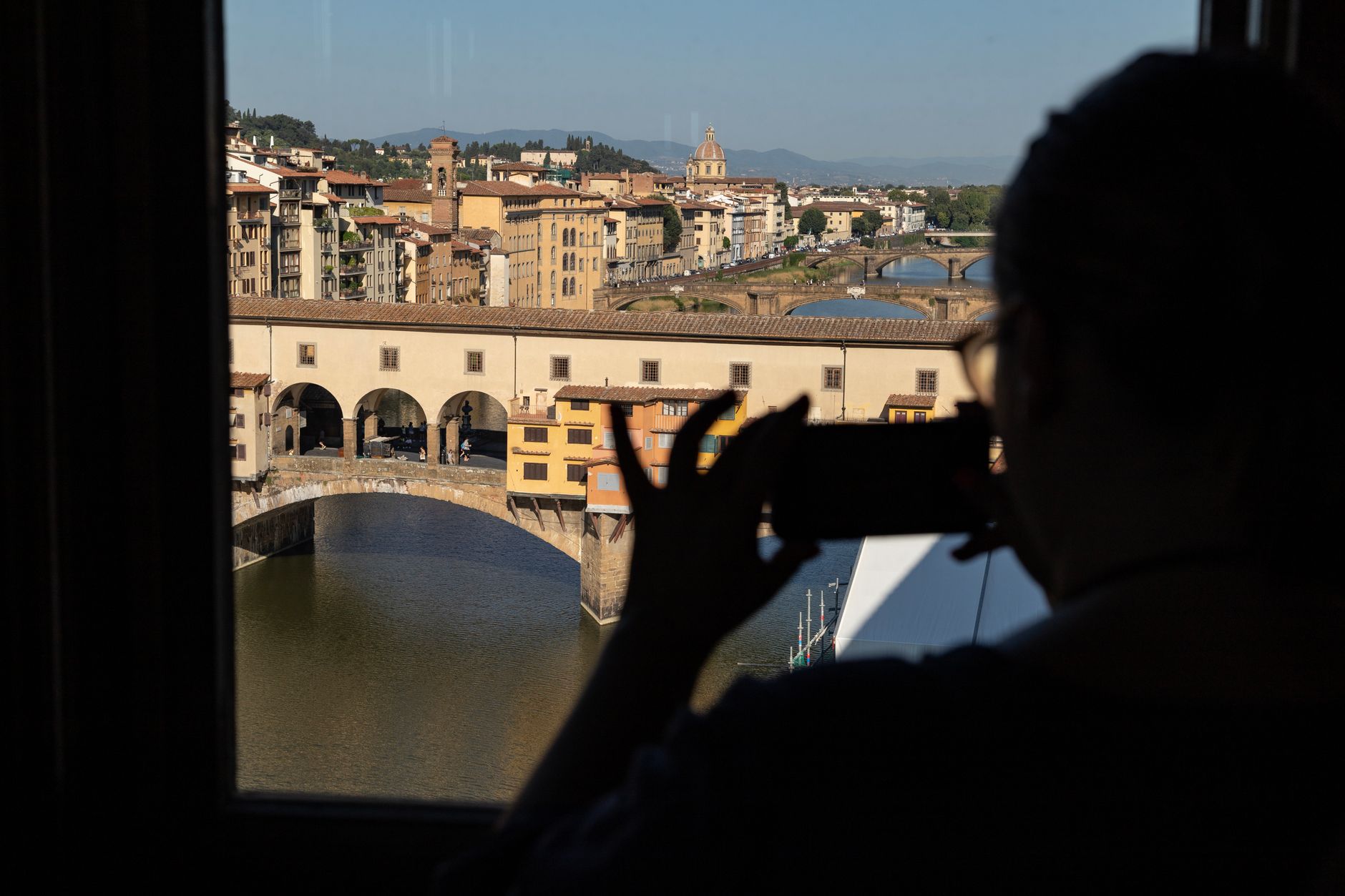
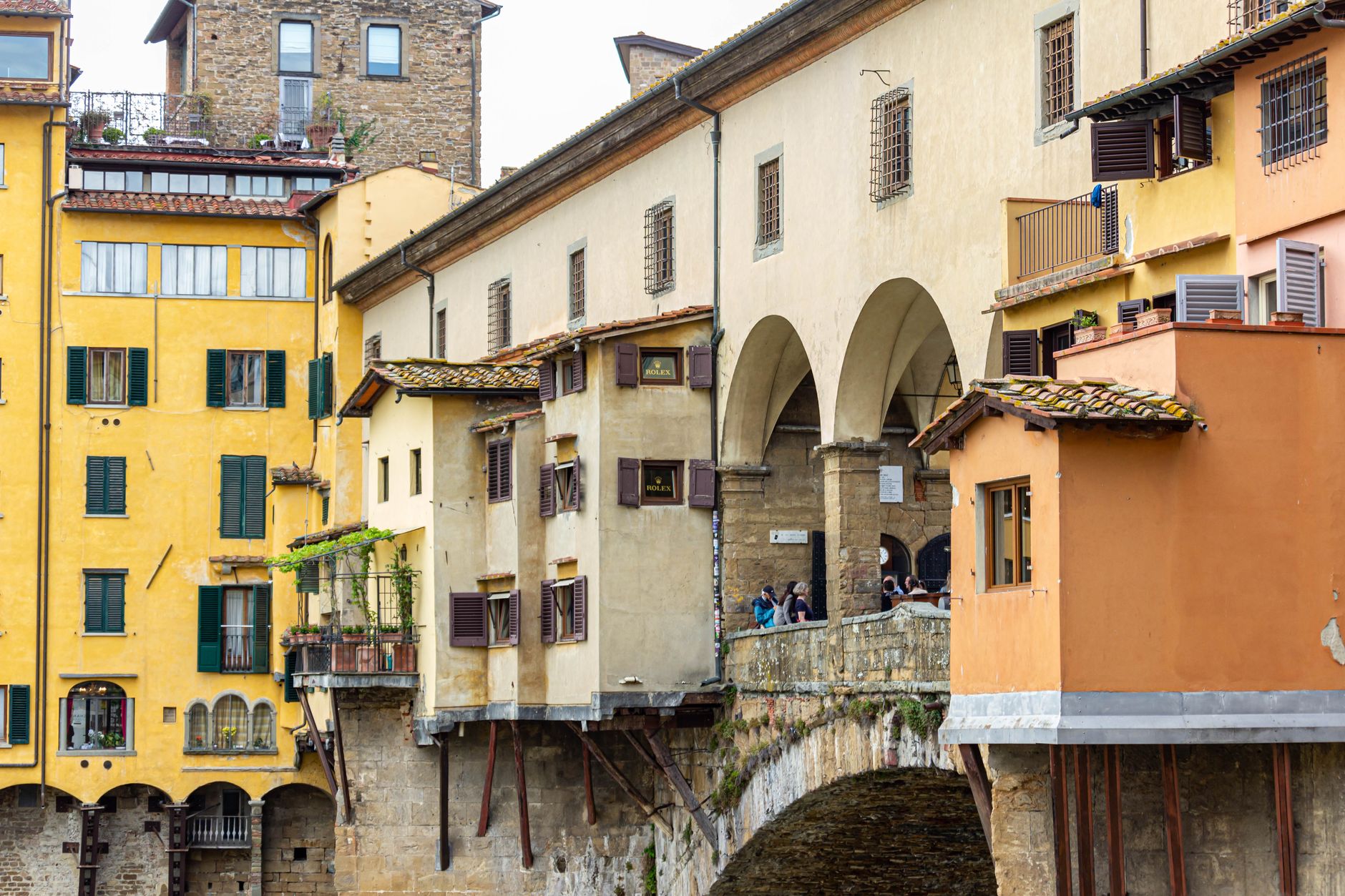
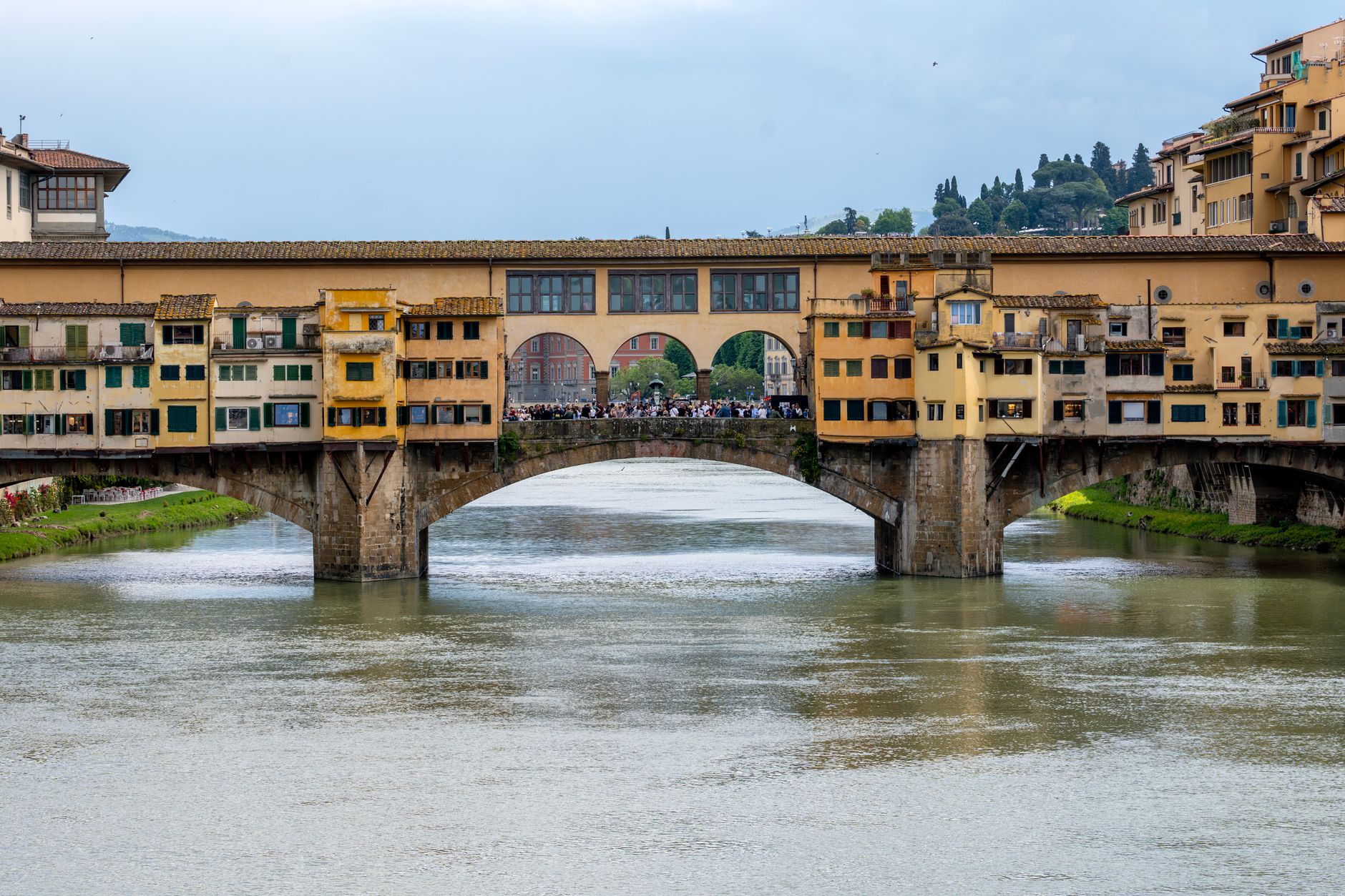
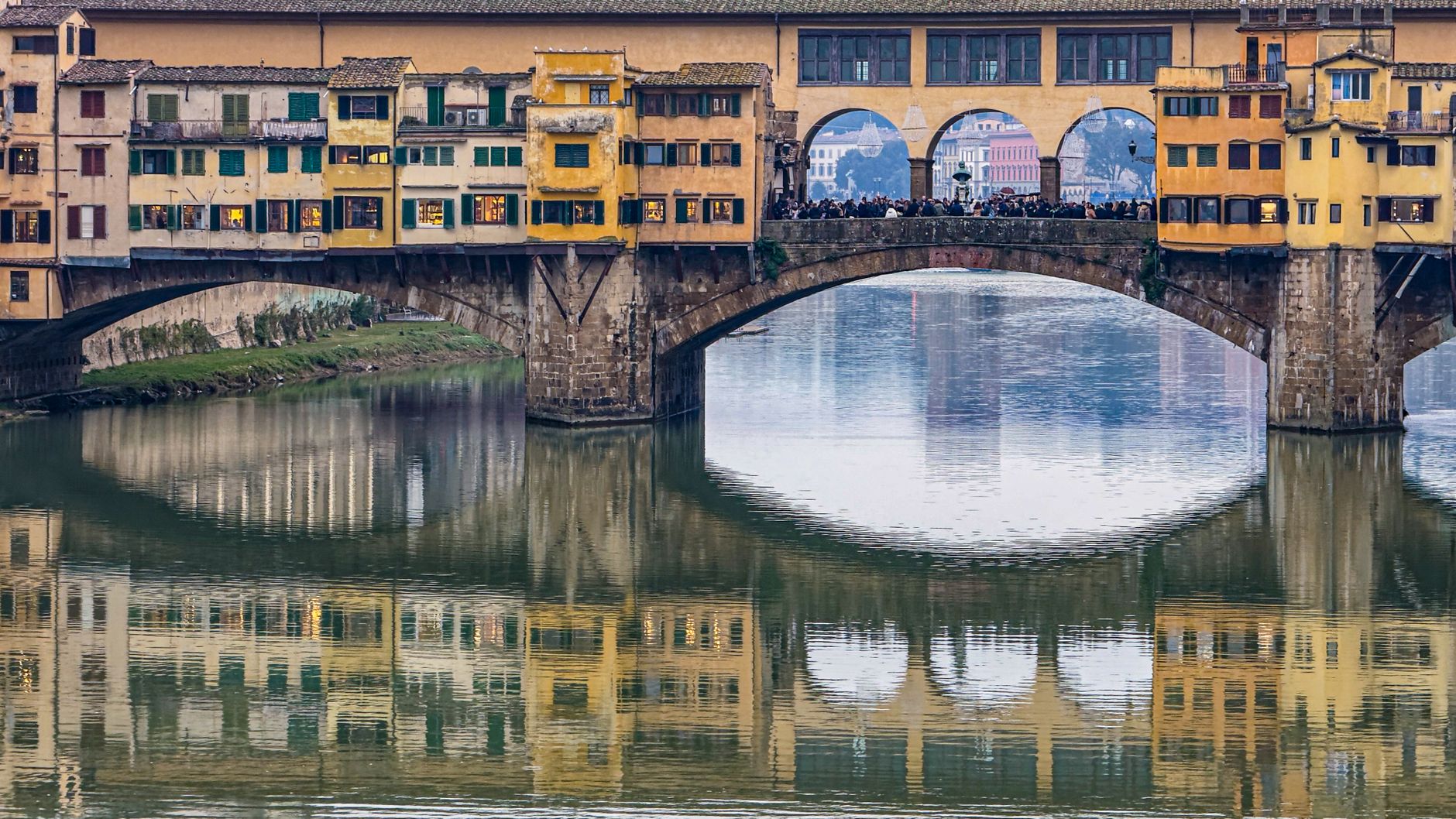
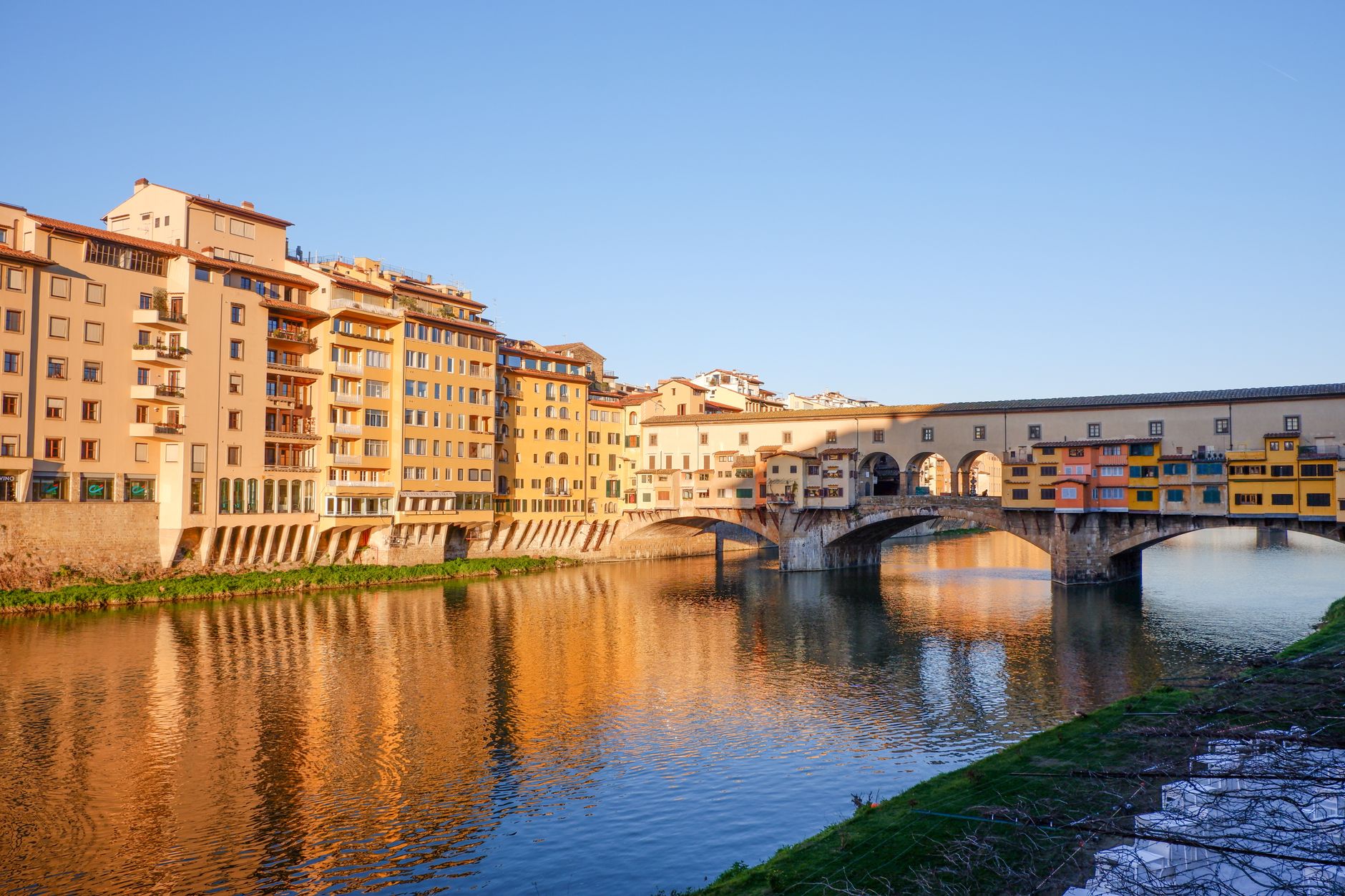
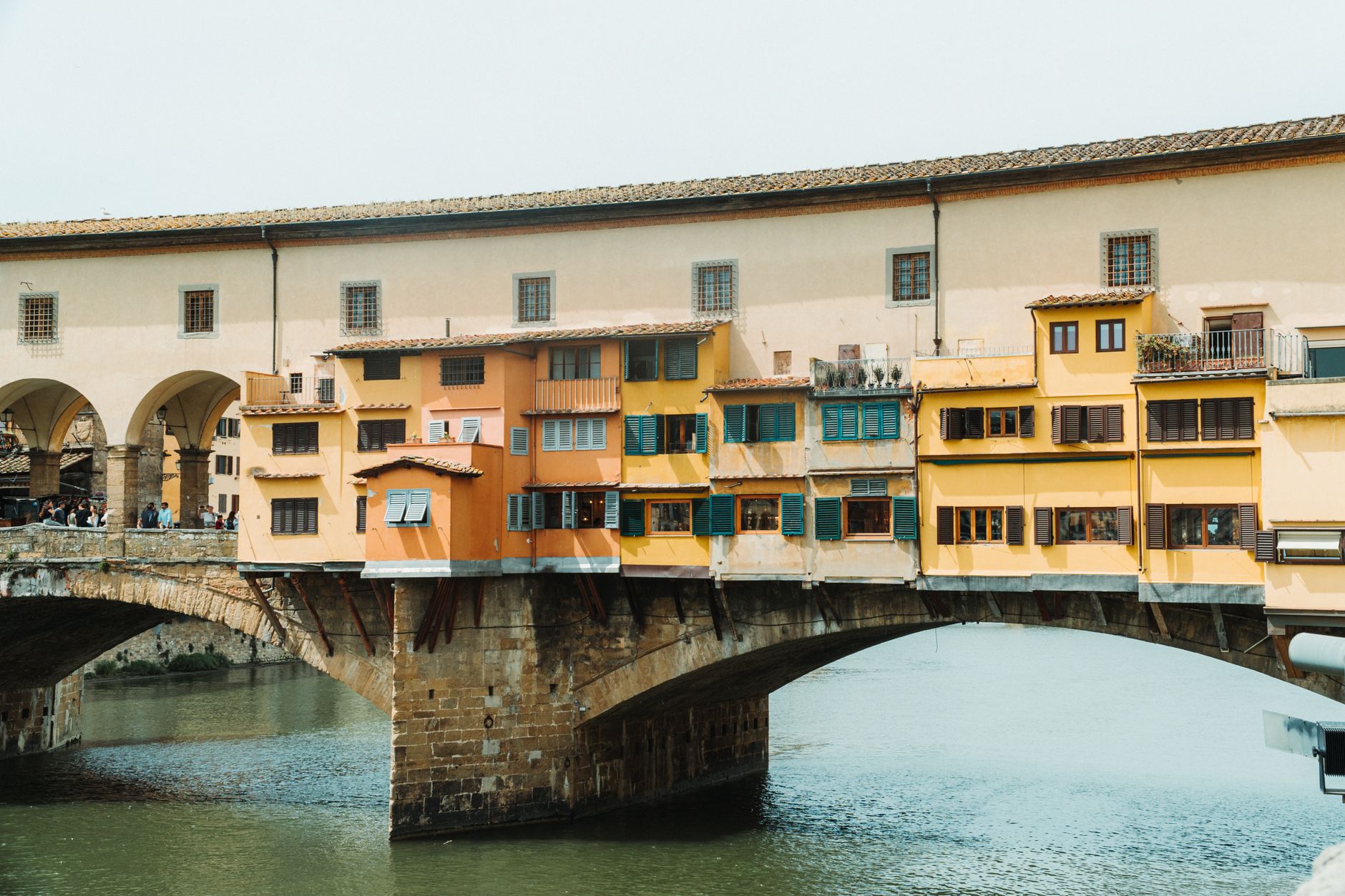
The shops on Ponte Vecchio don't sit on the bridge so much as hang off it — their back rooms cantilevered out over the Arno on timber brackets, so that standing at the central piazzetta you can look down through the gap and watch the green river moving below. That detail, easy to miss when the bridge is full of people photographing gold rings in lit cases, is what makes the structure strange and worth slowing down for.
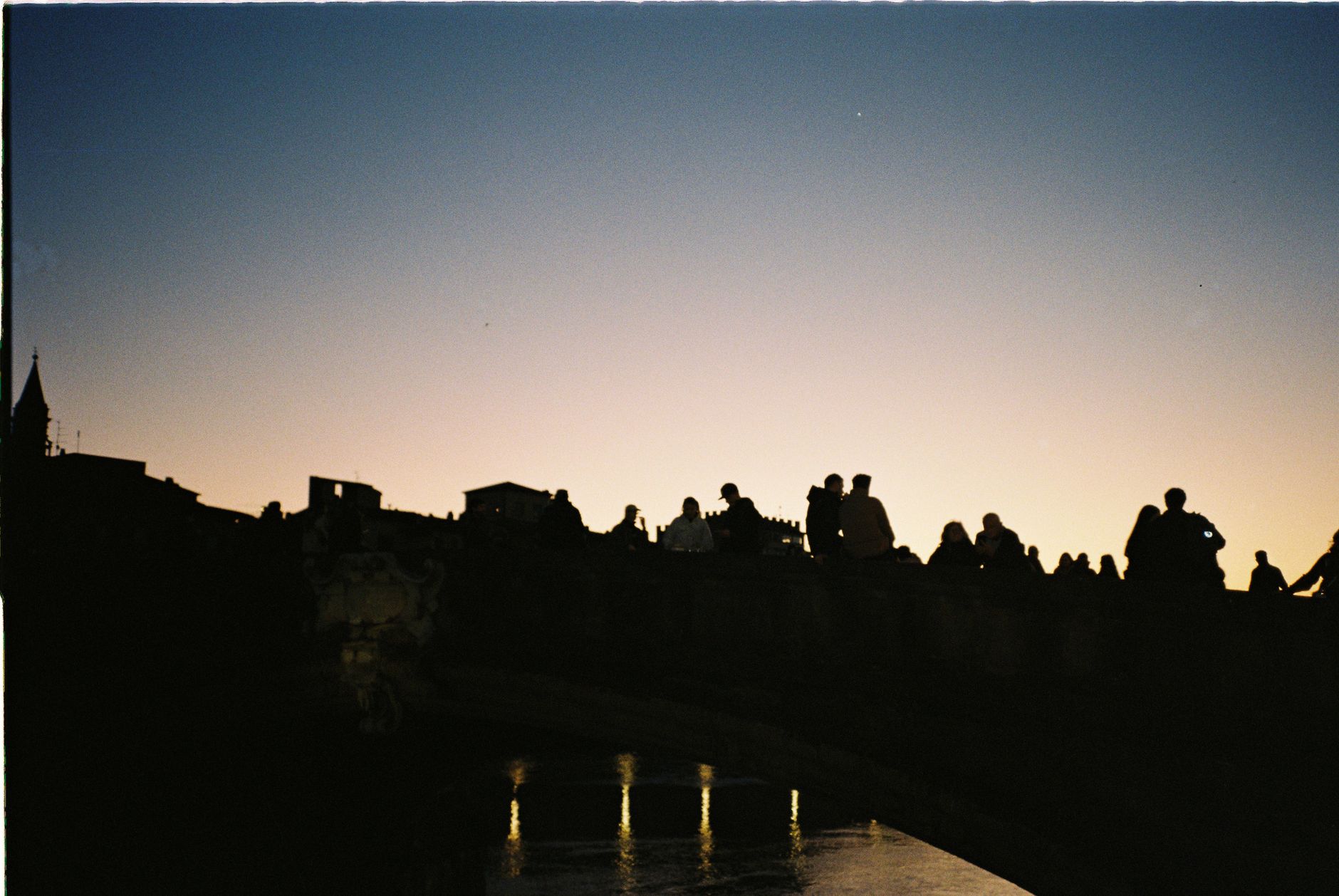
At night, when the shutters come down, the storefronts close up like wooden chests and the bridge becomes something quieter — a medieval corridor over dark water, with the Vasari Corridor running silently above.
💛 What travellers fall for
People who keep coming back tend to arrive just after eight in the morning, before the tour groups, when a handful of shopkeepers are rolling up their shutters and the light hits the water at a low angle. The bronze bust of Benvenuto Cellini on the eastern parapet is worth a look — it's the one fixed point on a bridge that otherwise changes with the crowd.
Experiences you don't want to miss


Deals in Ponte Vecchio
Book directly at the provider
How Ponte Vecchio came to be
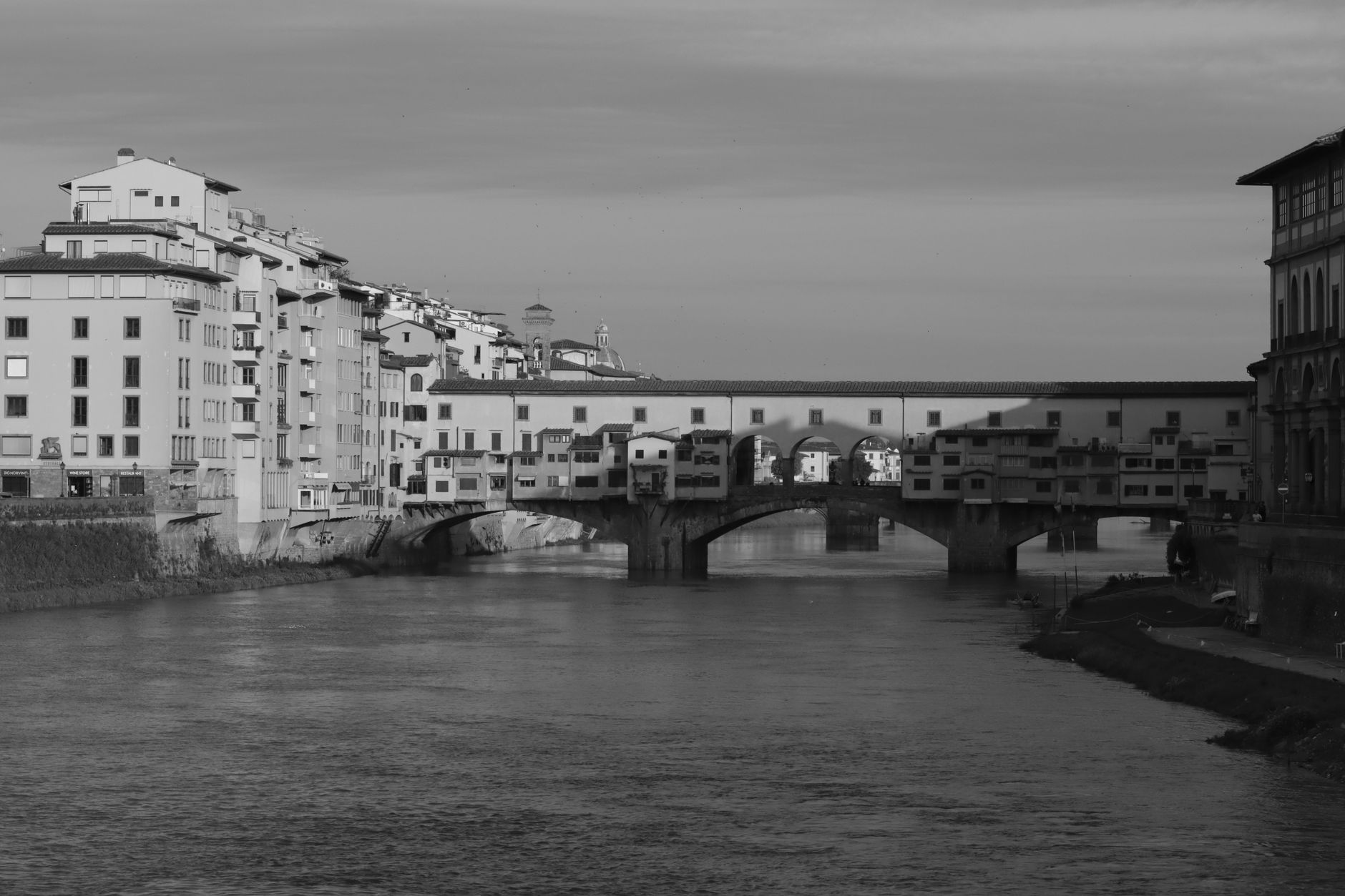
A wooden bridge stood on this crossing as early as 966, but the Arno flood of 1333 destroyed it. The current stone structure — the first segmental arch bridge built in the Western world — was completed in 1345, most likely by Taddeo Gaddi, though some modern historians argue for Neri di Fioravanti. Butchers and tanners occupied the shops for much of its early life, until 1565 when a ducal decree cleared them out in favour of goldsmiths and jewellers, who have held the bridge ever since.
That same year, Cosimo I de' Medici commissioned Giorgio Vasari to build an elevated corridor above the bridge connecting Palazzo Vecchio to Palazzo Pitti — completed in five months for a Medici wedding. In August 1944, retreating German forces destroyed every other bridge in Florence; Ponte Vecchio survived, reportedly because the German consul Gerhard Wolf refused the order to blow it.
Who and what shaped it
People who shaped it
Landmark buildings
See Ponte Vecchio in motion
Plan your visit
On the map
When to go
Florence runs warm from June through August, and the bridge amplifies that heat with stone and reflected water. Spring and early autumn keep the temperature manageable and the crowds slightly thinner — though no season makes the bridge quiet between late morning and late afternoon.
Right now
Background & history adapted from Wikipedia (CC BY-SA) · specs from Wikidata (CC0) · weather from Open-Meteo · map data © OpenStreetMap contributors · photos from Wikimedia Commons / Unsplash with per-image credit. No third-party reviews or social posts reproduced.