
Boboli Gardens
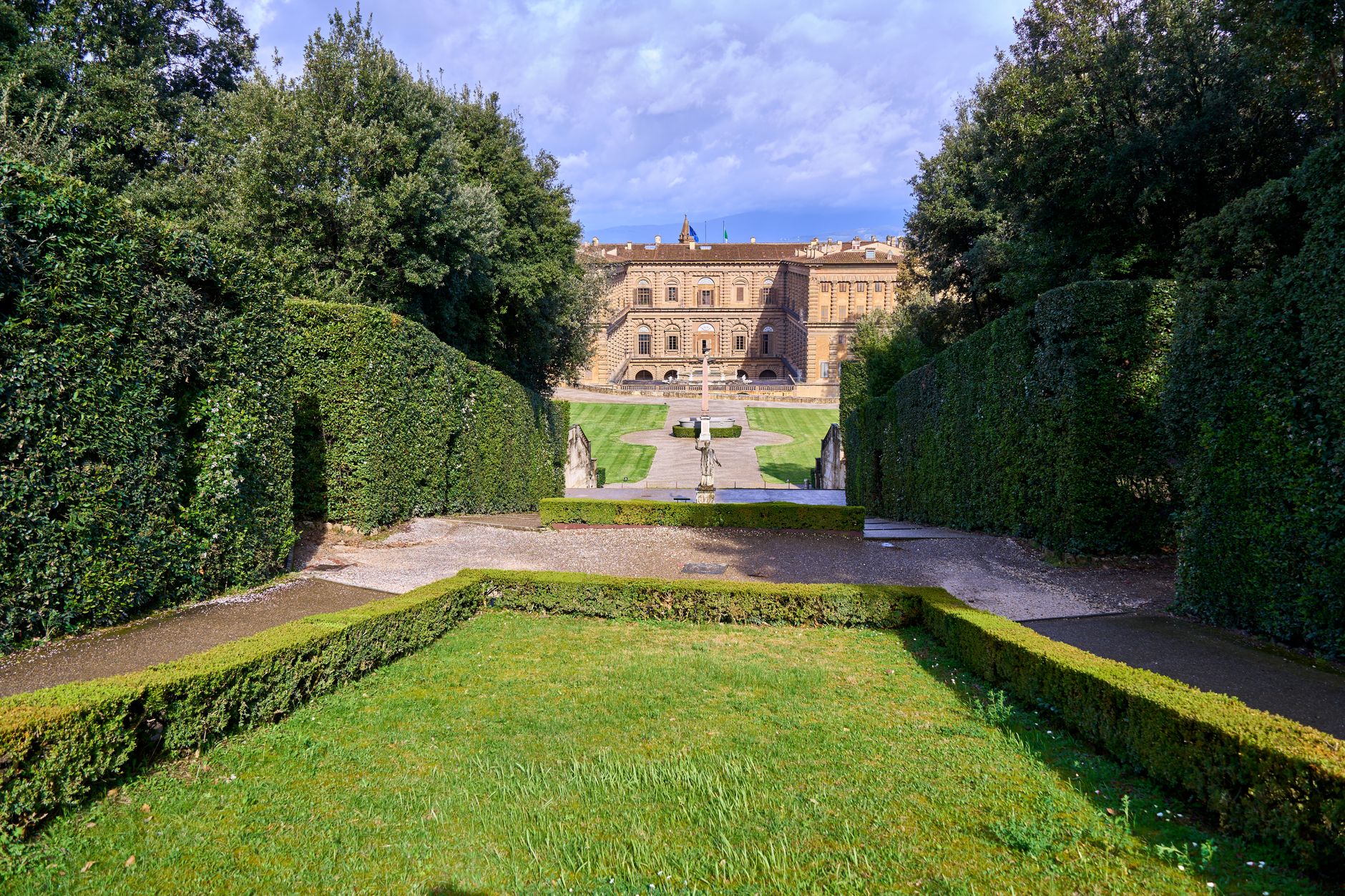
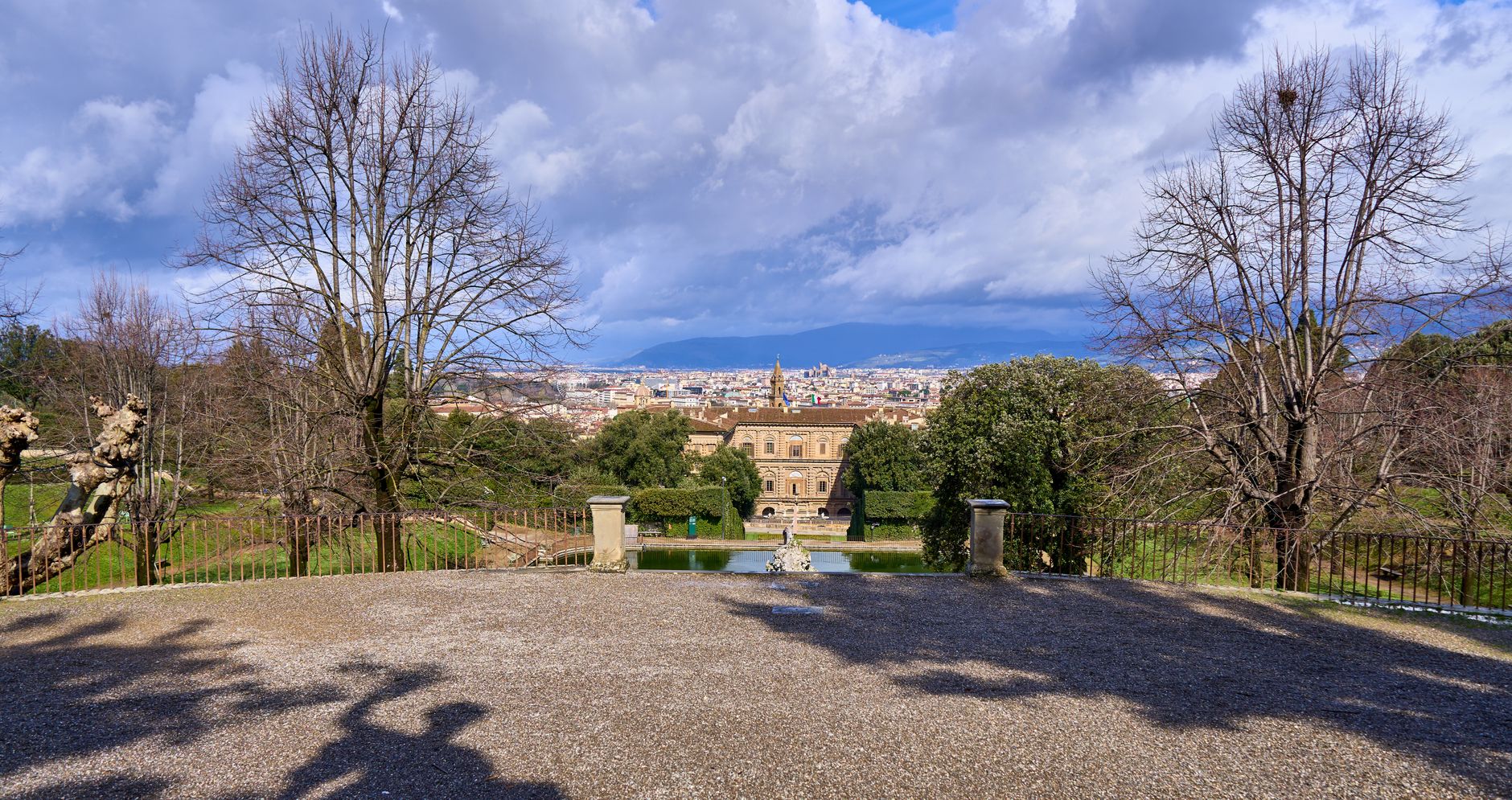
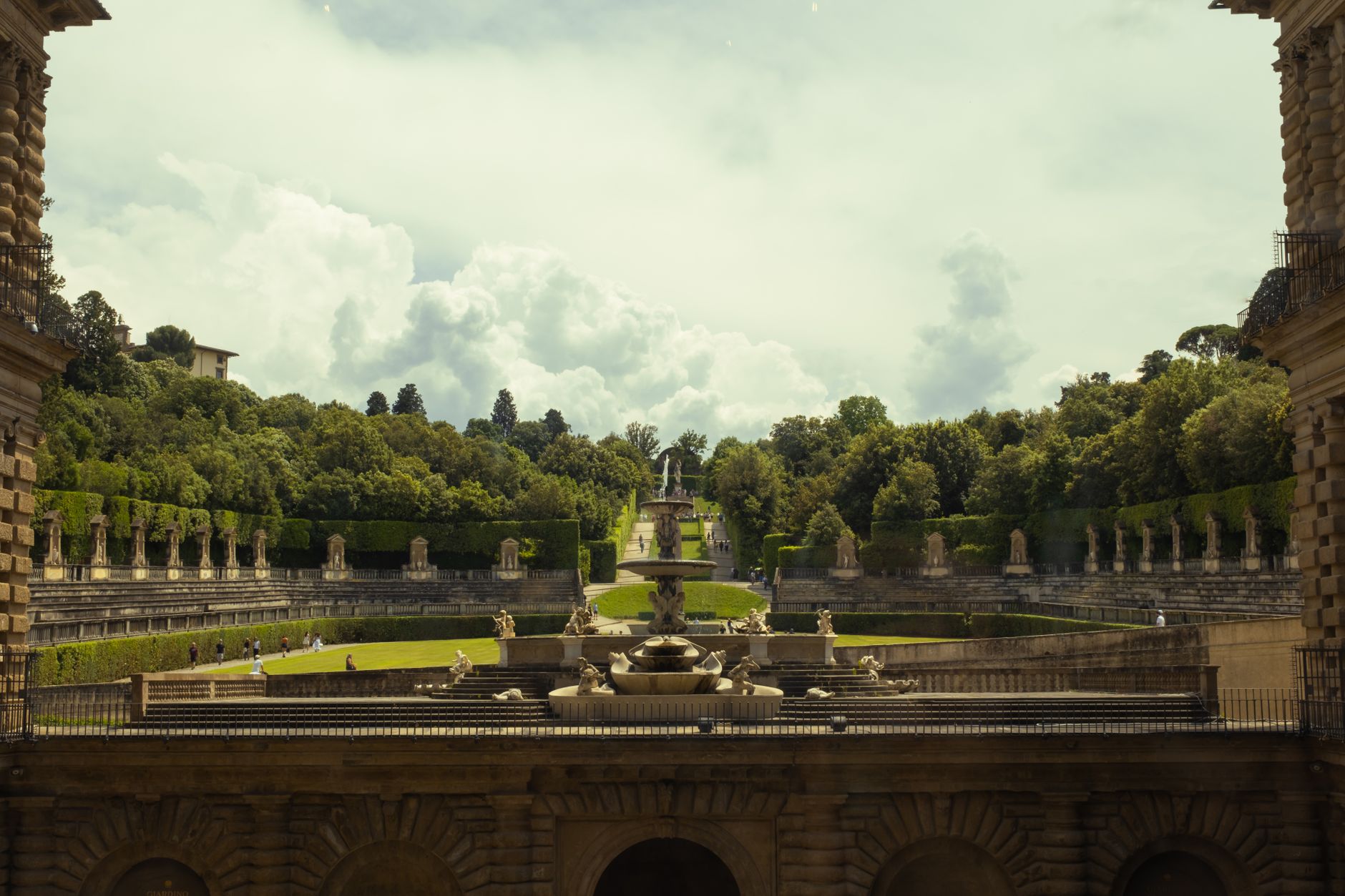
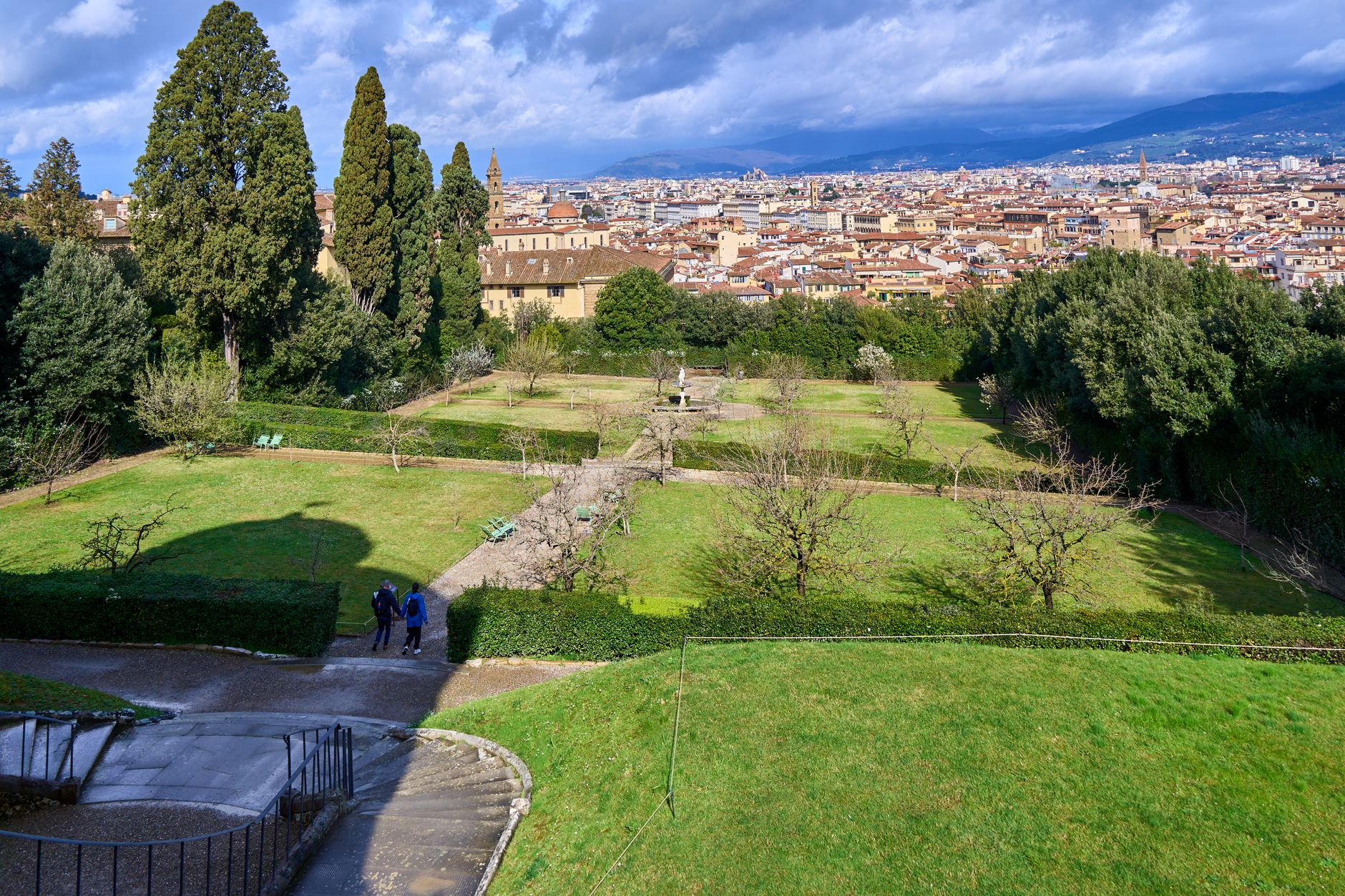
The back of Palazzo Pitti opens onto a deep stone amphitheater, and from there the garden climbs — terrace by terrace, cypress by cypress — for 111 acres up the hillside south of the Arno. An Egyptian obelisk, hauled here from the Villa Medici in Rome and planted at the amphitheater's center in 1789, gives you some sense of the Medici's appetite for spectacle.
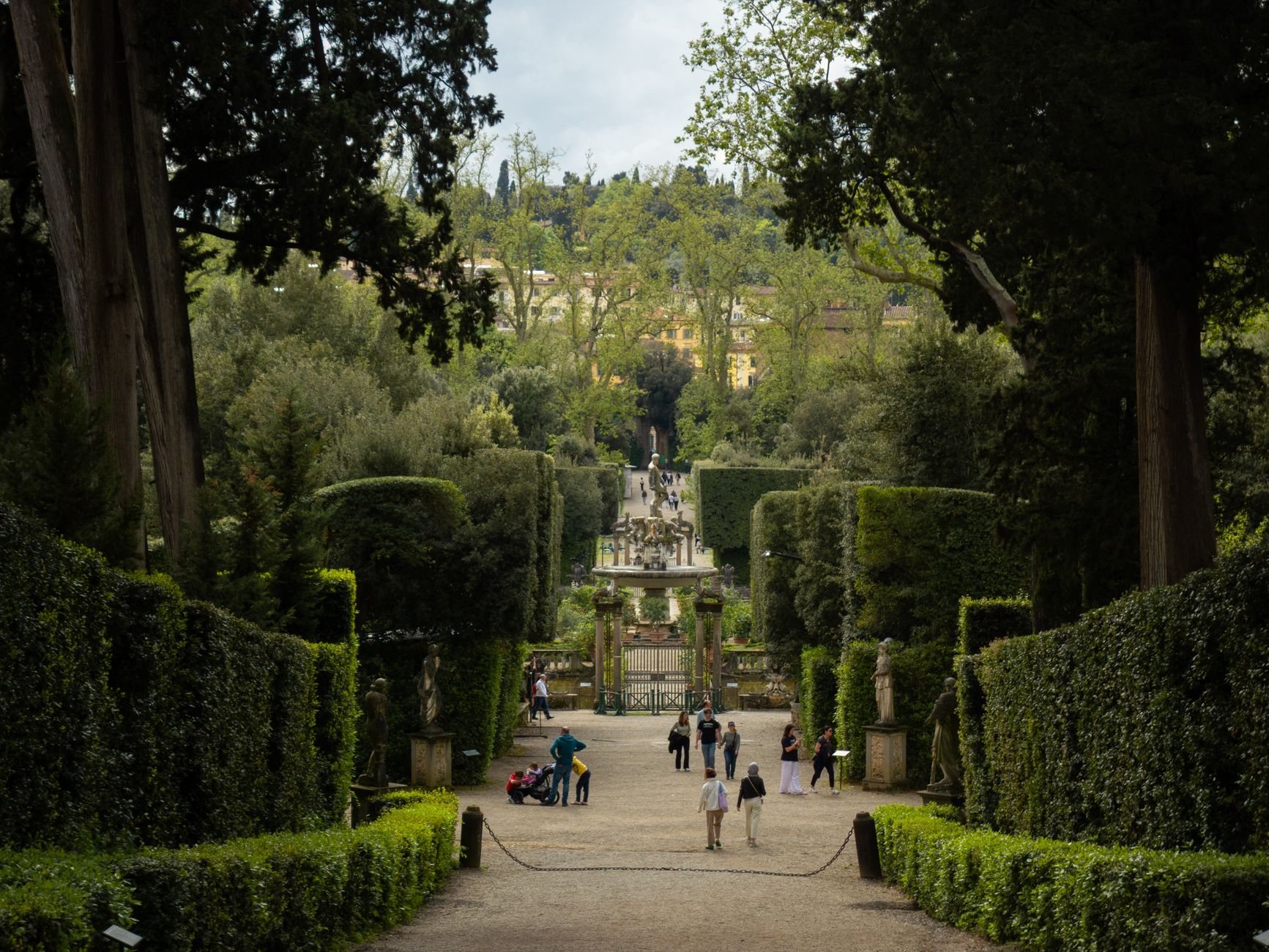
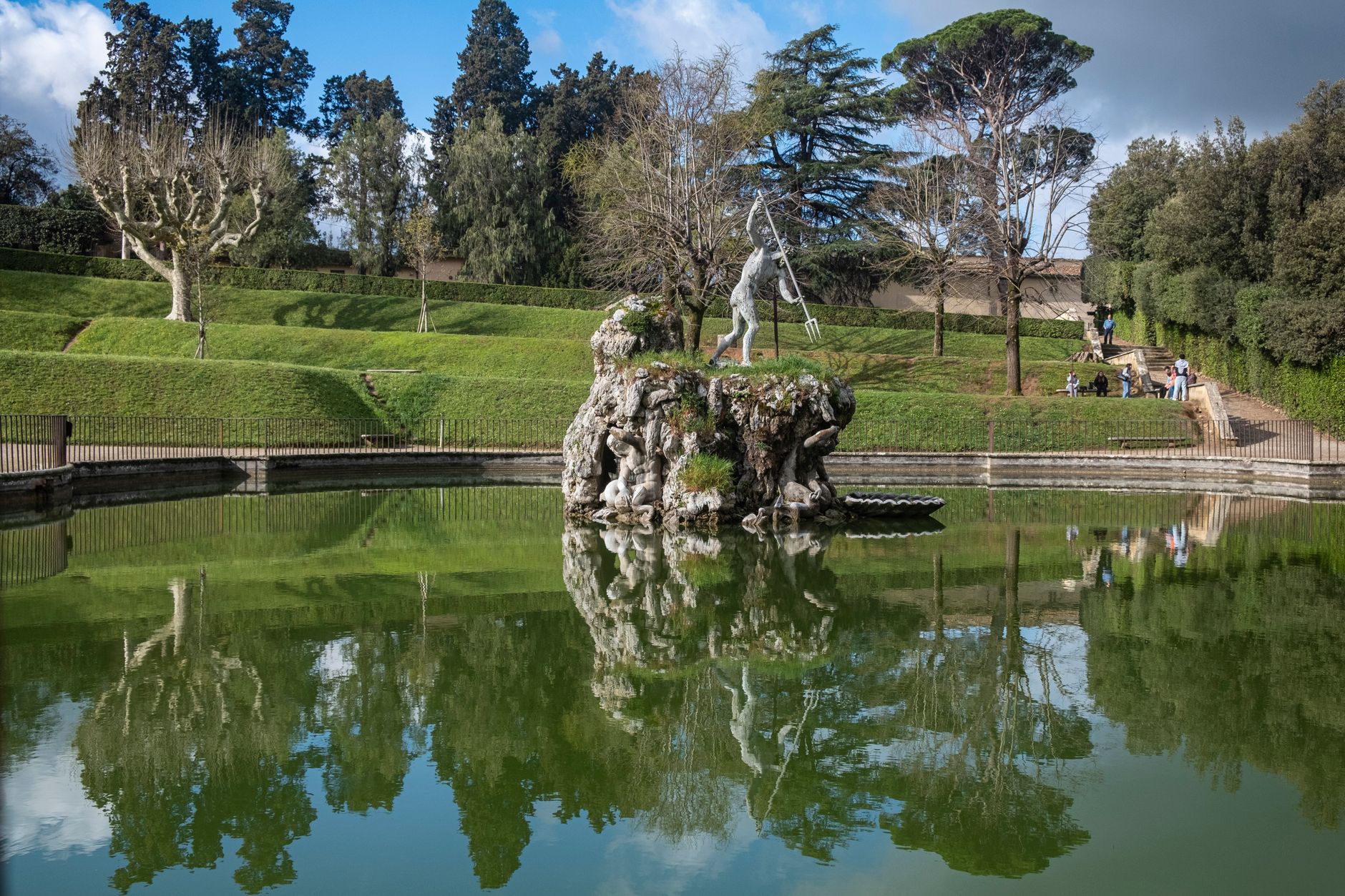
Boboli is one of the oldest and most intact Renaissance gardens in Europe, laid out from 1550 onward and still organized around the two great axes its architects intended: the primary line rising toward the Neptune fountain, and the long Cypress Road dropping away at a right angle toward the oval Isolotto pond.
💛 What travellers fall for
People who come back tend to head straight for the Buontalenti Grotto before the crowds arrive — the stalactite-encrusted interior, completed between 1583 and 1593, reads differently in morning quiet. The Kaffeehaus terrace, a rococo pavilion added in the 1770s, is the least-photographed viewpoint over Florence and worth the detour uphill.
Deals in Boboli Gardens
Book directly at the providerHow Boboli Gardens came to be
The land was bought by Luca Pitti in 1418, and the palace that bears his name rose about forty years later. The garden itself began in 1550, commissioned by Eleonora di Toledo for her husband Cosimo I de' Medici, with Niccolò Tribolo as first architect. Tribolo died that same year; Bartolomeo Ammanati took over, with Giorgio Vasari contributing to the planning and Bernardo Buontalenti responsible for the grotto's elaborate design.
The garden expanded through the seventeenth century — Giulio Parigi laid out the Cypress Road from 1612, and the Isolotto pond was built in 1618 with Giambologna's Ocean fountain at its center. The Kaffeehaus and Lemon House followed under Grand Duke Peter Leopold in the 1770s. The gardens opened to the public in 1766 and received UNESCO recognition in 2021.
Who and what shaped it
People who shaped it
Landmark buildings
See Boboli Gardens in motion
Plan your visit
On the map
When to go
Spring and early autumn are the most comfortable seasons — warm enough to walk the full length of the garden without fatigue, cool enough to linger. Summer afternoons can be genuinely hot on the exposed upper terraces, so mornings are worth the early start; winters are mild but the citrus trees retreat indoors to the Limonaia.
Right now
Background & history adapted from Wikipedia (CC BY-SA) · specs from Wikidata (CC0) · weather from Open-Meteo · map data © OpenStreetMap contributors · photos from Wikimedia Commons / Unsplash with per-image credit. No third-party reviews or social posts reproduced.