
Fiesole
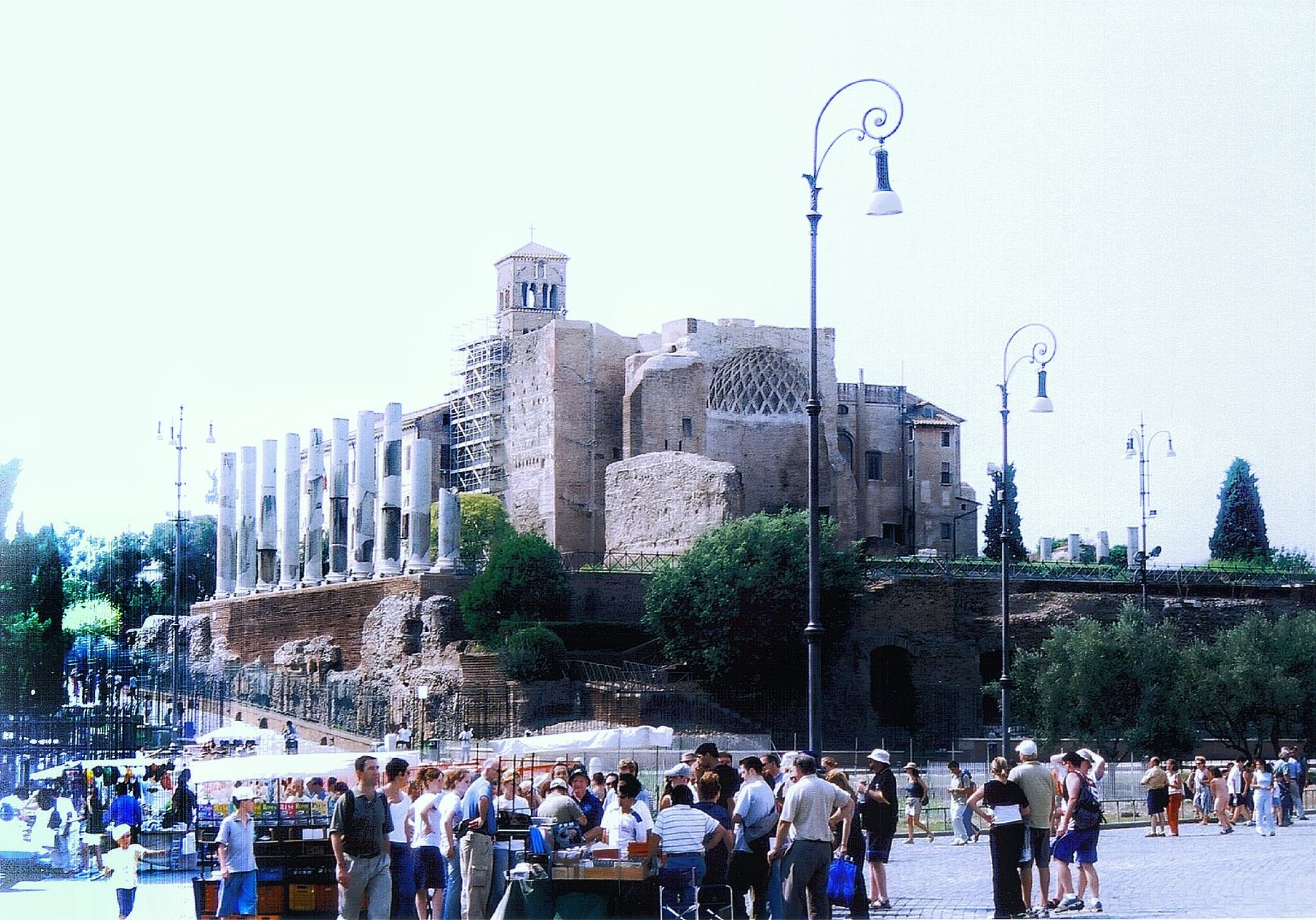
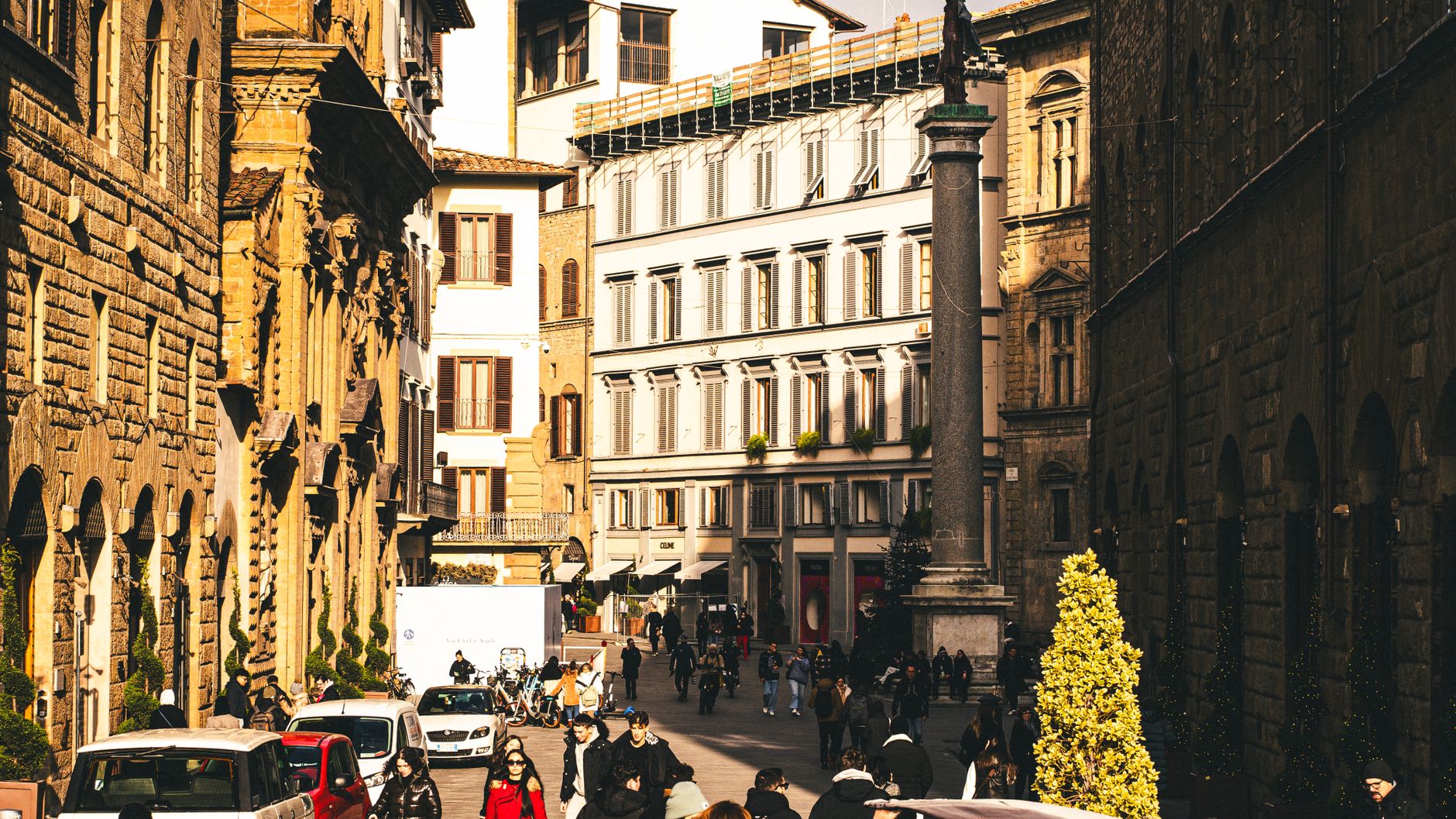
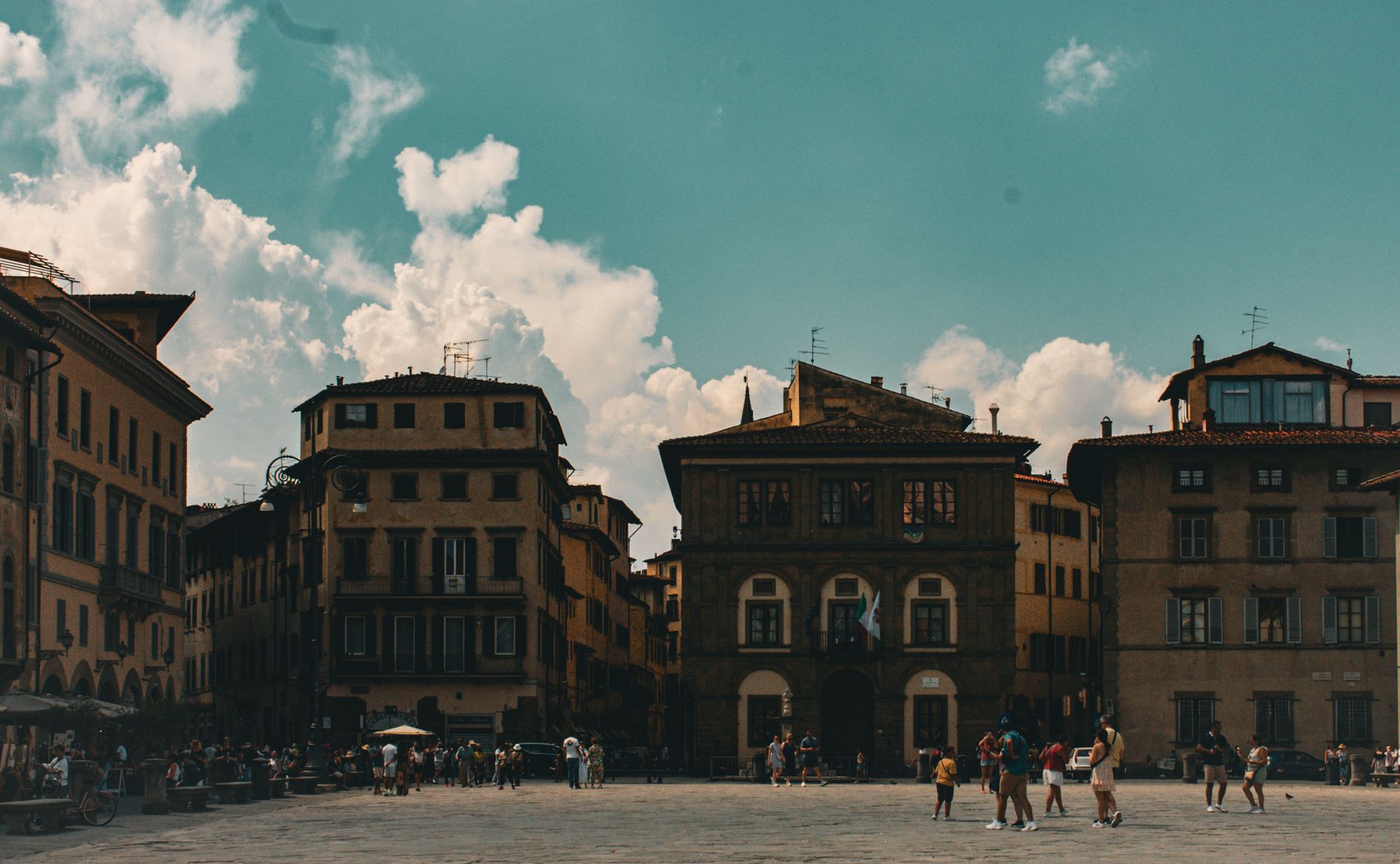
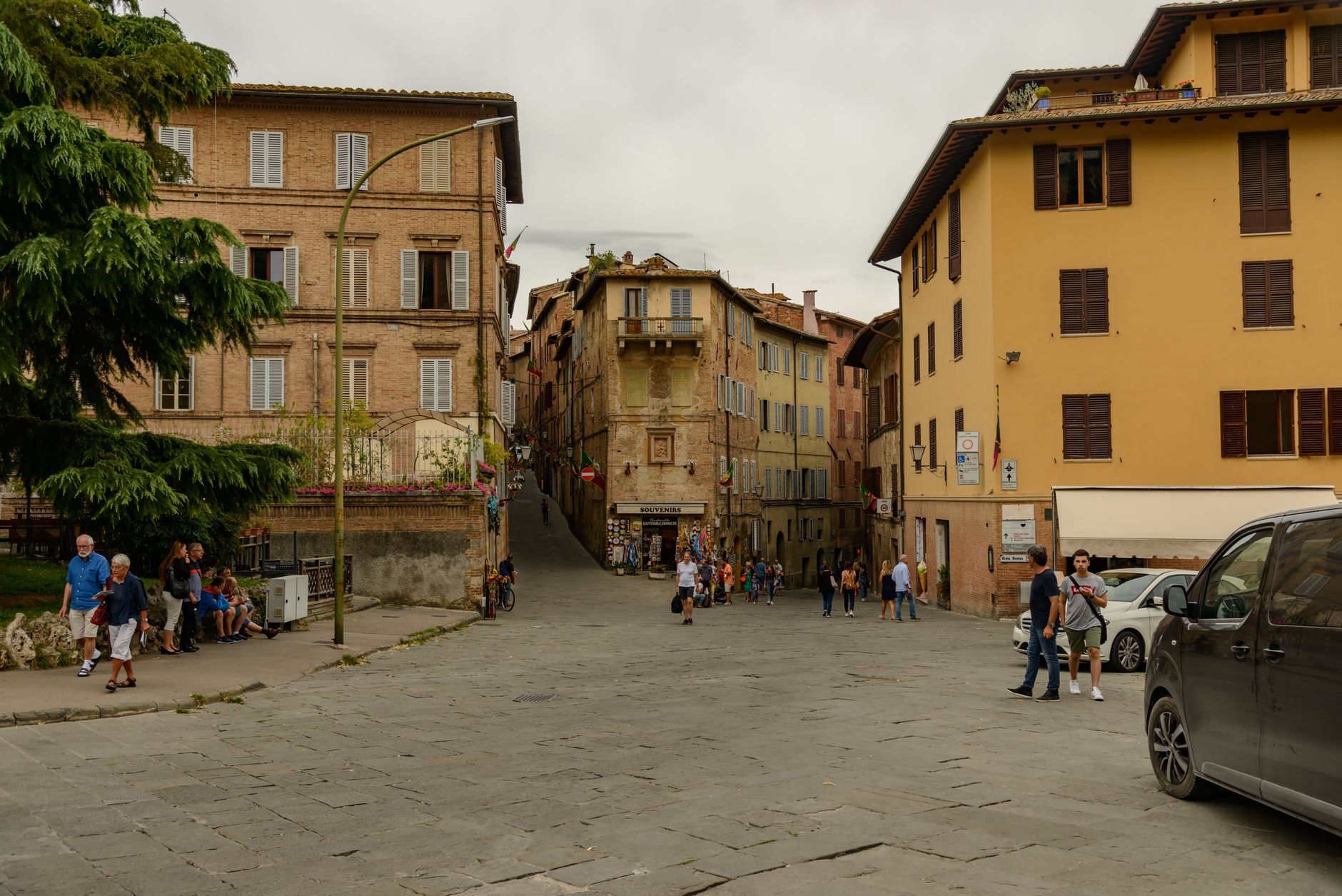
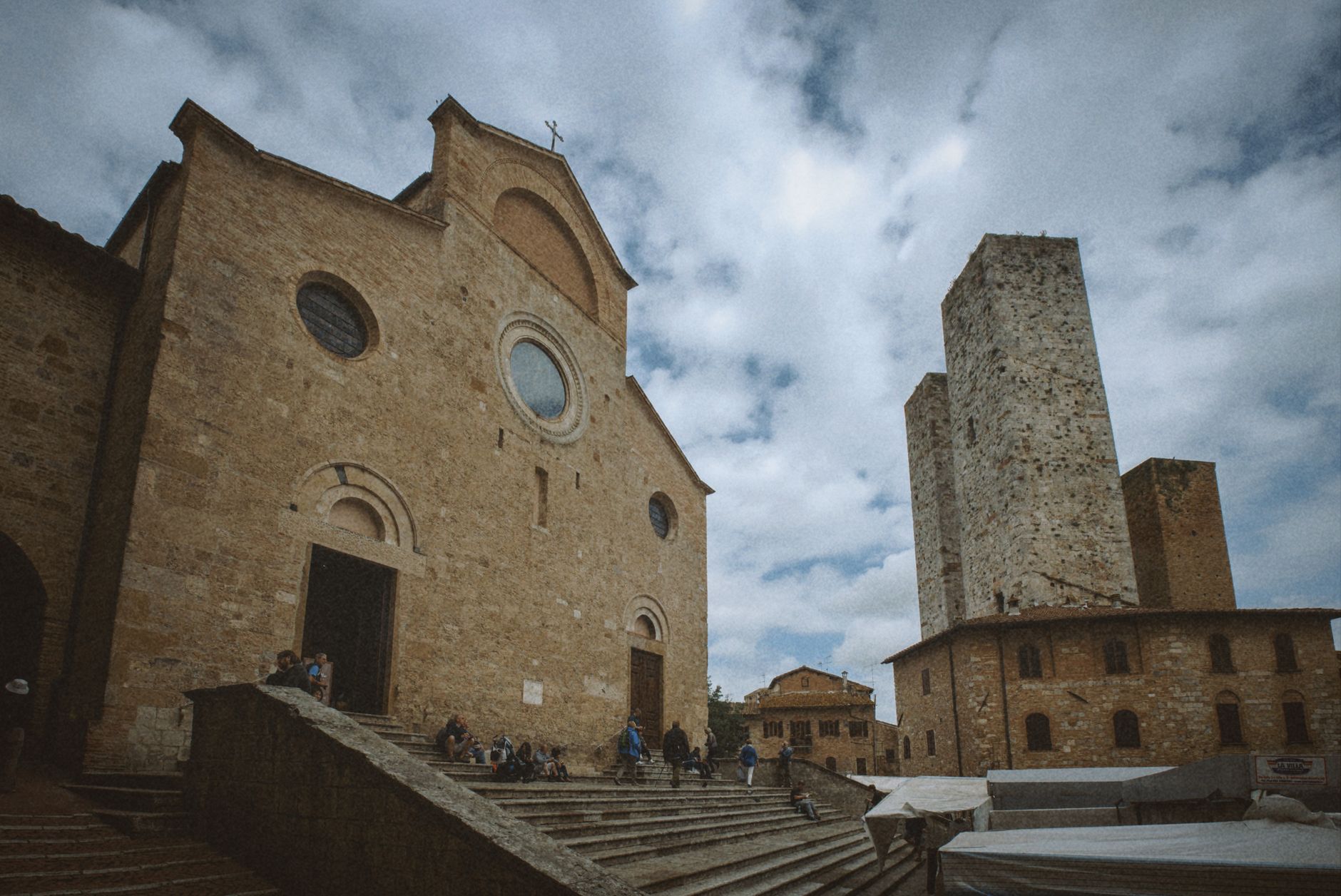
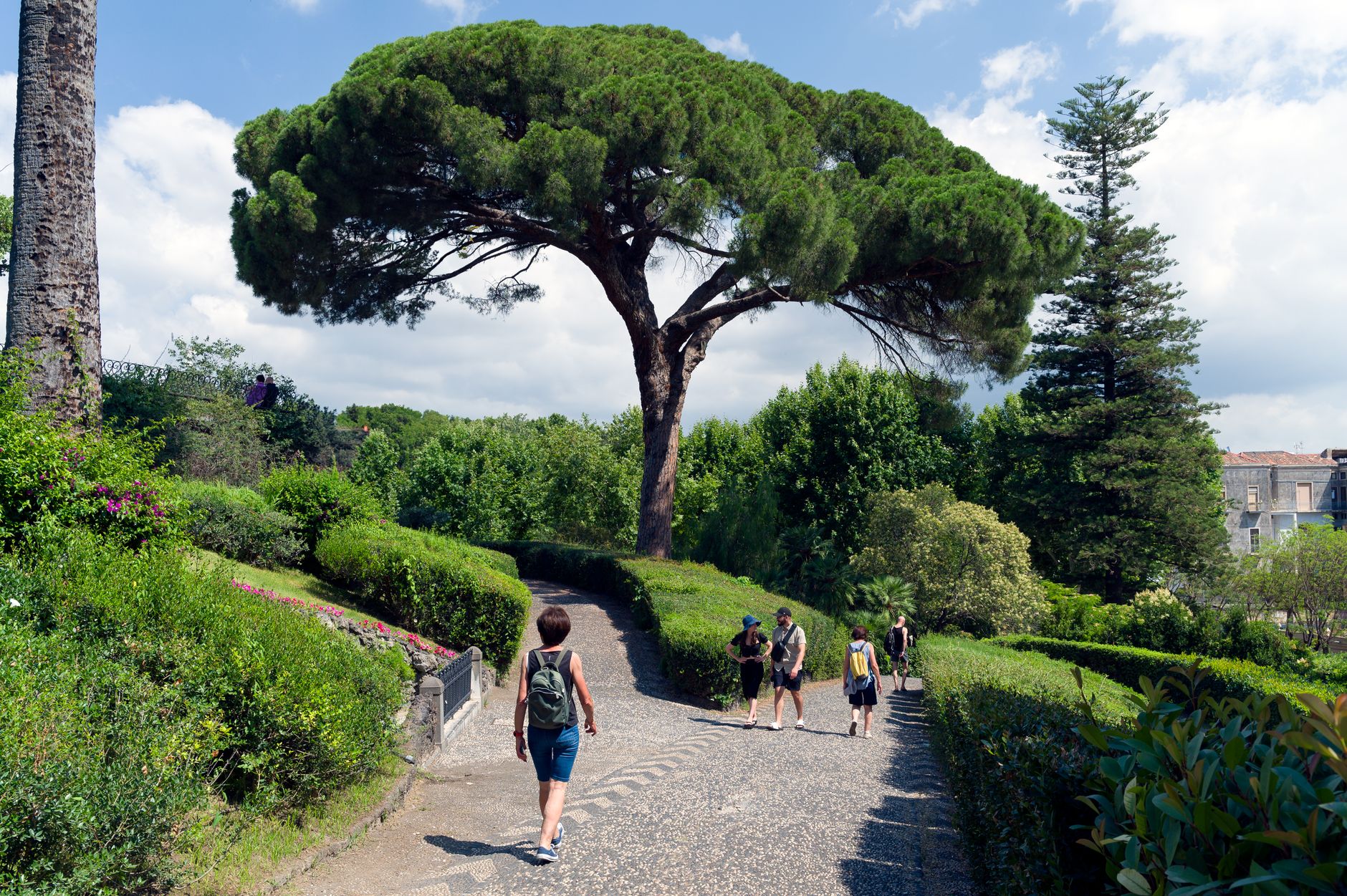
Fiesole sits on a ridge above Florence, older than the city it now overlooks. The Romans camped at its foot during a lengthy siege in 90 BC — that camp eventually became Florence. Up on the hill, a 2,300-year-old Etruscan wall still stands, and a Roman theatre cut from stone seats audiences today much as it did two millennia ago.
The piazza, named for the sculptor Mino da Fiesole, is small enough that you cross it in a minute. The cathedral beside it dates to 1028. Florence is three miles away as the crow flies, visible in the valley below, and the distance feels much greater than that.
💛 What travellers fall for
People who come back tend to time the archaeological area for a Friday morning when the weekend crowds haven't arrived yet. The Roman theatre — 19 tiers, 34 metres across, original exit tunnels intact — reads differently when it's quiet. The bus ride up on the 7 is worth a window seat on the left.
Experiences you don't want to miss


Deals in Fiesole
Book directly at the providerHow Fiesole came to be
Fiesole's origins reach back to at least the ninth century BC, when it was a significant town in the Etruscan confederacy. Rome took it in 90 BC after a siege led by Marcus Portius Cato; the military camp his troops built nearby grew into Florence. The town survived Vandal invasions — Stilicho defeated Radagaisus here in 406 — and the Gothic Wars of the sixth century, though the Byzantine general Justin razed its fortifications in 539.
Florence, the city born from Fiesole's shadow, returned the debt in 1125: the Florentines subjugated the local nobles and burned the town. It rebuilt slowly, in stone.
Who and what shaped it
People who shaped it
Landmark buildings
See Fiesole in motion
Plan your visit
On the map
When to go
Summers are short and hot, with temperatures reaching the high 80s Fahrenheit; the ridge catches a breeze that Florence doesn't always get. Winters are cold, occasionally dropping below freezing, and the archaeological site closes early — 3pm from November through February.
Right now
Background & history adapted from Wikipedia (CC BY-SA) · specs from Wikidata (CC0) · weather from Open-Meteo · map data © OpenStreetMap contributors · photos from Wikimedia Commons / Unsplash with per-image credit. No third-party reviews or social posts reproduced.