
Uffizi Gallery
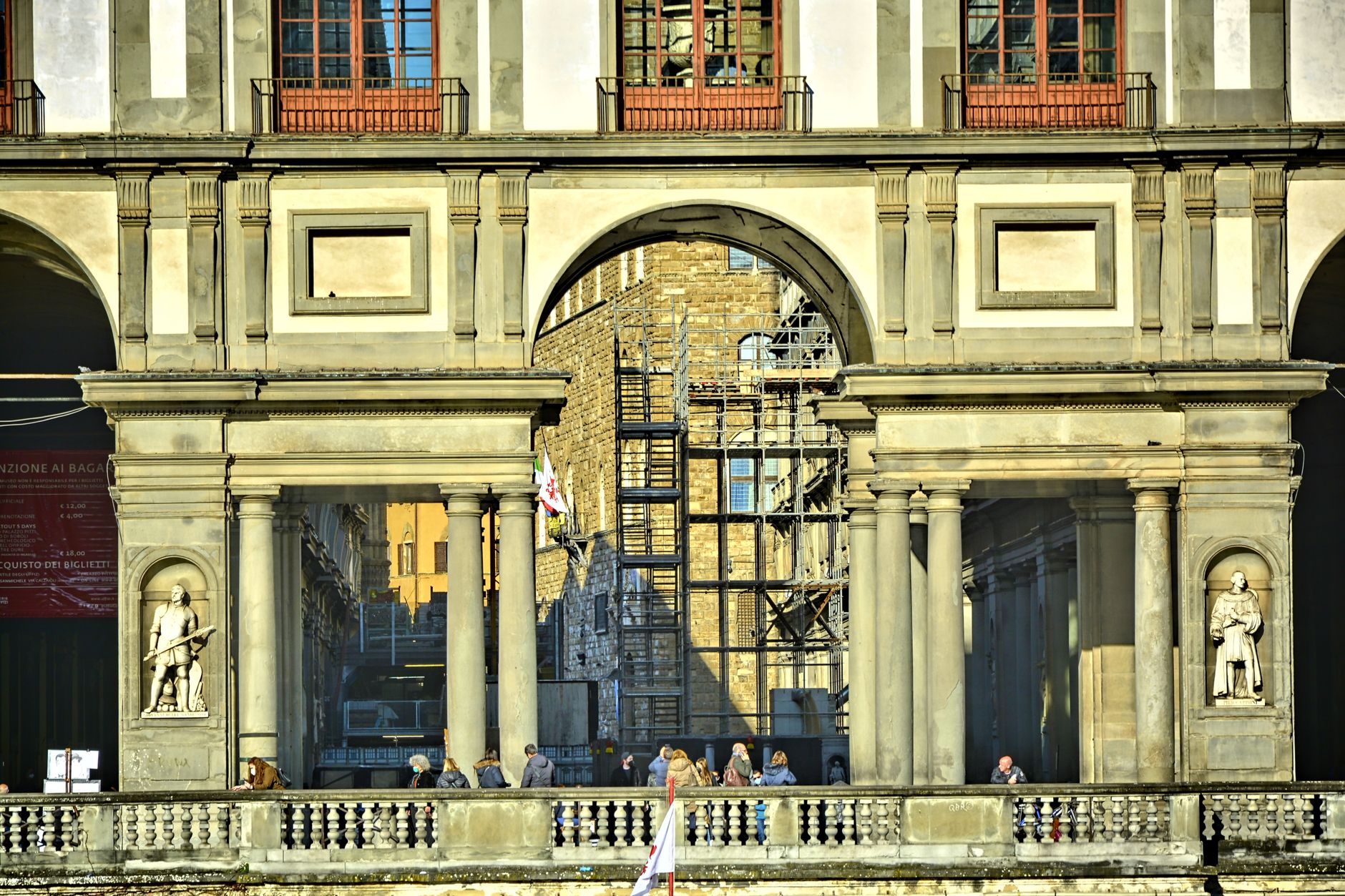
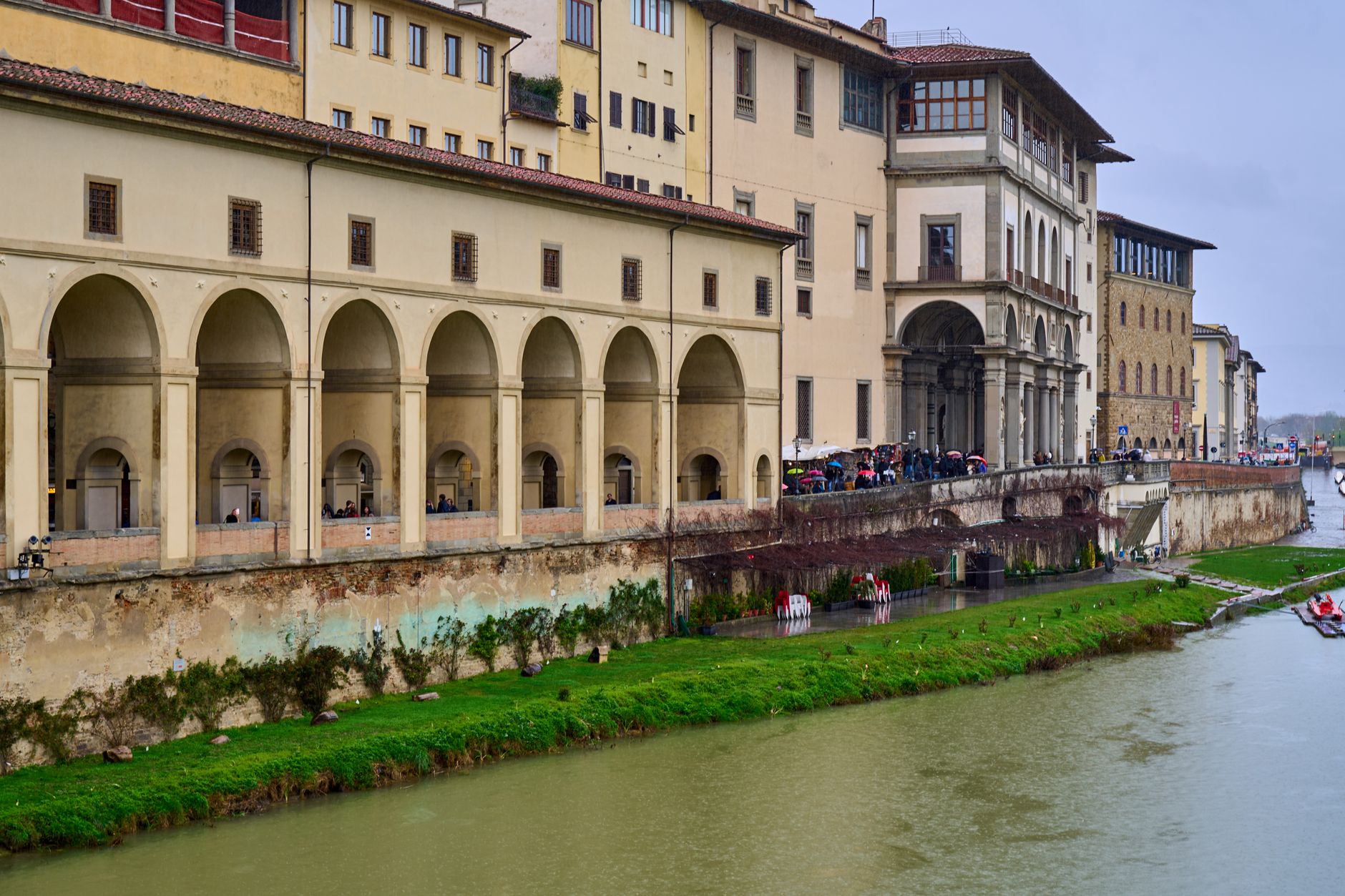
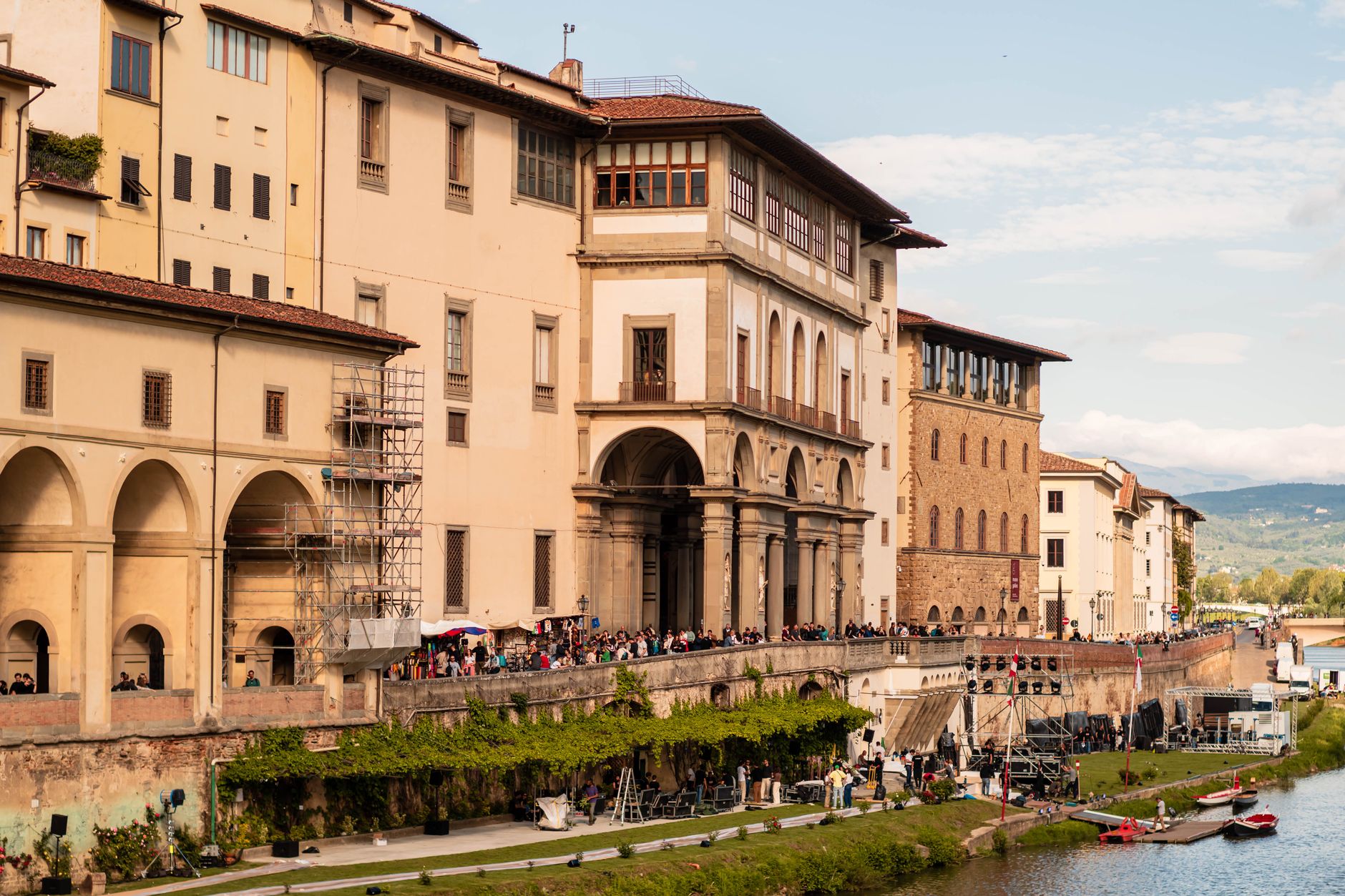
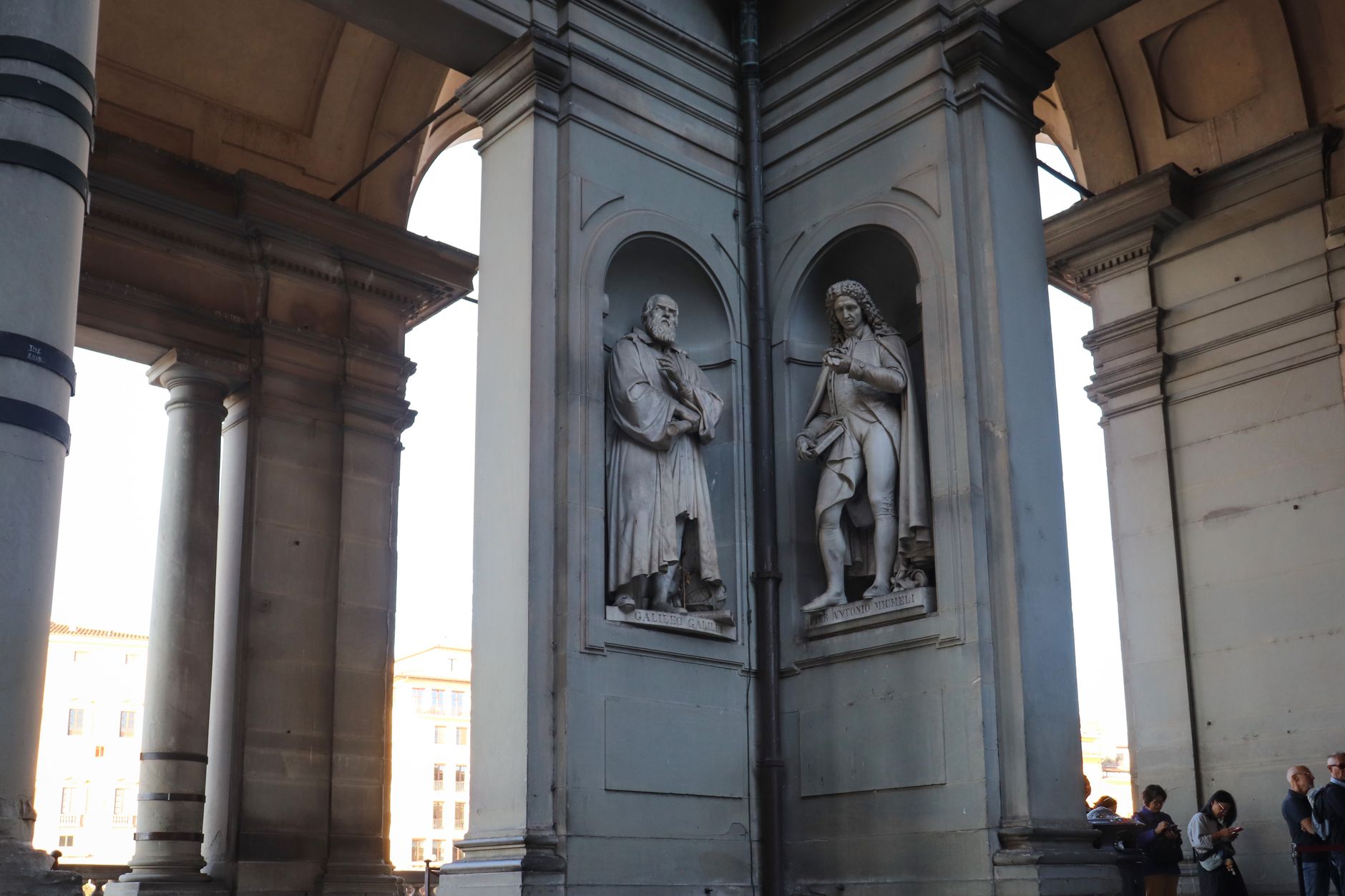
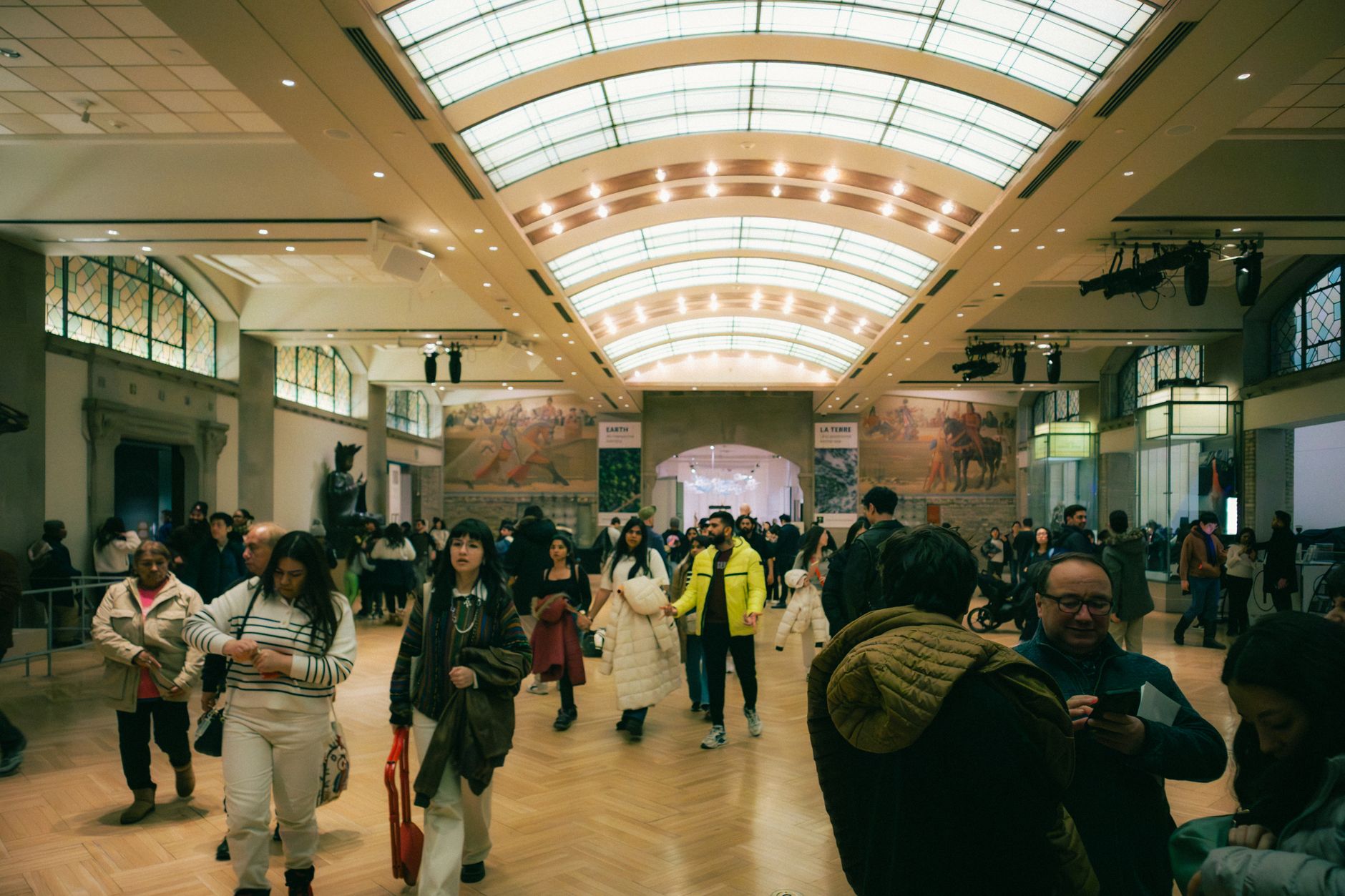
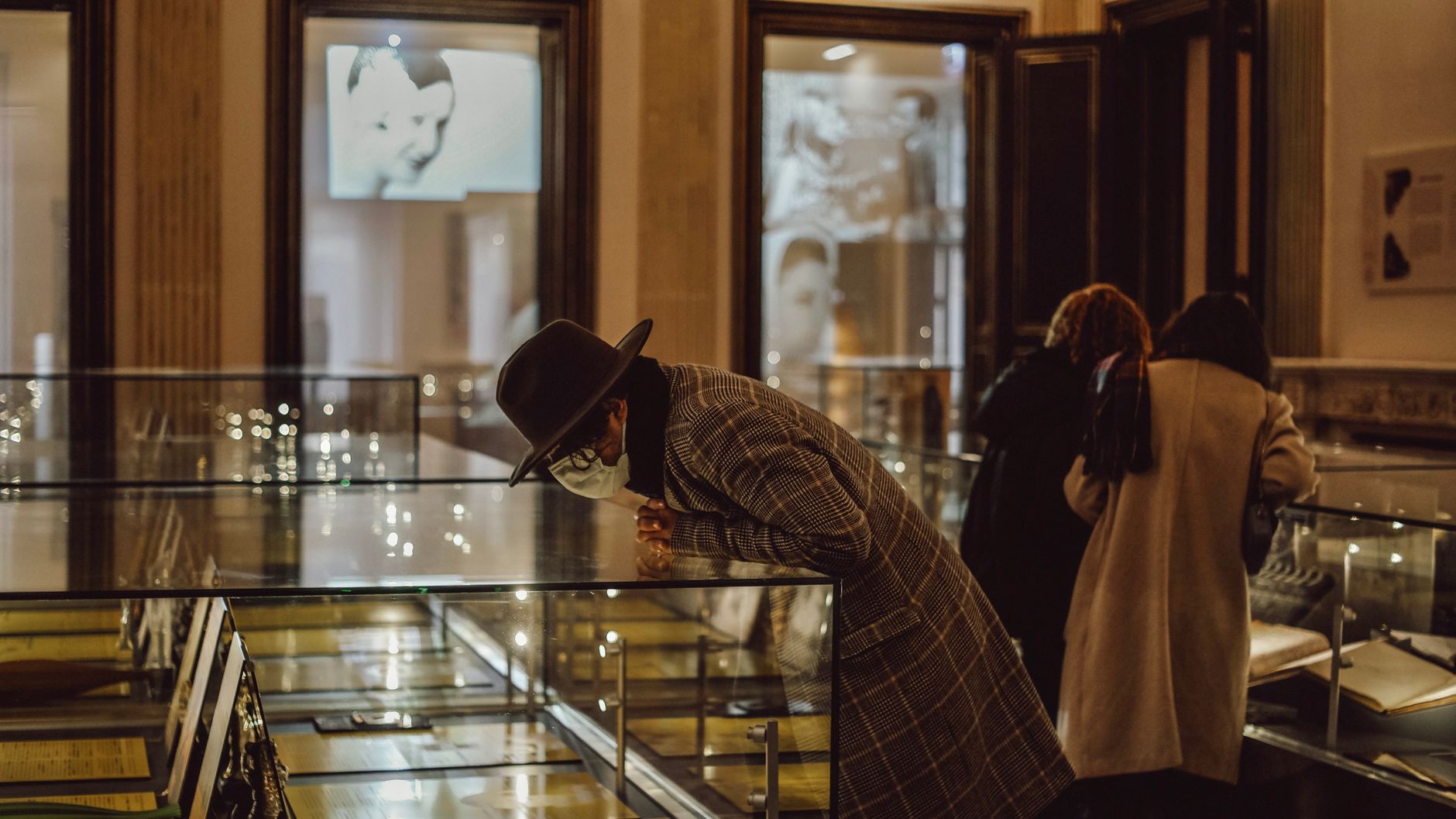
The Uffizi was never built to be a museum. Cosimo I de' Medici commissioned Giorgio Vasari to design it in 1560 as a home for government offices — uffizi, the Italian word that names it, simply means offices. The top floor was converted into a private gallery by Francesco I in 1581, and from there the collection grew until it became one of the densest concentrations of Renaissance painting anywhere on earth.
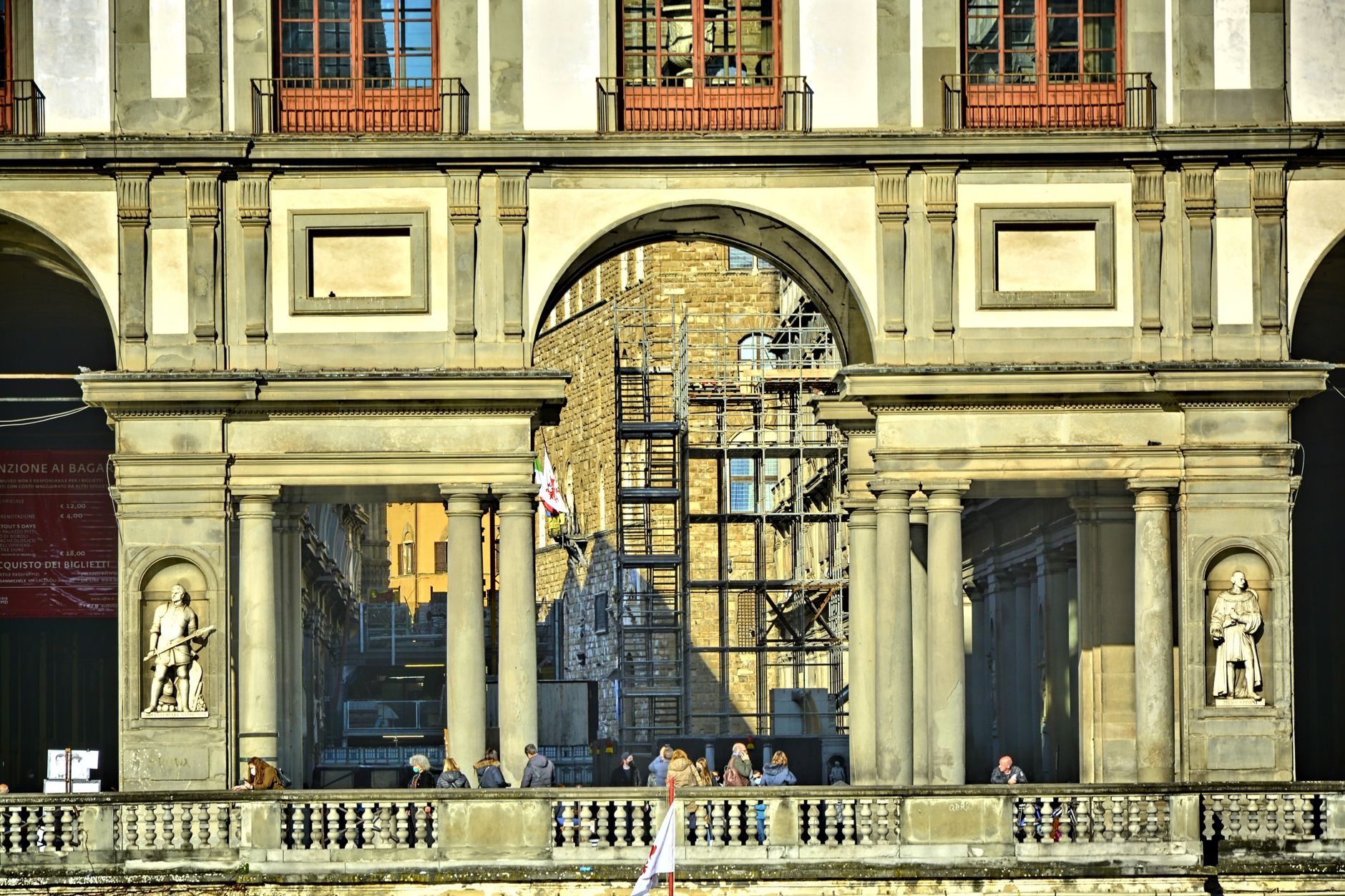
Today you walk through rooms where Botticelli's Birth of Venus hangs at human scale, where Caravaggio and Titian occupy the same corridor, and where the U-shaped courtyard — considered by architectural historians the first regularised streetscape in Europe — frames a long view down to the Arno.
💛 What travellers fall for
People who come back more than once tend to arrive at 8:15 on a Tuesday, skip the main Botticelli crush until late morning, and head straight for the Tribuna — the octagonal room Bernardo Buontalenti finished in 1584, lined with marble, shells and semiprecious stones. Then the rooftop café terrace, with Palazzo Vecchio filling the frame, before the crowds find it.
Experiences you don't want to miss




Deals in Uffizi Gallery
Book directly at the provider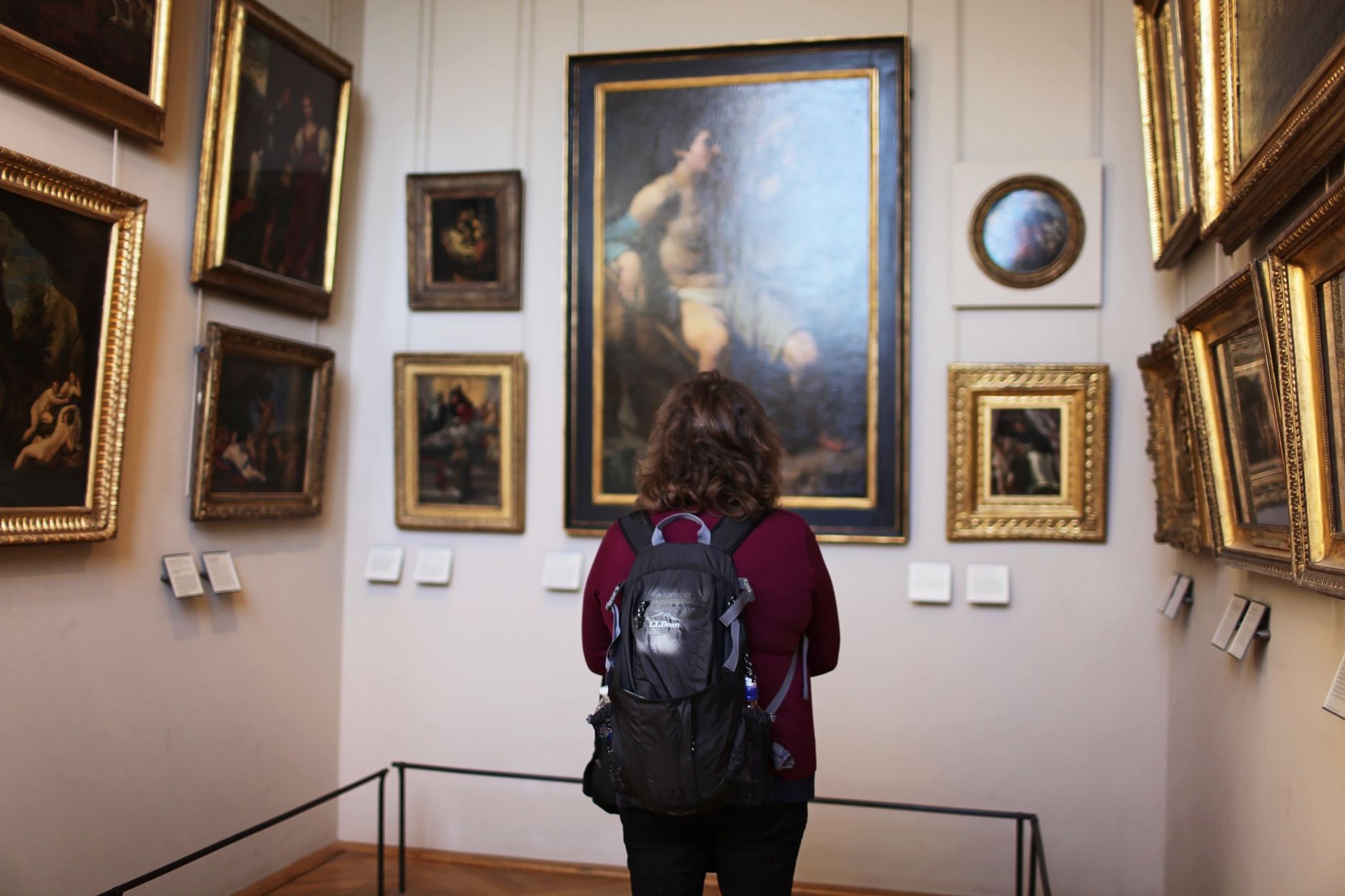
How Uffizi Gallery came to be
Vasari laid the foundations in 1560, but he died in 1574 before the complex was finished. Alfonso Parigi and Bernardo Buontalenti carried the work forward, completing it in 1581. That same year Francesco I enclosed the top loggia and installed the Medici family collection there — accessible to scholars and distinguished guests by request, a semi-public gallery a century before the concept was common.
The decisive act of preservation came in 1737, when Anna Maria Luisa de' Medici, the last of the dynasty, signed the Family Pact: the entire collection would pass to Florence and could never be removed from the city. The gallery opened formally to the public in 1769 under Leopold II. A Mafia car bomb in Via dei Georgofili on 27 May 1993 killed five people and damaged works; the museum absorbed the blow and continued. A 2021 renovation added fourteen new rooms and 129 artworks.
Who and what shaped it
People who shaped it
Landmark buildings
See Uffizi Gallery in motion
Plan your visit
On the map
When to go
The Uffizi is entirely indoors, so weather matters mainly for the walk there and the rooftop terrace. Summer days between May and September can reach 24°C; the cooler months from November through March bring far fewer visitors, which is its own kind of reward.
Right now
Background & history adapted from Wikipedia (CC BY-SA) · specs from Wikidata (CC0) · weather from Open-Meteo · map data © OpenStreetMap contributors · photos from Wikimedia Commons / Unsplash with per-image credit. No third-party reviews or social posts reproduced.