
Piazza del Duomo
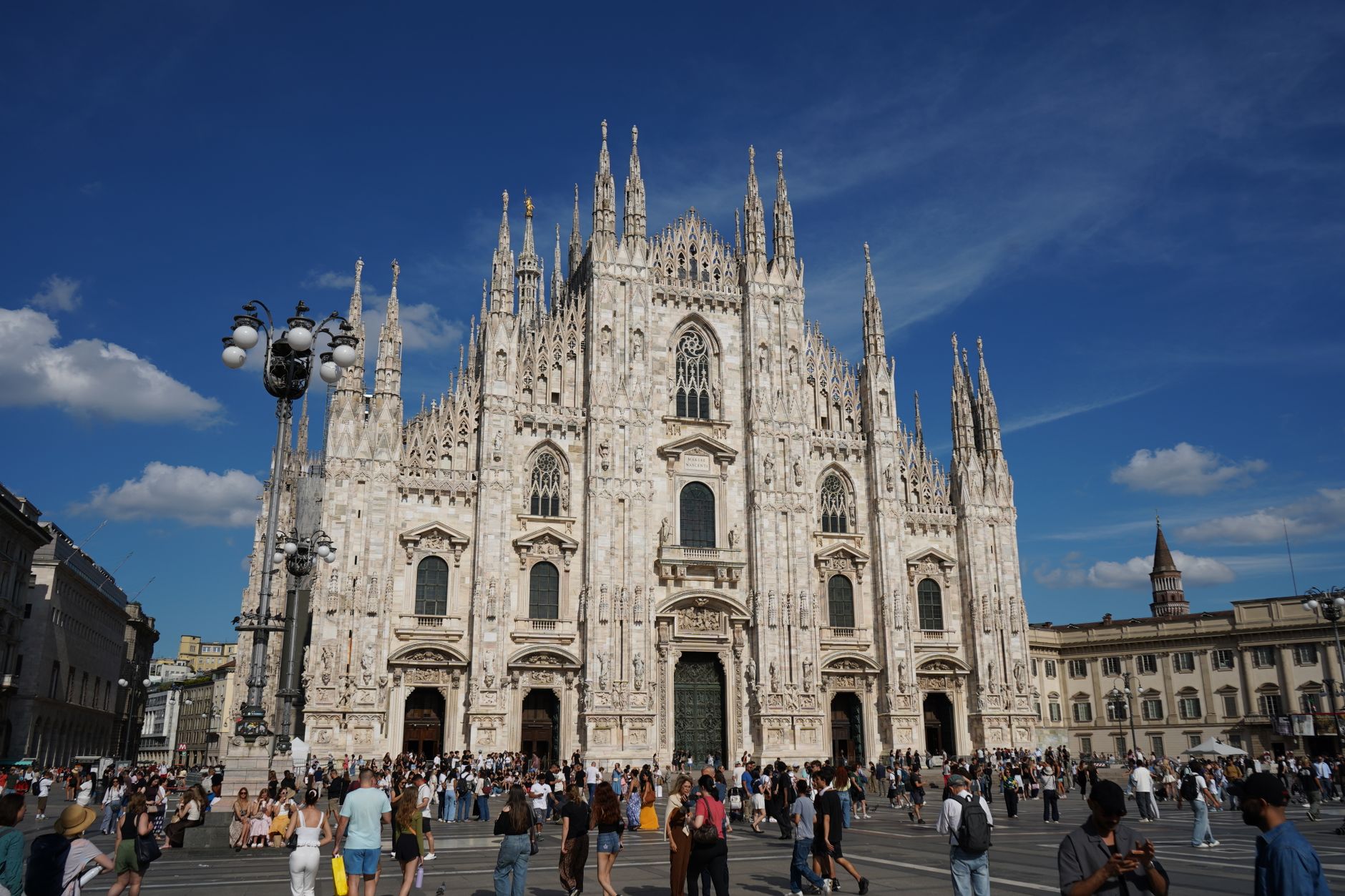
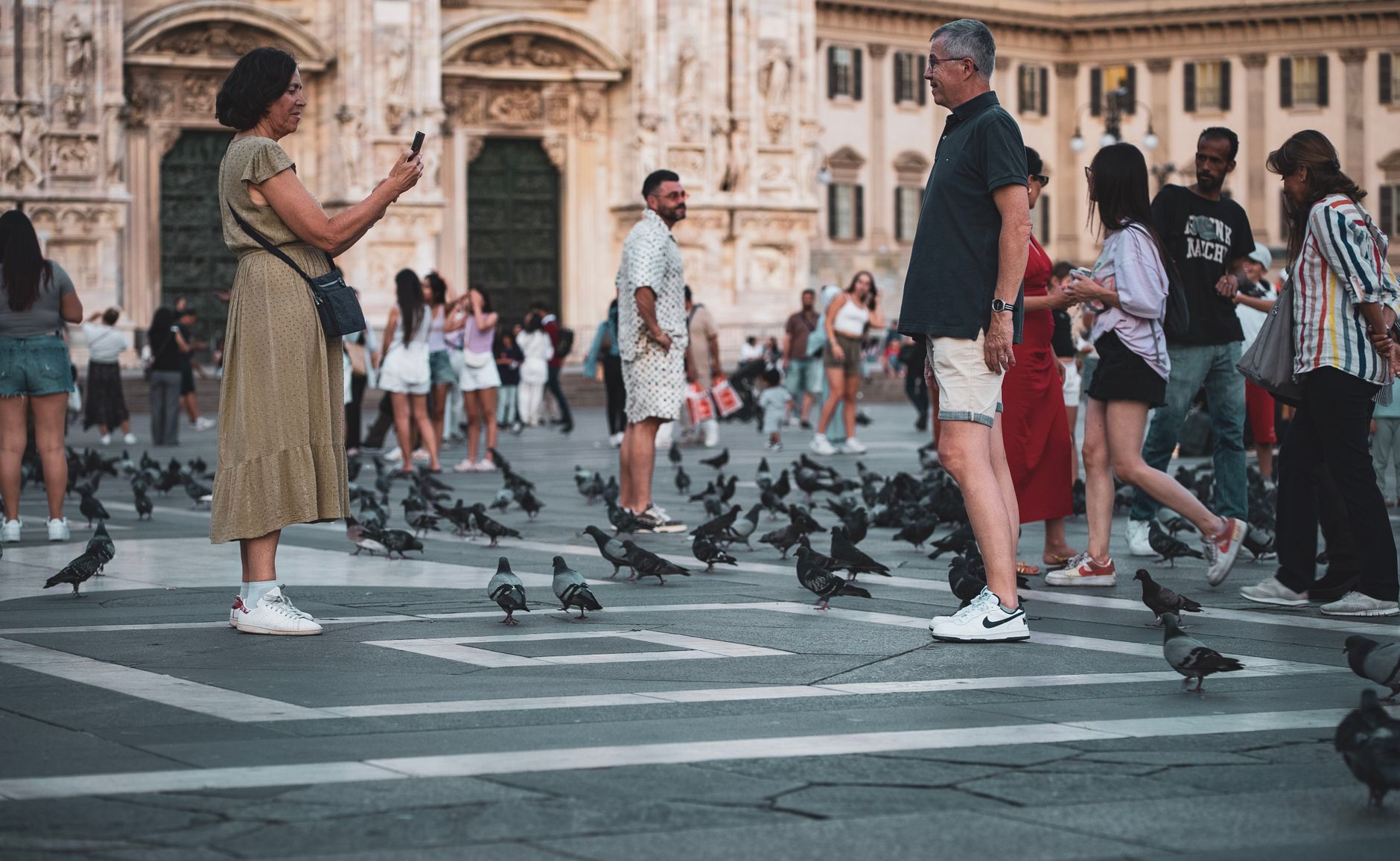
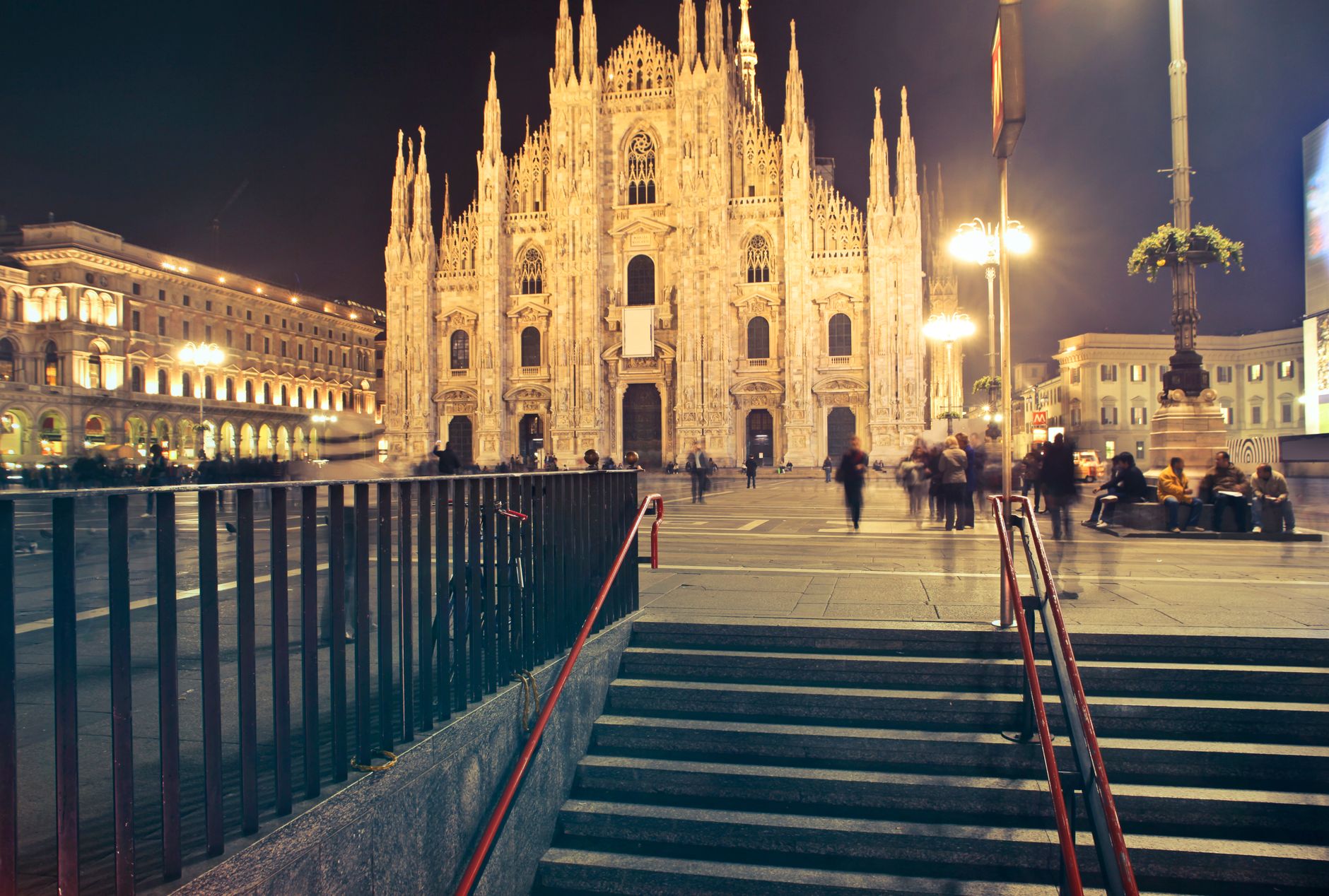
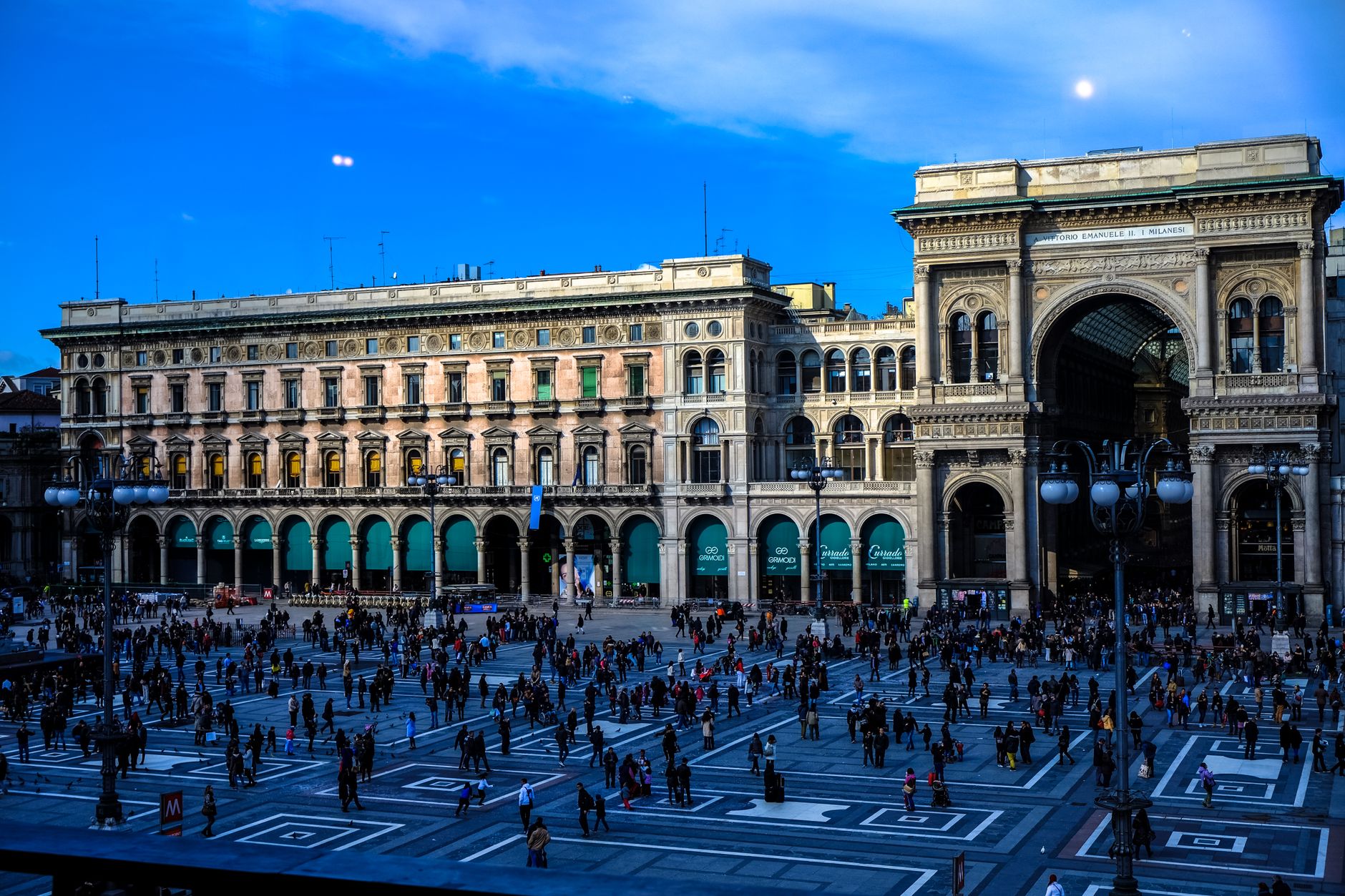
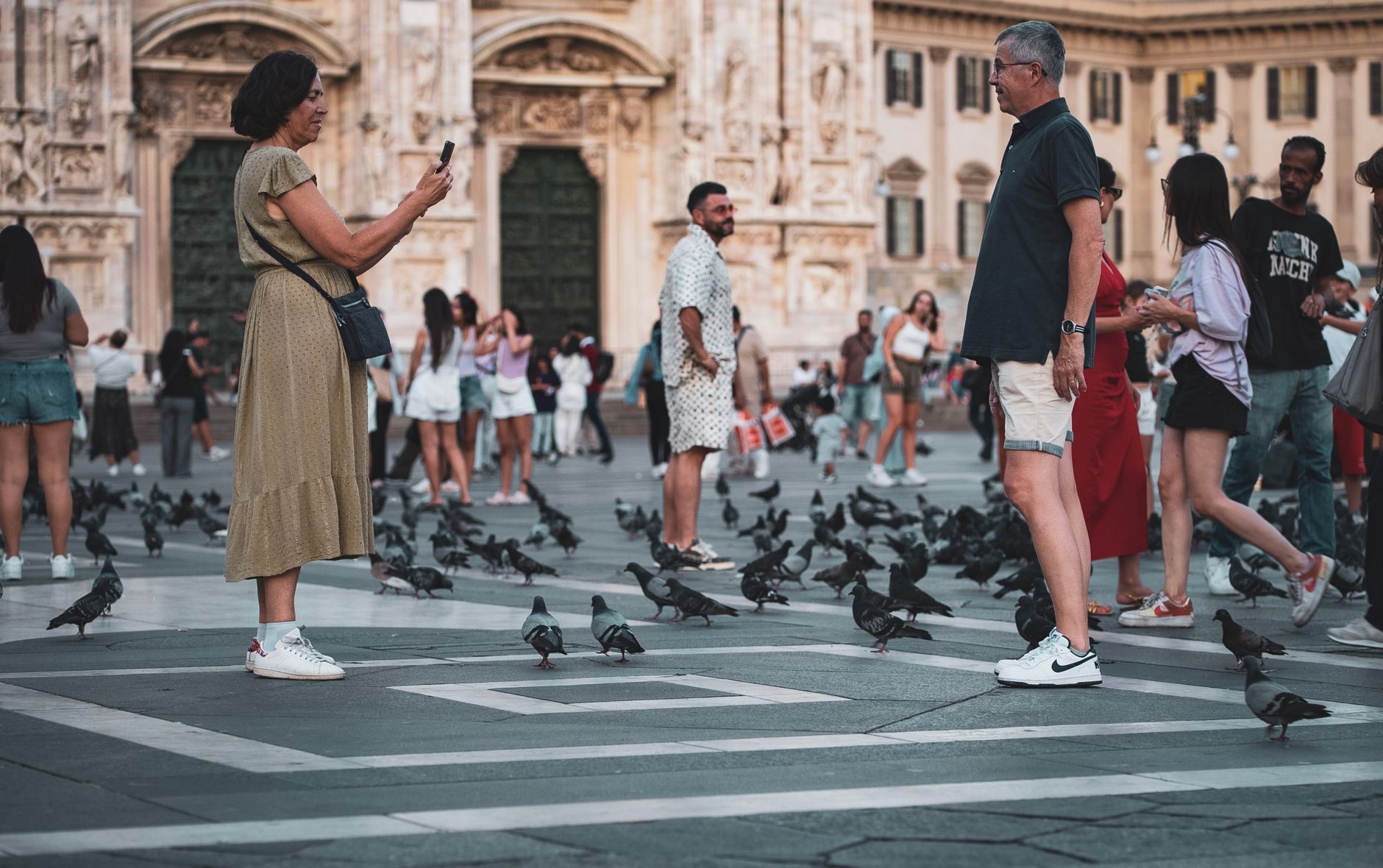
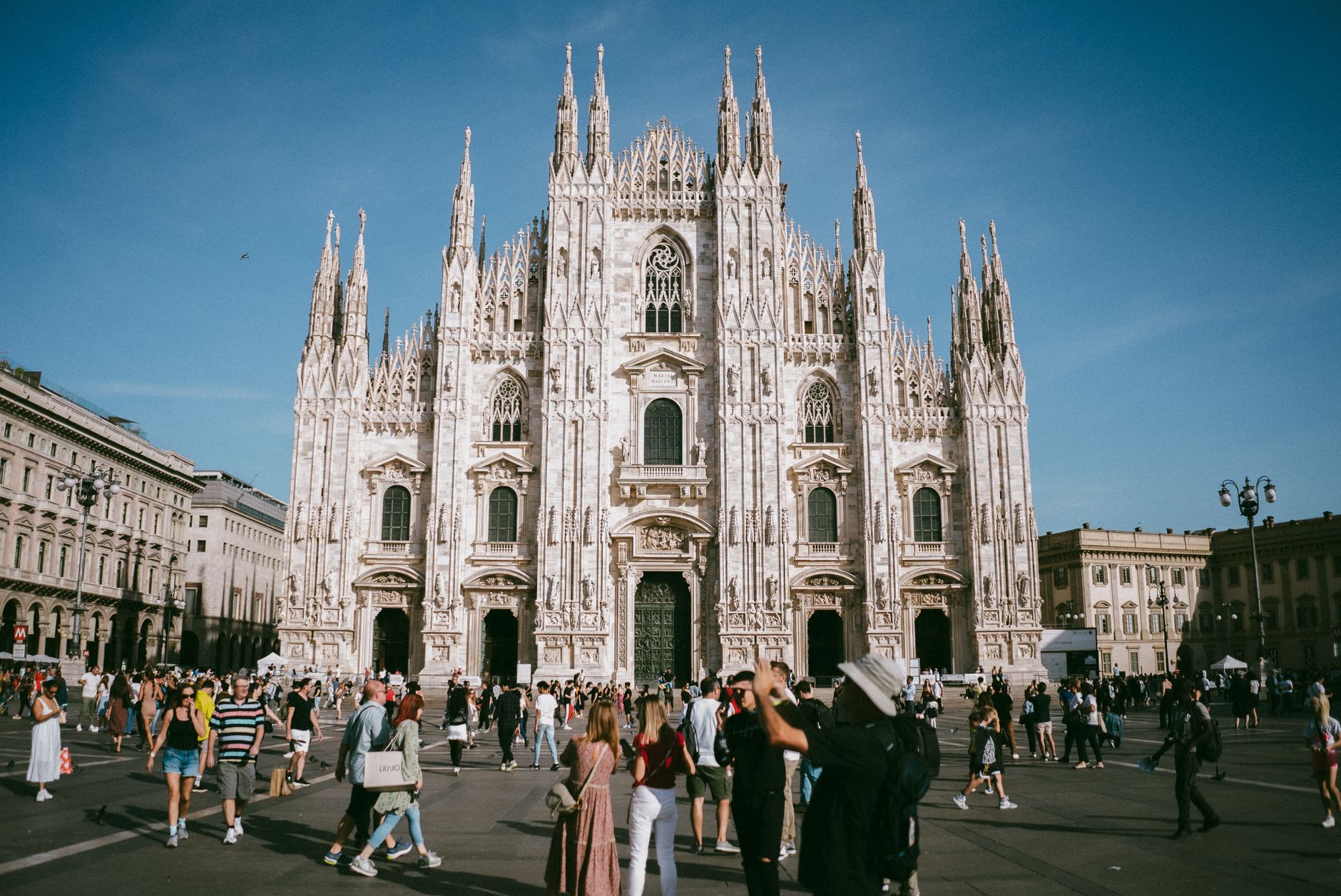
Stand in the middle of Piazza del Duomo and tilt your head back. The dome fills more sky than you expect — 153 metres of cathedral stretching behind it, the whole complex a kind of geological event in pink, white and green marble. The scale doesn't shrink with familiarity; it just becomes something you learn to read rather than simply stare at.
This is Florence's gravitational centre, where the Baptistery, the Campanile and the cathedral itself occupy the same square in a conversation that has been going on since the 11th century. Entry to the cathedral is free, which means the square moves at every tempo at once.
💛 What travellers fall for
People who come back tend to climb the Campanile before the dome — 414 steps to 85 metres, with more intimate views of the dome itself than you get from inside it. Early on a weekday, the queue for the dome climb is manageable; by 11am it rarely is. The Museo dell'Opera del Duomo, directly opposite the cathedral, is where Ghiberti's original Baptistery doors actually live — worth knowing before you spend time admiring the outdoor replicas.
Experiences you don't want to miss




Deals in Piazza del Duomo
Book directly at the provider

How Piazza del Duomo came to be
The site has been a place of worship since at least the 5th century — the Crypt of Santa Reparata, still accessible beneath the complex, marks an early Christian church that preceded everything standing today. The Baptistery of San Giovanni went up between 1059 and 1128, its Florentine Romanesque shell clad in the white and green marble from Prato that would set the visual language for the whole piazza. Construction on the cathedral proper began in 1296 under Arnolfo di Cambio, stalled with his death, resumed under Giotto in 1334 — who designed the Campanile before dying in 1337 — and was carried forward by Andrea Pisano and Francesco Talenti, who finished the bell tower in 1359.
The cathedral's crowning problem — a dome spanning 42 metres with no obvious way to build it — went unsolved for decades until Filippo Brunelleschi won a competition in 1420 with a self-supporting design that required no traditional scaffolding and no precedent. He invented the machines to build it. Pope Eugene IV consecrated the finished cathedral on 25 March 1436. The marble façade you see today is younger than it looks: Emilio De Fabris completed it in 1887, replacing a medieval front that had been unfinished for centuries.
Who and what shaped it
People who shaped it
Landmark buildings
See Piazza del Duomo in motion
Plan your visit
On the map
When to go
Summer brings intense heat and the piazza has almost no shade — mornings are significantly more comfortable than afternoons in July and August. Spring and October offer the most workable combination of light and temperature; winter is cold but the square empties out enough to let you see the architecture without negotiating crowds.
Right now
Background & history adapted from Wikipedia (CC BY-SA) · specs from Wikidata (CC0) · weather from Open-Meteo · map data © OpenStreetMap contributors · photos from Wikimedia Commons / Unsplash with per-image credit. No third-party reviews or social posts reproduced.