



★★★★★
Best place to do sports in Florence, large boulevards, wonderful views of Arno and no cars! Great continuation west along the Arno as well.
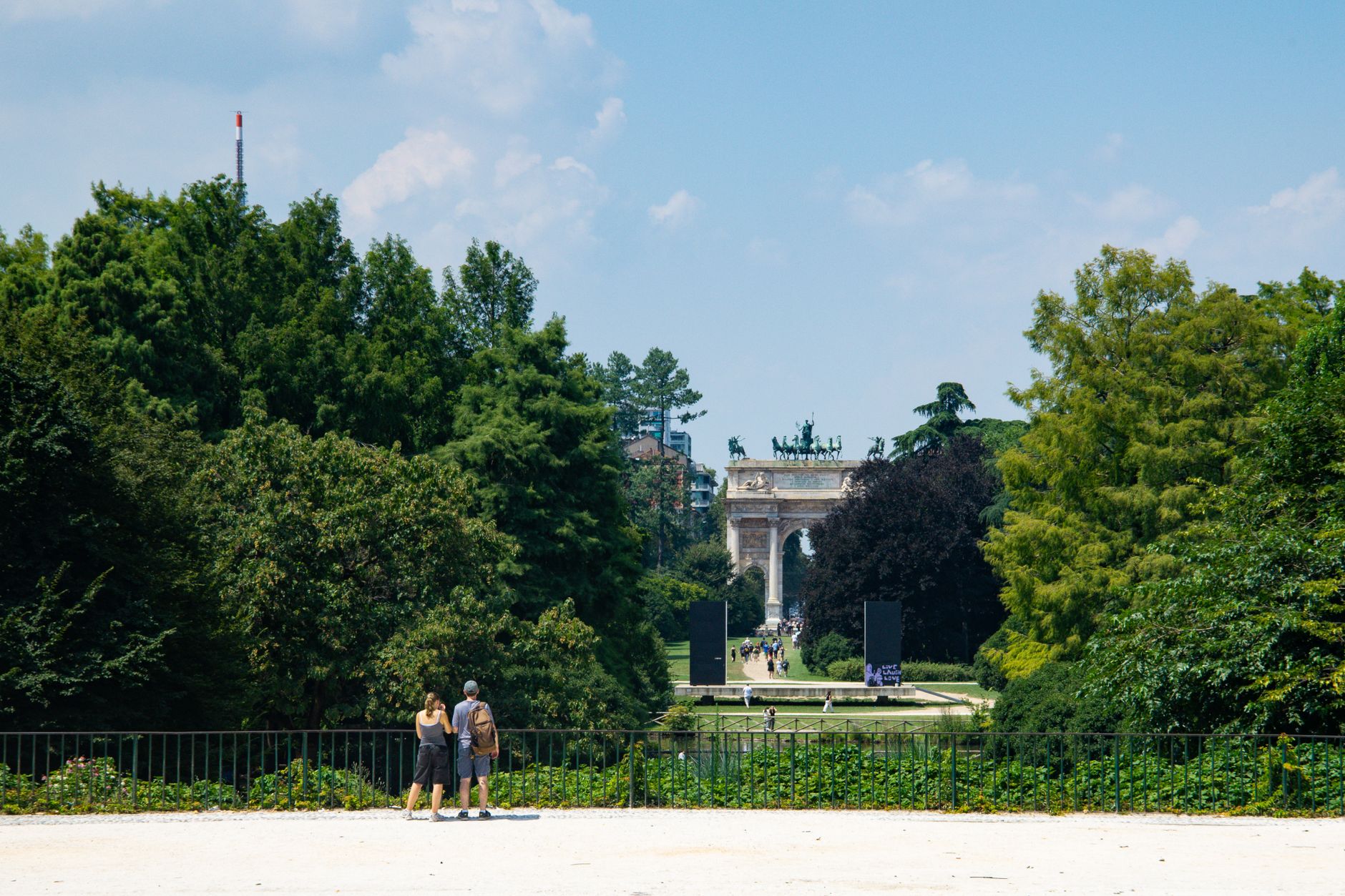
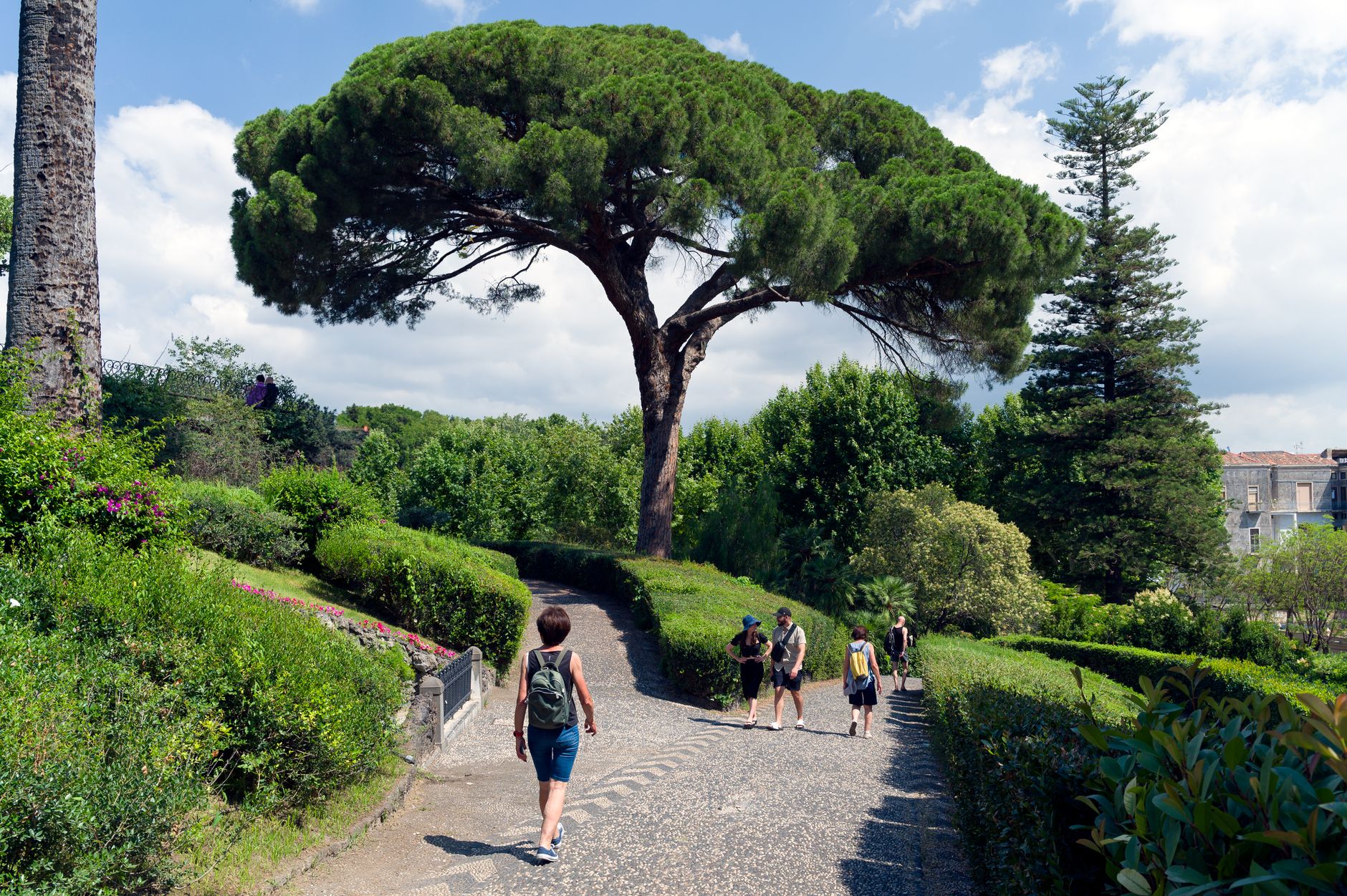
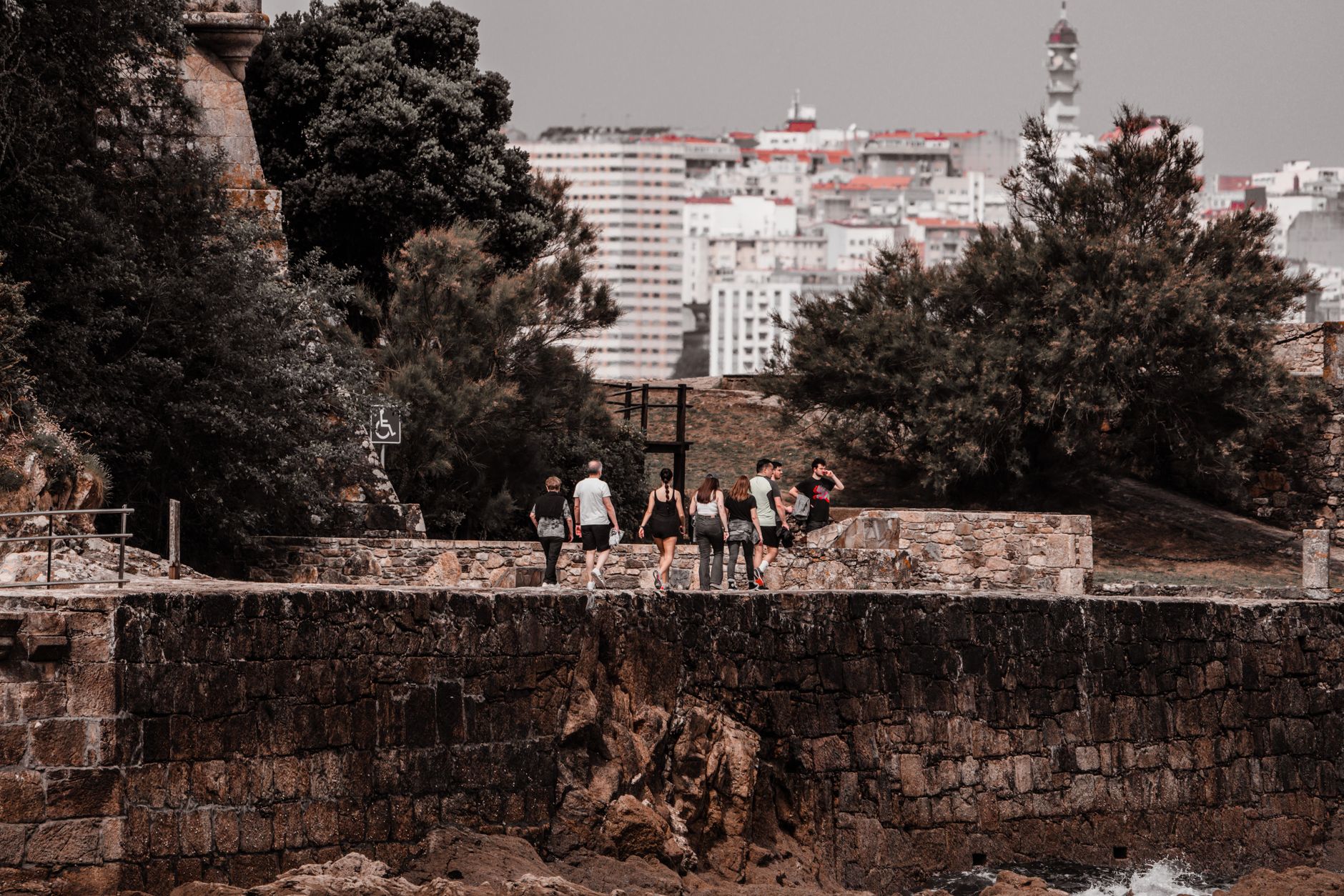
Viale degli Olmi runs almost four kilometres through Cascine Park, a double corridor of tall elms that cuts the light into long afternoon strips. At 160 hectares, this is the largest green space in Florence, and on a Tuesday morning it fills with the city's biggest open-air market — porchetta rolls, local cheeses, bolts of cloth, ceramic colanders — the kind of market that locals use rather than perform.
The park began as a Medici farming and hunting estate in 1563, and the name still carries that origin: cascio, meaning cheese. Today students from the university's agronomy faculty work inside the old Palazzina Reale, joggers loop the riverside paths, and somewhere near the Narcissus Fountain a bronze monument marks where an Indian maharaja died far from home.
People who come back tend to time it around the Tuesday market — arrive by 9 AM before the clothing stalls crowd the food end. They also mention the pyramid-shaped ice-house, easy to walk past, and the Monumento all'Indiano, which rewards a read once you know who Rajaram Chhatrapati was and how far he travelled.
Cosimo I de' Medici began building the estate in 1563 as a working farm and hunting ground. Two centuries later, Grand Duke Pietro Leopoldo commissioned architect Giuseppe Manetti to reorganise it as a model agricultural estate around the neoclassical Palazzina Reale; Manetti also designed the Narcissus Fountain, unveiled in 1791. The park stayed largely closed to the public until the Napoleonic period, when Elisa Baciocchi opened it properly to Florentines.
The Municipality of Florence took ownership in 1869, and architect Felice Francolini oversaw a renovation that shaped the park visitors know today. Percy Bysshe Shelley is said to have drawn on the Narcissus Fountain when writing 'Ode to the West Wind' in 1820 — which would place him here in the brief window when the park was still a semi-private royal possession.
Spring is the most comfortable season — May afternoons reach around 23°C with cool evenings that make long walks easy. Summer afternoons in June and July push to 31°C, so morning visits work better; autumn brings warmth into September before October turns reliably wet.
Best place to do sports in Florence, large boulevards, wonderful views of Arno and no cars! Great continuation west along the Arno as well.
Very nice chilling park. It's on the Riverside. It's safe and clean. Love to walk there daily.
Beautiful place to go for a walk in nature
Went for a long walk around this park, this is the day I walked 27km around the city. A lot of people come here to walk their dogs or running or cycling, don’t see much more then that, I’m the middle of the park there is a building with outdoor restaurant and swimming pool for your leisure which is open during covid. The park does have its problems with a lot of immigrants hanging around in groups, I wouldn’t think this is the safest place to be at dusk. Locals call the area Sex predictors go and some say they is a lot of drug activity going on here. Police regularly was Patrolling the area while I was there. I see a lot of suit cases on the bushes which makes me wonder they must work in city in day and live there and night, I’ve seen a couple work I’m the kitchens as pot wash or chef work or cleaners most properly poorly paid.
A beautiful park situated in Firenze. Lots of walkers and cyclists visit this park. There is a flee market on Tuesday. Check the dates of the flee market. Its really a tranquil place to walk through or just simply sit and rest. There are tram stops at the park to get on and get off. Lots of greenery and lovely trees that provides nice shade for those hot days. Simply beautiful.
Background & history adapted from Wikipedia (CC BY-SA) · specs from Wikidata (CC0) · weather from Open-Meteo · map data © OpenStreetMap contributors · photos from Wikimedia Commons / Unsplash with per-image credit. No third-party reviews or social posts reproduced.
We started Yeppa because finding real travel inspiration felt harder than it should be. The site is young and we're a small team, so we genuinely need the help of early visitors like you: if anything looks broken, odd or just plain wrong, we'd love to hear about it.
Tell us what you ran into: a broken link, a wrong photo, anything odd. We read every message.
Your note is on its way to us. It makes Yeppa better for everyone.
Subscribe to the newsletter and get travel deals & inspiration for trips that start near you.
Check your inbox and confirm your subscription. From then on we'll send you travel deals & inspiration.