
Palazzo Pitti
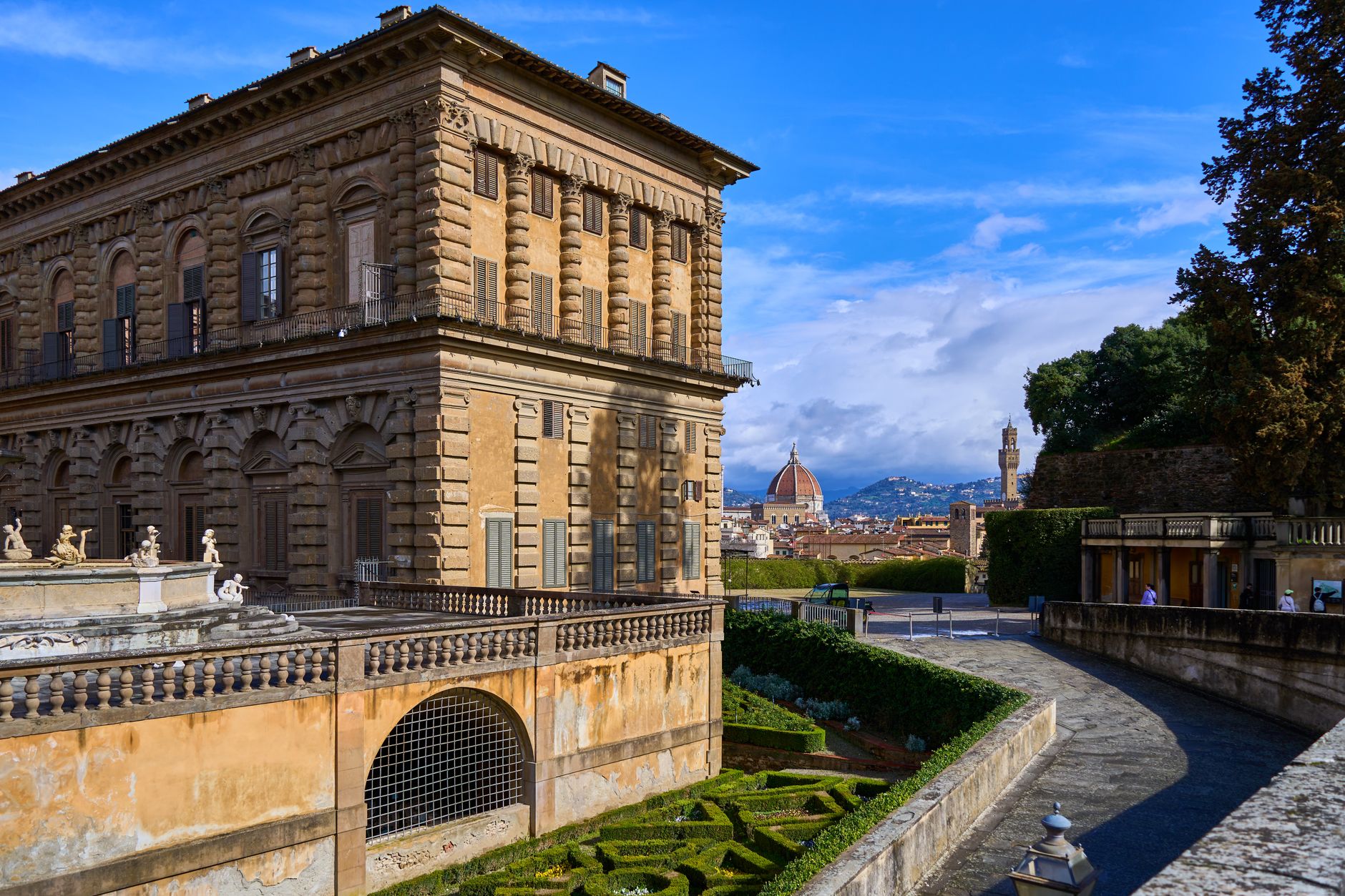
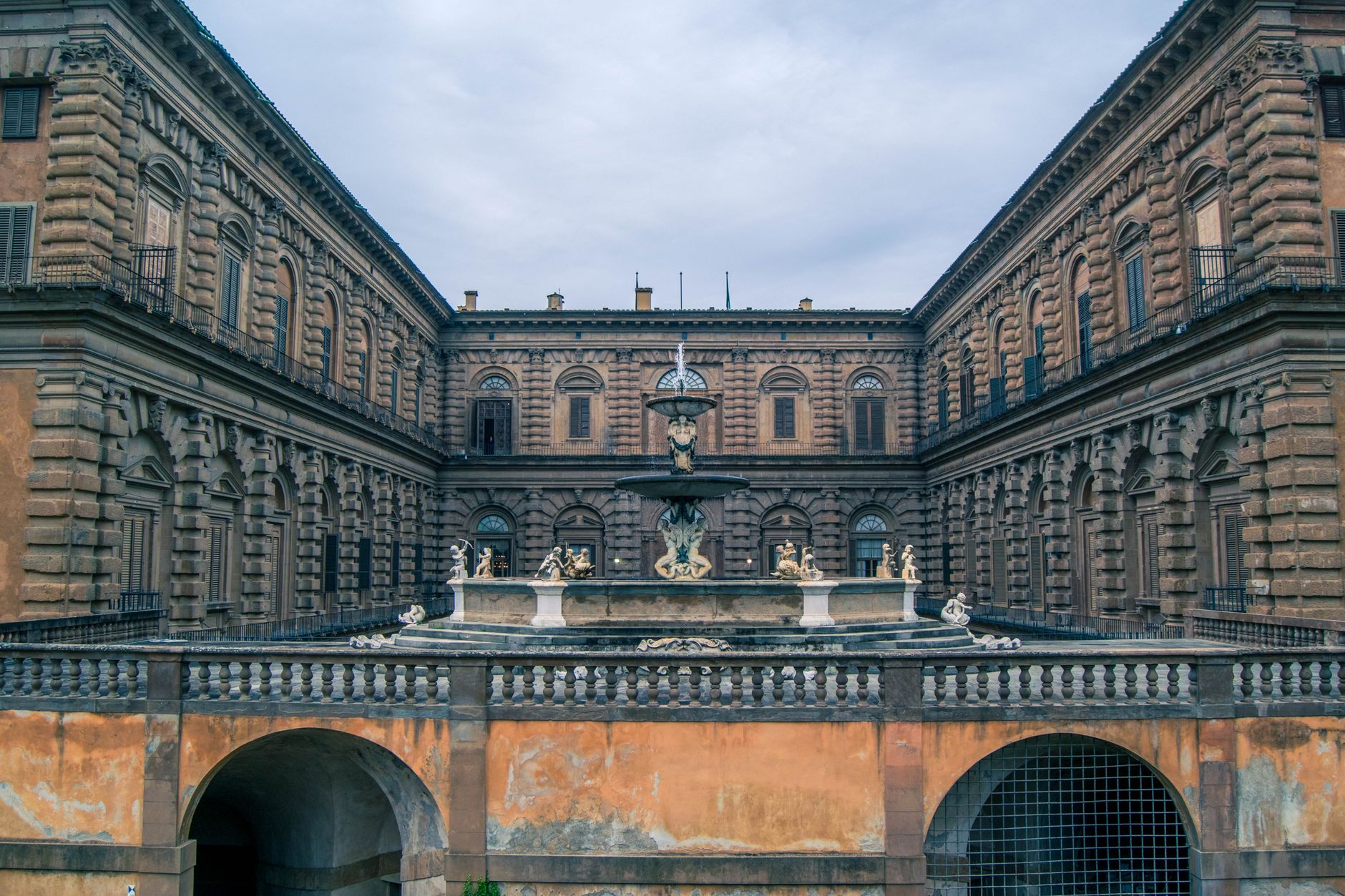
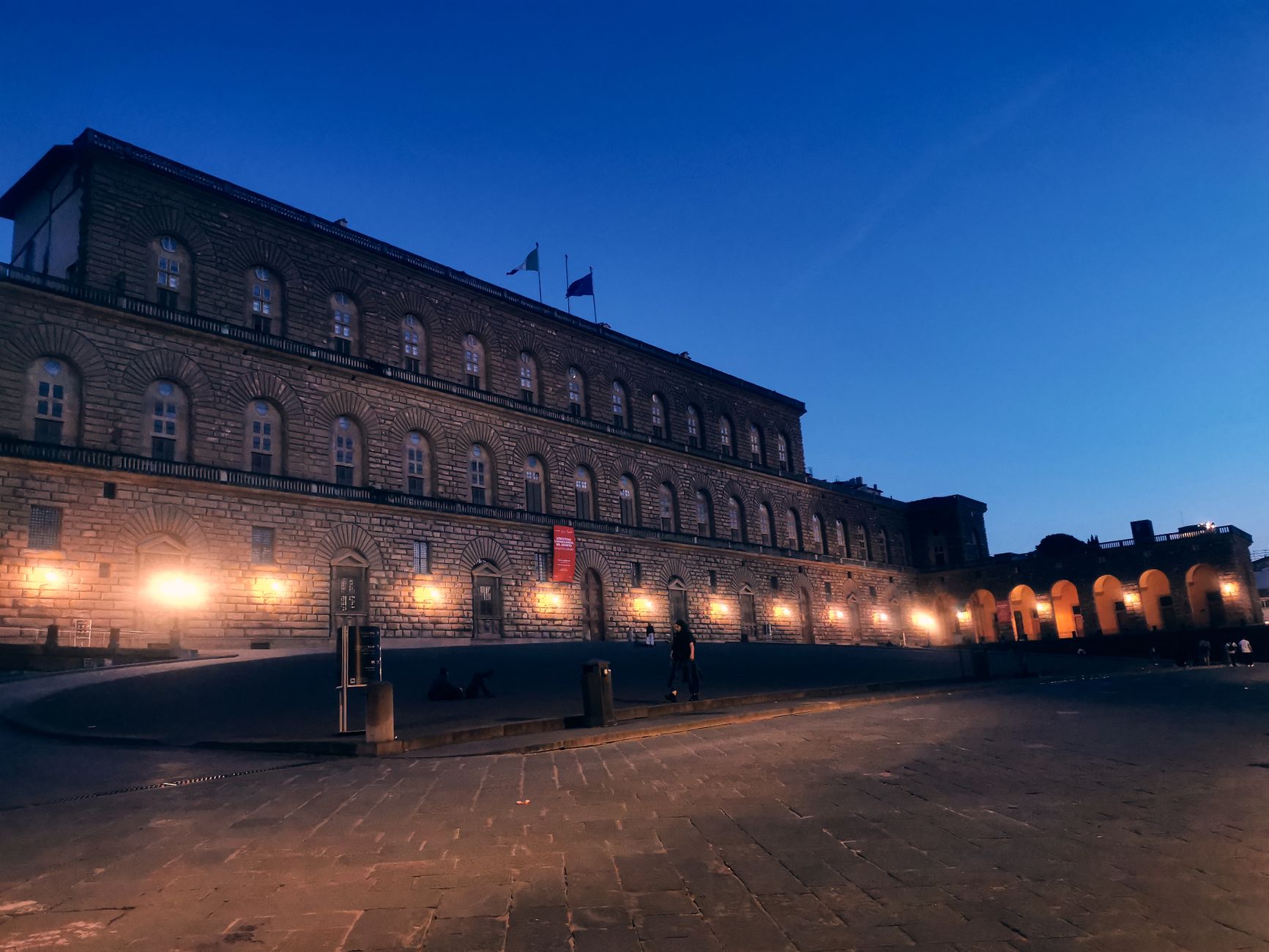
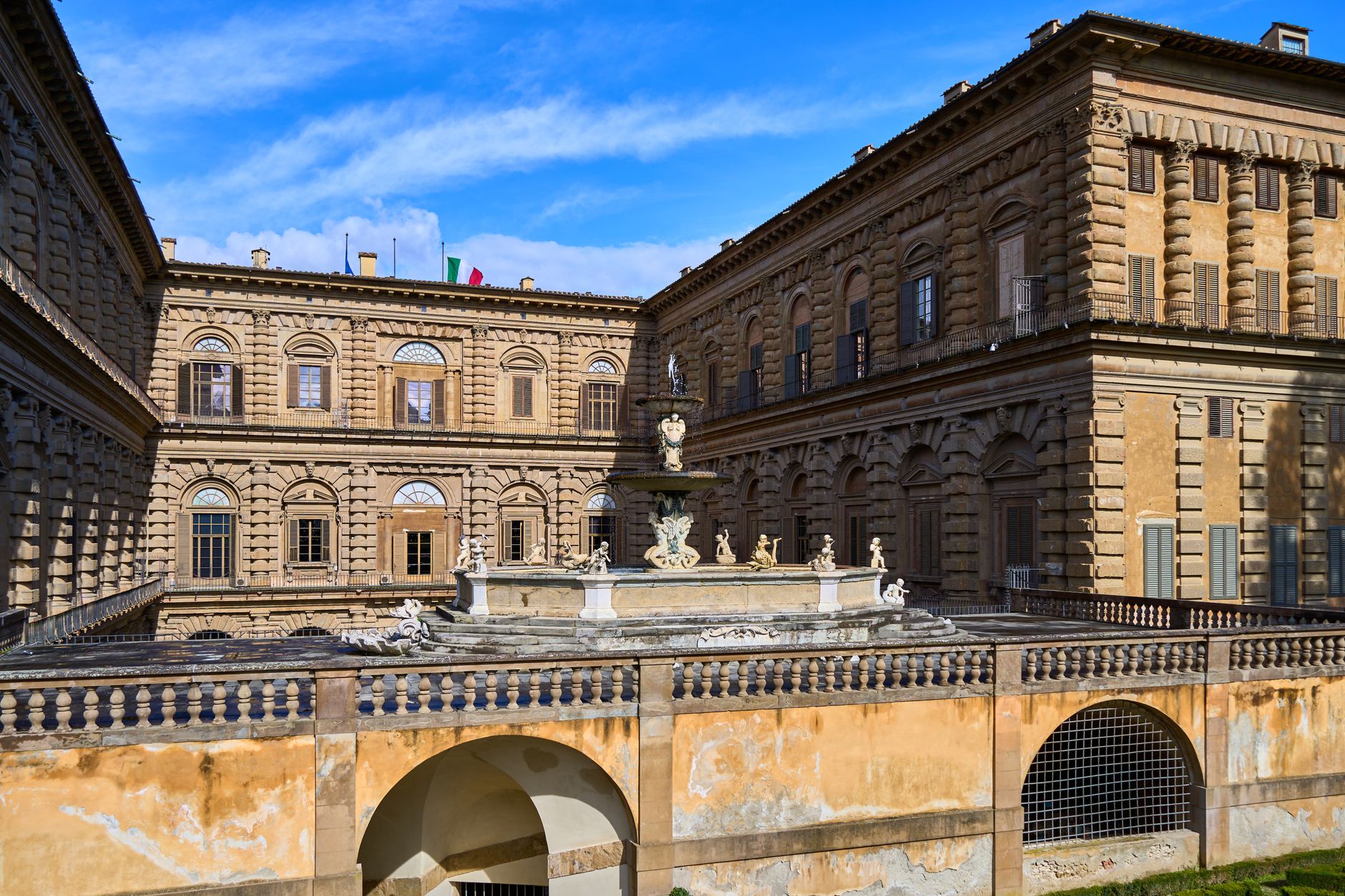
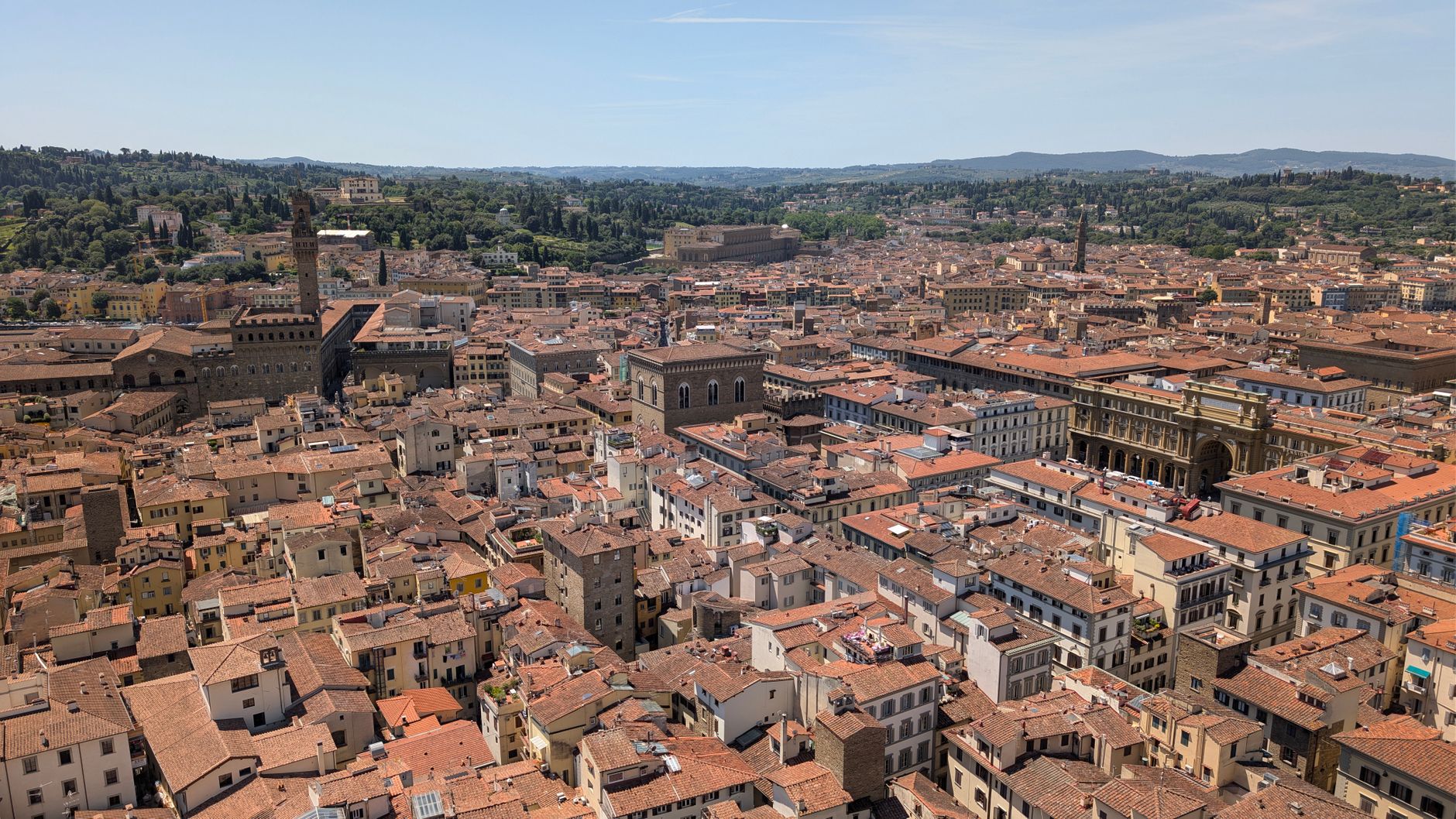
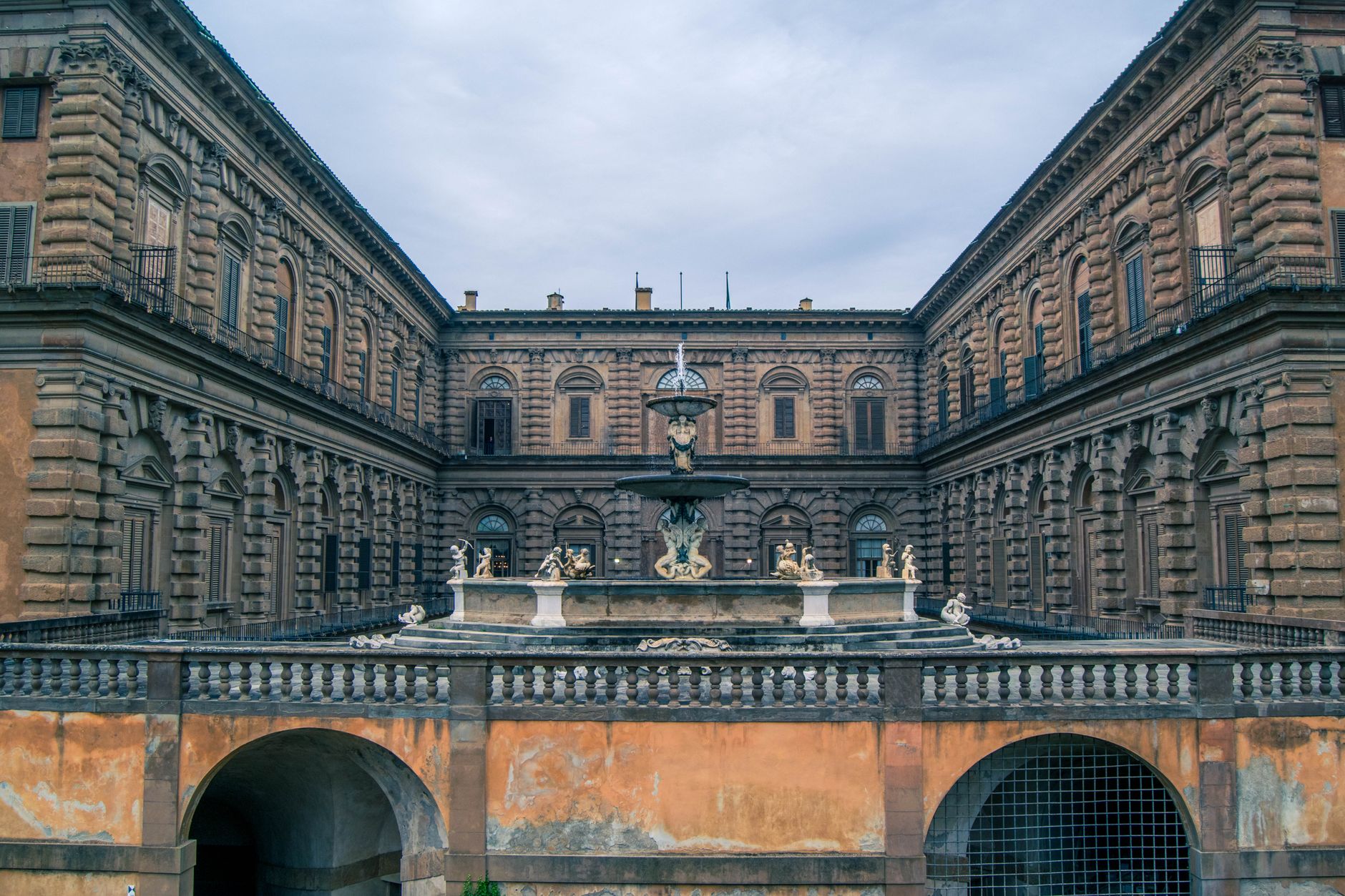
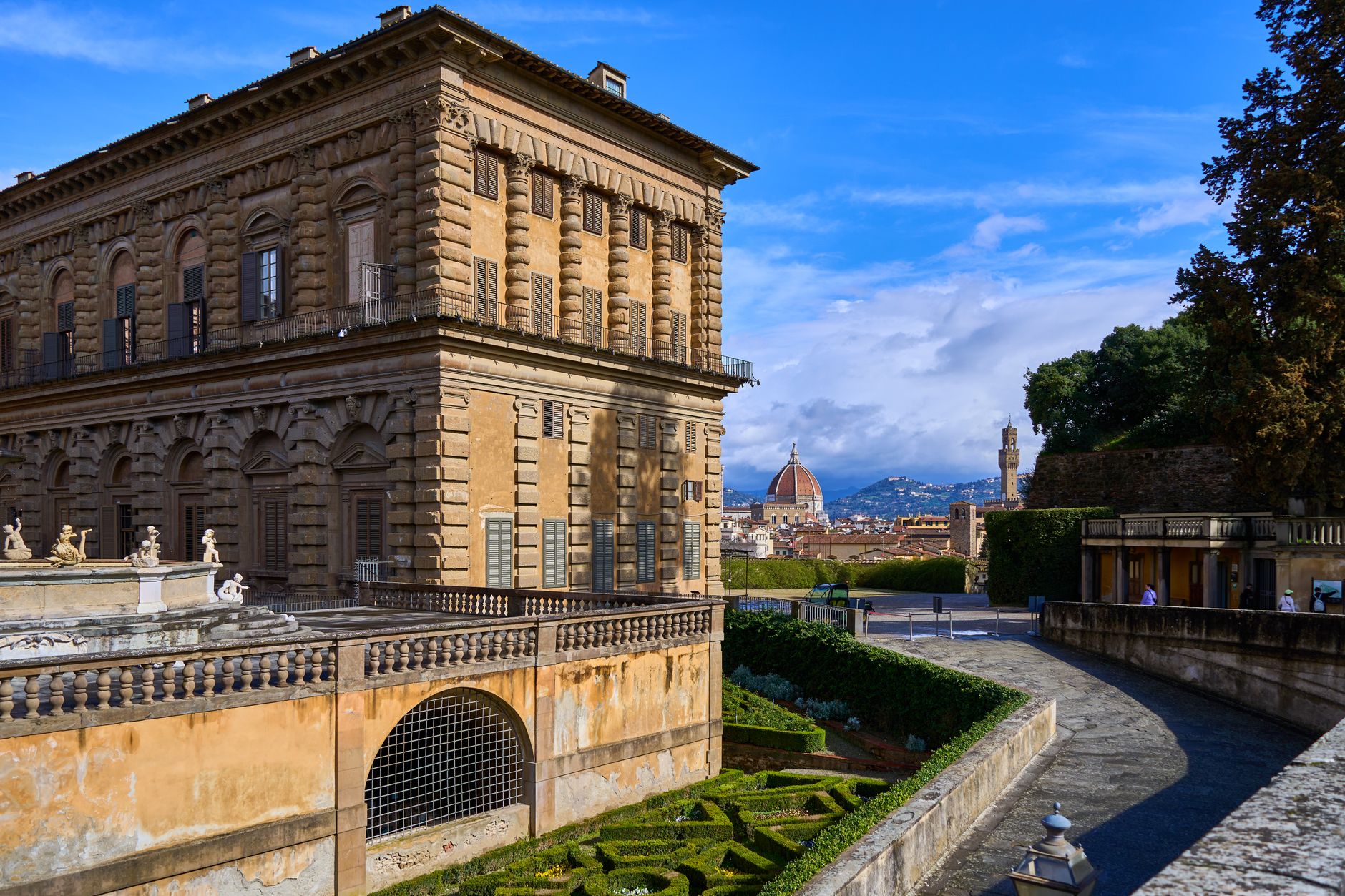
The façade of Palazzo Pitti hits you before you're ready for it — a cliff-face of rough-cut pietra forte stone, seven arched openings repeated across three storeys, the whole thing recalling a Roman aqueduct that someone decided to live inside. It sits on the south bank of the Arno, a five-minute walk from Ponte Vecchio, and it is enormous in a way that photographs don't quite prepare you for.
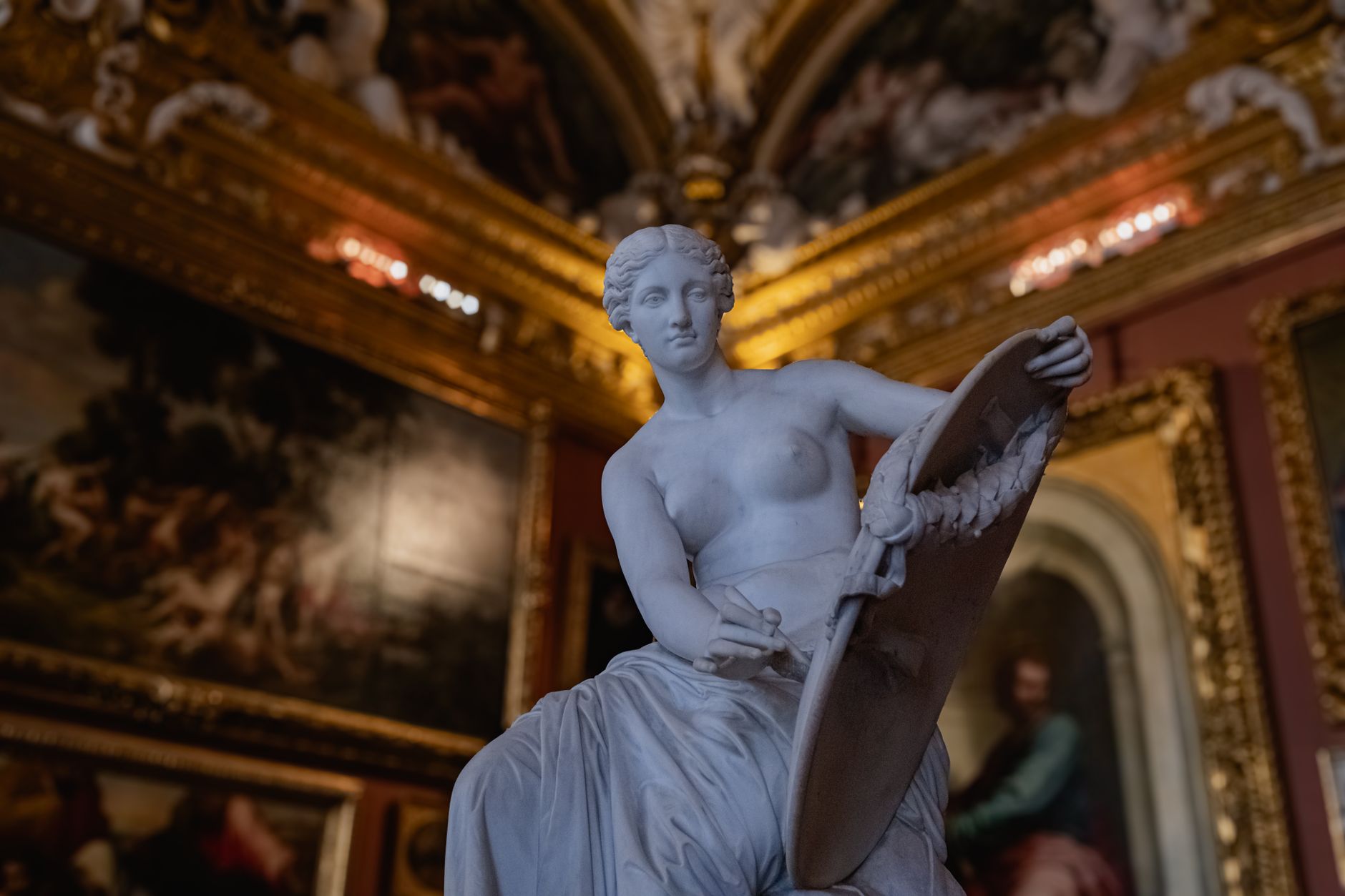
Inside, the palazzo is less a single museum than a small city of collections: over 500 Renaissance and Baroque paintings in the Palatine Gallery, a trove of Medici jewels and Lorenzo's ancient vases in the Treasury, Italy's only dedicated fashion museum, and a collection of Russian icons — 78 pieces, the largest such holding outside Russia — that opened to the public only in 2022.
💛 What travellers fall for
People who come back tend to pick one wing per visit rather than attempting the whole complex. The Palatine Gallery rewards slow looking — the Raphaels are hung the way the Medici actually lived with them, not in chronological rows. The Museum of Costume and Fashion, founded in 1983, consistently surprises even those who think they're not interested in clothes.
Experiences you don't want to miss


Deals in Palazzo Pitti
Book directly at the providerHow Palazzo Pitti came to be
Luca Pitti, a Florentine banker and close ally of Cosimo de' Medici, commissioned the palazzo in 1458. Luca Fancelli is generally credited with the design — Giorgio Vasari later floated Brunelleschi's name, though Brunelleschi had been dead twelve years before the first stone was laid. Work stalled in 1465 and Pitti died in 1472 with the building unfinished, his family's fortunes having turned.
In 1549, Eleonora of Toledo, wife of Cosimo I de' Medici, bought the incomplete palace as a ceremonial Medici residence. Bartolomeo Ammannati extended the main block and laid out the Boboli Gardens behind it; Giorgio Vasari added the elevated corridor in 1565 that still connects the palazzo to Palazzo Vecchio via the Uffizi and across Ponte Vecchio. The Lorraine family inherited in 1737, Victor Emmanuel II lived here during Florence's brief stint as Italy's capital, and in 1919 Victor Emmanuel III handed the whole complex — palace, square, gardens — to the Italian state.
Who and what shaped it
People who shaped it
Landmark buildings
See Palazzo Pitti in motion
Plan your visit
On the map
When to go
Right now
Background & history adapted from Wikipedia (CC BY-SA) · specs from Wikidata (CC0) · weather from Open-Meteo · map data © OpenStreetMap contributors · photos from Wikimedia Commons / Unsplash with per-image credit. No third-party reviews or social posts reproduced.