
Piazzale Michelangelo
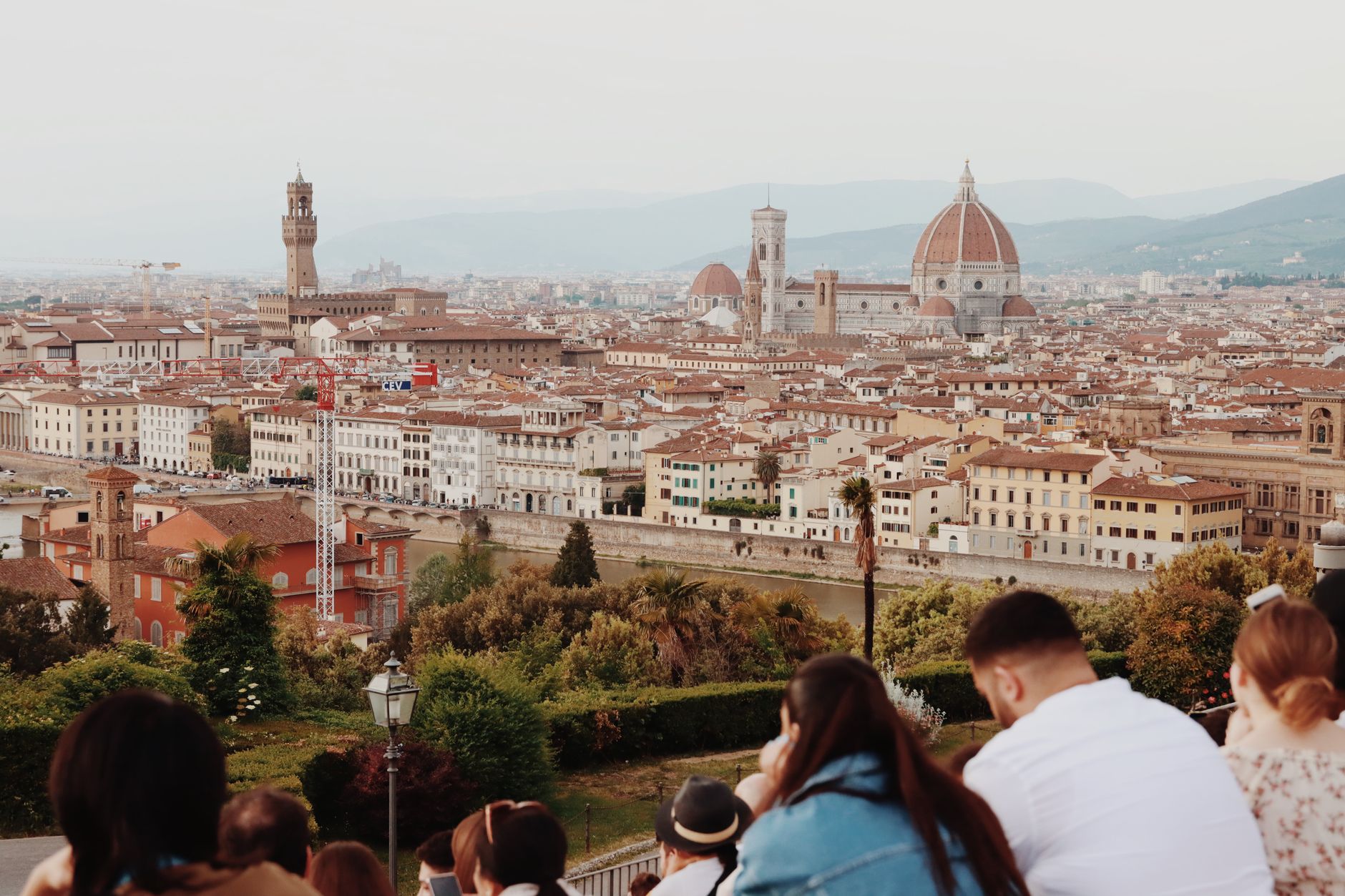
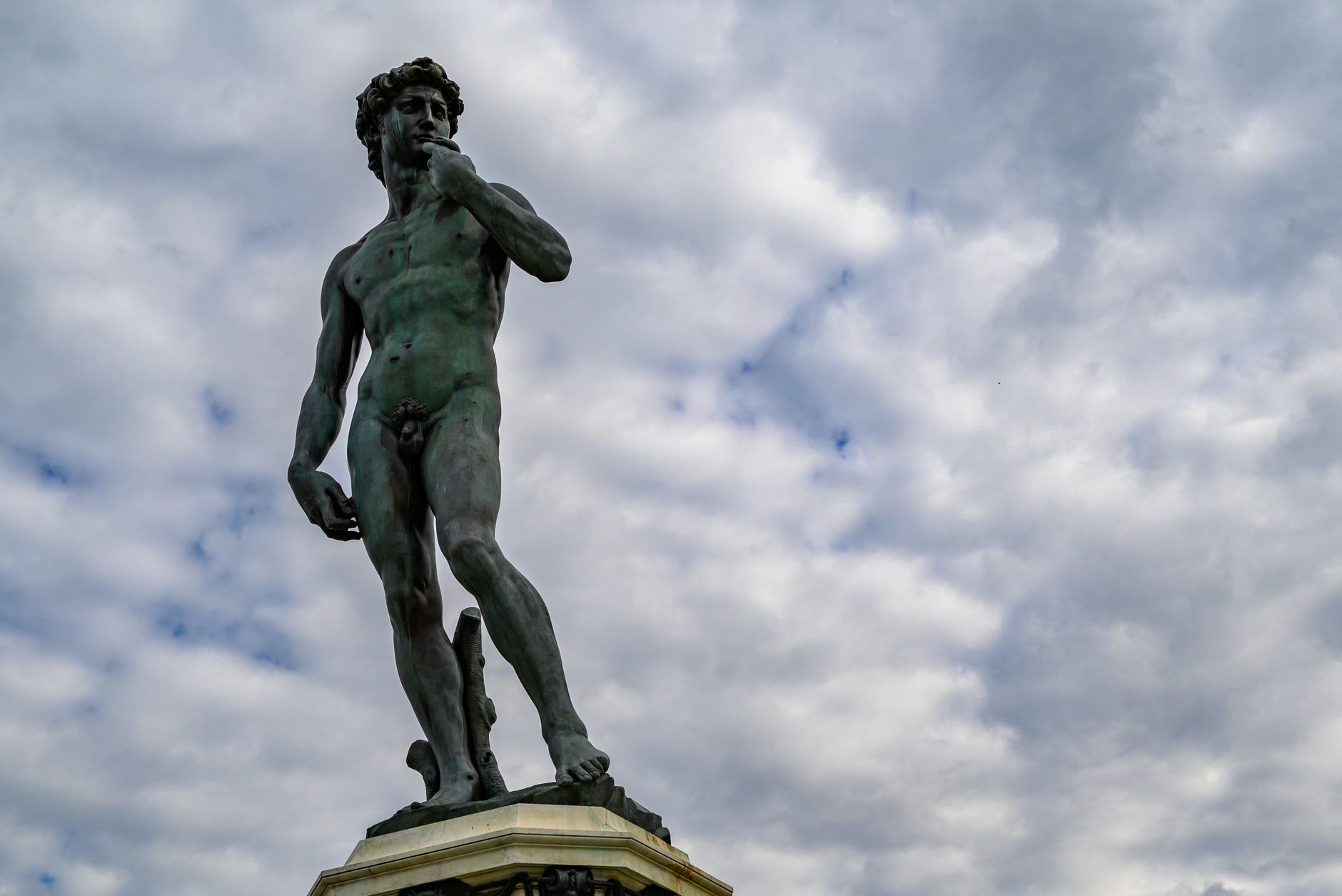
A bronze David stands at the centre of the terrace, face turned toward the hills beyond the city, four allegorical figures from the Medici chapels arranged around him — all copies, all cast in bronze rather than the white marble of the originals. That small fact is worth sitting with. The whole piazza was conceived as a monument to Michelangelo, a place where his statues would be gathered under one roof, and it never quite became what Poggi intended.
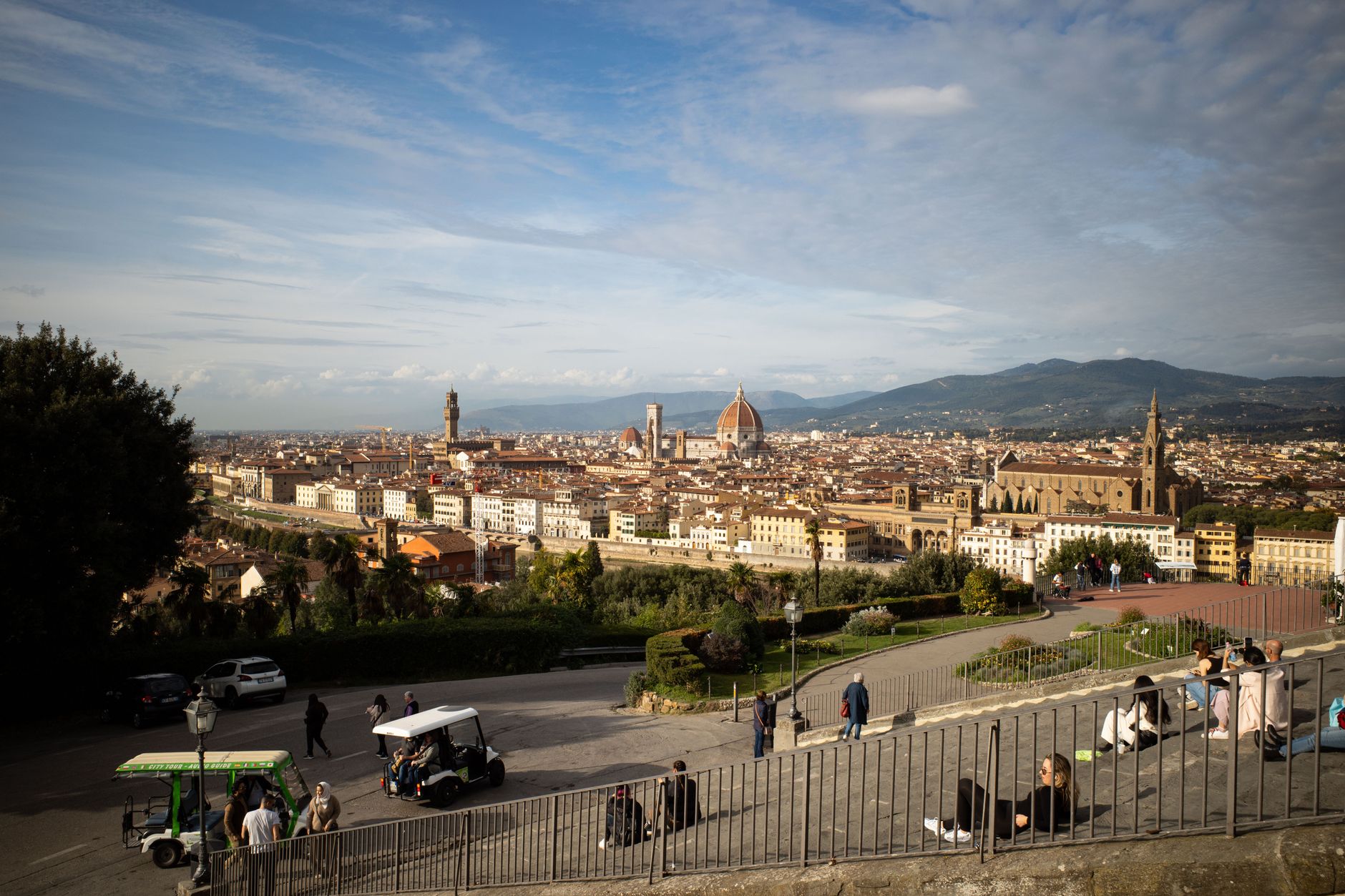
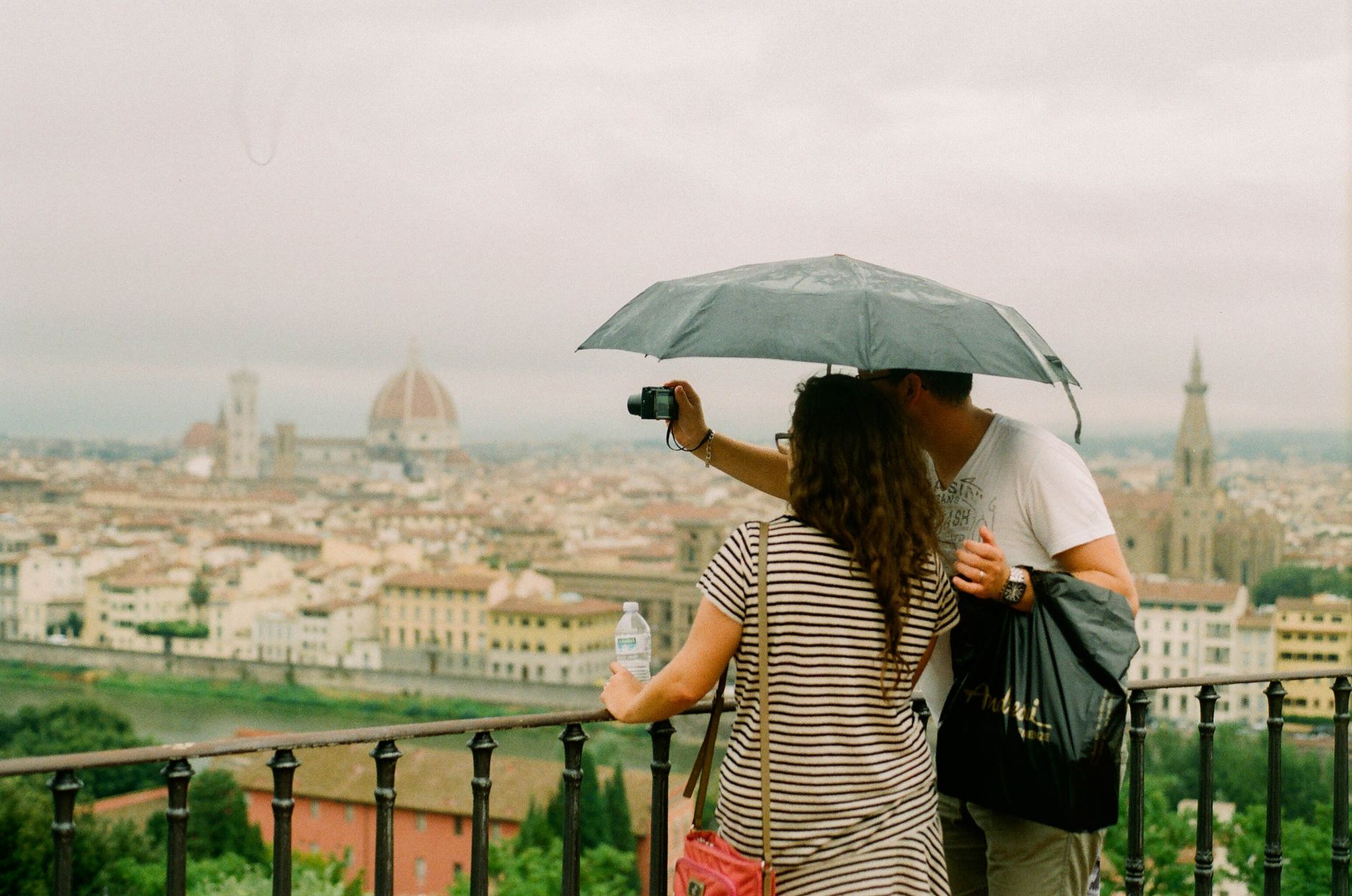
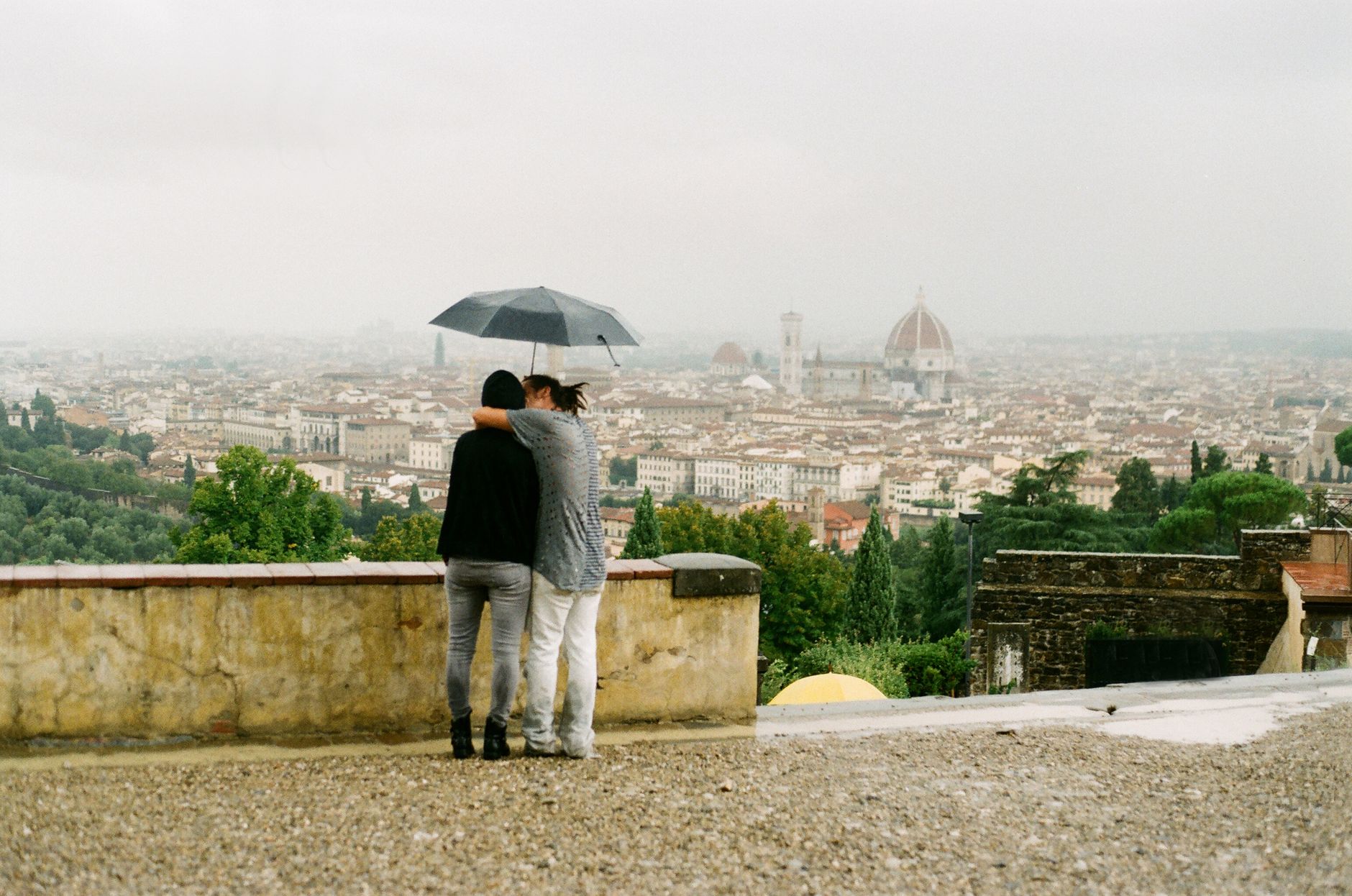
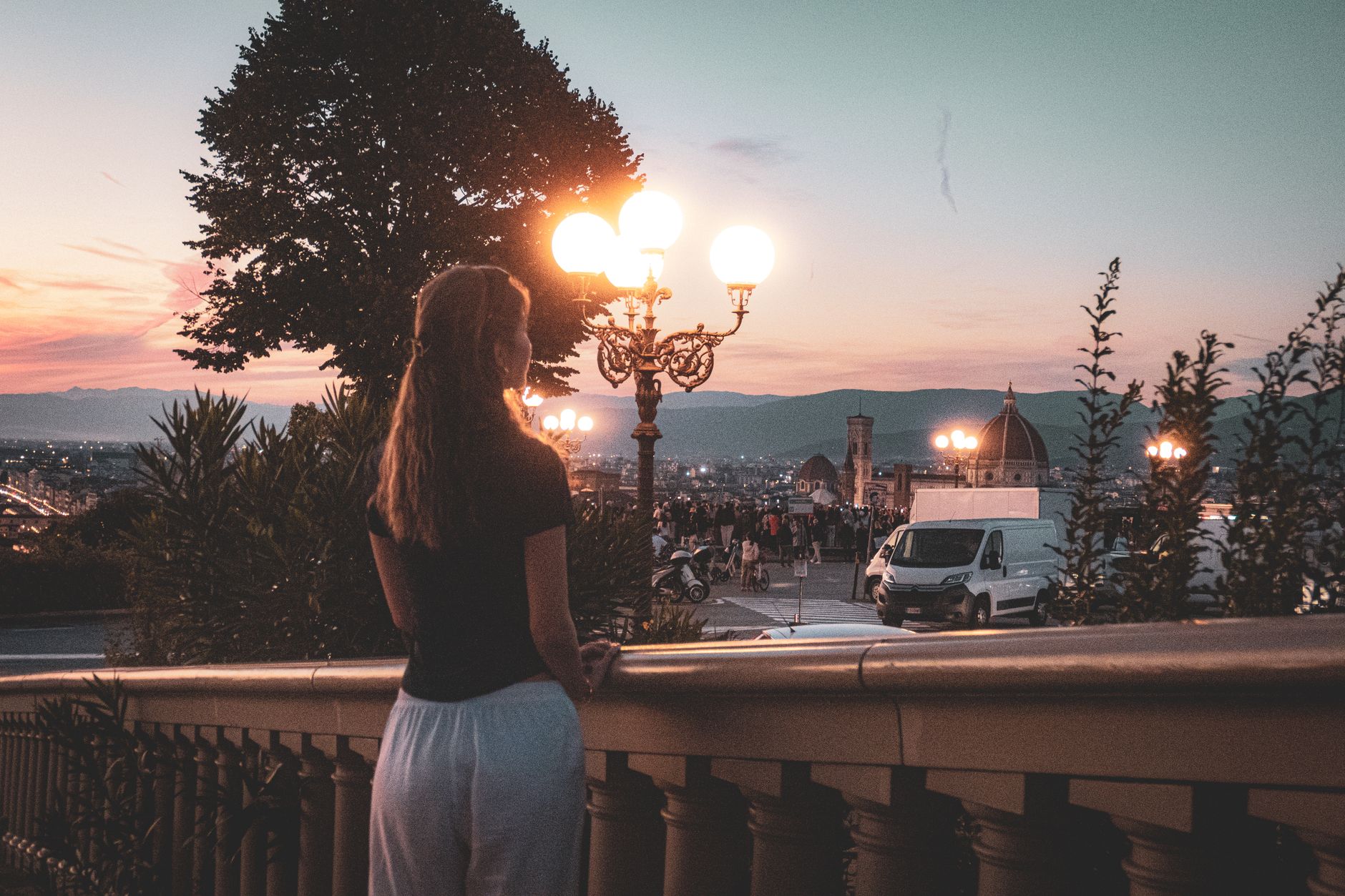
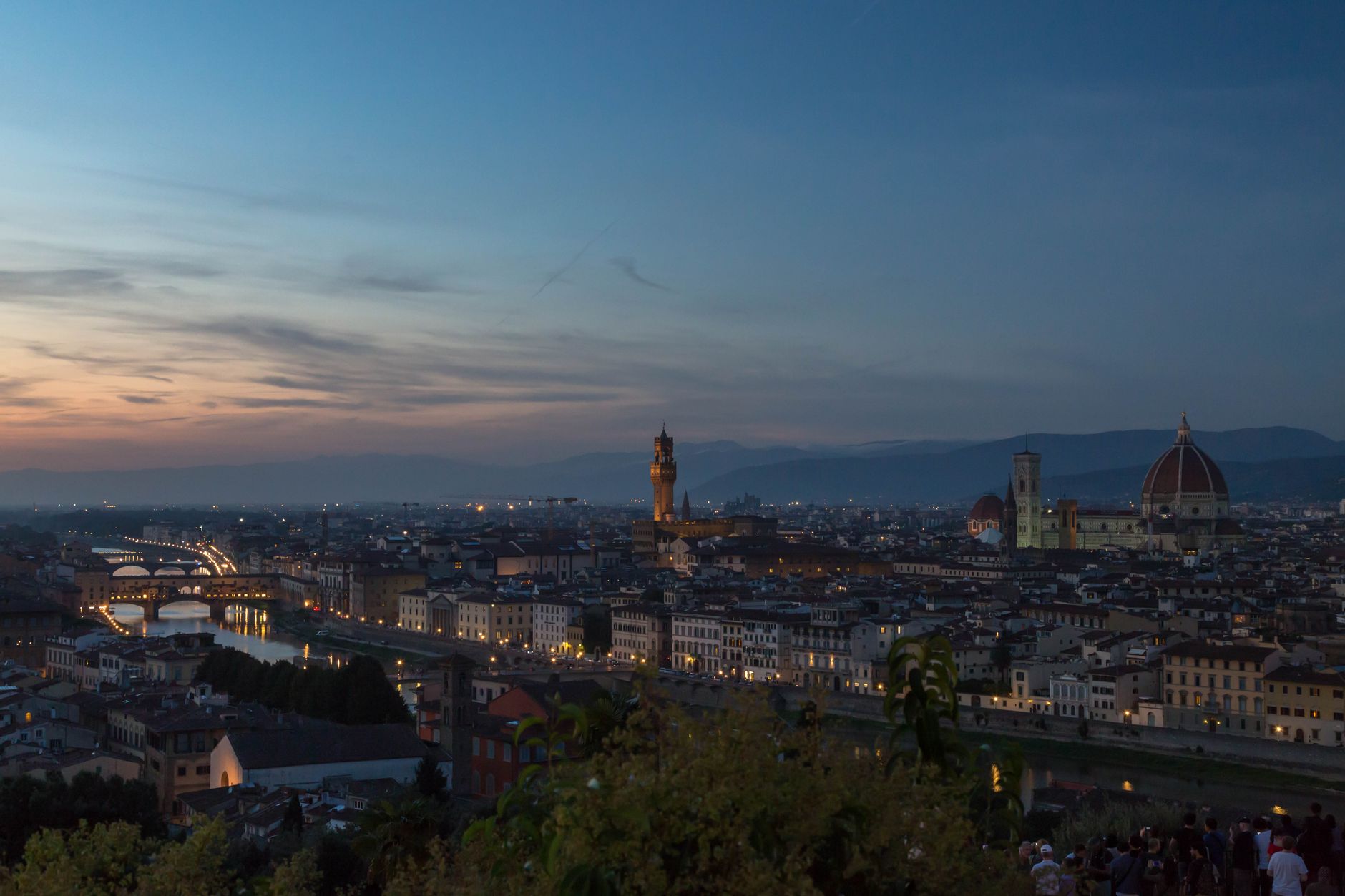
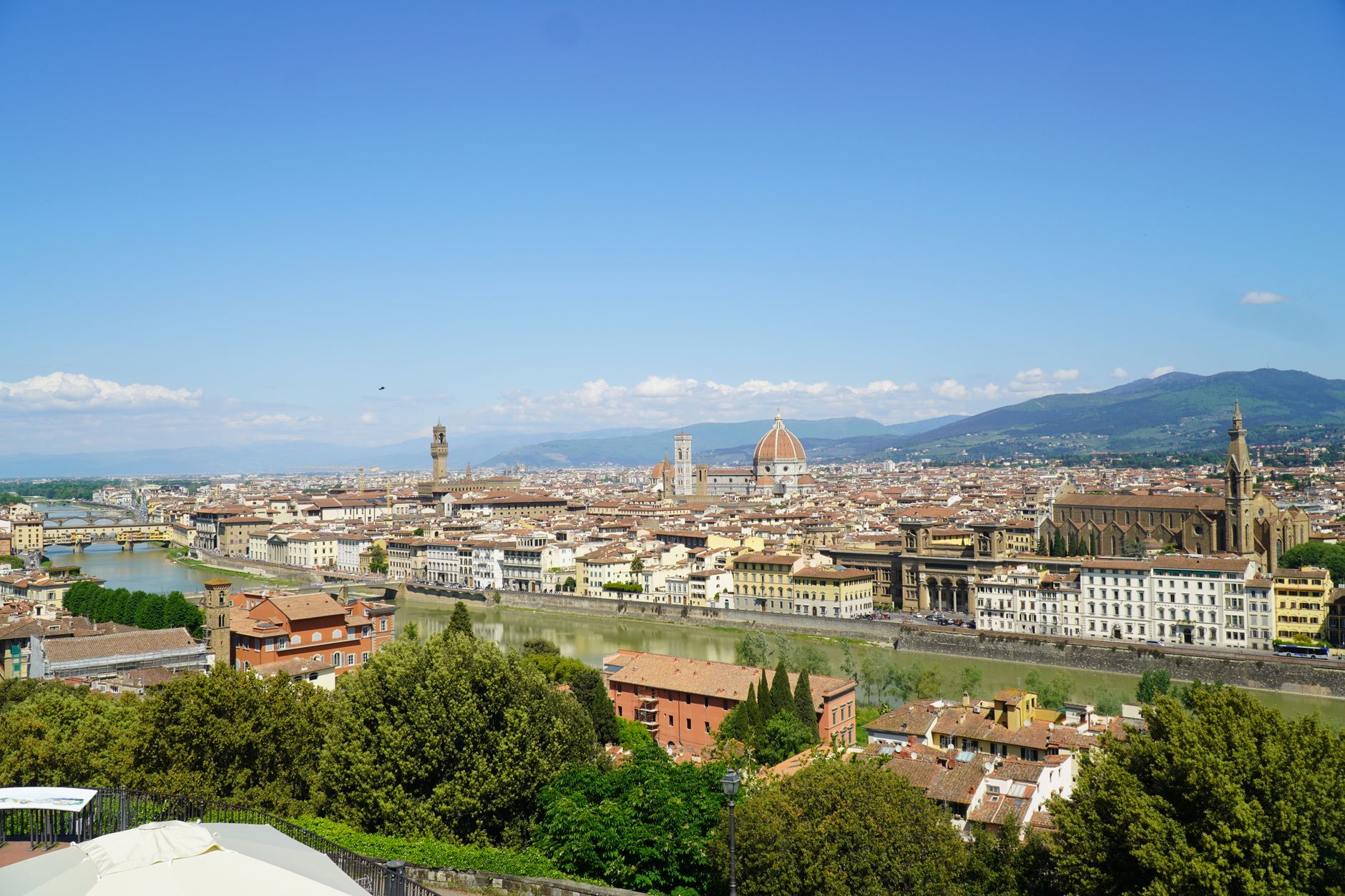
What it became instead is the terrace where Florence lays itself out below you: the Arno bending through the centre, the Duomo's dome rising above the roofline, the hills of Fiesole in the distance. The 2016 restructuring cleared most of the cars that had colonised the space, and the piazza now reads the way Poggi probably meant it to.
💛 What travellers fall for
People who return tend to take bus 12 or 13 from Lungarno Archibusieri rather than walk up — the ride is fifteen minutes and costs €1.70. The loggia café opens at ten and the restaurant terrace at noon; arriving just before either opens keeps the crowds manageable. The Iris Garden directly below is worth timing for May, when all 1,500 varieties are in bloom.
Experiences you don't want to miss


Deals in Piazzale Michelangelo
Book directly at the provider

How Piazzale Michelangelo came to be
Giuseppe Poggi, a Florentine architect, designed and built the piazzale in 1869 as part of a sweeping urban renewal programme called the Risanamento. Florence was then the capital of Italy, and the city used the moment to reshape its southern bank. Poggi laid out the eight-kilometre Viale dei Colli — a tree-lined boulevard winding up the hill of San Miniato — with the broad panoramic terrace at its end. The neoclassical loggia was intended to house all of Michelangelo's Florentine statues under one roof, a permanent museum on the hill.
The museum was never built. In 1873 the bronze David arrived by oxen — nine pairs of them — and took its place at the centre of the square. The loggia became a café and restaurant. Poggi's own epitaph was carved into the wall below: turn around, it says, here is his monument.
Who and what shaped it
People who shaped it
Landmark buildings
See Piazzale Michelangelo in motion
Plan your visit
On the map
When to go
Florence summers are hot and the south-facing terrace offers little shade, so early mornings are more comfortable than midday in July and August. Spring and autumn bring mild temperatures and clearer light, which also happens to suit the view.
Right now
Background & history adapted from Wikipedia (CC BY-SA) · specs from Wikidata (CC0) · weather from Open-Meteo · map data © OpenStreetMap contributors · photos from Wikimedia Commons / Unsplash with per-image credit. No third-party reviews or social posts reproduced.