
Settignano
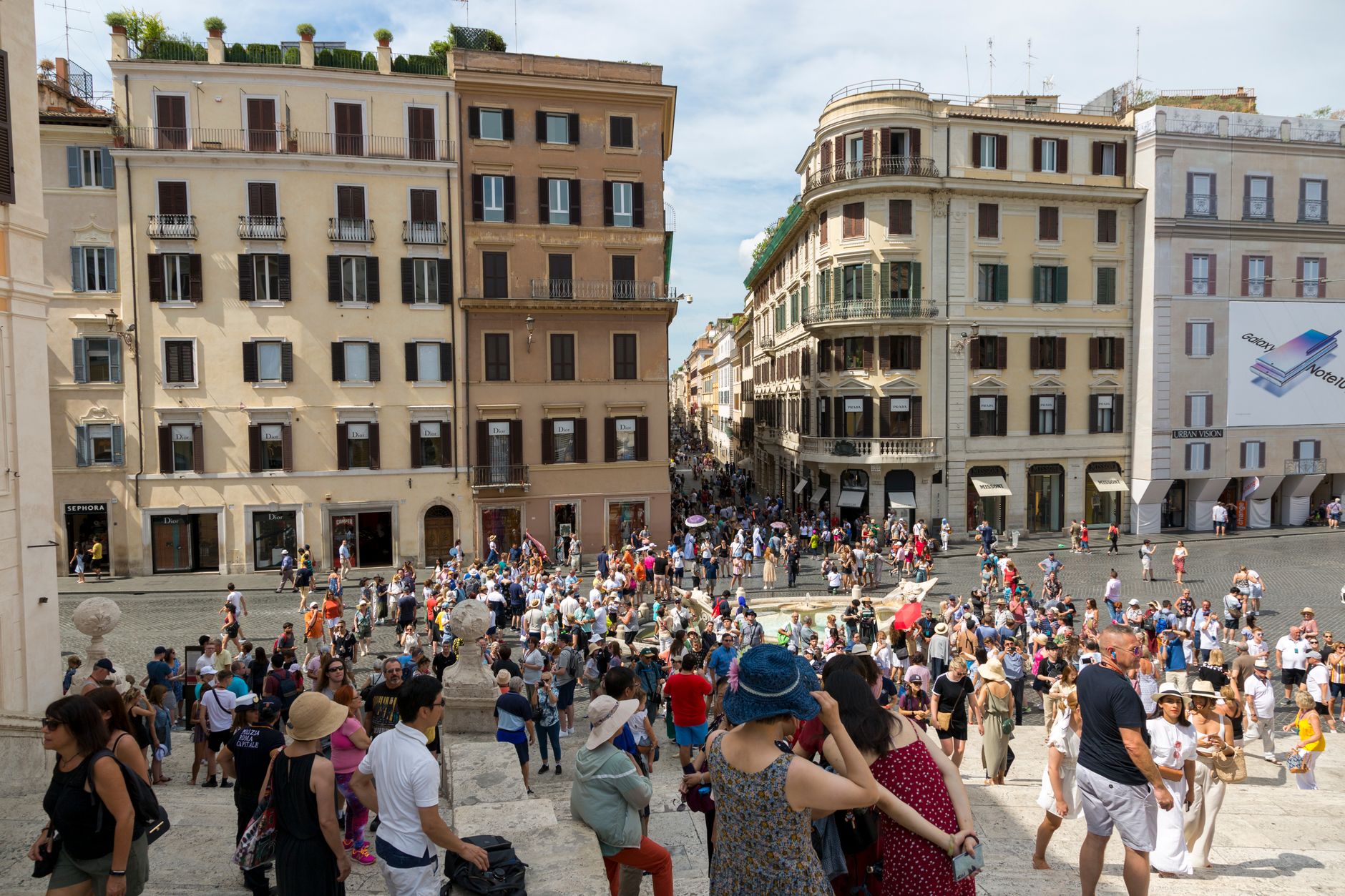
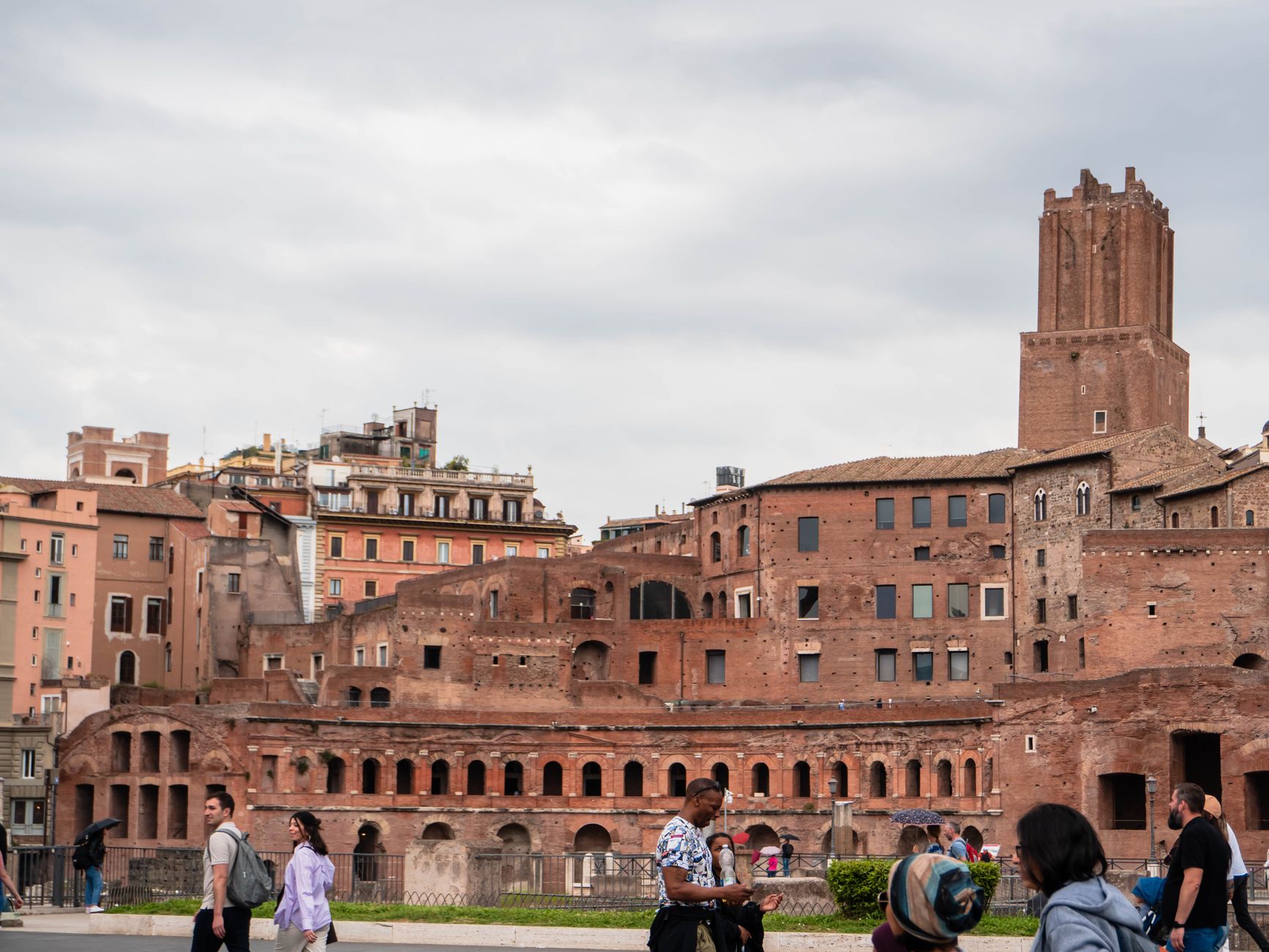
The bus from Piazza San Marco deposits you at a small square with a church, a bar, a tabacchi, and a statue of a 19th-century writer you may not recognise. That's Settignano. Five kilometres east of Florence's historic centre, it sits on a hill above the Arno valley where stone-cutters once quarried pietra serena for the city's palazzi, and where, on a clear afternoon, you can stand on Via Simone Mosca — two minutes' walk from the main piazza — and watch the whole of Florence arrange itself below you like a relief map.
The village is genuinely small. One square, a handful of streets, restaurants within easy walking distance of each other. What draws people up here is the specific quality of the place: the scale, the quiet, the church bell tower reading against the Tuscan sky, and the knowledge that Michelangelo spent part of his childhood in a farmhouse on this hill.
💛 What travellers fall for
People who return tend to make straight for the bar on Piazza Tommaseo for gelato — the Talentone, a mascarpone-based flavour with an old-fashioned, barely-sweet creaminess. Then the Sentiero degli Scalpellini, the stone-cutters' trail, for the long view over Montececeri. Save the enoteca for the end of the afternoon.
Experiences you don't want to miss




Deals in Settignano
Book directly at the provider


How Settignano came to be
Settignano's recorded life begins in the medieval period, when Florentine Guelfs retreated here in summer, drawn by the elevation and the olive groves. Giovanni Boccaccio knew the place. The parish church of Santa Maria Assunta was founded in the 12th century, rebuilt in 1518, and expanded in 1595 under Alessandro di Francesco Bandini — its terracotta Virgin above the plain facade and its Andrea della Robbia majolica inside still in place.
The village produced an unlikely concentration of Renaissance sculptors: Desiderio da Settignano (1430–1464), Bernardo and Antonio Rossellino, and Bartolomeo Ammannati (born 1511). Michelangelo's father owned a marble quarry in the area, and the boy was sent to live with a stonecutter's family here. Later centuries brought Bernard Berenson to Villa I Tatti, Mark Twain to Villa Viviani for nine months in 1892–93 (he wrote the first draft of Pudd'nhead Wilson there), and Gabriele d'Annunzio to Villa della Capponcina in 1898.
Who and what shaped it
People who shaped it
Landmark buildings
See Settignano in motion
Plan your visit
On the map
When to go
Summers are hot and humid — temperatures regularly exceed 30°C, and the hill offers only modest relief. Spring and early autumn are the most comfortable seasons for walking the stone-cutters' trail or sitting in the square. Winters are cool and damp, the village quieter still.
Right now
Background & history adapted from Wikipedia (CC BY-SA) · specs from Wikidata (CC0) · weather from Open-Meteo · map data © OpenStreetMap contributors · photos from Wikimedia Commons / Unsplash with per-image credit. No third-party reviews or social posts reproduced.