
Oltrarno
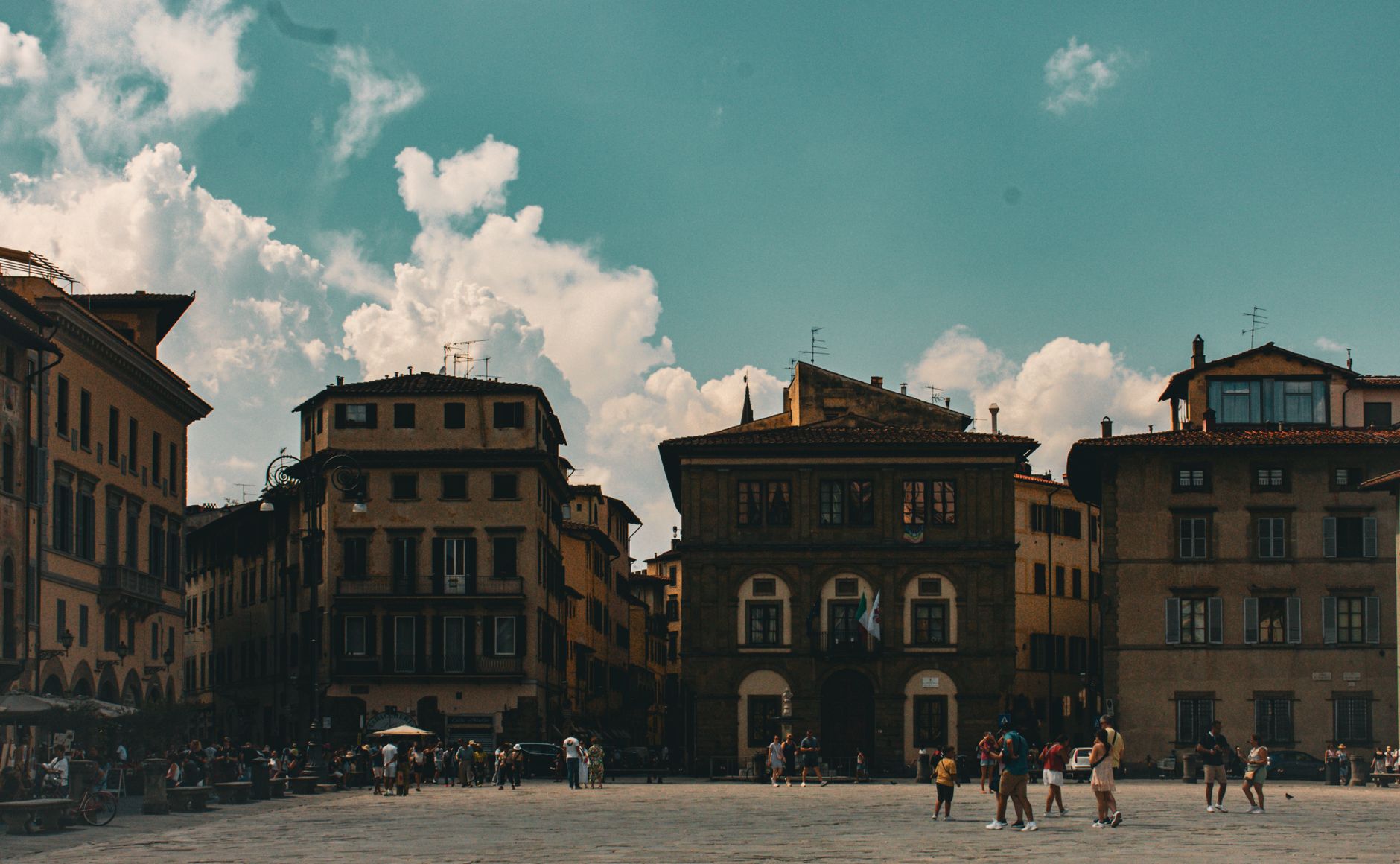
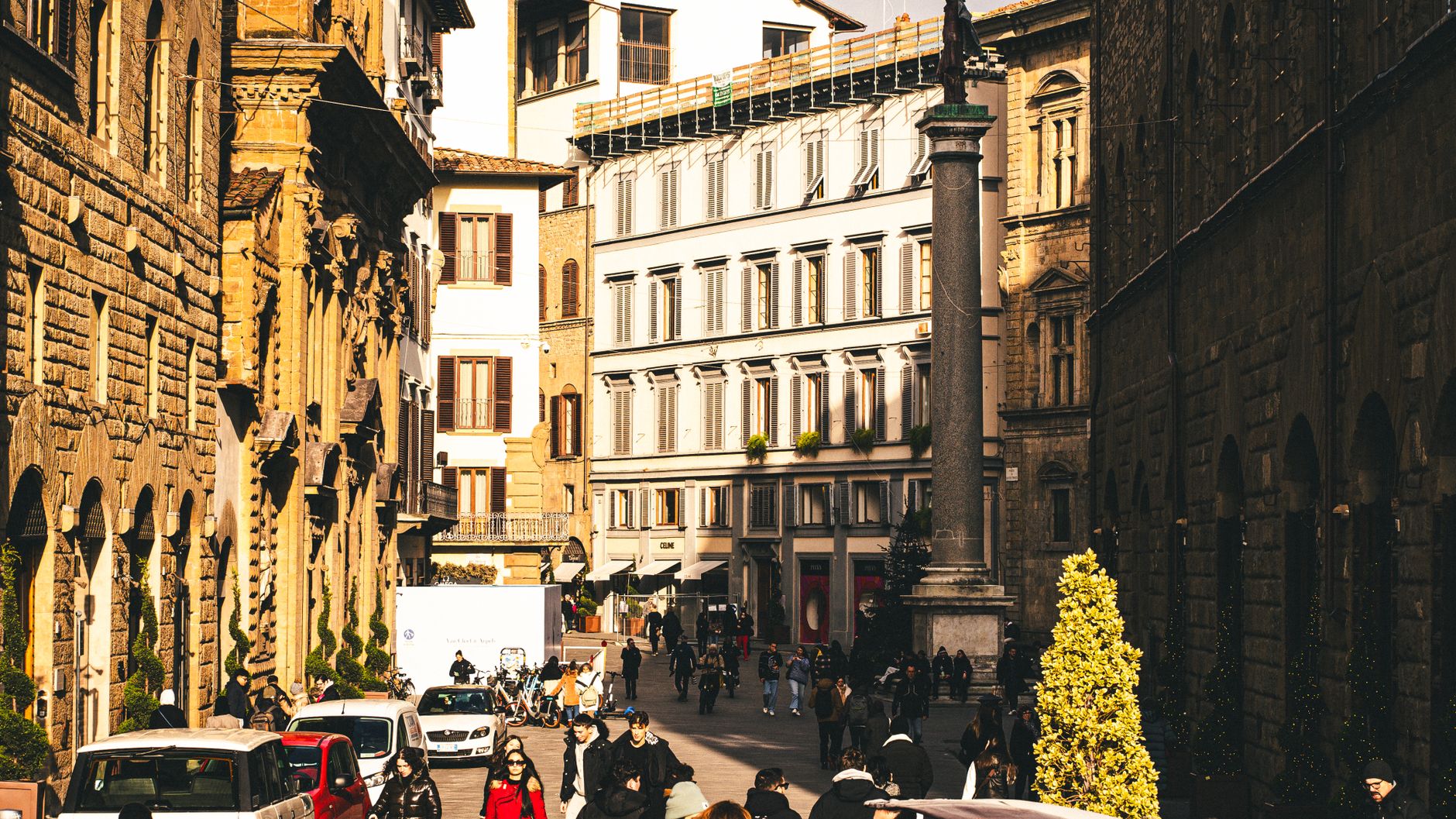
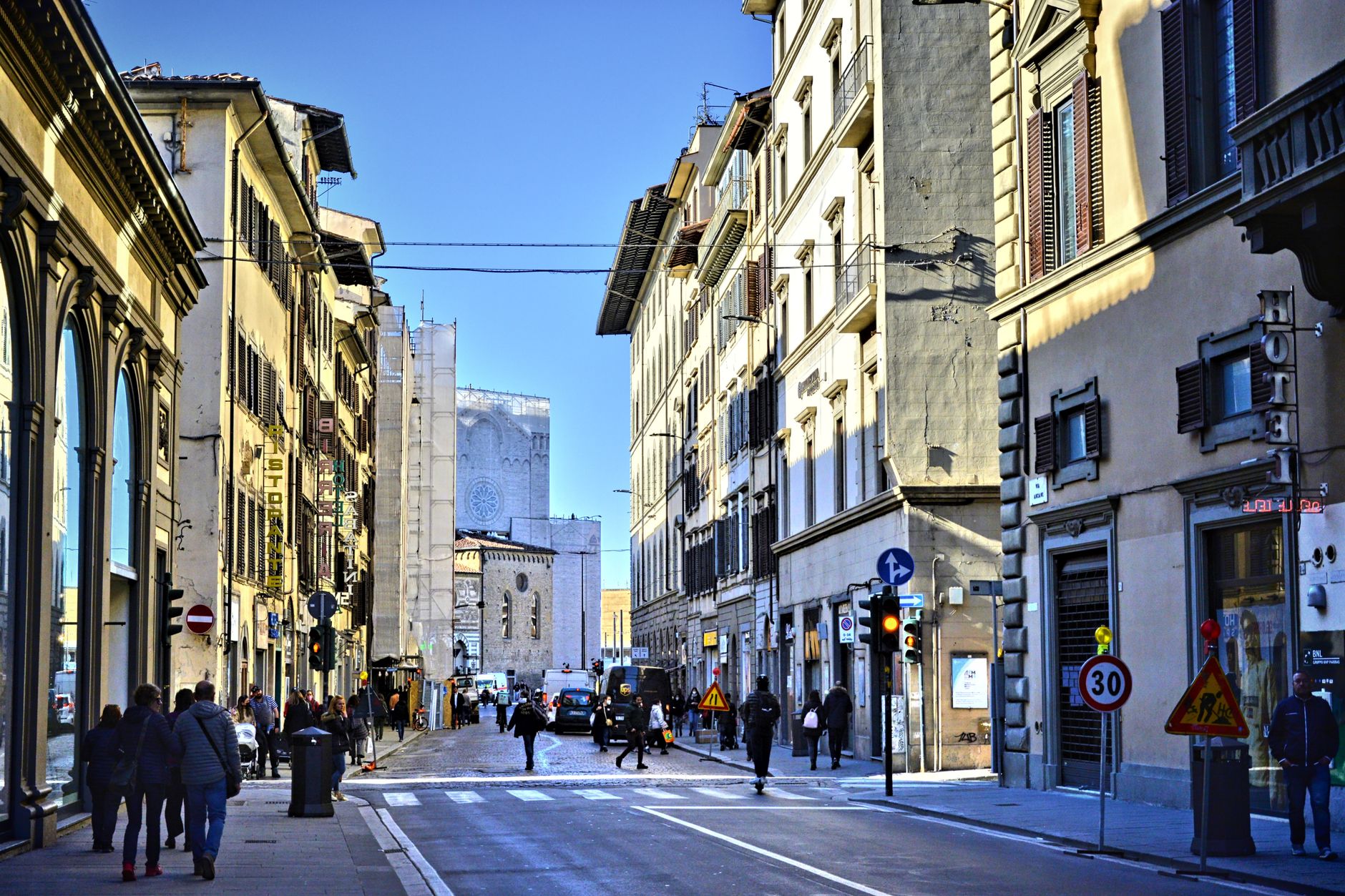
Cross the Ponte Vecchio heading south and the city shifts register. Oltrarno — literally 'beyond the Arno' — has been Florence's other bank since early Christian communities built Santa Felicita here in the fourth century, and it still carries a different weight than the tourist-dense north side.
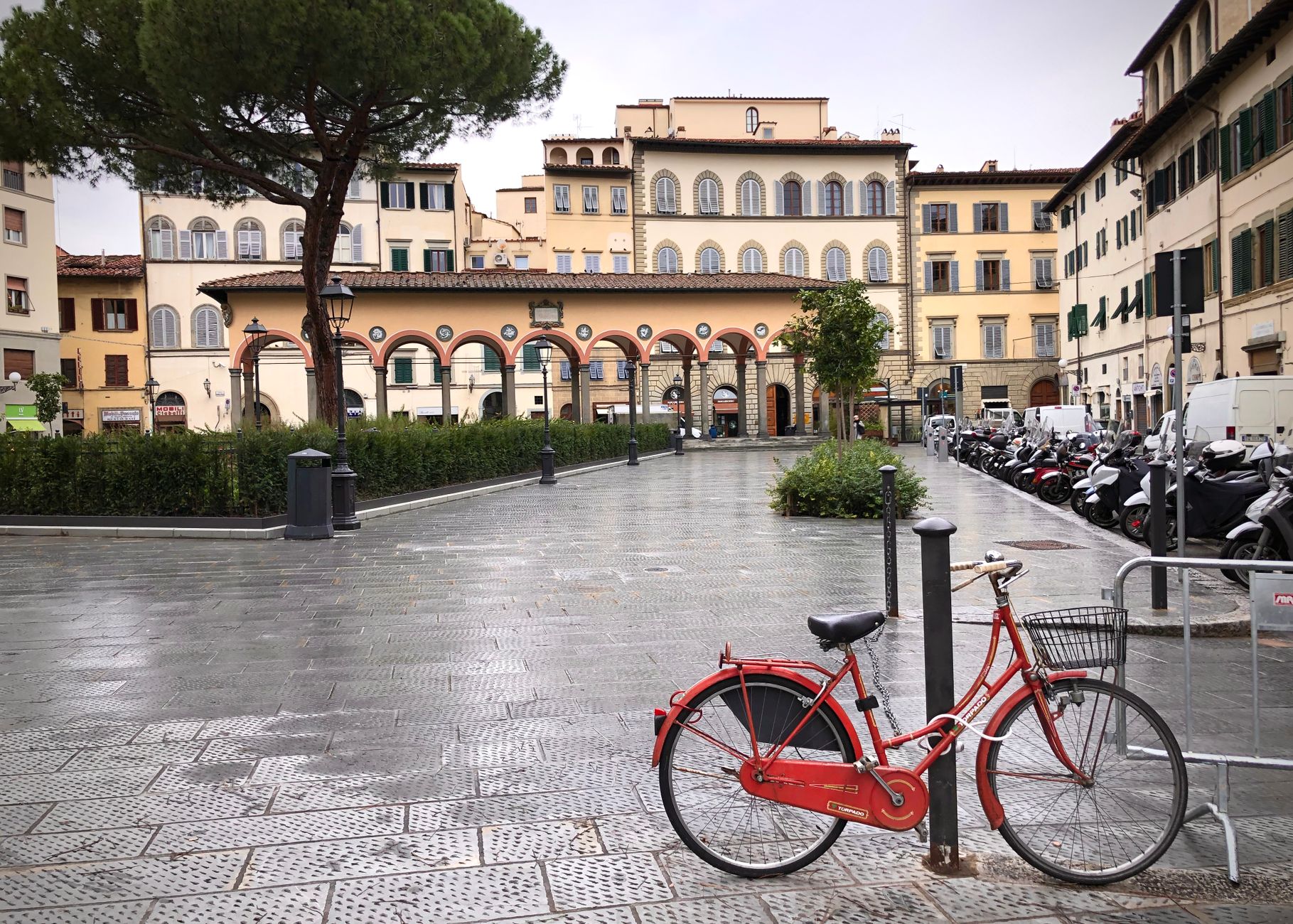
The streets narrow around Piazza Santo Spirito and Via Maggio, where 15th-century merchant palaces crowd the pavements. Workshops selling leather and picture frames sit a few doors from Pontormo's extraordinary Deposition inside Santa Felicita. The neighbourhood earned its character over centuries and hasn't given it up.
💛 What travellers fall for
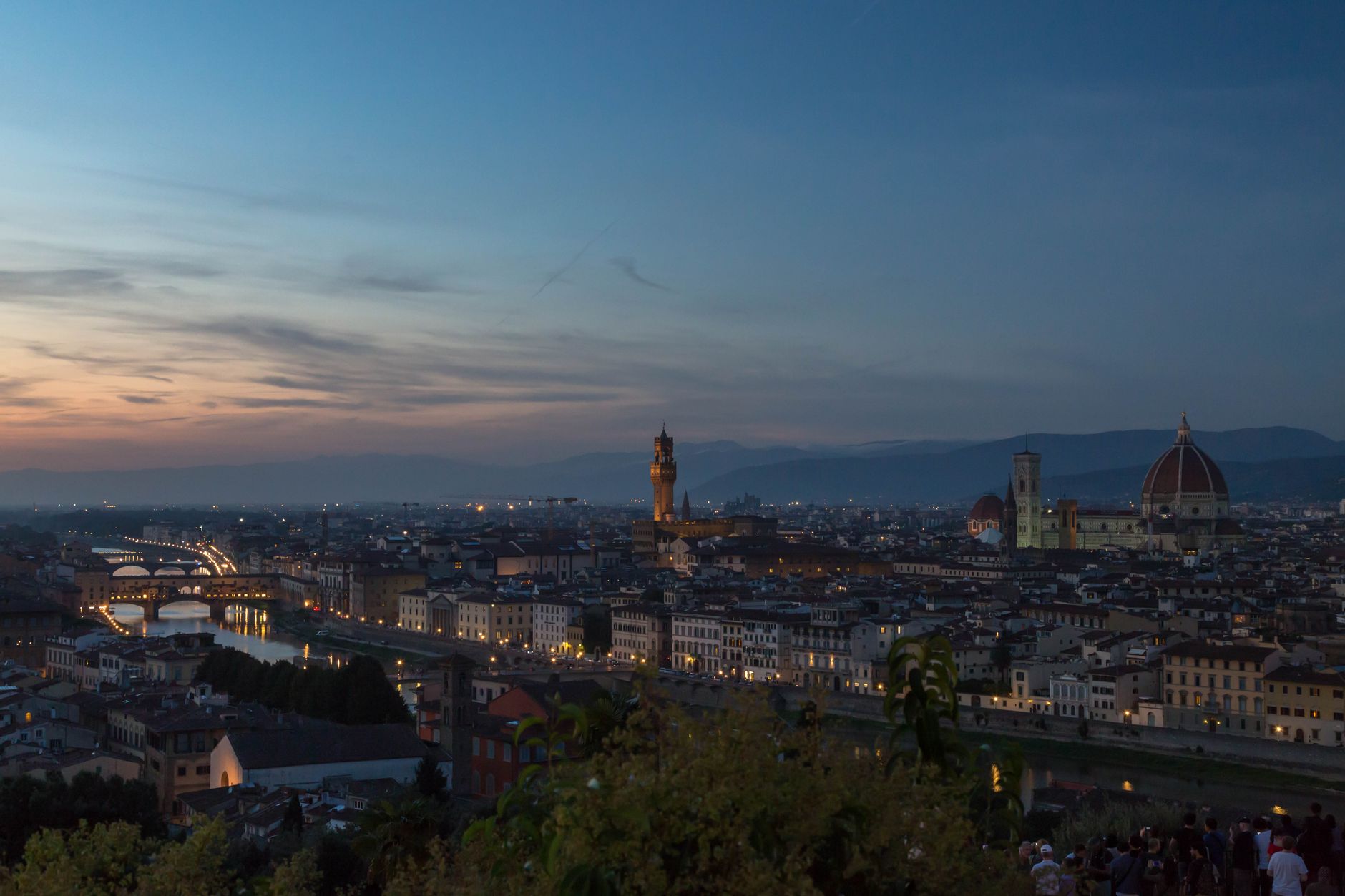
People who keep coming back tend to anchor their mornings to Piazza Santo Spirito — coffee at one of the square's bars, the unfinished facade of Brunelleschi's basilica across the way. Late afternoon, the walk up to Piazzale Michelangelo rewards with the whole city laid out before dark. Via Maggio rewards slow looking; the antique-shop windows alone are a kind of free museum.
Experiences you don't want to miss


Deals in Oltrarno
Book directly at the provider


How Oltrarno came to be
The south bank was already settled by the fourth century, when a Christian community founded Santa Felicita near what is now Via Guicciardini. Medieval Florence organised the area into borghi — neighbourhoods anchored by churches like Santo Spirito and Santa Maria del Carmine — and in 1333 the sixth city wall was drawn around Oltrarno, with gates that still stand.
The neighbourhood's social complexion shifted decisively when merchant and noble families raised their palaces along Via Maggio and Via dei Bardi in the late 15th century, and again in 1550 when Cosimo I de' Medici made Palazzo Pitti the ducal residence, pulling wealth and construction with him. In August 1944 retreating German forces destroyed nearly every Arno bridge and large sections of Borgo San Jacopo and Via Guicciardini; the rebuilt facades deliberately echo the medieval forms they replaced.
Who and what shaped it
People who shaped it
Landmark buildings
See Oltrarno in motion
Plan your visit
On the map
When to go
Summers run hot — July and August push well above 30°C and the stone streets hold the heat into evening. Spring and October are the most comfortable months for walking the neighbourhood; winters are mild but damp, and the shorter days empty the piazzas in a way that has its own appeal.
Right now
Background & history adapted from Wikipedia (CC BY-SA) · specs from Wikidata (CC0) · weather from Open-Meteo · map data © OpenStreetMap contributors · photos from Wikimedia Commons / Unsplash with per-image credit. No third-party reviews or social posts reproduced.