
Piazza della Repubblica
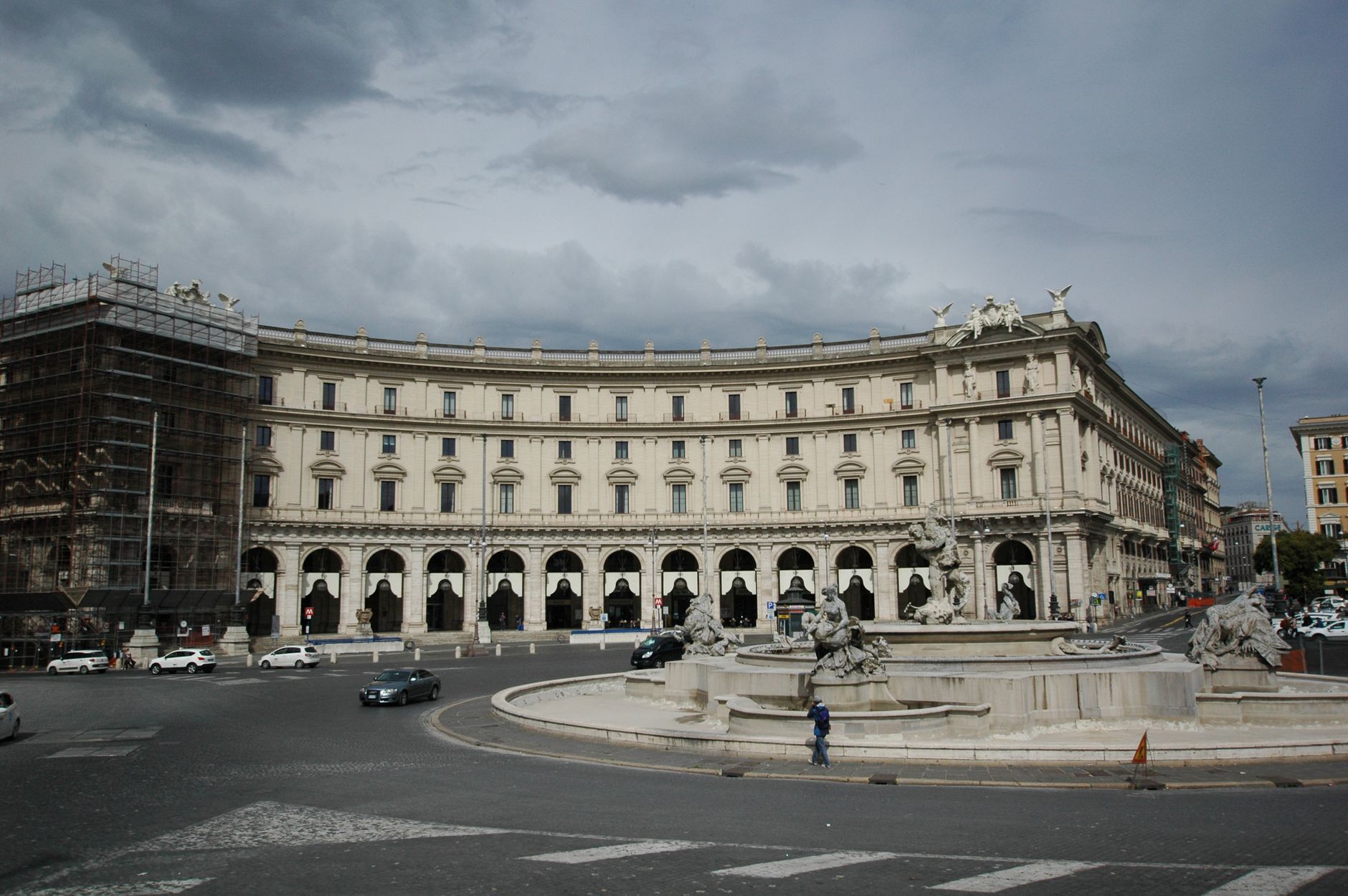
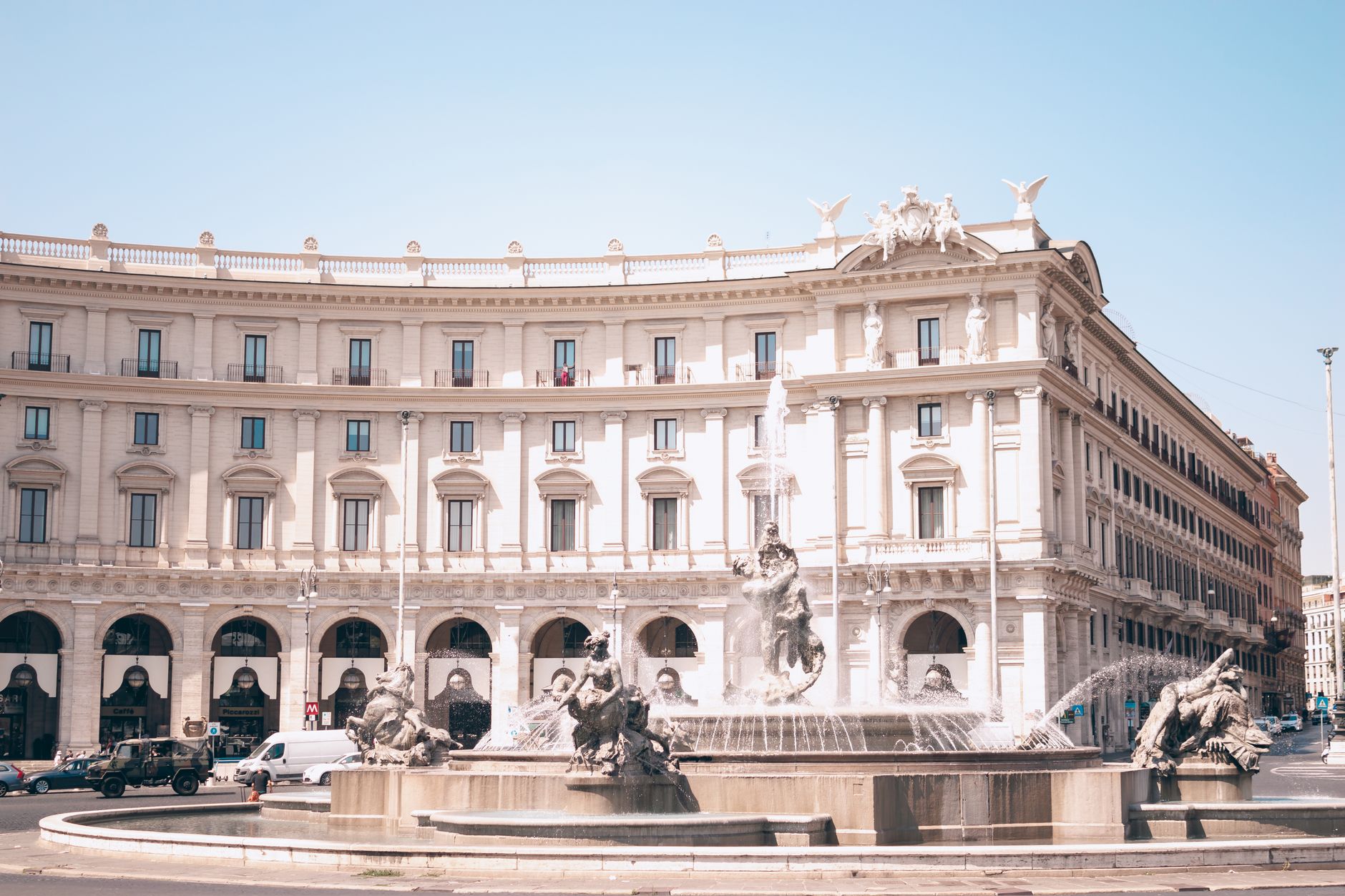
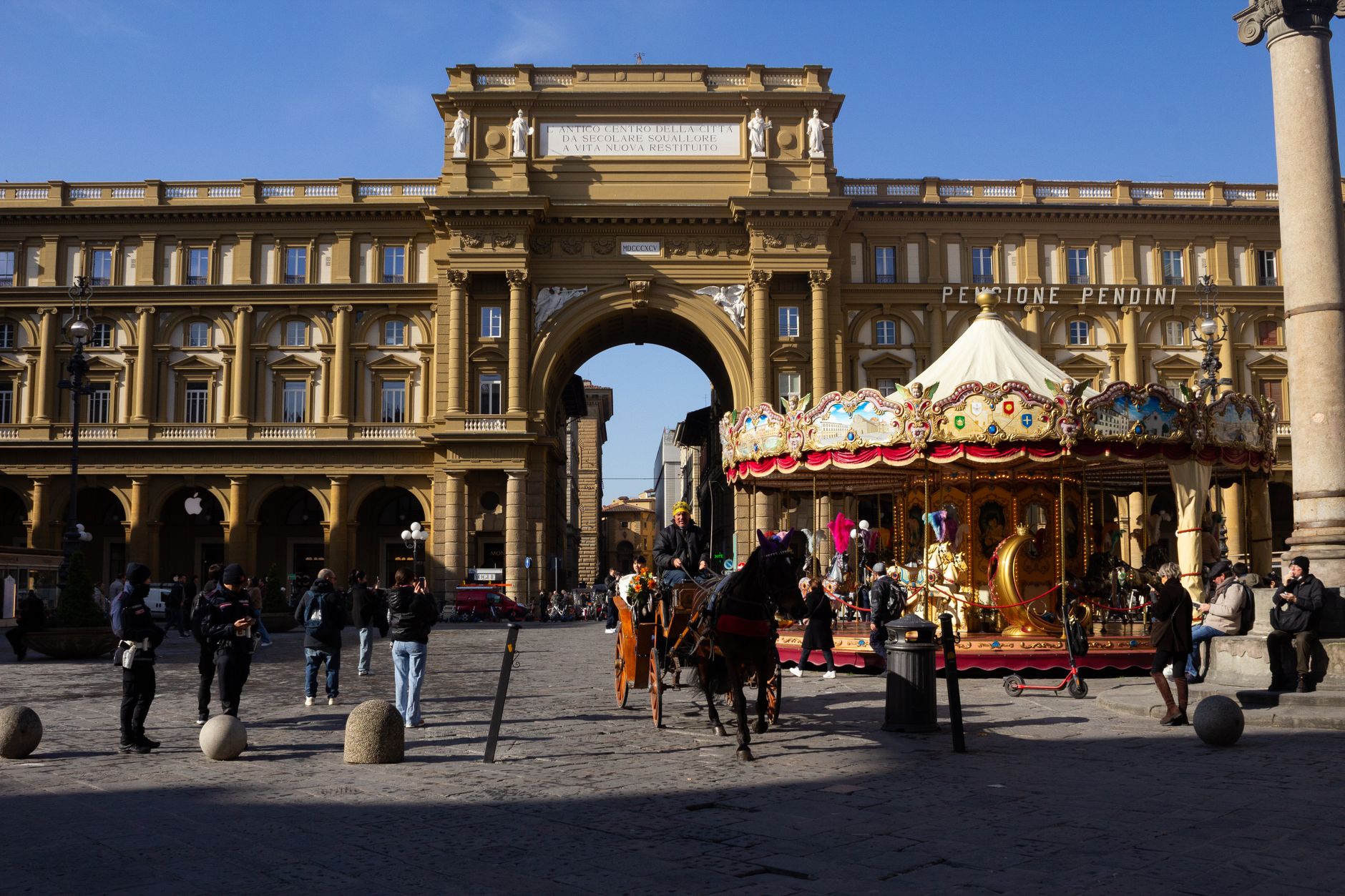
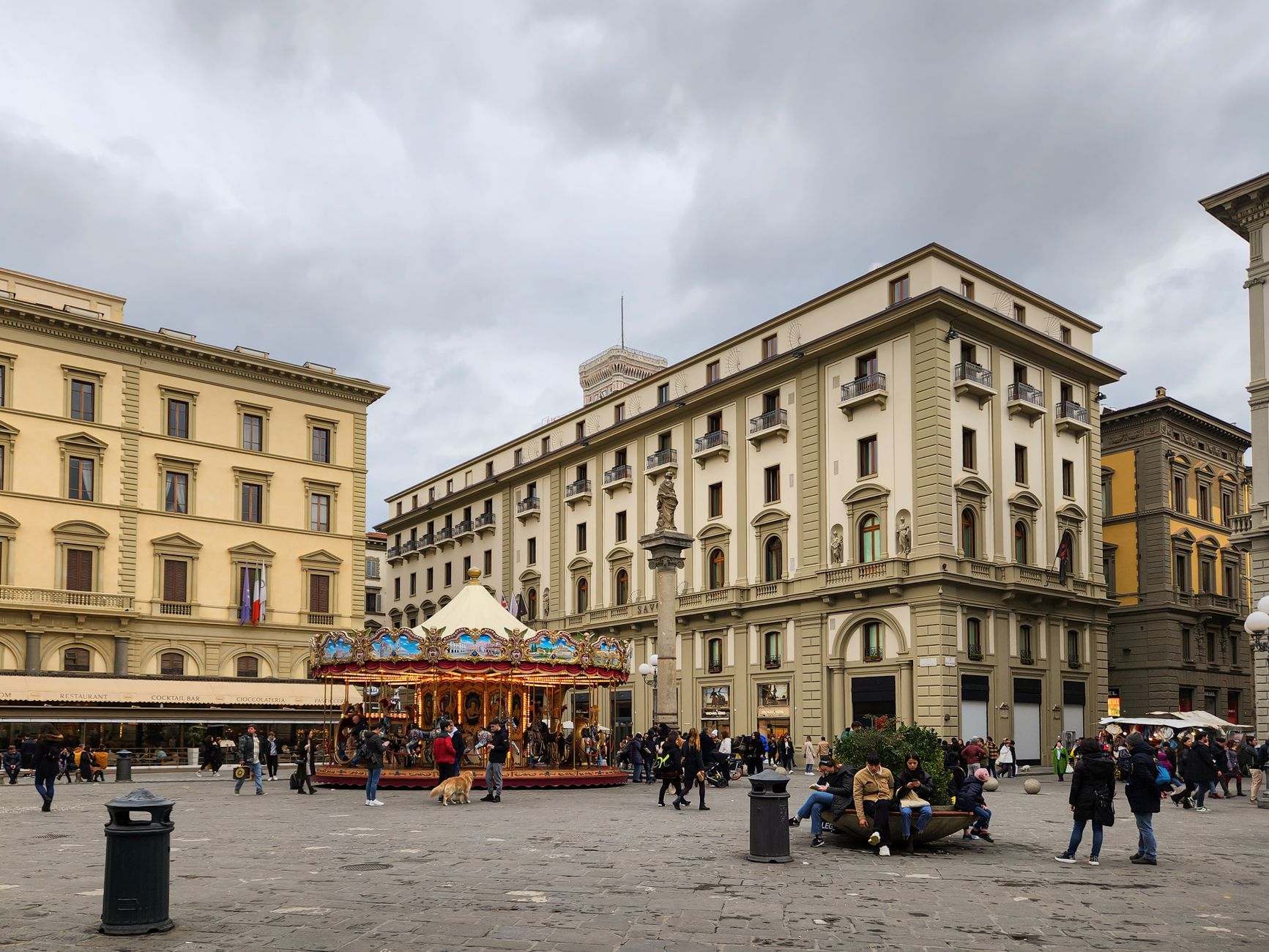
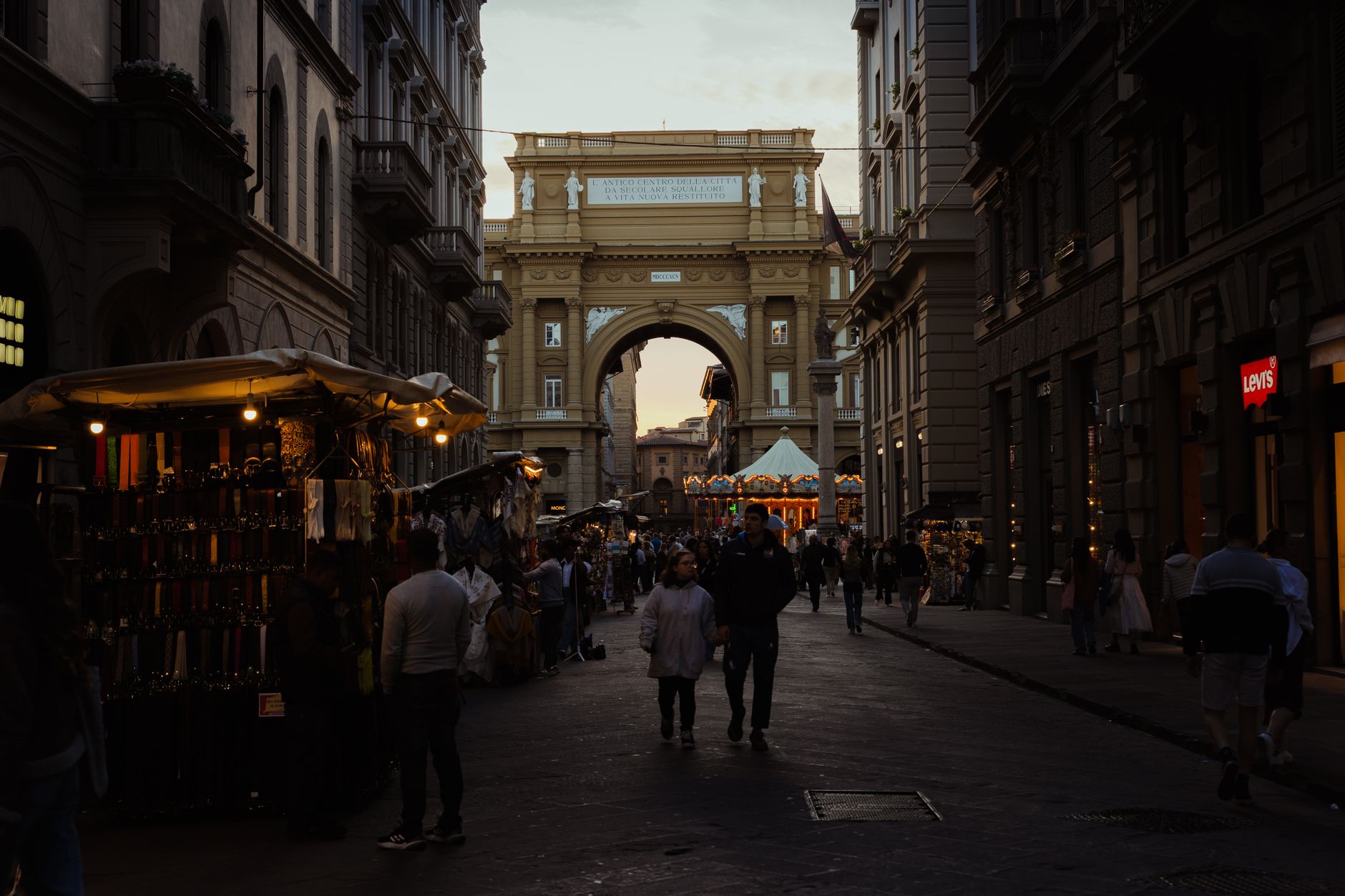
Stand under the Arcone — the triumphal arch that frames the entrance from Via degli Strozzi — and you're looking at a square that Florence built partly to forget itself. The porticoed buildings ringing Piazza della Repubblica went up between 1885 and 1895, erasing a medieval market, a Jewish ghetto, and two thousand years of layered city life in one confident act of civic renovation.
What replaced it is grand, a little stiff, and entirely redeemed by its cafés. Gilli has been serving coffee here since 1733; Paszkowski since 1846. The Column of Abundance at the centre — its 1431 shaft topped by a 1956 replica of Foggini's sandstone figure — marks the exact crossing of the old Roman cardo and decumanus. The city began here.
💛 What travellers fall for
People who come back tend to time it for Thursday morning, when the flower market sets up under the arcaded post office façade on the southwest side. They also know to step inside Caffè delle Giubbe Rosse and look at the walls — every inch covered in photographs and drawings from the artists and writers who made it a second home, including the Futurists who brawled here with the La Voce crowd.
Experiences you don't want to miss


Deals in Piazza della Repubblica
Book directly at the provider
How Piazza della Repubblica came to be
The ground beneath Piazza della Repubblica was the forum of Roman Florentia, the crossing point of the two main axes of the ancient city. Through the Middle Ages it kept its civic function; a market was formalised here after 1000, and the Mercato Vecchio was established in the fourteenth century. In 1600 Cosimo I designated part of the area as a ghetto for Florence's Jewish community.
The square's current shape is a product of the brief, consequential period when Florence served as capital of a newly unified Italy (1865–71). City planners announced a wholesale clearance — the Risanamento — and demolition began in earnest in 1885. By 1895 the project had stalled, leaving the ring of uniform porticoed facades that stand today, with the allegorical plaster group on the Arcone removed in 1904 and the Colonna dell'Abbondanza repositioned to its present spot in 1956.
Who and what shaped it
People who shaped it
Landmark buildings
See Piazza della Repubblica in motion
Plan your visit
On the map
When to go
Spring and autumn are the most comfortable seasons — mild temperatures and softer light suit the open, south-facing square. Summer afternoons can be fierce in a space this exposed, so aim for morning or evening; winters are cool and often quiet, with the carousel running through to May.
Right now
Background & history adapted from Wikipedia (CC BY-SA) · specs from Wikidata (CC0) · weather from Open-Meteo · map data © OpenStreetMap contributors · photos from Wikimedia Commons / Unsplash with per-image credit. No third-party reviews or social posts reproduced.