
San Miniato al Monte
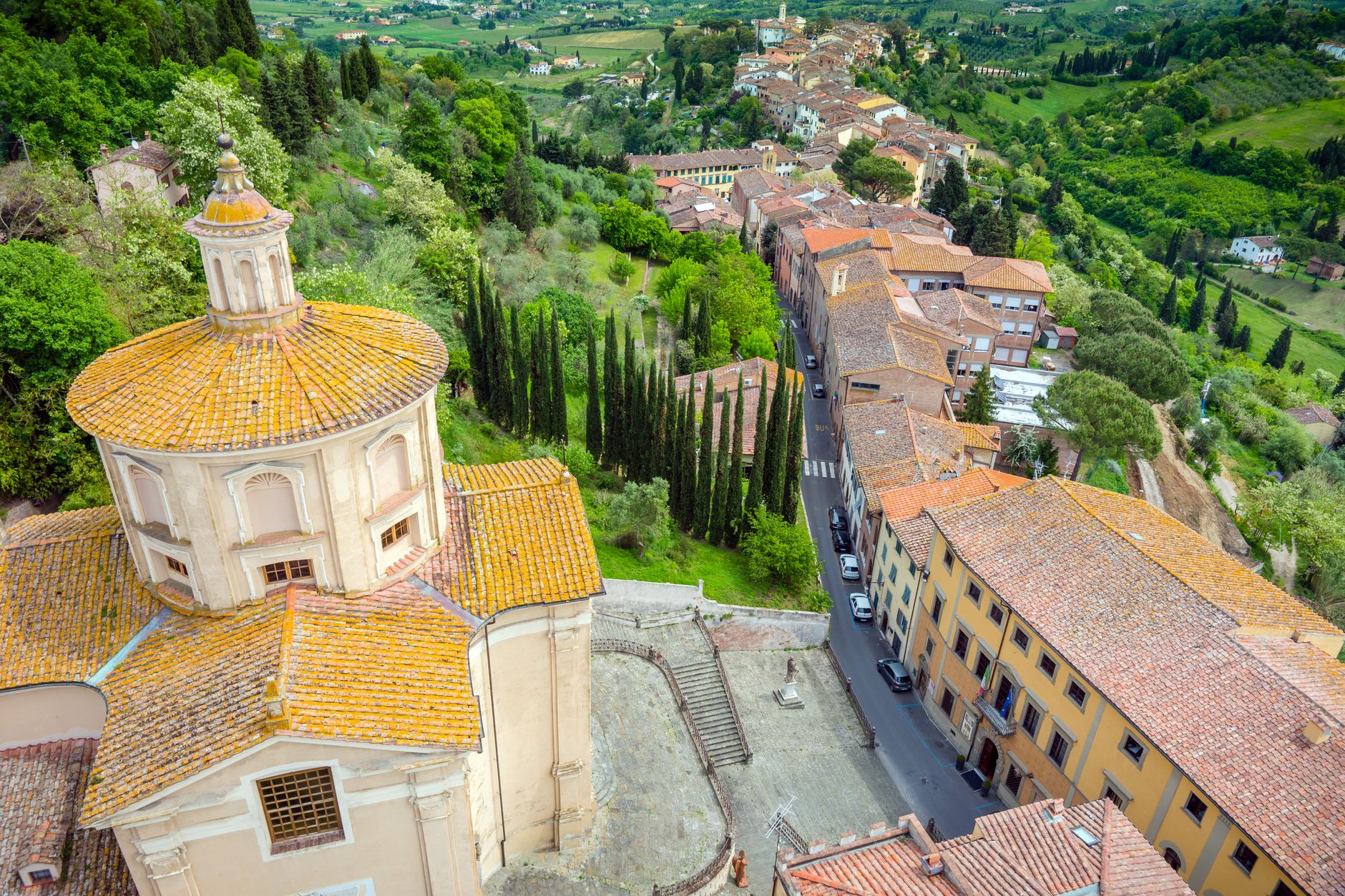
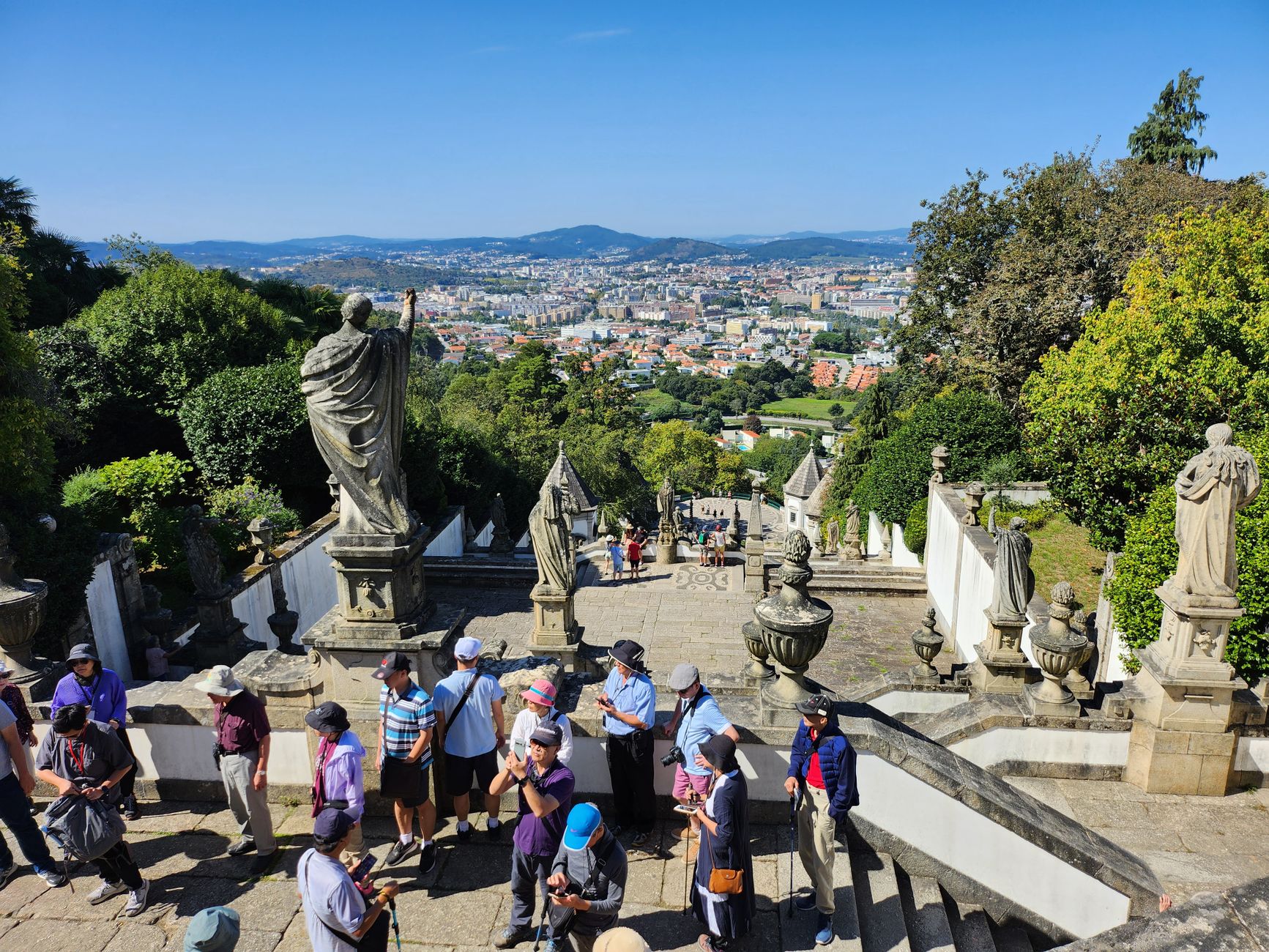
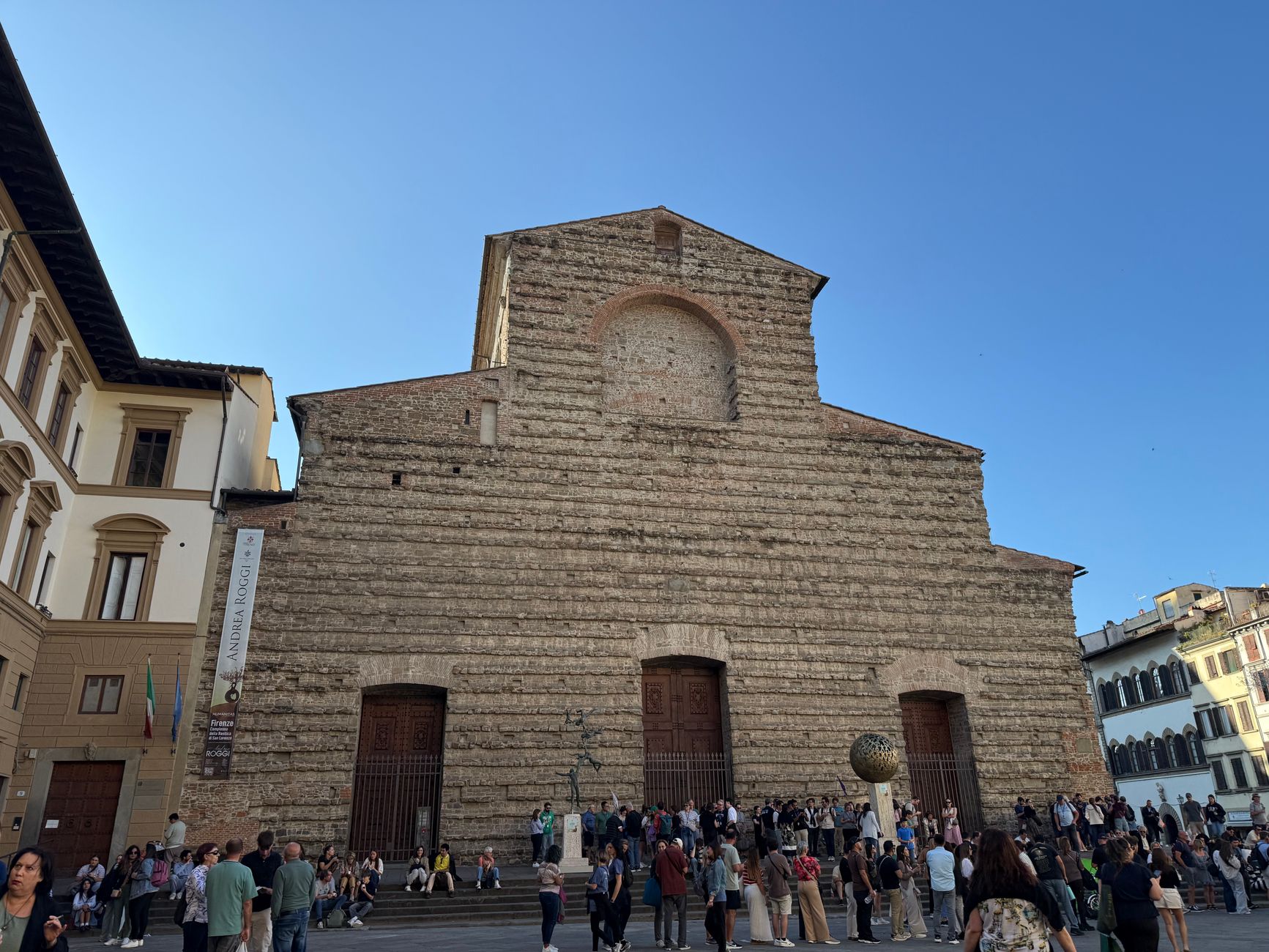
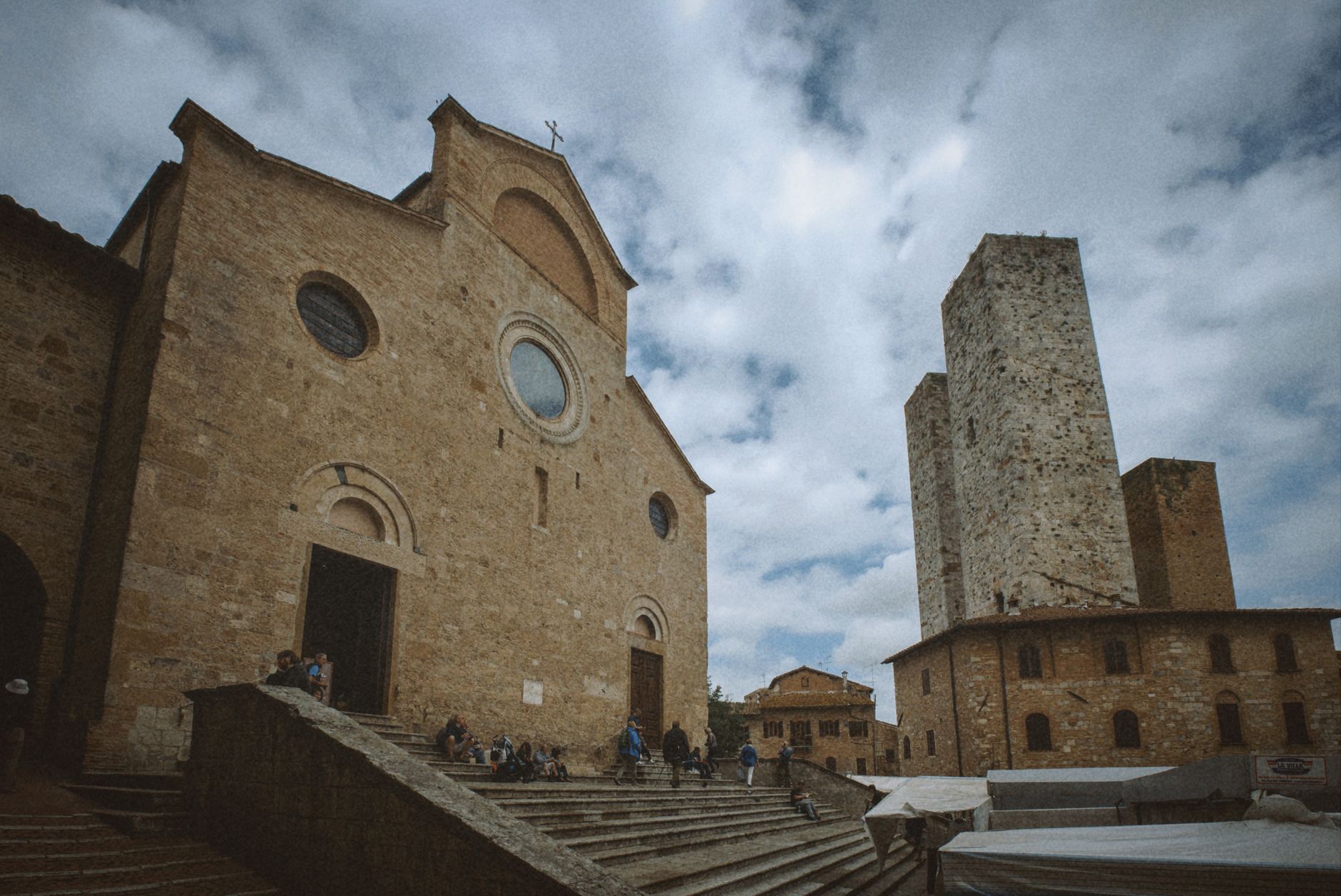

The floor of San Miniato al Monte is a calendar. A marble panel inlaid with zodiac signs sits near the nave's centre, and on the summer solstice a shaft of sunlight falls precisely on Cancer. That kind of patient, accumulated intention runs through the entire basilica — the white Carrara and green Prato marble of the façade, the 1297 apse mosaic of Christ flanked by the Virgin and Saint Minias, the crypt's 38 columns holding up groin vaults since the eleventh century.
The church stands on one of Florence's highest points, reached by a broad marble stair of 308 steps. Below the basilica, the Porte Sante cemetery — laid out in 1854 within fortified walls — holds Carlo Collodi, the man who wrote Pinocchio, among others. The Olivetan monks have sung vespers here daily since 1924, as they did before Napoleon suppressed the monastery in 1808.
💛 What travellers fall for
People who come back tend to time it for vespers, when the monks file in and the plainchant fills the nave without amplification. The acoustics do something to the sound that's hard to locate exactly. Also worth a slow look: the zodiac pavement (1207), and the Cappella del Cardinale del Portogallo, finished 1468, where Luca della Robbia's terracotta ceiling still holds its colour.
Experiences you don't want to miss



Deals in San Miniato al Monte
Book directly at the provider
How San Miniato al Monte came to be
Bishop Hildebrand began the present basilica around 1013 after finding relics of Saint Minias — an Armenian prince said to have been beheaded under Emperor Decius around 250 AD — beneath an earlier Carolingian church on the site. The marble façade followed from around 1090, financed by the Arte di Calimala, Florence's cloth merchants' guild, who took over the church's upkeep in 1288.
The building has absorbed violence as well as devotion. During the 1530 Siege of Florence, Michelangelo wrapped the campanile in mattresses to shield it from enemy artillery and threw up defensive walls that Cosimo I de' Medici later expanded into a proper fortress in 1553. The campanile itself had already collapsed once, in 1499, and its replacement, begun in 1523, was never finished.
Who and what shaped it
People who shaped it
Landmark buildings
See San Miniato al Monte in motion
Plan your visit
On the map
When to go
Spring and autumn are the easiest seasons — mild temperatures and thinner crowds on the stair. Summer afternoons on the hill are genuinely hot and exposed; aim for morning or the extended evening hours. Winter is quiet and often clear, with long views over the city from the forecourt.
Right now
Background & history adapted from Wikipedia (CC BY-SA) · specs from Wikidata (CC0) · weather from Open-Meteo · map data © OpenStreetMap contributors · photos from Wikimedia Commons / Unsplash with per-image credit. No third-party reviews or social posts reproduced.