
Turin
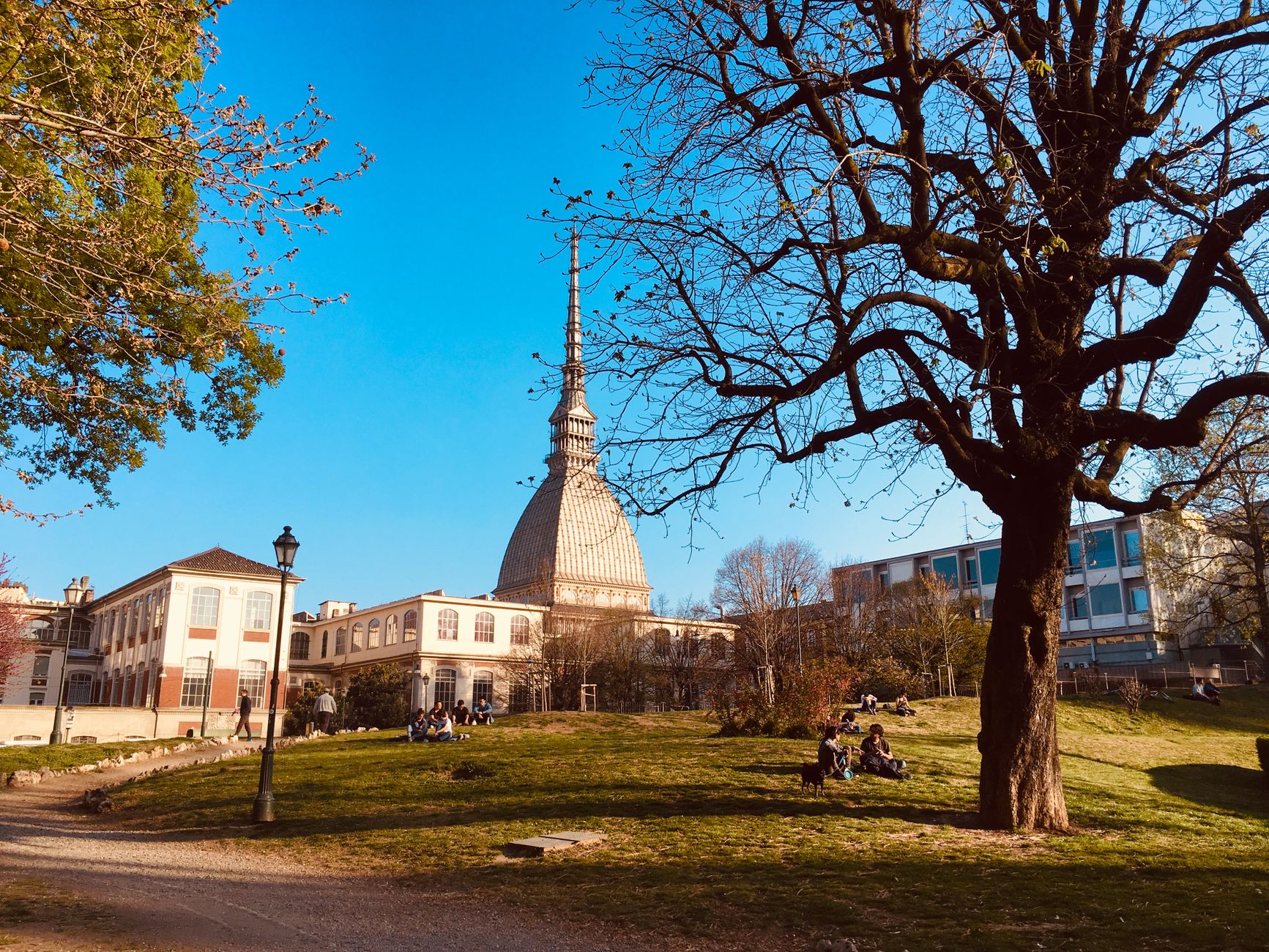
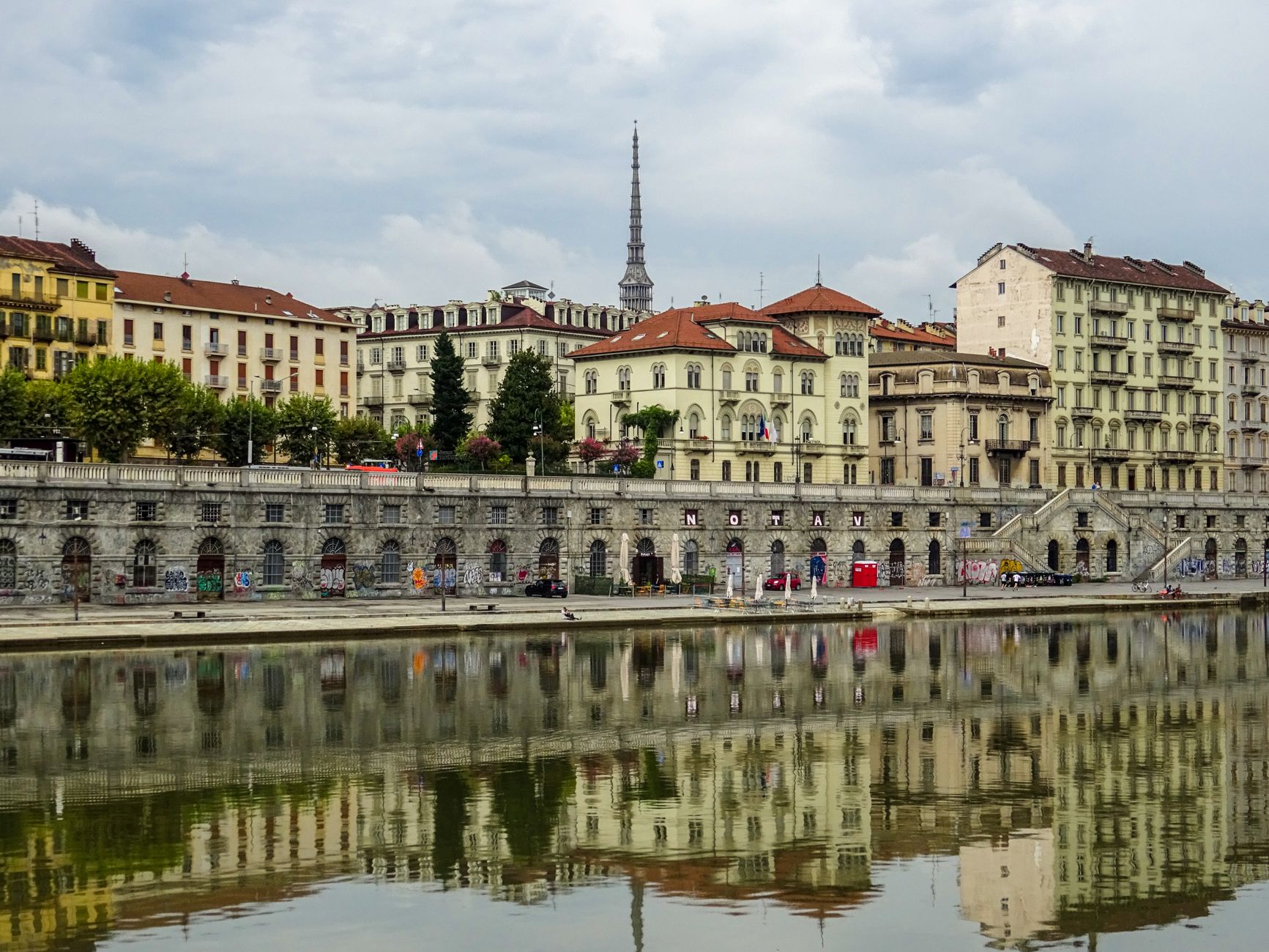
Turin announces itself through geometry. Augustus rebuilt it after 9 BC as a precise rectangle of 72 city blocks, and you can still feel that Roman logic underfoot — straight streets, a surviving first-century gate (Porta Palatina, one of the best-preserved in the world), the grid holding firm beneath centuries of Savoy ambition. What grew on top of that Roman skeleton is a city of serious architectural personality: baroque churches with domes that seem to spiral inward, a royal palace, and a needle-like structure that was meant to be a synagogue and became instead Italy's most eccentric monument to cinema.
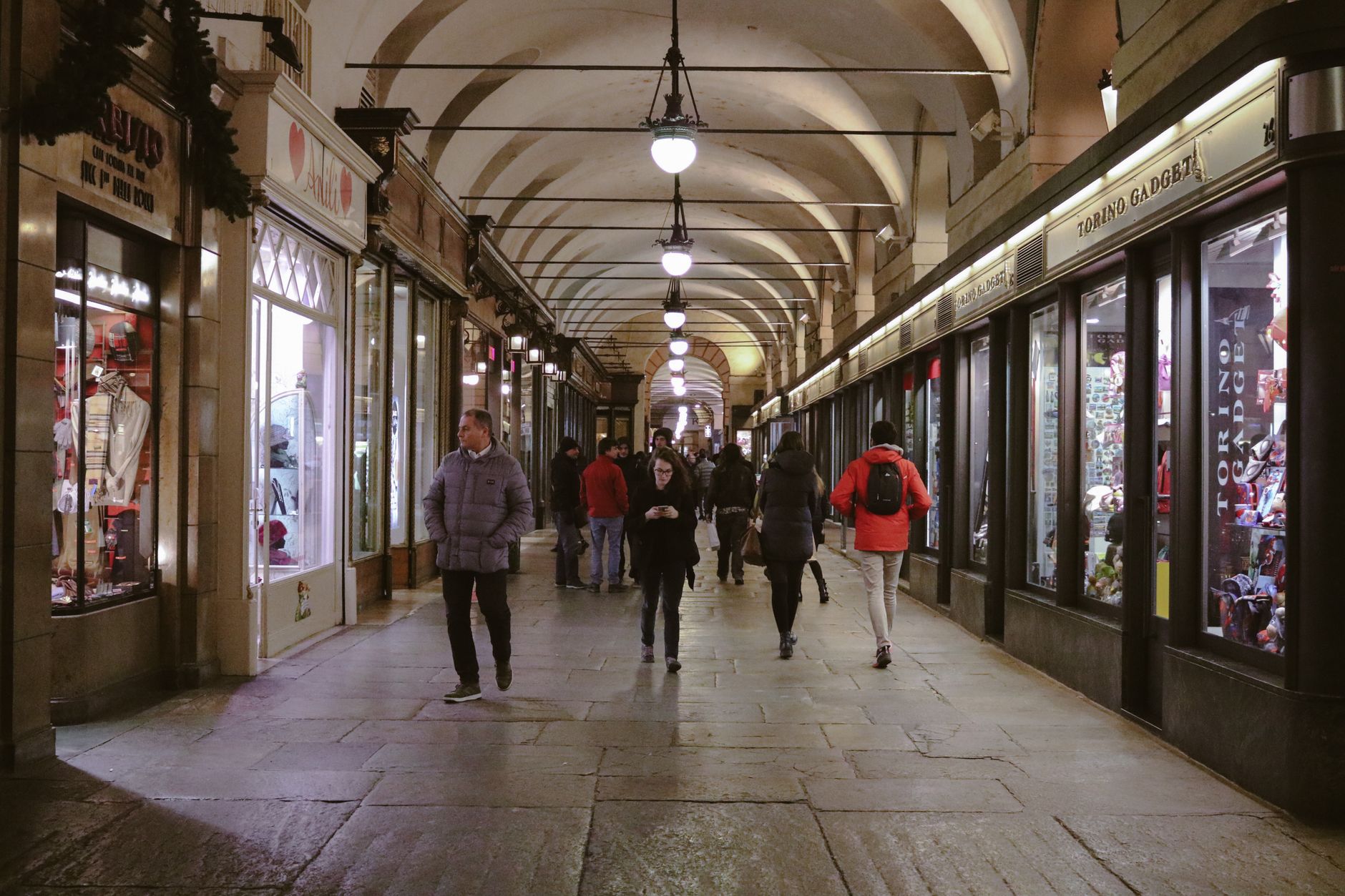
Turin was Italy's first capital, briefly, from 1861 to 1865. That chapter ended, but the city kept its composure — wide arcaded streets, espresso taken standing at marble counters, a metro that runs with quiet precision.
💛 What travellers fall for
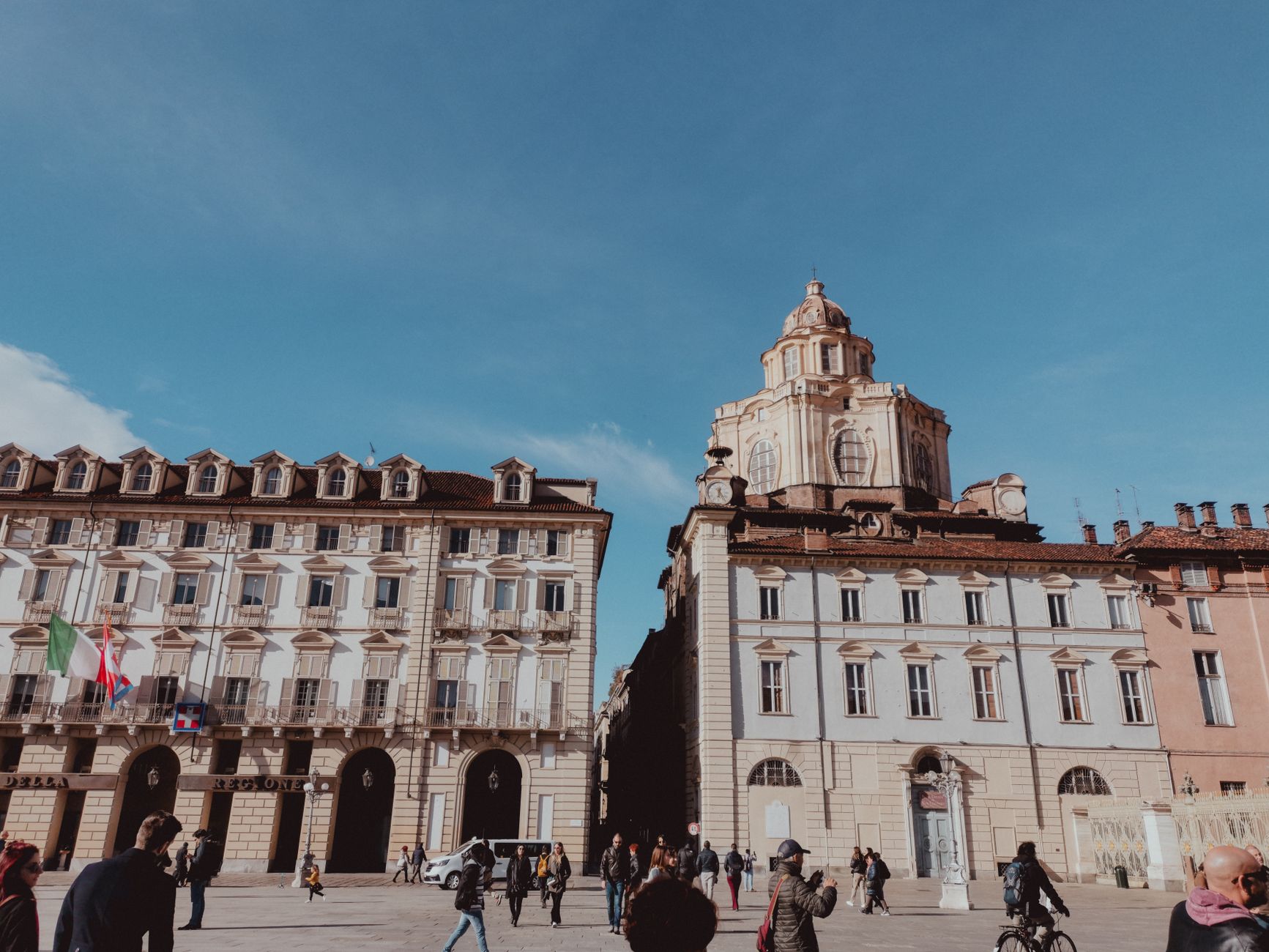
People who come back tend to land at Porta Susa, drop their bags, and walk straight to Piazza Castello before doing anything else — Palazzo Madama on one end, San Lorenzo's dome pressing against the sky on another. The Galleria Subalpina arcade rewards a slow look upward at its glass roof. Save the Mole for late afternoon, when the light shifts.
Experiences you don't want to miss


Deals in Turin
Book directly at the provider

How Turin came to be
The Taurini, a Celto-Ligurian Alpine people, held this territory before Hannibal's forces took their chief town in a three-day siege in 218 BC. Rome rebuilt it systematically after 28 BC — the emperor Augustus laying out that enduring rectangular grid, inaugurating a monumental arch in nearby Susa around 9 BC. The city passed through medieval hands until 1418, when the House of Savoy consolidated control, having already founded the university in 1404.
From 1563, Turin served as the capital of the Duchy of Savoy, then of the Kingdom of Sardinia. When Italian unification came in 1861, Turin held the role of national capital for four years before Rome assumed it in 1865 — a brief tenure that left the city with the infrastructure and bearing of somewhere that once expected to matter enormously, and quietly still does.
Who and what shaped it
People who shaped it
Landmark buildings
See Turin in motion
Plan your visit
On the map
When to go
Summers are warm and occasionally humid, with temperatures that make the arcaded streets genuinely useful shade. Winters are cold and sometimes foggy, with snow possible; spring and autumn are mild and the most reliably pleasant seasons for walking the city.
Right now
Background & history adapted from Wikipedia (CC BY-SA) · specs from Wikidata (CC0) · weather from Open-Meteo · map data © OpenStreetMap contributors · photos from Wikimedia Commons / Unsplash with per-image credit. No third-party reviews or social posts reproduced.