
Florence (Tuscany)
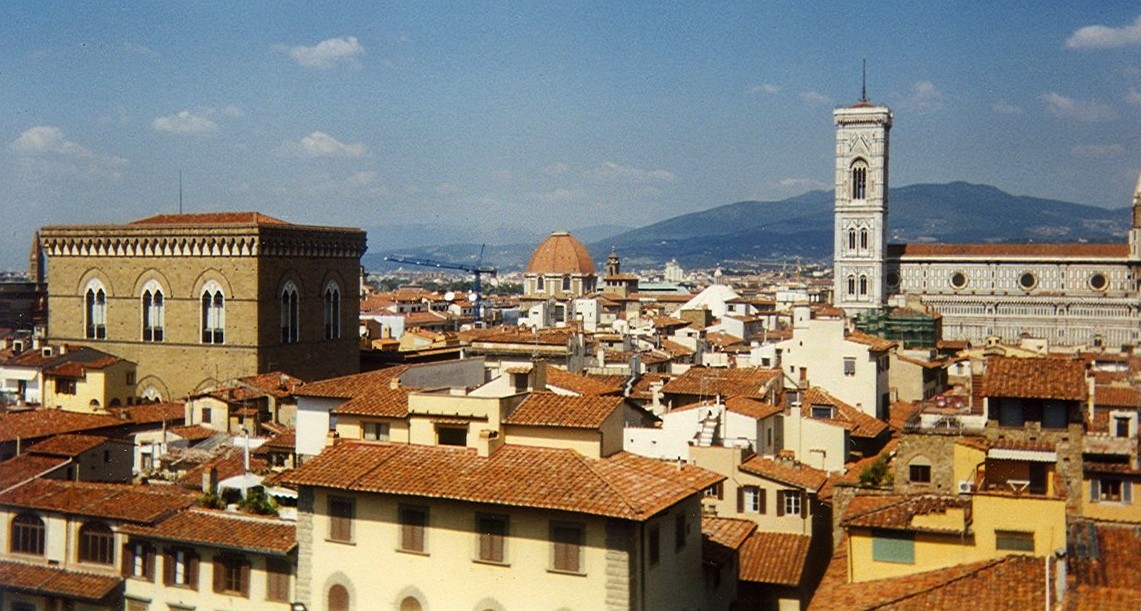
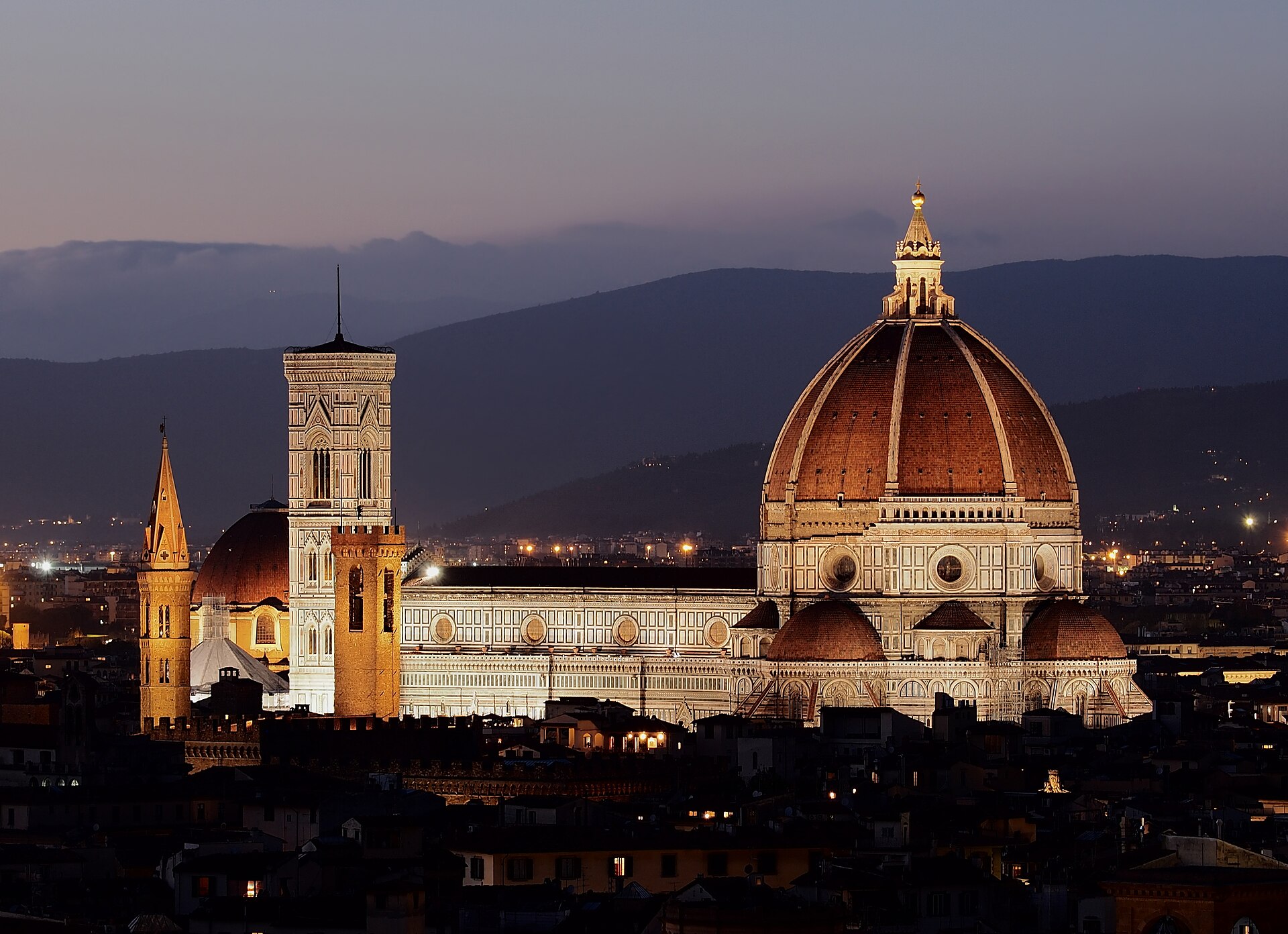
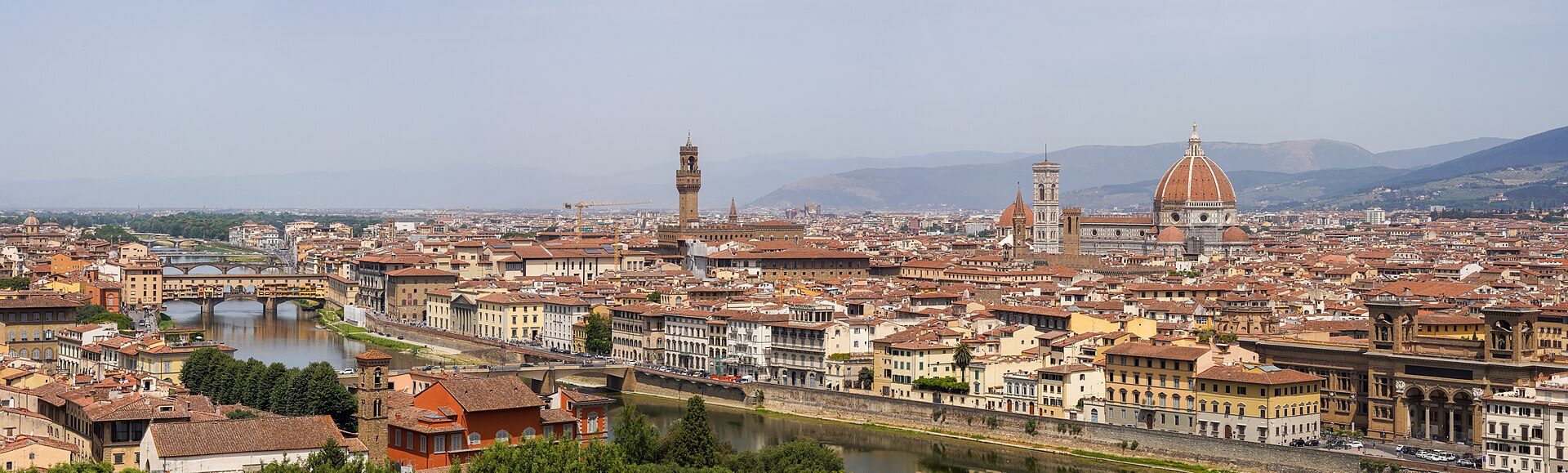
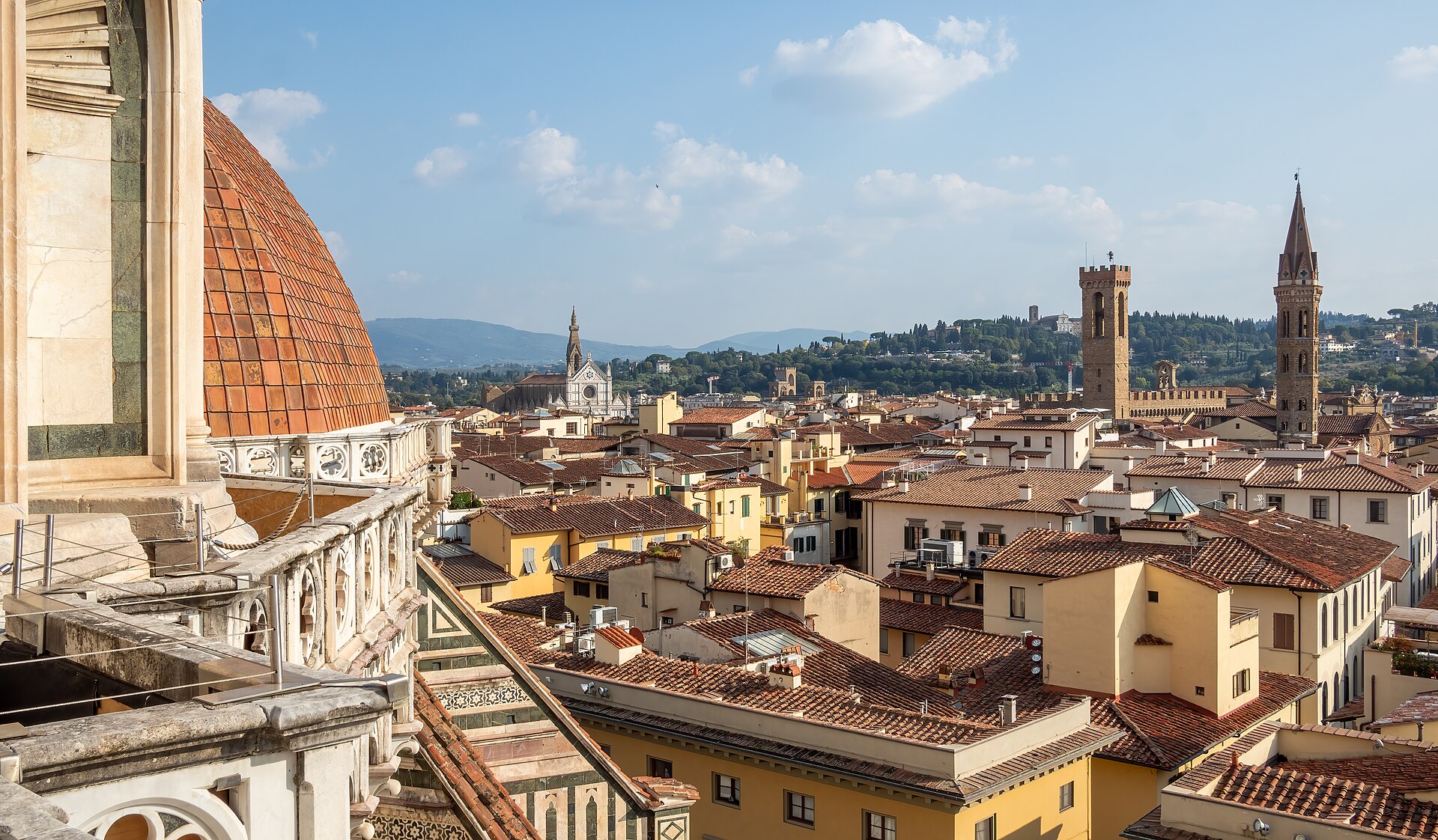
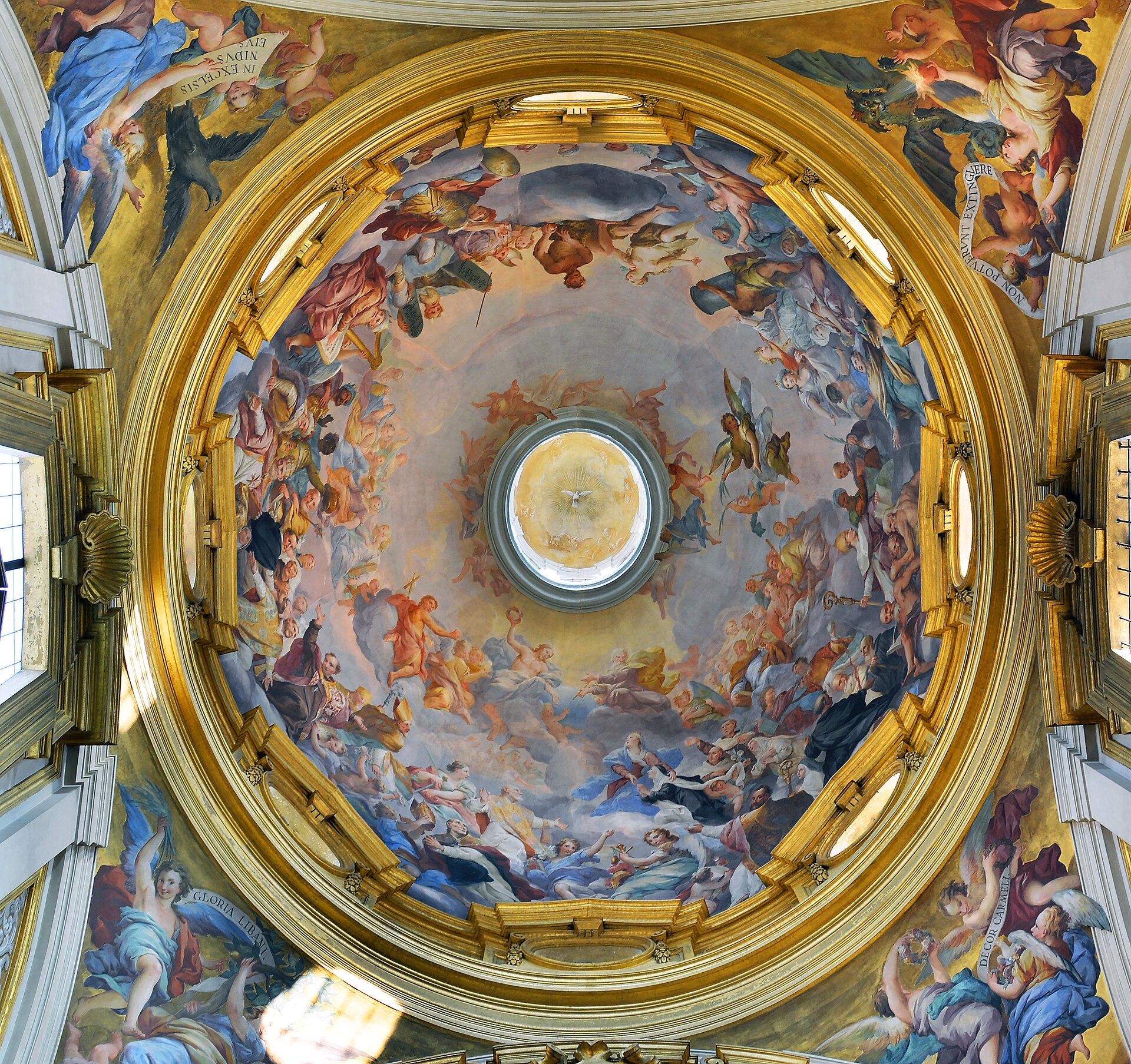
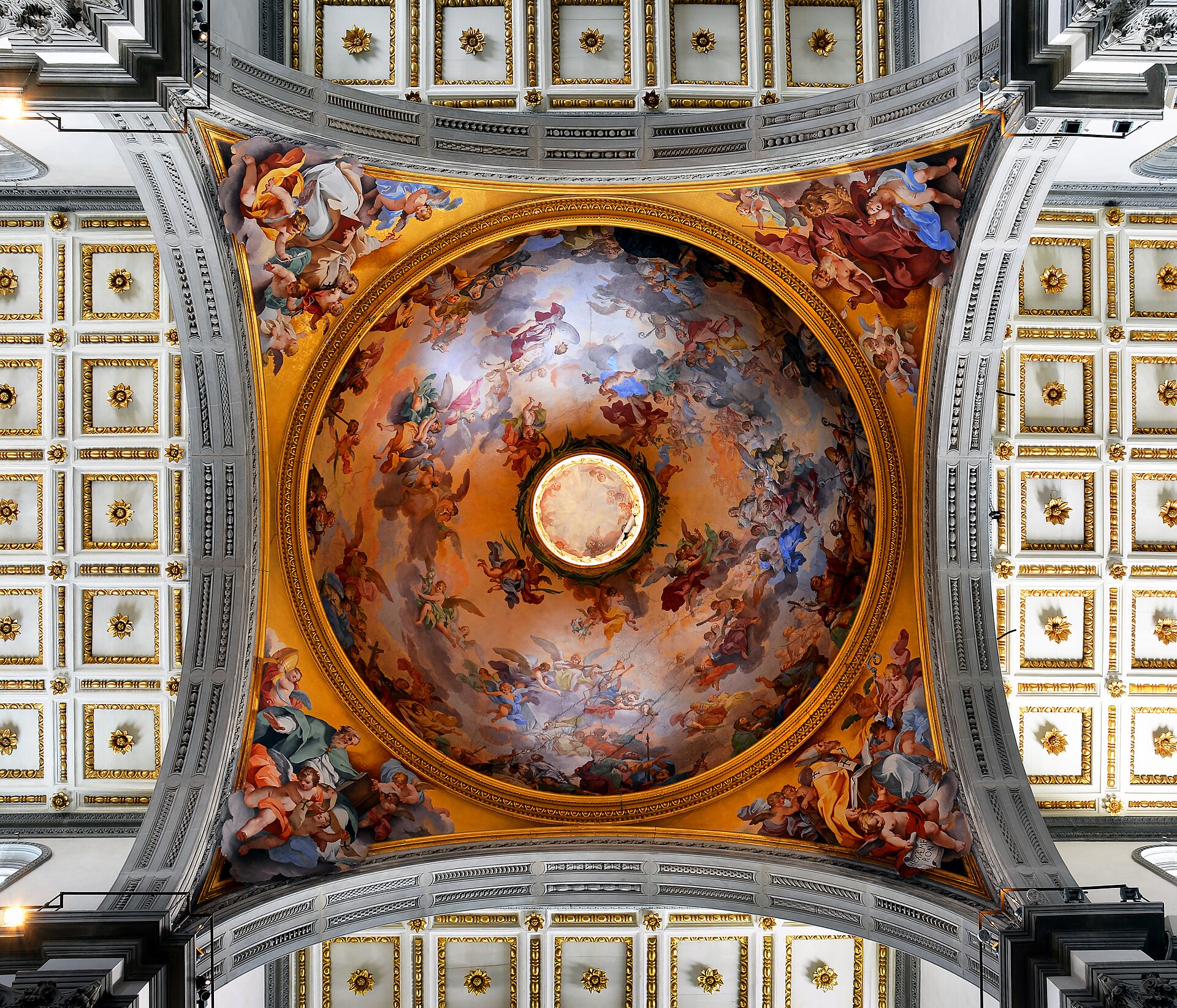
The dome appears before you expect it — rising above the terracotta roofline as you turn a corner, closer and larger than any photograph prepares you for. Brunelleschi finished it in 1436 after sixteen years of work, and it still holds the record as the largest masonry dome ever built. Florence is a city that operates at that scale: the ambitions are enormous, the craft is exact, and the streets between are narrow enough that you brush the stone walls with your shoulder.
This is a place where a single piazza can contain a medieval fortress-palace, a sixteenth-century fountain, and the loggia where Michelangelo's Perseus has stood since 1554. Come with time, comfortable shoes, and a willingness to look up.
💛 What travellers fall for
People who come back tend to stop fighting the Uffizi and pick one room. They find the bar inside the Palazzo Pitti gardens for an afternoon Aperol. They walk up to San Miniato al Monte at dusk, when the tour groups have gone down and the city goes quiet below the Romanesque facade. The Oltrarno neighbourhood, across Ponte Vecchio, is where the pace finally slows.
Experiences you don't want to miss


How Florence (Tuscany) came to be
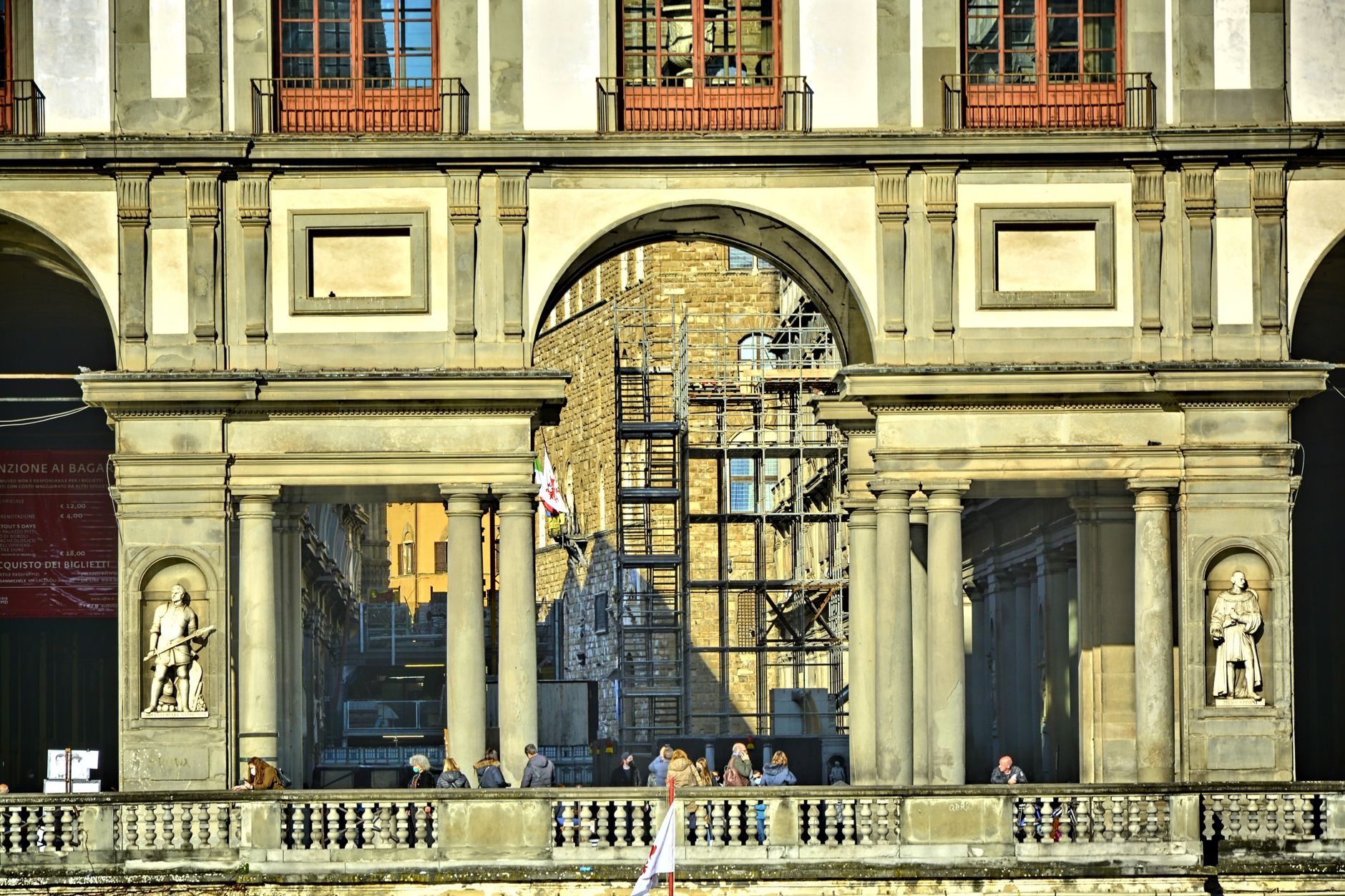
Rome founded a colony here in 59 BC — naming it Florentia — though Etruscan settlements had already occupied the hills above the Arno for centuries before that. The city spent the medieval period accumulating wealth through banking and wool, and by the fifteenth century the Medici family had turned that wealth into stone and paint. Lorenzo de' Medici patronised Botticelli, da Vinci trained here, and Michelangelo grew up under Medici sponsorship. The result is a concentration of Renaissance architecture and art that has no real parallel.
For five years between 1865 and 1870, Florence served as the capital of a newly unified Italy. In 1966 the Arno flooded the historic centre, killing 34 people and damaging thousands of artworks — a disaster that prompted an international restoration effort still cited as a turning point in conservation history.
Who and what shaped it
People who shaped it
Landmark buildings
See Florence (Tuscany) in motion
Plan your visit
On the map
When to go
Summers are hot and crowded, with July and August regularly reaching the mid-thirties Celsius. Spring and autumn are the sweet spot — warm enough for long evenings outside, cool enough to walk all day. Winters are mild by northern European standards but can be grey and damp; the city is quieter and the art is easier to reach.
Right now
Background & history adapted from Wikipedia (CC BY-SA) · specs from Wikidata (CC0) · weather from Open-Meteo · map data © OpenStreetMap contributors · photos from Wikimedia Commons / Unsplash with per-image credit. No third-party reviews or social posts reproduced.