
Cinque Terre
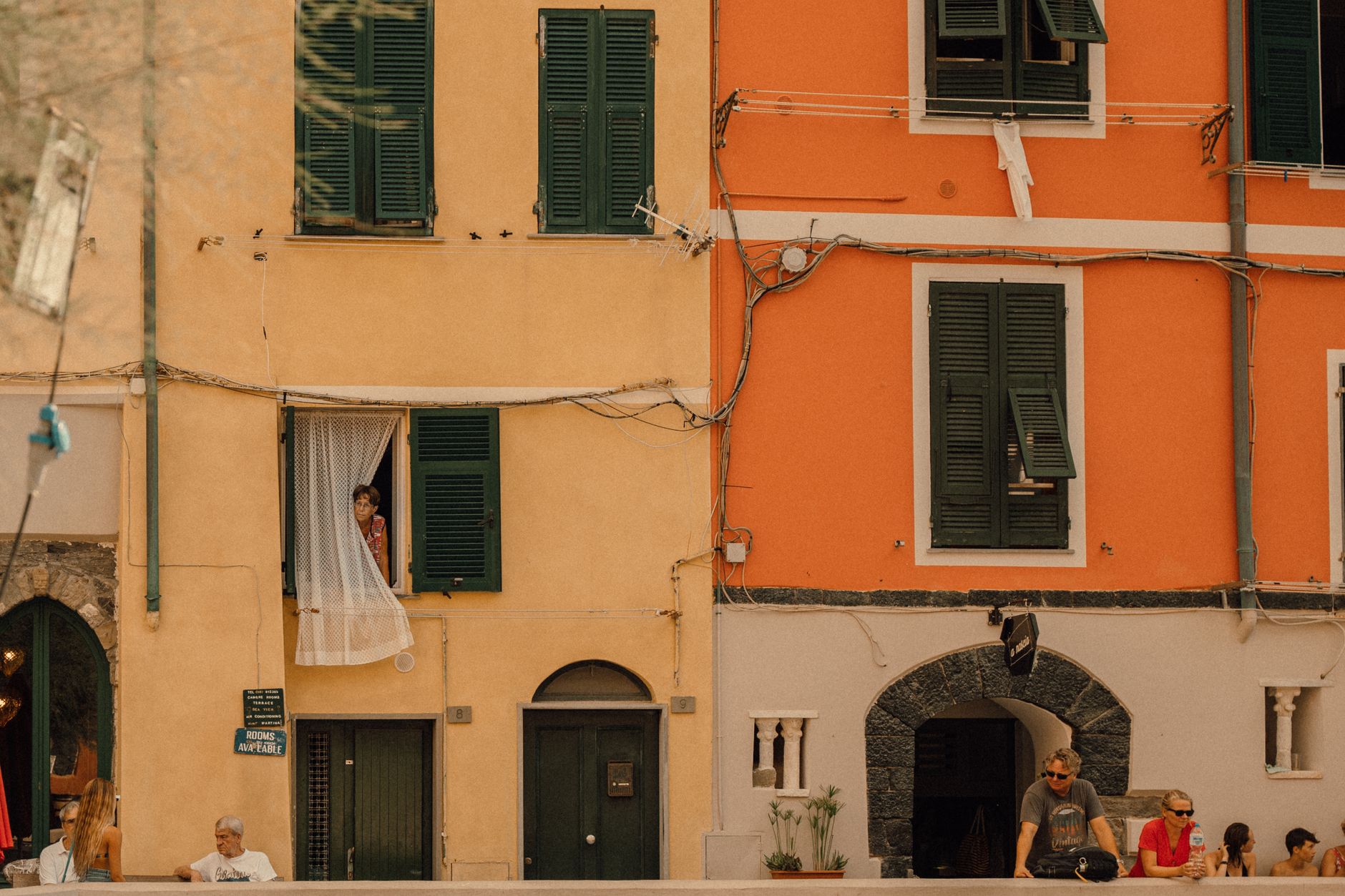
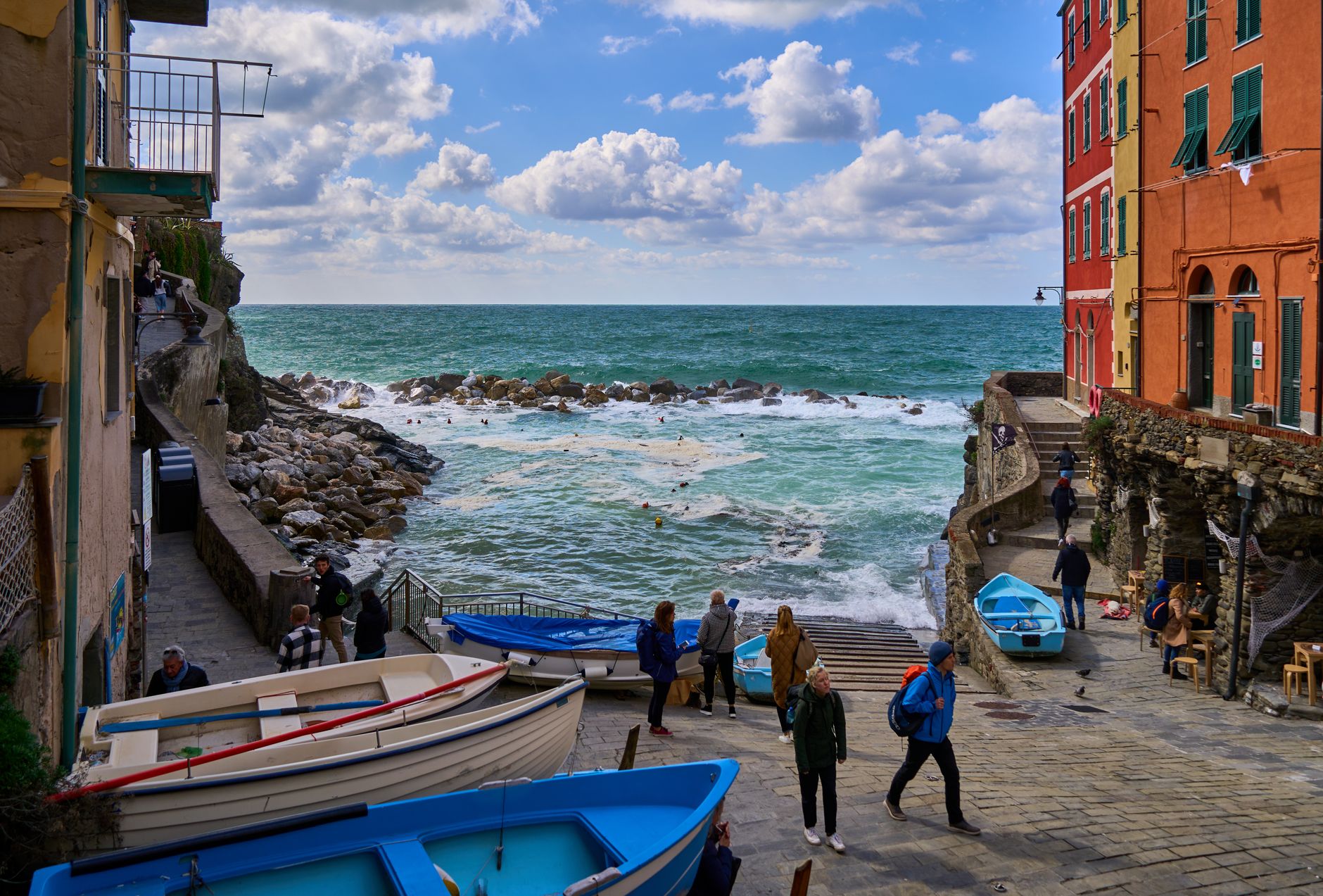
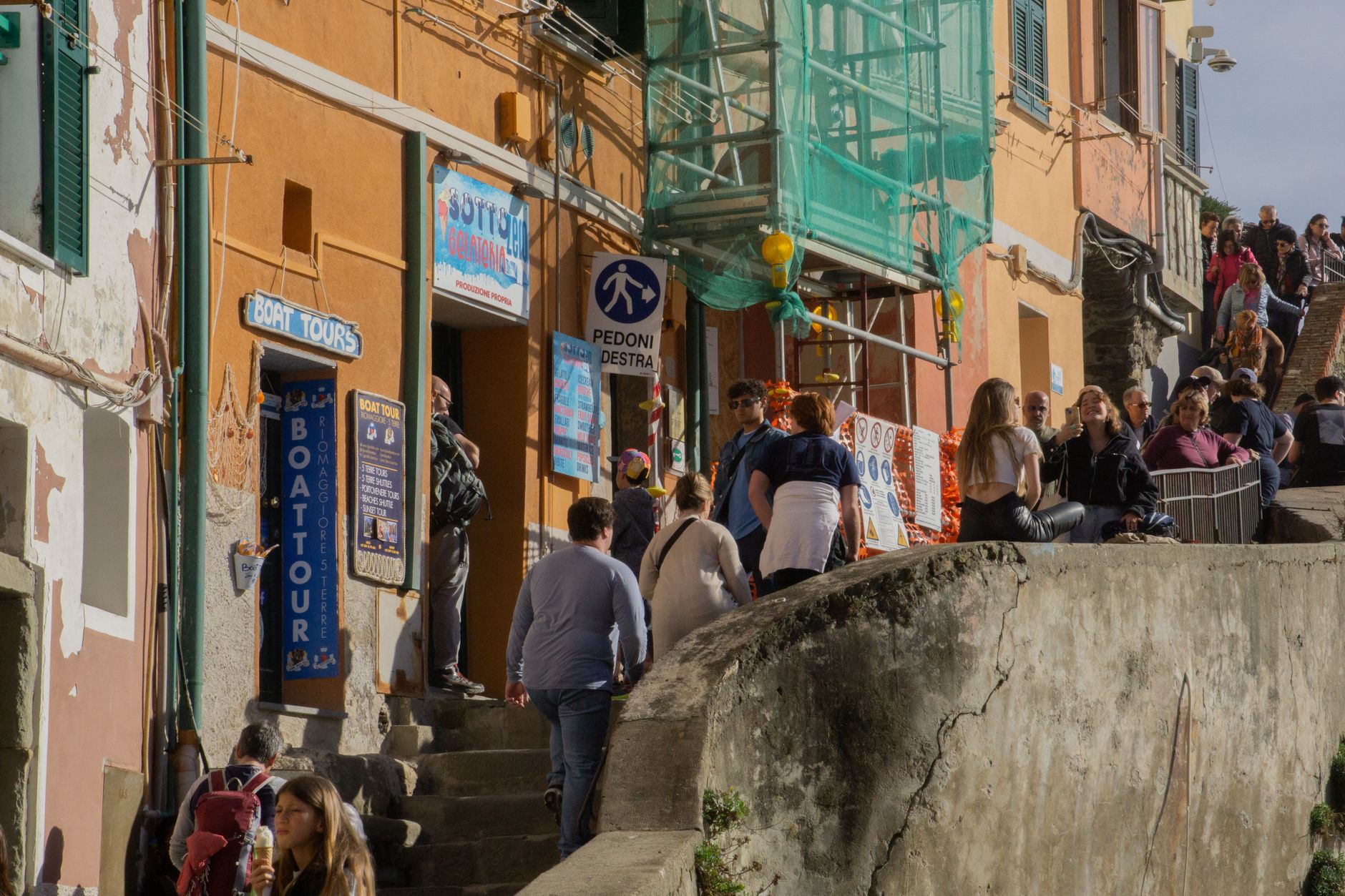
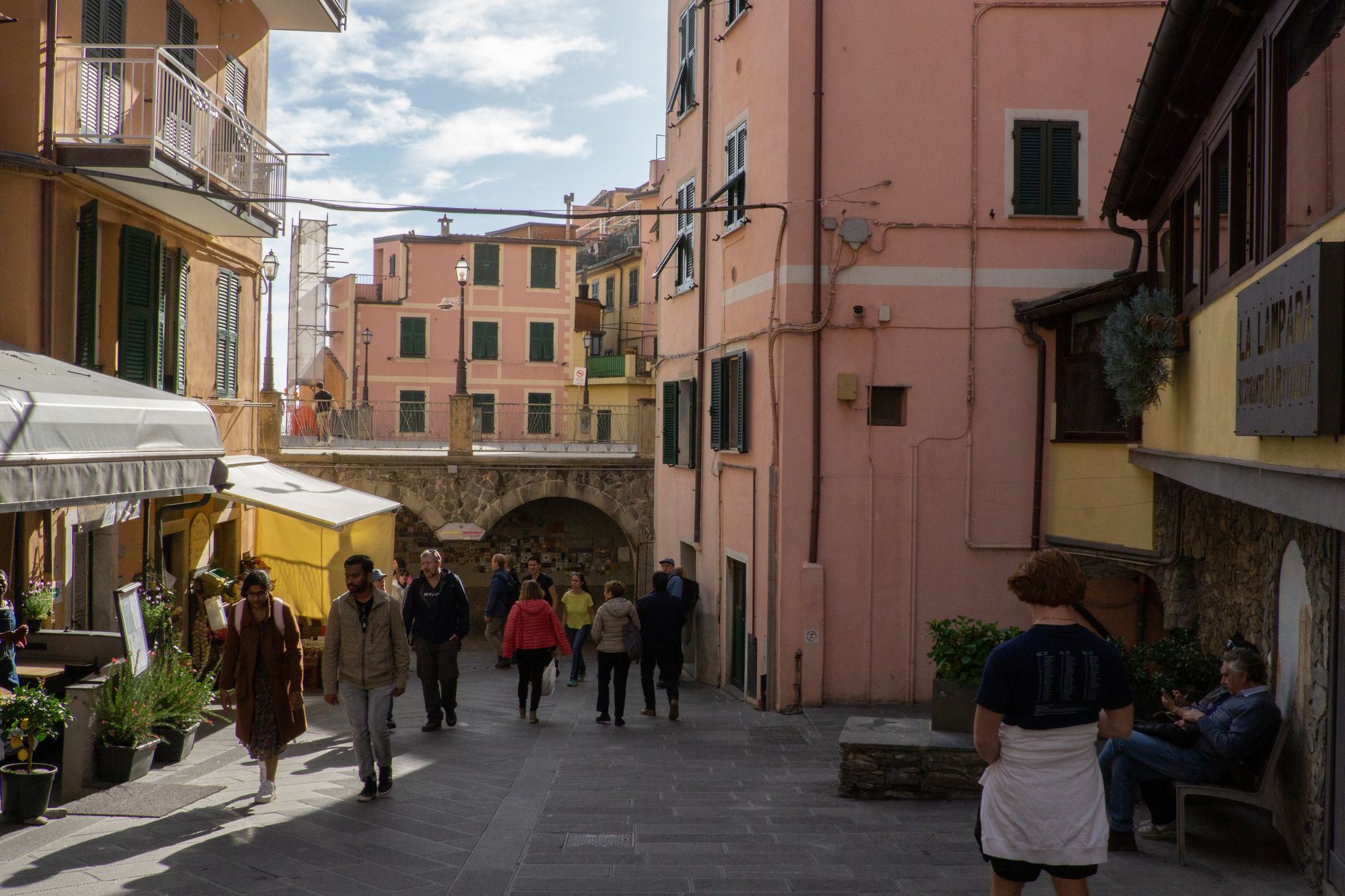
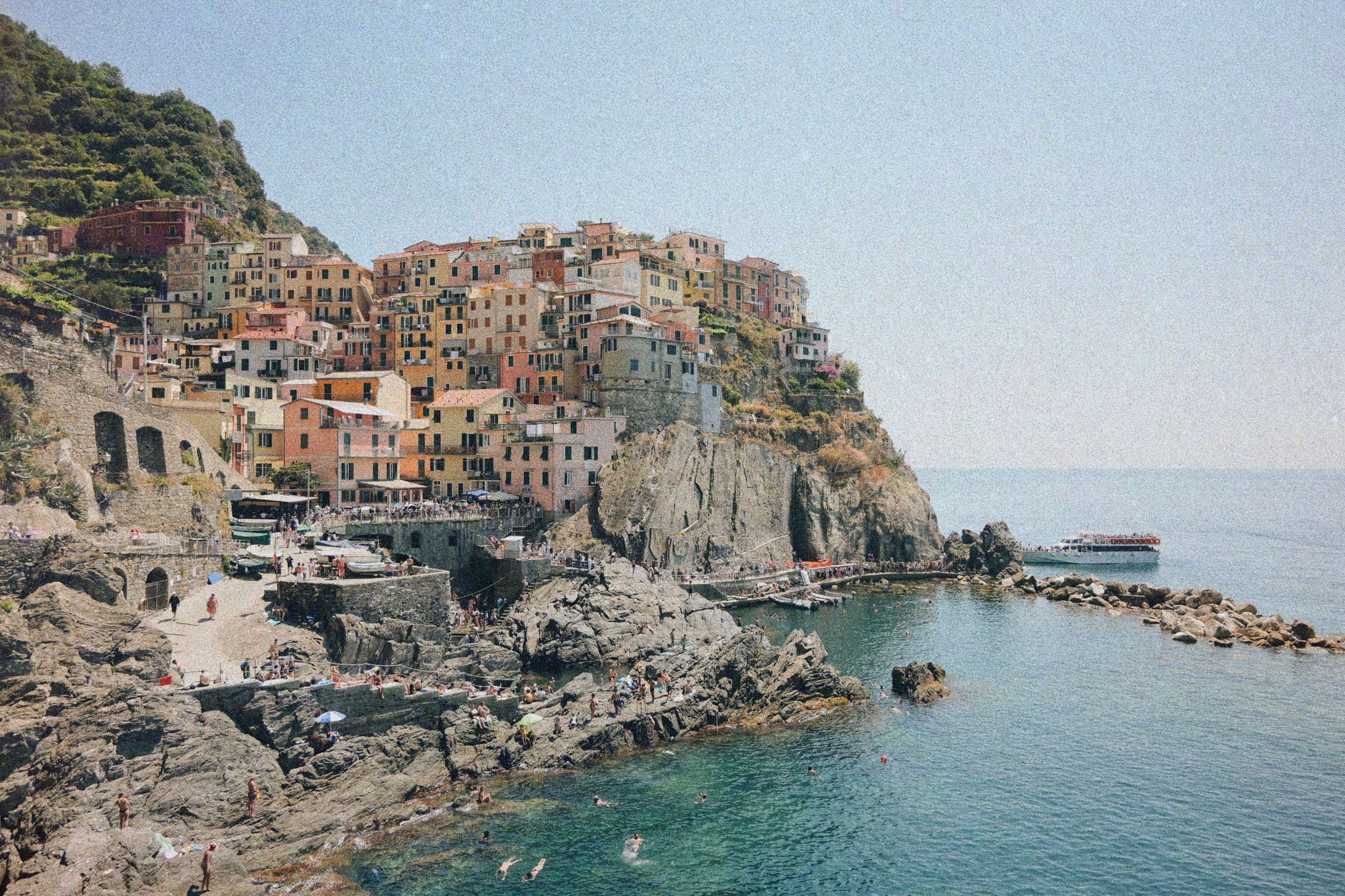
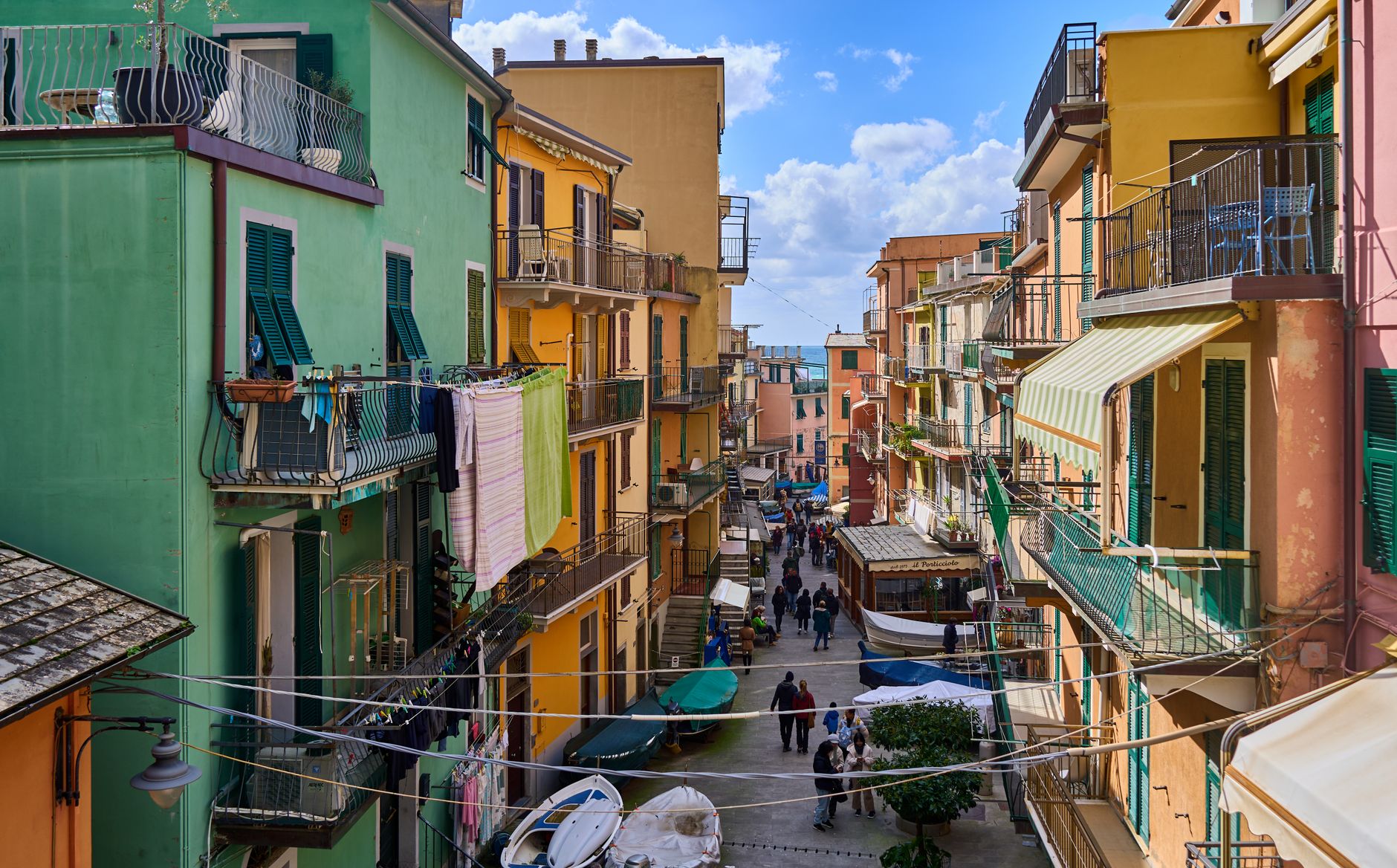
Five villages stacked against cliffs above the Ligurian Sea, connected by a railway that threads through the rock and a web of dry-stone terraces that took centuries to build — Cinque Terre earns its reputation through sheer improbability. Monterosso, Vernazzo, Corniglia, Manarola, Riomaggiore: each one a tight cluster of painted houses above water or perched a hundred metres above it, linked by trails and a train that runs every twenty minutes in high season.
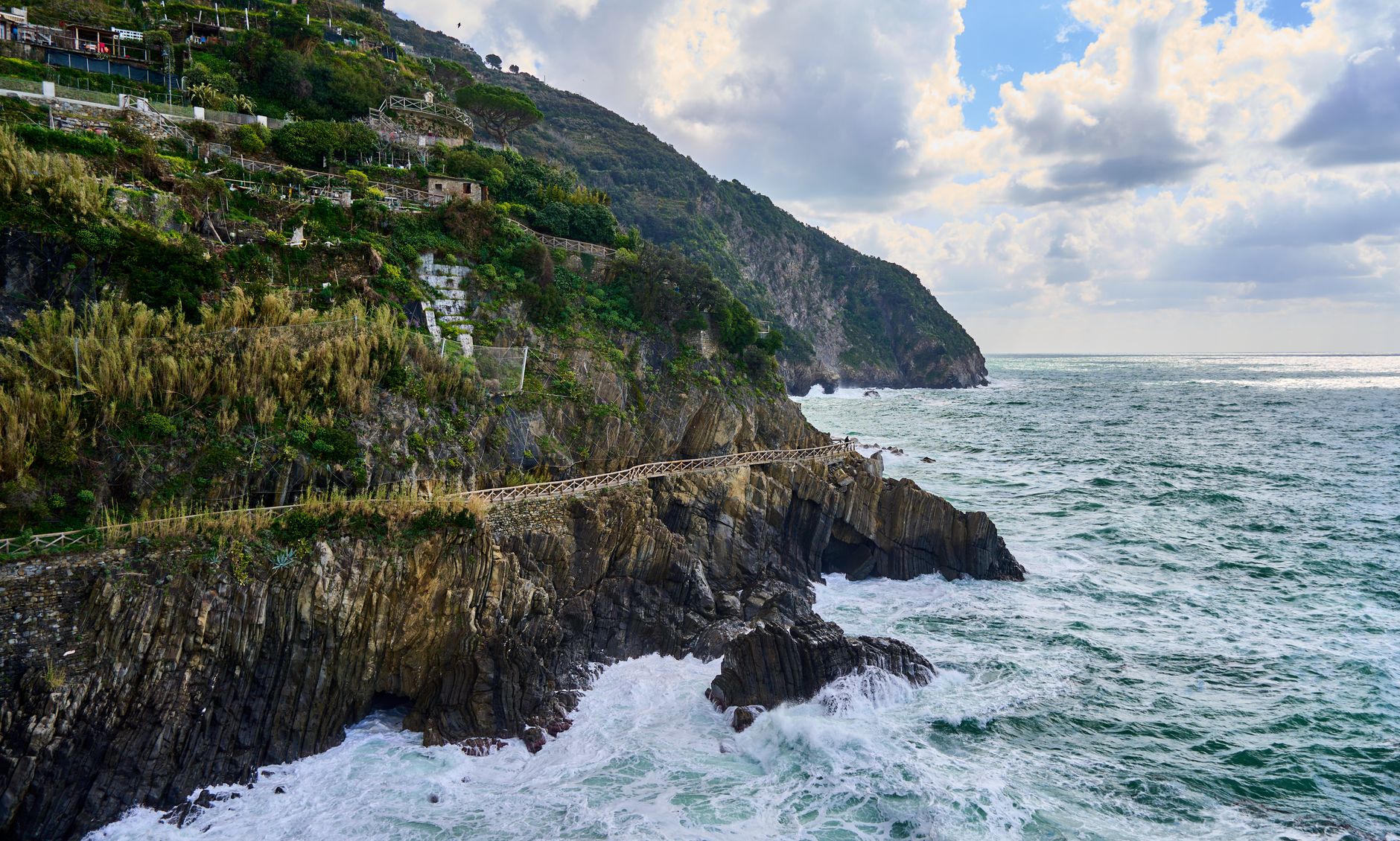
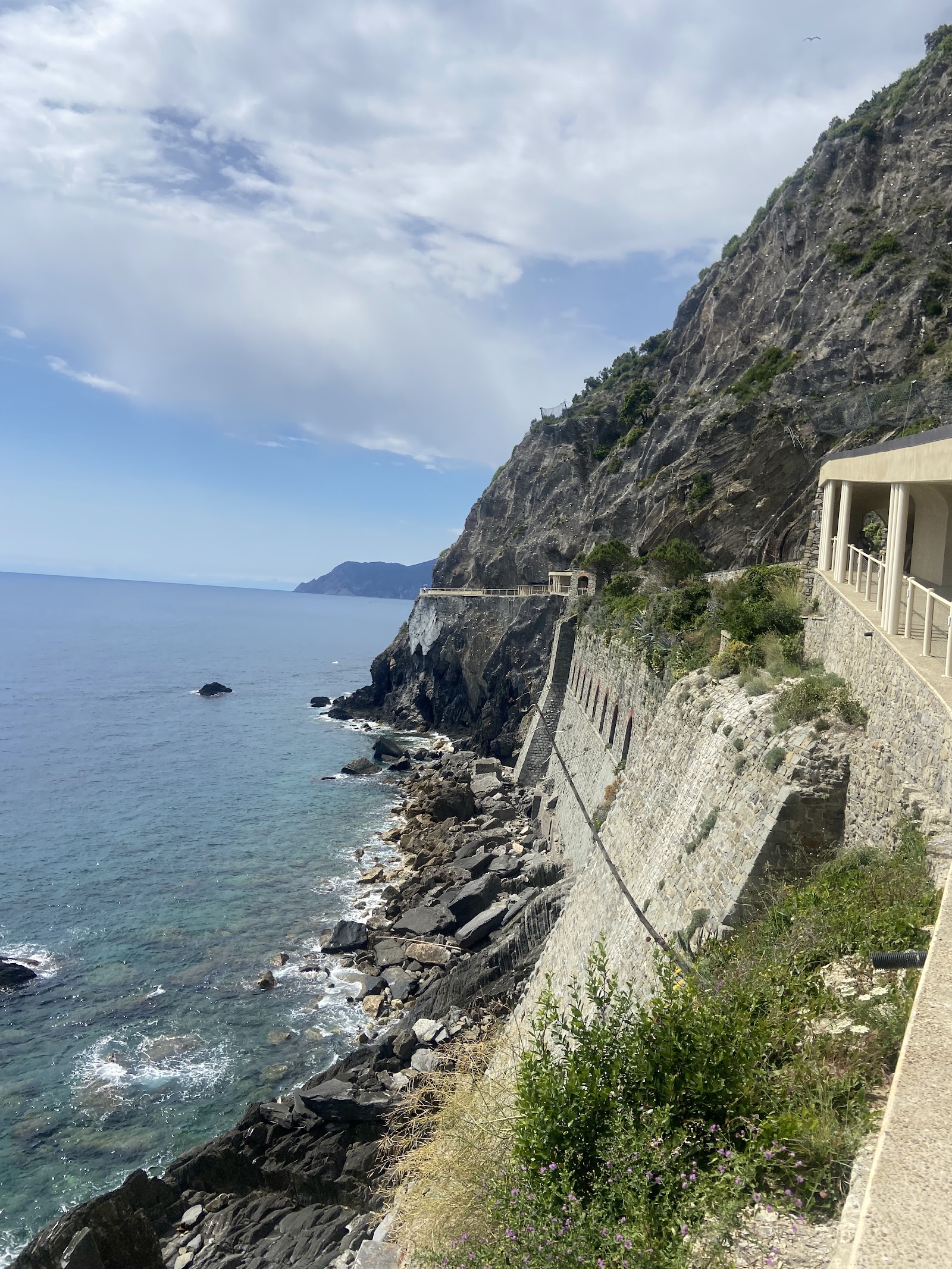
What holds it together is the land itself. Some 7,000 kilometres of dry-stone walls line just 14 kilometres of coastline, carved out by farmers who had no flat ground to work with. That infrastructure — older than the tourism, older than the railway — is what the UNESCO designation was really about.
💛 What travellers fall for
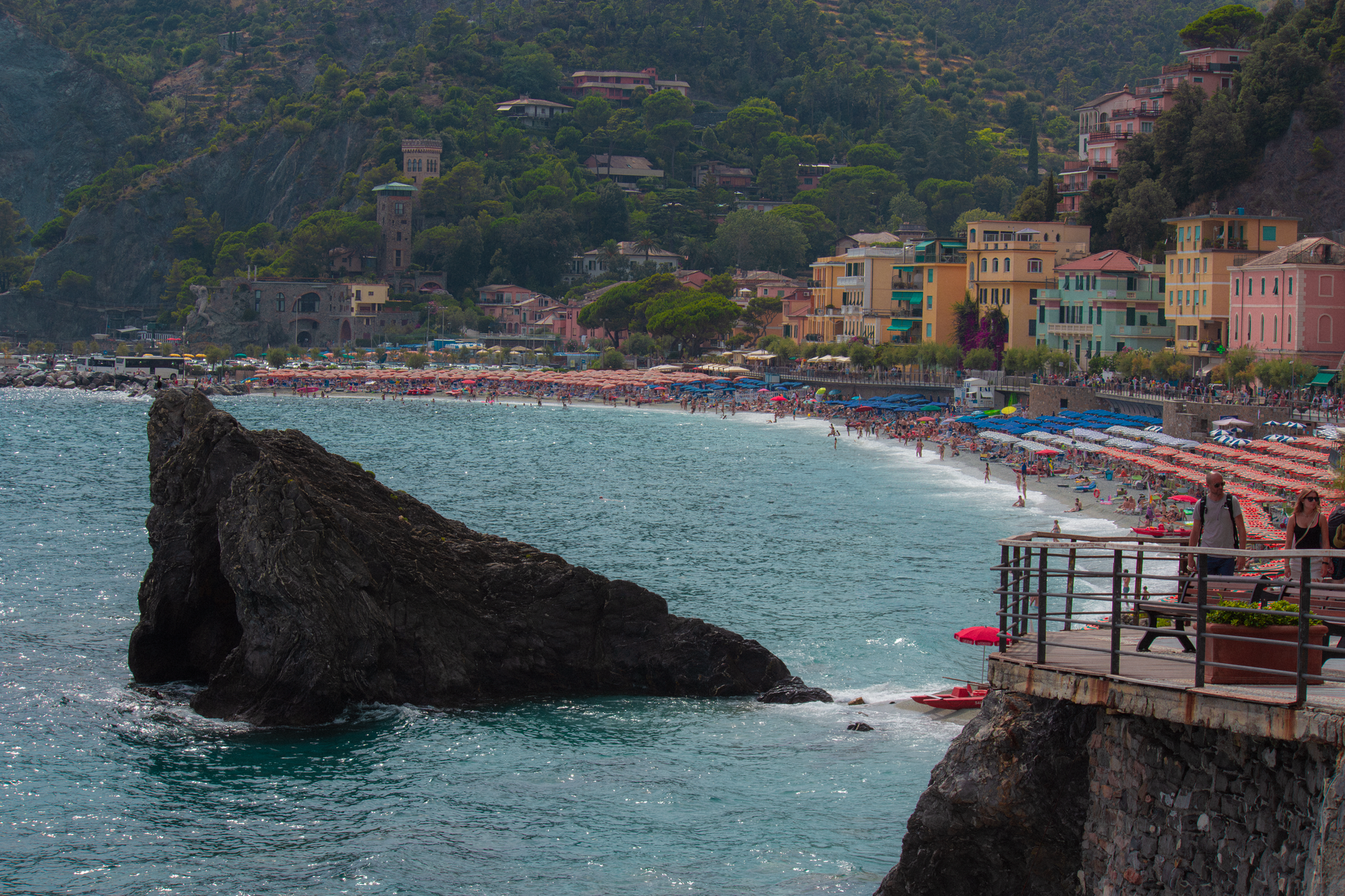
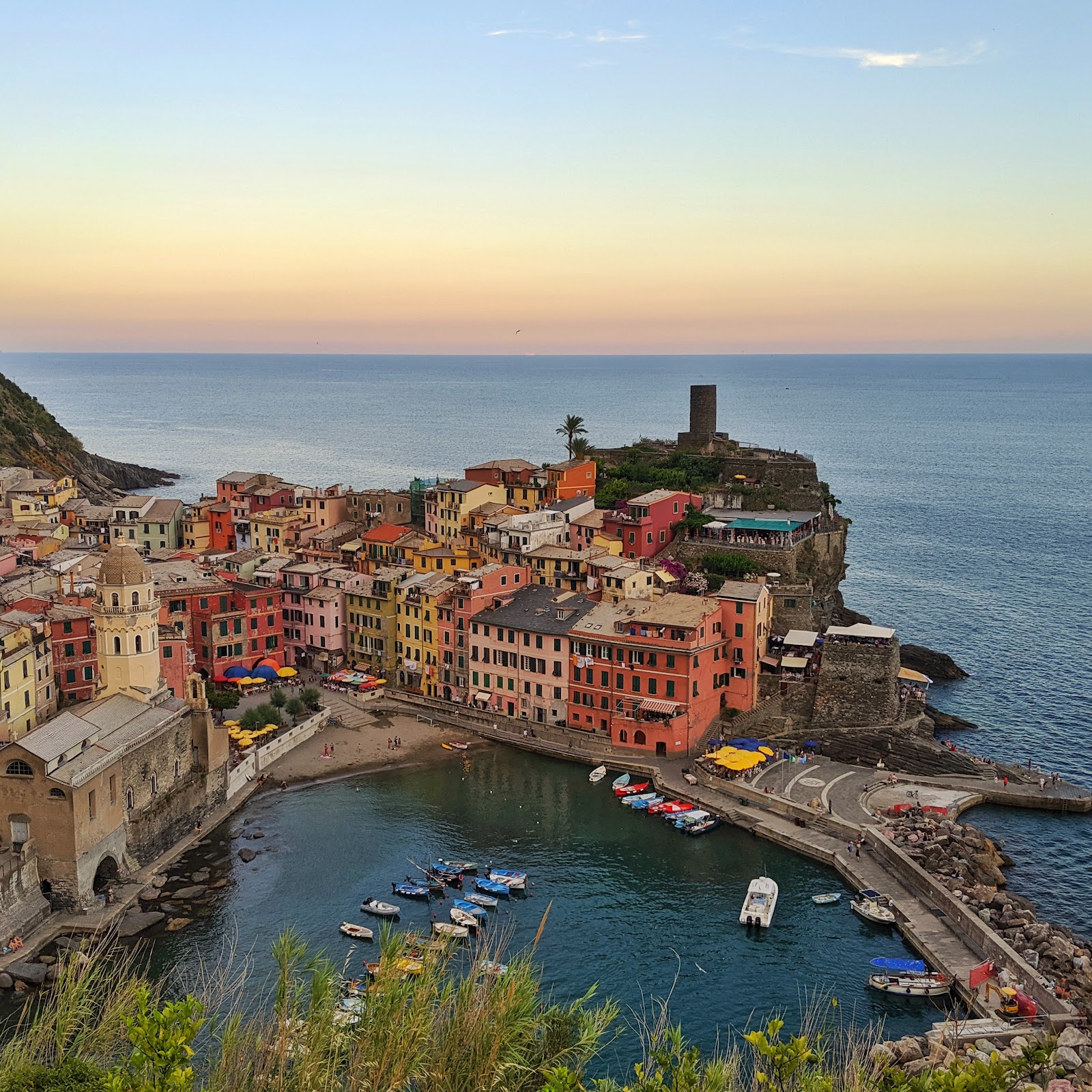
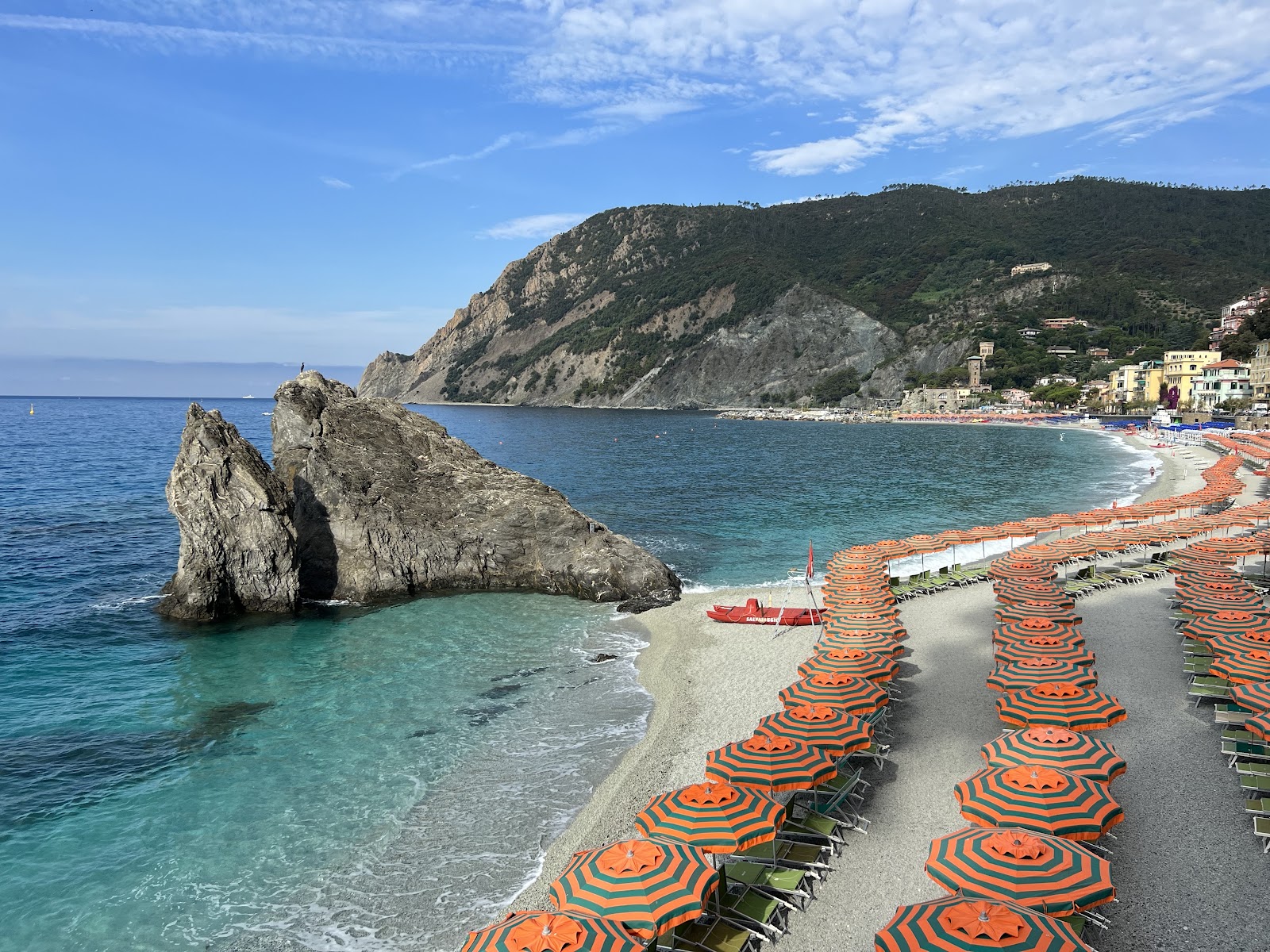
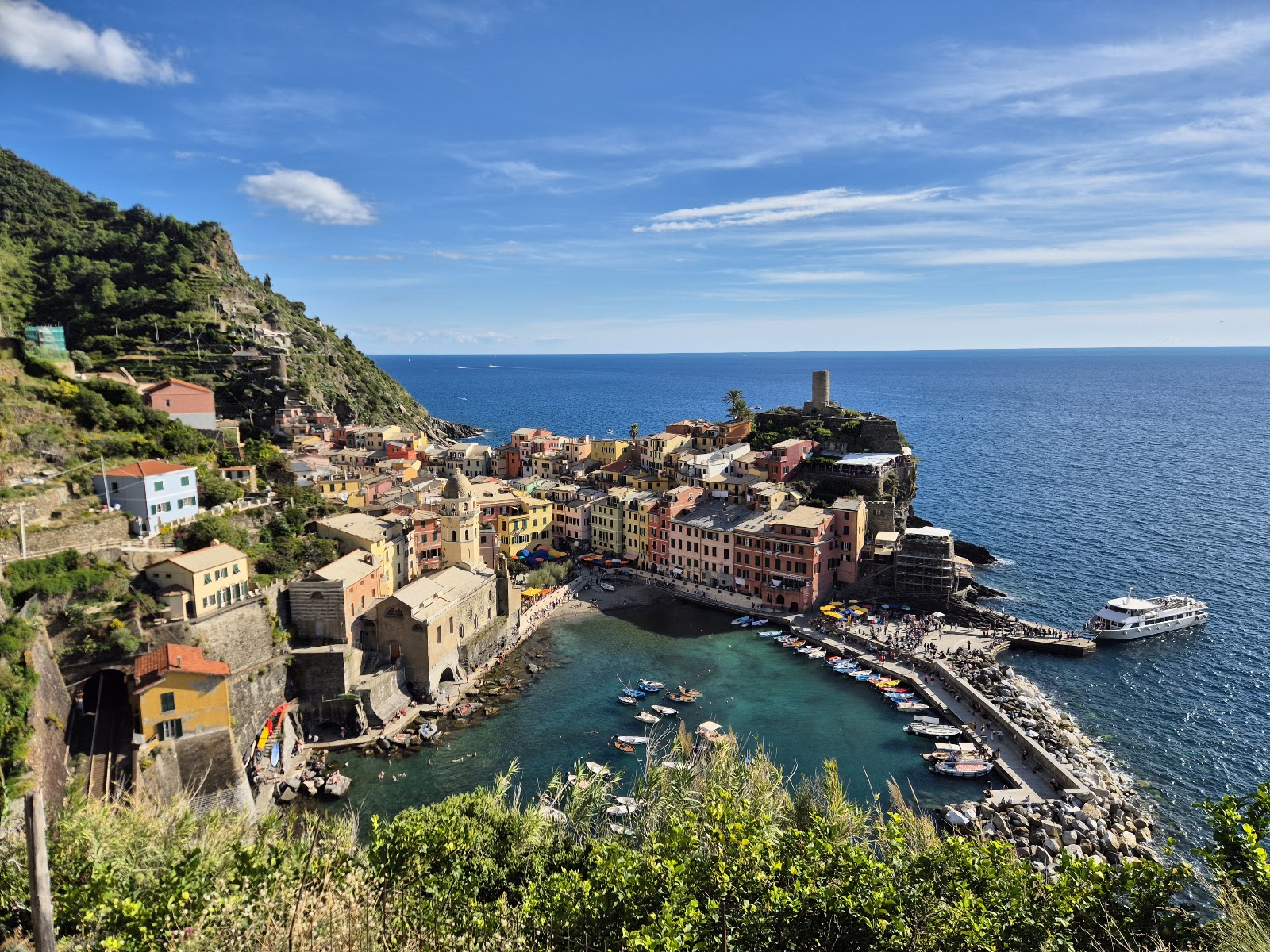
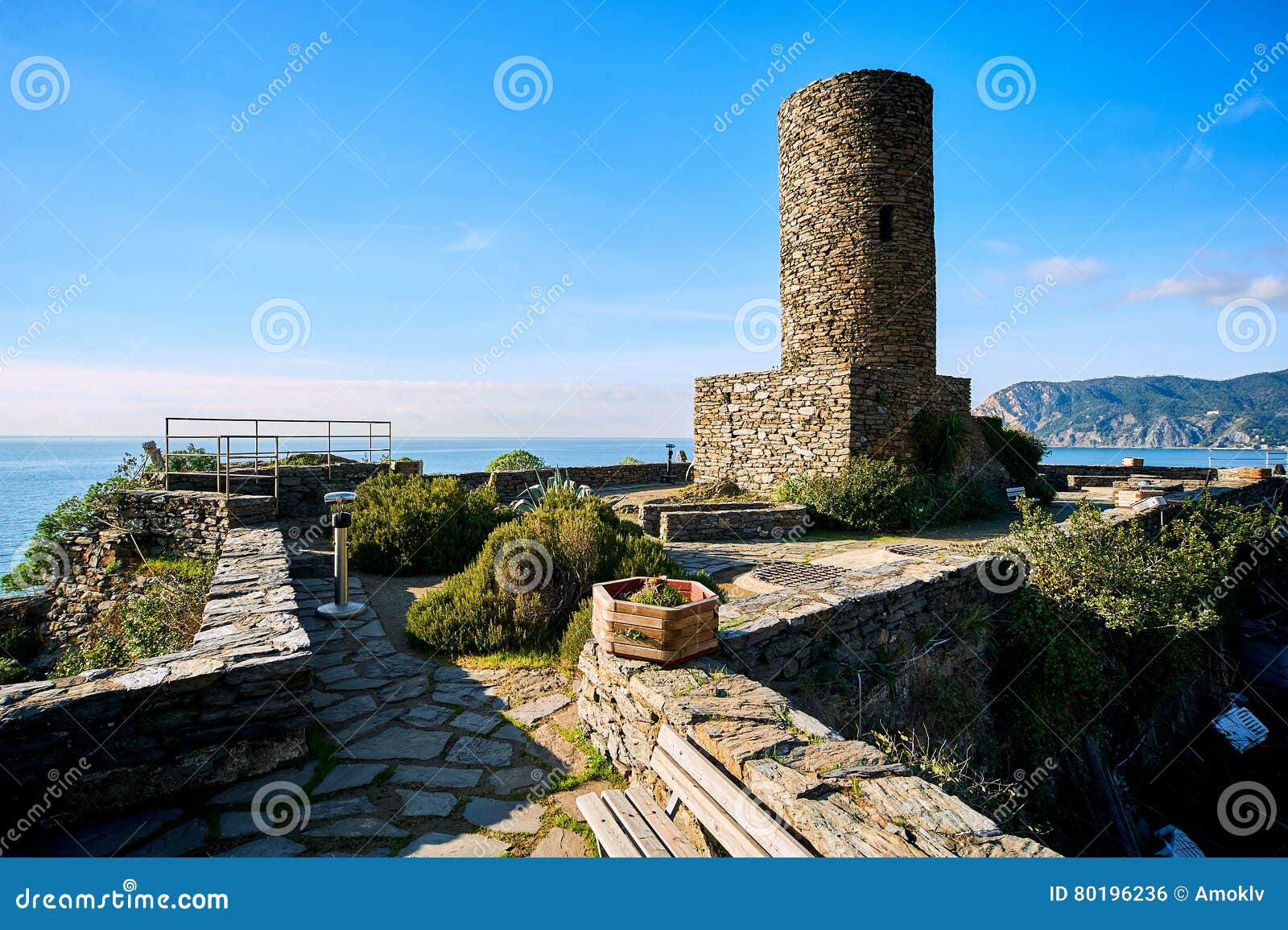
People who come back tend to base themselves in one village rather than trying to cover all five in a day. Vernazzo has the most intact harbour and the Church of Santa Margherita di Antiochia standing almost in the water. Monterosso has the only real beach and a 16th-century tower on the headland. Pick one and walk out from it.
Experiences you don't want to miss




Deals in Cinque Terre
Book directly at the provider


How Cinque Terre came to be
Settlers came down from Val di Vara around the 10th century, founding hamlets above the sea near sanctuary sites, drawn partly by the protection the steep terrain offered from coastal raiders. Monterosso and Vernazzo appear first in records; the name Cinque Terre itself doesn't surface until the 15th century, by which point all five villages were under the control of Genoa. The Doria Castle in Vernazzo dates to the 11th century and was reinforced in the 15th — the oldest surviving fortification here.
The 16th century brought Turkish raids and a new round of defensive towers. Then a long decline, reversed only when the La Spezia arsenal opened and the railway arrived in the 19th century. WWII left damage across the coast. Tourism began to find the villages in the 1970s; the National Park came in 1999, UNESCO recognition in 1997. In October 2011, floods and mudslides killed nine people and severely damaged Vernazzo and Monterosso — a reminder that the terrain that makes this place extraordinary is also what makes it precarious.
Who and what shaped it
Landmark buildings
See Cinque Terre in motion
Plan your visit
On the map
When to go
Summers are warm and dry, with temperatures reaching the high 20s Celsius, and the villages are at their most crowded from June through August. Spring and early autumn offer milder walking weather and thinner crowds; winters are quiet, occasionally cold, and some ferry services and trail sections close entirely.
Right now
↡ Attractions

Background & history adapted from Wikipedia (CC BY-SA) · specs from Wikidata (CC0) · weather from Open-Meteo · map data © OpenStreetMap contributors · photos from Wikimedia Commons / Unsplash with per-image credit. No third-party reviews or social posts reproduced.