
Naples
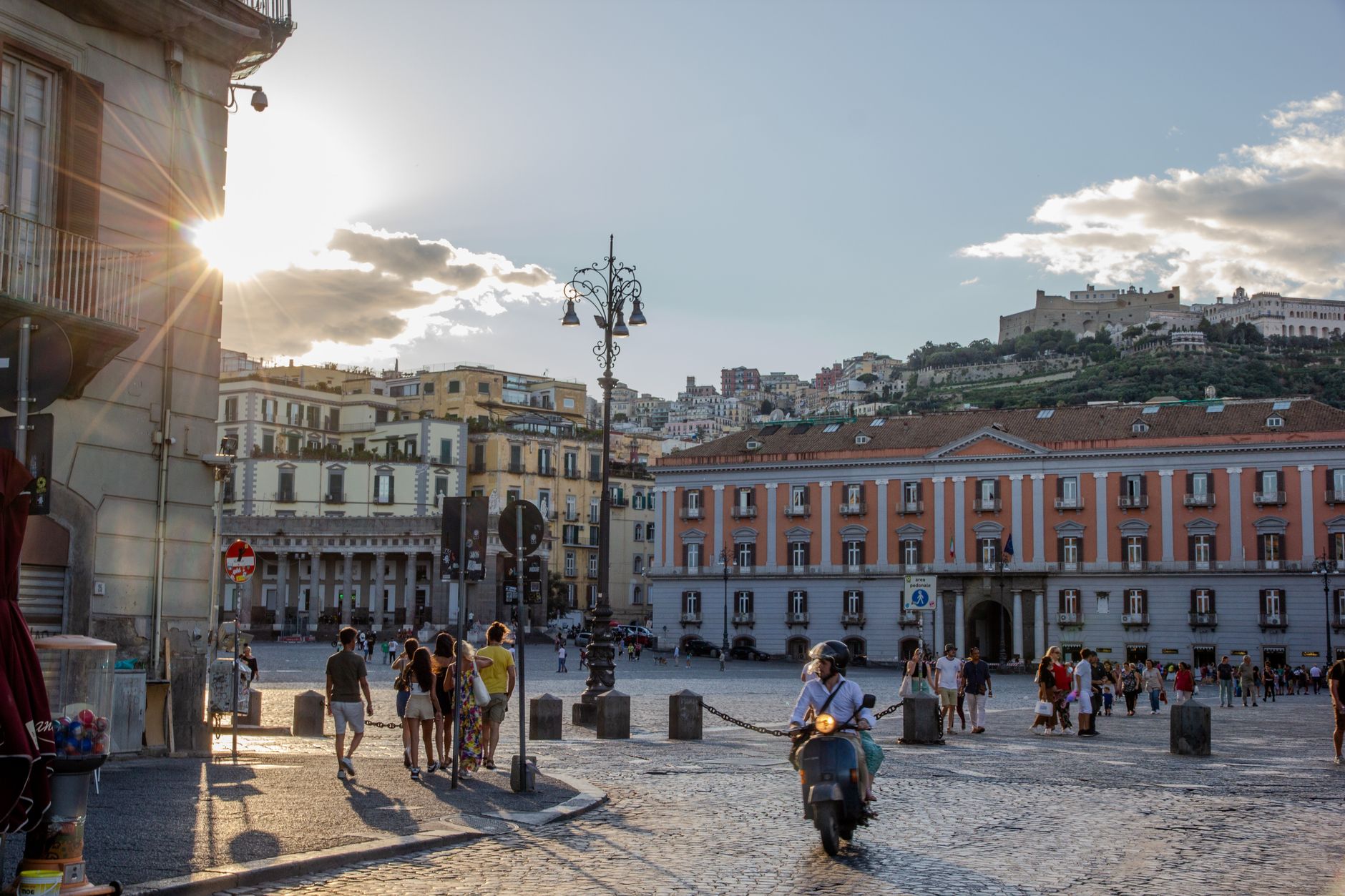
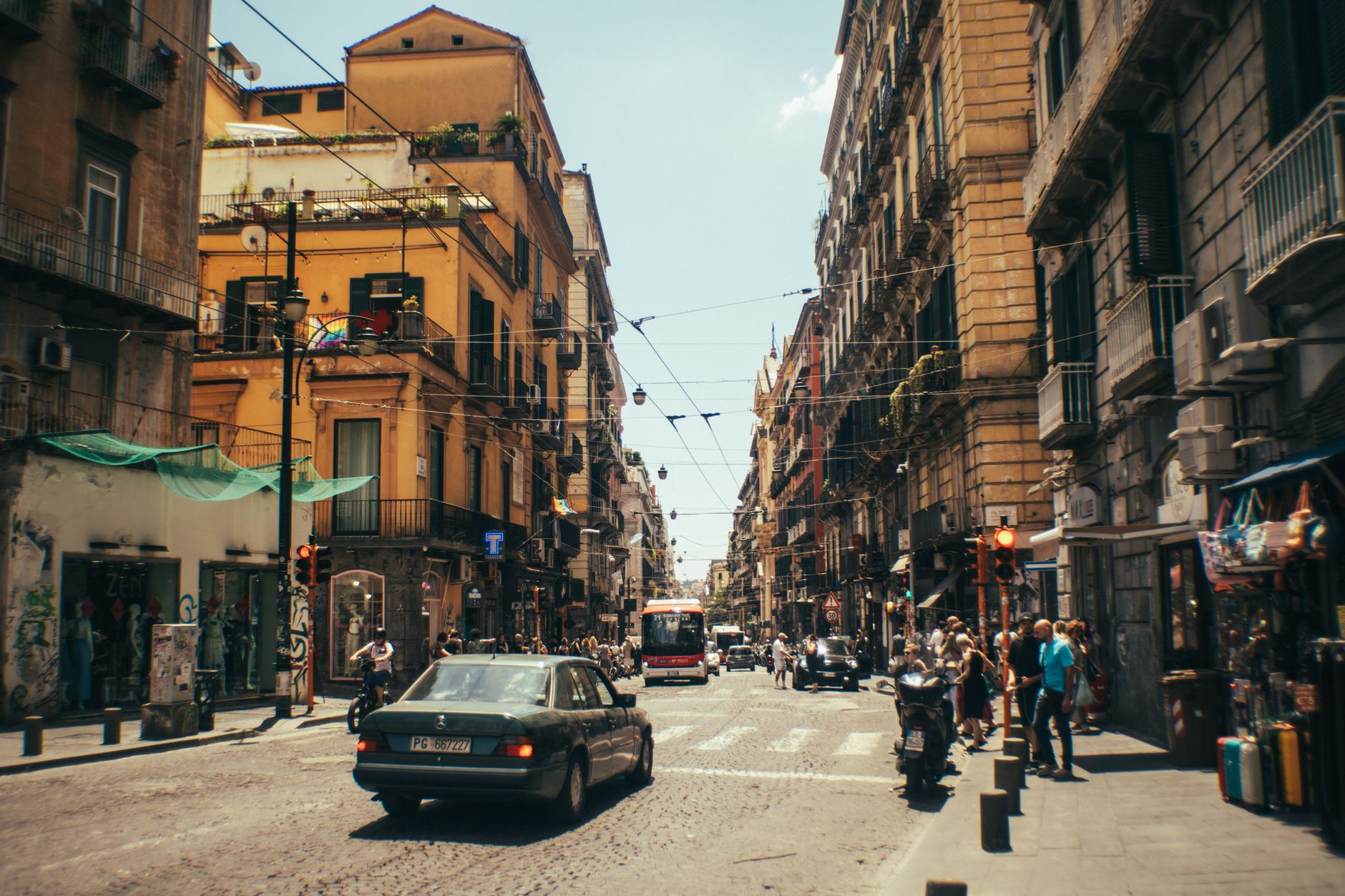
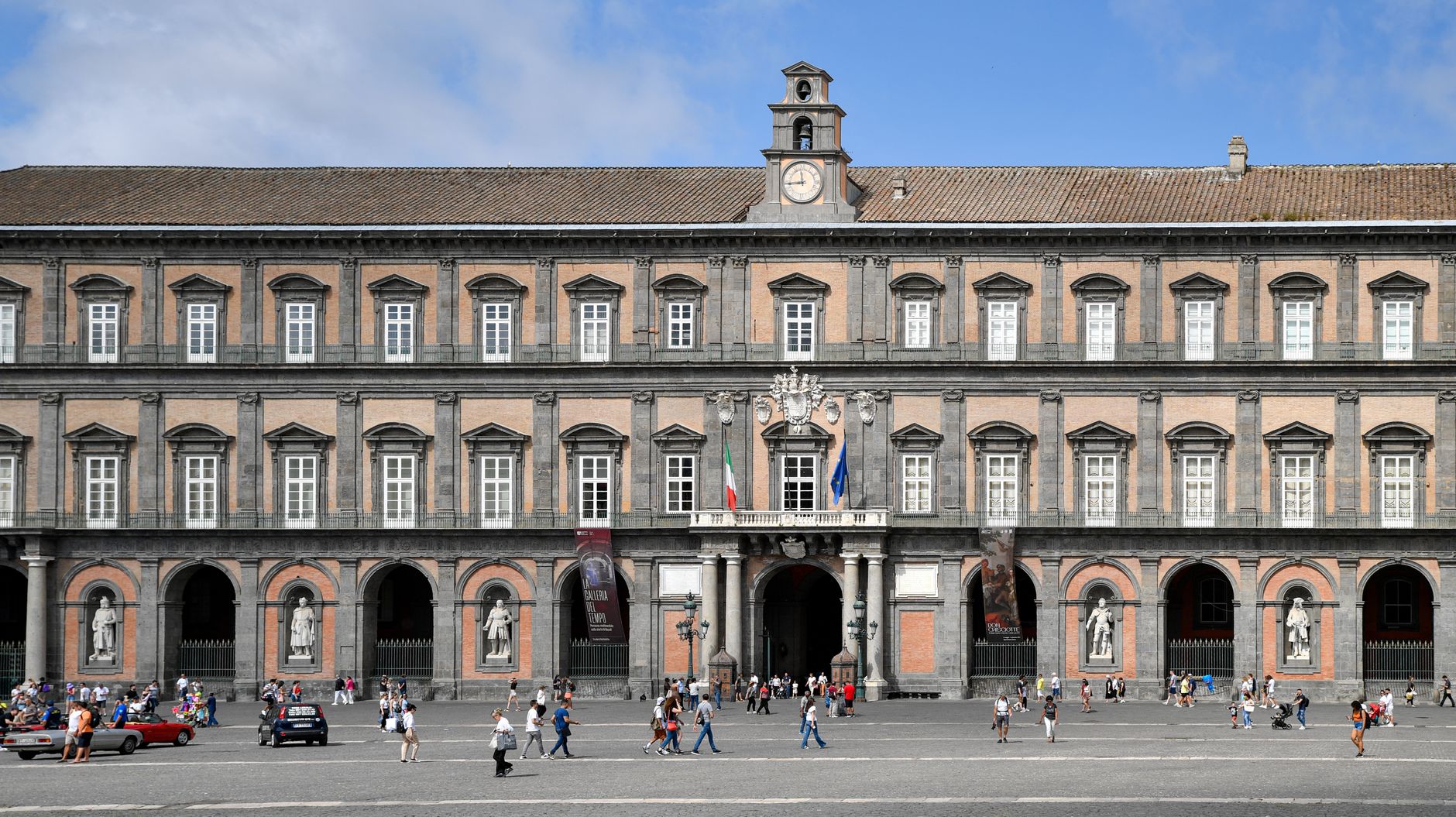
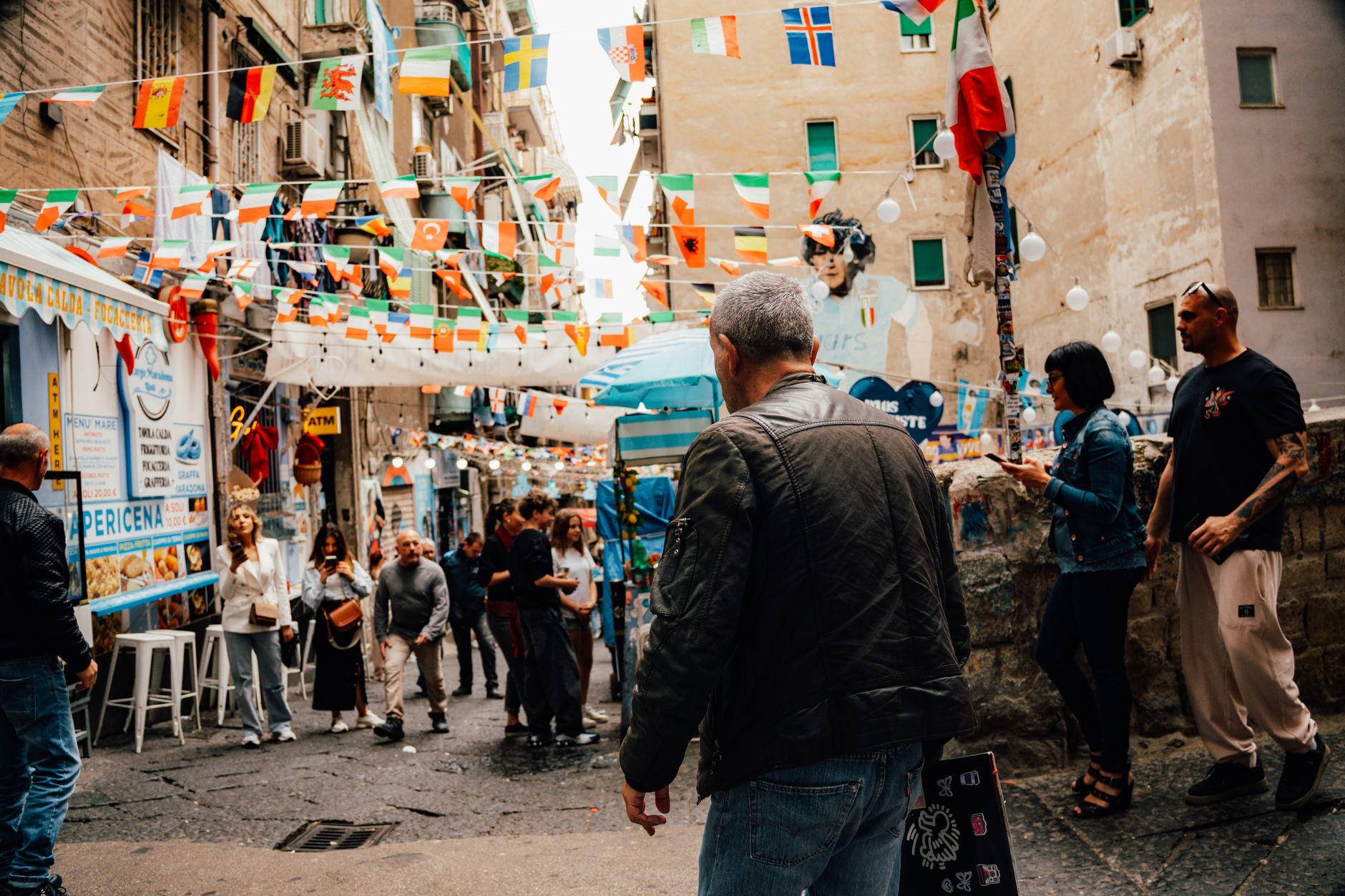
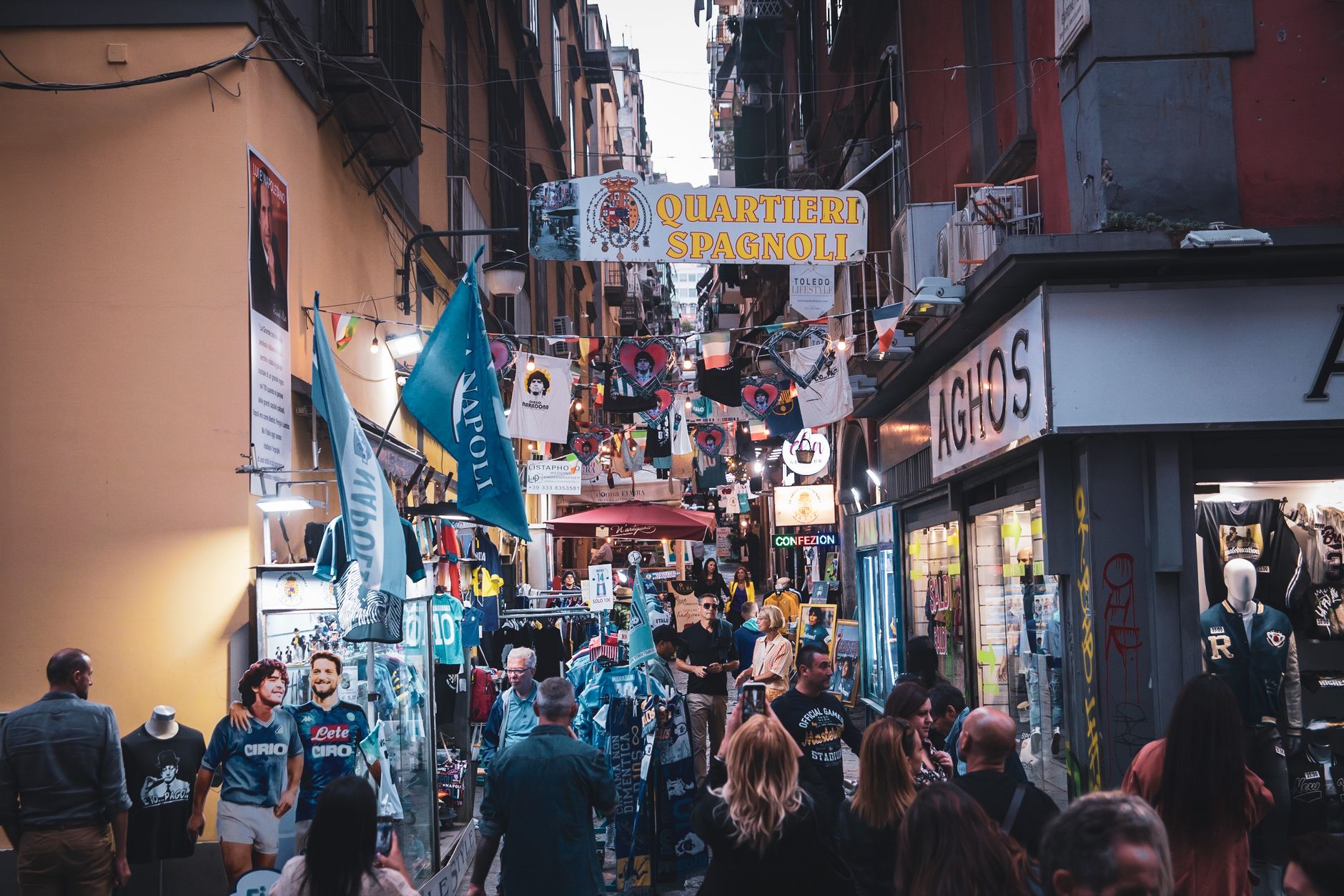
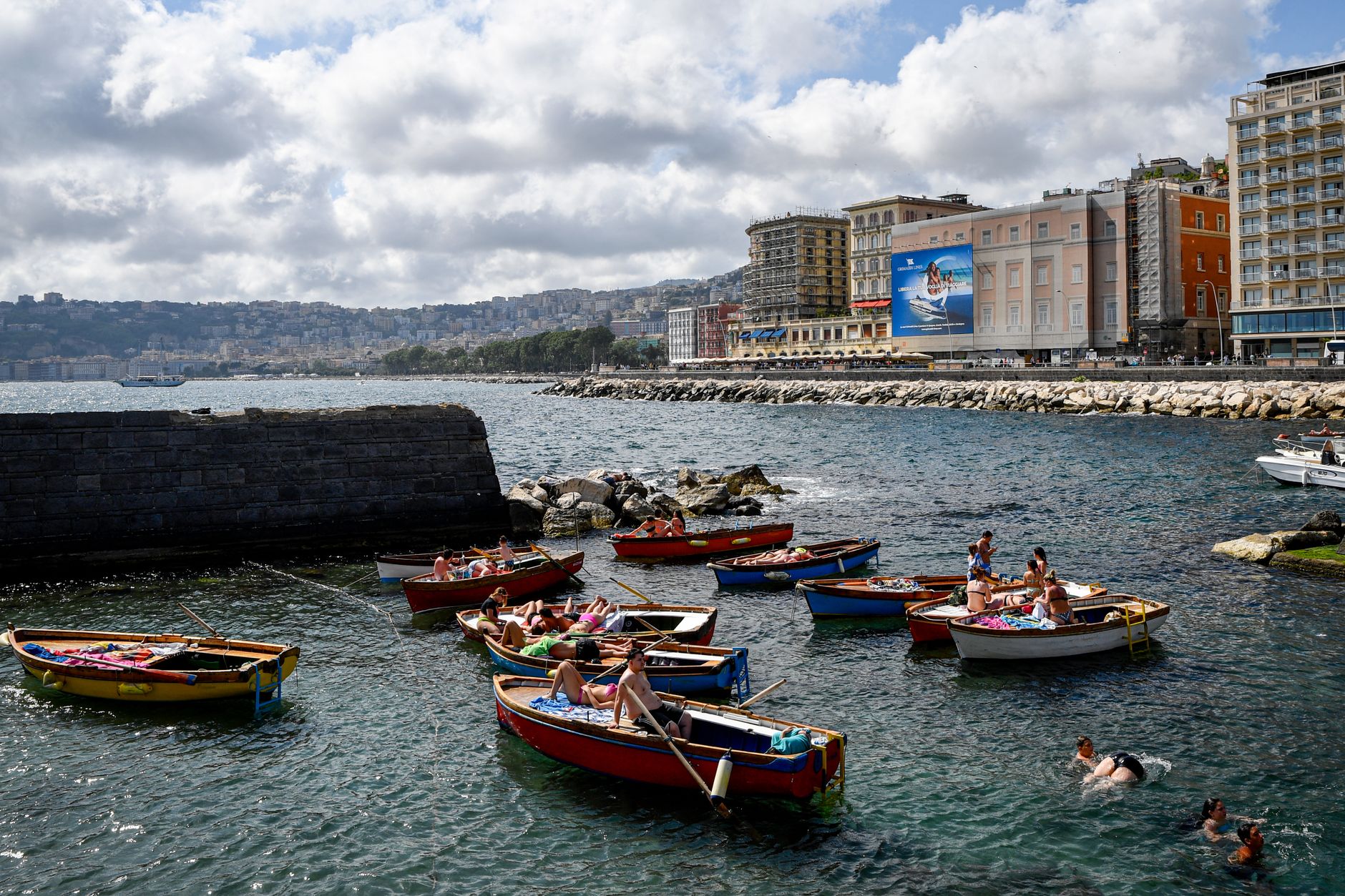
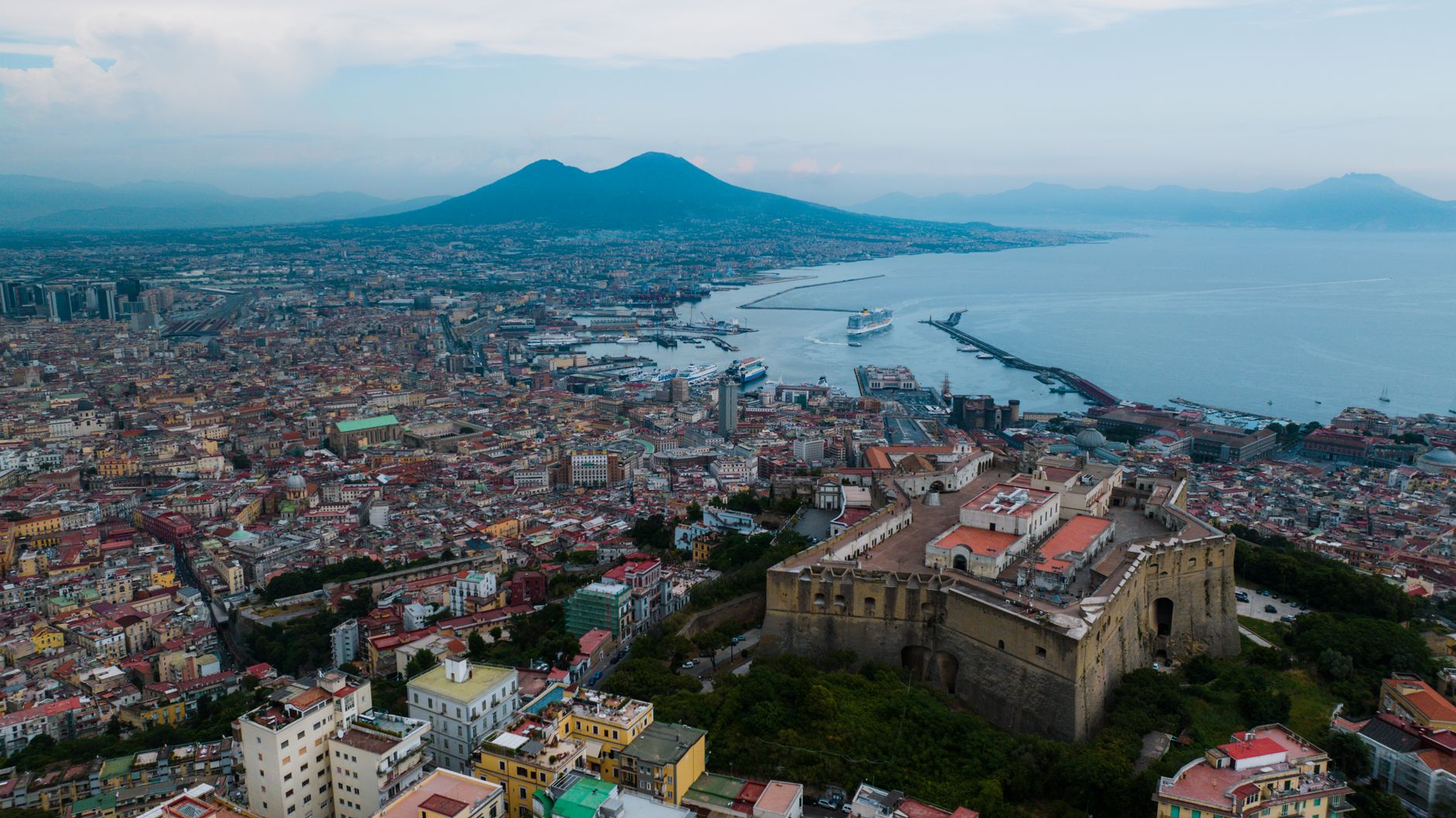
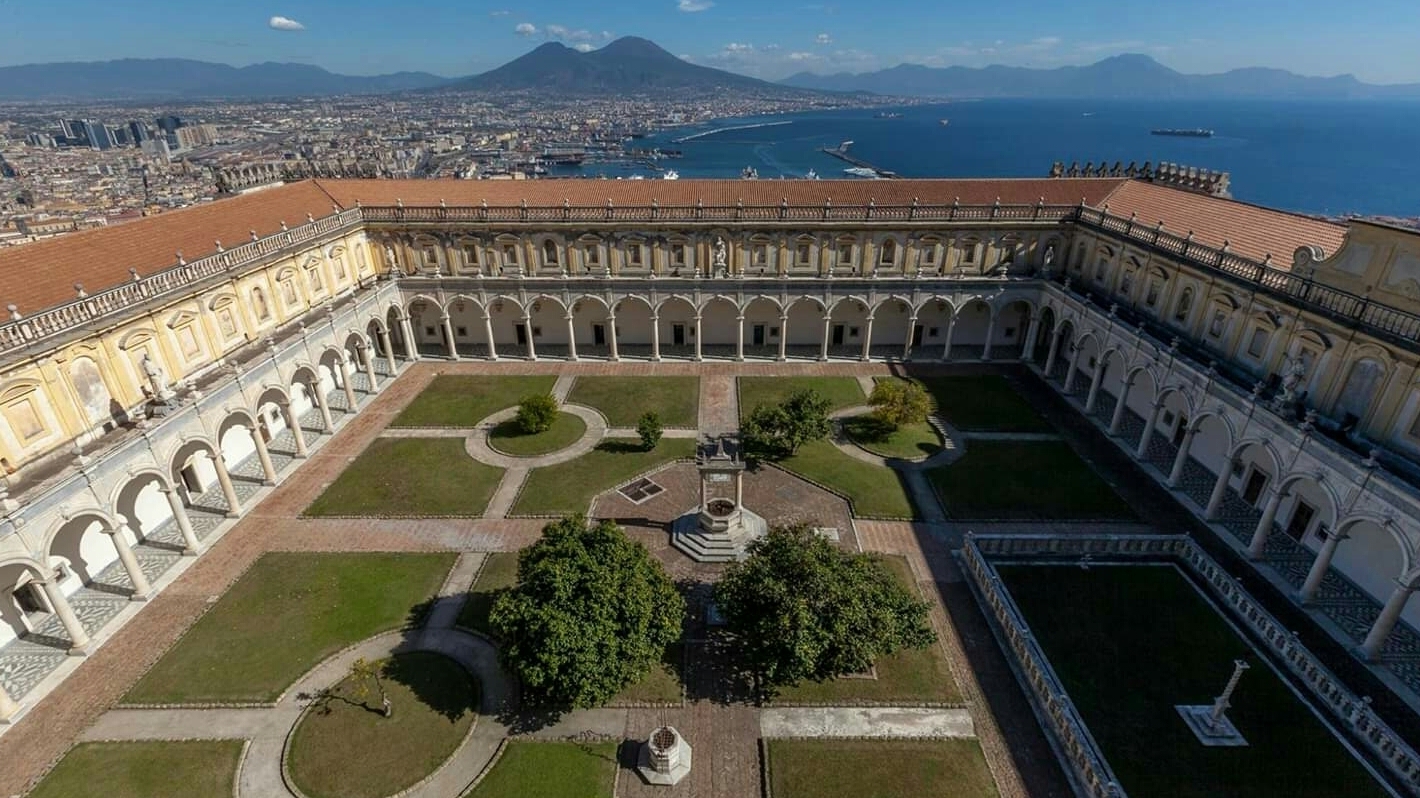
Naples is the kind of city that gets under your skin through accumulation — the smell of frying dough at a street corner, a Baroque church crammed between laundry lines, the sudden drop of a view over the bay with Vesuvius sitting there, patient and enormous, across the water. It is loud and layered and not especially interested in making things easy for you.
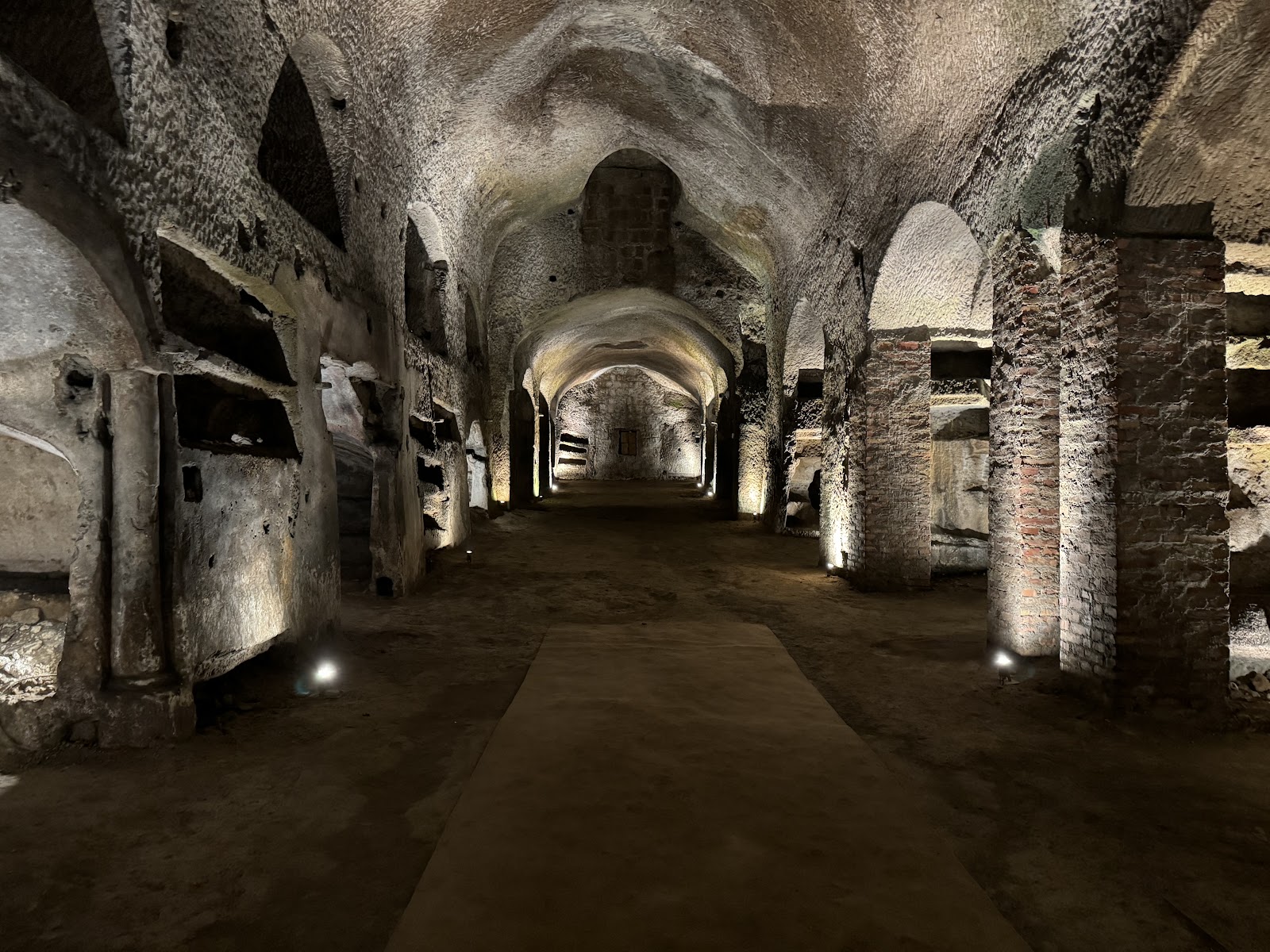
Beneath the streets, two and a half thousand years of occupation have left their mark — Greek tunnels, Roman markets, medieval fortresses, a cathedral where a crowd gathers three times a year to watch a vial of dried blood turn liquid. Naples rewards the curious and frustrates anyone in a hurry.
💛 What travellers fall for
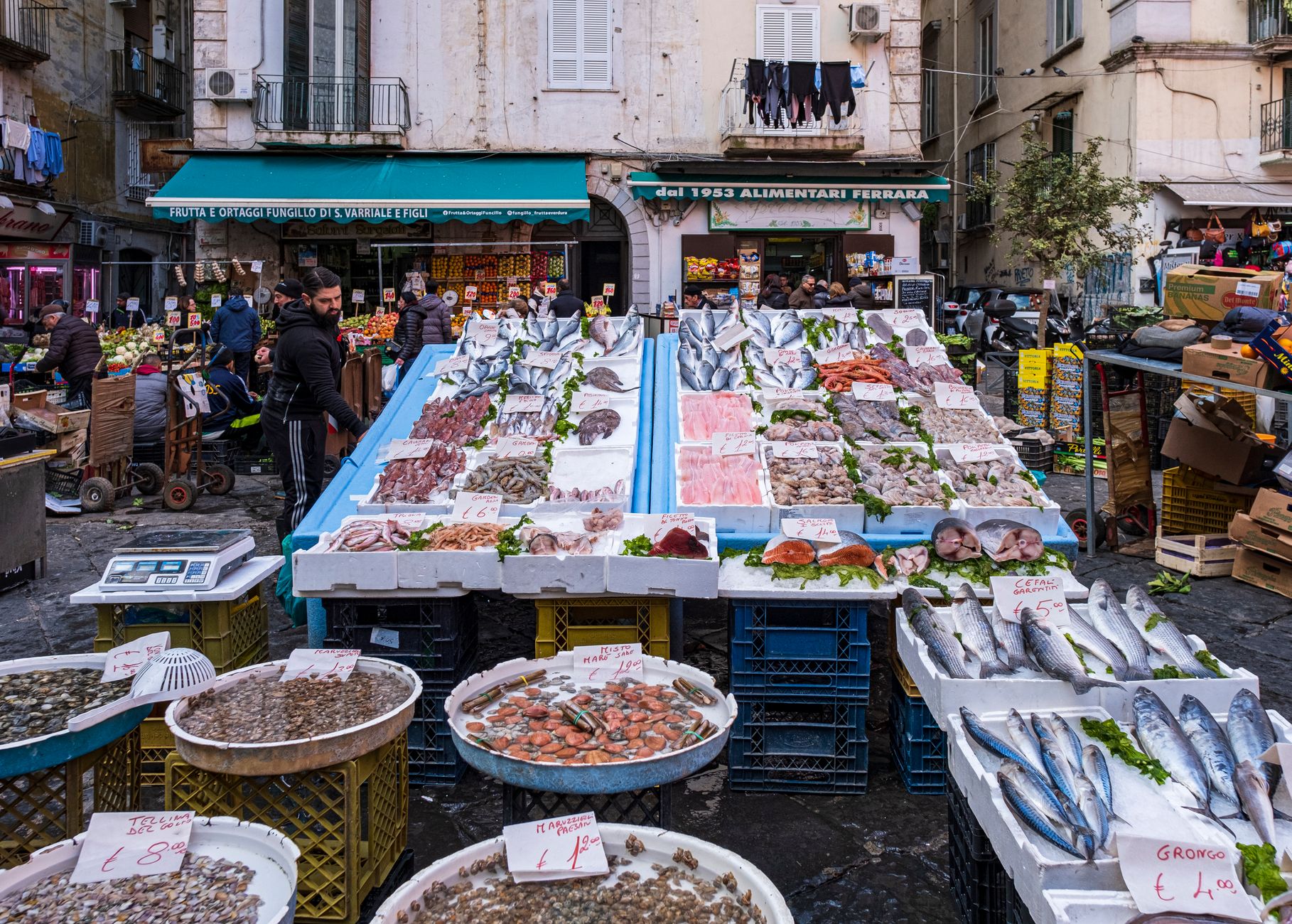
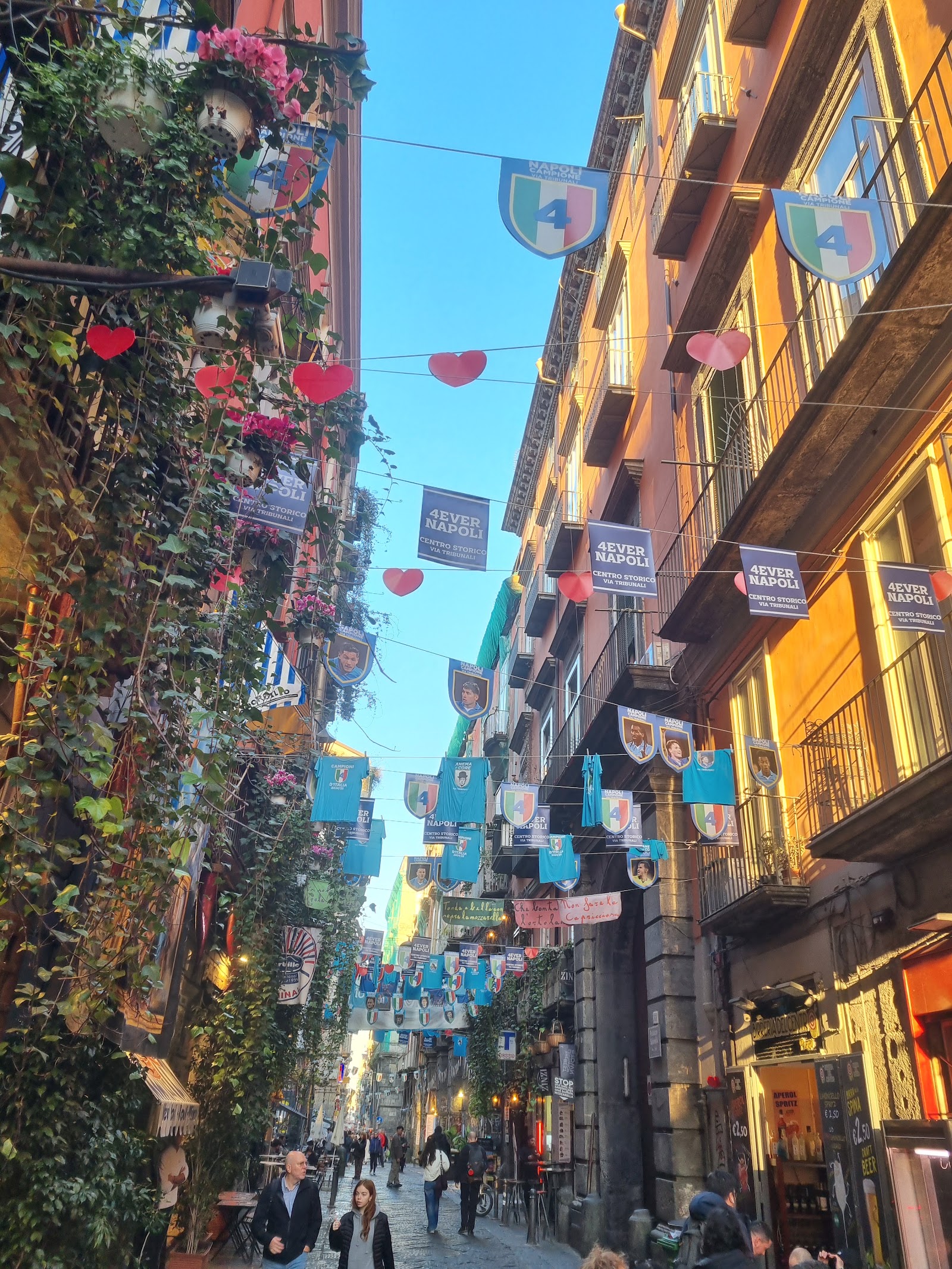
People who keep coming back tend to say the same things: go to Cappella Sansevero early, before it fills up, and stand in front of the Veiled Christ for longer than you think you need to. Eat standing up. Take a funicular to Vomero for the view, then ride back down and get lost in the Spaccanapoli district for the rest of the afternoon.
Experiences you don't want to miss




Deals in Naples
Book directly at the provider

How Naples came to be
The city began as Neapolis — 'New City' — around 600 BCE, planted by Greek settlers who had already established themselves on the island of Ischia and at Cumae nearby. Rome absorbed it in 326 BCE, but Naples kept its Greek character long enough to attract Virgil, who found the cultural atmosphere congenial. By the 13th century it had passed through Norman hands; Frederick II Hohenstaufen founded its university in 1224, treating the city as an intellectual capital.
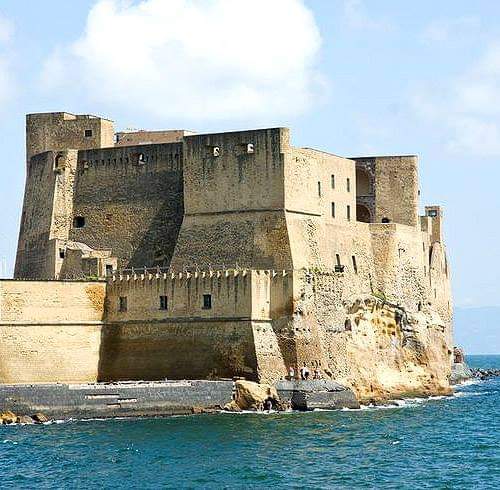
Charles of Anjou arrived in 1266, shifted the seat of power from Palermo to Naples, and moved into Castel Nuovo. By 1600 the city held roughly 300,000 people — the largest in Europe. The Bourbons took over in 1734 and held on until 1860, when Naples voted to join a unified Italy. In late September 1943, with Allied forces closing in, Neapolitans rose against the Nazi occupation themselves and drove them out over four days — a fact the city has not forgotten.
Who and what shaped it
People who shaped it
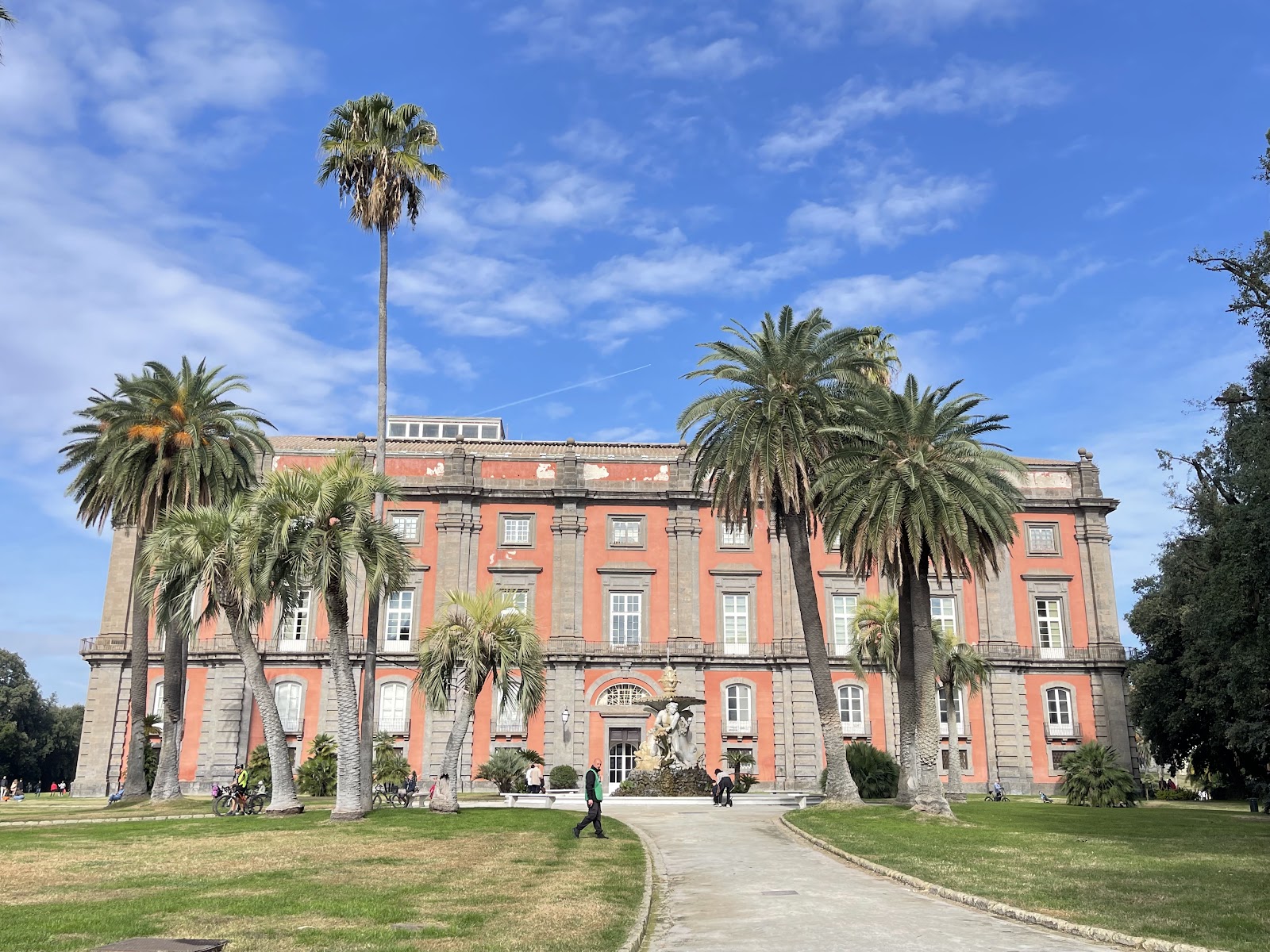
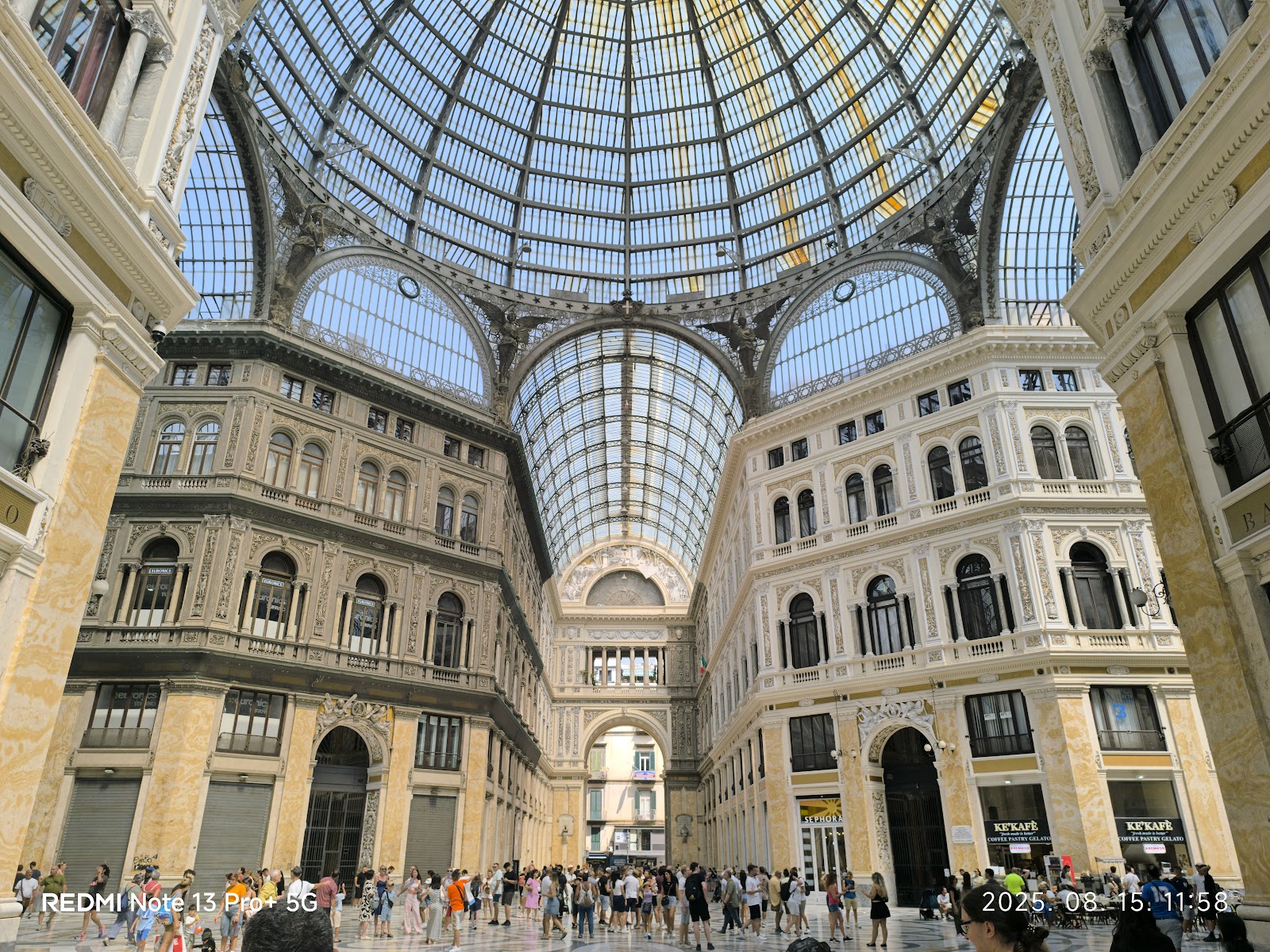
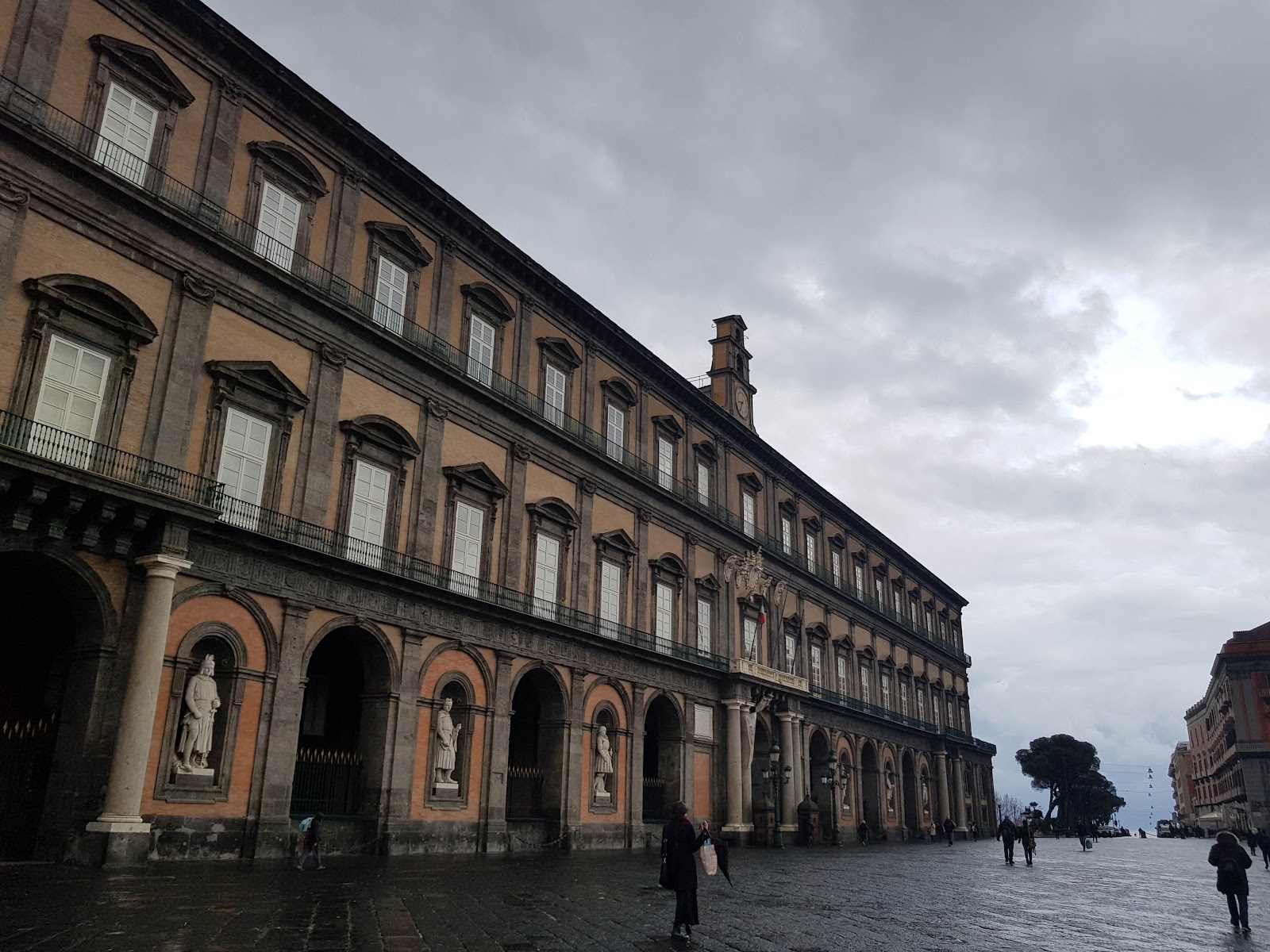
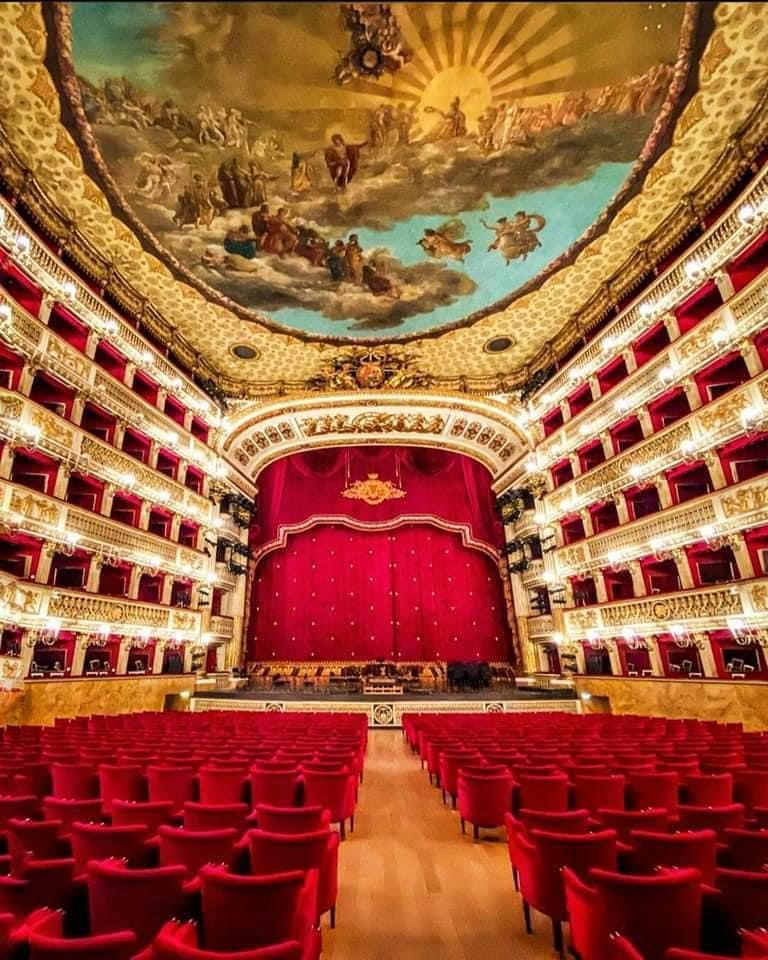
Landmark buildings
See Naples in motion
Plan your visit
On the map
When to go
Summers are hot and humid, with temperatures regularly climbing above 30°C; the city empties somewhat in August. Spring (April–May) and autumn (September–October) bring mild days and manageable crowds. Winters are cool and occasionally wet but rarely severe.
Right now
↡ Attractions



Background & history adapted from Wikipedia (CC BY-SA) · specs from Wikidata (CC0) · weather from Open-Meteo · map data © OpenStreetMap contributors · photos from Wikimedia Commons / Unsplash with per-image credit. No third-party reviews or social posts reproduced.