
Venice
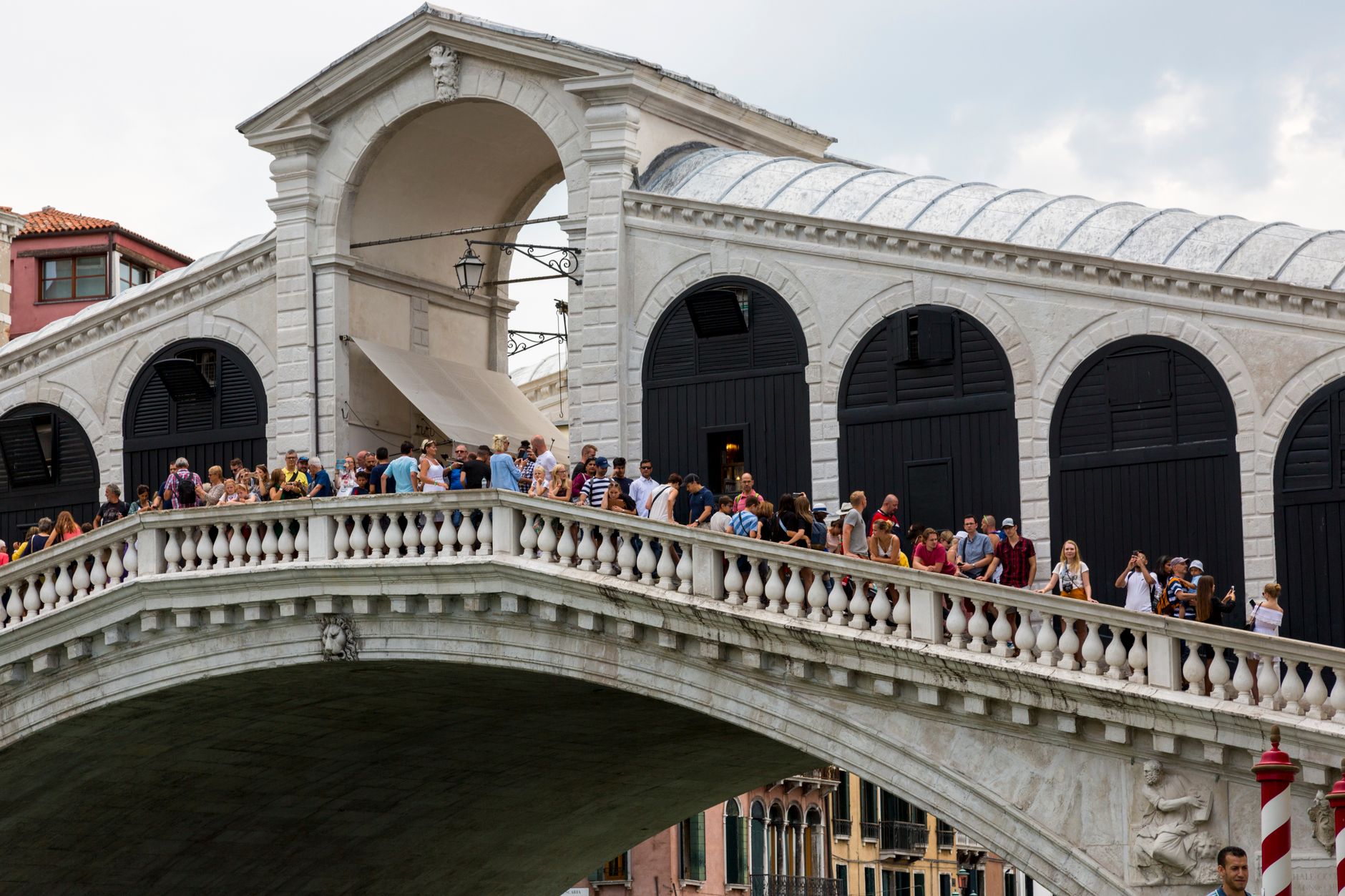
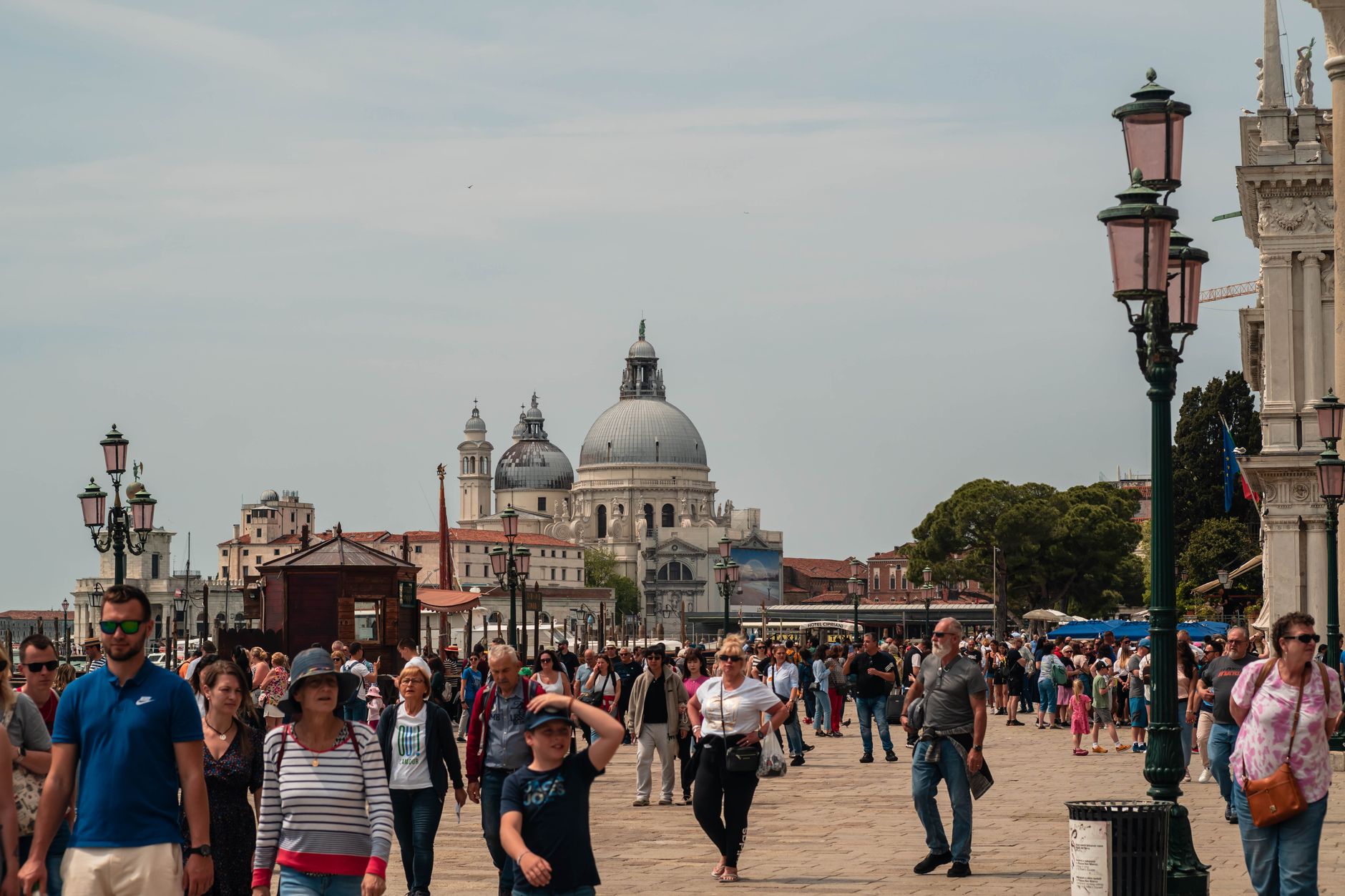
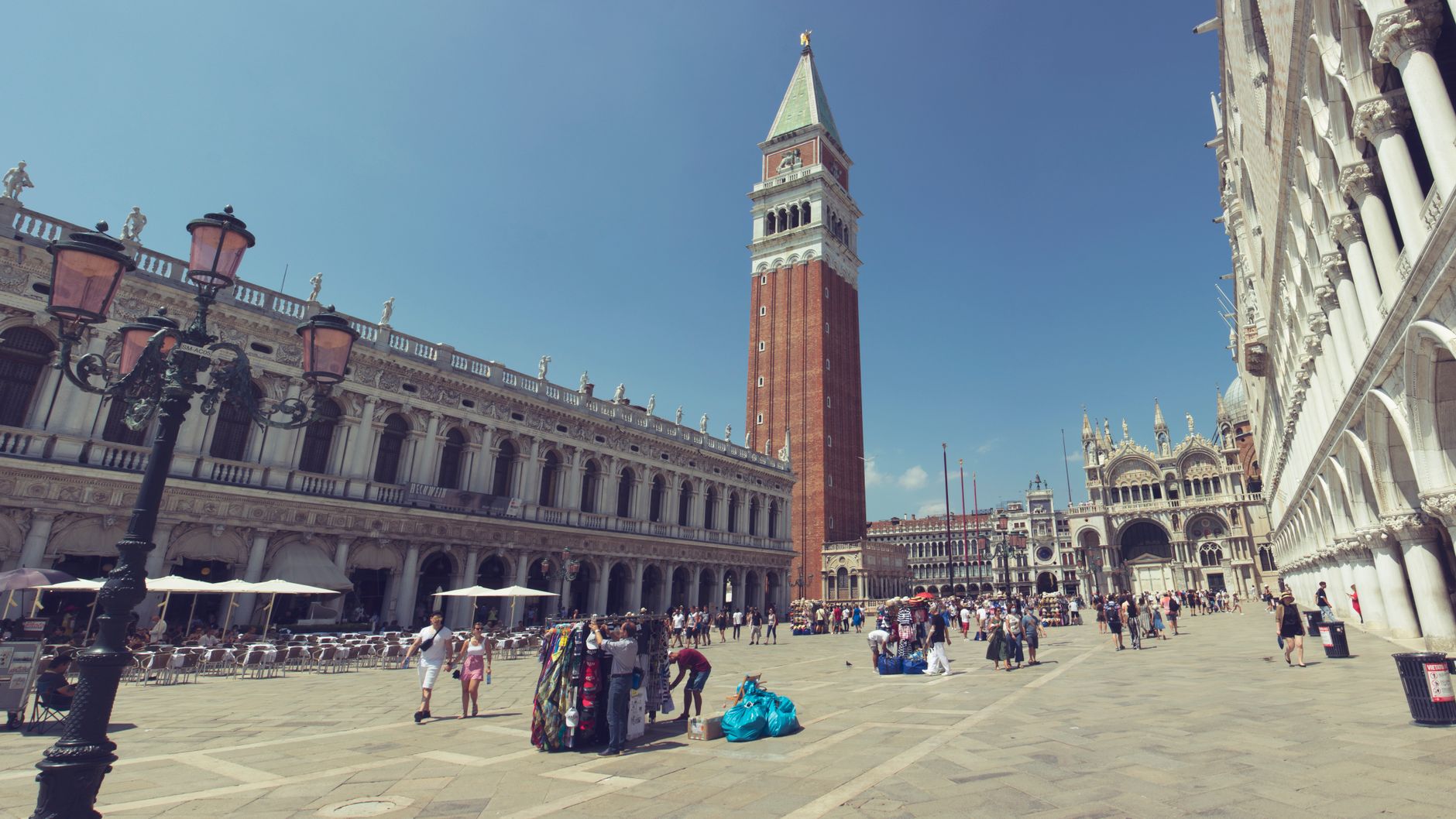
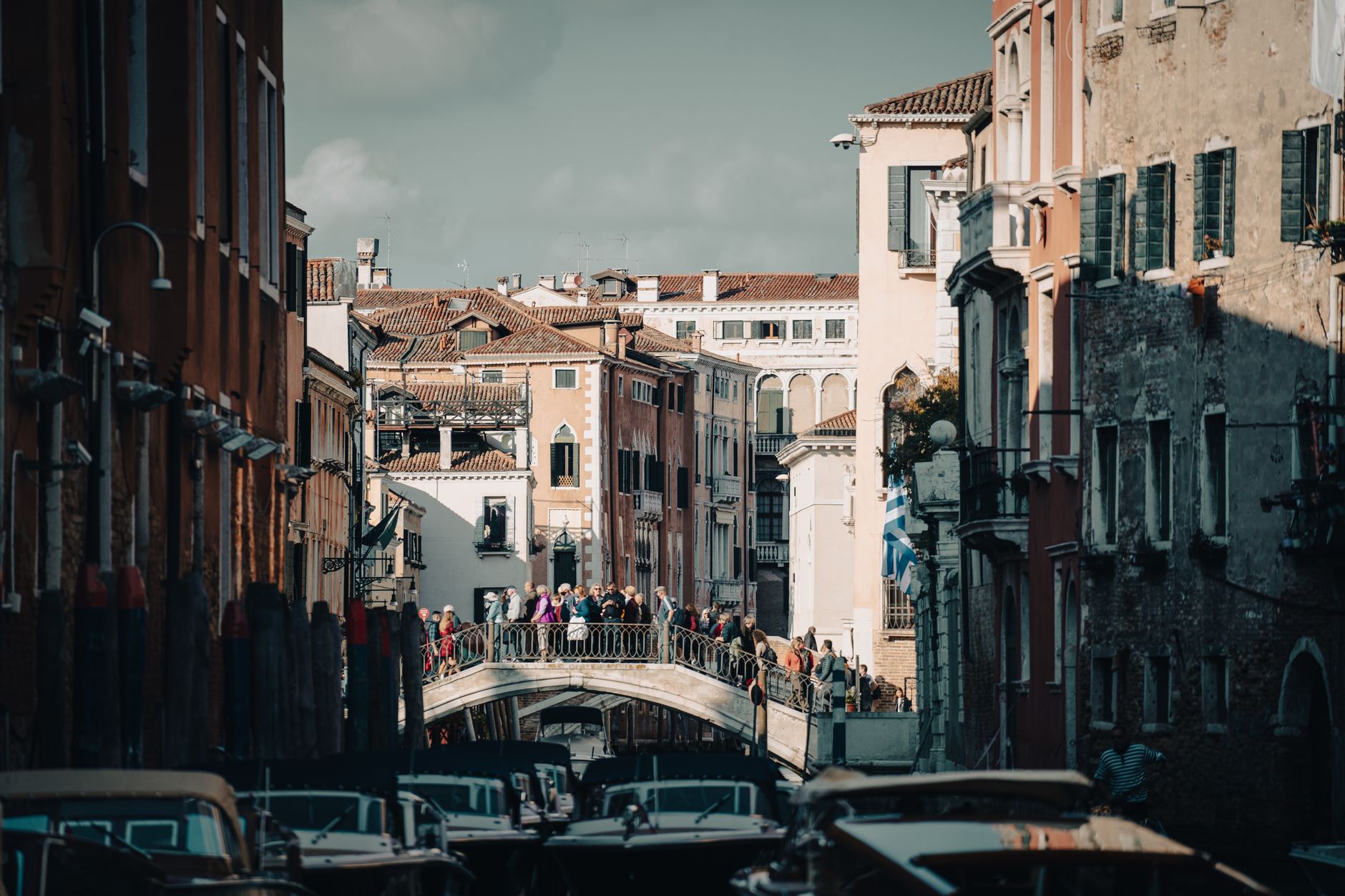
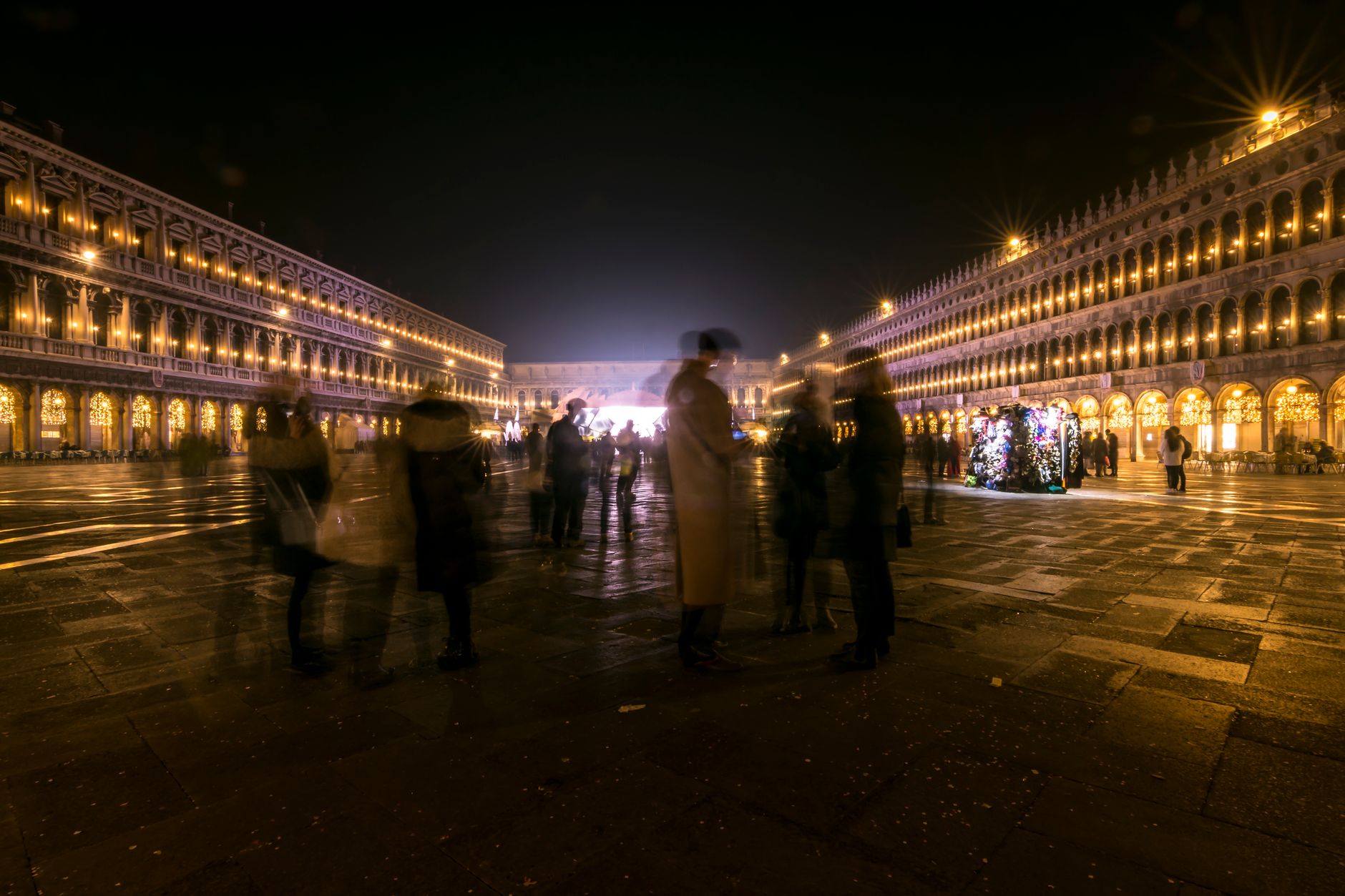
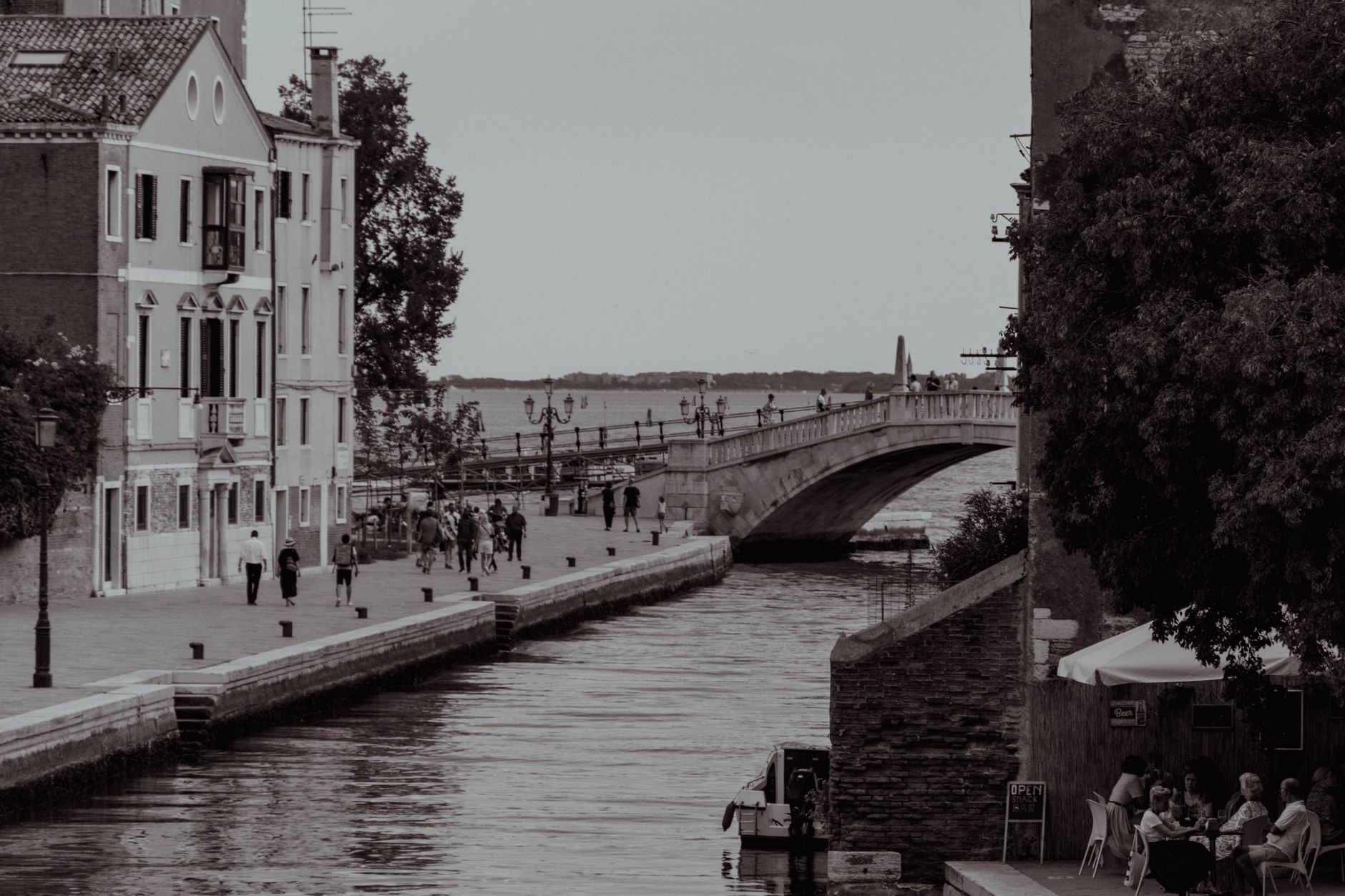
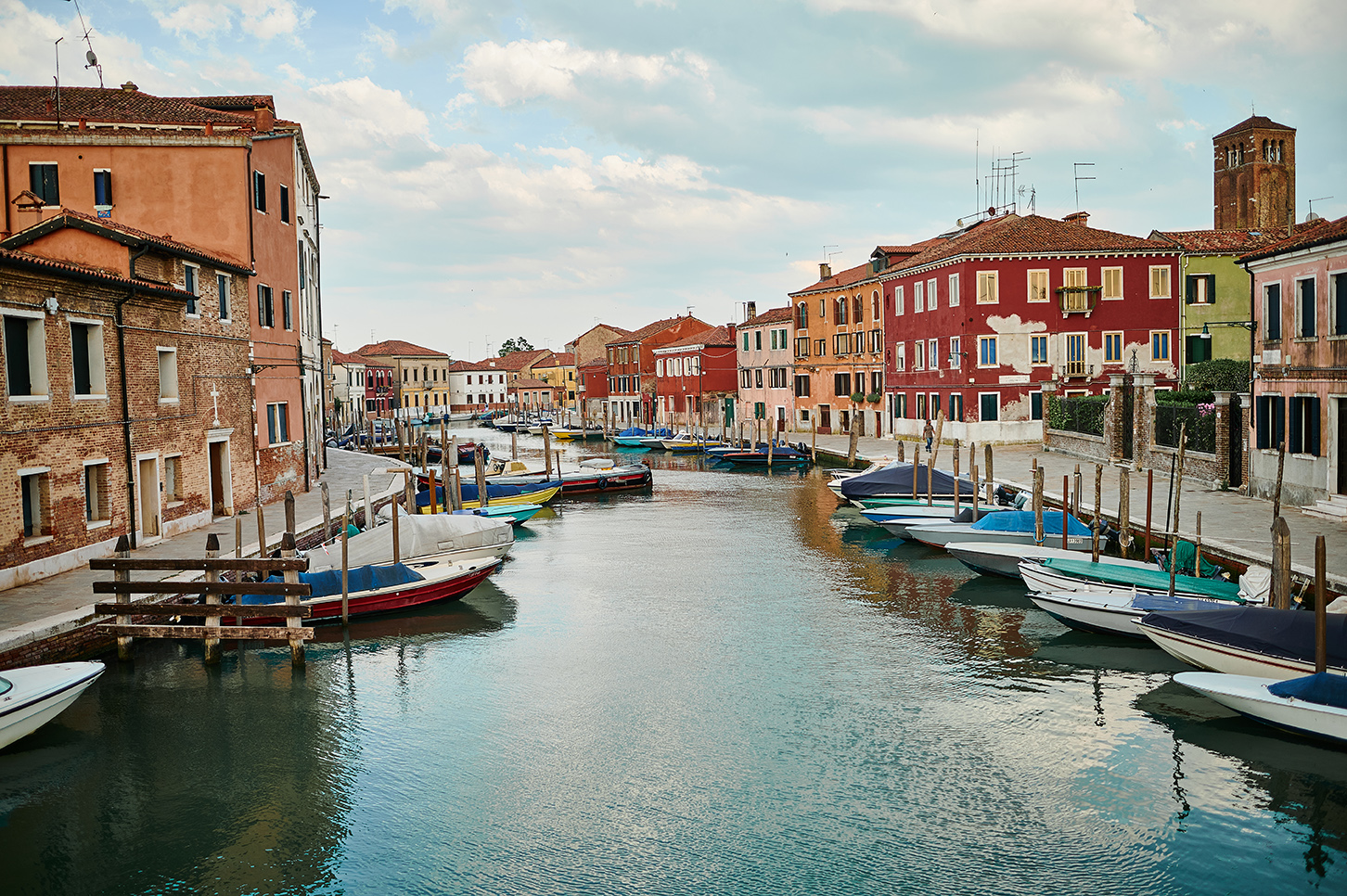
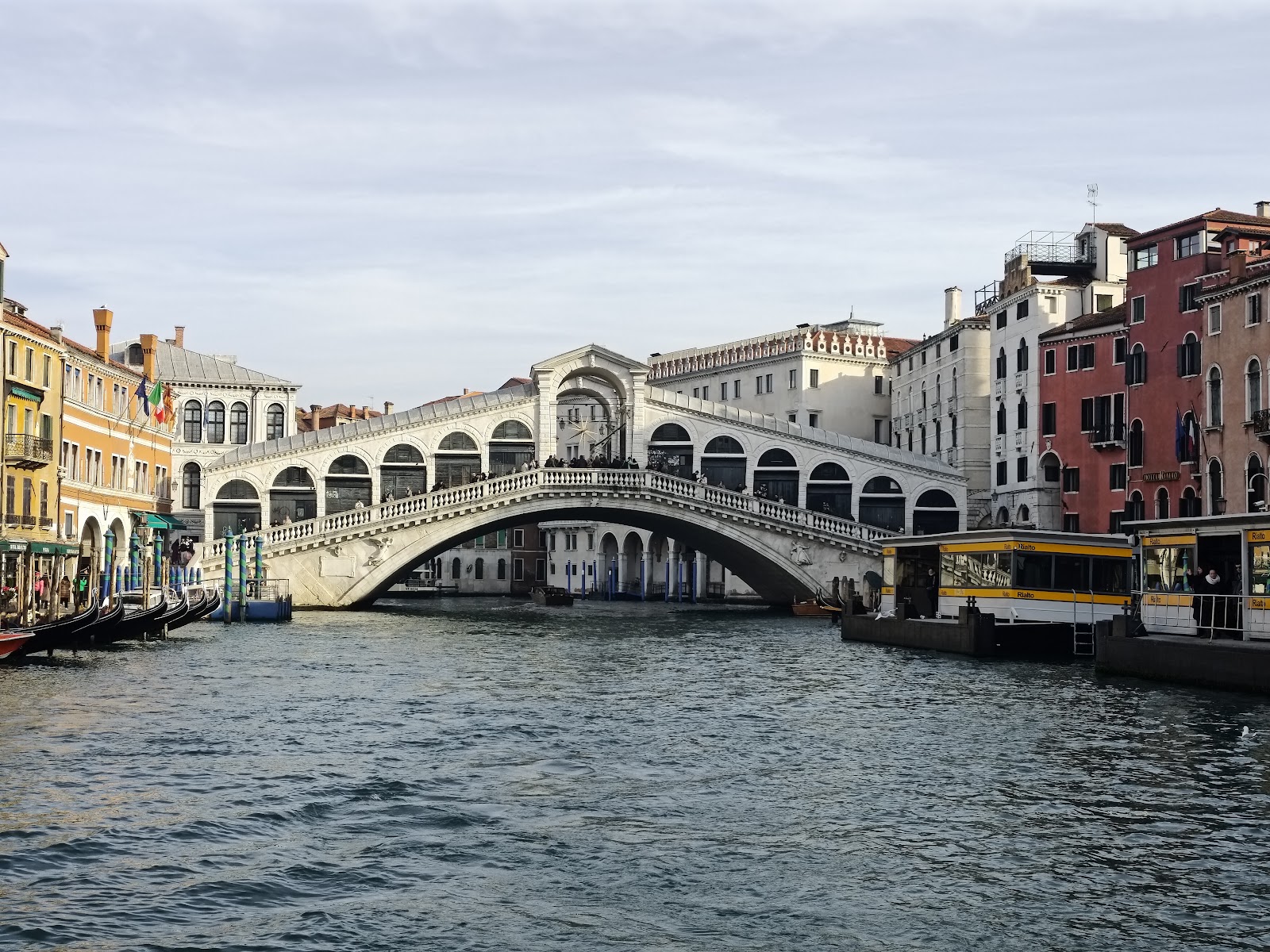
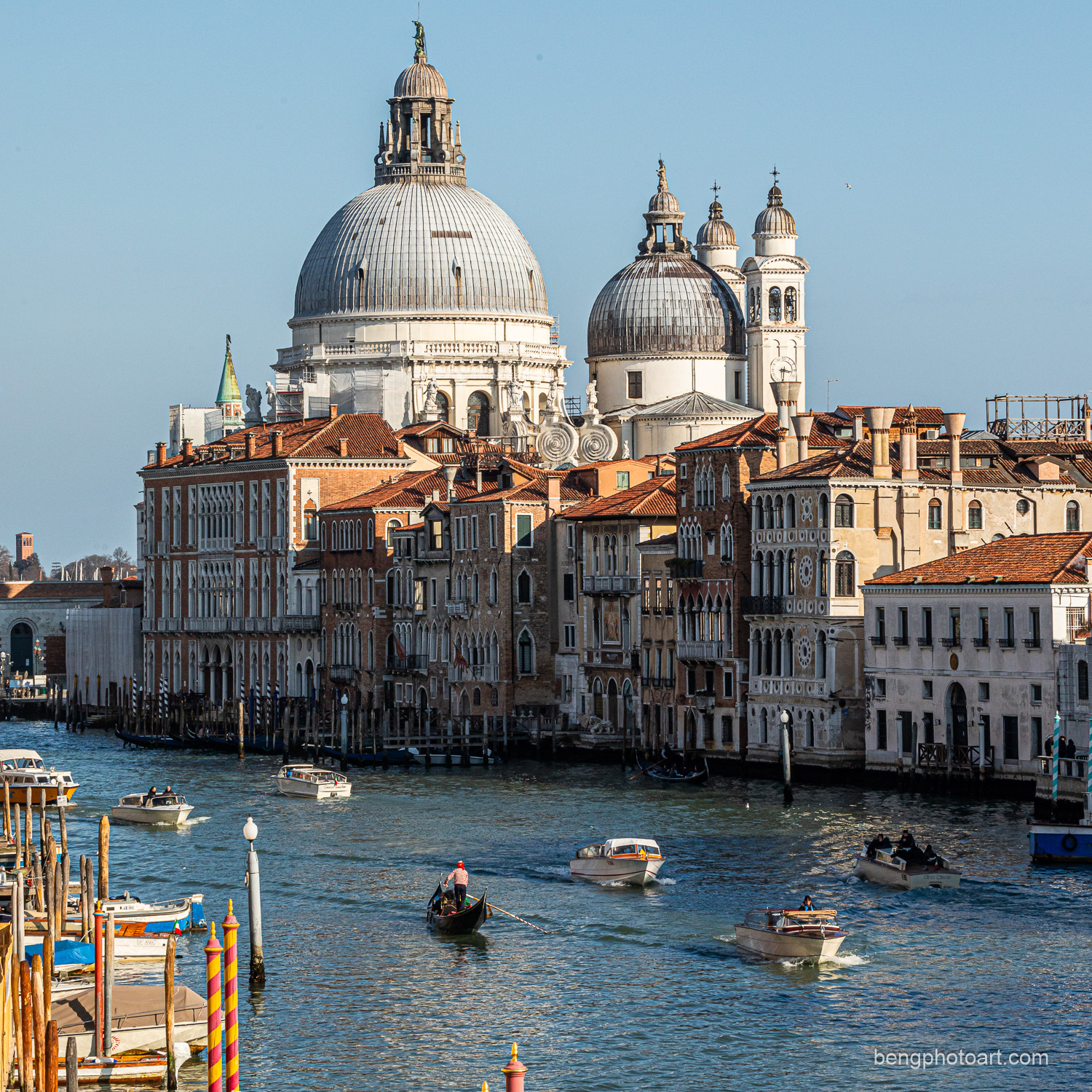
Venice sits in a lagoon in the northern Adriatic, built on a cluster of islands connected by roughly 400 bridges, and the first thing you notice is the silence where traffic noise should be. No cars. Water slaps against stone foundations. A vaporetto churns past a Gothic palazzo whose ground floor has been slowly drowning for six centuries.
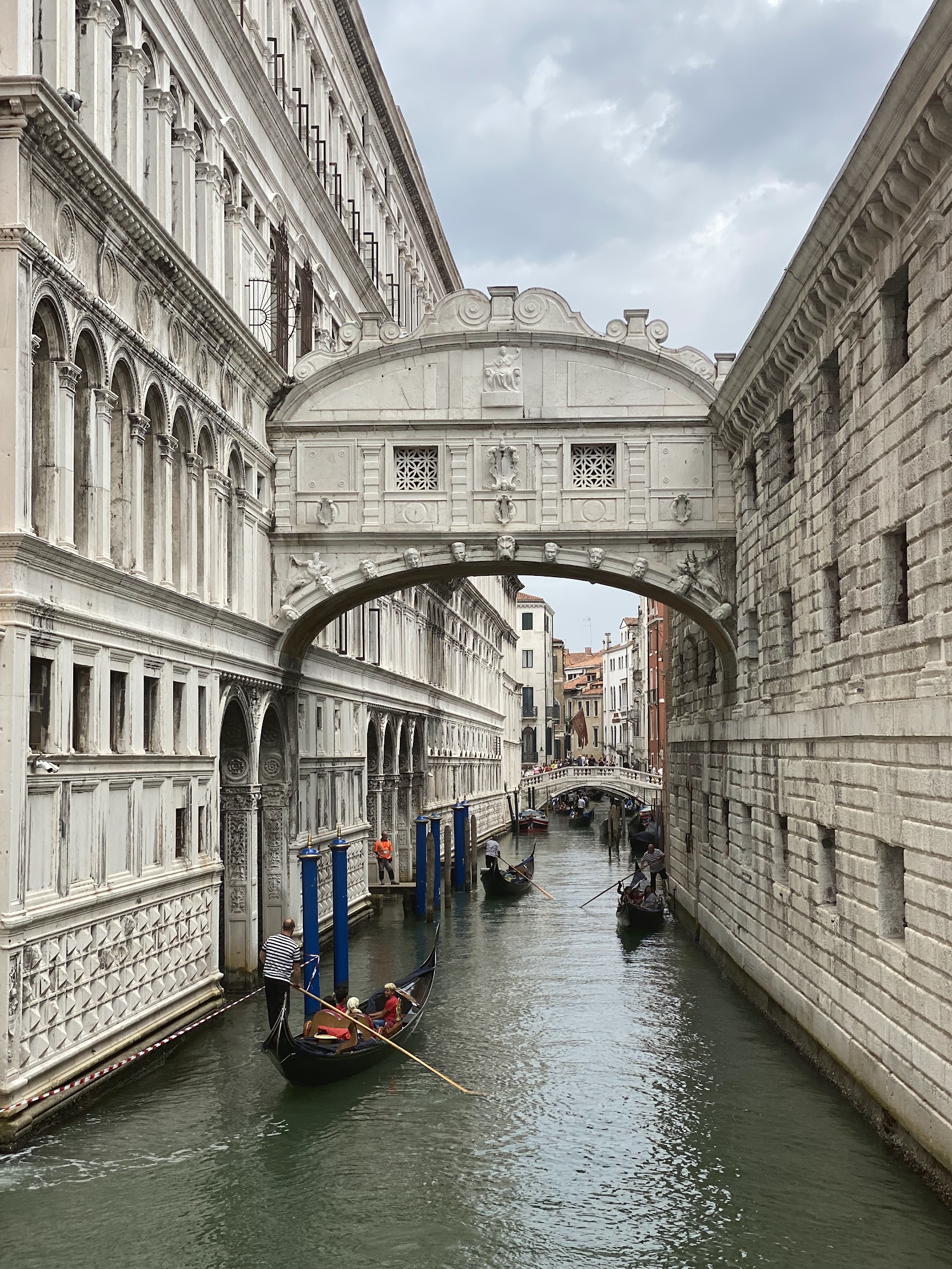
The city was never meant to last this long, and yet here it is — 118 islands, 177 canals, and the bones of a republic that ran unbroken for over a thousand years before Napoleon shut it down in 1797. Walking it requires getting lost on purpose.
💛 What travellers fall for
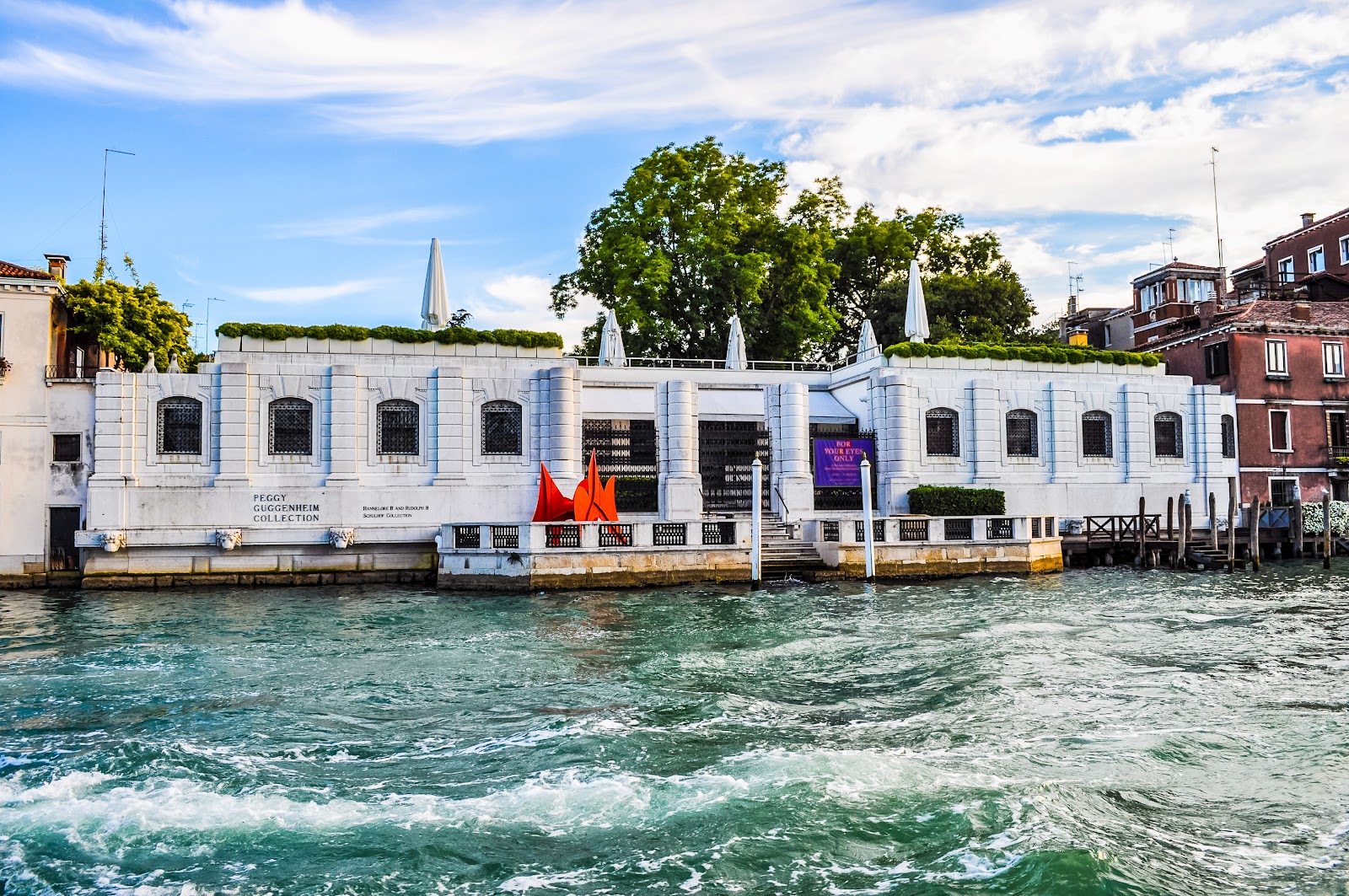
People who keep coming back tend to agree: get off the main tourist corridor between the station and San Marco as fast as you can. The vaporetto Line 1 down the Grand Canal is worth doing once, slowly, in daylight — the buildings lining it date from the 13th to the 18th century and nothing prepares you for the scale. After that, walk.
Experiences you don't want to miss




Deals in Venice
Book directly at the provider


How Venice came to be
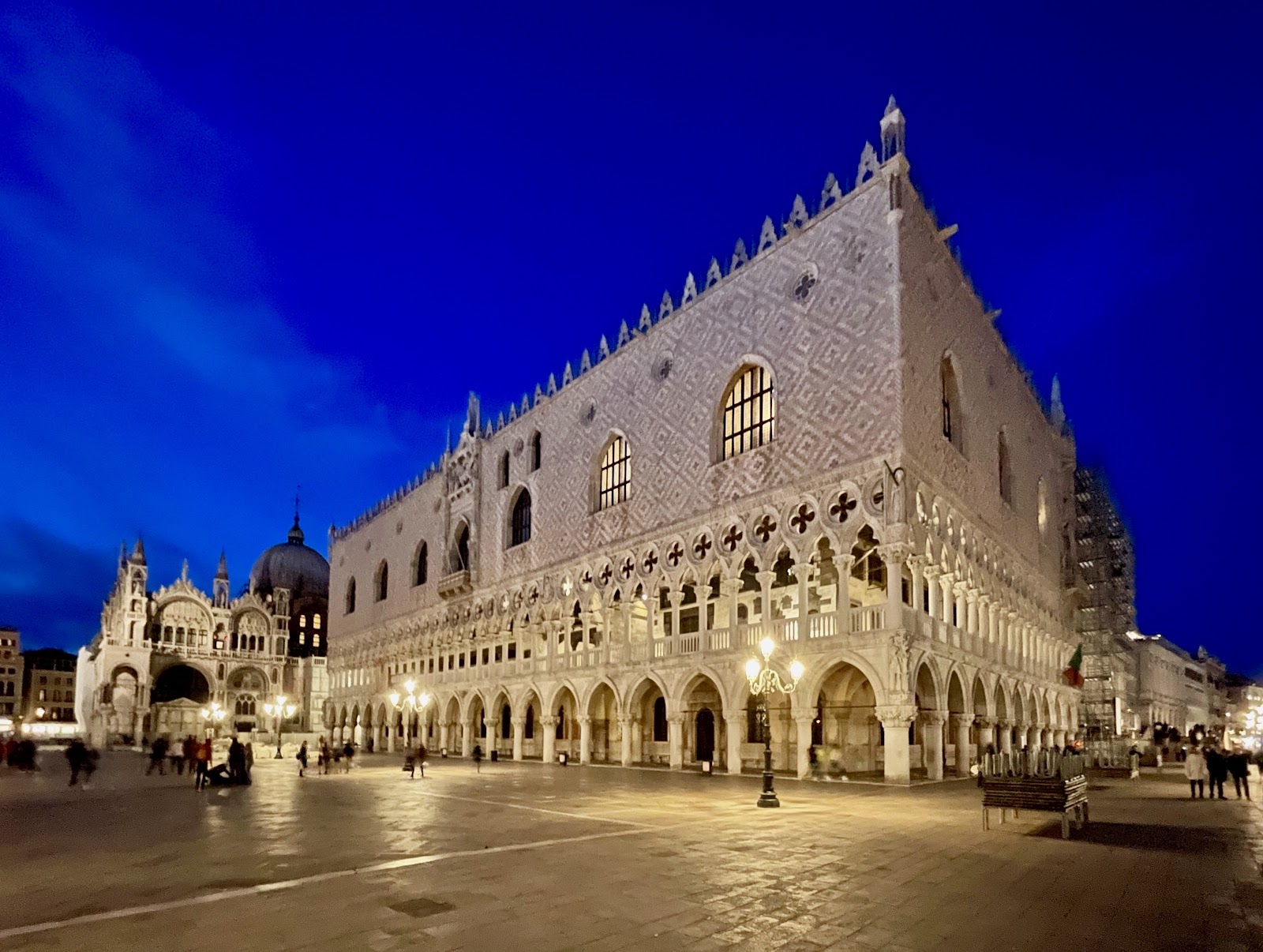
The tidy founding legend — noon, Friday, 25 March, AD 421 — turns out to be a medieval invention with no historical basis. The real story is messier and more interesting: waves of refugees fleeing first Attila the Hun in 453, then the Lombard invasion of 568, gradually built a permanent community on the lagoon islands. By 726 they were electing their own leader, the doge, and by the early 9th century the seat of government had moved to the safer central islands of the Rialto.
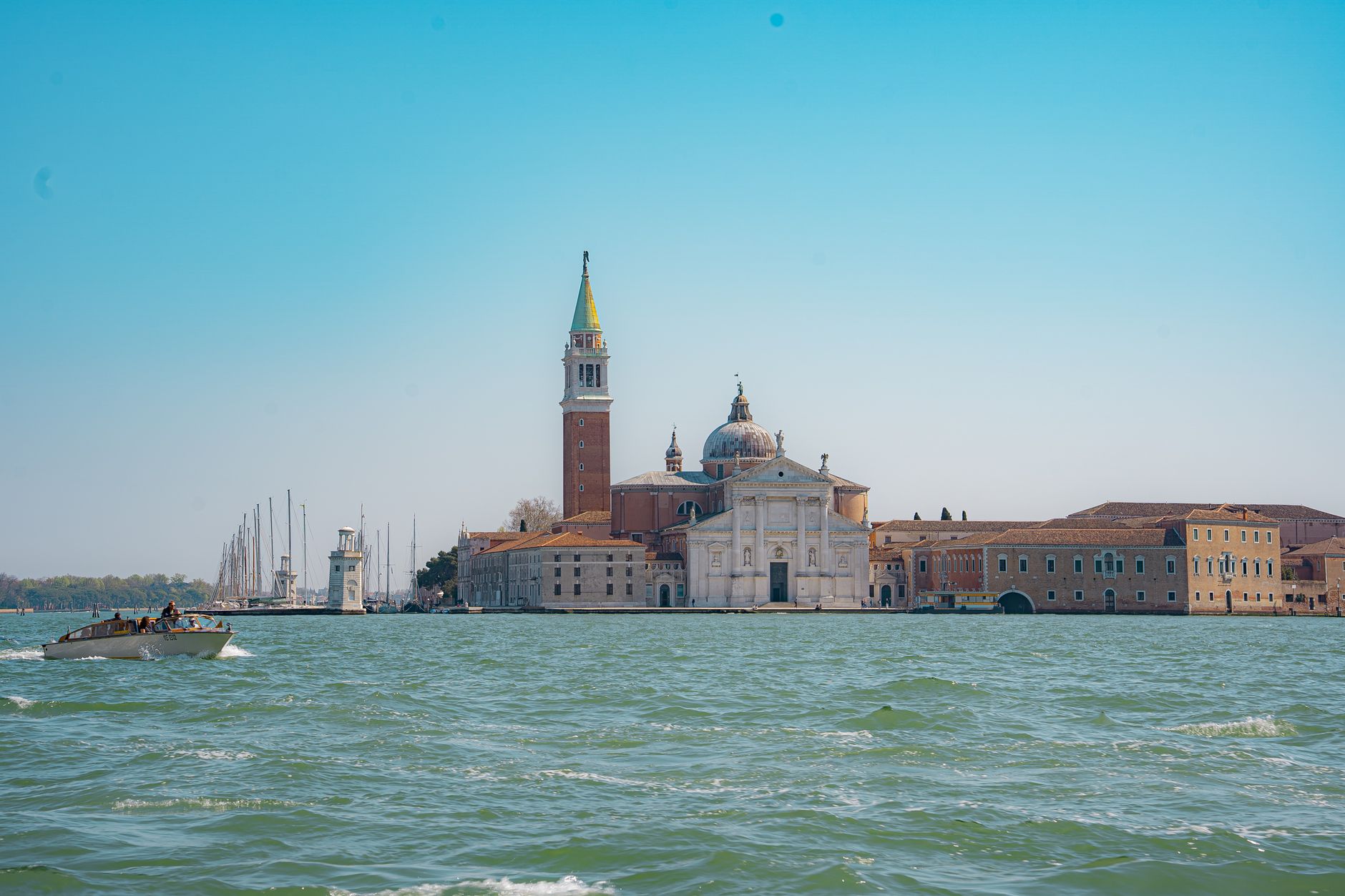
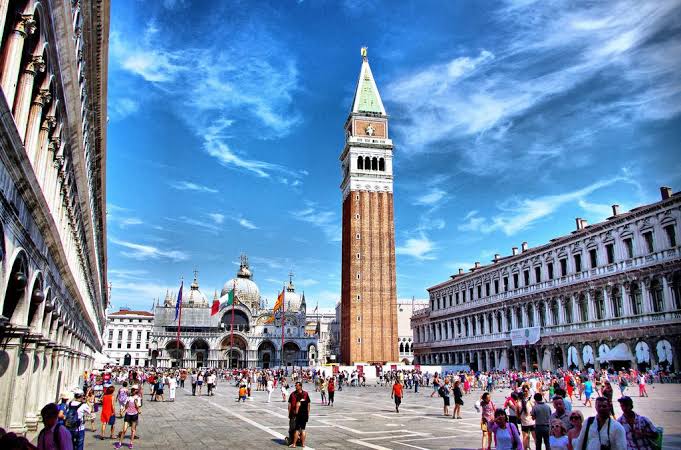
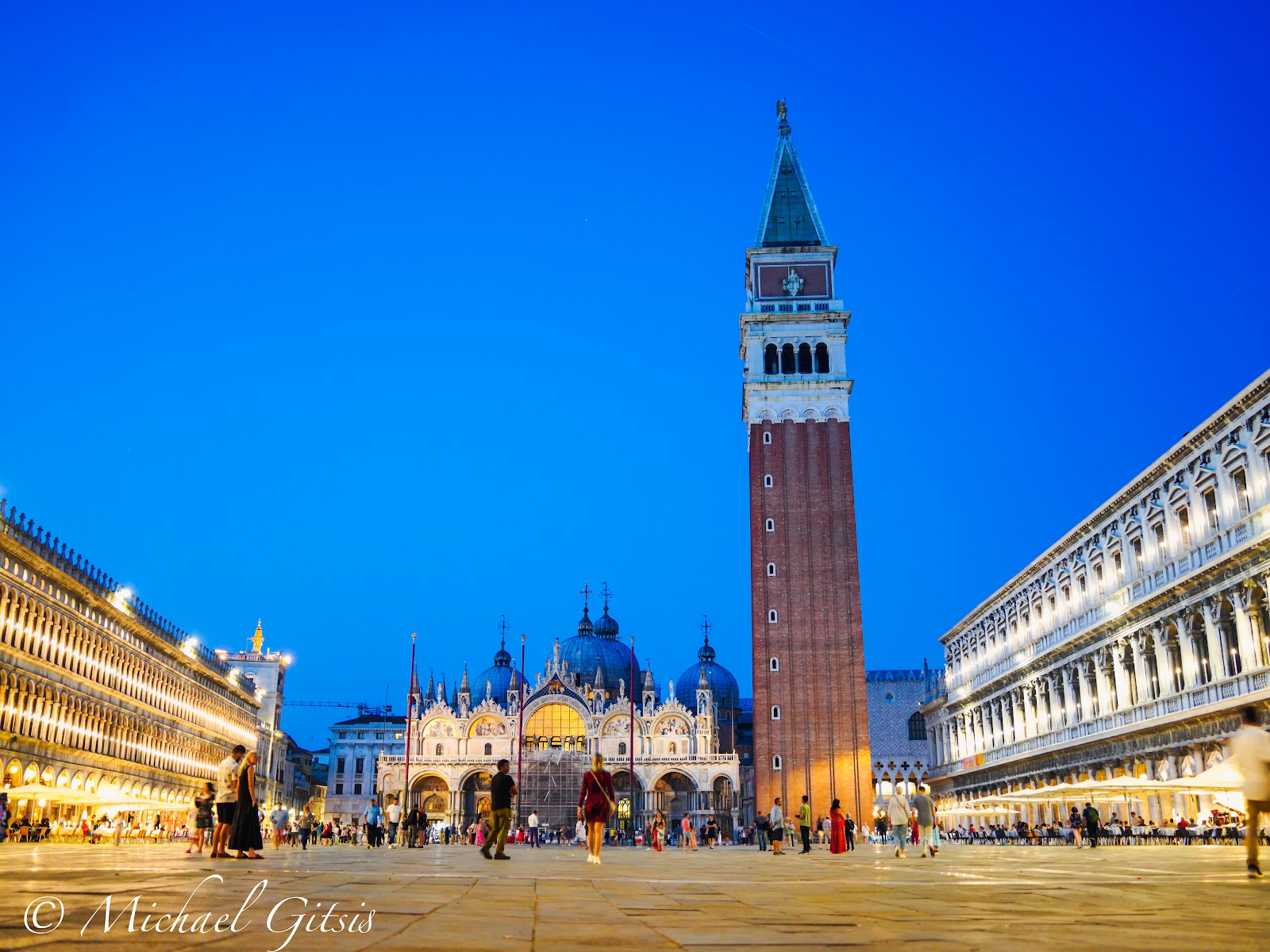
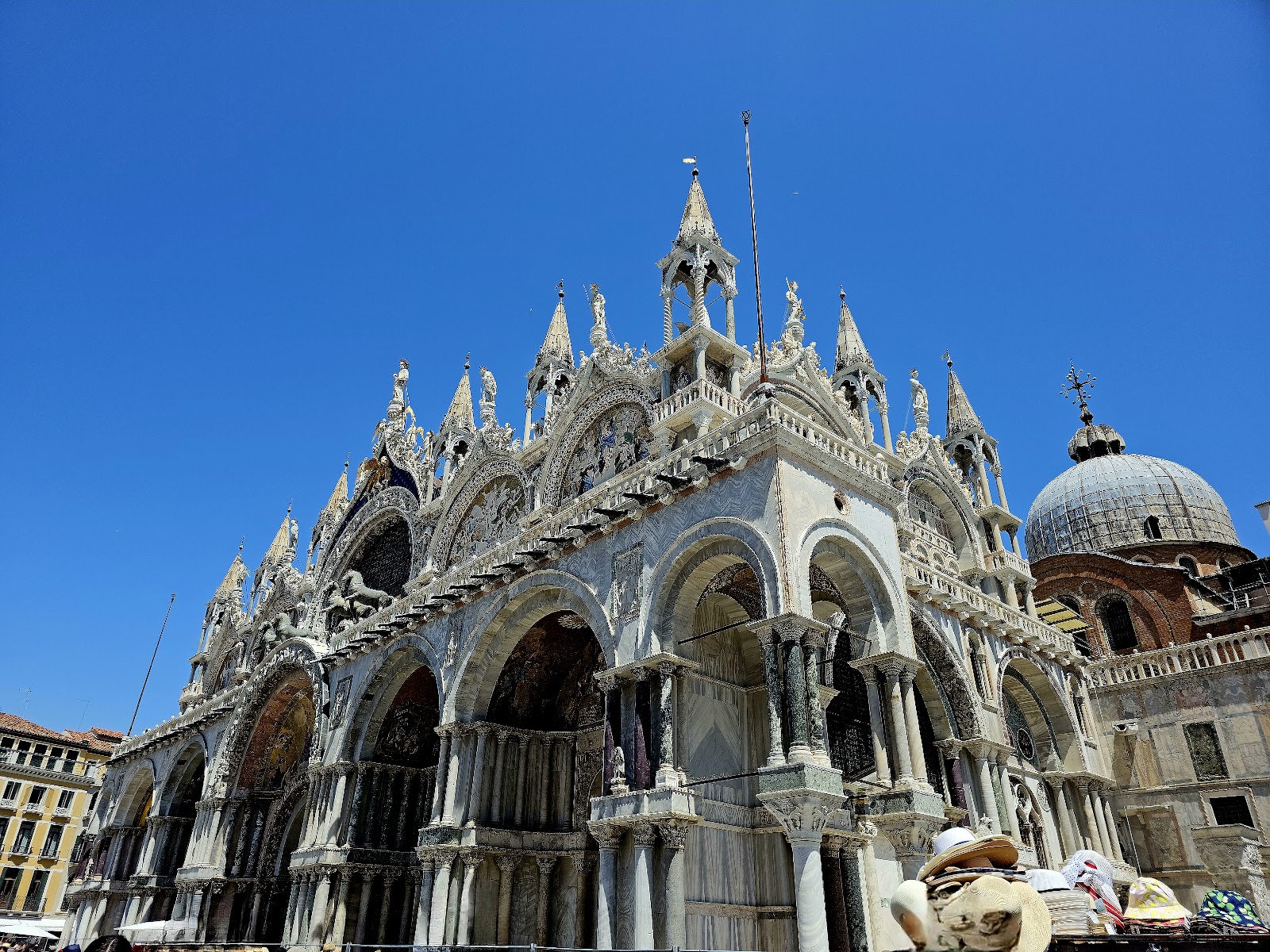
In 828, two Venetian merchants smuggled the body of St Mark out of Alexandria, and a church to house the relics was completed by 836 — the origin of the basilica that still dominates the square. The republic's high-water mark came in 1204, when Doge Enrico Dandolo redirected a Crusade to sack Constantinople, returning with bronze horses that still stand (in replica) above the basilica's entrance. The republic endured until 1797, when Napoleon dissolved it after more than a thousand years and 117 doges.
Who and what shaped it
People who shaped it
Landmark buildings
See Venice in motion
Plan your visit
On the map
When to go
Summers are warm and humid, and the city is at its most crowded from June through August. Spring and autumn are mild and manageable; winter brings acqua alta — periodic flooding of the lower streets — and a particular low-light quality that photographers and painters have been chasing for centuries.
Right now
↡ Attractions
Background & history adapted from Wikipedia (CC BY-SA) · specs from Wikidata (CC0) · weather from Open-Meteo · map data © OpenStreetMap contributors · photos from Wikimedia Commons / Unsplash with per-image credit. No third-party reviews or social posts reproduced.