
Las Terrenas
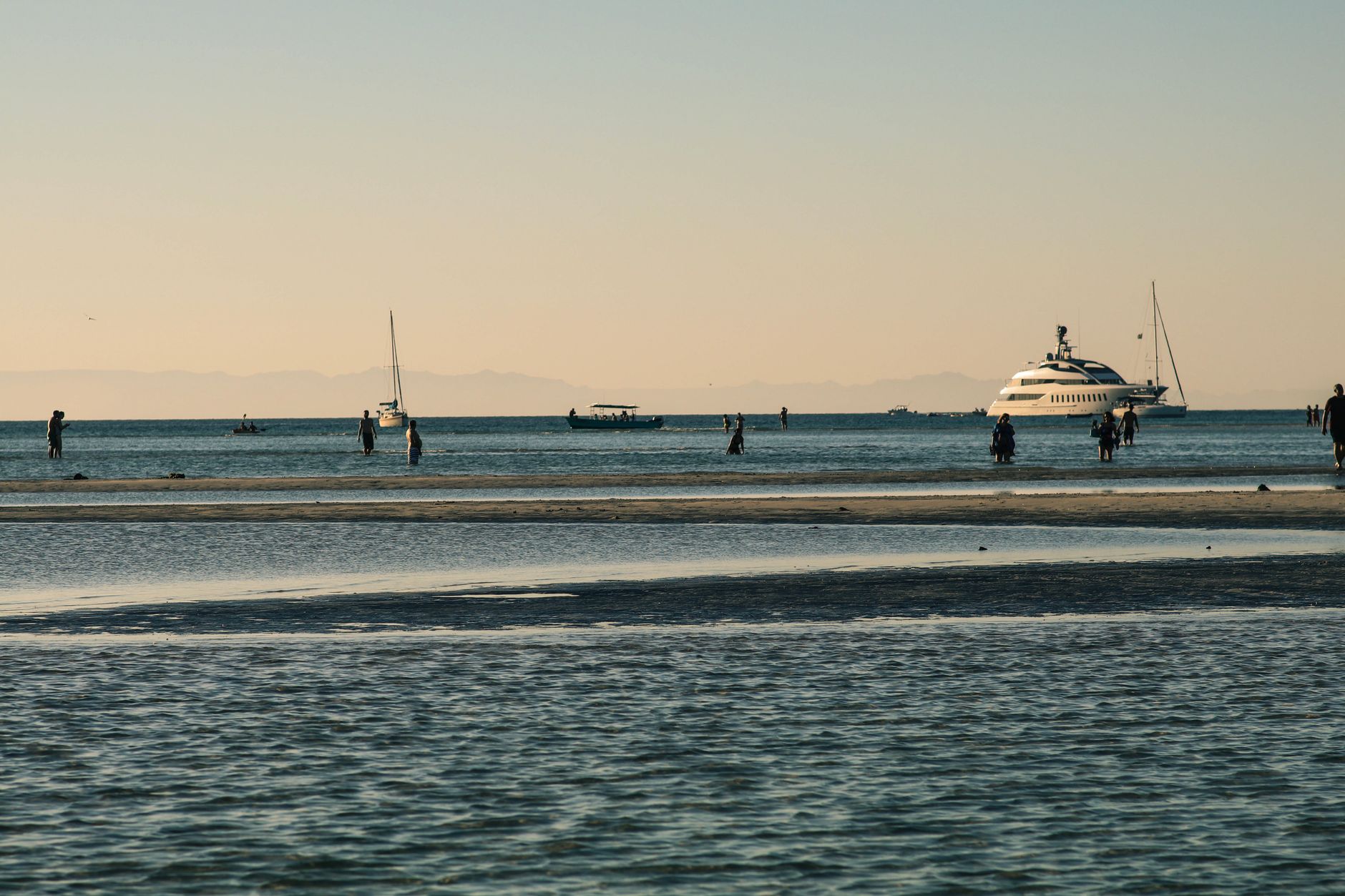
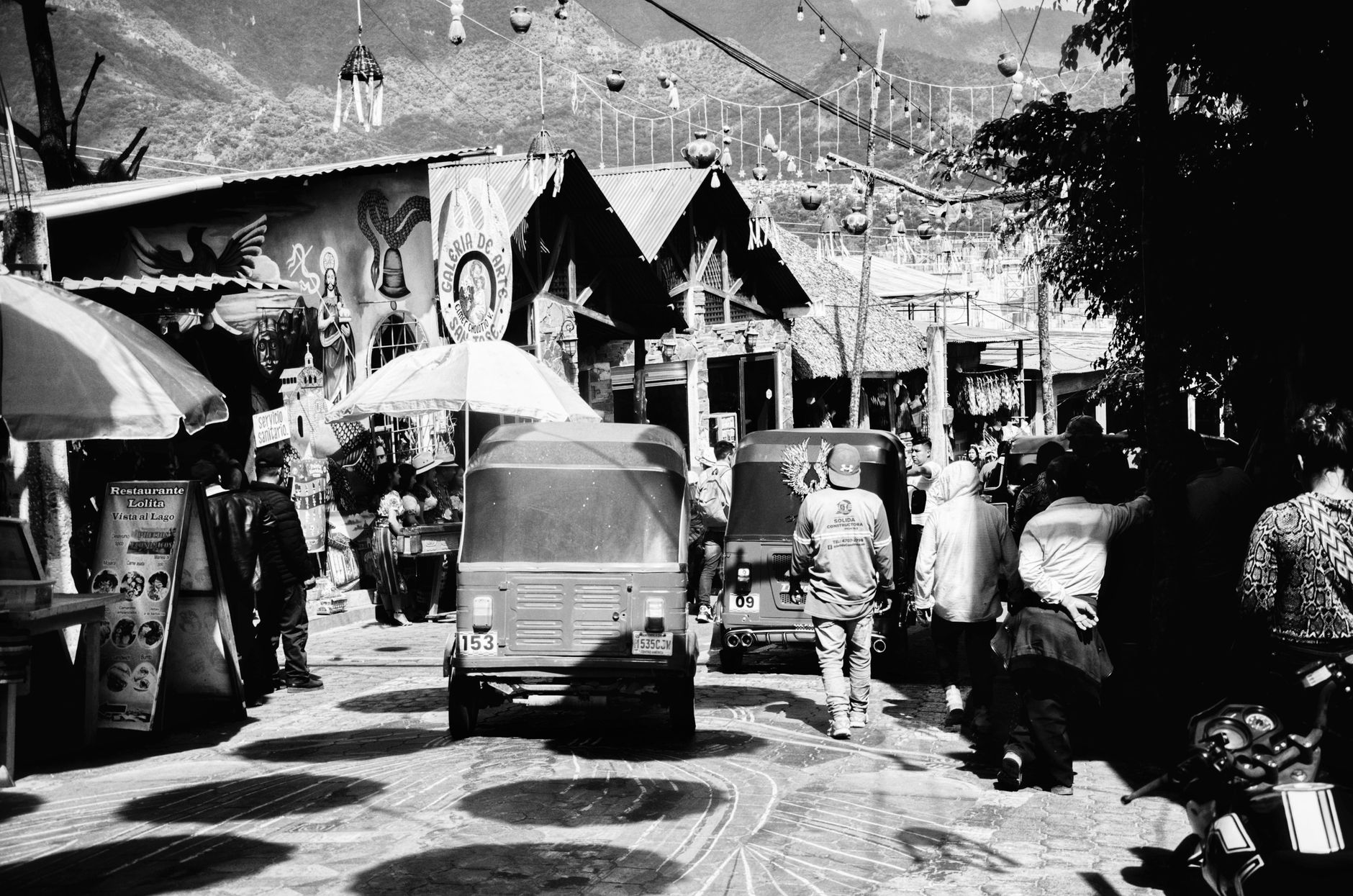
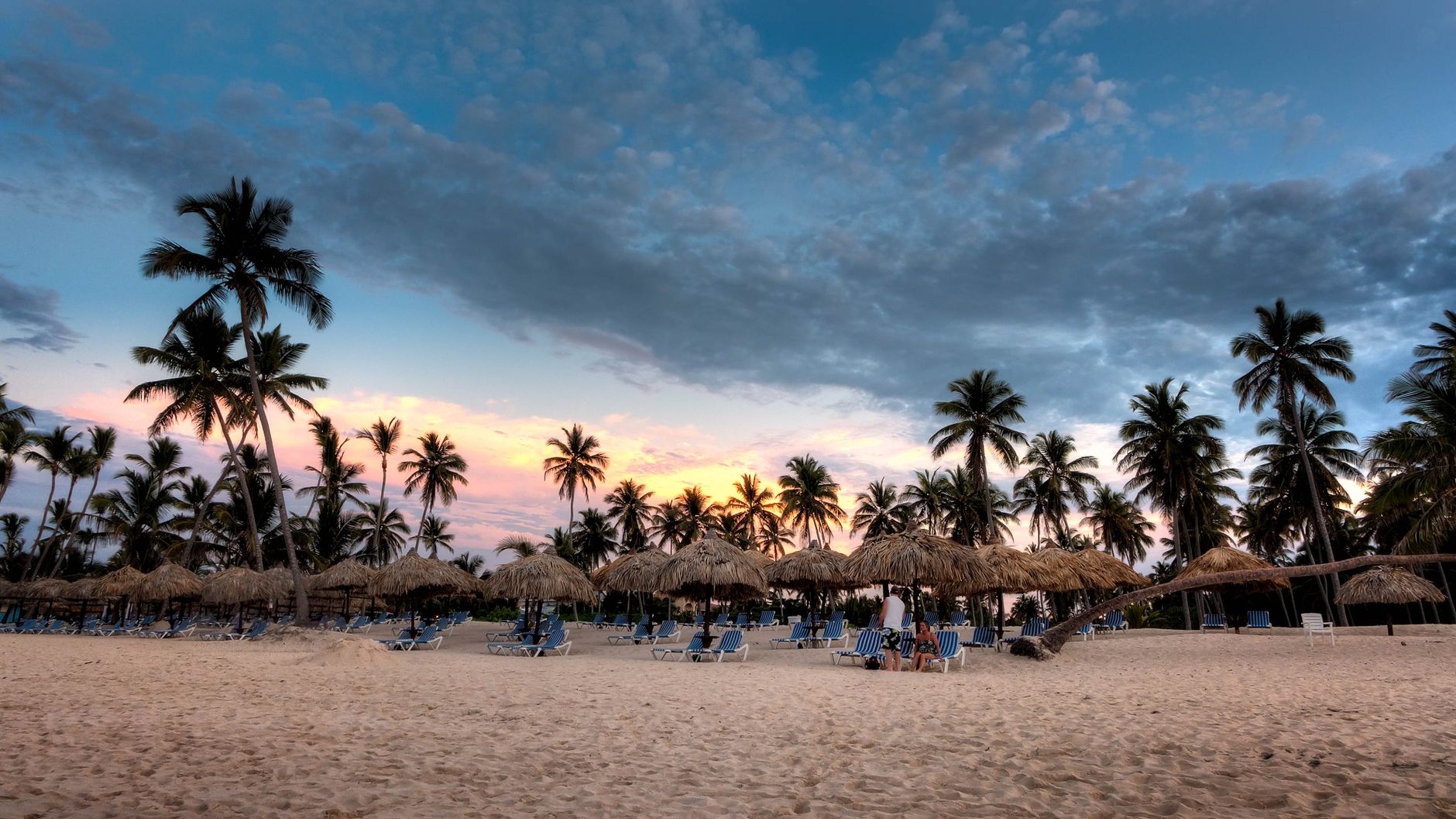
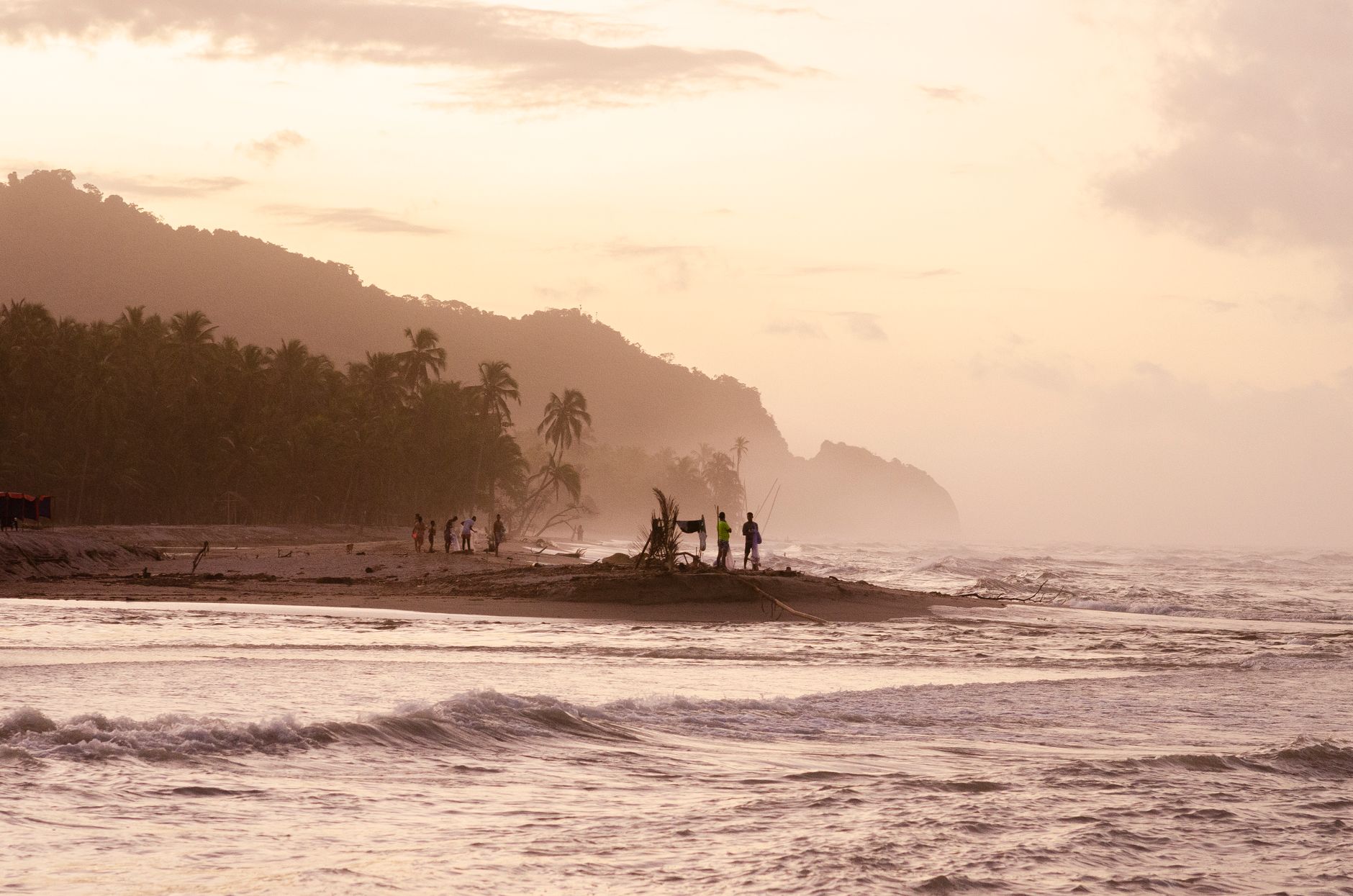
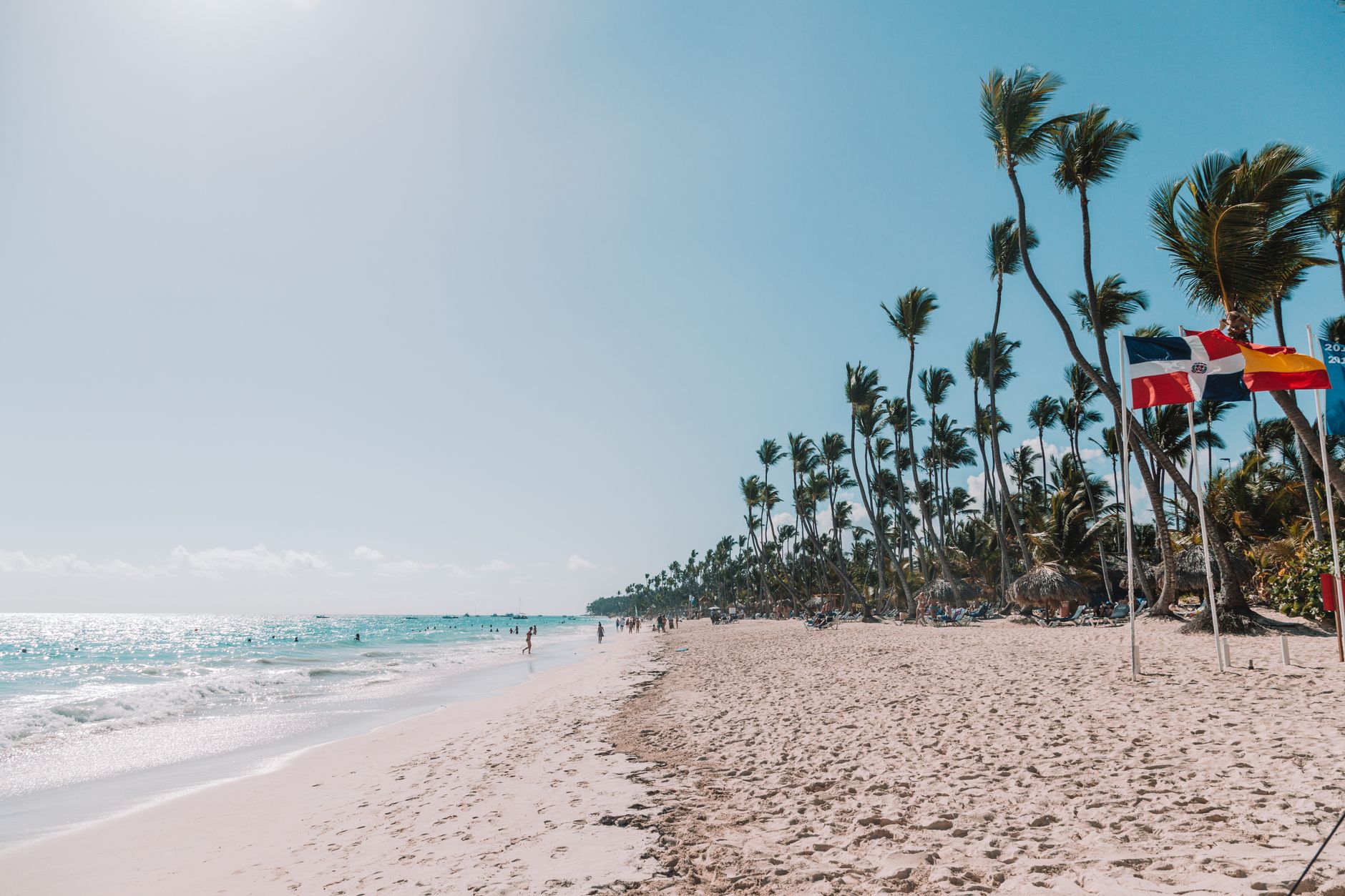
Las Terrenas sits on the north coast of the Samaná Peninsula, where the Atlantic pushes long swells onto beaches that stretch far enough to feel genuinely empty. The town itself is a loose arrangement of streets where French, Italian, and Dominican life overlap — a boulangerie next to a colmado, moto-taxis threading past café terraces. It arrived late to infrastructure: electricity came in 1994, running water in 1997. That recent rawness still shapes the place.
The draws are specific: Playa Cosón runs more than seven kilometres of coconut palms and open surf. Salto del Limón drops forty metres into a natural pool twenty-three kilometres inland. Los Haitises National Park, with its caverns and Taíno pictographs, is an hour's boat ride away. Three days covers the essentials; a week lets you slow down.
💛 What travellers fall for
People who come back tend to rent scooters on day one — forty dollars gets you the whole peninsula. They eat at the fish market early, before the catches thin out. Playa Las Ballenas draws them for snorkelling around the whale-shaped rock formations, quieter than Punta Popy on a weekend. The road to Cosón, they say, is worth it every single time.
How Las Terrenas came to be
Las Terrenas was settled by order of president Rafael Trujillo in 1946, when he relocated rural families from Santo Domingo to work the peninsula as farmers and fishermen. For decades it remained genuinely remote — the road to the nearest town of Sánchez wasn't paved until 1989.
The transformation came from an unlikely direction. In 1975 a Frenchman known locally as Jean opened the Tropic Banana, the first hotel in town, and word spread through French expatriate networks. By the 1980s a small colony of Europeans had built houses and businesses here. Electricity arrived in 1994, water infrastructure followed in 1997, and a new highway from Santo Domingo — inaugurated in 2008 — cut the journey from six hours to under three. The 2022 census counted 25,696 residents, a town that went from fishing settlement to international enclave in roughly one generation.
Who and what shaped it
People who shaped it
Landmark buildings
See Las Terrenas in motion
Plan your visit
On the map
When to go
Temperatures hold steady year-round between 22°C and 31°C, with January the coolest month and August the warmest. The peninsula catches Atlantic trade winds, which moderate the heat on the beach but can bring rain squalls quickly; the driest and calmest window runs roughly from December through March.
Right now
Background & history adapted from Wikipedia (CC BY-SA) · specs from Wikidata (CC0) · weather from Open-Meteo · map data © OpenStreetMap contributors · photos from Wikimedia Commons / Unsplash with per-image credit. No third-party reviews or social posts reproduced.