
Region

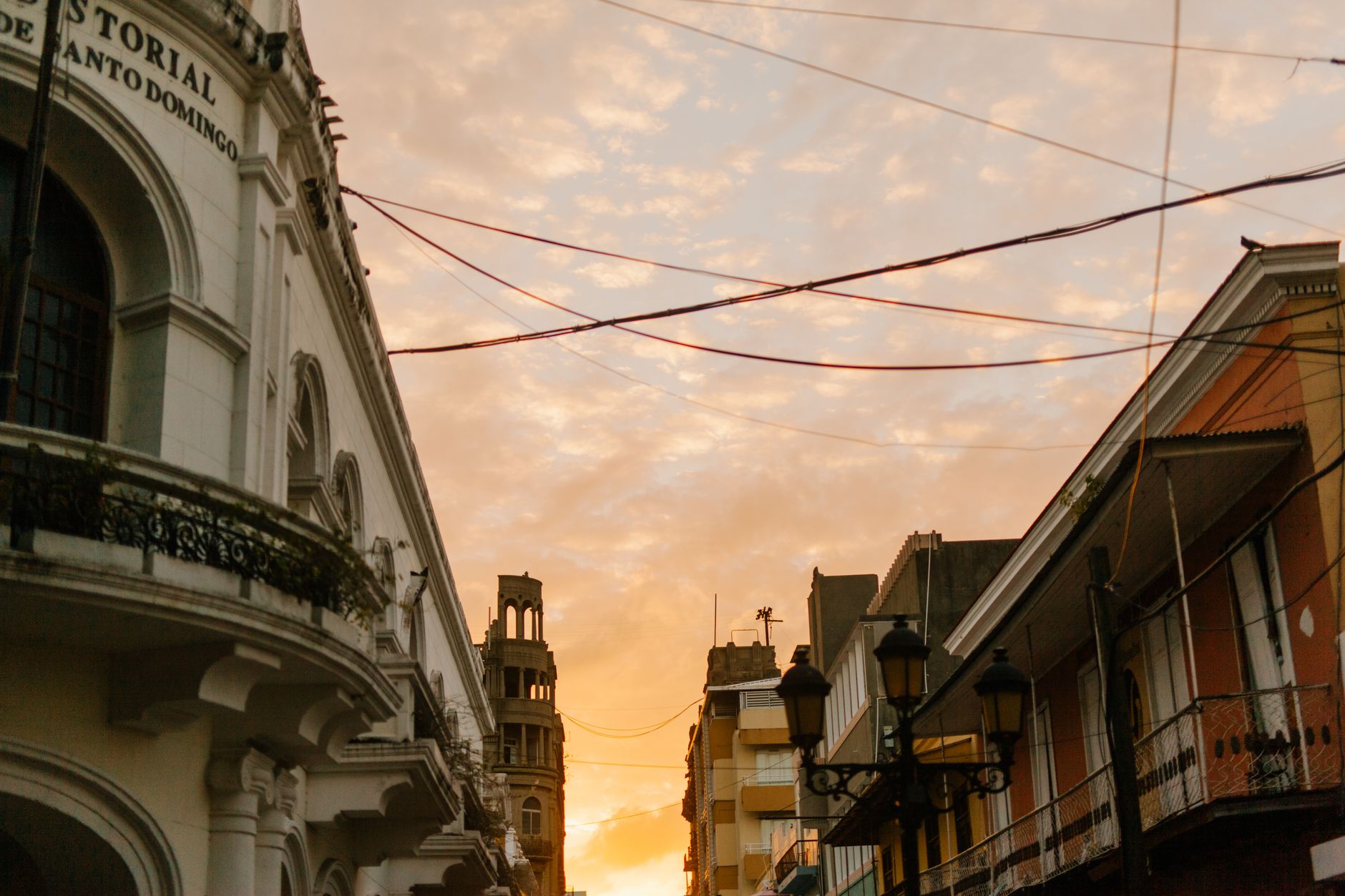
Santo Domingo

Santo Domingo
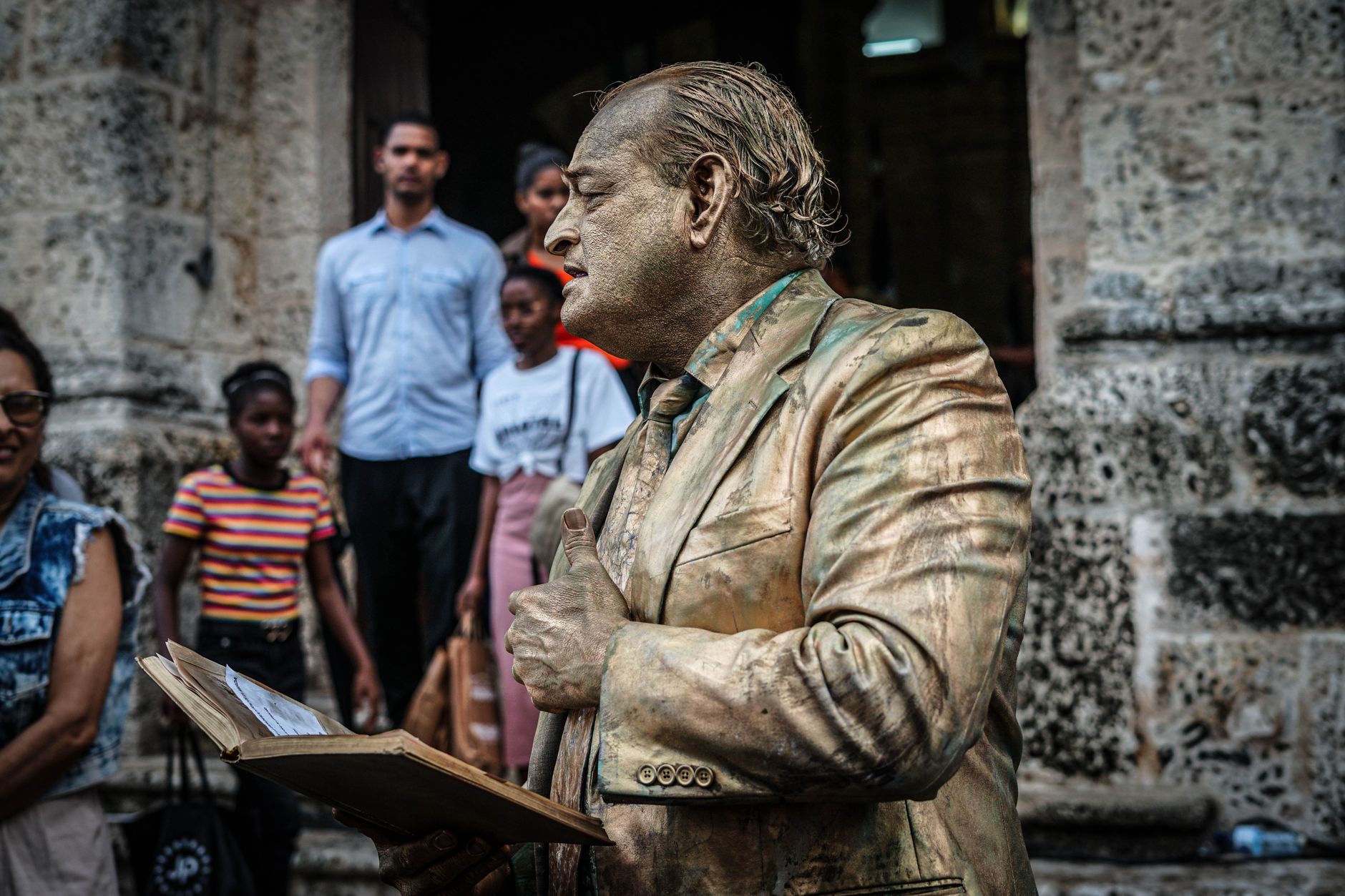
Photo by Darmaster Pro on Pexels
Santo Domingo
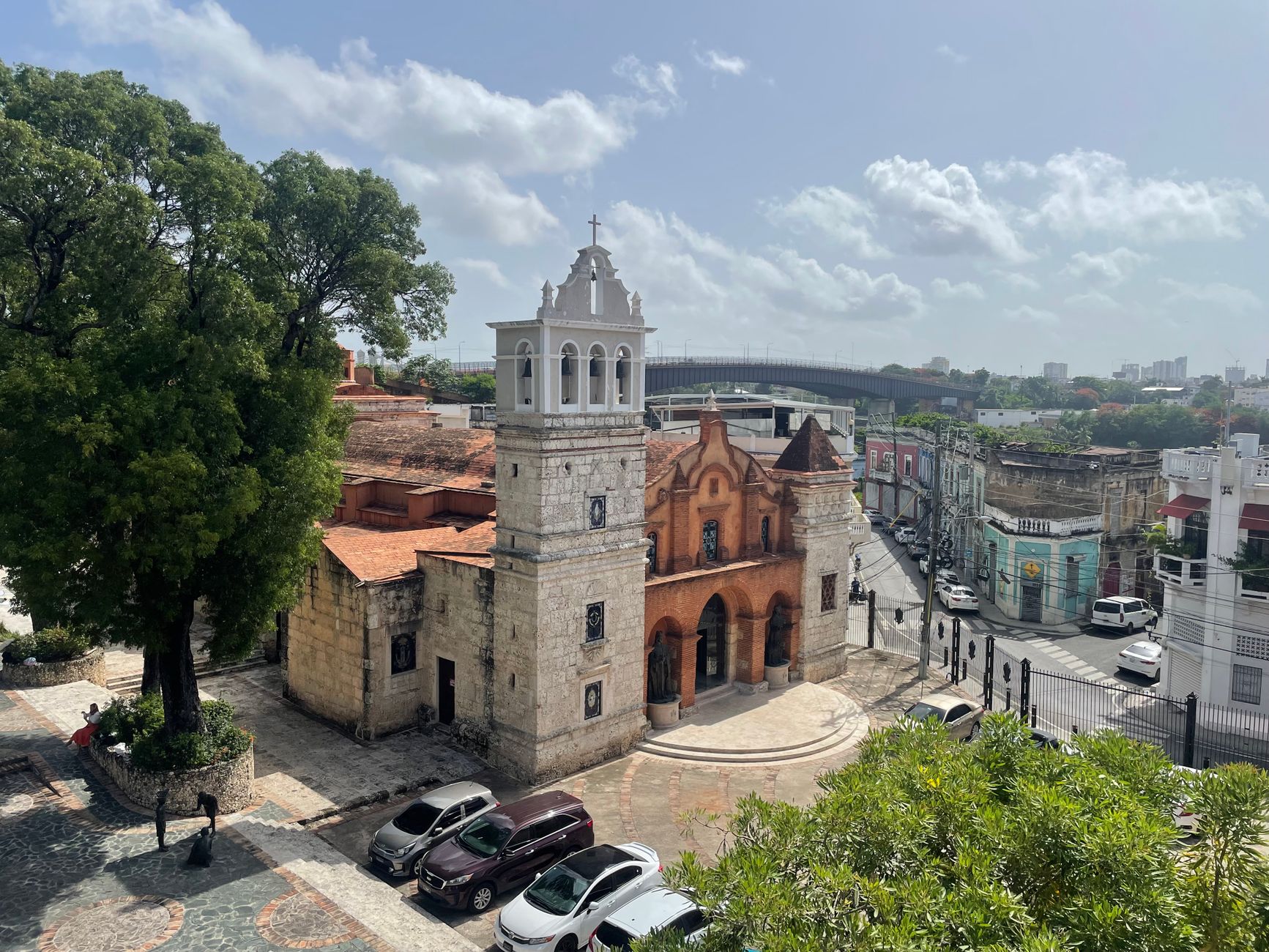
Photo by Daniel Cortorreal on Pexels
Santo Domingo
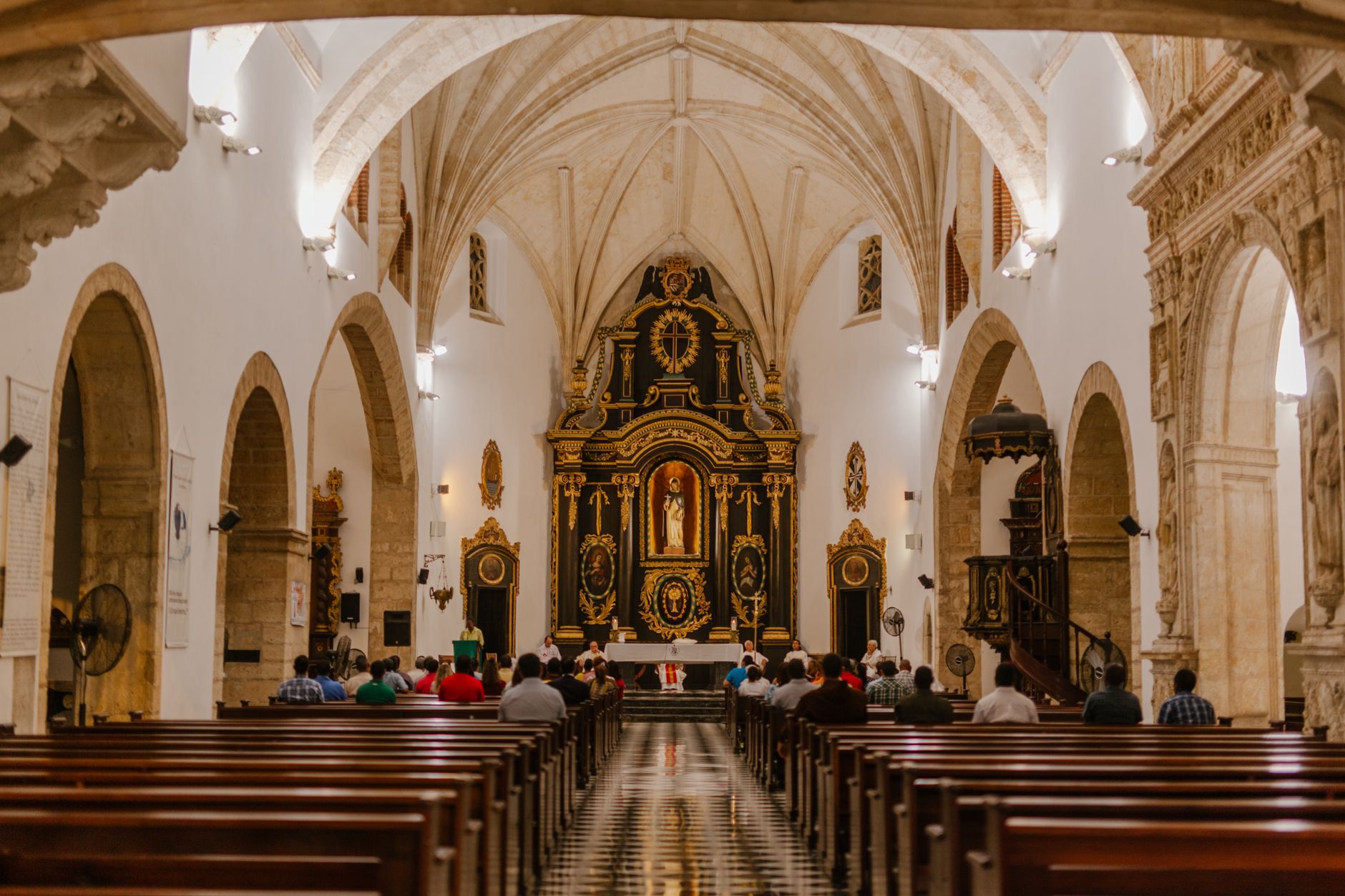
Photo by Julia Volk on Pexels
Santo Domingo
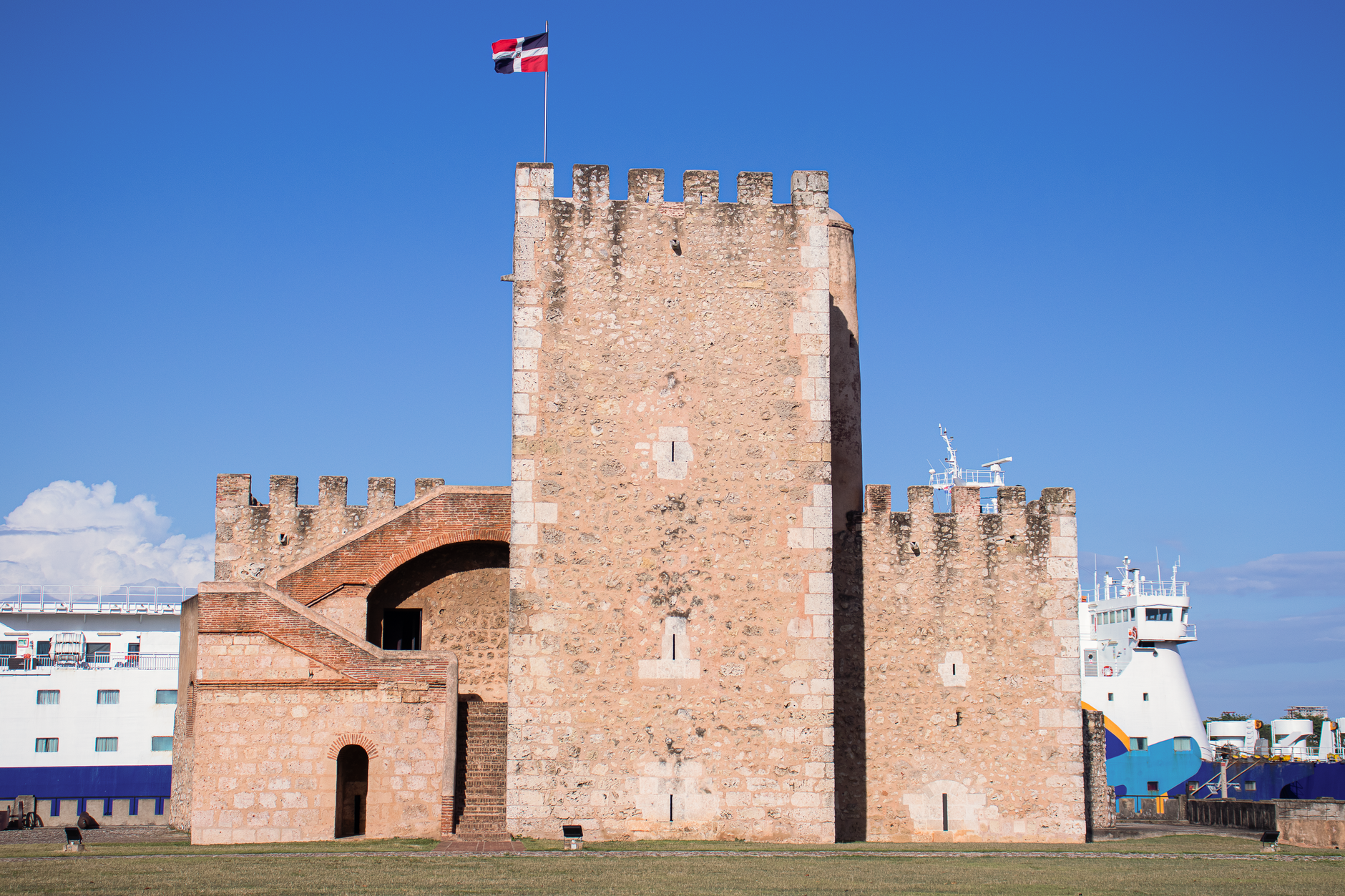
Photo by Julio Loaiza Miranda on Pexels
Santo Domingo
Photo by Julia Volk on Pexels
Santo Domingo
Photo by Mario Spencer on Pexels
City break Culture & history Romantic getaway

Santo Domingo is where the Americas began — at least the European version of that story. Walk down Calle Las Damas, the oldest paved street in the hemisphere, and you're stepping over stones that predate the Reformation. The Zona Colonial holds the first cathedral, the first university, the first court of law, all within a few blocks of each other, and none of it feels like a museum piece — people live here, hang laundry, argue, eat.

As the Dominican Republic's capital and its gateway, Santo Domingo is the place most visitors pass through first, and the one fewest give enough time to. The city rewards a slower pace than most grant it.

Good to know
Las Américas International Airport sits about 30 kilometres east of the city centre. Two or three days is enough to cover the Zona Colonial without rushing. The rest of the island — La Romana, Samaná, Jarabacoa — is best treated as a separate chapter.
The story

How Santo Domingo came to be

Bartholomew Columbus founded the city in 1496 on the east bank of the Ozama River, calling it Nueva Isabela. A hurricane levelled it, and in 1502 it was rebuilt on the opposite bank — the grid of streets that still exists today. From here, Spanish expeditions fanned out across the hemisphere: the conquest of Mexico, Cuba, Peru and Jamaica were all coordinated from the Alcázar de Colón, Diego Columbus's palace on the waterfront.

The city's independence story is equally specific. On July 16, 1838, Juan Pablo Duarte and seven others gathered to form La Trinitaria, a secret society dedicated to ending Haitian rule. Six years later, on February 27, 1844, the Dominican Republic declared itself a nation. A century on, dictator Rafael Trujillo renamed the capital after himself; it reverted to Santo Domingo after his assassination in 1961.

People & landmarks

Who and what shaped it

People who shaped it

Bartholomew Columbus
Founded Santo Domingo in 1496 on the east bank of the Ozama River as Nueva Isabela.
Diego Columbus
Son of Christopher Columbus; designated governor in 1509 and lived in the Alcázar de Colón palace.
Juan Pablo Duarte
Founded La Trinitaria secret society in Santo Domingo on July 16, 1838, to win independence from Haiti.
Francisco del Rosario Sánchez
Key figure in Dominican independence struggle; considered a Founding Father of the Dominican Republic.
Ramón Matías Mella
Decisive in the fight for Dominican independence; considered a Founding Father of the Dominican Republic.

Landmark buildings

Catedral Primada de América
Construction began 1514, completed 1540; first cathedral in the Americas, combining Gothic and Plateresque styles.
Alcázar de Colón
Built 1510 as residence of Diego Columbus; oldest vice-regal residence in the Americas and center of Spanish Court for 60 years.
Fortaleza Ozama
Built 1502; example of Spanish Colonial military architecture and oldest military construction of European origin in the Americas.
Museo de las Casas Reales
Built early 1500s; housed first court of law in the New World and served as government and royal residence.
Museo de la Atarazana
Built 1514 as customs office and warehouse; now a marine archeology museum with artifacts from Spanish shipwrecks.
Parque Colón
Established 1502, oldest park in the city; renamed in 1887 to honor Christopher Columbus.
Panteón Nacional
Constructed 1714–1746 as Jesuit church; neoclassical mausoleum for Dominican Republic national heroes.
Calle Las Damas
Oldest paved street in the Americas.
Monasterio de San Francisco
Ruins of the first monastery in the Americas.
Church and Convent of los Dominicos
Oldest Catholic building in continuous use in the Americas; housed the first university in the Americas.
Zona Colonial
Historic district containing most of Santo Domingo's major landmarks; UNESCO World Heritage Site since 1990.
Plaza de la Cultura
Cultural hub housing Teatro Nacional, Palacio Nacional, Palacio de Bellas Artes, and Boulevard 27 de Febrero.
Practical

Plan your visit

On the map

When to go

The city sits in a tropical zone with a dry season roughly from November through April — the most comfortable window for walking the Zona Colonial. The summer months bring heat, humidity and the Atlantic hurricane season, which peaks between August and October.

Right now

☀️
28°C
Clear
Fri
🌧️
31°
24°
Sat
🌧️
32°
24°
Sun
🌧️
31°
24°
Mon
🌧️
33°
23°
Weather data: Open-Meteo

Background & history adapted from Wikipedia (CC BY-SA) · specs from Wikidata (CC0) · weather from Open-Meteo · map data © OpenStreetMap contributors · photos from Wikimedia Commons / Unsplash with per-image credit. No third-party reviews or social posts reproduced.

Top