
Region

La Romana

La Romana
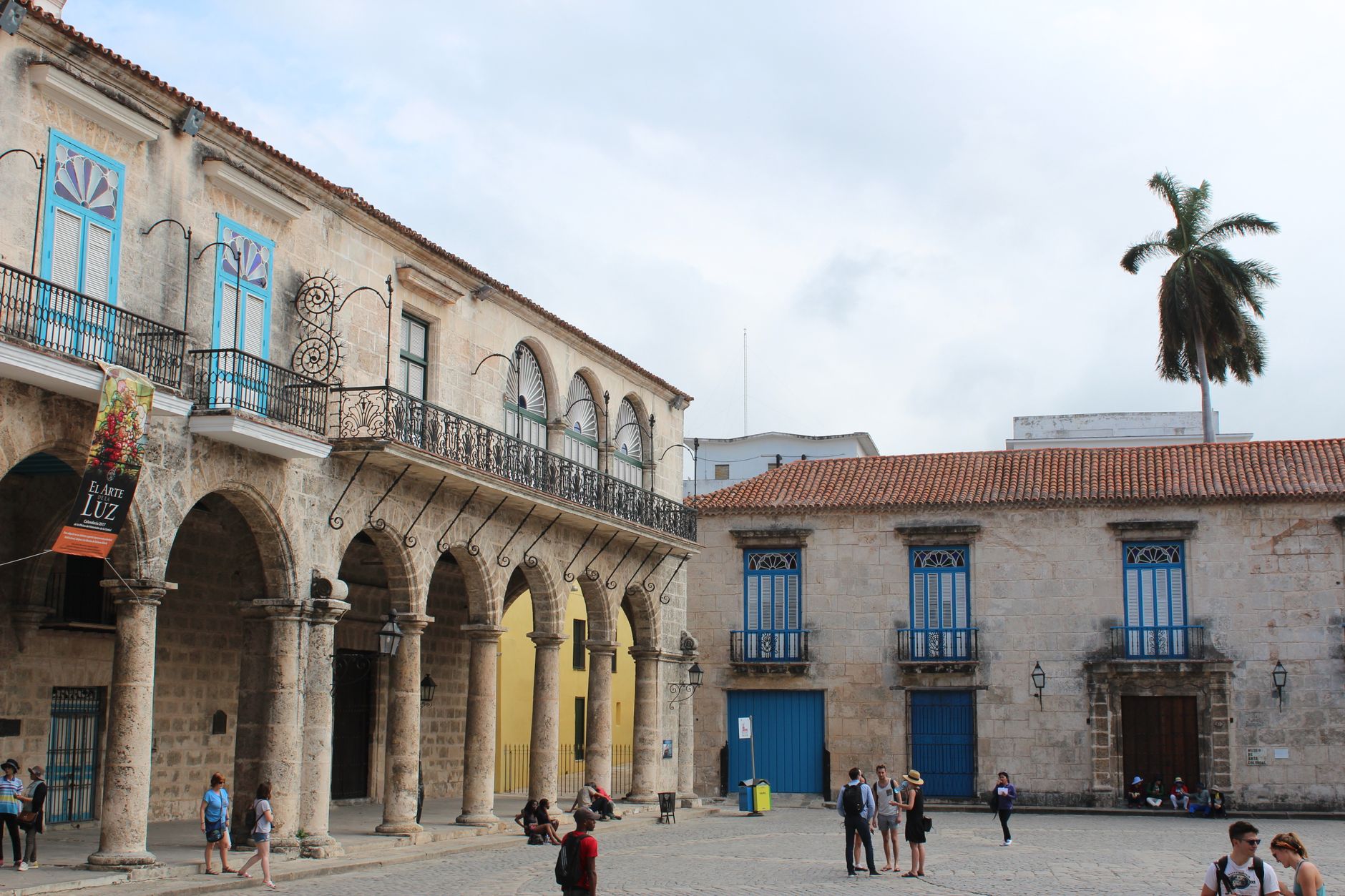
Photo by Danielle Cooper on Pexels
La Romana
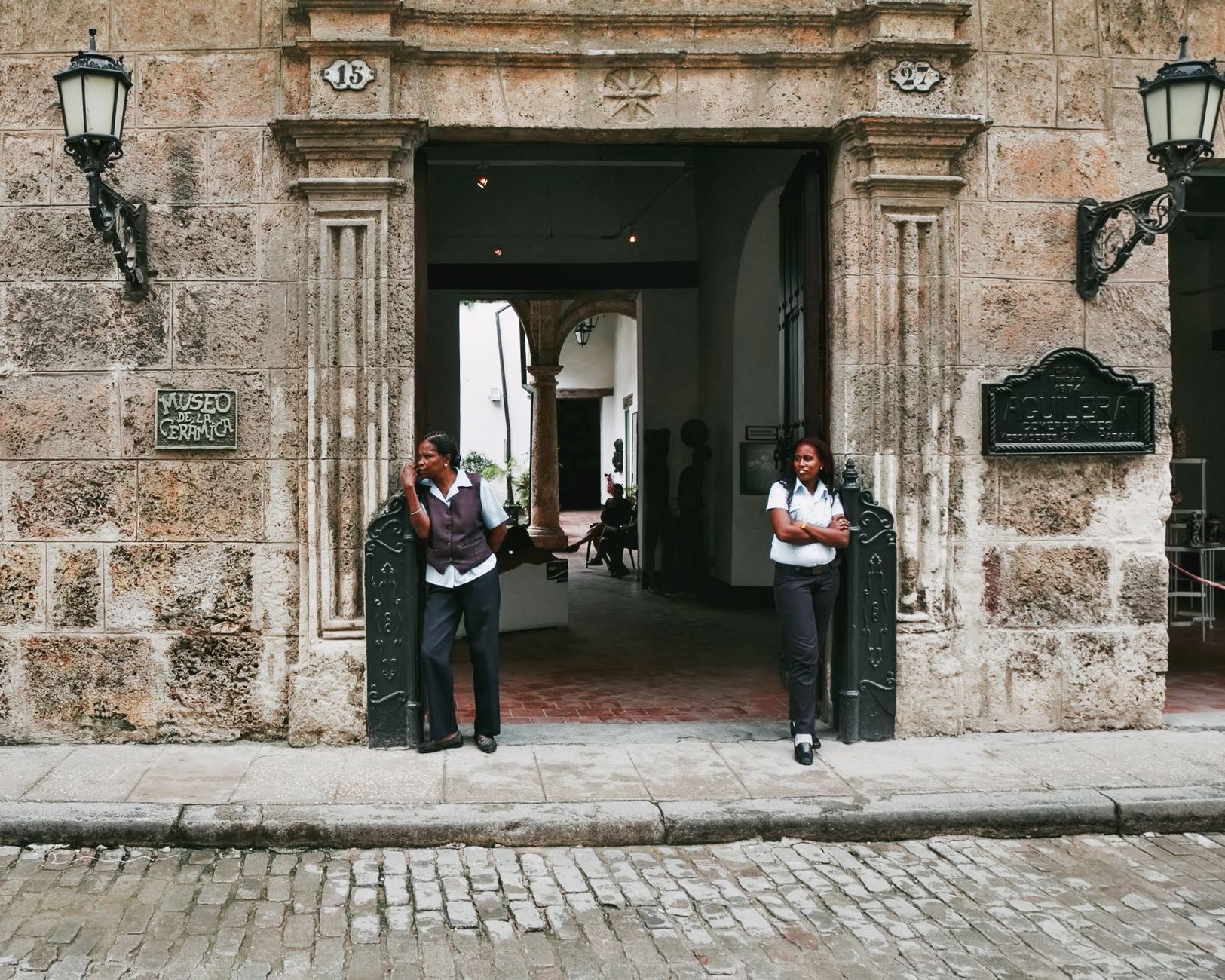
Photo by Mehmet Turgut Kirkgoz on Pexels
La Romana
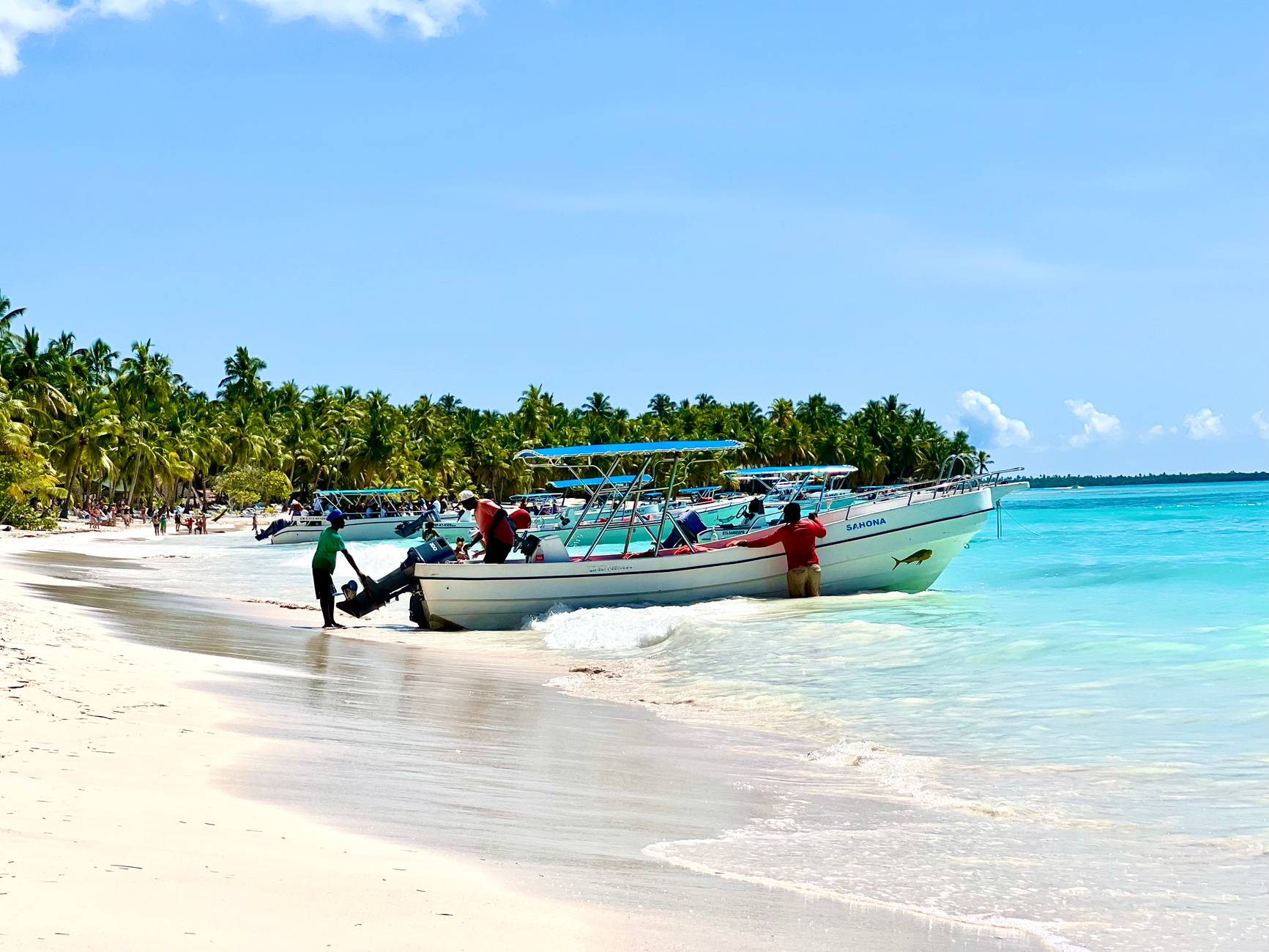
Photo by Artem Ganzha on Pexels
La Romana
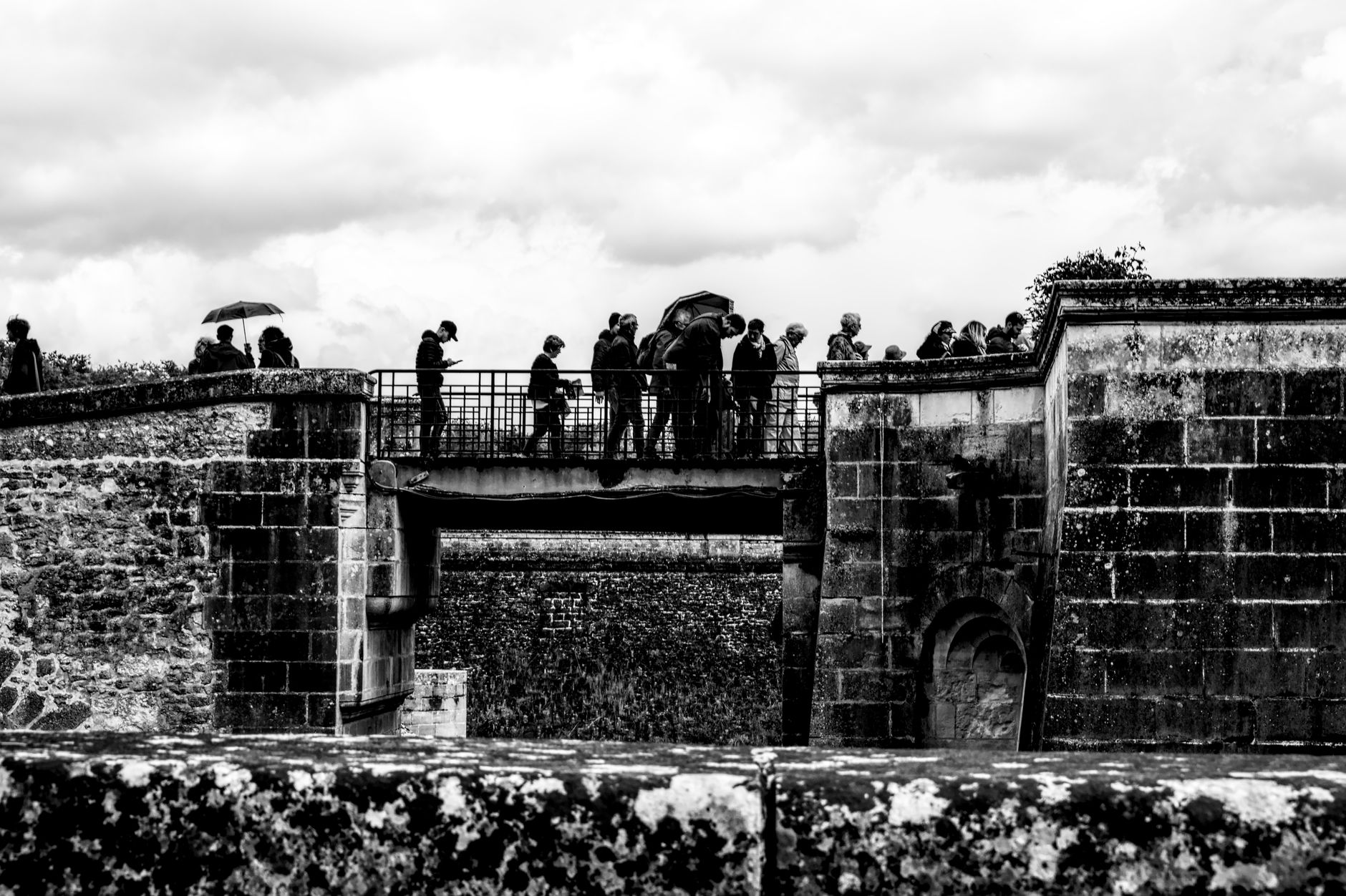
Photo by Jean-Paul Wettstein on Pexels
La Romana
Photo by Gianna H. Jimenez on Pexels
La Romana
Photo by John Finkelstein on Pexels
Romantic getaway Beach & sun luxury

La Romana runs on sugar and reinvention. The city grew up around a mill built in 1917, and that industrial spine is still visible if you look past the resort shuttles — in the wide streets, the working port, the sense that things here get made and shipped. But the same money that built the mill also built, improbably, a replica 16th-century Mediterranean village on a cliff above the Chavón River, and four of the Dominican Republic's top golf courses on 7,000 acres of Caribbean coast.

What you get, then, is a region of genuine contrasts: cruise ships mooring at the mouth of the Río Dulce, a cigar factory rolling Montecristos by hand, caves older than recorded history a short drive from the city center. It rewards people who want more than a beach, without demanding that you earn it.

Good to know
La Romana International Airport (LRM) sits about 8 km from the city; Santo Domingo is a two-hour drive, Punta Cana roughly one. December through April is peak season and the driest stretch. Rideshares and taxis cover most ground easily. Cruise-day crowds concentrate around Casa de Campo and Altos de Chavón — arrive early or late.
The story

How La Romana came to be

La Romana was formally established in 1897 as a small port settlement, but its modern shape came with sugar. The Central Romana mill opened in 1917 and drew workers, infrastructure and capital that turned a coastal outpost into a functioning city. By 1944 it had grown enough to earn province status.

The more dramatic transformation came in 1967 when Gulf and Western Industries purchased the mill and its surrounding lands. Under Charles Bluhdorn, the company rebuilt much of La Romana — schools, clinics, housing — and in 1974 opened Casa de Campo resort on 7,000 acres of its holdings. Then, between 1976 and 1982, set designer Roberto Coppa and Dominican architect Jose Antonio Caro built Altos de Chavón: a hand-laid stone village above the Chavón River that opened with Frank Sinatra and Carlos Santana on the same stage in 1982. The Fanjul family group acquired the Central Romana stake in 1984 and has shaped the region's agricultural and resort economy since.

People & landmarks

Who and what shaped it

People who shaped it

Charles Bluhdorn
Founder and president of Gulf & Western; purchased Central Romana sugar mill in 1967 and invested $20 million rebuilding La Romana, schools, clinics, and housing.
Roberto Coppa
Co-architect of Altos de Chavón and senior set designer for Paramount Studios; designed the 16th-century Mediterranean village replica opened in 1982.
Jose Antonio Caro
Dominican architect who designed Altos de Chavón with Roberto Coppa; completed 1982.
Father Juan Antonio Abreu
Priest (1948–1977) who founded a local school and nursing home in La Romana.

Landmark buildings

Altos de Chavón
16th-century Mediterranean village replica built 1976–1982 on a cliff 300 feet above Chavón River; features amphitheater with 5,000-seat limestone capacity where Frank Sinatra and Carlos Santana performed at opening in 1982.
Casa de Campo Resort
7,000-acre resort opened 1974 containing four of Dominican Republic's top ten golf courses.
Tabacalera de Garcia Cigar Factory
Established 1971; one of world's largest cigar factories, owned by Altadis since 1999; produces Montecristo, H. Upmann, and Romeo y Julieta.
Iglesia Santa Rosa de Lima
Church founded 1914, building constructed 1940, dedicated to Saint Rose of Lima; located on northern edge of Duarte Central Park.
Cueva de las Maravillas
Cave estimated over 100,000 years old, discovered 1926; features rock formations, stalactites, and stalagmites.
La Romana International Airport
Opened 2000; ranks fifth in air traffic in Dominican Republic; located approximately 8 km from city center.
La Romana Cruise Terminal & Lighthouse
Modern terminal complex modernized 2002 at mouth of Río Dulce; accommodates large cruise ships.
El Obelisco
Built 1950s during Rafael Leonidas Trujillo dictatorship; features colorful murals depicting Dominican life scenes.
Practical

Plan your visit

On the map

When to go

Temperatures stay between 25°C and 31°C year-round, with July pushing slightly warmer and January the mildest month to walk around in. December is the driest point in the calendar and, combined with the cooler air, makes the first months of the year the most comfortable time to visit.

Right now

29°C
Partly cloudy
Fri
33°
25°
Sat
33°
26°
Sun
🌧️
32°
25°
Mon
🌧️
32°
25°
Weather data: Open-Meteo

Background & history adapted from Wikipedia (CC BY-SA) · specs from Wikidata (CC0) · weather from Open-Meteo · map data © OpenStreetMap contributors · photos from Wikimedia Commons / Unsplash with per-image credit. No third-party reviews or social posts reproduced.

Top