
São Paulo (city)
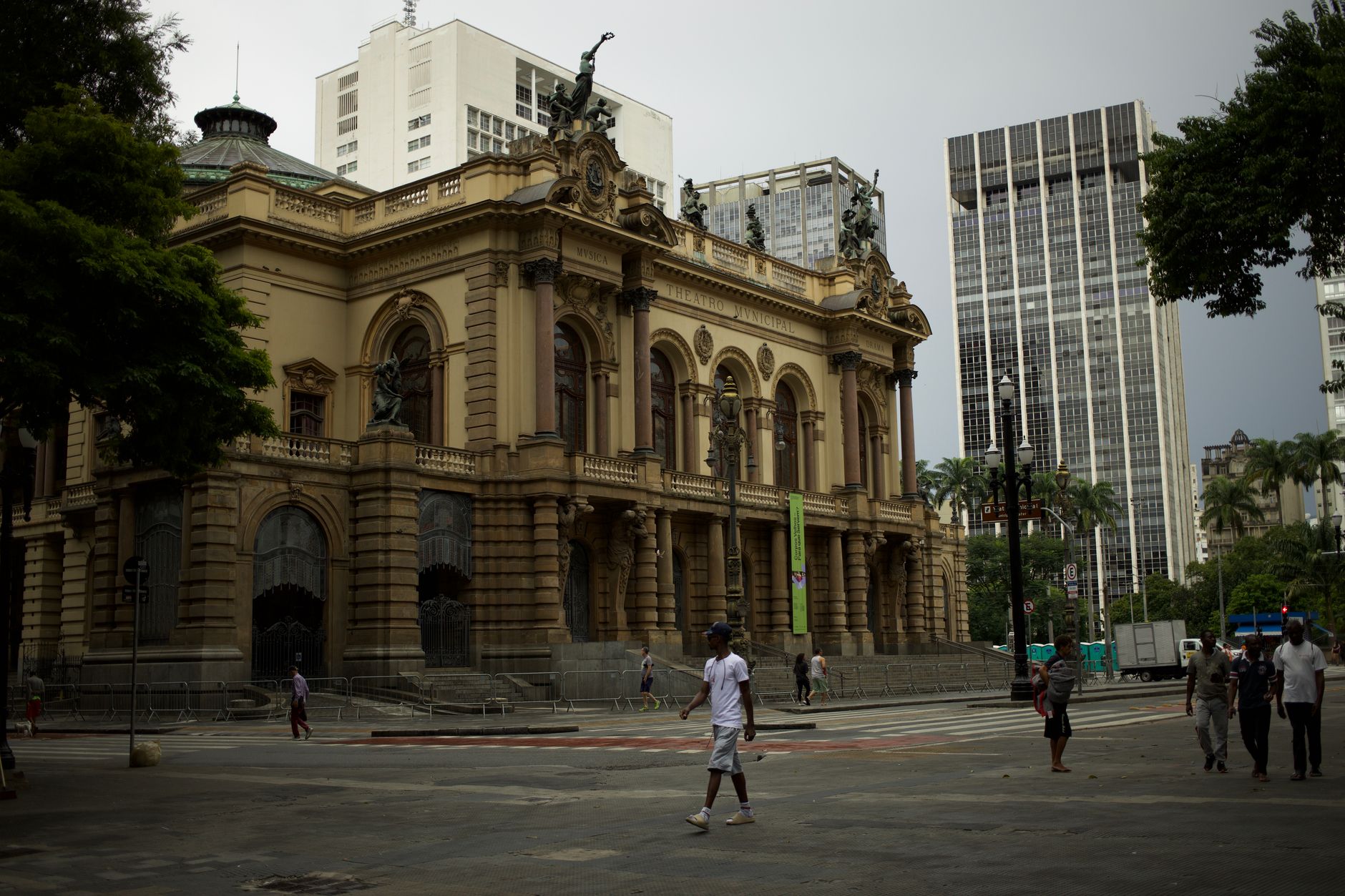
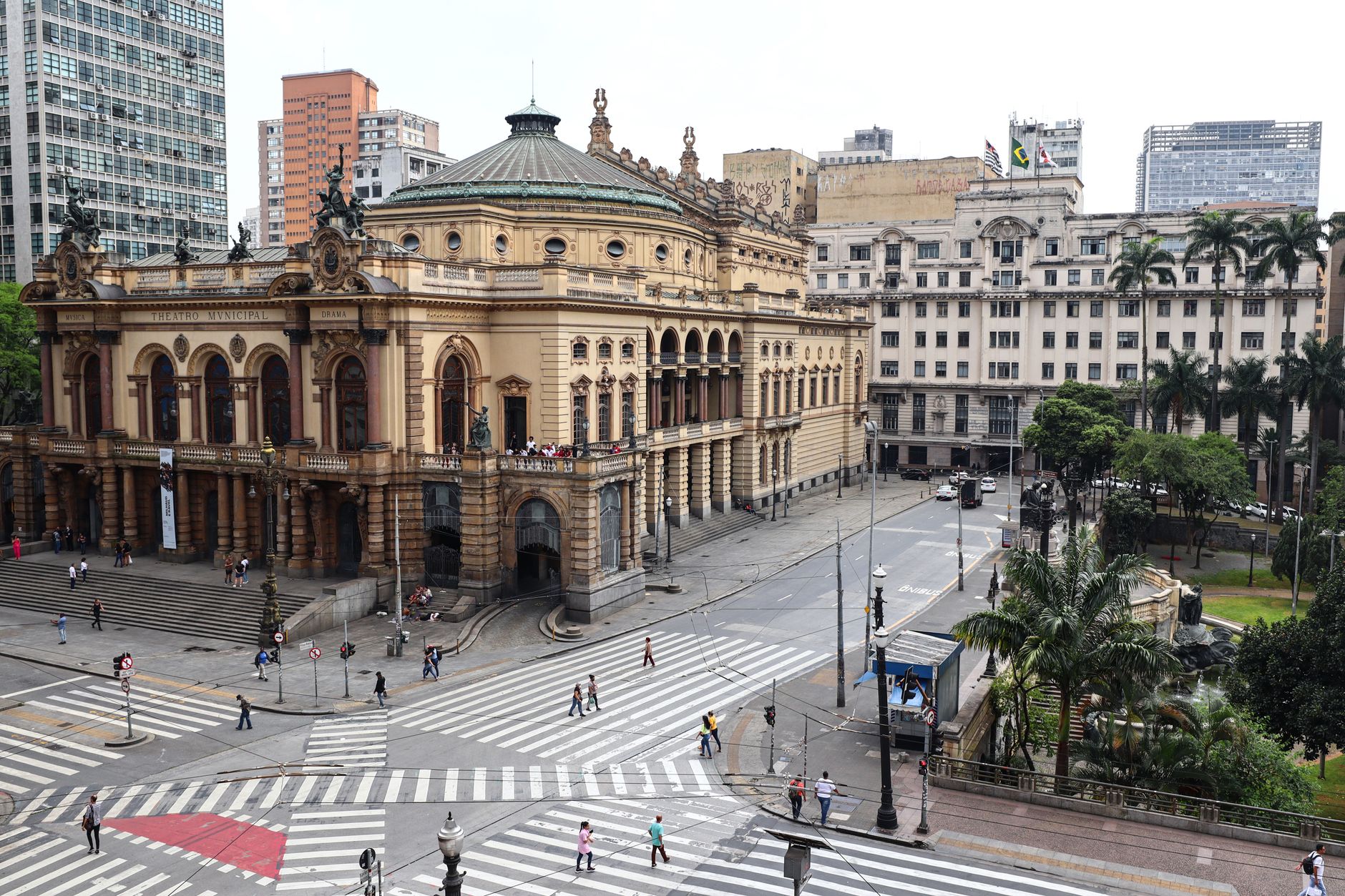
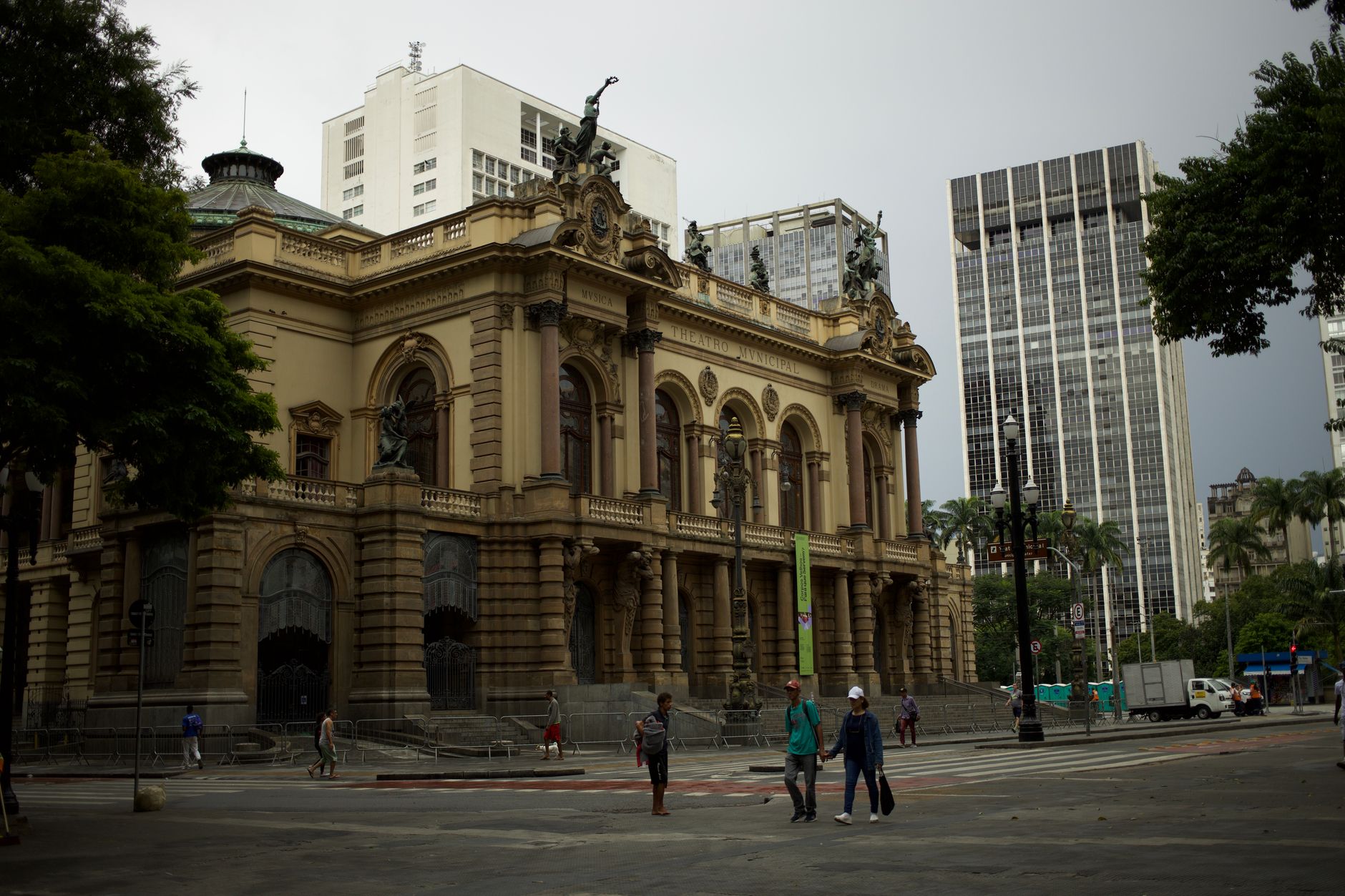
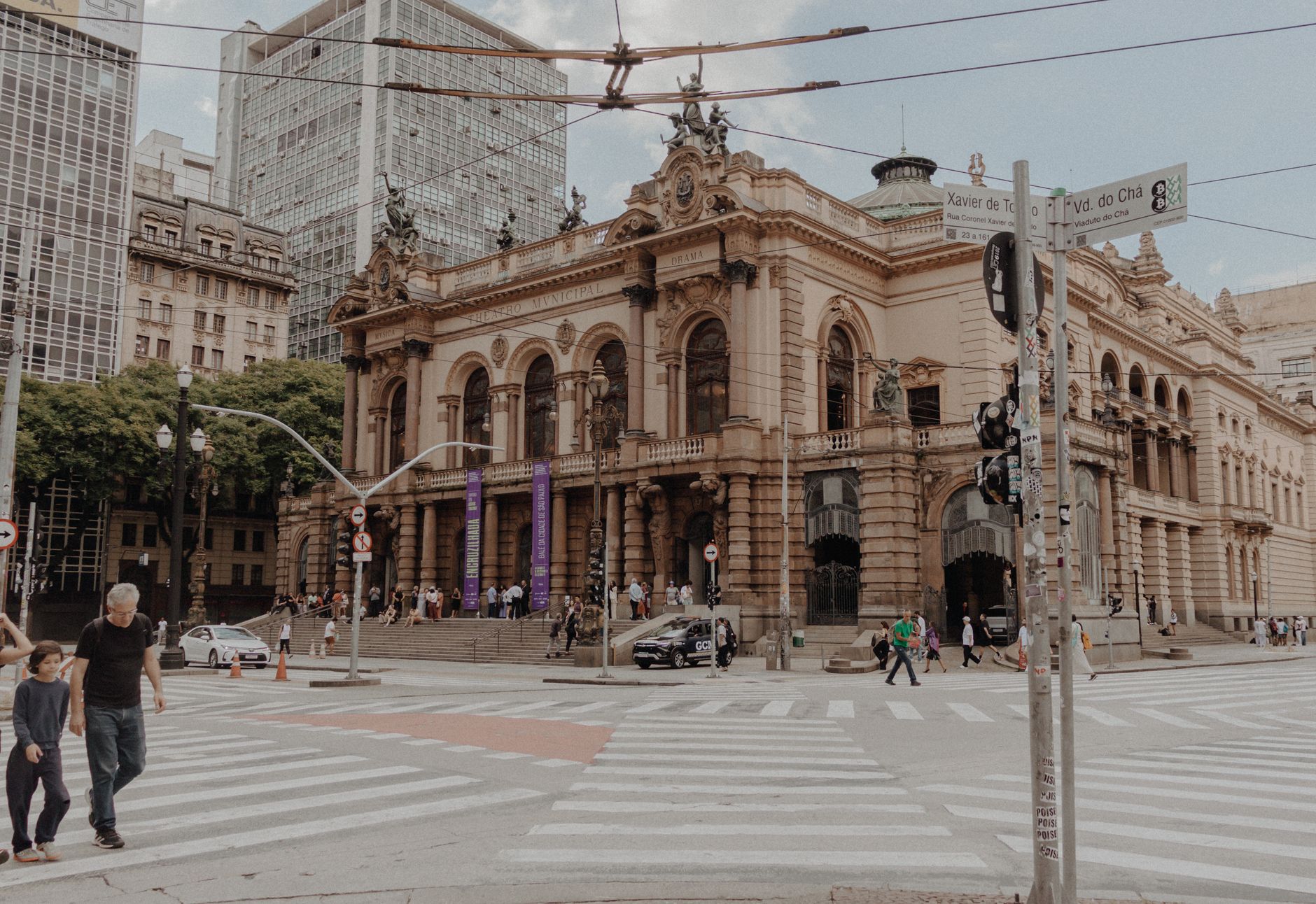
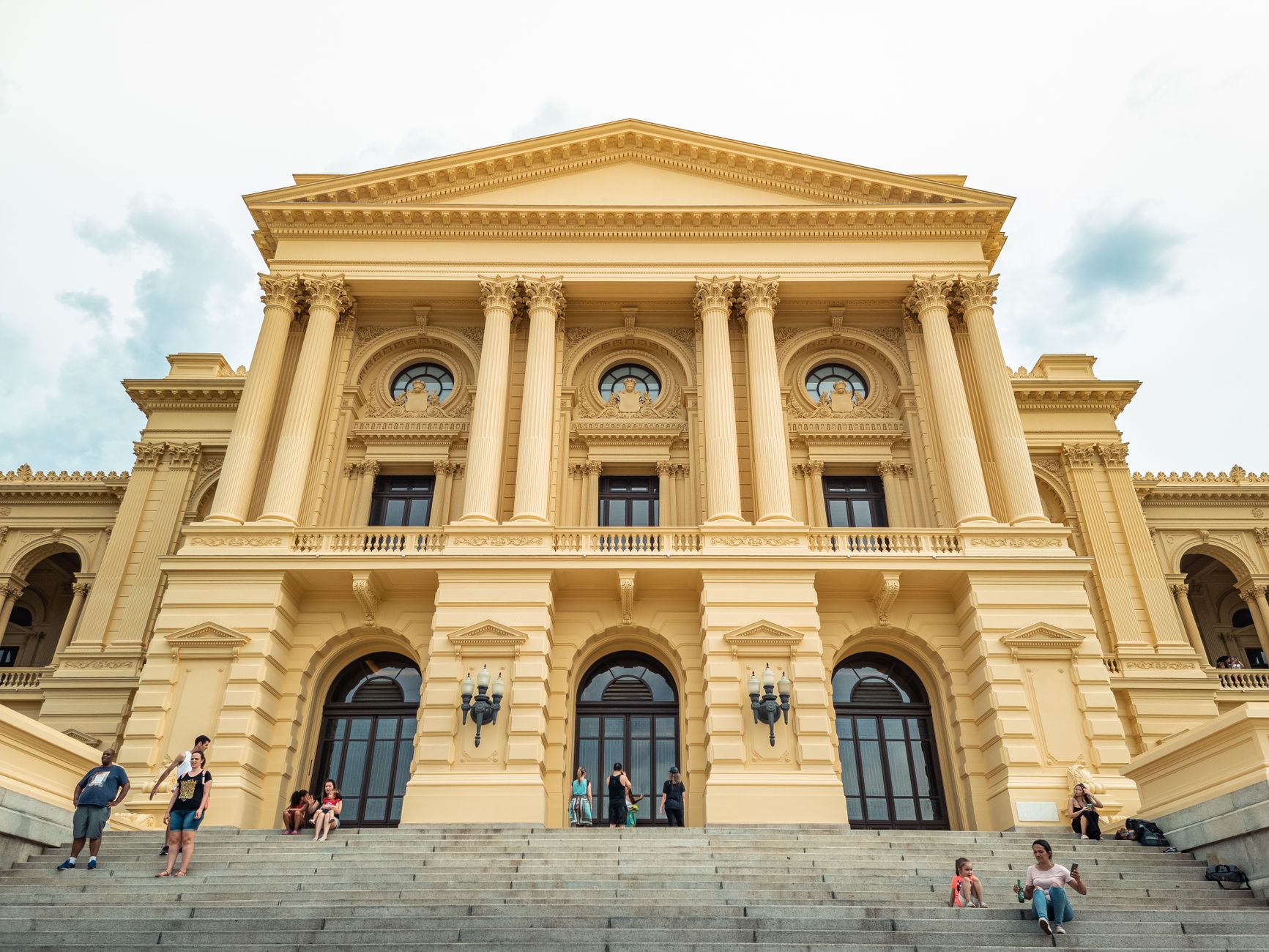
São Paulo announces itself through scale before anything else — 12 million people in the city proper, a metro system with 65 stations, and a skyline where Oscar Niemeyer's sinuous Copan building bends like a question mark above the grid. This is Brazil's economic engine, and it wears that weight visibly: old coffee-baron mansions pressed between glass towers, a Municipal Market from 1928 still selling everything from saffron to mortadella the size of a spare tire.
What slows you down is the detail. Lina Bo Bardi's MASP floats above Avenida Paulista on two red concrete beams, its glass belly exposing the collection to the street below. The 1554 Jesuit mission that started all this is long gone, but the city keeps layering over itself rather than erasing — colonial churches from 1579 still stand a few blocks from the first skyscraper, the Martinelli, built in 1929.
💛 What travellers fall for
People who return tend to anchor themselves on the Blue and Green metro lines — they cross at Paraíso and put most of what matters within reach for R$ 4.40 a trip. The Mercadão on a weekday morning, before the lunch crowd, is a different place than on a Saturday. And Ibirapuera is where the city exhales.
Deals in São Paulo (city)
Book directly at the provider

How São Paulo (city) came to be
On January 25, 1554, twelve Jesuit priests including Manuel da Nóbrega and José de Anchieta established a mission college on a plateau above two rivers. For centuries the settlement remained a modest staging post — a launching point for the bandeirantes, the colonial-era pioneers who pushed Brazil's interior boundaries outward in search of land and resources.
Coffee changed everything. By the mid-19th century the surrounding state had become the world's dominant producer, and São Paulo became its counting house. Between 1890 and 1920 the population leapt from 65,000 to nearly 600,000, fed by waves of Italian, Japanese, and Lebanese immigrants. Factories multiplied: from 4,000 industrial firms in 1920 to over 11,500 by 1940. The city hit its first million inhabitants in 1928, the same year the Municipal Market opened. In 1954, on the Fourth Centenary of its founding, Ibirapuera Park was inaugurated — a moment the city marked with the kind of confidence that comes from knowing it had already outgrown its own origin story.
Who and what shaped it
People who shaped it
Landmark buildings
See São Paulo (city) in motion
Plan your visit
On the map
When to go
June through August is cool and relatively dry, with daytime temperatures between 11 °C and 23 °C — the easiest season for walking the city. November through March brings heat and frequent afternoon rain; downpours can be intense but usually pass quickly.
Right now
Background & history adapted from Wikipedia (CC BY-SA) · specs from Wikidata (CC0) · weather from Open-Meteo · map data © OpenStreetMap contributors · photos from Wikimedia Commons / Unsplash with per-image credit. No third-party reviews or social posts reproduced.