
Sorocaba
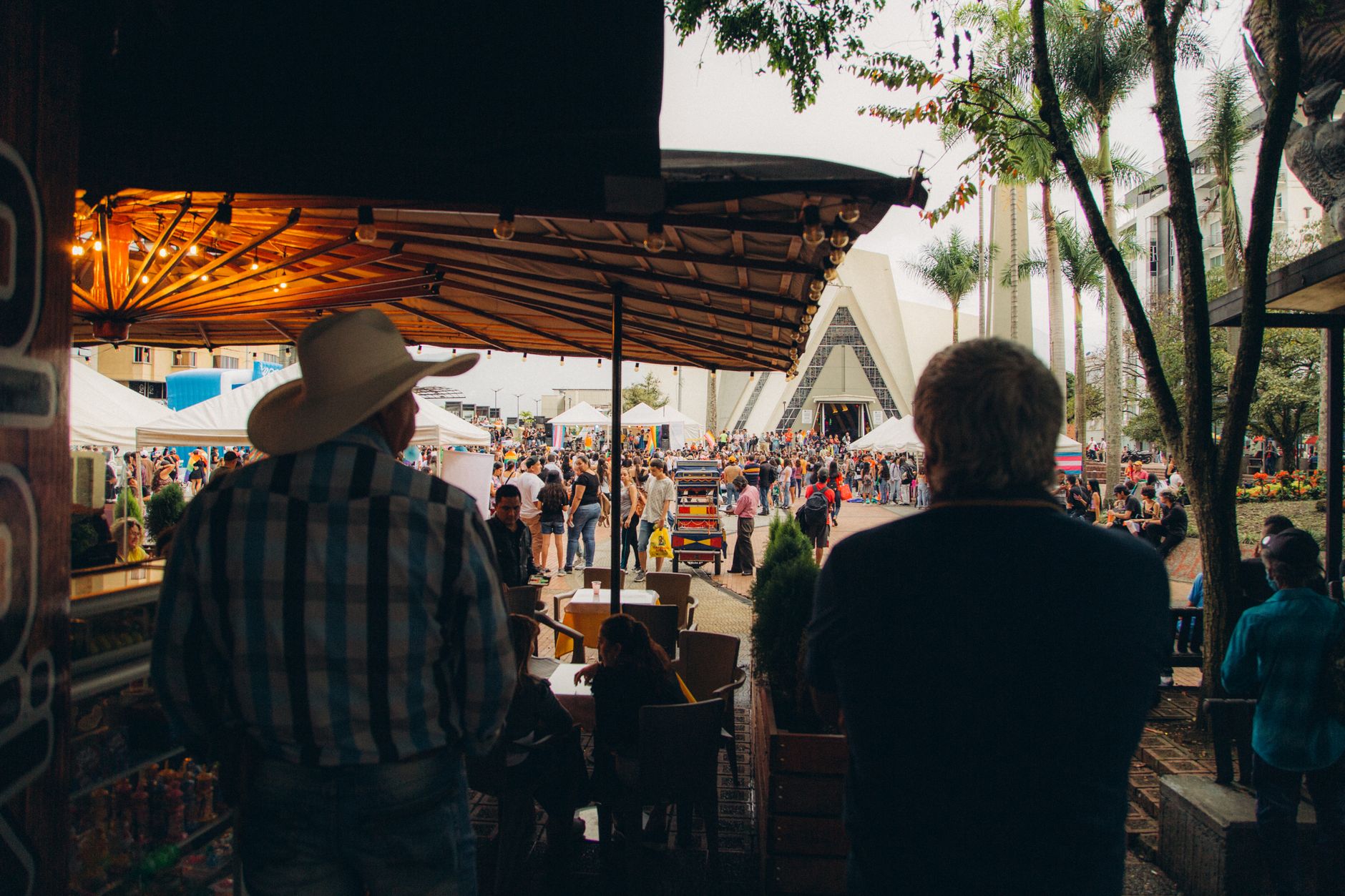
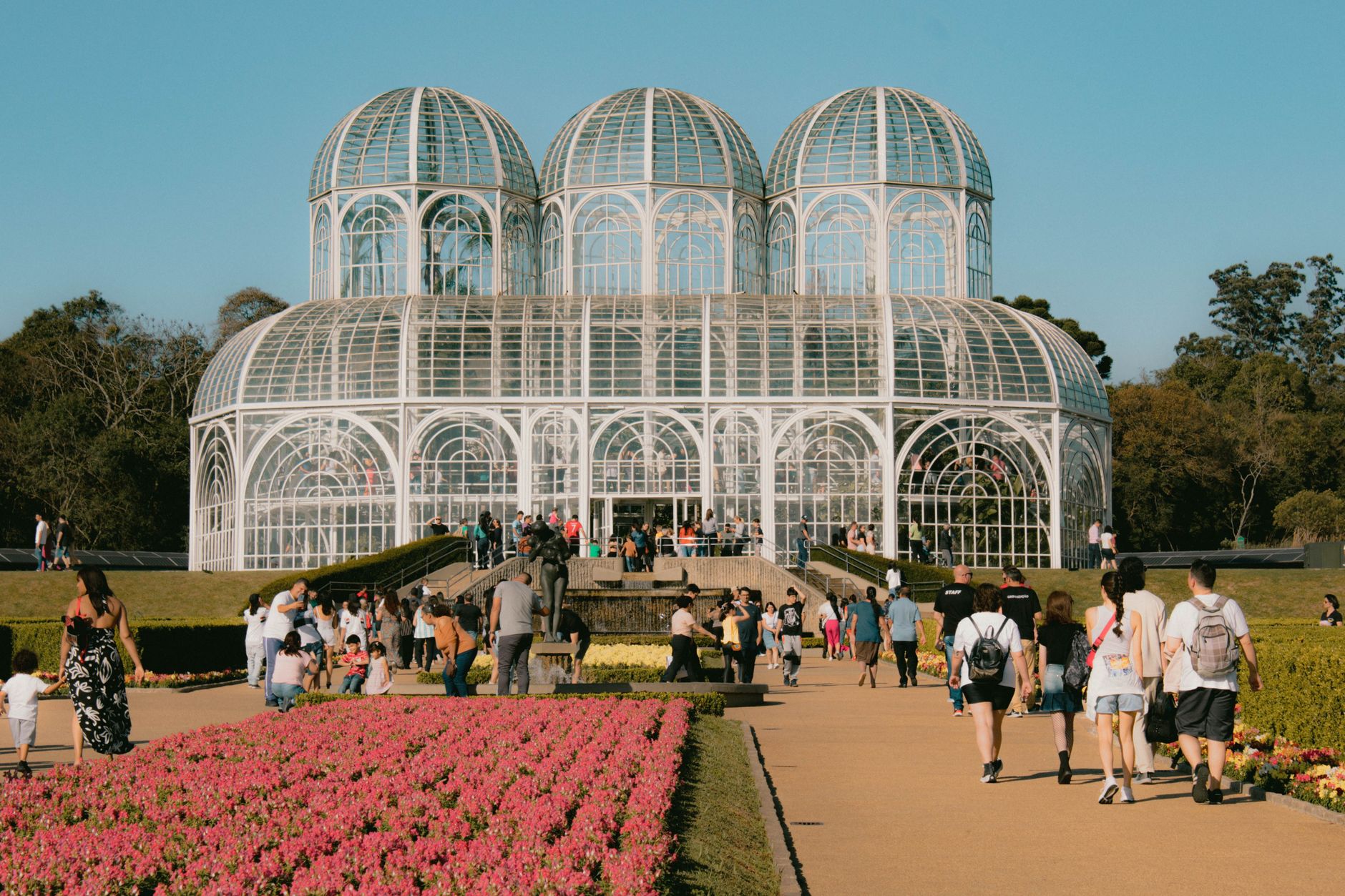
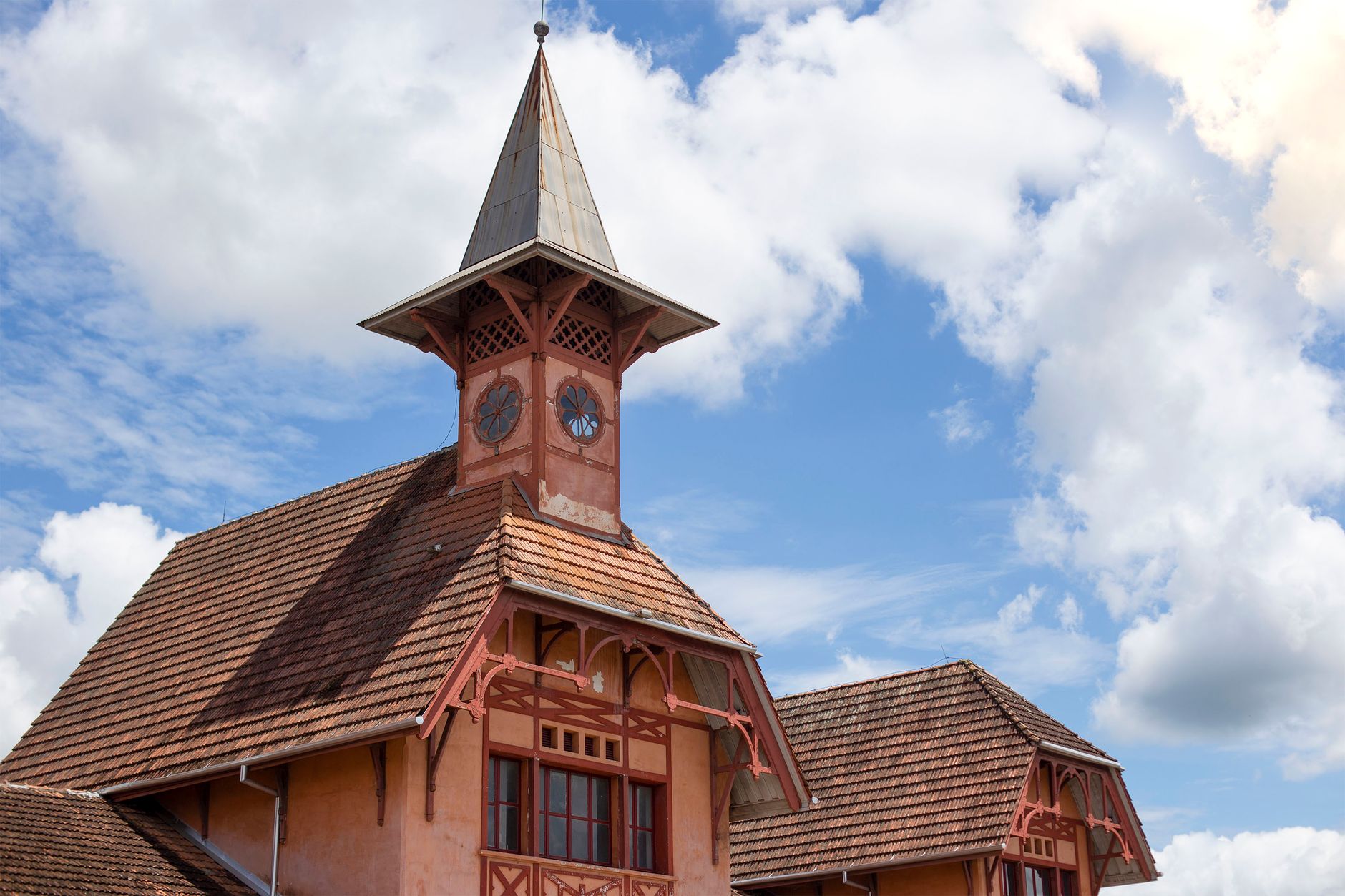
Sorocaba made its name on mules. Through most of the 18th and 19th centuries, cattle drivers converged on this inland São Paulo city for the Feira de Muares — a mule fair that was, for a long stretch, the largest trading event in Brazil. That history left marks you can still read: a cathedral whose roots go back to a chapel built by the city's founder, a railway station that connected the interior to the coast, and a downtown grid dense with colonial, Art Deco, and Brutalist layers.
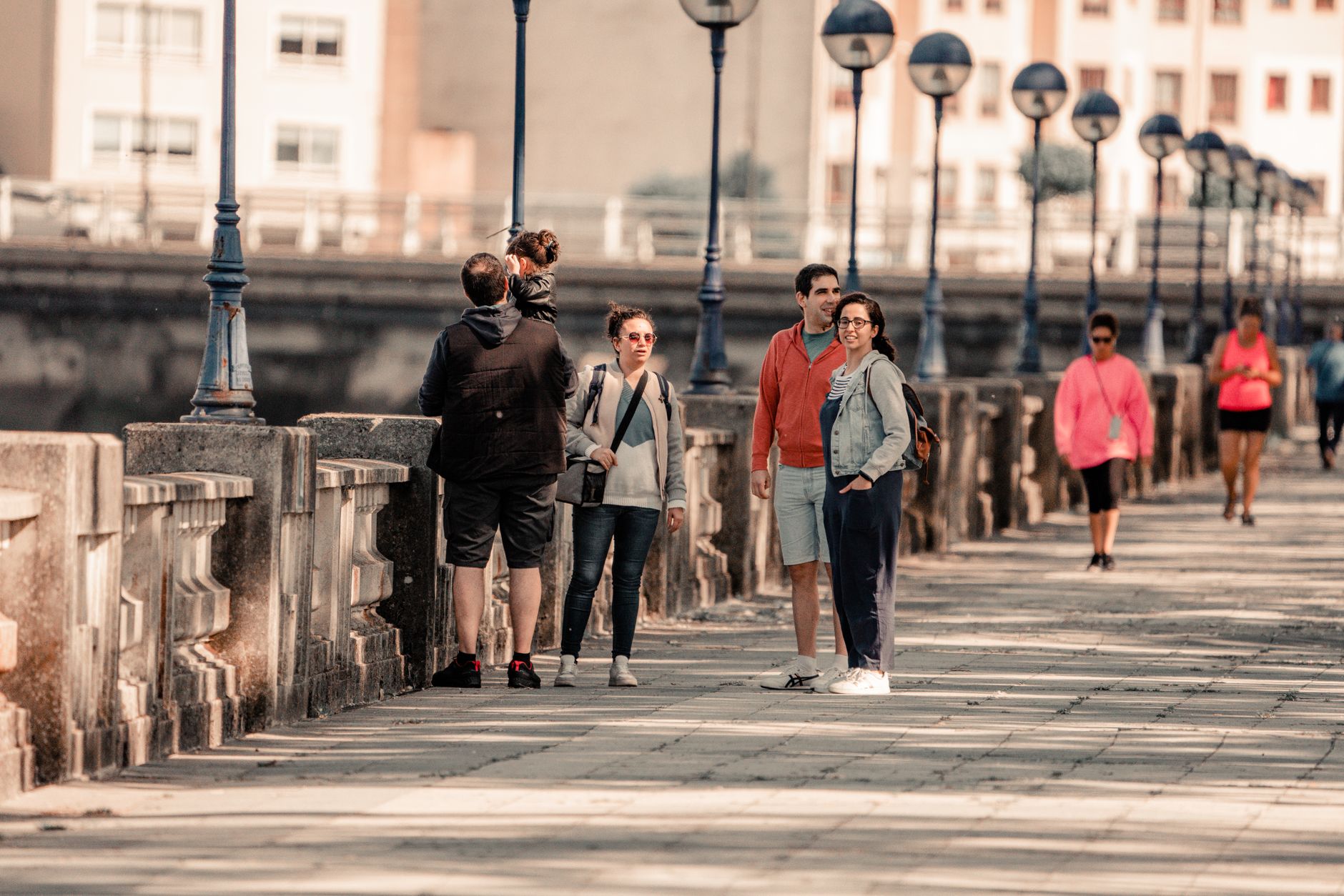
Today Sorocaba is a mid-sized industrial city with a serious bike-lane network and a technology park opened in 2013. It doesn't perform for tourists, which is part of what makes wandering its historic center on foot feel like something you've earned.
💛 What travellers fall for
People who've spent time here tend to mention the Mercado Municipal before anything else — the 1938 Art Deco building designed by Affonso Iervolino and Zenon Lotufo, now a protected heritage site, is still a working market and a good place to orient a morning. The zoo, 'Quinzinho de Barros,' comes up too, especially among those who return with children.
Deals in Sorocaba
Book directly at the provider

How Sorocaba came to be
Baltasar Fernandes, a Portuguese bandeirante, established the settlement in 1654. Seven years later it was formalized as Vila de Nossa Senhora da Ponte de Sorocaba, and the chapel he built eventually grew — through a 1675 reconstruction and a neo-Gothic overhaul begun in 1913 and finished in 1953 — into the current Catedral Metropolitana. The Mosteiro de São Bento followed in 1660, its colonial stone walls still standing.
The city's defining era came with the mule trade. From 1733 onward, and especially through the Feira de Muares, Sorocaba became the commercial axis of southern Brazil's cattle economy. That prosperity funded the textile factories that arrived in 1852, and the Estrada de Ferro Sorocabana railway in 1872 locked Sorocaba into the industrial supply chain connecting the interior to São Paulo and the Port of Santos.
Who and what shaped it
People who shaped it
Landmark buildings
See Sorocaba in motion
Plan your visit
On the map
When to go
Summers (December through February) are warm and wet, with daytime highs around 30°C (86°F) and most of the year's rainfall concentrated in these months. Winters are dry and mild by day — around 25°C (77°F) — though nights in June and July can drop to 13°C (55°F), so a layer helps.
Right now
Background & history adapted from Wikipedia (CC BY-SA) · specs from Wikidata (CC0) · weather from Open-Meteo · map data © OpenStreetMap contributors · photos from Wikimedia Commons / Unsplash with per-image credit. No third-party reviews or social posts reproduced.